Browse our range of reports and publications including performance and financial statement audit reports, assurance review reports, information reports and annual reports.
Performance audit (Auditor-General Report No. 16 of 2013–14)
Published: Wednesday 29 January 2014
Published
The objective of the audit was to assess the effectiveness of the administration of the Smart Grid, Smart City Program, including the establishment, implementation and ongoing management of the program.
Entity
Department of the Environment; Department of Industry
Contact
Please direct enquiries relating to reports through our contact page.
Performance audit (Auditor-General Report No. 29 of 2012–13)
Published: Tuesday 30 April 2013
Published
The audit objective was to assess the effectiveness of the Department of Veterans’ Affairs (DVA) administration of the veterans’ children education schemes.
Entity
Department of Veterans' Affairs
Performance audit (Auditor-General Report No. 35 of 2013–14)
Published: Wednesday 4 June 2014
Published
The objective of the audit was to assess the effectiveness of the ATO’s activities to promote tax compliance by high wealth individuals.
Entity
Australian Taxation Office
Contact
Please direct enquiries relating to reports through our contact page.
Performance audit (Auditor-General Report No. 17 of 2013–14)
Published: Thursday 30 January 2014
Published
The objective of the audit was to assess the effectiveness of the Department of the Environment’s administration of the Strengthening Basin Communities Program.
Entity
Department of the Environment
Performance audit (Auditor-General Report No. 37 of 2003–04)
Published: Tuesday 30 March 2004
Published
The Australian Customs Service (Customs) is responsible for managing the integrity of Australia's border. The Australian maritime border is the 200 nautical mile Exclusive Economic Zone (EEZ) around Australia's 37 000 kilometre coastline. The National Marine Unit (NMU) contributes to customs' Civil Maritime Surveillance and Response program. It has eight 35 - metre Bay Class vessels (known as Australian Customs Vessels or ACVs) that are capable of maintaining a strategic presence around the Australian coast. The audit examined the administrative effectiveness of the NMU's surveillance and response operations. Particular emphasis was given to the following areas:
- strategic and tactical taskings;
- crew operations;
- crew training;
- asset management; and
- governance arrangements.
Entity
Australian Customs Service
Performance audit (Auditor-General Report No. 18 of 2012–13)
Published: Wednesday 30 January 2013
Published
The objective of the audit was to assess the effectiveness of FaHCSIA’s administration of Communities for Children under the Family Support Program.
Entity
Department of Families, Housing, Community Services and Indigenous Affairs
Performance audit (Auditor-General Report No. 20 of 2006–07)
Published: Tuesday 30 January 2007
Published
The fleet oiler HMAS WESTRALIA was a key element of the Royal Australian Navy (hereafter referred to as ‘Navy') Maritime Operations Support Capability (MOSC) from 1989 until September 2006. WESTRALIA provided logistic support to naval operations and exercises and contributed to Defence international engagement through these activities. The new vessel to replace WESTRALIA is called HMAS SIRIUS and was commissioned by Defence in mid September 2006, which was concurrent with the formal decommissioning of WESTRALIA. This approach was adopted by Defence to ensure that Navy maintained a continuous afloat support capability.
Entity
Defence Materiel Organisation
Performance audit (Auditor-General Report No. 13 of 2006–07)
Published: Tuesday 5 December 2006
Published
The objective of this follow-up audit was to assess the extent to which DVA had implemented the recommendations from the original audit during the period 2002–06, including in its preparation of the IT outsourcing contract which will operate from 2007.
Entity
Department of Veterans' Affairs
Performance audit (Auditor-General Report No. 12 of 2011–12)
Published: Thursday 10 November 2011
Published
The objective of the audit was to assess the effectiveness of the implementation of the NPARIH in the Northern Territory from the perspective of the Australian Government.
Entity
Department of Families, Housing, Community Services and Indigenous Affairs
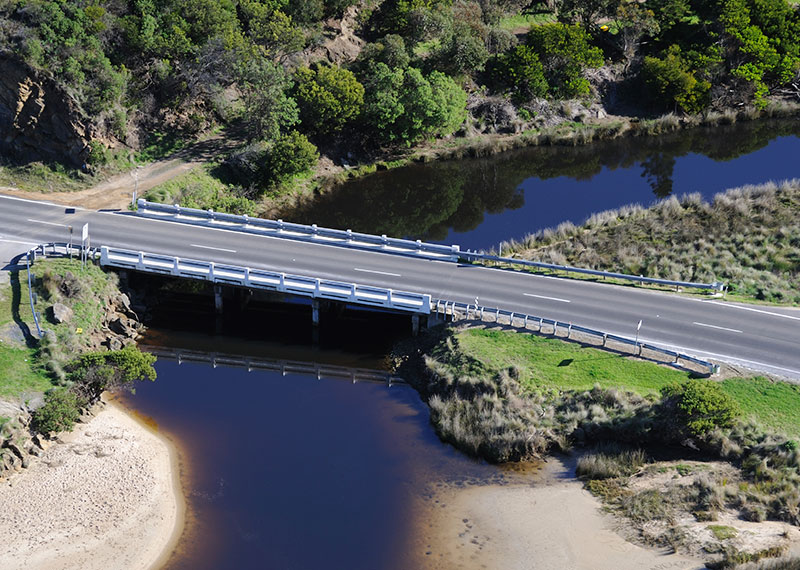
Performance audit (Auditor-General Report No. 17 of 2015–16)
Published: Wednesday 20 January 2016
Published
The objective of the audit was to assess the effectiveness of the Department of Infrastructure and Regional Development’s design and implementation of the first funding round of the Bridges Renewal Programme.
Entity
Department of Infrastructure and Regional Development
Contact
Please direct enquiries relating to reports through our contact page.