Browse our range of reports and publications including performance and financial statement audit reports, assurance review reports, information reports and annual reports.
Performance audit (Auditor-General Report No. 20 of 2006–07)
Published: Tuesday 30 January 2007
Published
The fleet oiler HMAS WESTRALIA was a key element of the Royal Australian Navy (hereafter referred to as ‘Navy') Maritime Operations Support Capability (MOSC) from 1989 until September 2006. WESTRALIA provided logistic support to naval operations and exercises and contributed to Defence international engagement through these activities. The new vessel to replace WESTRALIA is called HMAS SIRIUS and was commissioned by Defence in mid September 2006, which was concurrent with the formal decommissioning of WESTRALIA. This approach was adopted by Defence to ensure that Navy maintained a continuous afloat support capability.
Entity
Defence Materiel Organisation
Performance audit (Auditor-General Report No. 22 of 2012–13)
Published: Thursday 21 February 2013
Published
The objective of the audit was to examine the effectiveness of the Department of Agriculture, Fisheries and Forestry’s administration of the Tasmanian Forests Intergovernmental Agreement Contractors Voluntary Exit Grants Program.
Entity
Department of Agriculture, Fisheries and Forestry
Performance audit (Auditor-General Report No. 33 of 2005–06)
Published: Thursday 2 March 2006
Published
The objective of this follow-up audit was to examine the ATO's implementation of the 20 recommendations in: The Administration of Petroleum Excise Collections (Audit Report No.17, 2001(02); and The Administration of Tobacco Excise (Audit Report No. 55, 2001(02), having regard to any changed circumstances, or new administrative issues, affecting implementation of those recommendations. The audit also aimed to identify scope for improvement in the ATO's administration of petroleum and tobacco excise. Follow-up audits are recognised as an important element of the accountability processes of Commonwealth administration. The Parliament looks to the Auditor-General to report, from time to time, on the extent to which Commonwealth agencies have implemented recommendations of previous audit reports. Follow-up audits keep the Parliament informed of progressive improvements and current challenges in areas of Commonwealth administration that have previously been subject to scrutiny through performance audits.
Entity
Australian Taxation Office
Performance audit (Auditor-General Report No. 16 of 2008–09)
Published: Monday 22 December 2008
Published
The objective of the audit was to assess the adequacy and effectiveness of the BCM practices and procedures within the Tax Office in preparing for, or responding to, disruptions to ‘business as usual' operations.
Entity
Australian Taxation Office
Performance audit (Auditor-General Report No. 43 of 2008–09)
Published: Tuesday 23 June 2009
Published
The objective of the audit, in examining the construction of the CIIDC, was to assess:
- the adequacy of the planning and delivery processes for the project;
- the value-for-money achieved in the delivery of the project, including with regard to the suitability of the centre for its intended purpose; and
- the extent to which the Public Works Committee Act.
Entity
Department of Finance and Deregulation
Performance audit (Auditor-General Report No. 33 of 2008–09)
Published: Wednesday 20 May 2009
Published
The objective of the audit was to assess the effectiveness of the Tax Office's administration of the PRRT. The Australian National Audit Office (ANAO) identified four key areas for review: general administration; compliance; promoting certainty in administering the PRRT; and governance arrangements.
Entity
Australian Taxation Office
Performance audit (Auditor-General Report No. 30 of 2009–10)
Published: Thursday 22 April 2010
Published
Recent performance audit priority for the Australian National Audit Office (ANAO) in the Infrastructure, Transport, Regional Development and Local Government portfolio has been directed at the administration of funding for land transport. Accordingly, this audit is one of a series ANAO is undertaking of land transport funding programs. Four audits have already been completed, namely:
- ANAO Audit Report No. 31 2005–06, Roads to Recovery;
- ANAO Audit Report No. 45 2006–07, The National Black Spot Program;
- ANAO Audit Report No. 22 2007–08, Administration of Grants to the Australian Rail Track Corporation; and
- ANAO Audit Report No. 29 2008–09, Delivery of Projects on the AusLink National Network.
Entity
Department of Infrastructure, Transport, Regional Development and Local Government
Performance audit (Auditor-General Report No. 22 of 2013–14)
Published: Thursday 6 March 2014
Published
The objective of the audit was to report on the progress of the current phase of the Air Warfare Destroyer (AWD) Program, which is known as SEA 4000 Phase 3–Build. This phase commenced in June 2007, and covers the finalisation of the detailed design, the signing of the Alliance and Platform System Design contracts, and the construction and delivery of the ships by the Industry Participants to the Defence Materiel Organisation (DMO).
Entity
Department of Defence; Defence Materiel Organisation
Contact
Please direct enquiries relating to reports through our contact page.
Performance audit (Auditor-General Report No. 34 of 2011–12)
Published: Thursday 24 May 2012
Published
The objective of the audit was to assess the progress of the M113 Upgrade Project (Defence Project: Land 106), including progress in the development of operational capability resulting from the introduction of the upgraded vehicles into service. The high-level audit criteria used to assess the project’s progress and Defence’s effectiveness in administering the M113 Upgrade Project were:
- the degree to which the schedule for the production and delivery of upgraded M113 vehicles to Defence had been recovered in accordance with Defence’s response to the 2008–09 audit report and contractual requirements, as negotiated over the life of the contract;
- Defence’s measurement and allocation of the total cost of the upgrade project; and
- the development of capability arising from the upgrade project.
Entity
Department of Defence, Defence Materiel Organisation
Performance audit (Auditor-General Report No. 30 of 2017–18)
Published: Wednesday 28 February 2018
Published
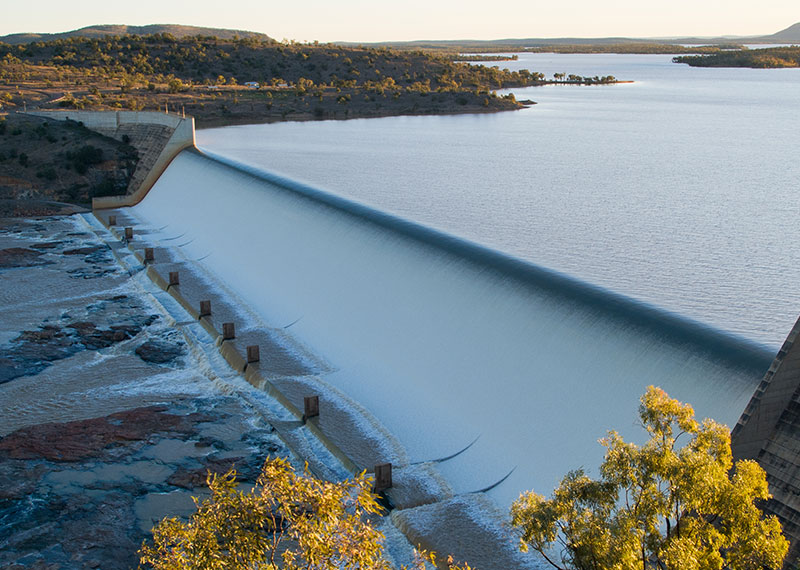
The objective of the audit was to examine the effectiveness of the design and governance of the National Water Infrastructure Development Fund.
Entity
Department of Agriculture and Water Resources; Department of Infrastructure, Regional Development and Cities; Department of the Prime Minister and Cabinet
Contact
Please direct enquiries relating to audits through our contact page.