Browse our range of reports and publications including performance and financial statement audit reports, assurance review reports, information reports and annual reports.
Speeches and papers
Published: Thursday 16 February 2006
Published
Mr Ian McPhee - Auditor-General for Australia, presented at the Canberra Evaluation Forum
Speeches and papers
Published: Tuesday 26 November 1996
Published
Mr P.J. Barrett (AM) - Auditor-General for Australia, presented to the Information Systems Audit and Control Association (Canberra Chapter) in conjunction with the Institute of Internal Auditors (Canberra Branch)
Performance audit (Auditor-General Report No. 6 of 1999–2000)
Published: Monday 9 August 1999
Published
This report summarises audit and other related activities of the Australian National Audit Office in the period January to June 1999.
Entity
Audit Activity Report
Speeches and papers
Published: Thursday 22 May 2003
Published
Mr P.J. Barrett (AM) - Auditor-General for Australia, presented to the Queensland Commonwealth Regional Heads Forum 15th Annual Government Business Conference
Performance audit (Auditor-General Report No. 64 of 2001–02)
Published: Friday 28 June 2002
Published
The objective of the audit was to examine and report on the key management factors that assist in ensuring value for money in learning and development.
Entity
Across Agency
Speeches and papers
Published: Friday 13 October 1995
Published
Mr P.J. Barrett (AM) - Auditor-General for Australia, presented to the International Consortium on Governmental Financial Management - Washington
Speeches and papers
Published: Wednesday 14 February 1996
Published
Mr P.J. Barrett (AM) - Auditor-General for Australia, presented at the FINEST User Network Annual Conference 1996, Leura, NSW
Annual report
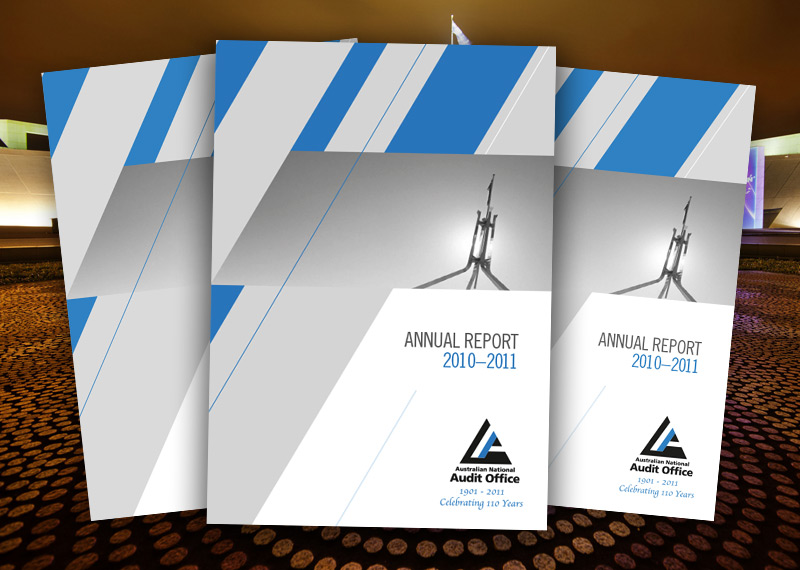
Published: Friday 30 September 2011
Published
This annual report documents the performance of the Australian National Audit Office (ANAO) in the financial year ending on 30 June 2011. It includes a foreword by the Auditor-General, an overview including the role and vision of the Office, a report on performance, details about management and accountability, and the financial results.
Speeches and papers
Published: Thursday 21 August 2003
Published
Mr P.J. Barrett (AO) - Auditor-General for Australia, presented at the National Institute for Governance Seminar, Canberra
Speeches and papers
Published: Tuesday 11 February 2003
Published
Mr P.J. Barrett (AM) - Auditor-General for Australia, presented to the Australian Communications Authority's Business Planning Workshop
Speeches and papers
Published: Wednesday 20 November 1996
Published
Mr P.J. Barrett (AM) - Auditor-General for Australia, presented to the PAA National Conference - Reshaping the Old: Charting the New - Public Management in the 1990s - Melbourne
Speeches and papers
Published: Monday 11 June 2001
Published
Mr P.J. Barrett (AM) - Auditor-General for Australia, presented at the INTOSAI Working Group
Speeches and papers
Published: Monday 7 October 2002
Published
Mr P.J. Barrett (AM) - Auditor-General for Australia, presented at the 18th Commonwealth Auditors-General Conference, Malaysia
Speeches and papers
Published: Friday 16 November 2001
Published
Mr P.J. Barrett (AM) - Auditor-General for Australia, presented at the CPA South Australia Annual Congress 2001, 'Riding the Next Wave'
Speeches and papers
Published: Wednesday 21 March 2001
Published
Mr P.J. Barrett (AM) - Auditor-General for Australia, presented at the Australian Corporate Lawyers Association, Old Parliament House, Canberra
Speeches and papers
Published: Thursday 25 May 2000
Published
Mr P.J. Barrett (AM) - Auditor-General for Australia, presented at the Government in Excellence Summit 2000 - Reinventing Government - A Manifesto for Achieving Excellence and Managing for Results; Singapore
Speeches and papers
Published: Friday 5 November 2004
Published
Mr P.J. Barrett (AM) - Auditor-General for Australia, presented at the 2nd Taipai Corporate Governance Forum
Speeches and papers
Published: Wednesday 26 June 2002
Published
Mr P.J. Barrett (AM) - Auditor-General for Australia, presented at the International Quality & Productivity Centre Seminar
Performance audit (Auditor-General Report No. 28 of 1999–2000)
Published: Thursday 3 February 2000
Published
This report summarises audit and other related activities of the Australian National Audit Office in the period July to December 1999.
Entity
Across Agency
Speeches and papers
Published: Wednesday 26 July 2000
Published
Mr P.J. Barrett (AM) - Auditor-General for Australia, presented at the Australian Corporate Lawyers Association and the Australian Institute of Administrative Law Conference on Outsourcing
Performance audit (Auditor-General Report No. 45 of 1998–99)
Published: Wednesday 2 June 1999
Published
The audit is a follow-up to Audit Report 12, 1995-96 Risk Management by Commonwealth Consumer Product Safety Regulators. The objectives of this follow-up audit were to determine the extent to which ANZFA had implemented the agreed recommendations contained in the 1995 Audit Report, and to determine the effectiveness of the implemented recommendations in improving food safety regulation.
Entity
Australian New Zealand Food Authority
Performance audit (Auditor-General Report No. 21 of 2002–03)
Published: Wednesday 11 December 2002
Published
The audit examined whether the Department of Health and Ageing had the performance information necessary to administer the Australian Health Care Agreements. A strong focus of the audit was accountability for performance given the significant size of Commonwealth financial assistance, more than $29.6 billion over 5 years, provided to the States and Territories for the provision of health care services.
Entity
Department of Health and Ageing
Speeches and papers
Published: Friday 1 May 2009
Published
Mr Ian McPhee - Auditor-General for Australia, presented at the Institute of Chartered Accountants in Australia, Audit Conference, Melbourne
Speeches and papers
Published: Friday 14 October 2011
Published
Mr Ian McPhee, PSM - Auditor-General for Australia, presented to the Senate Occasional Lecture, Parliament House Canberra
Speeches and papers
Published: Tuesday 29 May 2001
Published
Mr P.J. Barrett (AM) - Auditor-General for Australia, presented at the Public Sector Risk Management Conference
Performance audit (Auditor-General Report No. 17 of 1999–2000)
Published: Monday 15 November 1999
Published
The audit reviewed the Commonwealth-State Housing Agreement (CSHA). CSHA is a joint arrangement between the Commonwealth and the States under which both the Commonwealth and the States contribute funding in the form of grants, which are used by State Housing Authorities to provide a variety of housing assistance programs to households on low incomes and those with special needs. The overall objective of the audit was to assess and report to Parliament on how effectively the Department of Family and Community Services (FaCS - formerly the Department of Social Security) administered the CSHA and to identify any areas where improvements could be made.
Entity
Department of Family and Community Services
Performance audit (Auditor-General Report No. 49 of 1998–99)
Published: Tuesday 29 June 1999
Published
The objective was to assess the extent to which staff reductions have been managed in a sound strategic and cost-effective manner consistent with the Government's guidelines and the ANAO's 1996 better practice guide Managing APS Staff Reductions. The audit focussed on 3 agencies - the Australian Taxation Office, the former Department of Primary Industry and Energy, and the former Department of Transport and Regional Development. The ANAO found that the majority of staff reductions were achieved through retrenchment rather than natural attrition; and that decisions on the number of retrenchments were not always supported by an assessment of the impact of the reductions on the agencies' abilities to conduct their business.
Entity
Public Service and Merit Protection Commission and Other Agencies
Speeches and papers
Published: Tuesday 1 May 2001
Published
Mr P.J. Barrett (AM) - Auditor-General for Australia, presented at the IIR Conference 'Risks in Outsourcing in the Public Sector'
Performance audit (Auditor-General Report No. 4 of 2000–01)
Published: Monday 14 August 2000
Published
This report summarises audit and other related activities of the Australian National Audit Office in the period January to June 2000.
Entity
Audit Activity Report
Speeches and papers
Published: Thursday 14 November 1996
Published
Mr P.J. Barrett (AM) - Auditor-General for Australia, presented t the Australian Society of Certified Practising Accountants Annual Research Lecture - Canberra
Speeches and papers
Published: Thursday 10 October 1996
Published
Mr P.J. Barrett (AM) - Auditor-General for Australia, presented at the Launch of MAB/MIAC Report 22: Guidelines for Managing Risk in the Australian Public Service, Canberra
Speeches and papers
Published: Tuesday 3 September 1996
Published
Mr P.J. Barrett (AM) - Auditor-General for Australia, presented at the Challenges and Opportunities Seminar, Conducted by the Department of Finance, Canberra
Speeches and papers
Published: Thursday 7 April 2005
Published
Mr P.J. Barrett (AO) - Auditor-General for Australia, Opening Address to the inaugural conference of the Risk Management Institution of Australasia - Bringing Risk Management Together - What the Future Holds
Speeches and papers
Published: Wednesday 18 March 1998
Published
Mr P.J. Barrett (AM) - Auditor-General for Australia, presented at the Risk Management in the Public Sector Seminar
Performance audit (Auditor-General Report No. 20 of 2001–02)
Published: Friday 16 November 2001
Published
The ANAO reviewed arrangements for the development of the department's fraud policy, fraud risk assessment and fraud control plan within the core functional areas of the department that are responsible for these activities. The audit also examined the operational procedures and guidelines that were in place to implement the department's fraud policy. The objective of the audit was to assess whether AFFA has implemented appropriate fraud control arrangements in line with the Fraud Control Policy of the Commonwealth and whether these arrangements operate effectively in practice.
Entity
Agriculture Fisheries and Forestry - Australia
Speeches and papers
Published: Thursday 1 September 2005
Published
Mr Ian McPhee - Auditor-General for Australia, presented to the Australian Institute of Company Directors, in conjunction with the Institute of Internal Auditors Australia
Speeches and papers
Published: Wednesday 10 March 1999
Published
Mr P.J. Barrett (AM) - Auditor-General for Australia, presented at the IPAA Conference, Canberra
Speeches and papers
Published: Wednesday 18 April 2001
Published
Mr P.J. Barrett (AM) - Auditor-General for Australia, presented at the MinterEllison Seminar Series
Performance audit (Auditor-General Report No. 46 of 1997–98)
Published: Thursday 28 May 1998
Published
The objectives of this audit were to:
- provide assurance to the Parliament on the effectiveness of internal audit operations; and
- determine whether internal audit generally operates at, or near, recognised better practice.
The criteria used to measure internal audit effectiveness were based on four principles developed as part of the audit. These principles and criteria deal with the level of management support and authority; the use of a risk-focus to address client needs; the appropriate balance of skills and knowledge; and the use made of continuous improvement processes and measurement of performance effectiveness.
Entity
Across Agency
Performance audit (Auditor-General Report No. 13 of 2000–01)
Published: Wednesday 4 October 2000
Published
The audit examined a range of issues in relation to the development of certified agreements in the APS with particular emphasis on the link between improved pay and conditions and increased productivity, and the funding of agreements. The objectives of the audit were to:
- provide an overview of the range of wage outcomes included in the first round of APS certified agreements;
- identify the administrative arrangements agencies have in place to measure any improvements in productivity that were linked to pay increases;
- determine how agencies funded their certified agreements;
- review the reporting and accountability arrangements agencies have in place to monitor progress and to evaluate the outcomes of their certified agreements;
- determine the extent to which agencies complied with the employment terms and conditions outlined in their certified agreements that contributed to paying for their agreement or measuring and/or assessing improvements in productivity; and
- examine the role of central coordinating agencies in reviewing agencies' certified agreements.
Entity
Across Agency
Speeches and papers
Published: Friday 7 November 2003
Published
Mr P.J. Barrett (AM) - Auditor-General for Australia, Occasional Paper
Performance audit (Auditor-General Report No. 5 of 2001–02)
Published: Tuesday 7 August 2001
Published
The audit was conducted in response to a November 2000 resolution of the Senate that the Auditor-General examine all expenditures and entitlements accruing to Parliamentarians in 1999-2000. The objectives of the audit were to:
- provide assurance to the Parliament regarding the administration by Finance, the chamber departments and the portfolio departments of all expenditures and entitlements accruing to Parliamentarians, including Ministers, in 1999-2000;
- assess the administrative and control structures governing expenditures and entitlements accruing to Parliamentarians and Ministers in 1999-2000; and
- identify opportunities to improve the current framework.
Entity
Across Agency
Performance audit (Auditor-General Report No. 31 of 2001–02)
Published: Wednesday 13 February 2002
Published
The report summarises the audit and other related activities of the ANAO in the period July to December 2001. Key issues arising from performance audits tabled in this period are summarised.
Entity
Audit Activity Report
Performance audit (Auditor-General Report No. 6 of 2000–01)
Published: Wednesday 23 August 2000
Published
The objective of the audit was to assess the framework and systems that DHAC has in place to prevent, control, monitor, detect and investigate fraud. The ANAO concluded that DHAC had taken appropriate steps to protect Commonwealth resources under its administration from fraudulent misappropriation by developing a sound fraud control framework, the effectiveness of which is illustrated by the relatively low incidence of reported fraud in the department over the last few years. The framework also includes key elements for preventing and dealing with fraud in line with the Commonwealth's Fraud Control Policy.
Entity
Department of Health and Aged Care
Speeches and papers
Published: Tuesday 27 March 2001
Published
Mr P.J. Barrett (AM) - Auditor-General for Australia, presented at the Security in Government 2001 SES Seminar
Speeches and papers
Published: Thursday 11 April 2002
Published
Address by Richard Rundle, Executive Director, Business Assurance Services, at the Security in Government 2002 Conference
Speeches and papers
Published: Monday 4 September 1995
Published
Mr P.J. Barrett (AM) - Auditor-General for Australia, presented to the Australian Society of CPAs, Canberra
Speeches and papers
Published: Wednesday 4 April 2001
Published
Address by Richard Rundle, Executive Director, Business Assurance Services, at the Security in Government 2001 Conference
Speeches and papers
Published: Friday 31 May 2002
Published
Mr P.J. Barrett (AM) - Auditor-General for Australia, presented at the IPAA ACT Division, Half day seminar
Speeches and papers
Published: Saturday 21 August 2004
Published
Mr P.J. Barrett (AM) - Auditor-General for Australia, Address to the Challenge of Change : Driving Governance and Accountability CPA Forum 2004
Speeches and papers
Published: Thursday 11 January 2001
Published
Mr P.J. Barrett (AM) - Auditor-General for Australia, presented at the Global Working Group Meeting, Washington
Speeches and papers
Published: Tuesday 5 October 2004
Published
Mr P.J. Barrett (AO) - Auditor-General for Australia, presented at the UN Results Based Management Seminar
Speeches and papers
Published: Friday 2 March 2012
Published
Mr Mr Ian McPhee - Auditor-General for Australia, presented at the 5th Symposium of the Asian Organization of Supreme Audit Institutions (ASOSAI), Jaipur, India
Performance audit (Auditor-General Report No. 45 of 1997–98)
Published: Thursday 28 May 1998
Published
The objective of the audit was to determine whether the Department of Health and Family Services had managed its coordinating role and implemented its responsibilities under the National Rural Health Strategy efficiently and effectively.
Entity
Department of Health and Family Services
Speeches and papers
Published: Tuesday 3 June 1997
Published
Mr P.J. Barrett (AM) - Auditor-General for Australia, presented to the Australian Taxation Office Staff Conference, Canberra
Performance audit (Auditor-General Report No. 18 of 2002–03)
Published: Wednesday 27 November 2002
Published
The audit reviewed the management of trust monies in five Commonwealth organisations. The objectives of the audit were to:
- assess whether selected Commonwealth organisations were managing trust monies in accordance with legal and administrative requirements and better practice principles;
- identify better practices in the management of trust monies; and
- recommend improvements in the controls and practices relating to the management of trust monies.
Entity
Across agency
Speeches and papers
Published: Thursday 20 November 2003
Published
Mr P.J. Barrett (AM) - Auditor-General for Australia, presented at the CPA Australia National Public Sector Convention, Perth
Performance audit (Auditor-General Report No. 33 of 2001–02)
Published: Monday 25 February 2002
Published
The Senate Order of 20 June 2001, required all FMA agencies to list contracts over $100 000 on the Internet. FMA agencies were to indicate, amongst other things, whether the contracts contained provisions requiring the parties to maintain confidentiality of any of its provisions or whether any provisions of the contract were regarded by the parties as confidential. The Senate Order also requested the ANAO to conduct an examination of a number of such contracts, and indicate whether any inappropriate use of confidentiality provisions was detected in that examination. The Government agreed that agencies would comply with the spirit of the Order because it was committed to transparency of Commonwealth contracts. The Government also indicated that agencies' compliance with the Order would be progressive as agencies refine arrangements and processes to meet the requirements
Entity
Across Agency
Speeches and papers
Published: Friday 16 November 2001
Published
Mr P.J. Barrett (AM) - Auditor-General for Australia, presented at the CPA South Australia Conference 2001
Performance audit (Auditor-General Report No. 21 of 2001–02)
Published: Tuesday 20 November 2001
Published
The audit reviewed the policy advising functions of the Departments of Education, Training and Youth Affairs, Employment, Workplace Relations and Small Business, and Family and Community Services. The objective of the audit was to determine whether departmental quality management systems for policy advising were appropriate and the advice provided met expected standards for policy outputs.
Entity
Department of Education Training and Youth Affairs; Department of Employment Workplace Relations and Small Business; Department of Family and Community Services
Speeches and papers
Published: Tuesday 16 May 2000
Published
Mr P.J. Barrett (AM) - Auditor-General for Australia, presented at the Medibank Private Executive Seminar Breakfast, Perth
Performance audit (Auditor-General Report No. 46 of 2000–01)
Published: Wednesday 6 June 2001
Published
The objective of the audit was to report to Parliament on the ATO's management of its performance reporting within the outcomes and outputs framework and to identify potential areas for improvement in specifying, measuring, administering and reporting under that framework.
Entity
Australian Taxation Office
Performance audit (Auditor-General Report No. 30 of 1999–2000)
Published: Thursday 3 February 2000
Published
The examined the $1 billion Federation Fund program, which was established by the Government to mark the Centenary of Federation. The objectives of the examination were to assess the:
- extent to which the administration of the FCHP program complied with better practice in the assessment of applications, especially in relation to the transparency and rigour of the decision-making process;
- equity of the geographic spread of grants to States and electorates; and
- process for the announcement of the results of grant applications.
Entity
Across Agency
Performance audit (Auditor-General Report No. 19 of 2001–02)
Published: Thursday 15 November 2001
Published
The audit process involved an assessment of the payroll arrangements in Commonwealth organisations. The objectives of the audit were to determine whether organisations have established internal control frameworks for the management of payroll operations, assess whether payment of salaries and related expenditures is made in accordance with the relevant terms and conditions of employment, and identify better practices in the management and operations of payroll systems.
Entity
Across Agency
Performance audit (Auditor-General Report No. 41 of 2002–03)
Published: Wednesday 7 May 2003
Published
Since 2000, there has been a requirement under the Environment Protection and Biodiversity Conservation Act 1999 (EPBC Act) for Commonwealth agencies to report annually on their environmental performance as well as their contribution to Ecologically Sustainable Development (ESD). The audit objective was to examine and report on the quality of Commonwealth agencies' annual reports on ESD and environment performance. The audit reviewed current practice in light of legal requirements, and provided examples of better practice.
Entity
Across Agency
Speeches and papers
Published: Tuesday 24 July 2001
Published
Mr P.J. Barrett (AM) - Auditor-General for Australia, presented at the Public Service and Merit Protection Commission Senior Executive Service (SES) Breakfast Seminar Series
Speeches and papers
Published: Monday 7 July 2008
Published
Mr Ian McPhee - Auditor-General for Australia, presented at the 20th Commonwealth Auditors-General Conference
Performance audit (Auditor-General Report No. 12 of 1998–99)
Published: Thursday 29 October 1998
Published
The issues examined by the ANAO were considered on two levels. First, legal and ethical processes that focus on whether there are any impediments to the Government and public service implementing the CEIP in the way they have. The public interest issues turn largely on the question of whether the CEIP was for Government or party-political purposes. The other level on which these issues were considered is that of public accountability and the way in which decisions to spend public money are made. In turn, these issues raise questions about the relationship between, and authority of, the Government and Parliament. They may also involve consideration of what might be regarded as proper or responsible conduct by governments and the public service.
Entity
Department of Finance and Administration; Department of the Treasury
Speeches and papers
Published: Wednesday 25 August 2004
Published
Mr P.J. Barrett (AM) - Auditor-General for Australia, address to the Department of Environment and Heritage - Sustainability Reporting by the Public Sector
Speeches and papers

Published: Tuesday 15 March 2016
Published
Grant Hehir, Auditor-General for Australia, delivered a presentation titled A reflection of how far performance auditing has come from its roots in the 1970s to where we are today and where we are heading, at the IMPACT Conference in Brisbane on 15 March 2016.
IMPACT brings together Auditors-General, leaders, practitioners, industry experts and academics from across the globe to discuss the future of performance auditing in the public sector, share experiences and question current practices.
Performance audit (Auditor-General Report No. 8 of 2002–03)
Published: Wednesday 18 September 2002
Published
This is the second audit report under the Senate Order, which requires all Financial Management and Accountability Act 1997 (FMA Act) agencies to place on the Internet, lists of contracts of $100 000 and more by the tenth day of the Spring and Autumn sittings of Parliament. It relates to the audit of the contract information to be listed on the Internet by the tenth day of the Autumn 2002 sitting. The audit involved a desktop review of all FMA Act agencies' Internet listings; and a detailed review at six selected agencies, of the process for making the Internet listings, and the policies and practices for determining confidentiality provisions in contracts.
Entity
Across Agency
Speeches and papers
Published: Thursday 2 November 1995
Published
Mr P.J. Barrett (AM) - Auditor-General for Australia, presented at the Security in Government 95 Conference, Canberra
Performance audit (Auditor-General Report No. 18 of 1999–2000)
Published: Monday 15 November 1999
Published
Government service delivery through the Internet presents both significant opportunities and challenges in the delivery of on-line services. Depending on the level of sophistication of the application, the Internet allows Commonwealth agencies to publish information, interact with clients in the exchange of information, and/or transact business electronically. The over-all objective of this audit was to determine Commonwealth agencies' preparedness to achieve the Government's goal of all appropriate services being Internet-deliverable by 2001. The audit sought to assess:
- the extent to which agencies considered that they would be able to achieve that goal;
- what type of services agencies were delivering or planning to deliver on the Internet; and
- whether agencies had identified barriers and possible solutions to that delivery.
Entity
Across Agency
Performance audit (Auditor-General Report No. 3 of 2004–05)
Published: Friday 23 July 2004
Published
The objective of the audit was to assess whether selected Commonwealth organisations had utilised better practice principles when establishing the role, and managing the use of their internal audit groups. In order to evaluate internal audit, the Australian National Audit Office (ANAO) first considered the status and accountabilities of internal audit within the overall governance framework of the organisations audited, in particular its accountabilities to the audit committee.
Entity
Department of Defence
Performance audit (Auditor-General Report No. 11 of 2002–03)
Published: Thursday 3 October 2002
Published
The audit reviewed the effectiveness of HIC's approach to customer service delivery to the Australian public as customers of Medicare. The primary issues examined were whether: . HIC manages its customer service delivery performance effectively;
- HIC's approach to people management adequately supports customer service delivery;
- HIC obtains adequate information from customers on their needs, expectations, and perceptions of HIC's service delivery; and
- HIC provides adequate information to customers on its services and on the service standards that customers should expect.
Entity
Health Insurance Commission
Speeches and papers
Published: Friday 18 May 2007
Published
Mr Ian McPhee - Auditor-General for Australia, presented at the Queensland Regional Heads Forum
Performance audit (Auditor-General Report No. 29 of 2003–04)
Published: Friday 20 February 2004
Published
The audit objective was to assess the effectiveness of the National Health and Medical Research Council's governance and administrative systems. In order to achieve this objective, the audit addressed three criteria to determine whether the Council had: identified its legislated responsibilities and monitored its legislative compliance; a sound corporate governance framework to support the performance of its legislated functions; and established robust administrative systems to support the performance of its legislated functions.
Entity
National Health and Medical Research Council; Department of Health and Ageing
Speeches and papers
Published: Wednesday 21 June 2006
Published
Mr Mr Ian McPhee - Auditor-General for Australia, presented at the Leadership Development Network Breakfast Seminar
Speeches and papers
Published: Wednesday 4 March 1998
Published
Mr P.J. Barrett (AM) - Auditor-General for Australia, presented at the Institute of Internal Auditors (IIA) - Australia SOPAC ?98 The IIA - Australia, South Pacific and Asia Conference
Speeches and papers
Published: Monday 30 October 1995
Published
Mr P.J. Barrett (AM) - Auditor-General for Australia, presented to the Institute of Internal Auditors, Annual Directors' Forum, Canberra
Speeches and papers
Published: Sunday 21 February 1999
Published
Mr P.J. Barrett (AM) - Auditor-General for Australia, presented at the 1999 ACPAC Biennial Conference Commercial Confidentiality - Striking the Balance
Performance audit (Auditor-General Report No. 18 of 2001–02)
Published: Thursday 1 November 2001
Published
The ANAO examined the performance information in the 2000-01 Portfolio Budget Statements (PBS) for a mix of ten small and large agencies. The objective of the audit was to assess the appropriateness of the performance information in the selected PBS, the reporting of performance information in annual reports and agency arrangements to identify and collect this information.
Entity
Across Agency
Performance audit (Auditor-General Report No. 47 of 1999–2000)
Published: Tuesday 20 June 2000
Published
The overall objective of the survey was to assess key aspects of fraud control arrangements in place across the APS against Commonwealth Law Enforcement Board (CLEB) guidelines. This assessment aimed to provide assurance to Parliament that agencies had a suitable framework in place to assist in effectively preventing and dealing with fraud and to indicate to APS agencies any areas for improvement identified in the survey.
Entity
Across Agency
Performance audit (Auditor-General Report No. 5 of 2013–14)
Published: Tuesday 15 October 2013
Published
The objective of the audit was to assess the effectiveness of the Australian Taxation Office’s administration of the personal services income regime.
Entity
Australian Taxation Office
Contact
Please direct enquiries relating to reports through our contact page.
Performance audit (Auditor-General Report No. 28 of 2001–02)
Published: Friday 21 December 2001
Published
This benchmarking study surveyed the roles and functions of CFOs from 15 Commonwealth organisations in 2000-2001. It also involved the CFOs providing self-assessments in response to questions about their role, responsibilities, priorities and challenges. In particular the study sought to identify: ·
- the skills, qualifications and experience of Commonwealth CFOs; ·
- the CFOs perceptions of their roles, responsibilities and priorities, and how these may have changed in relation to previous studies and available Andersen Global Best Practices (from the Andersen Global Best Practices® knowledge base); and ·
- how Commonwealth CFOs viewed and used information technology to achieve their financial management objectives.
Entity
Across Agency
Performance audit (Auditor-General Report No. 20 of 2000–01)
Published: Thursday 30 November 2000
Published
The objectives of the audit were to: assess the extent to which the Government's sale objectives were achieved; assess the effectiveness of the management of the public share offer; and identify principles of sound administrative practice to facilitate improved administrative arrangements for future Commonwealth public share offers.
Entity
Department of Finance and Administration
Performance audit (Auditor-General Report No. 31 of 2000–01)
Published: Thursday 29 March 2001
Published
The audit reviewed the Department of Foreign Affairs and Trade's administration of consular services. It focussed on DFAT's travel advice to alert Australians to potential travel risks; case management systems to record and monitor action on more complex consular cases; performance information for the management of consular services; and contingency planning for major consular incidents. The audit also reviewed action taken by DFAT and other agencies to implement the recommendations of a 1997 Senate Committee report on consular services.
Entity
Department of Foreign Affairs and Trade
Speeches and papers
Published: Tuesday 1 February 2005
Published
Mr P.J. Barrett (AO) - Auditor-General for Australia, presented at the Commonwealth Auditors-General Conference, Wellington, New Zealand
Performance audit (Auditor-General Report No. 4 of 1997–98)
Published: Friday 17 October 1997
Published
The objective of the audit was to review AUSTEL and the Spectrum Management Agency's approaches to service delivery against recognised good practice and to identify opportunities for the new Australian Communications Authority to adopt the relevant features of these approaches in its service delivery.
Entity
Australian Telecommunications Authority (AUSTEL); Spectrum Management Agency
Performance audit (Auditor-General Report No. 38 of 2002–03)
Published: Thursday 10 April 2003
Published
The audit reviewed the administration of referrals, assessments and approvals processes under the Environment Protection and Biodiversity Conservation Act 1999. The objective of the audit was to examine and report on the quality and timeliness of environmental assessments and approvals under the Act, as well as on Environment Australia's activities to ensure compliance with the Act.
Entity
Across Agency
Performance audit (Auditor-General Report No. 9 of 1996–97)
Published: Tuesday 8 October 1996
Published
The audit examined the Commonwealth's management of the Building Better Cities Program to identify areas where improvement was needed and where lessons learned from BCP could be useful in other programs.
Entity
Department of Transport and Regional Development
Performance audit (Auditor-General Report No. 25 of 2000–01)
Published: Wednesday 20 December 2000
Published
The study examined aggregated benchmarking measures of cost, efficiency quality and better practice for nineteen Commonwealth organisations and compared the results with that of an international group. The objective of the study was to obtain and report on over time quantitative and qualitative data relating to finance function activities as they operate in Commonwealth organisations.
Entity
Across Agency
Speeches and papers
Published: Thursday 11 August 2005
Published
Mr Mr Ian McPhee - Auditor-General for Australia, presented to the Public Sector Audit Network Group
Performance audit (Auditor-General Report No. 62 of 2001–02)
Published: Wednesday 26 June 2002
Published
The objective of this benchmarking study of the finance function was to obtain and report on over time, quantitative and qualitative data, relating to finance function activities as they operate in Commonwealth organisations. Over the three year period of the study, the majority of participating Commonwealth organisations have shown an improvement in their quantitative and/or qualitative benchmark results across the range of finance function activities. The Report does not provide specific reasons for differences in performance. However, it does provide guidance as to some of the better practices that participating organisations, and the wider public sector, may wish to adopt, or adapt in order to achieve improved performance in the activities of the finance function.
Entity
Across Agency
Speeches and papers
Published: Thursday 29 March 2001
Published
Mr P.J. Barrett (AM) - Auditor-General for Australia, presented at the CPA Australia National Public Sector Convention : Overview and Panel Discussion by Auditors General
Performance audit (Auditor-General Report No. 15 of 1997–98)
Published: Thursday 27 November 1997
Published
The objective of this audit was to form an opinion on the effectiveness of Internet security measures within the Commonwealth public sector. The second objective was to provide better practice guidance for managing an Internet connection. The audit covered a range of Commonwealth agencies which had established an Internet facility. It specifically addressed the following matters : Internet security policies; site management - including change control processes, virus prevention and detection strategies, and incident response plans; controls over access to the Internet site and to data sources connected to the site; and user education and training.
Entity
Across Agency
Speeches and papers
Published: Monday 27 August 2007
Published
Mr Ian McPhee - Auditor-General for Australia, presented at the Australian Corporate Lawyers Association (ACT Division) Conference
Performance audit (Auditor-General Report No. 22 of 2000–01)
Published: Thursday 14 December 2000
Published
The objective of this audit was to establish whether Defence has developed sound fraud control arrangements that are consistent with better practice and fulfil its responsibilities for the protection of public property, revenue, expenditure, and rights and privileges from fraudulent exploitation.
Entity
Department of Defence
Performance audit (Auditor-General Report No. 27 of 2002–03)
Published: Thursday 30 January 2003
Published
The audit reviewed the management and recording of guarentees, warranties, indemnities and letters of comfort issued by the Commonwealth and also assessed action taken in the relation to the recommendations from ANAO Audit Report No. 47 1997-98. The objectives of the audit were to assess the extent of:
- improvement in agencies' management and monitoring of the Commonwealth's exposure to these instruments;
- changes in the size and nature of the exposure since 30 June 1997; and
- the approach of agencies to effective risk management and control of Commonwealth exposures to these instruments.
Entity
Across Agency
Performance audit (Auditor-General Report No. 41 of 1999–2000)
Published: Friday 28 April 2000
Published
The Commonwealth has significant involvement in national emergency management arrangements through its roles in planning, coordination between agencies, operational response, financial support, education and training, public awareness and research activities. The objectives of this performance audit were to identify the Commonwealth's current emergency management arrangements; to provide assurance to Parliament concerning the adequacy of the arrangements; and to highlight areas for improvement.
Entity
Across Agency
Performance audit (Auditor-General Report No. 3 of 1998–99)
Published: Wednesday 12 August 1998
Published
This is a follow-up audit to Audit Report No. 16, 1995-1996, Assessable Government Industry Assistance. This audit examined whether the Australian Taxation Office (ATO) had implemented the appropriate balance of compliance strategies to ensure that Australian Government Industry Assistance (AGIA) is adequately identified, disclosed to the ATO, and the revenue collected in an efficient and administratively effective manner. The objective of this audit was to report on the action taken by the Australian Taxation Office in addressing the recommendations of the 1996 Audit Report.
Entity
Australian Taxation Office
Performance audit (Auditor-General Report No. 46 of 1999–2000)
Published: Tuesday 13 June 2000
Published
The audit reviewed the High Wealth Individuals Taskforce, a comprehensive compliance program with the Australian Taxation Office. The objective of the audit was to examine and report on the management and operations of the taskforce. In doing so, the audit reviewed the Australian Taxation Office's own evaluation of the taskforce and assessed whether, and to what extent, the taskforce delivered the outcomes specified by the Government.
Entity
Australian Taxation Office
Performance audit (Auditor-General Report No. 47 of 2002–03)
Published: Friday 13 June 2003
Published
The audit examined the efficiency and effectiveness of the Department of Employment and Workplace Relations' implementation and subsequent management of the Indigenous Employment Policy. The audit sought to determine whether, in relation to the Indigenous Employment Policy, the department had:
- developed appropriate planning processes and performance measures;
- monitored and reported performance results;
- implemented appropriate evaluation and review mechanisms;
- conducted effective marketing and promotion; and
- identified enhancements and addressed performance issues.
Entity
Department of Employment and Workplace Relations
Performance audit (Auditor-General Report No. 15 of 2001–02)
Published: Tuesday 2 October 2001
Published
In August 1997, Works Australia, a former business unit of the former Department of Administrative Services,was sold by the then Office of Asset Sales (OAS). For a price of $4.2 million, the purchaser acquired the assets of Works Australia and accepted certain liabilities. At the time the sale was completed, Works Australia held $43.7 million in cash belonging to Commonwealth agencies (known as client advances). ANAO programmed an audit to examine oversight of the post-sale contractual arrangements for each of the 307 Commonwealth client advances totalling $43.7 million transferred to the purchaser and found that the $43.7 million in client advances transferred to the purchaser of Works Australia in August 1997 has been effectively accounted for as of July 2001 by the Commonwealth agencies concerned. In addition, the relevant financial security arrangements over the Works Australia client advances have been effectively administered in accordance with the terms and conditions of the Works Australia Sale Agreement by Finance.
Entity
Across Agency
Performance audit (Auditor-General Report No. 6 of 2002–03)
Published: Thursday 29 August 2002
Published
The ANAO reviewed arrangements for the development of the department's fraud policy, fraud risk assessment and fraud control plan within the core functional areas of the department that are responsible for these activities. The audit also examined the operational procedures and guidelines that were in place to implement the departments' fraud policy. The objective of the audit was to assess whether DVA has implemented appropriate fraud control arrangements in line with the Fraud Control Policy of the Commonwealth and whether these arrangements operate effectively in practice.
Entity
Department of Veterans' Affairs
Performance audit (Auditor-General Report No. 23 of 1998–99)
Published: Thursday 17 December 1998
Published
The audit evaluated the effectiveness of the accountability and oversight arrangements for statutory bodies within the former Primary Industries and Energy portfolio (most of which are now part of the Agriculture, Fisheries and Forestry portfolio). The audit focused on accountability of the statutory bodies to the Minister and through the Minister to Parliament; it did not directly address accountability to industry stakeholders and levy papers.
Entity
Across Agency
Speeches and papers
Published: Friday 26 February 2010
Published
Mr Ian McPhee - Auditor-General for Australia, presented at the Canberra Evaluation Forum, The Lobby, Canberra
Speeches and papers
Published: Tuesday 16 September 1997
Published
Mr P.J. Barrett (AM) - Auditor-General for Australia - Speaking Notes used for presentation to the Australian Bureau of Statistics SES and Middle Management Group
Performance audit (Auditor-General Report No. 30 of 2002–03)
Published: Thursday 27 February 2003
Published
The Service Chiefs of Navy, Army and Air Force are accountable to the Chief of the Defence Force for the way that equipment is used by their Service. They are also accountable for the safety, fitness for service and environmental compliance of the equipment. The audit report deals with the way that the Service Chiefs are assured of the safety and suitability for service of the Australian Defence Force's (ADF's) ordnance systems. Ordnance systems include munitions such as missiles, shells and mines, and the auxiliary material necessary to aim, launch and guide munitions.
Entity
Department of Defence
Speeches and papers
Published: Friday 1 November 2013
Published
Mr Mr Ian McPhee - Auditor-General for Australia, presented to the Risk Management Institute of Australia and the Australasian Compliance Institute, at the 2nd Annual GRC Conference, Melbourne
Performance audit (Auditor-General Report No. 50 of 1999–2000)
Published: Thursday 29 June 2000
Published
The objective of this follow-up audit was to assess whether Defence had taken appropriate action on recommendations made in the ANAO's 1995 audit report on Management Audit Branch (MAB), which is responsible for internal audit in Defence, and to assess whether the internal audit function in Defence could be improved.
Entity
Department of Defence
Performance audit (Auditor-General Report No. 16 of 2000–01)
Published: Wednesday 29 November 2000
Published
The objective of this audit was to assess the administration of internal fraud control arrangements in the ATO and to identify areas with potential for improvement as well as identified better practice. To achieve this objective the ANAO focussed on five key areas. These were:
- the application of the ATO's corporate governance processes to the internal fraud control activities;
- the prevention of internal fraud within the ATO;
- the related use of information technology to minimise fraud risks;
- the detection of internal fraud within the ATO; and
- ATO fraud investigation procedures and practices.
Entity
Australian Taxation Office
Performance audit (Auditor-General Report No. 12 of 1999–2000)
Published: Thursday 14 October 1999
Published
This audit examined the management of contracts for business support processes in eight Commonwealth organisations-six operating under the Financial Management and Accountability Act 1997, and two operating under the Commonwealth Authorities and Companies Act 1997. The objectives of this audit were to:
- provide assurance on the effectiveness of the management of contracted business support processes in selected organisations; and
- identify and disseminate better practices in related contract management.
Entity
Across Agency
Performance audit (Auditor-General Report No. 31 of 1999–2000)
Published: Wednesday 16 February 2000
Published
The Australian Taxation Office (ATO) is the Commonwealth's principal revenue collection agency. In 1998-99, the ATO accounted for total tax revenue of $135.3 billion. The objective of this audit was to review the ATO's administration of penalties, with particular emphasis on its corporate governance framework and issues relating to consistency, effectiveness and accountability of penalty administration. In particular, the audit examined the administration of two penalty types, Late Lodgement and Tax Shortfall, as case studies.
Entity
Australian Taxation Office
Performance audit (Auditor-General Report No. 13 of 2001–02)
Published: Thursday 20 September 2001
Published
This cross-portfolio audit reviewed the management of Internet security across ten Commonwealth agencies, with the objective of forming an opinion on the adequacy of Internet security management within the selected agencies. The audit pursued two strands - a review of the management systems employed within agencies including the adequacy of risk assessments, security policies and plans, day to day management and business continuity planning in connection with the agencies' Internet presence, and physical testing of the security arrangements of selected Internet sites. Staff from the Defence Signals Directorate were appointed under the Auditor-General Act 1997 to perform the site testing.
Entity
Across Agency
Performance audit (Auditor-General Report No. 51 of 2000–01)
Published: Friday 15 June 2001
Published
This audit followed up the ANAO's 1997 performance audit report on ADF health services (Audit Report No.34 1996-97 Australian Defence Force Health Services), which focused on the delivery of non-operational health services to entitled members. The objective of the follow-up audit was to assess Defence's implementation of recommendations made in the original audit report and their effectiveness in improving ADF health services.
Entity
Department of Defence
Performance audit (Auditor-General Report No. 43 of 2000–01)
Published: Friday 1 June 2001
Published
The audit examined the design, management and reporting of performance information for the Natural Heritage Trust (NHT) which is administered by the Commonwealth Departments of Environment and Heritage, and Agriculture, Fisheries and Forestry. The objective of the audit was to examine and report on the performance information used to support the administration of $1.5 billion in Commonwealth financial assistance; and compliance with legislative requirements for performance monitoring and reporting.
Entity
Agriculture Fisheries and Forestry - Australia; Department of the Environment and Heritage; Department of Agriculture
Performance audit (Auditor-General Report No. 11 of 2005–06)
Published: Thursday 29 September 2005
Published
The objectives of the audit were to assess agency performance in relation to compiling their Internet listings as required by the Senate Order and the appropriateness of the use of confidentiality provisions in Commonwealth contracts. The audit involved a detailed examination in seven agencies of the processes used to compile their Internet listings and the use of confidentiality provisions in contracts.
Entity
Across Entities
Performance audit (Auditor-General Report No. 6 of 1996–97)
Published: Thursday 12 September 1996
Published
The objectives for the audit were to examine Commonwealth guarantees, indemnities and letters of comfort in relation to:
- the potential size of the Commonwealth's exposure to these instruments;
- the extent to which the overall exposures of the Commonwealth are managed and monitored;
- the adequacy of administrative reporting arrangements;
- areas of better administrative practice relating to their management; and
- to raise agencies' awareness of appropriate risk management and accountability practices in relation to these instruments.
The audit set out to quantify the Commonwealth's exposure to guarantees, indemnities and letters of comfort.
Entity
Across Agency
Performance audit (Auditor-General Report No. 2 of 1997–98)
Published: Wednesday 24 September 1997
Published
The audit reviewed the application by the Department of Finance and the portfolio departments of the 1993 Accountability and Ministerial Oversight Arrangements for Government Business Enterprises and any statutory monitoring and reporting requirements applying to the selected GBEs provided under their own establishing legislation. The objectives of the audit were to examine:
- the effectiveness of the GBE monitoring arrangements in providing appropriate performance information to the Government;
- the extent to which agencies and the selected GBEs comply with the monitoring arrangements and legislative requirements; and
- whether the GBE monitoring system provides an effective level of accountability to Ministers and to the Parliament.
Entity
Across Agency