Browse our range of reports and publications including performance and financial statement audit reports, assurance review reports, information reports and annual reports.
Performance audit (Auditor-General Report No. 21 of 2012–13)
Published: Monday 11 February 2013
Published
The objective of the audit was to assess the effectiveness of DIAC’s management of individual management services provided to people in immigration detention.
Entity
Department of Immigration and Citizenship
Performance audit (Auditor-General Report No. 27 of 2013–14)
Published: Thursday 24 April 2014
Published
The objective of the audit was to examine the effectiveness of the Department of Human Services’ management of Medicare customer data and the integrity of this data.
Entity
Department of Human Services
Contact
Please direct enquiries relating to reports through our contact page.
Performance audit (Auditor-General Report No. 1 of 2011–12)
Published: Tuesday 12 July 2011
Published
The objective of the audit is to assess the effectiveness of the ADF’s mechanisms for learning from its military operations and exercises. In particular, the audit focused on the systems and processes the ADF uses for identifying and acting on lessons, and for evaluating performance. The ANAO also examined the manner in which information on lessons is shared within the ADF, with other relevant government agencies, and with international organisations. Reporting to Parliament was also considered.
Entity
Department of Defence
Performance audit (Auditor-General Report No. 15 of 2011–12)
Published: Wednesday 30 November 2011
Published
The objective of the audit was to assess Customs and Border Protection’s use of risk management to assist in the processing of sea and air cargo imports.
Entity
Australian Customs and Border Protection Service
Request for audit
Responded: Monday 22 August 2016
Response provided
The Auditor-General responded on 22 August 2016 to correspondence from Senator Nick Xenophon on 20 May 2016 requesting a performance audit of the Command and Control System selection for the SEA 1000 Future Submarine Project.
Contact
Please direct enquiries relating to requests for audit through our contact page.
Performance audit (Auditor-General Report No. 36 of 2006–07)
Published: Wednesday 16 May 2007
Published
The audit objectives were to examine if:
- DCITA had effectively planned and administered the HiBIS and BC Stage 1 programs; and
- the programs had achieved their objectives.
The audit focused on DCITA's activities to support the planning, implementation, monitoring and reporting of HiBIS and BC Stage 1 programs.
Entity
NO-DEPTS-LISTED
Performance audit (Auditor-General Report No. 23 of 2010–11)
Published: Tuesday 21 December 2010
Published
The objective of the audit was to assess the administrative effectiveness of FaHCSIA's and IBA's management of the HOIL program. In particular, the audit examined the administrative design of the program, its implementation and progress in achieving the expected results.
Entity
Department of Families, Housing, Community Services & Indigenous Affairs; Indigenous Business Australia
Performance audit (Auditor-General Report No. 8 of 2012–13)
Published: Wednesday 24 October 2012
Published
The objective of the audit was to assess the effectiveness of FaHCSIA‘s performance of its lead agency role in coordinating whole-of-government commitments to closing the gap in Indigenous disadvantage.
Entity
Department of Families, Housing, Community Services and Indigenous Affairs
Performance audit (Auditor-General Report No. 38 of 2011–12)
Published: Tuesday 5 June 2012
Published
The objective of the audit was to assess the effectiveness of DSEWPaC's administration of PIIOP, including the acquisition of water access entitlements and progress towards achieving the program's objectives.
Entity
Department of Sustainability, Environment, Water, Population and Communities
Performance audit (Auditor-General Report No. 16 of 2008–09)
Published: Monday 22 December 2008
Published
The objective of the audit was to assess the adequacy and effectiveness of the BCM practices and procedures within the Tax Office in preparing for, or responding to, disruptions to ‘business as usual' operations.
Entity
Australian Taxation Office
Performance audit (Auditor-General Report No. 16 of 2006–07)
Published: Wednesday 20 December 2006
Published
The objective of the audit was to assess the ATO's administration of CGT compliance in the individuals market segment. The focus of the audit was the ATO's administration of compliance by individuals with respect to the two most common CGT events: real property and share disposals. The Australian National Audit Office (ANAO) identified three key areas for review:
- governance – the corporate planning and reporting arrangements relevant to the administration of CGT compliance in the individuals market segment, including how these are integrated with the ATO's overall approach to managing CGT;
- identifying and assessing compliance risks – the mechanisms and strategies used to identify and assess CGT compliance risks in the individuals market segment; and
- compliance activities – the products and processes used to manage CGT compliance in the individuals market segment.
Entity
Australian Taxation Office
Performance audit (Auditor-General Report No. 14 of 2007–08)
Published: Thursday 15 November 2007
Published
The audit objective was to assess whether the Regional Partnerships Programme has been effectively managed by DOTARS, including the processes by which:
- applications are sought, received and assessed;
- Funding Agreements with grant recipients are developed and managed; and
- the achievement of project and programme outcomes is monitored and assessed.
Entity
Department of Transport and Regional Services
Performance audit (Auditor-General Report No. 18 of 2011–12)
Published: Tuesday 20 December 2011
Published
The objective of the audit was to assess the effectiveness of the management of risks arising from the use of PSDs in selected Australian Government agencies. The PSDs included within the scope of this audit were: USB flash drives; CDs and DVDs; external hard drives; laptop computers and smartphones.
Entity
Across agencies
Performance audit (Auditor-General Report No. 56 of 2003–04)
Published: Thursday 24 June 2004
Published
The objective of this audit was to assess the extent to which PV applications in Australia are processed in accordance with relevant laws and policies, and whether DIMIA employs appropoiate mechanisms to ensure compliance with those laws and policies.
Entity
Department of Immigration and Multicultural and Indigenous Affairs
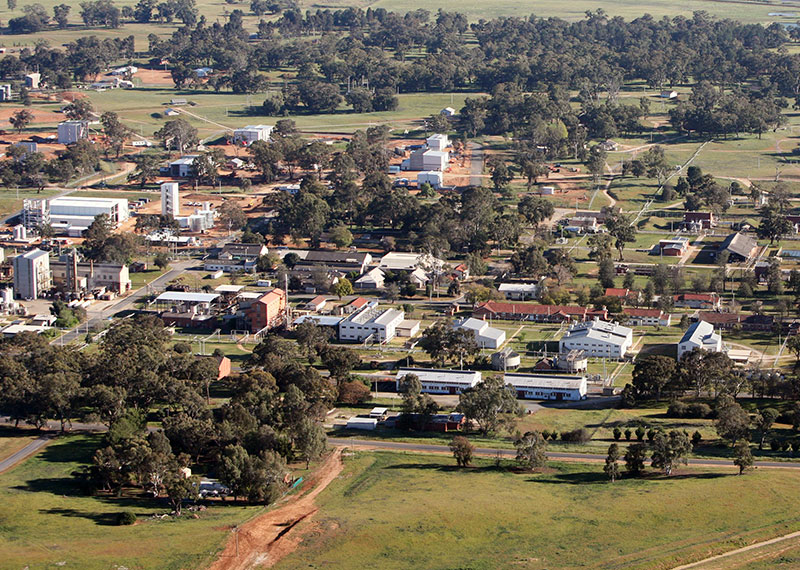
Performance audit (Auditor-General Report No. 26 of 2015–16)
Published: Tuesday 15 March 2016
Published
The audit objective is to assess the effectiveness of the Department of Defence's management of the Mulwala Redevelopment Project.
Entity
Department of Defence
Contact
Please direct enquiries relating to reports through our contact page.
Performance audit (Auditor-General Report No. 50 of 2011–12)
Published: Monday 25 June 2012
Published
The objective of the audit was to assess the effectiveness of Customs and Border Protection's risk-based management of end-to-end processing of incoming international air passengers in achieving border security and passenger facilitation outcomes.
Entity
Australian Customs and Border Protection Service
Performance audit (Auditor-General Report No. 40 of 2009–10)
Published: Wednesday 26 May 2010
Published
The audit objective was to assess the extent to which Australian Government agencies ensure that service providers are made aware of the core Australian Public Service (APS) Values and Code of Conduct and these arrangements are monitored.
Entity
Department of Agriculture, Fisheries and Forestry; Department of Education, Employment and Workplace Relations; Department of Health and Ageing; Department of Families, Housing, Community Services and Indigenous Affairs
Performance audit (Auditor-General Report No. 28 of 2011–12)
Published: Thursday 29 March 2012
Published
The objective of the audit was to assess the effectiveness of Centrelink’s QOL control, which supports the integrity of payments administered by DHS on behalf of the Australian Government.
Entity
Department of Human Services
Performance audit (Auditor-General Report No. 1 of 2009–10)
Published: Tuesday 4 August 2009
Published
In two letters dated 19 and 22 June 2009, the Prime Minister requested a performance audit of a range of matters relating to representations to the Treasury regarding automotive finance arrangements for car dealers. In response to these requests, the Auditor-General decided that ANAO would undertake a performance audit under section 18 of the Auditor-General Act 1997 (Auditor-General Act). The audit objective, based on the matters raised in the Prime Minister's correspondence and in the Parliament, was to examine and report on:
- any representations to the Treasury since October 2008 from all sources regarding automotive finance arrangements for car dealers, including any made in relation to John Grant Motors;
- the nature of these representations;
- the manner in which the representations were responded to by officials, having regard to any relevant standards and procedures; and
- any related administrative matters that came to attention.
Entity
Department of the Treasury; Department of the Prime Minister and Cabinet
Performance audit (Auditor-General Report No. 31 of 2008–09)
Published: Friday 8 May 2009
Published
The objective of this audit was to assess Army's progress in addressing the issues previously identified in Defence reviews and ANAO audits as affecting the Army Reserve's capability; and Identify the extent that the Army Reserve is capable of contributing to contemporary Australian Defence Force capability requirements through fulfilling its assigned roles and tasks.
Entity
Department of Defence
Performance audit (Auditor-General Report No. 35 of 2012–13)
Published: Thursday 16 May 2013
Published
The audit objective was to assess whether Australian Government agencies were effectively controlling the use of credit cards for official purposes.
Entity
Australian Trade Commission; Department of the Prime Minister and Cabinet; Geoscience Australia
Contact
Please direct enquiries relating to reports through our contact page.
Performance audit (Auditor-General Report No. 12 of 2006–07)
Published: Tuesday 28 November 2006
Published
The audit examined the effectiveness and efficiency of the FAO's management of overpayments, within the FTB Programme. In particular, the ANAO considered the FAO's activities in relation to FTB debt prevention, identification, raising and recovery. The audit also compared the FAO's policy documentation and guidance material for staff, against relevant sections of Family Assistance legislation.
Entity
NO-DEPTS-LISTED
Performance audit (Auditor-General Report No. 11 of 2009–10)
Published: Tuesday 17 November 2009
Published
The objective of the audit was to assess the effectiveness of Defence's procurement and contract management for the provision of Garrison Support Services.
Entity
Department of Defence
Performance audit (Auditor-General Report No. 37 of 2012–13)
Published: Wednesday 22 May 2013
Published
The audit objective was to assess the effectiveness of the Department of Industry, Innovation, Science, Research and Tertiary Education’s (DIISRTE’s) administration of the Education Investment Fund grants program.
(DIISRTE was the department that had responsibility for the administration of the EIF grants program during the course of the audit. The recommendations and suggestions for improvement are, however, directed to the Department of Industry, Innovation, Climate Change, Science, Research and Tertiary Education because this department now has responsibility for the administration of the program).
Entity
Department of Industry, Innovation, Climate Change, Science, Research and Tertiary Education; Department of Education, Employment and Workplace Relations
Contact
Please direct enquiries relating to reports through our contact page.
Performance audit (Auditor-General Report No. 36 of 2011–12)
Published: Wednesday 30 May 2012
Published
The objective of the audit was to assess the implementation and effectiveness of the enhanced grants administration requirements relating to the development and approval of new grant guidelines and revision of existing grant guidelines.
Entity
Department of Finance and Deregulation
Performance audit (Auditor-General Report No. 48 of 2010–11)
Published: Thursday 16 June 2011
Published
The audit objective was to assess the effectiveness of monitoring arrangements (by the Accreditation Agency) and compliance activities (by DoHA) put in place to achieve residential aged care homes’ compliance with the Accreditation Standards and their other, related, responsibilities under the Act and its associated instruments.
The ANAO’s assessment considered whether:
— a sector-wide compliance strategy was in place and aligned with effective monitoring and compliance activities at the operational level;
— there was a clear articulation of the separat but complementary roles and responsibilities of DoHA and the Accreditation Agency; and
— performance information gathered by both agencies to support public reporting and business improvements was useful and enabled comparison of performance over time.
Entity
Department of Health and Ageing; Aged Care Standards and Accreditation Agency Ltd
Performance audit (Auditor-General Report No. 25 of 2007–08)
Published: Wednesday 27 February 2008
Published
The objective of the audit was to examine the effectiveness of the Department of Health and Ageing's administration of the Round the Clock Medicare: Investing in After Hours General Practice Services program.
Entity
Department of Health and Ageing
Performance audit (Auditor-General Report No. 18 of 2009–10)
Published: Friday 18 December 2009
Published
The audit objective was to assess whether the administration of the LPG Vehicle Scheme is effective. To address this objective, the audit considered whether:
- there is a sound framework for the operation of the Scheme;
- grants are promoted, assessed and approved in accordance with relevant guidance and regulations; and
- the Scheme's performance is monitored and reported.
Entity
Department of Innovation, Industry, Science and Research; Medicare Australia; Centrelink
Performance audit (Auditor-General Report No. 7 of 2012–13)
Published: Wednesday 3 October 2012
Published
The objective of the audit was to assess the effectiveness of the Department of Education, Employment and Workplace Relations' administration of the Community Support Program. The program aims to improve access to child care, especially in areas where the market would otherwise fail to provide services.
Entity
Department of Education, Employment and Workplace Relations
Performance audit (Auditor-General Report No. 7 of 2009–10)
Published: Tuesday 20 October 2009
Published
The audit objective was to form an opinion on the effectiveness of the NHMRC's grant administration. To meet this objective the NHMRC was assessed against four criteria:
- the NHMRC's governance arrangements provide appropriate accountability that it is meeting its objectives and obligations to Government (Chapter 2);
- there are strategic and systematic processes for developing and implementing grant programs (Chapter 3);
- the NHMRC manages grants post-award effectively, and complies with legislative requirements and program directives (Chapters 4 and 5); and
- the NHMRC monitors and evaluates its business to demonstrate that outcomes are being met (Chapter 6).
Entity
National Health and Medical Research Council
Performance audit (Auditor-General Report No. 24 of 2005–06)
Published: Monday 23 January 2006
Published
The audit objective was to assess the effectiveness of DMO's JORN and JFASmaintenance and support arrangements. The audit examined the maintenanceand operation of the JORN and JFAS radars, and their facilities.
Entity
Department of Defence
Performance audit (Auditor-General Report No. 34 of 2010–11)
Published: Thursday 24 March 2011
Published
The Objective of the audit was to assess the administrative effectiveness of GPET's management of the general practice training programs, AGPT and PGPPP, the latter being a responsibility that GPET assumed in 2010.
Entity
General Practice Education and Training Limited
Performance audit (Auditor-General Report No. 18 of 2005–06)
Published: Wednesday 30 November 2005
Published
The objective of the audit was to assess the administrative effectiveness of the CCAS. The audit focused on the following key areas: targeting non-compliance; real time compliance activity; post transaction compliance activity; and planning and performance evaluation. As the imports phase of the Integrated Cargo System (ICS) was only introduced in October 2005, this system was not reviewed as part of the audit. Our audit programme for 2005–06 includes ICS as a potential audit topic.
Entity
Australian Customs Service
Performance audit (Auditor-General Report No. 53 of 2004–05)
Published: Tuesday 21 June 2005
Published
The objective of the audit was to express an opinion on the effectiveness of HOP management having regard to: compliance with applicable Australian Government policies; compliance with internal guidelines to assist loans officers to assess applications and manage loans; and programme performance reporting.
Entity
Indigenous Business Australia
Performance audit (Auditor-General Report No. 2 of 2006–07)
Published: Wednesday 6 September 2006
Published
The objective of this audit was to assess AQIS's management of export certification. In particular, it addressed the systems, procedures, processes and resources used to: register premises and license exporters; monitor compliance with arrangements; and manage non-compliance. The audit focussed on regulatory activities for assuring that Australian exports meet food safety and quarantine requirements. The methodology involved an examination of each of the seven AQIS export programmes.
Entity
Australian Quarantine and Inspection Service
Performance audit (Auditor-General Report No. 24 of 2006–07)
Published: Wednesday 7 February 2007
Published
The objectives of the audit were to:
- examine Customs' management of the CMR project; and
- determine whether the ICS and CCF met:
- project and operational objectives; and
- user capability and functionality requirements.
Particular emphasis was given to the following areas:
- the project management framework that supported the CMR project;
- implementation arrangements for the ICS; and
- ongoing operational arrangements.
After this audit commenced, Customs engaged Booz Allen Hamilton to undertake a separate review of the ICS. The purpose of that review was to provide Customs with a forward looking report on the lessons to be learned from the implementation of the ICS, its current status and the opportunities to enhance benefits for both Government and industry. The ANAO consulted closely with the Booz Allen Hamilton team and is supportive of the recommendations in their report, which was released in May 2006. The review made thirteen recommendations relating to the ongoing management and governance of the Cargo Management Re-engineering Program at both strategic and tactical levels.
Entity
Australian Customs Service
Performance audit (Auditor-General Report No. 53 of 2006–07)
Published: Friday 29 June 2007
Published
The objective of the audit is to examine and report on the efficiency and effectiveness of AFP's administration and management of its overseas deployments. The audit specifically examines two deployments and focuses on strategic and operational planning and logistics. The audit examines a planned, long-term overseas deployment (as part of the Participating Police Force (PPF) within the Regional Assistance Mission to Solomon Islands (RAMSI)) and a crisis-driven deployment in response to a specific event (Disaster Victim Identification (DVI) assistance to Thailand following the Indian Ocean Tsunamis of 26 December 2004).
Entity
Australian Federal Police
Performance audit (Auditor-General Report No. 42 of 2006–07)
Published: Tuesday 12 June 2007
Published
The objective of the audit is to assess the effectiveness of the ATO's administration of debt collection. Micro-business debt is a particular focus of attention. The three key areas examined are:
- strategies–especially the ATO's initiatives trialled in 2006;
- infrastructure–the IT systems, people, policy and processes and risk management framework supporting the collection of debt; and
- management and governance–planning, monitoring and reporting mechanisms and liaison with stakeholders.
The ANAO focused on the work of the campaigns area within the Debt Line, which has collection responsibility for 90 per cent of collectable debt cases and responsibility for other key, centralised functions such as reporting, quality assurance review, consistency and best practice, and the debt collection initiatives.
Entity
NO-DEPTS-LISTED
Performance audit (Auditor-General Report No. 3 of 2007–08)
Published: Thursday 19 July 2007
Published
The audit objective was to form an opinion on the effectiveness of DEST's planning, assessment, and Funding Agreements management for the Australian Technical Colleges programme. At the time of the audit fieldwork (prior to the 2007–08 Budget) the Government had announced the establishment of 21 of the then target of 25 colleges. After fieldwork was completed the Government announced its intention to fund an additional three colleges in three new regions.
The criteria for this audit were designed to test whether DEST's management of the programme complied with its plans, procedures and guidelines, with the Act, and better practices for grants administration. For these purposes, the ANAO focused on DEST's:
- planning for the implementation of the programme;
- assessment of proposals to establish and operate the colleges; and
- management of the Funding Agreements.
Entity
Department of Education, Science and Training
Performance audit (Auditor-General Report No. 6 of 2011–12)
Published: Thursday 15 September 2011
Published
The audit objective was to assess the effectiveness of DEEWR’s administration of FWEIP. The three high level criteria that were used to make this assessment were the appropriateness of DEEWR’s:
- program planning and design;
- selection and engagement of providers; and
- program monitoring, reporting and evaluation.
Entity
Department of Education, Employment and Workplace Relations
Performance audit (Auditor-General Report No. 5 of 2013–14)
Published: Tuesday 15 October 2013
Published
The objective of the audit was to assess the effectiveness of the Australian Taxation Office’s administration of the personal services income regime.
Entity
Australian Taxation Office
Contact
Please direct enquiries relating to reports through our contact page.
Performance audit (Auditor-General Report No. 15 of 2005–06)
Published: Tuesday 15 November 2005
Published
The objective of the audit was to assess the Commonwealth's administration of the grants component of the R&D Start program. Lessons for the new Commercial Ready program have been identified in the audit. Accordingly, recommendations arising from this audit are directed, when appropriate, to the Commercial Ready program. As most financial assistance is in the form of grants, the loans component of the program was excluded from the audit.
Entity
Department of Industry Tourism and Resources; Industry Research and Development Board
Performance audit (Auditor-General Report No. 33 of 2010–11)
Published: Wednesday 23 March 2011
Published
The objective of the audit was to assess the effectiveness of Australian Government agencies' management and implementation of measures to protect and secure their electronic information, in accordance with Australian Government protective security requirements.
Entity
Across agencies
Performance audit (Auditor-General Report No. 52 of 2010–11)
Published: Wednesday 22 June 2011
Published
The objective of the audit was to assess the effectiveness of the ATO’s administration of DGR endorsements and associated arrangements.
Entity
Australian Taxation Office
Performance audit (Auditor-General Report No. 34 of 2008–09)
Published: Wednesday 20 May 2009
Published
The objective of the audit was to assess the administrative effectiveness of the Tax Office's strategies to address serious non-compliance. In conducting the audit, the ANAO examined the Tax Office's management framework and arrangements to deter, detect and deal with fraud and serious evasion.
Entity
Australian Taxation Office
Performance audit (Auditor-General Report No. 16 of 2011–12)
Published: Thursday 8 December 2011
Published
The objective of the audit was to assess the effectiveness of the ATO’s compliance management approach in the SME market.
Entity
Australian Taxation Office
Performance audit (Auditor-General Report No. 31 of 2005–06)
Published: Wednesday 1 March 2006
Published
The audit scope covered development of the R2R Program, management of the initial R2R Program and changes made to the Program funding conditions and administrative guidance for Auslink Roads to Recovery. The scope did not include management of Auslink Roads to Recovery. The audit objectives were to: · assess the efficiency and effectiveness of the management of the initial R2R Program; and · identify any opportunities for improvements to management of the Program.
Entity
Department of Transport and Regional Services
Performance audit (Auditor-General Report No. 43 of 2011–12)
Published: Tuesday 19 June 2012
Published
The objective of the audit was to assess the effectiveness of FaHCSIA's management of the Australian Government's responsibilities under the NPARSD. In this respect the ANAO considered whether:
- planning processes enabled effective establishment of the remote service delivery model;
- implementation of the key elements of the remote service delivery model effectively addressed the quality and timing requirements of the NPARSD; and
- performance measurement systems were developed to enable the parties to the agreement to assess whether the NPARSD objectives are being met.
Entity
Department of Families, Housing, Community Services and Indigenous Affairs
Performance audit (Auditor-General Report No. 47 of 2003–04)
Published: Tuesday 25 May 2004
Published
In the current audit, the objectives were to provide assurance to the Parliament on the adequacy of the measures and plans instituted by Defence to ensure that the combat aircrew workforce meets military preparedness requirements in the future, and to identify possible areas for improvement.
Entity
Department of Defence
Performance audit (Auditor-General Report No. 53 of 2013–14)
Published: Thursday 26 June 2014
Published
The audit objective was to assess the effectiveness of the Department of Health’s management of the National Medical Stockpile.
Entity
Department of Health
Contact
Please direct enquiries relating to reports through our contact page.
Performance audit (Auditor-General Report No. 3 of 2008–09)
Published: Tuesday 23 September 2008
Published
The objective of the audit was to assess the effectiveness of the management and administration of the Communications Fund, including an assessment of:
- the development and implementation of appropriate investment strategies; and
- the robustness of the governance structures and controls relating to investment activities.
Entity
Department of Broadband, Communications and the Digital Economy; Department of Finance and Deregulation
Performance audit (Auditor-General Report No. 57 of 2004–05)
Published: Tuesday 28 June 2005
Published
The objective of the audit was to assess whether purchases of goods and services are conducted in accordance with relevant legislation, Government policies and guidelines, and sound purchasing principles and practices. The audit at each entity covered the internal control framework for purchasing and purchase transactions during 2002-03 and 2003-04 and, where applicable, was based on the CPGs current at that time. The audit examined all aspects of the purchasing process from the initial requirement for purchase through to the delivery of the supply and payment. It included an examination of aselection of individual purchases at each audited entity.
Entity
Australian National University; Australian Research Council; CRS Australia; The Department of Finance and Administration
Performance audit (Auditor-General Report No. 34 of 2012–13)
Published: Thursday 9 May 2013
Published
The objective of the audit was to assess the extent to which the Department of the Treasury and the Australian Taxation Office (ATO) have improved the management of tax expenditure estimates by implementing the six recommendations in the 2008 ANAO audit and the three recommendations made by the Joint Committee of Public Accounts and Audit (JCPAA) following its inquiry.
Entity
Department of the Treasury; Australian Taxation Office
Contact
Please direct enquiries relating to reports through our contact page.
Performance audit (Auditor-General Report No. 50 of 2004–05)
Published: Thursday 2 June 2005
Published
The objective of this audit was to assess the administration and implementation of the drought assistance measures. The audit focussed on EC, including prima facie EC, and key aspects of the additional drought assistance measures.
Entity
Department of Agriculture, Fisheries and Forestry; Centrelink; The Department of the Prime Minister and Cabinet
Performance audit (Auditor-General Report No. 30 of 2012–13)
Published: Wednesday 1 May 2013
Published
The objective of the audit was to assess the effectiveness of Customs and Border Protection’s arrangements for managing the safe and secure storage and disposal of detained goods.
Entity
Australian Customs and Border Protection Service
Performance audit (Auditor-General Report No. 16 of 2009–10)
Published: Wednesday 16 December 2009
Published
The objective of the audit was to assess the ACMA's effectiveness in operating, managing and monitoring the Register, including compliance with legislative requirements.
Entity
The Australian Communications and Media Authority
Performance audit (Auditor-General Report No. 27 of 2010–11)
Published: Thursday 10 February 2011
Published
The audit examined key aspects of the first four tenders for the RtB program. These tenders provided coverage across the Basin and resulted in expenditure in excess of $1 billion. The 2008–09 tenders included the largest single purchase under the program—$303 million to Twynam Agricultural Group. The audit also examined the Commonwealth's contribution to the purchase of Toorale station, the only purchase outside a tender process.
Entity
Department of Sustainability, Environment, Water, Population and Communities
Performance audit (Auditor-General Report No. 51 of 2010–11)
Published: Tuesday 21 June 2011
Published
To examine the effectiveness of the Department of Health and Ageing’s administration of the Access to Allied Psychological Services Program.
Entity
Department of Health and Ageing
Performance audit (Auditor-General Report No. 18 of 2004–05)
Published: Thursday 16 December 2004
Published
The Therapeutic Goods Administration (TGA), a division of the Commonwealth Department of Health and Ageing, is responsible for the regulation of the manufacture and supply of therapeutic goods. The objective of the audit was to assess the TGA's regulation of non-prescription medicinal products. In particular, it reviewed the TGA's systems, procedures and resource management processes used to approve new manufacturers, monitor ongoing manufacturer and product compliance with mandated requirements, and manage non-compliance. The audit made 26 recommendations designed to improve the transparency, quality and reliability of regulatory decisions taken by the TGA and improve its accountability mechanisms by enhancing its management information systems.
Entity
Department of Health and Ageing
Performance audit (Auditor-General Report No. 19 of 2007–08)
Published: Tuesday 22 January 2008
Published
The current audit has focussed on Stage 2 of the Scheme. Its objective was to assess whether ACIS is being administered effectively by DIISR and, as relevant, by Customs. In particular, the audit examined the department's arrangements for:
- assessing the eligibility of participants to receive duty credits;
- calculating duty credits accurately and adhering to the funding limits for the Scheme;
- checking the integrity of participants' claims, which are self-assessed;
- accounting for the duty credits transferred to and used at Customs; and
- measuring and reporting on the performance of ACIS.
The audit also followed up on whether the ANAO's previous recommendations have been addressed.
Entity
Department of Innovation, Industry, Science and Research; Australian Customs Service
Performance audit (Auditor-General Report No. 55 of 2012–13)
Published: Wednesday 26 June 2013
Published
The objective of the audit was to assess the effectiveness of the Department of Education, Employment and Workplace Relations’ management of the Australian Government’s contribution to the Covenant. The scope of the audit is the Australian Government’s role in the initial establishment of the Covenant and its ongoing contribution through other employment programs.
Entity
Department of Education, Employment and Workplace Relations
Contact
Please direct enquiries relating to reports through our contact page.
Performance audit (Auditor-General Report No. 11 of 2006–07)
Published: Thursday 9 November 2006
Published
The objective of this audit was to assess DAFF's management of the contractual arrangements in place to deliver the National Food Industry Strategy. The audit assessed: implementation of the Strategy; financial management;assessment and selection of grants and projects; management of grants and projects; monitoring and verification of contract services; and performance management. The Australian National Audit Office (ANAO) examined a number of FIG applications and projects, one food centre of excellence and a major project under the Food Market Development programme. The audit did not examine the Food Chain programme or DAFF's administration of the Strategy's government-to-government activities.
Entity
NO-DEPTS-LISTED
Performance audit (Auditor-General Report No. 4 of 2007–08)
Published: Wednesday 8 August 2007
Published
The objective of this follow up audit was to examine Customs' implementation of the eight recommendations in the ANAO Report No.16 2004–05 and the two related recommendations from JCPAA Report 404. The audit has had regard to issues affecting the implementation of the recommendations and has taken into account changed circumstances and new administrative arrangements since the previous audit.
Entity
Australian Customs Service
Performance audit (Auditor-General Report No. 40 of 2013–14)
Published: Monday 16 June 2014
Published
The audit objective was to assess the effectiveness of the Department of Human Services’ management of the trials of intensive service delivery for customers with complex needs.
Entity
Department of Human Services
Contact
Please direct enquiries relating to reports through our contact page.
Performance audit (Auditor-General Report No. 42 of 2010–11)
Published: Wednesday 18 May 2011
Published
The objective of the audit was to assess whether the Council Allocation component of the RLCIP has been effectively designed, implemented and administered. The audit examined each of the three funding rounds, albeit with a focus on the first round (as it was due to be completed by 30 September 2009), with the second round not due to be completed until late in the audit timetable (31 December 2010) and third round funding agreements being signed and payments being made at the time audit work was completed.
Entity
Department of Regional Australia, Regional Development and Local Government
Performance audit (Auditor-General Report No. 25 of 2010–11)
Published: Wednesday 2 February 2011
Published
The audit examined the effectiveness of DEEWR's: administrative framework for the program; management of the application, assessment and funding processes; and monitoring of and reporting on the program's performance.
In order to form an opinion against the audit objective, the ANAO primarily conducted fieldwork and documentation reviews at DEEWR's central office. A stratified random sample (in order to provide for representation from states, territories and school sectors) of 74 applications from Rounds 1 and 2 was also selected for detailed examination. Through this sample, the ANAO sought to determine whether funding applications had been assessed in accordance with the established assessment criteria and that quality assurance mechanisms for the assessment process were effective.
Entity
Department of Education, Employment and Workplace Relations
Performance audit (Auditor-General Report No. 47 of 2008–09)
Published: Thursday 25 June 2009
Published
The objective of the audit was to examine if AFMA is effectively undertaking its regulatory compliance responsibilities in respect of domestic fishing in Commonwealth fisheries. Particular emphasis was
given to:
- the licensing of fishers and related transaction processing;
- the management of fishing quota by concession holders and AFMA; AFMA's domestic compliance monitoring and
- enforcement activities; and the governance arrangement for domestic fishing compliance.
Entity
Australian Fisheries Management Authority
Performance audit (Auditor-General Report No. 24 of 2009–10)
Published: Wednesday 10 March 2010
Published
The objective of this audit was to examine the effectiveness of Defence and the DMO's management of procurement and through life support arrangements to meet the explosive ordnance requirements of the ADF, particularly the non-guided munitions requirements of Army. This included a review of the progress of Defence and the DMO in implementing the recommendations of ANAO Audit Report No.40 2005–06.
Entity
Department of Defence; Defence Materiel Organisation
Performance audit (Auditor-General Report No. 26 of 2009–10)
Published: Tuesday 20 April 2010
Published
The objective of this audit was to assess the effectiveness of the administration of specific climate change programs by the departments of the Environment, Water, Heritage and the Arts and Resources, Energy and Tourism. In undertaking this audit, particular emphasis was given to the implementation of good administrative practice and the extent to which the program objectives were being met. The audit followed four lines of inquiry:
- development of program objectives and assessment of program risks;
- assessment and approval of competitive grant applications;
- assessment and approval of rebate applications; and
- measurement and reporting of program outcomes.
Entity
Department of the Environment, Water, Heritage and the Arts; Department of Climate Change and Energy Efficiency; Department of Resources, Energy and Tourism
Request for audit

Responded: Thursday 1 August 2013
Response provided
The Auditor-General responded on 1 August 2013 to correspondence from Senator Nick Xenophon of 22 July 2013 on the By boat, no visa advertising campaign.
Contact
Please direct enquiries relating to requests for audit through our contact page.
Performance audit (Auditor-General Report No. 26 of 2013–14)
Published: Wednesday 23 April 2014
Published
The objective of the audit was to assess the effectiveness of the Department of Human Services' management of Medicare compliance audits.
Entity
Department of Human Services
Contact
Please direct enquiries relating to reports through our contact page.
Performance audit (Auditor-General Report No. 45 of 2006–07)
Published: Tuesday 19 June 2007
Published
The objective of this performance audit was to assess the administration of the National Black Spot Programme. It was undertaken in a manner similar to the audit of the Roads to Recovery Programme. Specifically, the audit approach involved:
- examination of DOTARS records and discussions with officers in DOTARS and four of the State road transport authorities responsible for administering the Programme;
- analysis of project monitoring, reporting and payment arrangements; and
- selecting a sample of 45 LGA areas across four States so that ANAO could examine projects delivered with Commonwealth funding.
Entity
NO-DEPTS-LISTED
Performance audit (Auditor-General Report No. 11 of 2011–12)
Published: Thursday 3 November 2011
Published
The objective of the audit was to assess the effectiveness of FaHCSIA’s administration of the HAF. To address this objective, the Australian National Audit Office (ANAO) assessed FaHCSIA’s administration against a range of audit criteria, including the extent to which:
- assessment and approval processes were soundly planned and implemented, and were consistent with the requirements of the overarching financial management framework;
- appropriately structured funding agreements were established and managed for each approved grant; and
- the performance of the HAF, including each of the funded projects, was actively monitored and reported.
Entity
Department of Families, Housing, Community Services and Indigenous Affairs; Department of Sustainability, Environment, Water, Population and Communities
Performance audit (Auditor-General Report No. 52 of 2006–07)
Published: Thursday 28 June 2007
Published
This is the first of two audit reports concerning the Tax Office's administration of SMSFs pursuant to the provisions of the Superannuation Industry (Supervision) Act 1993.
This audit report examines the efficiency and effectiveness of the Tax Office's approach to regulating and registering self managed superannuation funds. Specifically the ANAO examined the:
- Environment in which SMSFs operate, including the Tax Office's regulatory roles and responsibilities;
- Tax Office's governance of its SMSF regulatory role; and
- Systems, processes and controls the Tax Office uses to register SMSFs, and enforce the lodgement of fund income tax and regulatory returns.
Entity
Australian Taxation Office
Performance audit (Auditor-General Report No. 17 of 2004–05)
Published: Wednesday 15 December 2004
Published
The objective of the Australian National Audit Office (ANAO) was to examine and report on the planning and corporate governance for the new regional delivery model of the National Action Plan for Salinity and Water Quality (NAP) program, jointly administered by the Department of Agriculture, Fisheries and Forestry and the Department of the Environment and Heritage (the Agencies)
Entity
Department of Agriculture Fisheries and Forestry; Department of the Environment and Heritage
Performance audit (Auditor-General Report No. 57 of 2010–11)
Published: Tuesday 28 June 2011
Published
The objective of the audit was to report on the effectiveness of Defence’s approach to the acceptance into service of Navy capability, and to identify where better practice may be used by CDG, DMO and Navy.
Entity
Department of Defence; Defence Materiel Organisation
Performance audit (Auditor-General Report No. 41 of 2011–12)
Published: Thursday 14 June 2012
Published
The audit objective was to assess the effectiveness of DEEWR's administration of the National Partnership Agreement on Literacy and Numeracy (LNNP). The three high-level audit criteria used to form a conclusion examined the extent to which DEEWR:
- established sound administrative and payment arrangements consistent with government policy, including through its negotiation of bilateral agreements, implementation plans and reform targets;
- properly managed administrative and payment arrangements; and
- effectively monitored and reported on delivery and outcomes.
Entity
Department of Education, Employment and Workplace Relations
Performance audit (Auditor-General Report No. 10 of 2013–14)
Published: Wednesday 11 December 2013
Published
The objective of the audit was to assess the effectiveness of the Torres Strait Regional Authority’s administration of its program and service delivery functions.
Entity
Torres Strait Regional Authority
Contact
Please direct enquiries relating to reports through our contact page.
Performance audit (Auditor-General Report No. 33 of 2005–06)
Published: Thursday 2 March 2006
Published
The objective of this follow-up audit was to examine the ATO's implementation of the 20 recommendations in: The Administration of Petroleum Excise Collections (Audit Report No.17, 2001(02); and The Administration of Tobacco Excise (Audit Report No. 55, 2001(02), having regard to any changed circumstances, or new administrative issues, affecting implementation of those recommendations. The audit also aimed to identify scope for improvement in the ATO's administration of petroleum and tobacco excise. Follow-up audits are recognised as an important element of the accountability processes of Commonwealth administration. The Parliament looks to the Auditor-General to report, from time to time, on the extent to which Commonwealth agencies have implemented recommendations of previous audit reports. Follow-up audits keep the Parliament informed of progressive improvements and current challenges in areas of Commonwealth administration that have previously been subject to scrutiny through performance audits.
Entity
Australian Taxation Office
Performance audit (Auditor-General Report No. 10 of 2007–08)
Published: Wednesday 17 October 2007
Published
The audit objective was to assess how four key departments: Education, Science and Training (DEST); Employment and Workplace Relations (DEWR); Families, Community Services and Indigenous Affairs (FaCSIA); and Health and Ageing (DoHA) are implementing the Government's policy objective for Indigenous service delivery.
Entity
NO-DEPTS-LISTED
Performance audit (Auditor-General Report No. 15 of 2008–09)
Published: Thursday 18 December 2008
Published
The objective of the audit was to assess the effectiveness of AIMS administration of its co investment research program.
Entity
Australian Institute of Marine Science
Performance audit (Auditor-General Report No. 37 of 2009–10)
Published: Thursday 20 May 2010
Published
The objective of this audit was to review the effectiveness of Defence's and the DMO's management of the acquisition arrangements for JP 2070.
Entity
Department of Defence
Performance audit (Auditor-General Report No. 28 of 2009–10)
Published: Wednesday 21 April 2010
Published
During the preparation of the ANAO's Planned Audit Work Program 2006–07, JSCEM suggested that the ANAO consider a possible performance audit into the efficiency and effectiveness of the AEC's management of elections. JSCEM's suggestion was considered in the planning and preparation for this performance audit, which focuses primarily on the AEC's administration of the CEA in the lead-up to and conduct of the 2007 general election.
Entity
Australian Electoral Commission
Performance audit (Auditor-General Report No. 24 of 2010–11)
Published: Thursday 27 January 2011
Published
The objective of the audit was to assess whether the Better Regions Program has been effectively designed and administered. The audit scope included examination of all 106 Better Regions projects.
Entity
Department of Regional Australia, Regional Development and Local Government
Performance audit (Auditor-General Report No. 53 of 2003–04)
Published: Thursday 17 June 2004
Published
The overall objective of the audit was to assess CrimTrac's progress in achieving the key deliverables it was established to provide, given that the agency had been in operation for some three years. The Australian Government provided $50 million for the implementation of CrimTrac, with an expectation that significant progress would be made within the first three years. The audit further examined whether CrimTrac had progressed the key deliverables efficiently and effectively, and whether the data either held by CrimTrac, or accessed through CrimTrac, for matching purposes is secure.
Entity
CrimTrac
Performance audit (Auditor-General Report No. 33 of 2009–10)
Published: Wednesday 5 May 2010
Published
The audit objective was to examine the effectiveness of the department's establishment of the P21 element of the BER program. The focus of the audit was on: the establishment of administrative arrangements for BER P21 in accordance with government policy; the assessment and approval of funding allocations; and the arrangements to monitor and report BER P21 progress and achievement of broader program outcomes. An examination of individual BER P21 projects was outside the scope of the audit.
Entity
Department of Education, Employment and Workplace Relations
Performance audit (Auditor-General Report No. 50 of 2012–13)
Published: Thursday 20 June 2013
Published
The objective of the audit was to assess the effectiveness of the Department of Health and Ageing’s administration of the GP Super Clinics program to support improved community access to integrated GP and primary health care services.
Entity
Department of Health and Ageing
Contact
Please direct enquiries relating to reports through our contact page.
Performance audit (Auditor-General Report No. 16 of 2013–14)
Published: Wednesday 29 January 2014
Published
The objective of the audit was to assess the effectiveness of the administration of the Smart Grid, Smart City Program, including the establishment, implementation and ongoing management of the program.
Entity
Department of the Environment; Department of Industry
Contact
Please direct enquiries relating to reports through our contact page.
Performance audit (Auditor-General Report No. 46 of 2004–05)
Published: Tuesday 31 May 2005
Published
Following on from the 2002 audit, the ANAO decided to conduct an audit of trust monies in entities operating under the Commonwealth Authorities and Companies Act 1997 (CAC Act). The objectives of the current audit were to: · assess whether the selected entities were managing trust monies in accordance with legal and administrative requirements and better practice principles; · identify better practice in the management of trust monies; and · as necessary, recommend improvements in the controls and practices relating to the management of trust monies.
Entity
Across agency
Performance audit (Auditor-General Report No. 8 of 2008–09)
Published: Tuesday 11 November 2008
Published
The objective of the follow up audit was to assess the extent to which Customs has implemented seven of the previous audit's recommendations; the two recommendations relating to strategic and tactical taskings and dissemination of intelligence will be considered in the context of the planned performance audit of Illegal Foreign Fishing in Australia's Northern Waters.
Entity
Australian Customs Service
Performance audit (Auditor-General Report No. 26 of 2010–11)
Published: Wednesday 9 February 2011
Published
The objective of the audit was to assess the effectiveness of DHS' management of the tender process for a replacement BasicsCard to support the delivery of the income management scheme.
In conducting the audit, the Australian National Audit Office (ANAO) assessed the following five key areas of the replacement BasicsCard procurement process, which are described in the Department of Finance and Deregulation's (Finance) Guidance on the Mandatory Procurement Procedures :
• planning for the procurement;
• preparing to approach the market;
• approaching the market;
• evaluating tender submissions; and
• concluding the procurement, including contract negotiation.
Entity
Department of Human Services
Performance audit (Auditor-General Report No. 32 of 2009–10)
Published: Wednesday 28 April 2010
Published
The objective of the audit was to assess the effectiveness of OPO's management of the overseas owned estate. In particular, the audit examined whether:
- sound arrangements are in place to effectively plan and oversight the management of the overseas estate;
- OPO effectively manages owned property on a day-to-day basis;
- the condition of the overseas owned estate is adequately maintained by structured and systematic repair and maintenance arrangements; and
- OPO has appropriate information to facilitate the effective management of the owned estate, and appropriately consults with stakeholders.
Entity
Department of Foreign Affairs and Trade
Performance audit (Auditor-General Report No. 19 of 2008–09)
Published: Wednesday 4 February 2009
Published
The objectives of this audit were to:
- examine whether the appointment of CMAX Communications Pty Ltd as a provider of communications support and advice for the 2020 Summit was consistent with the Commonwealth procurement framework and sound principles of public administration; and
- assess the effectiveness of the administration of the CMAX Communications contract by PM&C.
Entity
Department of the Prime Minister and Cabinet
Performance audit (Auditor-General Report No. 9 of 2011–12)
Published: Thursday 20 October 2011
Published
The audit objective was to assess the extent to which DEEWR and FaHCSIA have effectively managed the planning and consultation phases for the IBF program and the IBHP program. The audit scope included consideration of the issues likely to affect the ongoing operation and sustainability of the facilities.
Entity
Department of Education, Employment and Workplace Relations; Department of Families, Housing, Community Services and Indigenous Affairs; Aboriginal Hostels Limited; Northern Territory Department of Education and Training
Performance audit (Auditor-General Report No. 10 of 2011–12)
Published: Thursday 3 November 2011
Published
The audit objective was to assess the effectiveness of DEEWR‘s administration of the initial phases of the NP ECE. The high-level criteria used to make this assessment were the appropriateness of DEEWR‘s:
- establishment of a sound foundation for implementation, including implementation plans, monitoring arrangements and an Indigenous strategy for universal access; and
- ongoing monitoring and support activities, including assessing progress reports, making payments, maintaining relationships, improving data quality and public reporting.
Entity
Department of Education, Employment and Workplace Relations
Performance audit (Auditor-General Report No. 52 of 2003–04)
Published: Tuesday 15 June 2004
Published
The objective of this audit was to follow up DVA's implementation of the recommendations in Audit Report No. 44, 2000-01, Information Technology in the Department of Veterans' Affairs. The ANAO made two recommendations in the report (the second having five parts). The recommendations addressed the monitoring of IT changes; IT performance information; information systems model documentation; and the facilitation of the interpretation of performance information.
Entity
Department of Veterans' Affairs
Performance audit (Auditor-General Report No. 19 of 2012–13)
Published: Thursday 31 January 2013
Published
The audit objective was to assess the effectiveness of FaHCSIA and DHS’ administration of New Income Management in the Northern Territory.
Entity
Department of Families, Housing, Community Services and Indigenous Affairs; Department of Human Services
Performance audit (Auditor-General Report No. 45 of 2011–12)
Published: Wednesday 20 June 2012
Published
The audit objective was to assess the effectiveness of DoHA’s administration in supporting the creation and development of health infrastructure from the HHF, including DoHA’s support for the Health Minister and the HHF Advisory Board.
Entity
Department of Health and Ageing
Performance audit (Auditor-General Report No. 13 of 2004–05)
Published: Thursday 28 October 2004
Published
This audit is the first time that the ANAO has looked at superannuation payments to independent contractors. The audit examined whether Commonwealth organisations were identifying contracts that were wholly or principally for the labour of the contractor and meeting statutory superannuation obligations under the Superannuation (Productivity Benefit) Act 1988.
Entity
Across Entities
Performance audit (Auditor-General Report No. 27 of 2004–05)
Published: Tuesday 15 February 2005
Published
The overal objective of the Australian National Audit Office (ANAO) audit was to determine the efficiency and effectiveness of the conversion to digital broadcasting by the national broadcasters. This encompasses, among other things, addressing the request from the former Minister for Communications, Information Technology and the Arts (the Minister) for an audit of the actual cost of digital conversion, the sources of funds applied and the efficiency of funds utilisation. It also involved an examination of the broadcasters' management processes to deliver their Strategies and to 'minimise the call on the Budget'.
Entity
Australian Broadcasting Agency and Special Broadcasting Service Corporation
Performance audit (Auditor-General Report No. 6 of 2006–07)
Published: Thursday 12 October 2006
Published
The objective of the audit was to assess the extent to which entities were meeting their recordkeeping responsibilities. In particular, the audit examined how effectively the entities were managing records that were created and stored electronically in corporate recordkeeping systems and in other electronic systems in accordance with recordkeeping requirements.
Entity
The Attorney General’s Department; The Australian Electoral Commission; The Department of the Prime Minister and Cabinet
Performance audit (Auditor-General Report No. 31 of 2013–14)
Published: Thursday 8 May 2014
Published
The objective of the audit was to assess the adequacy and effectiveness of the AEC’s implementation of the recommendation made in ANAO Audit Report No. 28 2009–10 relating to the transport and storage of completed ballot papers.
Entity
Australian Electoral Commission
Contact
Please direct enquiries relating to reports through our contact page.
Performance audit (Auditor-General Report No. 46 of 2006–07)
Published: Wednesday 20 June 2007
Published
The objective of this audit was to assess the Department of Industry, Tourism and Resources' management of the Pharmaceuticals Partnerships Program. The audit focused on how the department:
- promoted the Program and assessed applications for funding;
- managed the funding agreements; and
- managed the Program's governance arrangements.
Entity
NO-DEPTS-LISTED
Performance audit (Auditor-General Report No. 34 of 2007–08)
Published: Wednesday 21 May 2008
Published
The objective of the audit was to determine the effectiveness of DoHA's administration of the MoU between the Government and the pathology profession, including monitoring whether the MoU is achieving its objectives
Entity
Department of Health and Ageing
Performance audit (Auditor-General Report No. 24 of 2015–16)

Published: Tuesday 1 March 2016
Published
The audit objective was to assess the effectiveness of the Department of Social Services' administration of Early Intervention Services for Children with Disability.
Entity
Department of Social Services
Contact
Please direct enquiries relating to reports through our contact page.
Performance audit (Auditor-General Report No. 51 of 2013–14)
Published: Wednesday 25 June 2014
Published
The objective of the audit was to assess the effectiveness of the administration of the Improving School Enrolment and Attendance through Welfare Reform Measure.
Entity
Department of the Prime Minister and Cabinet, Department of Human Services
Contact
Please direct enquiries relating to reports through our contact page.
Performance audit (Auditor-General Report No. 14 of 2005–06)
Published: Wednesday 19 October 2005
Published
The audit assessed whether FaCS effectively undertakes its coordination, monitoring and other roles according to the CSTDA. The audit examined all disability services provided for under the CSTDA, except for disability employment services. The ANAO met relevant officers from FaCS' national office and State and Territory offices, and with 22 stakeholder organisations including: advocacy groups; peak national and State bodies representing the interests of disability service providers and people with disabilities; members of national and State Disability Advisory Bodies funded by FaCS; State and Territory governments; relevant Australian Government agencies; In particular, the Department of Health and Ageing and the Australian Institute of Health and Welfare. and local government bodies. Fieldwork for the audit was primarily undertaken during the period September 2004 to February 2005.
Entity
Department of Family and Community Services
Performance audit (Auditor-General Report No. 27 of 2012–13)
Published: Tuesday 9 April 2013
Published
The audit objective was to assess the effectiveness of DIISTRE’s administration of the Research Block Grant schemes. The department’s performance was assessed against the following criteria:
- the schemes are effectively planned and administered;
- the processes and systems used for calculating and distributing funds reflect the allocation criteria specified for each scheme; and
- compliance with scheme guidelines is monitored and scheme performance and contribution to the broader goals of the RBG program is assessed.
Entity
Department of Industry, Innovation, Climate Change, Science, Research and Tertiary Education
Performance audit (Auditor-General Report No. 35 of 2010–11)
Published: Wednesday 30 March 2011
Published
The objective of the audit was to assess the effectiveness of DFAT's management of the overseas leased estate. In particular, the audit examined whether DFAT:
- has effective governance, reporting and funding arrangements in place to support the sound management and oversight of the overseas leased estate;
- effectively manages overseas leased chancery and residential property on a day-to-day basis; and
- manages relationships with landlords and attached agencies effectively and adequately consults with stakeholders.
Entity
Department of Foreign Affairs and Trade
Performance audit (Auditor-General Report No. 35 of 2011–12)
Published: Tuesday 29 May 2012
Published
The objective of the audit was to examine the effectiveness of the Department of Health and Ageing’s administration of New Directions. In this respect the ANAO considered whether:
- planning processes were developed to support the program’s objectives and rationale;
- implementation arrangements were clearly defined and aligned to the objectives of the program; and
- robust performance management arrangements had been established and were in use by the department.
Entity
Department of Health and Ageing
Performance audit (Auditor-General Report No. 43 of 2010–11)
Published: Wednesday 25 May 2011
Published
The objective of the audit was to examine whether the UP and CPP services provided by the Australian Federal Police Protection Service are being managed effectively. In particular, the audit examined:
- whether the Protection function has been effectively integrated into the AFP, and sound arrangements are in place to strategically plan Protection services and manage risks;
- whether Protection staff have access to appropriate training and guidance; and
- the management arrangements for UP and CPP services.
Entity
Australian Federal Police
Performance audit (Auditor-General Report No. 12 of 2012–13)
Published: Wednesday 5 December 2012
Published
The audit objective was to assess the effectiveness of the Department of Health and Ageing and the Australian National Preventive Health Agency in fulfilling the Commonwealth’s role in implementing the Council of Australian Government’s National Partnership Agreement on Preventive Health, to achieve the Agreement’s objectives, outcomes and outputs, including supporting all Australians to reduce their risk of chronic disease.
Entity
Australian National Preventive Health Agency; Department of Health and Ageing
Performance audit (Auditor-General Report No. 13 of 2005–06)
Published: Tuesday 18 October 2005
Published
The objective of the audit was to assess the administrative effectiveness of the ATO's management of GST compliance in the large business market segment. In conducting the audit the ANAO examined three key areas: governance - ILEC's corporate planning and reporting arrangements relevant to the management of GST compliance in the large business market segment; assessing and identifying compliance risks- how ILEC collects information relating to the large business market segment and how it uses this information to support risk identification and assessment; and managing compliance- compliance planning and the products and processes used by ILEC to manage GST compliance in the large business market segment and evaluating compliance outcomes to support future compliance planning and the targeting of GST compliance risks. In undertaking the audit, the ANAO took account of the findings of previous reviews, in particular the LCCP Review.
Entity
Australian Taxation Office
Performance audit (Auditor-General Report No. 10 of 2012–13)
Published: Tuesday 13 November 2012
Published
The objective of the audit was to assess the Department of Health and Ageing’s (DoHA’s) implementation and ongoing management of the Aged Care Complaints Scheme and the effectiveness of DoHA’s complaint management systems in supporting service delivery and regulatory outcomes.
Entity
Department of Health and Ageing
Performance audit (Auditor-General Report No. 52 of 2013–14)
Published: Wednesday 25 June 2014
Published
The audit objective was to assess the Department of Defence’s progress in delivering Multi-Role Helicopters (MRH90 aircraft) to the ADF through AIR 9000 Phases 2, 4 and 6, within approved cost, schedule and performance parameters.
Entity
Department of Defence; Defence Materiel Organisation
Contact
Please direct enquiries relating to reports through our contact page.
Performance audit (Auditor-General Report No. 27 of 2003–04)
Published: Tuesday 10 February 2004
Published
The primary objective of the audit was to assess FaCS' management of the Internet portals for which it had responsibility as lead agency, www.youth.gov.au, www.community.gov.au, and www.families.gov.au. The ANAO also included in the audit a website directed towards youth. The source which provided many of the services expected of a portal. The audit considered governance structures for the portals; measurement of efficiency and effectiveness; and control factors, such as change management,security, and legal issues.
Entity
Department of Family and Community Services
Performance audit (Auditor-General Report No. 26 of 2011–12)
Published: Thursday 9 February 2012
Published
The objective of the audit was to assess the extent to which FaHCSIA, DEEWR and DoHA seek to reduce service delivery risks posed by capacity constraints in Indigenous organisations.
Entity
Department of Families, Housing, Community Services and Indigenous Affairs, Department of Education, Employment and Workplace Relations and Department of Health and Ageing
Performance audit (Auditor-General Report No. 36 of 2009–10)
Published: Wednesday 19 May 2010
Published
The scope of the audit covered Centrelink's emergency management framework and community recovery assistance operations in general, with a specific focus on the 2009 North Queensland floods and Victorian bushfires. FaHCSIA's role during those disaster events was also considered as it played a key role in establishing the policy parameters of the services Centrelink delivered and addressing issues arising from policy implementation.
Entity
Centrelink; Department of Families, Housing, Community Services and Indigenous Affairs
Performance audit (Auditor-General Report No. 51 of 2012–13)
Published: Monday 24 June 2013
Published
The objective of the audit was to assess the effectiveness of the Australian Taxation Office’s management of its property portfolio.
Entity
Australian Taxation Office
Contact
Please direct enquiries relating to reports through our contact page.
Performance audit (Auditor-General Report No. 29 of 2012–13)
Published: Tuesday 30 April 2013
Published
The audit objective was to assess the effectiveness of the Department of Veterans’ Affairs (DVA) administration of the veterans’ children education schemes.
Entity
Department of Veterans' Affairs