Browse our range of reports and publications including performance and financial statement audit reports, assurance review reports, information reports and annual reports.
Assurance review (Auditor-General Report No. 40 of 2019–20)
Published: Thursday 11 June 2020
Published
The Auditor-General undertook a limited assurance review of the Department of Finance’s reporting and administration of the Advances to the Finance Minister (AFM) for the period 25 April 2020 to 29 May 2020.
Entity
Department of Finance
Contact
Please direct enquiries through our contact page.
Performance audit (Auditor-General Report No. 44 of 2009–10)
Published: Wednesday 16 June 2010
Published
The audit objective was to assess the Tax Office's effectiveness in administering the tax obligations of non-residents.
Entity
Australian Taxation Office
Assurance review (Auditor-General Report No. 13 of 2020–21)
Published: Thursday 15 October 2020
Published
The Auditor-General undertook a limited assurance review of the Department of Finance’s reporting and administration of the Advances to the Finance Minister (AFM) for the Period 29 August 2020 to 25 September 2020.
Entity
Department of Finance
Contact
Please direct enquiries through our contact page.
Performance audit (Auditor-General Report No. 10 of 2015–16)

Published: Tuesday 1 December 2015
Published
The audit objective was to assess the effectiveness of the Department of Health’s records management arrangements, including Health’s progress in transitioning to digital records management.
Entity
Department of Health
Contact
Please direct enquiries relating to reports through our contact page.
Performance audit (Auditor-General Report No. 33 of 2000–01)
Published: Monday 7 May 2001
Published
The objective of the ANAO audit was to identify possible areas for improvement in the Australian Defence Force's management of its Reserve forces. The audit focused on major aspects of the Reserves including roles and tasks, force structure, capability, training, individual readiness, equipment, facilities, recruitment, retention, conditions of service and administration. The audit covered the Australian Naval Reserve, the Australian Army Reserve and the Royal Australian Air Force Reserve. However, due to its size and cost, the Army Reserve was a major focus of the audit activity.
Entity
Department of Defence
Performance audit (Auditor-General Report No. 3 of 2014–15)

Published: Thursday 30 October 2014
Published
The audit objective was to examine the selected entities’ effectiveness in implementing entity-wide fraud control arrangements, including compliance with the requirements of the 2011 Commonwealth Fraud Control Guidelines (2011 Guidelines), and the overall administration of the fraud control framework by the Attorney-General’s Department.
Entity
Across Entities
Performance audit (Auditor-General Report No. 20 of 2014–15)

Published: Thursday 5 February 2015
Published
The objective of the audit was to assess the Australian Customs and Border Protection Service's administration of the Tariff Concession System.
Entity
Australian Customs and Border Protection Service
Contact
Please direct enquiries relating to reports through our contact page.
Performance audit (Auditor-General Report No. 40 of 2000–01)
Published: Monday 28 May 2001
Published
The Department of Immigration and Multicultural Affairs (DIMA), administers the Commonwealth's settlement programs, which seek to assist migrants and refugees to participate in Australian society. Provision of English language training to newly arrived migrants and refugees has been a long standing and significant part of this settlement support, with some 1.5 million new arrivals assisted in this way since 1948. The objective of the audit was to examine DIMA's management of the Adult Migrant English Program Contracts, focusing on performance outcomes; strategic contract management and coordination; program expenditure, with emphasis on contract funding arrangements; and whether contract monitoring and performance information adequately support effective program management. The ANAO made six audit recommendations aimed at improving program performance management and reporting; strategic management and coordination; management of financial risks; and monitoring of contractor performance, which were all accepted by DIMA.
Entity
Department of Immigration and Multicultural Affairs
Performance audit (Auditor-General Report No. 16 of 2000–01)
Published: Wednesday 29 November 2000
Published
The objective of this audit was to assess the administration of internal fraud control arrangements in the ATO and to identify areas with potential for improvement as well as identified better practice. To achieve this objective the ANAO focussed on five key areas. These were:
- the application of the ATO's corporate governance processes to the internal fraud control activities;
- the prevention of internal fraud within the ATO;
- the related use of information technology to minimise fraud risks;
- the detection of internal fraud within the ATO; and
- ATO fraud investigation procedures and practices.
Entity
Australian Taxation Office
Performance audit (Auditor-General Report No. 4 of 2004–05)
Published: Monday 2 August 2004
Published
The audit assessed whether Centrelink effectively manages customer debt, excluding debt relating to Family Tax Benefit, consistently across its network, ensuring integrity of payments made on behalf of the Department of Family and Community Services (FaCS). The audit assessed five components of Centrelink's debt management processes, including administration, prevention, identification, raising and recovery.
Entity
Centrelink
Performance audit (Auditor-General Report No. 5 of 2014–15)

Published: Wednesday 5 November 2014
Published
The objective of the audit was to assess the effectiveness of the Australian Taxation Office’s administration of annual compliance arrangements with large corporate taxpayers.
Entity
Australian Taxation Office
Contact
Please direct enquiries relating to reports through our contact page.
Performance audit (Auditor-General Report No. 12 of 2014–15)
Published: Thursday 11 December 2014
Published
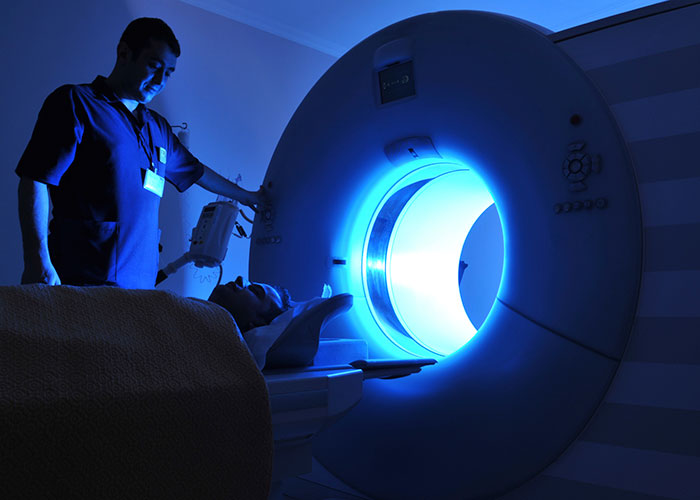
The audit objective was to assess the effectiveness of Health's implementation of the Diagnostic Imaging Review Reform Package, some three years into the five year reform period.
Entity
Department of Health
Contact
Please direct enquiries relating to reports through our contact page.
Speeches and papers
Published: Wednesday 8 November 1995
Published
Mr P.J. Barrett (AM) - Auditor-General for Australia, presented at a Seminar for ANAO staff on Working with Parliamentary Committees. Parliamentary Education Office. The Commonwealth Parliament. Canberra
Performance audit (Auditor-General Report No. 46 of 2006–07)
Published: Wednesday 20 June 2007
Published
The objective of this audit was to assess the Department of Industry, Tourism and Resources' management of the Pharmaceuticals Partnerships Program. The audit focused on how the department:
- promoted the Program and assessed applications for funding;
- managed the funding agreements; and
- managed the Program's governance arrangements.
Entity
NO-DEPTS-LISTED
Major projects report (Auditor-General Report No. 15 of 2012–13)

Published: Wednesday 19 December 2012
Published
The objective of this report is to provide comprehensive information on the status of selected Major Projects, as reflected in the Project Data Summary Sheets prepared by the DMO, and the Statement by the Chief Executive Officer (CEO) of the DMO, and including the ANAO’s review of the preparation of the PDSSs by the DMO.
Entity
Defence Materiel Organisation
Speeches and papers
Published: Tuesday 23 August 2011
Published
Mr Ian McPhee, PSM - Auditor?General for Australia, Speaking Notes for the IPAA (ACT) Forum, Canberra
Performance audit (Auditor-General Report No. 19 of 2007–08)
Published: Tuesday 22 January 2008
Published
The current audit has focussed on Stage 2 of the Scheme. Its objective was to assess whether ACIS is being administered effectively by DIISR and, as relevant, by Customs. In particular, the audit examined the department's arrangements for:
- assessing the eligibility of participants to receive duty credits;
- calculating duty credits accurately and adhering to the funding limits for the Scheme;
- checking the integrity of participants' claims, which are self-assessed;
- accounting for the duty credits transferred to and used at Customs; and
- measuring and reporting on the performance of ACIS.
The audit also followed up on whether the ANAO's previous recommendations have been addressed.
Entity
Department of Innovation, Industry, Science and Research; Australian Customs Service
Performance audit (Auditor-General Report No. 50 of 2001–02)
Published: Thursday 16 May 2002
Published
The Shadow Minister for Health and Ageing, Mr Stephen Smith, wrote to the Auditor-General on 11 March 2002 formally requesting an investigation into certain matters in relation to the 'Co-Location of National General Practice Organisations', a message detailed in the Health Portfolio Additional Estimates Statements 2001-02. The Federal President of the Australian Medical Association (AMA) Limited wrote to the Auditor-General on 11 March 2002, requesting a comprehensive audit of funding decisions by the Minister for Health and Ageing. The Australian National Audit Office has undertaken a preliminary examination of relevant papers relating to the 'GP House' matter. The preliminary examination focussed on whether or not due process was followed in making the decision to transfer funds between Outcomes. The preliminary examination also considered the procedures adopted by the Department of Health and Aged Care in developing the funding proposal, the advisory role played by the Department of Finance and Administration and specific advice provided by both departments to their Ministers. The examination further considered the disclosure of the related budget measure.
Entity
Department of Finance and Administration; Department of Health and Aged Care
Assurance review (Auditor-General Report No. 62 of 2016–17)
Published: Friday 30 June 2017
Published
The Auditor-General undertook a limited assurance engagement of the Department of Finance’s management of the lease between the Commonwealth of Australia and the New South Wales Rifle Association over the Malabar Headland. The limited assurance engagement examined whether the management was, in all material respects, in accordance with the Commonwealth Property Management Framework.
Entity
Department of Finance; Department of the Environment and Energy
Contact
Please direct enquiries through our contact page.
Speeches and papers
Published: Thursday 25 May 2000
Published
Mr P.J. Barrett (AM) - Auditor-General for Australia, presented at the Government in Excellence Summit 2000 - Reinventing Government - A Manifesto for Achieving Excellence and Managing for Results; Singapore
Performance audit (Auditor-General Report No. 27 of 2000–01)
Published: Friday 22 December 2000
Published
The audit was undertaken in the Training and Youth Division TYD) of the Department of Education, Training and Youth Affairs. The objective of the audit was to determine whether the application of Business Processing Reengineering(BPR) principles would identify improvements to the business processes of the TYD. The TYD was used in this audit to illustrate the application of BPR as a tool for agencies to identify efficiencies and enhance program effectiveness.
Entity
Department of Education, Training and Youth Affairs
Corporate
Published: Tuesday 2 July 2019
Published
The ANAO Corporate Plan 2019–20 is the ANAO’s key strategic planning document. It guides our operating environment and sets out how we will deliver on our purpose. This Quality Assurance Framework and Plan complements the Corporate Plan. It describes the ANAO Quality Assurance Framework and reflects the ANAO’s quality assurance strategy and deliverables for the coming year.
Contact
Please direct enquiries through our contact page.
Performance audit (Auditor-General Report No. 13 of 2014–15)

Published: Tuesday 16 December 2014
Published
The objective of the audit was to assess the effectiveness of the Australian Customs and Border Protection Service's management of the Cape Class patrol boat program.
Entity
Australian Customs and Border Protection Service
Contact
Please direct enquiries relating to reports through our contact page.
Performance audit (Auditor-General Report No. 42 of 2014–15)

Published: Thursday 4 June 2015
Published
The objective of this audit was to assess the effectiveness of Finance’s administration of travel entitlements provided to Parliamentarians.
Entity
Department of Finance
Contact
Please direct enquiries relating to reports through our contact page.
Performance audit (Auditor-General Report No. 47 of 2014–15)

Published: Wednesday 10 June 2015
Published
The objective of the audit was to assess the effectiveness of the Department of Immigration and Border Protection’s identity verification arrangements for applicants in the Citizenship Program.
Entity
Department of Immigration and Border Protection
Contact
Please direct enquiries relating to reports through our contact page.
Performance audit (Auditor-General Report No. 26 of 2011–12)
Published: Thursday 9 February 2012
Published
The objective of the audit was to assess the extent to which FaHCSIA, DEEWR and DoHA seek to reduce service delivery risks posed by capacity constraints in Indigenous organisations.
Entity
Department of Families, Housing, Community Services and Indigenous Affairs, Department of Education, Employment and Workplace Relations and Department of Health and Ageing
Performance audit (Auditor-General Report No. 4 of 2010–11)
Published: Wednesday 28 July 2010
Published
The objective of the audit was to assess whether:
a) the AGD effectively manages the operation of the NSH; and
b) the AFP and ASIO have effective procedures in place to deal with incoming referrals from the NSH.
Entity
Australian Security Intelligence Organisation; Attorney-General's Department; Australian Federal Police
Performance audit (Auditor-General Report No. 26 of 1999–2000)
Published: Friday 14 January 2000
Published
In a military context, individual readiness refers to the ability of an individual member to be deployed, within a specified notice period, on operations, potentially in a combat environment, to perform the specific skills in which he or she has been trained. Individual readiness is the foundation on which military preparedness is built. Maintenance of a specified level of individual readiness in peacetime (along with other factors such as equipment readiness and collective training) influences the speed with which personnel can deploy on operations. The objective of this audit is to ensure that members can be deployed on operations, potentially in a combat environment, to perform their specific skills within a notice period of 30 days.
Entity
Department of Defence
Request for audit
Responded: Thursday 6 February 2025
Response provided
The Auditor-General responded on 6 February 2025 to correspondence from Dr Anne Webster MP dated 17 January 2025, requesting that the Auditor-General conduct an investigation to examine whether the Australian Government's Housing Support Program granted funds in accordance with stated criteria.
Contact
Please direct enquiries through our contact page.
Information report (Auditor-General Report No. 7 of 2021–22)

Published: Tuesday 19 October 2021
Published
The objectives of this information report are to provide transparency of, and insights on, government grants expense and Commonwealth entities’ self-reporting of grants on GrantConnect.
Entity
Department of Finance
Contact
Please direct enquiries through our contact page.
Annual report
Published: Wednesday 30 September 2015
Published
This annual report documents the performance of the Australian National Audit Office (ANAO) in the financial year ending on 30 June 2015. It addresses the Requirements for Annual Reports for Departments, Executive Agencies and Other Non‑corporate Commonwealth Entities approved by the Joint Committee of Public Accounts and Audit in June 2015; the performance measures set out in the outcome and programs framework in the 2014–15 Portfolio Budget Statements; section 28 of the Auditor‑General Act 1997; and other annual reporting requirements set out in legislation.
Performance audit (Auditor-General Report No. 7 of 2014–15)

Published: Wednesday 26 November 2014
Published
The objective of the audit was to assess how effectively and efficiently the Australian Taxation Office managed contact centres as part of its overall service delivery.
Entity
Australian Taxation Office
Contact
Please direct enquiries relating to reports through our contact page.
Performance audit (Auditor-General Report No. 35 of 2008–09)
Published: Thursday 21 May 2009
Published
The objective of the audit was to assess the effectiveness of DIAC's management of MAL. The scope was confined to DIAC's management and use of the system: it did not examine the work of others with an interest in the system, such as security agencies.
Entity
Department of Immigration and Citizenship
Performance audit (Auditor-General Report No. 32 of 2011–12)
Published: Thursday 3 May 2012
Published
The audit objective was to assess the effectiveness of the Department of Veterans’ Affairs management of complaints and other feedback to support service delivery. The audit criteria were that DVA has:
- a well-designed framework for managing complaints and other feedback;
- effective processes and practices to manage complaints; and
- appropriately analysed complaints to inform service delivery.
Entity
Department of Veterans' Affairs
Performance audit (Auditor-General Report No. 14 of 1998–99)
Published: Thursday 12 November 1998
Published
The objective of the audit was to ascertain and report to the Parliament on the ATO's administration of PPS and to identify opportunities for improvement. Four key compliance issues were identified: reporting PPS income, claiming PPS credits, remitting PPS income, claiming PPS credits, remitting PPS deductions, and managing PPS exemptions and variations. In addition, the following key aspects were considered: PPS risk assessments, coordination of PPS administration between the Small Business Income and Withholding & Indirect Taxes business lines, and PPS compliance project performance information.
Entity
Australian Taxation Office
Performance audit (Auditor-General Report No. 5 of 1998–99)
Published: Monday 24 August 1998
Published
The objectives of the audit were to provide assurance to Parliament concerning the adequacy of Commonwealth security planning and preparations for the Games and to identify areas for improvement early enough for any corrective action to be taken.
Entity
Across Agency
Performance audit (Auditor-General Report No. 14 of 2009–10)
Published: Wednesday 25 November 2009
Published
The audit objective was to assess the effectiveness of agencies' contract management by determining if they had sound practices and systematic approaches to this activity. Particular attention was given to each agency's:
- day-to-day management of individual contracts; and
- approach to managing its contract population.
Entity
Australian Federal Police; Austrade; Department of Foreign Affairs and Trade
Performance audit (Auditor-General Report No. 41 of 2009–10)
Published: Wednesday 26 May 2010
Published
The audit objective was to assess whether agreements between Australian Government (Commonwealth) agencies reflect sound administrative practices. To meet this objective, the audit reviewed current government policy and a range of better practice guidelines, conducted interviews with agencies and examined cross-agency agreements, to formulate suitable audit criteria and subsequently develop better practice principles.
Entity
Across Entities
Performance audit (Auditor-General Report No. 51 of 2005–06)
Published: Wednesday 28 June 2006
Published
The audit objectives were to report on the implementation status of the parliamentary resolutions and other actions arising out of the six recommendations made in the final PSC Report, Review by the Parliamentary Service Commissioner of Aspects of the Administration of the Parliament. The audit also broadly examined the impact of implementation of the parliamentary resolutions on aspects of: the level of services provided to the Parliament generally following amalgamation of the three former parliamentary departments into the Department of Parliamentary Services; and accommodation space within Parliament House. The designated audit agency was the Department of Parliamentary Services (DPS).
Entity
Department of Parliamentary Services
Performance audit (Auditor-General Report No. 6 of 2010–11)
Published: Tuesday 21 September 2010
Published
The objective of the audit was to assess the implementation of the Australian Taxation Office's Client Contact – Work Management – Case Management system (CWC). The audit examined four key areas that included:
- progress of the CWC against the endorsed Change Program business case;
- improvements to the productivity and efficiency of tax administration as a result of the implementation of the CWC;
- improvements to client experiences when dealing with the Tax Office as a result of the implementation of the CWC; and
- effects of the CWC implementation, including additional benefits achievable beyond its current capacity to further improve tax administration.
Entity
Australian Taxation Office
Insights: Audit lessons

Published: Monday 29 June 2020
Published
This edition of Audit Insights summarises key messages from Australian National Audit Office (ANAO) performance audits about the management of conflicts of interest by Australian Government entities in relation to procurement activity and grants programs.
Contact
Please direct enquiries about audit insights through our contact page.
Speeches and papers
Published: Thursday 18 March 2004
Published
Mr P.J. Barrett (AM) - Auditor-General for Australia, presented to the National Institute of Governance, University of Canberra
Speeches and papers
Published: Tuesday 5 February 2002
Published
Mr P.J. Barrett (AM) - Auditor-General for Australia, Closing Address for the Institute of Chartered Accountants
Performance audit (Auditor-General Report No. 14 of 2006–07)
Published: Thursday 7 December 2006
Published
The objective of the audit was to assess whether the APVMA is performing its key regulatory functions effectively. In particular, the audit examined the APVMA's arrangements for:
- planning and overseeing the delivery of regulatory functions;
- registering pesticides and veterinary medicines in a timely manner;
- obtaining external scientific advice to support the registration function;
- monitoring the quality of pesticides and veterinary medicines approved for sale in Australia; and
- administering its cost recovery framework.
Entity
Australian Pesticides and Veterinary Medicines Authority
Performance audit (Auditor-General Report No. 40 of 1999–2000)
Published: Wednesday 26 April 2000
Published
Tactical fighter operations (TFOs) form the basis of Australia's current military capability to ensure air superiority. Air superiority over the Australian territory and maritime approaches is an essential element in Australia's defence strategy. The audit objectives were to:
- assess whether the resources used to provide the F/A-18 tactical fighter force operational capability are managed cost-effectively; and
- identify areas for improvement in the coordination, planning and practices employed in administration of tactical fighter operations.
Entity
Department of Defence
Performance audit (Auditor-General Report No. 18 of 2008–09)
Published: Tuesday 3 February 2009
Published
The Australian Political Parties for Democracy Programme is administered by Finance. The programme aims to strengthen democracy internationally by providing support for the international activities of Australia's major political parties. Funding of up to $1 million is provided annually under the programme to each of the Australian Labor Party and to the Liberal Party of Australia. Guidelines for the programme provide for the parties to re-apply for funding each year and set out the criteria against which applications for funding are assessed. The proposed audit would examine the administration of the program by Finance, including the adequacy of assessment of acquittal documentation and requests to roll over funding.
Entity
Department of Finance and Deregulation
Speeches and papers
Published: Friday 16 November 2001
Published
Mr P.J. Barrett (AM) - Auditor-General for Australia, presented at the CPA South Australia Conference 2001
Performance audit (Auditor-General Report No. 30 of 2010–11)
Published: Thursday 17 February 2011
Published
The audit objective was to assess the effectiveness of the Department of Education, Employment and Workplace Relation's administration of the Digital Education Revolution program, focusing on the major component of the program, the National Secondary Schools Computer Fund.
Entity
Department of Education, Employment and Workplace Relations
Performance audit (Auditor-General Report No. 25 of 2004–05)
Published: Tuesday 1 February 2005
Published
The audit examined the relationship between the strategic guidance and capabilities provided by Army, through analysis of the Army capability management and reporting framework. The objectives of the audit were to: Assess Army capability management and reporting processes; determine whether these processes efficiently and effectively manage resources to provide Army capability; and accurately indicate the capability provided by Army.
Entity
Department of Defence
Major projects report (Auditor-General Report No. 19 of 2020–21)

Published: Monday 30 November 2020
Published
The objective of this report was to provide the Auditor-General’s independent assurance over the status of the selected major projects. The status of the selected major projects is reported in the Statement by the Secretary of Defence and the Project Data Summary Sheets (PDSSs) prepared by Defence. Assurance from the ANAO’s review is conveyed in the Independent Assurance Report by the Auditor-General.
Entity
Department of Defence
Contact
Please direct enquiries through our contact page.
Performance audit (Auditor-General Report No. 24 of 2014–15)

Published: Thursday 26 February 2015
Published
The objective of the audit was to assess the effectiveness of the Department of Parliamentary Services’ management of assets and contracts to support the operations of Parliament House.
Entity
Department of Parliamentary Services
Contact
Please direct enquiries relating to reports through our contact page.
Performance audit (Auditor-General Report No. 38 of 2008–09)
Published: Wednesday 27 May 2009
Published
The objective of the ANAO's audit was to examine the effectiveness of DAFF's implementation and administration of the buyback of fishing concessions under the Securing our Fishing Future structural adjustment package.
Entity
Department of Agriculture, Fisheries and Forestry
Speeches and papers
Published: Thursday 31 July 2014
Published
Mr Mr Ian McPhee - Auditor-General for Australia, participated in a panel discussion at the Australian Government Leadership Network Annual Conference (Queensland)
Performance audit (Auditor-General Report No. 49 of 2002–03)
Published: Tuesday 17 June 2003
Published
The audit reviewed the Australian Maritime Safety Authority's management of the navigation aids network, which is an important factor in shipping safety. The objectives of the audit were to determine whether AMSA's management of the network provides for the strategic needs of marine navigation in Australian waters, and whether AMSA's management was efficient and effective. The audit focused on AMSA's strategic planning, the management of revenue and expenditure to support the network, its contract management practices, and its accountability and performance reporting arrangements.
Entity
Australian Maritime Safety Authority
Performance audit (Auditor-General Report No. 46 of 1998–99)
Published: Thursday 10 June 1999
Published
Members of the Australian Defence Force (ADF) have informal and formal complaint mechanisms available to them to address grievances. Initially, members are advised to seek resolution of their complaint at the lowest possible level, through the normal command channels and administrative arrangements. A member who is not satisfied that a complaint has been resolved in this manner may use the Redress of Grievance (ROG) system to submit a formal complaint to the commanding officer of the member's unit. The objective of this audit was to ascertain whether the ROG system could be refined to improve the efficiency and timeliness of processing of complaints while preserving the equity and transparency the current system provides.The Redress of Grievance system is clearly time-consuming and resource intensive. Some grievances have taken as long as four years to resolve. Some could be resolved by administrative means rather than through recourse to grievance processes. The system contains various inefficiencies that detract from its cost-effectiveness from the viewpoint of the ADF and individual members. In addition many members are unaware of the system or do not have a high level of confidence in its effectiveness.
Entity
Department of Defence
Performance audit (Auditor-General Report No. 8 of 2021–22)

Published: Monday 8 November 2021
Published
The objective of this audit was to assess the effectiveness of the Department of Education, Skills and Employment’s arrangements in administering wage subsidies linked to employment programs.
Entity
Department of Education, Skills and Employment
Contact
Please direct enquiries through our contact page.
Performance audit (Auditor-General Report No. 27 of 2007–08)
Published: Wednesday 16 April 2008
Published
The objective of the audit was to assess how well EMA is meeting its objective of providing national leadership in the development of measures to reduce risk to communities and manage the consequences of disasters.
Entity
Attorney-General's Department
Performance audit (Auditor-General Report No. 8 of 2013–14)
Published: Wednesday 6 November 2013
Published
The objective of the audit was to examine the effectiveness of the Australian Government Reconstruction Inspectorate, supported by the National Disaster Recovery Taskforce, in providing assurance that value for money is being achieved in respect to Queensland reconstruction projects.
Entity
Department of Infrastructure and Regional Development
Contact
Please direct enquiries relating to reports through our contact page.
Assurance review (Auditor-General Report No. 17 of 2017–18)
Published: Tuesday 28 November 2017
Published
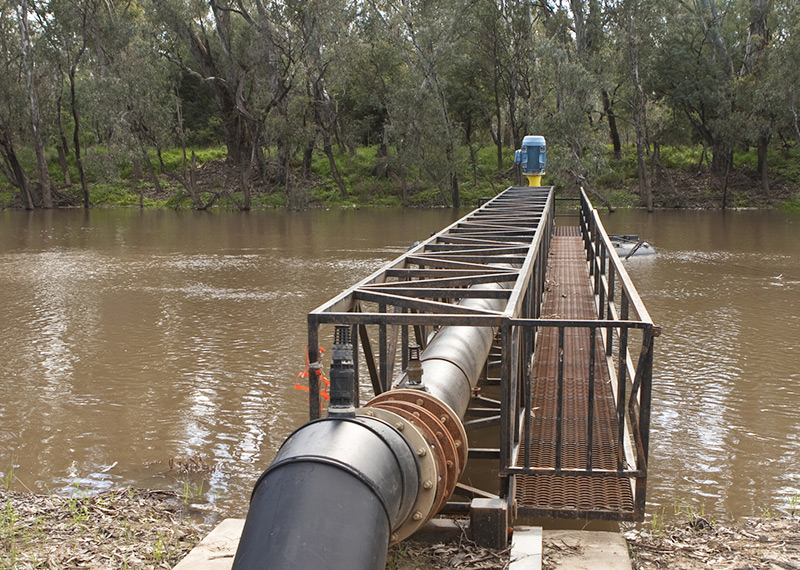
The Auditor-General undertook a limited assurance review of the Department of Agriculture and Water Resources’ assessment of the performance of New South Wales under the National Partnership Agreement on Implementing Water Reform in the Murray-Darling Basin relevant to the protection and use of environmental water for the 2014–15 and 2015–16 financial years.
Entity
Department of Agriculture and Water Resources
Contact
Please direct enquiries through our contact page.
Performance audit (Auditor-General Report No. 5 of 2011–12)
Published: Thursday 8 September 2011
Published
The objective of this audit was to assess how effectively entities had developed and implemented appropriate KPIs to support stated program objectives.
Entity
Australian Customs and Border Protection Service; National Film and Sound Archive; Fair Work Australia; Department of Resources, Energy and Tourism