Browse our range of reports and publications including performance and financial statement audit reports, assurance review reports, information reports and annual reports.
Performance audit (Auditor-General Report No. 23 of 2004–05)
Published: Friday 21 January 2005
Published
The Audit Activity Report: July to December 2004 summarises the activity and outputs of the Australian National Audit Office for the first half of the 2004-05 reporting year. The Report outlines the key findings of performance and financial control audits, and summarises audits tabled and better practice guides during July to December 2004.
Entity
Audit Activity Report
Performance audit (Auditor-General Report No. 5 of 2015–16)

Published: Thursday 22 October 2015
Published
The audit objective was to assess the effectiveness of the Department of Veterans’ Affairs monitoring and implementation of ANAO and internal performance audit recommendations.
Entity
Department of Veterans' Affairs
Contact
Please direct enquiries relating to reports through our contact page.
Speeches and papers
Published: Thursday 17 August 2006
Published
Mr Ian McPhee - Auditor-General for Australia, presented at the CPA Australia Public Sectore Finance and Management Conference
Speeches and papers
Published: Monday 19 May 2003
Published
Mr P.J. Barrett (AM) - Auditor-General for Australia, presented at the 2nd Annual New Directions in Australian Auditing Accounting Standards Conference
Performance audit (Auditor-General Report No. 36 of 1997–98)
Published: Monday 2 March 1998
Published
This report is the second in a series of reports to be tabled at six-monthly intervals. It summarises the audit and other activities of the ANAO in the period July to December 1997.
Entity
Audit Activity Report
Performance audit (Auditor-General Report No. 53 of 2011–12)
Published: Wednesday 27 June 2012
Published
To assess the extent to which agencies create, manage and dispose of records in accordance with key business, legal and policy requirements.
The agencies included in the audit were the: Australian Customs and Border Protection Service (Customs); Department of Immigration and Citizenship (DIAC); and the Department of the Treasury (Treasury). The audit also considered the Archives' response to Recommendation No. 1 from ANAO Audit Report No.6 2006, 07 Recordkeeping including the Management of Electronic Records, including whether they had clarified Australian Government records management requirements for agencies.
Entity
Across agencies
Performance audit (Auditor-General Report No. 24 of 2009–10)
Published: Wednesday 10 March 2010
Published
The objective of this audit was to examine the effectiveness of Defence and the DMO's management of procurement and through life support arrangements to meet the explosive ordnance requirements of the ADF, particularly the non-guided munitions requirements of Army. This included a review of the progress of Defence and the DMO in implementing the recommendations of ANAO Audit Report No.40 2005–06.
Entity
Department of Defence; Defence Materiel Organisation
Performance audit (Auditor-General Report No. 46 of 1998–99)
Published: Thursday 10 June 1999
Published
Members of the Australian Defence Force (ADF) have informal and formal complaint mechanisms available to them to address grievances. Initially, members are advised to seek resolution of their complaint at the lowest possible level, through the normal command channels and administrative arrangements. A member who is not satisfied that a complaint has been resolved in this manner may use the Redress of Grievance (ROG) system to submit a formal complaint to the commanding officer of the member's unit. The objective of this audit was to ascertain whether the ROG system could be refined to improve the efficiency and timeliness of processing of complaints while preserving the equity and transparency the current system provides.The Redress of Grievance system is clearly time-consuming and resource intensive. Some grievances have taken as long as four years to resolve. Some could be resolved by administrative means rather than through recourse to grievance processes. The system contains various inefficiencies that detract from its cost-effectiveness from the viewpoint of the ADF and individual members. In addition many members are unaware of the system or do not have a high level of confidence in its effectiveness.
Entity
Department of Defence
Speeches and papers
Published: Thursday 4 December 2003
Published
Mr P.J. Barrett (AM) - Auditor-General for Australia, presented at the Chartered Secretaries Australia, Discussion Luncheon, Canberra
Financial statement audit (Auditor-General Report No. 51 of 2006–07)

Published: Wednesday 27 June 2007
Published
This report presents the results of the interim phase of the 2006–07 financial statement audits of all portfolio departments and other major General Government Sector (GGS) agencies that collectively represent 95 per cent of total GGS revenues and expenses.
Entity
NO-DEPTS-LISTED
Performance audit (Auditor-General Report No. 35 of 2021–22)

Published: Friday 17 June 2022
Published
The objective of the audit was to assess the effectiveness of the governance board in the Commonwealth Superannuation Corporation.
Entity
Commonwealth Superannuation Corporation
Contact
Please direct enquiries through our contact page.
Performance audit (Auditor-General Report No. 40 of 2005–06)
Published: Wednesday 17 May 2006
Published
The objective of the audit was to examine processes used by Defence and the DMO to procure explosive ordnance for the ADF, with an emphasis on Army requirements. The audit reviewed the extent to which the DMO effectively translated the explosive ordnance requirements of the ADF, and particularly of Army, into procurement and through life support arrangements.
Entity
Department of Defence; Defence Materiel Organisation
Performance audit (Auditor-General Report No. 16 of 2003–04)
Published: Thursday 4 December 2003
Published
The objectives of the follow-up audit were to assess DFAT's implementation of the six recommendations made by the ANAO in the previous audit. It also sought to determine whether implementation of these recommendations, or alternative action, had improved DFAT's administration of consular services. The audit focused on management processes and supporting systems for the delivery of consular services. It also reviewed DFAT's implementation of recommendations of the Senate Foreign Affairs, Defence and Trade References Committee that were outstanding from the previous audit.
Entity
Department of Foreign Affairs and Trade
Performance audit (Auditor-General Report No. 3 of 1997–98)
Published: Sunday 28 September 1997
Published
The objective of the audit was to examine the effectiveness of the management and control of program evaluation in the Australian Public Service. The ANAO made an assessment against criteria which were designed to test whether agencies were undertaking evaluations in a way which would enhance their overall effectiveness. The main issues examined were:
- approaches to evaluation planning;
- the conduct of individual evaluations;
- the quality of evaluation reports; and
- the impact of evaluations.
Entity
Across Agency
Performance audit (Auditor-General Report No. 12 of 2000–01)
Published: Tuesday 3 October 2000
Published
The objective of the follow-up audit was to report on the action taken by the Australian Customs Service to address the recommendations of the 1996 Audit Report. The audit also reviewed key areas of the Passenger Movement Charge administration identified in the 1996 audit, including the appropriateness of formal arrangements between the ACS and Regular Public Transport airlines and assessed the proposed arrangements being developed by the ACS. The arrangements with RPT airlines were a particular focus in the follow-up report (as they were in the 1996 Audit Report), because of the significance of that category of carrier in revenue terms
Entity
Australian Customs Service
Performance audit (Auditor-General Report No. 15 of 1996–97)
Published: Monday 25 November 1996
Published
The objective of the audit was to assess the efficiency and effectiveness of administrative arrangements for the provision of food to the Australian Defence Force and identify possible areas for improvement. The audit criteria addressed the adequacy of policy guidance, planning, performance information and risk management in all areas of ADF food provisioning.
Entity
Across Agency
Performance audit (Auditor-General Report No. 27 of 2006–07)
Published: Wednesday 21 February 2007
Published
This audit focuses on the Australian Defence Force's (ADF) Air Combat fleet's logistics support, regular maintenance and structural refurbishment. These activities are collectively referred to as fleet in-service support. The current Defence White Paper states that Air Combat is the most important single capability for the defence of Australia.
The audit objective was to assess the effectiveness of the Air Combat fleet's in-service support arrangements to provide capability for air combat operations. Capital equipment acquisition projects covered by this report are limited to the Hornet and F-111 structural refurbishment projects, which aim to ensure these aircraft remain serviceable until their withdrawal from service.
Entity
Department of Defence; Defence Materiel Organisation
Financial statement audit (Auditor-General Report No. 22 of 2024–25)
Published: Thursday 6 February 2025
Published
This report complements the Interim Report on Key Financial Controls of Major Entities financial statement audit report published in June 2024. It provides a summary of the final results of the audits of the Consolidated Financial Statements for the Australian Government and the financial statements of Australian Government entities for the period ended 30 June 2024.
Entity
Across Entities
Contact
Please direct enquiries through our contact page.
Performance audit (Auditor-General Report No. 22 of 2005–06)
Published: Thursday 22 December 2005
Published
The objective of the audit was to assess and report on the progress being made by agencies subject to the Financial Management & Accountability Act 1997 and entities subject to the Commonwealth Authorities & Companies Act 1997: in realising value for money from the procurement process, with a specific focus on buildings, services and products using whole of life cycle assessments; and in the consideration and management of environmental impacts in specifications and contracts. The emphasis of the audit was on green office procurement and sustainable business practices and the value for money within this context. As such, the audit report provides a status report on the implementation of ESD within the office environment of the Australian Government. The audit used a survey approach in conjunction with selected audit investigations to obtain information across 71 agencies and entities selected on the basis of materiality in procurement and coverage across large, medium and small organisations. The agencies selected represented approximately 35 per cent of all government bodies and over 95 per cent of all procurement spending noted on the Department of Finance and Administration (Finance) database on contracts.
Entity
across agency
Performance audit (Auditor-General Report No. 14 of 2018–19)
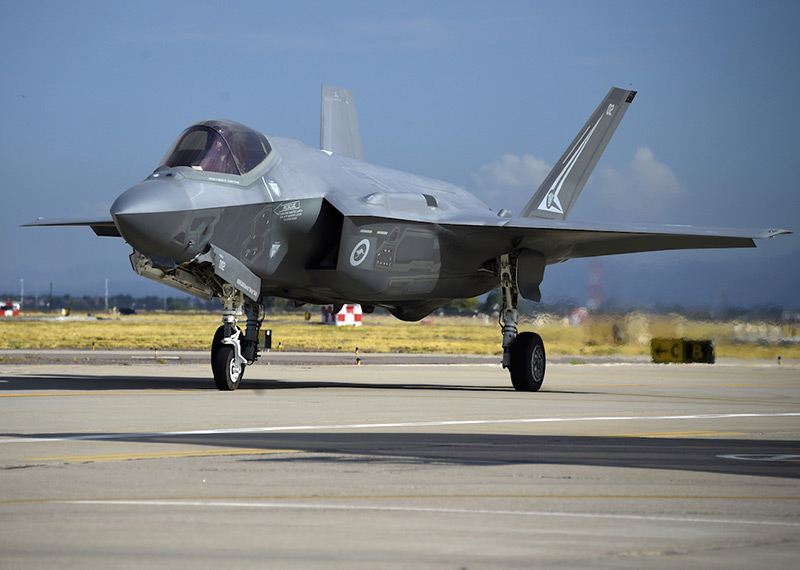
Published: Wednesday 5 December 2018
Published
The objective of the audit was to assess the effectiveness of the Department of Defence’s preparations for the introduction of the Joint Strike Fighter into Australian service and its subsequent sustainment.
Entity
Department of Defence
Contact
Please direct enquiries through our contact page.
Events and seminars
Published: Friday 14 June 2019
Published
An Audit Committee Chairs Forum was held on Wednesday, 14 June 2019 from 10am until 12:30pm. The venue was the Galambany Centre, Department of Finance, One Canberra Avenue, Forrest ACT. The agenda, slides and communique from the forum are available on this events page.
Contact
Please direct enquiries through our contact page.
Speeches and papers
Published: Friday 22 February 2013
Published
Mr Mr Ian McPhee - Auditor-General for Australia, presented at the CPA Australia 2013 International Public Sector Convention
Performance audit (Auditor-General Report No. 48 of 2011–12)
Published: Friday 22 June 2012
Published
The objective of the audit was to examine the effectiveness of DVA's administration of mental health programs and services to support younger veterans.
Entity
Department of Veterans' Affairs
Performance audit (Auditor-General Report No. 40 of 2018–19)
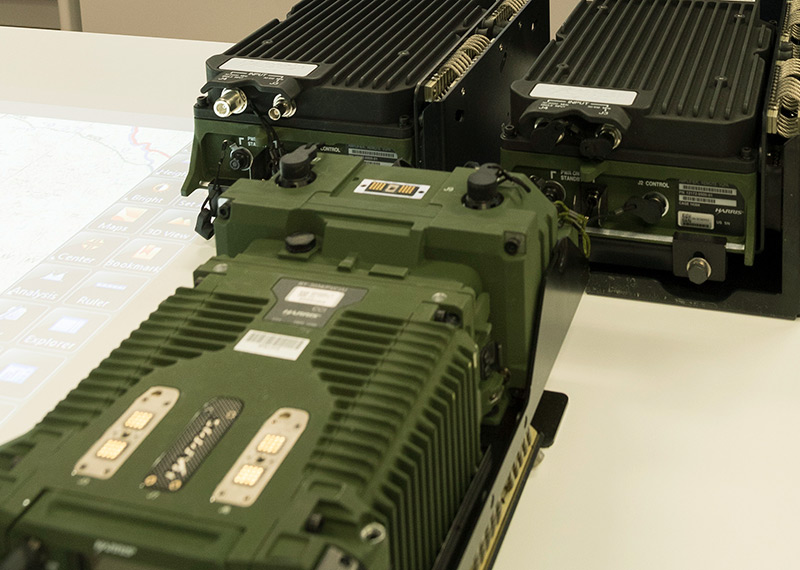
Published: Thursday 23 May 2019
Published
The objective of the audit was to assess the effectiveness and value for money of Defence’s acquisition of a Battle Management System and a Tactical Communications Network through Land 200 Tranche 2 Work Packages B–D.
Entity
Department of Defence
Contact
Please direct enquiries through our contact page.
Performance audit (Auditor-General Report No. 6 of 1999–2000)
Published: Monday 9 August 1999
Published
This report summarises audit and other related activities of the Australian National Audit Office in the period January to June 1999.
Entity
Audit Activity Report
About

Updated: Monday 4 May 2026
Updated
The Auditor-General is assisted by the Australian National Audit Office (ANAO) in delivering against the mandate established by the Auditor-General Act 1997. Under the Act, the ANAO consists of the Auditor-General and staff.
Contact
Please direct enquiries through our contact page.
Performance audit (Auditor-General Report No. 6 of 1998–99)
Published: Monday 31 August 1998
Published
This report summarises audit and other related activities of the Australian National Audit Office in the period January to June 1998.
Entity
Audit Activity Report
Performance audit (Auditor-General Report No. 1 of 1997–98)
Published: Tuesday 26 August 1997
Published
This report is an information document summarising the audit activities of the ANAO in the period January to June 1997.
Entity
Audit Activity Report
Financial statement audit (Auditor-General Report No. 25 of 2020–21)
Published: Thursday 17 December 2020
Published
This report complements the Interim Report on Key Financial Controls of Major Entities financial statement audit report published in May 2020. It provides a summary of the final results of the audits of the Consolidated Financial Statements for the Australian Government and the financial statements of Australian Government entities for the period ended 30 June 2020.
Entity
Across Entities
Contact
Please direct enquiries through our contact page.
Events and seminars
Published: Tuesday 15 August 2023
Published
An Audit Committee Chairs Forum was held on Friday 14 July 2023. The communique from the forum is now available here.
Contact
For any enquiries, please contact External.Relations@anao.gov.au
Financial statement audit (Auditor-General Report No. 14 of 2021–22)
Published: Tuesday 14 December 2021
Published
This report complements the Interim Report on Key Financial Controls of Major Entities financial statement audit report published in June 2021. It provides a summary of the final results of the audits of the Consolidated Financial Statements for the Australian Government and the financial statements of Australian Government entities for the period ended 30 June 2021.
Entity
Across Entities
Contact
Please direct enquiries through our contact page.
Performance audit (Auditor-General Report No. 47 of 2006–07)
Published: Thursday 21 June 2007
Published
The objective of the audit was to assess the coordination of Australian Government assistance to Solomon Islands through RAMSI, including the establishment of objectives and an outcomes monitoring framework. In particular, the audit examined arrangements for: coordination between Australian Government agencies; strategic planning and risk management; measuring the effectiveness of RAMSI; and reporting to RAMSI's Australian stakeholders.
Entity
Department of Foreign Affairs and Trade; Australian Agency for International Development
Financial statement audit (Auditor-General Report No. 8 of 2022–23)
Published: Wednesday 14 December 2022
Published
This report complements the Interim Report on Key Financial Controls of Major Entities financial statement audit report published in June 2022. It provides a summary of the final results of the audits of the Consolidated Financial Statements for the Australian Government and the financial statements of Australian Government entities for the period ended 30 June 2022.
Entity
Across Entities
Contact
Please direct enquiries through our contact page.
Performance audit (Auditor-General Report No. 27 of 2008–09)
Published: Friday 27 March 2009
Published
The objectives of this audit were to assess the progress of the M113 Armoured Personnel Carrier Upgrade Project against stated schedule, cost and technical performance objectives; and Defence Materiel Organisation's (DMO's) progress in implementing the recommendations and addressing the findings of ANAO Audit Report No. 3 2005–06, Management of the M113 Armoured Personnel Carrier Upgrade Project.
Entity
Department of Defence
Annual report
Published: Tuesday 7 October 2003
Published
This annual report documents the performance of the Australian National Audit Office (ANAO) in the financial year ending on 30 June 2003. It includes a comment by the Auditor-General; an overview of the report; a report on performance; details about management and accountability, and the financial statement for the year.
Performance audit (Auditor-General Report No. 41 of 2002–03)
Published: Wednesday 7 May 2003
Published
Since 2000, there has been a requirement under the Environment Protection and Biodiversity Conservation Act 1999 (EPBC Act) for Commonwealth agencies to report annually on their environmental performance as well as their contribution to Ecologically Sustainable Development (ESD). The audit objective was to examine and report on the quality of Commonwealth agencies' annual reports on ESD and environment performance. The audit reviewed current practice in light of legal requirements, and provided examples of better practice.
Entity
Across Agency
Performance audit (Auditor-General Report No. 53 of 2006–07)
Published: Friday 29 June 2007
Published
The objective of the audit is to examine and report on the efficiency and effectiveness of AFP's administration and management of its overseas deployments. The audit specifically examines two deployments and focuses on strategic and operational planning and logistics. The audit examines a planned, long-term overseas deployment (as part of the Participating Police Force (PPF) within the Regional Assistance Mission to Solomon Islands (RAMSI)) and a crisis-driven deployment in response to a specific event (Disaster Victim Identification (DVI) assistance to Thailand following the Indian Ocean Tsunamis of 26 December 2004).
Entity
Australian Federal Police
Performance audit (Auditor-General Report No. 36 of 2021–22)

Published: Monday 20 June 2022
Published
The objective of the audit was to assess the effectiveness of the governance board in Hearing Australia.
Entity
Hearing Australia
Contact
Please direct enquiries through our contact page.
Performance audit (Auditor-General Report No. 5 of 2012–13)
Published: Thursday 27 September 2012
Published
To assess the upgrade and sustainment of the F/A-18A/B Hornet fleet, and the sustainment of the newly acquired F/A-18F Super Hornet fleet.
Entity
Department of Defence, Defence Materiel Organisation
Annual report
Published: Tuesday 28 September 2004
Published
This annual report documents the performance of the Australian National Audit Office (ANAO) in the financial year ending on 30 June 2004. It includes highlights and areas of focus for the year; an introduction by the Auditor-General; an overview of the report; a report on performance; details about management and accountability, and the financial statement for the year.
Performance audit (Auditor-General Report No. 43 of 2008–09)
Published: Tuesday 23 June 2009
Published
The objective of the audit, in examining the construction of the CIIDC, was to assess:
- the adequacy of the planning and delivery processes for the project;
- the value-for-money achieved in the delivery of the project, including with regard to the suitability of the centre for its intended purpose; and
- the extent to which the Public Works Committee Act.
Entity
Department of Finance and Deregulation
Performance audit (Auditor-General Report No. 32 of 2003–04)
Published: Tuesday 2 March 2004
Published
The audit reviewed the Defence Materiel Organisation's management of the $3.43 billion Wedgetail Airborne Early Warning and Control (AEW&C) project. The Wedgetail project is to provide the Australian Defence Force with an AEW&C capability based on four Boeing 737 AEW&C aircraft and associated supplies and logistic support. At the time of the audit the AEW&C systems were still in their early development phase, and by November 2003, Defence had spent $1.107 billion on the project.
Entity
Department of Defence
Annual report
Published: Wednesday 19 September 2007
Published
This annual report documents the performance of the Australian National Audit Office (ANAO) in the financial year ending on 30 June 2007. It includes highlights and areas of focus for the coming year; a forward by the Auditor-General; an overview of the report; a report on performance; details about management and accountability, and the financial statement for the year.
Annual report
Published: Thursday 7 September 2006
Published
This annual report documents the performance of the Australian National Audit Office (ANAO) in the financial year ending on 30 June 2006. It includes highlights and areas of focus for the coming year; a forward by the Auditor-General; an overview of the report; a report on performance; details about management and accountability, and the financial statement for the year.
Work program

Updated: Friday 11 July 2025
Updated
Provides an overview of the annual audit work program including the purpose and key features, and how the program is developed and delivered. Information about the development of the annual audit work program includes details of environmental scanning, topic development, coverage review, consultation, final review and audit selection.
Contact
Please direct enquiries relating to the annual audit work program (AAWP) through our contact page.
Speeches and papers
Published: Thursday 13 February 1997
Published
Mr P.J. Barrett (AM) - Auditor-General for Australia, presented to the Central Agency Broker Seminar - Towards a Best Practice Australian Public Service - Hobart
Speeches and papers
Published: Monday 27 October 1997
Published
Mr P.J. Barrett (AM) - Auditor-General for Australia, presented to the National Public Sector Accountants Conference; Sydney
Financial statement audit (Auditor-General Report No. 20 of 2019–20)
Published: Tuesday 17 December 2019
Published
This report complements the Interim Report on Key Financial Controls of Major Entities financial statement audit report published in June 2019. It provides a summary of the final results of the audits of the Consolidated Financial Statements for the Australian Government and the financial statements of Australian Government entities for the period ended 30 June 2019.
Contact
Please direct enquiries through our contact page.
Financial statement audit (Auditor-General Report No. 19 of 2018–19)
Published: Monday 17 December 2018
Published
This report complements the Interim Report on Key Financial Controls of Major Entities financial statement audit report published in June 2018. It provides a summary of the final results of the audits of the Consolidated Financial Statements for the Australian Government and the financial statements of Australian Government entities for the period ended 30 June 2018.
Contact
Please direct enquiries through our contact page.
Performance audit (Auditor-General Report No. 44 of 2001–02)
Published: Wednesday 24 April 2002
Published
The audit sought to assess the efficiency and effectiveness of the ADF's management of fuel and lubricants and to identify possible areas for improvement. The audit focused on major aspects of the fuel supply chain, in particular the strategic management of fuel (eg. the coordination of fuel requirements and stockholding policy). The audit also reviewed fuel procurement practices, storage and handling issues. The audit coverage addressed the fuel supply aspects of these matters rather than transport, distribution and equipment issues. Although directed principally towards operational fuels, the audit took into consideration issues associated with ADF's requirement for oils and lubricants.
Entity
Department of Defence
Performance audit (Auditor-General Report No. 23 of 2009–10)
Published: Tuesday 23 February 2010
Published
The objective of the audit was to assess the effectiveness of Customs and Border Protection's performance in managing and coordinating enforcement operations against illegal foreign fishing in Australia's northern waters. The audit focused on Customs and Border Protection's role within the whole of government policy coordination framework; the effectiveness of its intelligence support for operational planning and policy and strategy development; its performance in planning, prioritising and administering effective enforcement operations; and its performance in measuring and reporting on the effectiveness of the program.
Entity
Australian Customs and Border Protection Service
Performance audit (Auditor-General Report No. 57 of 2010–11)
Published: Tuesday 28 June 2011
Published
The objective of the audit was to report on the effectiveness of Defence’s approach to the acceptance into service of Navy capability, and to identify where better practice may be used by CDG, DMO and Navy.
Entity
Department of Defence; Defence Materiel Organisation
Performance audit (Auditor-General Report No. 40 of 2010–11)
Published: Tuesday 17 May 2011
Published
The objective of the audit was to assess whether Defence is effectively managing the EO Services Contract.
The audit focused mainly on Defence's contract management framework, including the arrangements to monitor the contractor’s performance in delivering services under the contract. The audit also examined the processes used by Defence to develop the current version of the contract and the extent to which the revised contract, as negotiated in 2006, provides an assurance of better value for money when compared to the original contract signed in 2001.
Entity
Department of Defence
Annual report
Published: Wednesday 28 September 2005
Published
This annual report documents the performance of the Australian National Audit Office (ANAO) in the financial year ending on 30 June 2005. It includes highlights and areas of focus for the year; a forward by the Auditor-General; an overview of the report; a report on performance; details about management and accountability, and the financial statement for the year.
Financial statement audit (Auditor-General Report No. 24 of 2017–18)
Published: Wednesday 20 December 2017
Published
This report complements the Interim Report on Key Financial Controls of Major Entities financial statement audit report published in June 2017. It provides a summary of the final results of the audits of the Consolidated Financial Statements for the Australian Government and the financial statements of Australian Government entities for the period ended 30 June 2017.
Entity
Across Entities
Contact
Please direct enquiries through our contact page.
Annual report
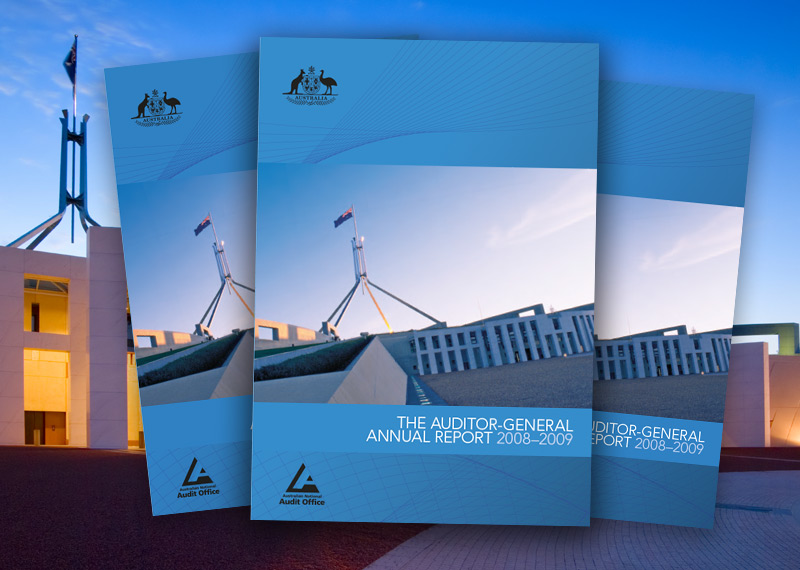
Published: Wednesday 16 September 2009
Published
This annual report documents the performance of the Australian National Audit Office (ANAO) in the financial year ending on 30 June 2009. It includes a foreword by the Auditor-General, an overview of the Office, a report on performance, details about management and accountability, and the financial results.
Annual report
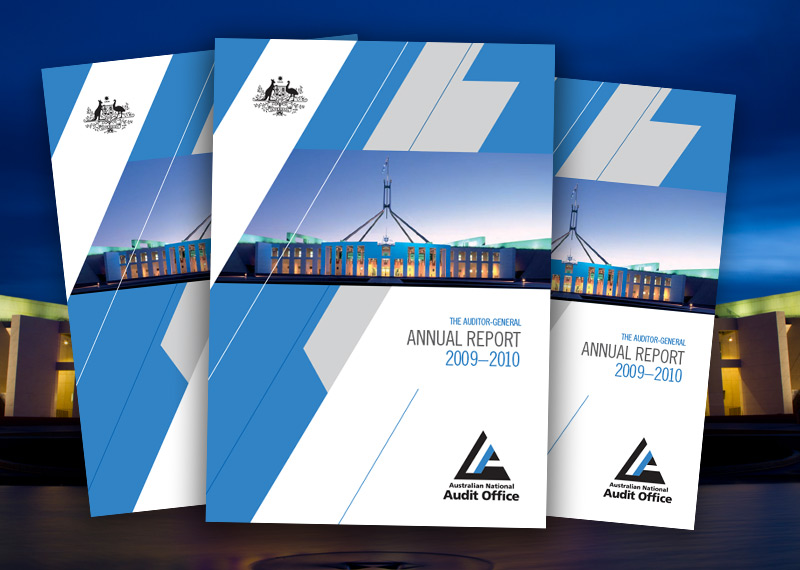
Published: Thursday 30 September 2010
Published
This annual report documents the performance of the Australian National Audit Office (ANAO) in the financial year ending on 30 June 2010. It includes a foreword by the Auditor-General, an overview including the role and responsibilities and vision of the Office, a report on performance, details about management and accountability, and the financial results.
Annual report
Published: Friday 30 September 2011
Published
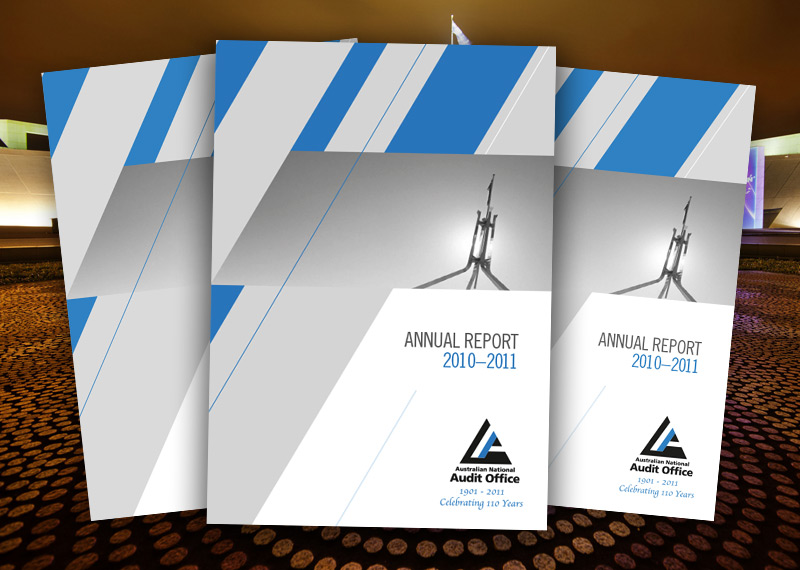
This annual report documents the performance of the Australian National Audit Office (ANAO) in the financial year ending on 30 June 2011. It includes a foreword by the Auditor-General, an overview including the role and vision of the Office, a report on performance, details about management and accountability, and the financial results.
Performance audit (Auditor-General Report No. 7 of 2002–03)
Published: Monday 16 September 2002
Published
In 1997-98, the ANAO audited the Child Support Agency (CSA), making 12 recommendations to improve its operational performance. A related report by the Joint Committee of Public Accounts and Audit supported the general findings of the ANAO audit and reinforced three ANAO recommendations in its own report. The audit examined client service in the CSA by following-up the CSA's implementation of the recommendations contained in these two previous reports and more broadly assessing whether the CSA had improved the management and delivery of its client service sine the previous ANAO audit.
Entity
Department of Family and Community Services
Speeches and papers
Published: Friday 9 April 1999
Published
Mr P.J. Barrett (AM) - Auditor-General for Australia, presented at the National Public Sector Accountants Conference, Adelaide