Browse our range of reports and publications including performance and financial statement audit reports, assurance review reports, information reports and annual reports.
Performance audit (Auditor-General Report No. 53 of 2013–14)
Published: Thursday 26 June 2014
Published
The audit objective was to assess the effectiveness of the Department of Health’s management of the National Medical Stockpile.
Entity
Department of Health
Contact
Please direct enquiries relating to reports through our contact page.
Performance audit (Auditor-General Report No. 52 of 2014–15)

Published: Thursday 25 June 2015
Published
The audit objective was to assess the effectiveness of Defence’s management of the acquisition of medium and heavy vehicles, associated modules and trailers for the Australian Defence Force.
Entity
Department of Defence; Defence Materiel Organisation
Contact
Please direct enquiries relating to reports through our contact page.
Performance audit (Auditor-General Report No. 12 of 2014–15)
Published: Thursday 11 December 2014
Published
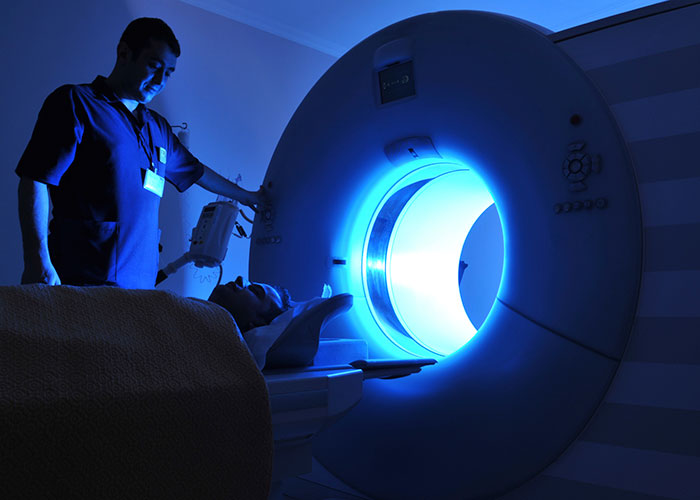
The audit objective was to assess the effectiveness of Health's implementation of the Diagnostic Imaging Review Reform Package, some three years into the five year reform period.
Entity
Department of Health
Contact
Please direct enquiries relating to reports through our contact page.
Performance audit (Auditor-General Report No. 4 of 2012–13)
Published: Thursday 20 September 2012
Published
The objective of the audit was to assess the appropriateness of the use and reporting of confidentiality provisions in Australian Government contracts for 2011.
Entity
Across Agencies
Performance audit (Auditor-General Report No. 37 of 2008–09)
Published: Monday 25 May 2009
Published
The objectives of the audit were to:
- determine the extent to which government entities complied with the requirement to publish and maintain documents online that were presented to the Parliament;
- evaluate selected government entities' policies and practices regarding online publishing; and
- assess AGIMO's policy and guidance in support of online publishing.
To address this objective the audit was conducted in three parts. Firstly, we reviewed a sample of papers tabled between 2000 and 2008 in order to assess their availability online. Next, we examined the online publishing practices of five government entities. These were the: Australian Federal Police (AFP); Department of the House of Representatives (DHR); Department of Infrastructure, Transport, Regional Development and Local Government (Infrastructure); Department of the Treasury (Treasury); and National Archives of Australia (NAA). Finally, we reviewed AGIMO's role in supporting government entities in their online publishing practices.
Entity
Across Agencies
Performance audit (Auditor-General Report No. 39 of 2014–15)
Published: Wednesday 3 June 2015
Published
The objective of the audit was to assess the effectiveness of the Australian Taxation Office's activities to promote employer compliance with Superannuation Guarantee obligations.
Entity
Australian Taxation Office
Contact
Please direct enquiries relating to reports through our contact page.
Performance audit (Auditor-General Report No. 20 of 2010–11)
Published: Tuesday 14 December 2010
Published
The objective of the audit was to assess the effectiveness of the Tax Office's administration of the wine tax.
Four key areas were examined in the audit: governance arrangements; interpretative assistance and advice; compliance approaches for Australian entities; and administering the rebate for New Zealand wine producers.
The ANAO conducted fieldwork in the Tax Office's Adelaide office between May and September 2010 and also held discussions with representatives from Customs, the Department of the Treasury (Treasury) and New Zealand Inland Revenue. The ANAO also consulted with representatives of wine producers, wholesalers, retailers, tax agents and key industry associations, seeking their views on elements of the Tax Office's administration of the wine tax.
Entity
Australian Taxation Office
Performance audit (Auditor-General Report No. 3 of 2005–06)
Published: Thursday 28 July 2005
Published
The objective of the audit was to provide an independent assurance on the effectiveness of the management of the upgrade of the M113 fleet for the Australian Defence Force (ADF). The audit sought to identify the initial capability requirements and approval process; analyse the contract negotiation process; and examine the management of the project and contracts.
Entity
Department of Defence
Performance audit (Auditor-General Report No. 25 of 2005–06)
Published: Tuesday 24 January 2006
Published
The audit objective was to examine the effectiveness and efficiency of ASIC's implementation of Australian financial services licences. In particular, the audit examined ASIC's planning for the introduction of financial services licences; the roles of the Department of the Treasury (Treasury) and ASIC in defining the effective scope of licensing; ASIC's assessment and processing of licence applications; and ASIC's supervision of licensees.
Entity
Australian Securities and Investment Commission
Performance audit (Auditor-General Report No. 34 of 2009–10)
Published: Tuesday 18 May 2010
Published
The Management and use of Double Taxation Agreement Information Collected through Automatic Exchange
The objective of the audit was to review and assess the use, and management of, automatic exchanges of information under Double Taxation Agreements (DTAs) by the Tax Office.
Entity
Australian Taxation Office
Performance audit (Auditor-General Report No. 47 of 2009–10)
Published: Wednesday 23 June 2010
Published
The audit objective was to examine how effectively the Department of Agriculture, Fisheries and Forestry (DAFF) manages the importation of live animals into Australia.
Entity
Department of Agriculture, Fisheries and Forestry
Performance audit (Auditor-General Report No. 25 of 2006–07)
Published: Thursday 8 February 2007
Published
The objective of this follow-up audit was to assess the extent to which DOTARS had implemented the nine recommendations contained in the original audit.
Entity
NO-DEPTS-LISTED
Performance audit (Auditor-General Report No. 7 of 2010–11)
Published: Wednesday 22 September 2010
Published
The audit objective was to assess the appropriateness of the use and reporting of confidentiality provisions in Australian Government contracts. This included assessing compliance with the Order and following up on the implementation of recommendations made in previous Senate Order audits.
The audit involved three components:
- an examination of a stratified random sample of 150 contracts listed as containing confidentiality provisions from material and small agencies across the Australian Government to determine whether confidentiality provisions were used and reported appropriately;
- an examination of all FMA Act agencies' calendar year 2009 contract listings, and ministers' letters of advice, to assess compliance with the requirements of the Order, and check reported instances of excluded contracts; and
- a follow-up of the implementation of previous audit recommendations relating to the administration of the Senate Order in four agencies. The selected agencies were the: Australian Agency for International Development (AusAID); Department of Families, Housing, Community Services and Indigenous Affairs (FaHCSIA); Department of Agriculture, Fisheries and Forestry (DAFF); and the Federal Court of Australia (Federal Court). The selected agencies were audited in one of the ANAO's previous five audits of Senate Order compliance.
Entity
NO-DEPTS-LISTED
Performance audit (Auditor-General Report No. 29 of 2006–07)
Published: Wednesday 7 March 2007
Published
The objective of the audit was to assess the implementation and administration of the movement limit and the Slot Management Scheme at Sydney Airport.
The scope of the audit included the development and administration of the SADM Act. The scope also included the development and administration of the relevant legislative instruments and determinations, particularly those which put in place the monitoring and compliance frameworks that support the legislation.
Entity
NO-DEPTS-LISTED
Performance audit (Auditor-General Report No. 15 of 1998–99)
Published: Tuesday 24 November 1998
Published
The objective of this audit was to examine the efficiency and administrative effectiveness of processes the Australian Customs Service uses to screen incoming and outgoing mail. It also considers the involvement of other stakeholders such as Australia Post and Australian Quarantine Inspection Service.
Entity
Australian Customs Service
Performance audit (Auditor-General Report No. 47 of 2006–07)
Published: Thursday 21 June 2007
Published
The objective of the audit was to assess the coordination of Australian Government assistance to Solomon Islands through RAMSI, including the establishment of objectives and an outcomes monitoring framework. In particular, the audit examined arrangements for: coordination between Australian Government agencies; strategic planning and risk management; measuring the effectiveness of RAMSI; and reporting to RAMSI's Australian stakeholders.
Entity
Department of Foreign Affairs and Trade; Australian Agency for International Development
Performance audit (Auditor-General Report No. 44 of 2009–10)
Published: Wednesday 16 June 2010
Published
The audit objective was to assess the Tax Office's effectiveness in administering the tax obligations of non-residents.
Entity
Australian Taxation Office
Performance audit (Auditor-General Report No. 9 of 2006–07)
Published: Thursday 26 October 2006
Published
The objective of the audit was to provide an independent assurance on the effectiveness of Defence and DMO's management of the acquisition of the ASLAV capability to Army. The audit examined the initial capability requirements and approval process, the contract negotiation process, and the management of the Project and Contracts by DMO.
Entity
Department of Defence; Defence Materiel Organisation
Performance audit (Auditor-General Report No. 14 of 2006–07)
Published: Thursday 7 December 2006
Published
The objective of the audit was to assess whether the APVMA is performing its key regulatory functions effectively. In particular, the audit examined the APVMA's arrangements for:
- planning and overseeing the delivery of regulatory functions;
- registering pesticides and veterinary medicines in a timely manner;
- obtaining external scientific advice to support the registration function;
- monitoring the quality of pesticides and veterinary medicines approved for sale in Australia; and
- administering its cost recovery framework.
Entity
Australian Pesticides and Veterinary Medicines Authority
Performance audit (Auditor-General Report No. 3 of 2008–09)
Published: Tuesday 23 September 2008
Published
The objective of the audit was to assess the effectiveness of the management and administration of the Communications Fund, including an assessment of:
- the development and implementation of appropriate investment strategies; and
- the robustness of the governance structures and controls relating to investment activities.
Entity
Department of Broadband, Communications and the Digital Economy; Department of Finance and Deregulation
Performance audit (Auditor-General Report No. 46 of 2010–11)
Published: Tuesday 31 May 2011
Published
The objective of the audit was to assess the effectiveness of DIAC’s management of the student visa program. Three key areas were examined in the audit: the processing of student visa applications; ensuring compliance with student visa conditions; and cooperation between DIAC and DEEWR.
Entity
Department of Immigration and Citizenship
Performance audit (Auditor-General Report No. 52 of 2010–11)
Published: Wednesday 22 June 2011
Published
The objective of the audit was to assess the effectiveness of the ATO’s administration of DGR endorsements and associated arrangements.
Entity
Australian Taxation Office
Performance audit (Auditor-General Report No. 22 of 2004–05)
Published: Tuesday 18 January 2005
Published
The objective of the audit was to examine the investment of public funds by selected entities, including: compliance with relevant legislation, delegations and instructions; the value for money of investment strategies; and reporting of investment activities. Six entities were selected for audit, comprising three FMA Act agencies and three Commonwealth authorities. The six entities had aggregrate investments of $1.64 billion as at 30 June 2004 and realised investment earnings of some $80.4 million during 2003/04.
Entity
Across Entities
Performance audit (Auditor-General Report No. 11 of 2007–08)
Published: Wednesday 31 October 2007
Published
The audit follows on from Audit Report No. 45 2004-2005, Management of Selected Defence Systems Program Offices, May 2005. That report is being considered by the JCPAA, as part of its current inquiry into Defence Financial Management and Equipment Acquisition at the Department of Defence and DMO.
Entity
Department of Defence; Defence Materiel Organisation
Performance audit (Auditor-General Report No. 32 of 2009–10)
Published: Wednesday 28 April 2010
Published
The objective of the audit was to assess the effectiveness of OPO's management of the overseas owned estate. In particular, the audit examined whether:
- sound arrangements are in place to effectively plan and oversight the management of the overseas estate;
- OPO effectively manages owned property on a day-to-day basis;
- the condition of the overseas owned estate is adequately maintained by structured and systematic repair and maintenance arrangements; and
- OPO has appropriate information to facilitate the effective management of the owned estate, and appropriately consults with stakeholders.
Entity
Department of Foreign Affairs and Trade
Performance audit (Auditor-General Report No. 24 of 2004–05)
Published: Thursday 27 January 2005
Published
Medicare is Australia's universal health insurance scheme. Underpinning Medicare is one of Australia's largest and more complex computer databases the Medicare enrolment database. At the end of 2004 the Medicare enrolment database contained information on over 24 million individuals. This audit examines the quality of data stored on that database and how the Health Insurance Commission (HIC) manages the data.
Entity
Health Insurance Commission; Medicare Australia; Human Services
Performance audit (Auditor-General Report No. 53 of 2010–11)
Published: Wednesday 22 June 2011
Published
The objective of the audit was to assess the effectiveness of the Department of Agriculture, Fisheries and Forestry’s administration of EC measures and the implementation of the pilot of new drought reform measures.
Entity
Department of Agriculture, Fisheries and Forestry
Performance audit (Auditor-General Report No. 23 of 2008–09)
Published: Wednesday 25 February 2009
Published
The audit focussed on performance information reporting by the submarine System Program Offices on reliability, safety systems and logistic support services. In the context of the sustainability arrangements, the audit considered combat system upgrades and personnel escape and rescue systems. Any arrangements that the Commonwealth may be considering regarding the potential sale of ASC were not within the scope of this audit.
Entity
Department of Defence
Performance audit (Auditor-General Report No. 35 of 2009–10)
Published: Tuesday 18 May 2010
Published
The objective of the audit was to assess the effectiveness of the Tax Office's administration of the Superannuation Co-contribution Scheme.
The audit reviewed five key areas: governance arrangements; information technology systems and controls; co-contribution processing; compliance approaches; and communication with clients.
Entity
Australian Taxation Office
Performance audit (Auditor-General Report No. 46 of 2009–10)
Published: Tuesday 22 June 2010
Published
The objective of the audit was to assess the Child Support Agency's effectiveness in managing the implementation of the Building a Better Child Support Agency program.
Entity
Department of Human Services
Performance audit (Auditor-General Report No. 31 of 2008–09)
Published: Friday 8 May 2009
Published
The objective of this audit was to assess Army's progress in addressing the issues previously identified in Defence reviews and ANAO audits as affecting the Army Reserve's capability; and Identify the extent that the Army Reserve is capable of contributing to contemporary Australian Defence Force capability requirements through fulfilling its assigned roles and tasks.
Entity
Department of Defence
Performance audit (Auditor-General Report No. 33 of 2012–13)
Published: Wednesday 8 May 2013
Published
The objective of the audit was to assess the effectiveness of the Tax Practitioners Board's implementation and administration of the regulatory arrangements for tax practitioners under the Tax Agent Services Act 2009.
Entity
Australian Taxation Office; Tax Practitioners Board
Contact
Please direct enquiries relating to reports through our contact page.
Performance audit (Auditor-General Report No. 19 of 2007–08)
Published: Tuesday 22 January 2008
Published
The current audit has focussed on Stage 2 of the Scheme. Its objective was to assess whether ACIS is being administered effectively by DIISR and, as relevant, by Customs. In particular, the audit examined the department's arrangements for:
- assessing the eligibility of participants to receive duty credits;
- calculating duty credits accurately and adhering to the funding limits for the Scheme;
- checking the integrity of participants' claims, which are self-assessed;
- accounting for the duty credits transferred to and used at Customs; and
- measuring and reporting on the performance of ACIS.
The audit also followed up on whether the ANAO's previous recommendations have been addressed.
Entity
Department of Innovation, Industry, Science and Research; Australian Customs Service
Performance audit (Auditor-General Report No. 32 of 2008–09)
Published: Tuesday 19 May 2009
Published
The objective of the audit was to review Defence's management of the HQJOC Project's tender process, including probity management, for the construction of the joint operation headquarters in order to provide assurance that the policy principles for the use of private financing had been followed.
Entity
Department of Defence
Performance audit (Auditor-General Report No. 46 of 2004–05)
Published: Tuesday 31 May 2005
Published
Following on from the 2002 audit, the ANAO decided to conduct an audit of trust monies in entities operating under the Commonwealth Authorities and Companies Act 1997 (CAC Act). The objectives of the current audit were to: · assess whether the selected entities were managing trust monies in accordance with legal and administrative requirements and better practice principles; · identify better practice in the management of trust monies; and · as necessary, recommend improvements in the controls and practices relating to the management of trust monies.
Entity
Across agency
Performance audit (Auditor-General Report No. 36 of 2010–11)
Published: Thursday 14 April 2011
Published
The audit objective was to assess the effectiveness of CRS Australia’s delivery of Disability Management Services. In assessing CRS Australia’s performance, the ANAO examined whether:
- services are delivered in accordance with CRS Australia’s operating procedures, which incorporate the Disability Services Standards and the requirements of the DEEWR MOU;
- CRS Australia has an effective client feedback (including complaints) system, which is used to identify and address business risks and areas for improving service delivery; and
- sound governance arrangements (including performance monitoring and reporting) are in place to monitor service delivery.
The audit did not specifically examine issues and information relating to the commercial nature of the business, such as profitability levels and competitive neutrality arrangements.
Entity
Department of Human Services
Performance audit (Auditor-General Report No. 22 of 2011–12)
Published: Tuesday 7 February 2012
Published
The objective of the audit was to examine the effectiveness of the administration of the Gateway review process by Finance and FMA Act agencies. The audit also examined the extent to which those Gateway reviews that have been conducted have contributed to improvements in the delivery of major projects undertaken by FMA Act agencies.
Entity
Department of Finance and Deregulation
Performance audit (Auditor-General Report No. 37 of 2007–08)
Published: Tuesday 3 June 2008
Published
The objective of this audit was to assess whether agencies had effectively administered credit cards, including having complied with legislative and internal requirements.
Entity
NO-DEPTS-LISTED
Performance audit (Auditor-General Report No. 20 of 2002–03)
Published: Tuesday 10 December 2002
Published
The audit reviewed whether DEWR is efficiently and effectively managing the provision of entitlements to eligible former employees under the Employee Entitlements Support Scheme (EESS) and its replacement, the General Employee Entitlements and Redundancy Scheme (GEERS). The audit sought to determine whether DEWR had a mechanism to ensure that claims were properly assessed, taking into account the prevailing risks, whether performance information was adequate, whether relationships with claimants and insolvency practitioners were managed appropriately and whether a cost-effective recovery strategy was in place.
Entity
Department of Employment and Workplace Relations
Performance audit (Auditor-General Report No. 16 of 2005–06)
Published: Thursday 17 November 2005
Published
The audit was conducted at the: Australian Federal Police (AFP) and the Australian Protective Service (PS); Australian Sports Commission (ASC); Department of Communications, Information Technology and the Arts (DoCITA); Department of Family and Community Services (FaCS); and Civil Aviation Safety Authority (CASA). The objectives of the audit were to: determine whether entities had established appropriate arrangements in relation to the management of annual leave For the purposes of this audit the ANAO has used the term ‘annual leave'. However entities refer to this entitlement using other terminology such as recreation leave, planned leave or personal leave. and had effective internal controls over leave processing; assess whether leave had been managed in accordance with the requirements of the respective entity's certified agreement; and identify sound and better practices in the management and processing of leave.
Entity
Across Entities
Performance audit (Auditor-General Report No. 17 of 2005–06)
Published: Tuesday 29 November 2005
Published
The objective of the audit was to assess the ATO's administration of the LMR. Specifically, the audit sought to: examine and report on aspects of LMR governance; assess the systems, processes and controls used by the ATO to capture and process LMR data reported by providers; examine the mechanisms and strategies the ATO uses to gain assurance that providers are complying with LMR legislation; and assess the mechanisms and strategies the ATO uses to promote awareness of, and enable access to, the LMR.
Entity
Australian Taxation Office
Performance audit (Auditor-General Report No. 59 of 2004–05)
Published: Thursday 30 June 2005
Published
The objectives of this performance audit were to provide assurance that there were effective measures in place to safeguard the national collections and that institutions had processes in place to provide access to them. The ANAO also examined the extent to which the national cultural institutions have implemented the eleven recommendations from the previous report, Safeguarding Our National Collections (Audit Report No.8 1998-99).
Entity
Department of Communications, Technology and the Arts
Performance audit (Auditor-General Report No. 35 of 2010–11)
Published: Wednesday 30 March 2011
Published
The objective of the audit was to assess the effectiveness of DFAT's management of the overseas leased estate. In particular, the audit examined whether DFAT:
- has effective governance, reporting and funding arrangements in place to support the sound management and oversight of the overseas leased estate;
- effectively manages overseas leased chancery and residential property on a day-to-day basis; and
- manages relationships with landlords and attached agencies effectively and adequately consults with stakeholders.
Entity
Department of Foreign Affairs and Trade
Performance audit (Auditor-General Report No. 49 of 2009–10)
Published: Thursday 24 June 2010
Published
The objective of the audit was to assess whether Defence is effectively managing the delivery of health services to ADF personnel in Australia (chiefly Garrison Health Services).
Entity
Department of Defence
Performance audit (Auditor-General Report No. 14 of 2009–10)
Published: Wednesday 25 November 2009
Published
The audit objective was to assess the effectiveness of agencies' contract management by determining if they had sound practices and systematic approaches to this activity. Particular attention was given to each agency's:
- day-to-day management of individual contracts; and
- approach to managing its contract population.
Entity
Australian Federal Police; Austrade; Department of Foreign Affairs and Trade
Performance audit (Auditor-General Report No. 41 of 2005–06)
Published: Wednesday 24 May 2006
Published
The audit objective was to assess Health's administration of primary care funding, with a focus on the administrative practices of the Primary Care Division and Health's State and Territory Offices. In forming an opinion on the audit objective, the ANAO reviewed 41 agreements, with a combined value of $252 million. The ANAO also reviewed relevant documentation and files, interviewed programme officers and met with a number of stakeholders. The audit comments on a range of issues, including the utility of funding agreements, monitoring, payments, and support for administrators.
Entity
Department of Health and Ageing
Performance audit (Auditor-General Report No. 40 of 2008–09)
Published: Tuesday 2 June 2009
Published
The objective of the audit was to assess the effectiveness of DoHA's management of the planning and allocation of aged care places and capital grants, in accordance with the Aged Care Act 1997.
Entity
Department of Health and Ageing
Performance audit (Auditor-General Report No. 16 of 2006–07)
Published: Wednesday 20 December 2006
Published
The objective of the audit was to assess the ATO's administration of CGT compliance in the individuals market segment. The focus of the audit was the ATO's administration of compliance by individuals with respect to the two most common CGT events: real property and share disposals. The Australian National Audit Office (ANAO) identified three key areas for review:
- governance – the corporate planning and reporting arrangements relevant to the administration of CGT compliance in the individuals market segment, including how these are integrated with the ATO's overall approach to managing CGT;
- identifying and assessing compliance risks – the mechanisms and strategies used to identify and assess CGT compliance risks in the individuals market segment; and
- compliance activities – the products and processes used to manage CGT compliance in the individuals market segment.
Entity
Australian Taxation Office
Performance audit (Auditor-General Report No. 50 of 2005–06)
Published: Tuesday 27 June 2006
Published
The objective of the audit was to assess the framework being put in place to manage and account for aid funds provided under the AIPRD. In particular, the audit addressed: structures for oversighting the development and delivery of the AIPRD; planning and risk management (including those relating to fraud and corruption); financial management; and arrangements for ongoing monitoring and reporting. The audit focussed on the arrangements being established to monitor, evaluate and report on AIPRD implementation, rather than the management of activities and outcomes achieved. This reflects the fact that the long lead times associated with establishing such a large programme of assistance had meant that only limited activities were underway at the time of audit fieldwork. The ANAO anticipates undertaking an audit in the future of the management of activities and outcomes achieved, when more funds have been expended. It was not the purpose of this audit to examine Australia's immediate emergency and humanitarian response to the tsunami crisis.
Entity
Australian Agency for International Development; Department of Foreign Affairs and Trade
Performance audit (Auditor-General Report No. 26 of 2003–04)
Published: Friday 6 February 2004
Published
The audit examined aspects of financial management in the Health Insurance Commission (HIC). The audit objective was to examine the effectiveness of the HIC's internal control structures, as well as its financial management framework and processes, in order to form an opinion on their ability to support HIC Commissioners and managers to make informed decisions on the efficient and effective use of Commonwealth resources.
Entity
Health Insurance Commission
Performance audit (Auditor-General Report No. 19 of 2006–07)
Published: Thursday 25 January 2007
Published
The objective of this audit was to determine whether Health adequately assessed the State and Territory Governments' compliance with their obligations under the terms of the AHCAs. In conducting the audit, ANAO addressed the following criteria:
- if Health assessed whether the States and Territories were adhering to the AHCAs clause 6 principles that all eligible persons had equitable access to free public health and emergency services on the basis of clinical need within an appropriate period;
- if Health assessed whether the States and Territories were increasing their own source funding at the rate specified in the AHCAs; and
- if Health assessed whether the States and Territories were meeting the performance reporting requirements set out in the AHCAs.
Entity
NO-DEPTS-LISTED
Performance audit (Auditor-General Report No. 16 of 2009–10)
Published: Wednesday 16 December 2009
Published
The objective of the audit was to assess the ACMA's effectiveness in operating, managing and monitoring the Register, including compliance with legislative requirements.
Entity
The Australian Communications and Media Authority
Performance audit (Auditor-General Report No. 53 of 2004–05)
Published: Tuesday 21 June 2005
Published
The objective of the audit was to express an opinion on the effectiveness of HOP management having regard to: compliance with applicable Australian Government policies; compliance with internal guidelines to assist loans officers to assess applications and manage loans; and programme performance reporting.
Entity
Indigenous Business Australia
Performance audit (Auditor-General Report No. 17 of 2007–08)
Published: Wednesday 19 December 2007
Published
The overall objective of the audit was to assess the effectiveness of Refresh and, in particular:
- the extent to which Centrelink has used the funds invested by the Government to develop its IT capability and realise the anticipated service delivery, financial and other benefits; and
- how Centrelink's programme management approach and Refresh's oversight arrangements have contributed to the achievement of the outcomes of the programme.
Entity
Centrelink
Performance audit (Auditor-General Report No. 49 of 2005–06)
Published: Monday 26 June 2006
Published
The objective of the audit was to assess whether DEWR's management and oversight of Job Placement and matching services is effective, in particular, whether: DEWR effectively manages, monitors and reports the performance of JPOs in providing Job Placement services; DEWR effectively manages the provision of matching services (including completion of vocational profiles and provision of vacancy information through auto-matching) to job seekers; Job seeker and vacancy data in DEWR's JobSearch system is high quality and is managed effectively; and DEWR effectively measures, monitors and reports Job Placement service outcomes.
Entity
Department of Employment and Workplace Relations
Performance audit (Auditor-General Report No. 31 of 2006–07)
Published: Thursday 29 March 2007
Published
The objective of the audit was to assess and report on the administration of the Act by the department in terms of protecting and conserving threatened species and threatened ecological communities in Australia.
Entity
Department of the Environment and Water Resources
Performance audit (Auditor-General Report No. 7 of 2008–09)
Published: Thursday 16 October 2008
Published
The objective of the audit was to examine the efficiency and effectiveness of the administration of the tip-off system, including Centrelink's management of privacy issues related to the tip-off management process.
Entity
Centrelink
Performance audit (Auditor-General Report No. 16 of 2008–09)
Published: Monday 22 December 2008
Published
The objective of the audit was to assess the adequacy and effectiveness of the BCM practices and procedures within the Tax Office in preparing for, or responding to, disruptions to ‘business as usual' operations.
Entity
Australian Taxation Office
Performance audit (Auditor-General Report No. 14 of 2005–06)
Published: Wednesday 19 October 2005
Published
The audit assessed whether FaCS effectively undertakes its coordination, monitoring and other roles according to the CSTDA. The audit examined all disability services provided for under the CSTDA, except for disability employment services. The ANAO met relevant officers from FaCS' national office and State and Territory offices, and with 22 stakeholder organisations including: advocacy groups; peak national and State bodies representing the interests of disability service providers and people with disabilities; members of national and State Disability Advisory Bodies funded by FaCS; State and Territory governments; relevant Australian Government agencies; In particular, the Department of Health and Ageing and the Australian Institute of Health and Welfare. and local government bodies. Fieldwork for the audit was primarily undertaken during the period September 2004 to February 2005.
Entity
Department of Family and Community Services
Performance audit (Auditor-General Report No. 47 of 2005–06)
Published: Wednesday 21 June 2006
Published
The objective of the audit was to assess whether FaCSIA administers grants effectively, according to better practice guidelines, and consistently across geographic areas and the range of programmes included in the scope of the audit. The scope of the audit included grants administered by FaCSIA between 1 July 2002 and 30 June 2005, relating to programmes falling within four of the five groups of programmes providing funding for families and communities namely: Community Support; Family Assistance; Childcare Support; and Youth and Student Support. In total, these groups involved total expenditure of some $533 million in 2004–05.
Entity
Department of Families Community Services and Indigenous Affairs