Browse our range of reports and publications including performance and financial statement audit reports, assurance review reports, information reports and annual reports.
Performance audit (Auditor-General Report No. 37 of 2001–02)
Published: Friday 15 March 2002
Published
This was a follow-up of Audit Report No. 40 of 1997-98, Purchase of Hospital Services from State Governments. That audit examined the administration by the Department of Veterans' Affairs of the Purchase of Hospital Services from State Governments. The objective of this audit was to assess the extent to which the Department had implemented the nine recommendations of Report No. 40, taking account of any changed circumstances or administrative issues that the Department identified as affecting their implementation; and to offer continued assurance to the Parliament on the management of the purchase of hospital services.
Entity
Department of Veterans' Affairs
Performance audit (Auditor-General Report No. 20 of 2014–15)

Published: Thursday 5 February 2015
Published
The objective of the audit was to assess the Australian Customs and Border Protection Service's administration of the Tariff Concession System.
Entity
Australian Customs and Border Protection Service
Contact
Please direct enquiries relating to reports through our contact page.
Events and seminars
Published: Friday 5 December 2025
Published
An Audit Committee Chairs Forum was held on Friday 5 December 2025. The text on this page is the communique from the forum.
Contact
For any enquiries, please contact External.Relations@anao.gov.au
Performance audit (Auditor-General Report No. 34 of 2015–16)

Published: Thursday 5 May 2016
Published
The objective of this audit was to assess the effectiveness of the administration of tobacco excise and excise equivalent goods.
Entity
Australian Taxation Office (ATO); Department of Immigration and Border Protection
Contact
Please direct enquiries relating to reports through our contact page.
Performance audit (Auditor-General Report No. 28 of 1997–98)
Published: Tuesday 23 December 1997
Published
The objectives for the audit were to report on the efficiency and cost effectiveness of selected agencies' procurement of air travel services. Specifically the audit was to:
- identify the potential for more cost effective procurement in agencies' contracting for air travel services;
- produce estimates of potential savings in expenditure by improved contracting arrangements in agencies where possible; and
- outline any improvements to procurement management practices, including improvement in Commonwealth coordination activities.
Entity
Across Agency
Performance audit (Auditor-General Report No. 26 of 2008–09)
Published: Thursday 19 March 2009
Published
The audit objective was to assess the effectiveness of the Department of Health and Ageing's administration of health workforce initiatives in rural and remote Australia.
Entity
Deparment of Health and Ageing
Performance audit (Auditor-General Report No. 45 of 2016–17)

Published: Thursday 30 March 2017
Published
The objective of the audit was to assess whether the procurement by the Department of the Environment and Energy of a replacement Antarctic icebreaking vessel will provide value with public resources.
Entity
Department of the Environment and Energy
Contact
Please direct enquiries relating to reports through our contact page.
Performance audit (Auditor-General Report No. 40 of 2004–05)
Published: Thursday 14 April 2005
Published
The objectives of the audit were to determine whether FaCS and Centrelink had: a valid Business Case for the Edge project, as revised from time to time, including estimated costs, actual costs, and expected benefits; effective governance of the project, including reviews at critical points in the project and subsequent decisions to continue or, in the final analysis, to discontinue; an appropriate contract with SoftLaw, which was adequately managed; delivered appropriate advice on progress, project viability, and acceptable solutions to technical issues to Executive of FaCS and Centrelink during the project; and valid reasons for discontinuing the project. The ANAO began this audit in March 2004, four months after the Edge project was terminated, following the Auditor-General's agreement to a suggestion by the Joint Committee of Public Accounts and Audit that the project was a suitable subject for audit.
Entity
Department of Family and Community Services; Centrelink
Performance audit (Auditor-General Report No. 39 of 2016–17)
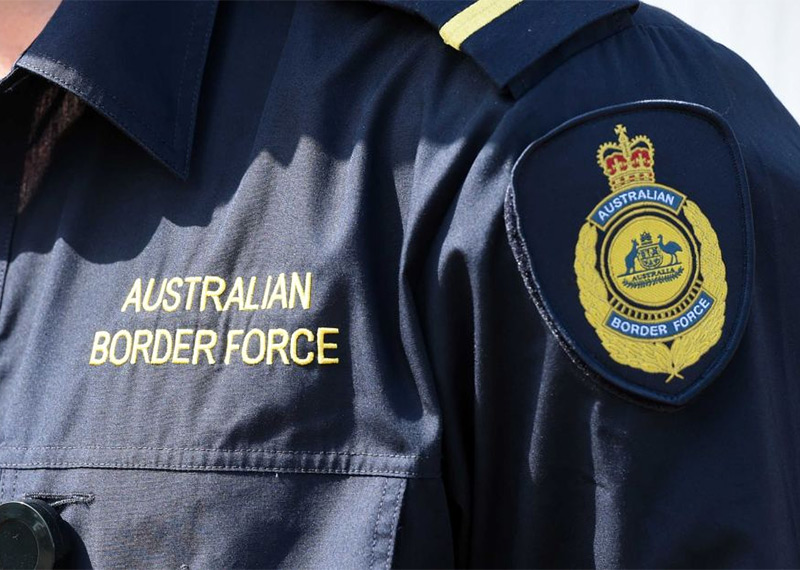
Published: Monday 27 February 2017
Published
The audit objective was to assess the establishment and administration of the Australian Border Force’s framework to ensure the lawful exercise of powers in accordance with applicable legislation.
Entity
Department of Immigration and Border Protection
Contact
Please direct enquiries relating to reports through our contact page.
Performance audit (Auditor-General Report No. 4 of 2014–15)

Published: Wednesday 5 November 2014
Published
The objective of the audit was to assess the adequacy and effectiveness of the Australian Electoral Commission’s implementation of those recommendations made in Report No. 28 2009–10 relating to:
- a more strategic approach to election workforce planning;
- the suitability and accessibility of polling booths and fresh scrutiny premises; and
- the transport and storage of completed ballot papers, in respect to matters not fully addressed in ANAO Audit Report No.31 2013–14.
Entity
Australian Electoral Commission
Contact
Please direct enquiries relating to reports through our contact page.