Browse our range of reports and publications including performance and financial statement audit reports, assurance review reports, information reports and annual reports.
Performance audit (Auditor-General Report No. 48 of 2024–25)

Published: Wednesday 25 June 2025
Published
The objective of the audit was to assess the effectiveness of the NDIA’s management of claimant compliance with NDIS claim requirements.
Entity
National Disability Insurance Agency
Contact
Please direct enquiries through our contact page.
Performance audit (Auditor-General Report No. 24 of 2014–15)

Published: Thursday 26 February 2015
Published
The objective of the audit was to assess the effectiveness of the Department of Parliamentary Services’ management of assets and contracts to support the operations of Parliament House.
Entity
Department of Parliamentary Services
Contact
Please direct enquiries relating to reports through our contact page.
Performance audit (Auditor-General Report No. 32 of 2014–15)

Published: Thursday 23 April 2015
Published
The objective of the audit was to assess the effectiveness of the Department of Employment’s administration of the Fair Entitlements Guarantee.
Entity
Department of Employment
Contact
Please direct enquiries relating to reports through our contact page.
Performance audit (Auditor-General Report No. 18 of 2014–15)
Published: Wednesday 28 January 2015
Published
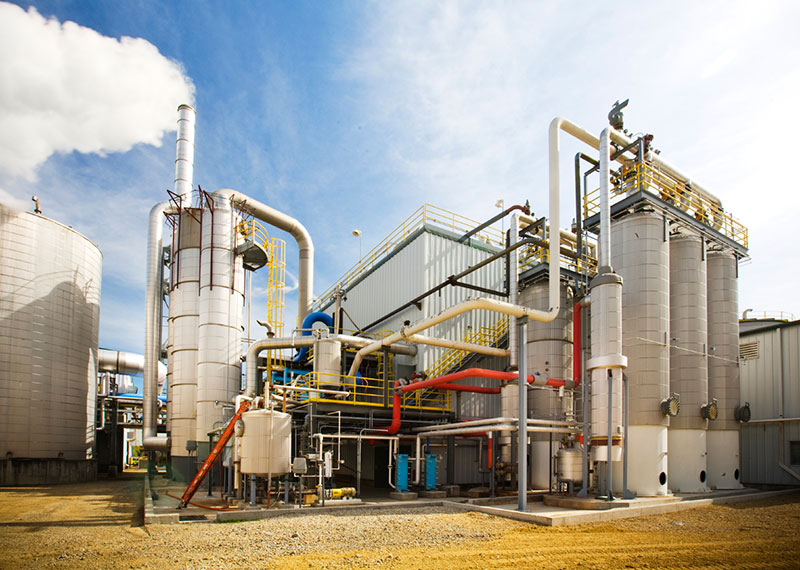
The objective of the audit was to examine the effectiveness of Industry’s administration of the Ethanol Production Grants Program, including relevant advice on policy development.
Entity
Department of Industry and Science
Performance audit (Auditor-General Report No. 23 of 2025–26)

Published: Thursday 5 March 2026
Published
The audit objective was to assess whether Department of Health and Aged Care effectively developed and monitored suicide prevention measures.
Entity
Department of Health, Disability and Ageing
Contact
Please direct enquiries through our contact page.
Performance audit (Auditor-General Report No. 22 of 2021–22)

Published: Monday 4 April 2022
Published
The objective of the audit was to assess the effectiveness of the Australian Taxation Office's administration of the JobKeeper scheme.
Entity
Department of the Treasury; Australian Taxation Office (ATO)
Contact
Please direct enquiries through our contact page.
Performance audit (Auditor-General Report No. 24 of 2016–17)

Published: Wednesday 9 November 2016
Published
The audit objective was to assess the effectiveness to date of the management of the approach to transition the disability services market to the National Disability Insurance Scheme (NDIS) market arrangements.
Entity
Department of Social Services; National Disability Insurance Agency
Contact
Please direct enquiries relating to reports through our contact page.
Assurance review (Auditor-General Report No. 13 of 2020–21)
Published: Thursday 15 October 2020
Published
The Auditor-General undertook a limited assurance review of the Department of Finance’s reporting and administration of the Advances to the Finance Minister (AFM) for the Period 29 August 2020 to 25 September 2020.
Entity
Department of Finance
Contact
Please direct enquiries through our contact page.
Performance audit (Auditor-General Report No. 12 of 2023–24)

Published: Wednesday 24 January 2024
Published
The objective of this audit was to assess the effectiveness of the Department of Finance’s administration of the Parliamentary Expenses Management System project.
Entity
Department of Finance
Contact
Please direct enquiries through our contact page.
Performance audit (Auditor-General Report No. 25 of 2014–15)

Published: Thursday 5 March 2015
Published
The audit objective was to assess the effectiveness of the development and administration of the Fifth Community Pharmacy Agreement (5CPA), and the extent to which the 5CPA has met its objectives.
Entity
Department of Health; Department of Human Services; Department of Veterans' Affairs
Contact
Please direct enquiries relating to reports through our contact page.