Browse our range of reports and publications including performance and financial statement audit reports, assurance review reports, information reports and annual reports.
Performance audit (Auditor-General Report No. 14 of 2010–11)
Published: Thursday 28 October 2010
Published
The objective of the audit was to assess whether entities properly accounted for software assets, and adopted an integrated planning approach to inform software asset investment decisions.
The main focus of the audit was on whether entities accounted for software costs in accordance with relevant accounting standards and the FMOs, paying particular attention to the standard elements of an internal control framework and accounting practices. In addition, in the context of software asset planning, the audit considered whether entities assessed the risks associated with software assets, used life-cycle costing approaches, and aligned ICT and capital management plans, to inform decision-making on software asset investments.
Entity
Australian Bureau of Statistics; Civil Aviation Safety Authority; IP Australia
Performance audit (Auditor-General Report No. 45 of 2004–05)
Published: Friday 27 May 2005
Published
The audit focuses on DMO's equipment acquisition and support, at the system program management level. The objective of the audit was to assess the adequacy of Defence's capital equipment project definition, approval, acquisition and logistics support management. The SPOs subject to audit are:Aerospace Systems Division's Tactical Fighter Systems Program Office (TFSPO), which is responsible for acquisition and logistics support management of the Air Force's F/A-18 and Hawk 127 fleets and associated equipment. TFSPO is located at Williamtown, NSW; Land Systems Division's Track Manoeuvre Systems Program Office (TMSPO), which is responsible for the acquisition and logistics support management of Army's Leopard Tanks and M113 Armed Personnel Carrier fleets. TMSPO is located in Melbourne;Electronic and Weapon Systems Division's Over-the-Horizon Radar Systems Program Office (OTHRSPO), which is responsible for acquisition and logistics support management of the Jindalee Operational Radar Network (JORN) and Jindalee OTHR systems. OTHRSPO is located within the Defence Science and Technology Organisation (DSTO) precinct at Edinburgh, South Australia; and Maritime Systems Division's Fast Frigate Guided System Program Office (FFGSPO), which is responsible for the support and upgrade of the Navy's FFG fleet. FFGSPO is located at Garden Island, Sydney.In view of the significant role that DMO's SPOs play in managing major capital equipment acquisition projects, the audit includes a case study of the $1.448 billion Fast Frigate Guided (FFG) Upgrade Project. A high level of audit assurance is not able to be provided on the FFG Upgrade Project given deficiencies in the FFGSPO information management systems and deficiencies in the level of design and development disclosure provided to SPO personnel by the FFG Upgrade Prime Contractor. The ANAO was unable to access appropriate audit evidence on the financial expenditure associated with the FFG Upgrade Project, and the Project's approved Equipment Acquisition Strategy.
Entity
Department of Defence
Performance audit (Auditor-General Report No. 8 of 2009–10)
Published: Thursday 29 October 2009
Published
The objective of this audit was to provide a strategic review on the progress of the Tax Office's implementation of the Change Program.
To achieve this, the ANAO examined:
- the planning for, and governance of, the Change Program, particularly in relation to the management of risk and the assurance framework established by the Tax Office, and its management of contractual arrangements for the project;
- implementation issues associated with Releases 1 and 2 of the Change Program, and more specifically in relation to Release 3, the first use of the new ICP system to process FBT returns; and
- the funding of the Change Program, including measurement and attribution of the costs of the project and consideration of any benefits realisation to date.
Entity
Australian Taxation Office
Performance audit (Auditor-General Report No. 11 of 2007–08)
Published: Wednesday 31 October 2007
Published
The audit follows on from Audit Report No. 45 2004-2005, Management of Selected Defence Systems Program Offices, May 2005. That report is being considered by the JCPAA, as part of its current inquiry into Defence Financial Management and Equipment Acquisition at the Department of Defence and DMO.
Entity
Department of Defence; Defence Materiel Organisation
Performance audit (Auditor-General Report No. 36 of 2005–06)
Published: Tuesday 2 May 2006
Published
The objective of the audit was to assess the effectiveness of management of the procurement of a major, new capability for the ADF by the DMO and Defence. The audit reviewed the initial capability requirements and approval process; analysed the contract negotiation process; and examined management of the Acquisition and Through-Life-Support Contracts. Coverage of the audit extended from development of the concept for the requirement, to acceptance of deliverables in the period prior to the award of the Australian Military Type Certificate (see shaded area of Figure 1). The audit fieldwork was undertaken during the delivery phase of the Project, following delivery of ARH numbers 1, 2 and 5.
Entity
Department of Defence; Defence Material Organisation
Performance audit (Auditor-General Report No. 40 of 2004–05)
Published: Thursday 14 April 2005
Published
The objectives of the audit were to determine whether FaCS and Centrelink had: a valid Business Case for the Edge project, as revised from time to time, including estimated costs, actual costs, and expected benefits; effective governance of the project, including reviews at critical points in the project and subsequent decisions to continue or, in the final analysis, to discontinue; an appropriate contract with SoftLaw, which was adequately managed; delivered appropriate advice on progress, project viability, and acceptable solutions to technical issues to Executive of FaCS and Centrelink during the project; and valid reasons for discontinuing the project. The ANAO began this audit in March 2004, four months after the Edge project was terminated, following the Auditor-General's agreement to a suggestion by the Joint Committee of Public Accounts and Audit that the project was a suitable subject for audit.
Entity
Department of Family and Community Services; Centrelink
Performance audit (Auditor-General Report No. 30 of 2007–08)
Published: Thursday 24 April 2008
Published
The objective of the audit was to evaluate the Tax Office's corporate management of data matching, including analytics.
The ANAO examined the Tax Office's strategic goals and governance arrangements for data matching and analytics, its compliance with privacy requirements and whether the Tax Office is achieving intended results, which include revenue collection, optimised compliance and provision of improved services to taxpayers.
Tax Office executives have been increasingly drawing on the interrelationships and conceptual commonalities of Tax Office data matching and analytics activity. Accordingly, the audit included these relationships and conceptual commonalities within the scope of the audit. The audit was guided, therefore, by a broader definition of ‘data matching': meaning ‘finding relationships and patterns in large volumes of data'. This includes the more traditional idea of data matching as ‘bringing together data from different sources and comparing it'.
Entity
Australian Taxation Office
Performance audit (Auditor-General Report No. 22 of 2006–07)
Published: Tuesday 6 February 2007
Published
The audit objective was to examine progress in the development of an overarching approach and guidance for the management of the Commonwealth's intellectual property (Recommendation No. 2 of Audit Report No. 25 of 2003–04).
Entity
NO-DEPTS-LISTED
Performance audit (Auditor-General Report No. 41 of 2008–09)
Published: Wednesday 17 June 2009
Published
Given the significant expenditure associated with the Super Seasprites, and the problems that the Project had encountered over some time, the ANAO had commenced this performance audit prior to the Government's decision to cancel the Project. The focus of the audit was on Defence's and DMO's administration of the Project. In light of the Government's decision to cancel the Project, the objective of the audit was revised to place greater emphasis on those issues that resulted in the failure of the Project to provide the required capability, and highlighting project management lessons for major Defence acquisitions going forward.Accordingly the audit objective was to:
- identify those factors that contributed to the on-going poor performance of the Project;
- outline measures taken by Defence and DMO in seeking to overcome issues encountered by the Project, and key lessons arising from this project for the benefit of major acquisitions projects generally; and
- determine the capability and cost implications of a project that failed to deliver to expectations.
Entity
Department of Defence
Performance audit (Auditor-General Report No. 24 of 2007–08)
Published: Tuesday 26 February 2008
Published
The audit objective was to determine whether DIAC's biometrics program had appropriate:
- business review processes (including a business case);
- authorisation;
- business and IT governance arrangements; and
- IT project management and systems development arrangements.
Entity
Department of Immigration and Citizenship
Performance audit (Auditor-General Report No. 9 of 2003–04)
Published: Wednesday 22 October 2003
Published
The audit assessed whether Centrelink has effective Business Continuity Management and/or associated risk management procedures and plans in place that: minimise the likelihood of a significant business outage; and in the event of such an outage, minimise disruption of critical services to customers. The audit also assessed whether Centrelink services satisfy special community demands in times of emergency.
Entity
Centrelink
Performance audit (Auditor-General Report No. 41 of 2006–07)
Published: Thursday 31 May 2007
Published
The objective of the audit was to assess the efficiency and the effectiveness of DEWR's administrative oversight for the WfD programme. The components of administration examined included whether:
- the operation of the WfD programme was guided by sound business planning including risk assessment;
- DEWR effectively and efficiently managed, monitored and reported the performance of CWCs in meeting contractual obligations;
- adequate support was provided to DEWR contract managers and account managers to assist in the delivery of WfD outcomes;
- there was evaluation of the performance of CWCs in delivering WfD objectives on behalf of the department;
- DEWR measures the effectiveness of WfD against programme objectives; and
- DEWR had implemented agreed recommendations from the previous WfD audit, where current and relevant.
Entity
NO-DEPTS-LISTED
Performance audit (Auditor-General Report No. 37 of 2009–10)
Published: Thursday 20 May 2010
Published
The objective of this audit was to review the effectiveness of Defence's and the DMO's management of the acquisition arrangements for JP 2070.
Entity
Department of Defence
Performance audit (Auditor-General Report No. 5 of 2012–13)
Published: Thursday 27 September 2012
Published
To assess the upgrade and sustainment of the F/A-18A/B Hornet fleet, and the sustainment of the newly acquired F/A-18F Super Hornet fleet.
Entity
Department of Defence, Defence Materiel Organisation
Financial statement audit (Auditor-General Report No. 58 of 2003–04)

Published: Wednesday 30 June 2004
Published
This report updates the ANAO's assessment of audit findings relating to major entity internal control structures, including governance arrangements, information systems and control procedures through to March 2004. The findings summarised in this report arise from the interim phase of the financial statement audits of major Australian Government entities for 2003/2004. Examinations of such findings are designed to assess the reliance that can be placed on control structures to produce complete, accurate and valid information for financial reporting purposes.
Entity
Across Agency
Performance audit (Auditor-General Report No. 15 of 2014–15)

Published: Wednesday 17 December 2014
Published
The objective of the audit was to assess the effectiveness of the Australian Trade Commission’s administration of the Export Market Development Grants scheme, in providing incentives to small and medium Australian enterprises for the development of export markets.
Entity
Australian Trade Commission (Austrade)
Contact
Please direct enquiries relating to reports through our contact page.
Performance audit (Auditor-General Report No. 5 of 2020–21)

Published: Thursday 3 September 2020
Published
The objective of this audit was to assess the effectiveness of the Australian Energy Regulator’s regulation of energy markets.
Entity
Australian Energy Regulator
Contact
Please direct enquiries through our contact page.
Performance audit (Auditor-General Report No. 5 of 2021–22)

Published: Wednesday 22 September 2021
Published
The audit objective was to assess the effectiveness of the Department of Health’s approach to improving and monitoring immunisation coverage.
Entity
Department of Health
Contact
Please direct enquiries through our contact page.
Performance audit (Auditor-General Report No. 22 of 2015–16)

Published: Monday 22 February 2016
Published
The objective of the audit was to assess the effectiveness of the arrangements established by the Australian Antarctic Division (AAD), a division of the Department of the Environment, to support Australia’s Antarctic Program.
Entity
Department of the Environment
Contact
Please direct enquiries relating to reports through our contact page.
Performance audit (Auditor-General Report No. 42 of 2014–15)

Published: Thursday 4 June 2015
Published
The objective of this audit was to assess the effectiveness of Finance’s administration of travel entitlements provided to Parliamentarians.
Entity
Department of Finance
Contact
Please direct enquiries relating to reports through our contact page.
Performance audit (Auditor-General Report No. 21 of 2014–15)

Published: Tuesday 10 February 2015
Published
The objective of the audit was to assess the effectiveness of the Department of Foreign Affairs and Trade’s delivery of services to Australians travelling or residing abroad.
Entity
Department of Foreign Affairs and Trade
Contact
Please direct enquiries relating to reports through our contact page.
Performance audit (Auditor-General Report No. 54 of 2002–03)
Published: Monday 23 June 2003
Published
The audit examined the management of computer software assets at four Commonwealth bodies. It focused on the capitalisation of software for the purposes of annual financial reporting. The specific objectives were to: determine whether the selected bodies had established effective internal control frameworks for the capitalisation of externally acquired and internally developed software; and assess whether software costs were capitalised in accordance with organisational policy, accounting standards and relevant legislation.
Entity
Across Agency
Performance audit (Auditor-General Report No. 8 of 2005–06)
Published: Friday 26 August 2005
Published
The objective of the audit was to assess the Personnel Management Key Solution Project's planning and approval processes and its contract and project management. The audit addresses the scope of the delivered system, the expectations of end-users, and the system's ability to meet their capability requirements.
Entity
Department of Defence
Performance audit (Auditor-General Report No. 56 of 2002–03)
Published: Wednesday 25 June 2003
Published
The objective of the audit was to report to Parliament on the progress Defence has made since June 2001 in implementing appropriate strategies for recruiting, developing and retaining skilled IT personnel. The audit focused on management of specialist information system skills and did not examine skills needed by users of information systems, although the latter is of obvious importance for overall performance. In June 2001, the Joint Committee of Public Accounts and Audit (JCPAA), after reviewing the ANAO's Audit Report No. 11 Knowledge System Equipment Acquisition Projects in Defence, commented that its major concern about Defence's ability to develop a knowledge edge with adequate coherence, centred on Defence's ability to recruit, develop and retain skilled individuals needed in all parts of the DIE. The JCPAA recommended that the ANAO conduct an audit of Defence's strategies for recruiting, developing and retaining skilled IT personnel.
Entity
Department of Defence
Performance audit (Auditor-General Report No. 24 of 2005–06)
Published: Monday 23 January 2006
Published
The audit objective was to assess the effectiveness of DMO's JORN and JFASmaintenance and support arrangements. The audit examined the maintenanceand operation of the JORN and JFAS radars, and their facilities.
Entity
Department of Defence
Performance audit (Auditor-General Report No. 10 of 2005–06)
Published: Friday 23 September 2005
Published
The audit objective was to examine the adequacy of Defence's and DMO's management of the nearly completed elements of Project Air 5276. The ANAO identified a number of causes for time delays and cost escalation in those elements. Those causes are outlined in the overall audit conclusions, to assist in the achievement of improvements in future planning and management of capital equipment acquisitions.
Entity
Department of Defence
Performance audit (Auditor-General Report No. 25 of 2003–04)
Published: Thursday 5 February 2004
Published
The audit examined agency approaches to the management of intellectual property under its control, and identified themes common to the management of all types of intellectual property. The audit objective was to:
(i) form an opinion on whether Commonwealth agencies have systems in place to efficiently, effectively and ethically manage their intellectual property assets; and
(ii) identify areas for better practice in intellectual property management by those agencies.
Entity
Australian Nuclear Science and Technology Organisation; Department of Defence
Performance audit (Auditor-General Report No. 17 of 2007–08)
Published: Wednesday 19 December 2007
Published
The overall objective of the audit was to assess the effectiveness of Refresh and, in particular:
- the extent to which Centrelink has used the funds invested by the Government to develop its IT capability and realise the anticipated service delivery, financial and other benefits; and
- how Centrelink's programme management approach and Refresh's oversight arrangements have contributed to the achievement of the outcomes of the programme.
Entity
Centrelink
Performance audit (Auditor-General Report No. 10 of 2006–07)
Published: Tuesday 31 October 2006
Published
The objective of the report is to review the effectiveness of remediation activities put in place by Defence and the DMO to improve the performance of SDSS following the delivery in July 2003 of the SDSS Upgrade Project, with specific attention to the SDSS Get Well Programme. The audit reviewed the outcomes of the Get Well Programme, and assessed how effectively a segment of the Defence supply chain (of which SDSS is one key component) was meeting selected maritime end user capability and reporting requirements. In order to achieve this, the audit reviewed three key maritime combatant forces: COLLINS Class submarines; Adelaide Class Guided Missile Frigates (FFGs); and ANZAC Class Frigates. The ANAO notes that these three capabilities account for some 50 per cent of the Navy's total forecast expenditure for 2006–07.
Entity
Department of Defence; Defence Materiel Organisation
Performance audit (Auditor-General Report No. 46 of 2002–03)
Published: Friday 6 June 2003
Published
Australian Industry Involvement Program. Department of Defence The audit examined the management by Defence of its Australian Industry Involvement (AII) Program. AII is the major program through which Defence gives effect to government policy on Australian industry. The objective of the audit was to assess the extent to which the AII Program has achieved its two policy objectives, which are to :
- develop and sustain strategically important capabilities in Australian industry to support Australian Defence Force operations and Defence capability development; and
- maximise Australian industry involvement in Defence's procurement of goods and services, consistent with the government procurement policy objective of achieving best value for money to the Commonwealth.
Entity
Department of Defence
Performance audit (Auditor-General Report No. 33 of 2007–08)
Published: Thursday 15 May 2008
Published
The objective of the audit was to assess the effectiveness of the NCA's management of its asset portfolio. This included examining its asset management systems and the management of selected contracts that the NCA has in place to maintain specific assets.
Entity
National Capital Authority
Performance audit (Auditor-General Report No. 30 of 2001–02)
Published: Thursday 24 January 2002
Published
The audit reviewed Defence's management of the Test and Evaluation (T&E) aspects of its capital equipment acquisition program. The audit sought to identify, from Defence T&E practice, any barriers that might limit the efficiency and effectiveness of its T&E activities.
Entity
Department of Defence
Performance audit (Auditor-General Report No. 26 of 2012–13)
Published: Thursday 28 February 2013
Published
The objective of the current audit was to assess the effectiveness of remediation arrangements put in place by Defence and the Defence Materiel Organisation (DMO) to resolve issues impacting on the achievement of the desired lightweight torpedo capability. It focuses on project management and contractual arrangements, and the progress made with platform integration and test and evaluation.
Entity
Department of Defence; Defence Materiel Organisation (DMO)
Performance audit (Auditor-General Report No. 50 of 2006–07)
Published: Tuesday 26 June 2007
Published
The objective of the audit was to assess the effectiveness of procedures and processes used by DEST and the ATO to record HECS–HELP student loans. To achieve this, the ANAO assessed the performance of DEST and the ATO against three criteria as follows:
- DEST monitored student contributions set by higher education providers for consistency with Australian Government policy;
- DEST paid HECS–HELP advance payments to higher education providers based on sound estimates, and recorded, reconciled and reported these payments; and
- the ATO has established procedures and processes to correctly record HECS–HELP loans against student tax records.
Entity
NO-DEPTS-LISTED
Performance audit (Auditor-General Report No. 40 of 1999–2000)
Published: Wednesday 26 April 2000
Published
Tactical fighter operations (TFOs) form the basis of Australia's current military capability to ensure air superiority. Air superiority over the Australian territory and maritime approaches is an essential element in Australia's defence strategy. The audit objectives were to:
- assess whether the resources used to provide the F/A-18 tactical fighter force operational capability are managed cost-effectively; and
- identify areas for improvement in the coordination, planning and practices employed in administration of tactical fighter operations.
Entity
Department of Defence
Annual report
Published: Tuesday 28 September 2004
Published
This annual report documents the performance of the Australian National Audit Office (ANAO) in the financial year ending on 30 June 2004. It includes highlights and areas of focus for the year; an introduction by the Auditor-General; an overview of the report; a report on performance; details about management and accountability, and the financial statement for the year.
Performance audit (Auditor-General Report No. 32 of 2003–04)
Published: Tuesday 2 March 2004
Published
The audit reviewed the Defence Materiel Organisation's management of the $3.43 billion Wedgetail Airborne Early Warning and Control (AEW&C) project. The Wedgetail project is to provide the Australian Defence Force with an AEW&C capability based on four Boeing 737 AEW&C aircraft and associated supplies and logistic support. At the time of the audit the AEW&C systems were still in their early development phase, and by November 2003, Defence had spent $1.107 billion on the project.
Entity
Department of Defence
Performance audit (Auditor-General Report No. 34 of 2006–07)
Published: Tuesday 1 May 2007
Published
The objective of the audit was to assess the effectiveness of the management by Defence and the DMO of the procurement of the modernised High Frequency communication capability for the ADF. The audit focussed on Phase 3A of the Project which commenced in the mid 1990's and involved the selection of the Prime Contractor; negotiation of the Prime Contract and the Network Operation and Support Contract; and the development and implementation of the Communication System.
Entity
Defence Materiel Organisation
Performance audit (Auditor-General Report No. 43 of 1998–99)
Published: Wednesday 2 June 1999
Published
Networking the Nation was established with effect from 1 July 1997 to support activities and projects designed to meet a range of telecommunications needs in regional, rural and remote Australia. Funding is provided by the Regional Telecommunications Infrastructure Fund. The program provides total support of $250 million, of which $50 million was to be allocated annually for the five year period from 1997-98. Funding decisions for grants are the responsibility of an independent Board appointed by the Minister for Communications, Information Technology and the Arts. The objectives of the audit were to examine the administration of the program with a view to ascertaining the scope for improving administration and to provide assurance on the equity, efficiency and effectiveness of the management and administrative processes applied in the administration of grants under the program.
Entity
Department of Communications, Information Technology and the Arts
Performance audit (Auditor-General Report No. 52 of 2001–02)
Published: Friday 24 May 2002
Published
Robust internal budgeting processes are an essential part of effective financial management and are critical in the successful implementation of the accrual-based, outputs and outcomes framework. Effective internal budgeting should be closely intergrated with business planning processes and require a comprehensive and collaborative approach, involving input from throughout the organisation.
Entity
Across Agency
Performance audit (Auditor-General Report No. 47 of 2004–05)
Published: Tuesday 31 May 2005
Published
The objective of this audit was to the examine action taken by the ATO to improve TFN integrity, particularly through the implementation of the recommendations made in:Report No.37, taking into account any changed circumstances, or new administrative issues, affecting the implementation of those recommendations; and Numbers on the Run, taking into account that the Government has not formally responded to the report at this time.The audit also aimed to identify further opportunities for the ATO to improve the effectiveness and efficiency of the TFN system. The report of this audit is necessarily detailed as it considers each of the recommendations and the extent to which they have been implemented.
Entity
Australian Taxation Office
Performance audit (Auditor-General Report No. 6 of 1998–99)
Published: Monday 31 August 1998
Published
This report summarises audit and other related activities of the Australian National Audit Office in the period January to June 1998.
Entity
Audit Activity Report
Performance audit (Auditor-General Report No. 34 of 1997–98)
Published: Tuesday 24 March 1998
Published
The audit reviewed the Defence's $5.05 billion New Submarine Project which commenced in 1982 and involves design and construction of six Collins class submarines and associated supplies and services. The objectives of the audit were to assess project management by the Department's Project Office in the light of accepted better-practice project management techniques. It also aimed to derive lessons learnt and recommendations that could be applied to the Project and to similar Defence projects now and in the future. The audit follows a 1992 audit of the Project by the ANAO and a review by the Joint Committee of Public Accounts in 1995.
Entity
Department of Defence
Performance audit (Auditor-General Report No. 2 of 2003–04)
Published: Wednesday 13 August 2003
Published
The Audit Activity Report: January to June 2003 summarises the activity and outputs of the Australian National Audit Office for the second half of the 2002-03 reporting year. The Report outlines the key findings of performance and financial control audits, and summarises audits tabled and better practice guides published during January to June 2003.
Entity
Australian National Audit Office; Parliament
Performance audit (Auditor-General Report No. 27 of 2006–07)
Published: Wednesday 21 February 2007
Published
This audit focuses on the Australian Defence Force's (ADF) Air Combat fleet's logistics support, regular maintenance and structural refurbishment. These activities are collectively referred to as fleet in-service support. The current Defence White Paper states that Air Combat is the most important single capability for the defence of Australia.
The audit objective was to assess the effectiveness of the Air Combat fleet's in-service support arrangements to provide capability for air combat operations. Capital equipment acquisition projects covered by this report are limited to the Hornet and F-111 structural refurbishment projects, which aim to ensure these aircraft remain serviceable until their withdrawal from service.
Entity
Department of Defence; Defence Materiel Organisation
Performance audit (Auditor-General Report No. 33 of 2011–12)
Published: Tuesday 22 May 2012
Published
The objective of the audit was to assess the effectiveness of DFAT's implementation of biometric technology to meet international requirements for enhanced passport security. In particular, the audit examined whether:
- Australian ePassports meet international requirements, and coordination with Australian stakeholders is effective;
- Australian biometric passport technology is fit for purpose and has enhanced passport security;
- personal data on the passport microchip is secure and DFAT maintains an appropriate focus on both protecting privacy and client satisfaction; and
- arrangements are in place to evaluate the effectiveness of the ePassport and to monitor risks.
Entity
Department of Foreign Affairs and Trade
Performance audit (Auditor-General Report No. 19 of 2003–04)
Published: Wednesday 17 December 2003
Published
The objective of the audit was to assess whether the property management function, including the management of leases, was being performed efficiently and was providing an effective level of support for the delivery of the organisation's services (outputs). The audit evaluated property management policies and practices across the following dimensions:
- planning and control;
- business processes and practices; and
- information and performance management.
Within each of these areas, a series of desirable proceses and controls (described as the evaluation criteria) were developed to assist in the assessment of each organisation's performance.
Entity
Australian Communications Authority; Australian Film, Television and Radio School; Civil Aviation Safety Authority; Department of Employment and Workplace Relations; National Library of Australia; Department of Finance and Administration
Performance audit (Auditor-General Report No. 47 of 2011–12)
Published: Friday 22 June 2012
Published
The objective of the audit was to assess the effectiveness of the implementation and administration of the Small Business Superannuation Clearing House.
Entity
Department of the Treasury; Department of Human Services; Australian Taxation Office
Performance audit (Auditor-General Report No. 13 of 2006–07)
Published: Tuesday 5 December 2006
Published
The objective of this follow-up audit was to assess the extent to which DVA had implemented the recommendations from the original audit during the period 2002–06, including in its preparation of the IT outsourcing contract which will operate from 2007.
Entity
Department of Veterans' Affairs
Performance audit (Auditor-General Report No. 11 of 2000–01)
Published: Friday 15 September 2000
Published
The audit reviewed Defence's higher-level management of its knowledge system equipment acquisition projects. These amount to $8.5b. The focus of the audit was on the opportunities for Defence to adopt a much more coherent and integrated approach to knowledge systems management prospectively rather than on emphasising current system compatibility issues.
Entity
Department of Defence
Performance audit (Auditor-General Report No. 43 of 1997–98)
Published: Tuesday 12 May 1998
Published
The objective of the audit was to report on whether Defence applies Life-cycle Costing appropriately in support of decisions throughout the acquisition and management of its capital assets, and to make recommendations for any improvement. Criteria were established against each of the issues considered by the audit, namely LCC policy and coordination, use of LCC in investment decisions, use of LCC to support budgeting, data to support LCC and LCC training and education.
Entity
Department of Defence
Performance audit (Auditor-General Report No. 24 of 2001–02)
Published: Monday 10 December 2001
Published
Major capital equipment contributes importantly to the capabilities of the Australian Defence Force (ADF) to achieve the Defence mission, that is, the defence of Australia and its national interests. The Defence Materiel Organisation (DMO) is the relatively new Defence organisation responsible for the acquisition and through-life support of Defence equipment and systems. DMO's stated purpose is to equip and sustain the ADF. In 2001-02, it will spend $2.9 billion on progressing some 270 major capital equipment acquisition projects. This preliminary study for the audit focused on DMO reporting on the status of major equipment acquisition projects.
Entity
Department of Defence
Performance audit (Auditor-General Report No. 1 of 2002–03)
Published: Thursday 18 July 2002
Published
The overall objective of the audit was to determine whether Health's management and operation of selected IT systems:
- met industry better practice;
- met quality and service delivery parameters set by Health and, if applicable, by the Government; and
- operate effectively, efficiently and economically.
The audit applied selected processes from CobiT (Control Objectives for Information and Related Technology) to assist with the assessment of key aspects of Health's management and operation of IT. The audit builds on ANAO's earlier IT audits using CobiT.
Entity
Department of Health and Ageing
Performance audit (Auditor-General Report No. 21 of 1998–99)
Published: Friday 11 December 1998
Published
The audit considered the way organisations in the APS process and use cost information. The specific objective was to form an opinion on whether costing processes and uses were: valid, cost effective, and in accordance with the principles of better practice.
Entity
Across Agency
Performance audit (Auditor-General Report No. 11 of 1999–2000)
Published: Tuesday 21 September 1999
Published
In November 1998, the Minister for Communications wrote to the Auditor-General requesting an assessment of the actual costs of Phase 1 digital conversion for the ABC and SBS, the sources of funds applied and the efficiency with which the funds had been used before the government considered further funding. The purpose of this limited scope performance audit was to assess a range of financial issues associated with the ABC and SBS conversion to digital broadcasting.
Entity
Australian Broadcasting Corporation; Special Broadcasting Service Corporation
Performance audit (Auditor-General Report No. 19 of 2011–12)
Published: Tuesday 20 December 2011
Published
The objective of the audit was to assess the development of Defence’s oversight and management of its portfolio of ICT investments and projects. In particular, the audit examined Defence’s:
- governance, strategic processes and decision-making structures that set out, prioritise and coordinate the integrated ICT reform portfolio and programs;
- ICT risk management and capacity to identify and plan to achieve the benefits of its SRP ICT stream reforms (including methodologies to measure the realisation of savings and non-savings benefits);
- level of portfolio and program management maturity; and
- the impact of improvement efforts on Defence’s ability to deliver the ICT services capacity required to support the SRP.
Entity
Department of Defence
Performance audit (Auditor-General Report No. 31 of 2010–11)
Published: Thursday 24 February 2011
Published
The objective of the audit was to examine the Tax Office's administration of the Lost Members Register. In particular, the audit examined the Tax Office's governance arrangements for the LMR; its strategies for managing data quality; and its provision of access to LMR data. The audit also considered how the Tax Office's administration of the LMR has responded to recommendations made in the ANAO's earlier review (Audit Report No.17, 2005–06 Administration of the Superannuation Lost Members Register), relevant changes in funding and legislation supporting the LMR, as well as the Change Program.
Entity
Australian Taxation Office
Performance audit (Auditor-General Report No. 14 of 1999–2000)
Published: Tuesday 12 October 1999
Published
The audit reviewed Commonwealth debt management procedures. The audit objectives were to:
- review, and consider opportunities to improve, the reporting and disclosure of the Commonwealth's public debt;
- assess the effectiveness of the raising, management and retirement of Commonwealth debt, consistent with an acceptable degree of risk exposure; and
- determine whether there are opportunities to improve the Commonwealth's approach to the raising, management and retirement of Commonwealth debt.
Entity
Across Agency
Annual report
Published: Wednesday 28 September 2005
Published
This annual report documents the performance of the Australian National Audit Office (ANAO) in the financial year ending on 30 June 2005. It includes highlights and areas of focus for the year; a forward by the Auditor-General; an overview of the report; a report on performance; details about management and accountability, and the financial statement for the year.
Performance audit (Auditor-General Report No. 58 of 2001–02)
Published: Monday 17 June 2002
Published
The audit sought to assess the efficiency of Defence property management; provide assurance that probity and compliance requirements are being met; and make practical recommendations for enhancing property operations. It focused on Infrastructure Division's property management, with recognition that other areas manage certain property service contracts, such as those for electricity supply and cleaning.
Entity
Department of Defence
Performance audit (Auditor-General Report No. 31 of 2000–01)
Published: Thursday 29 March 2001
Published
The audit reviewed the Department of Foreign Affairs and Trade's administration of consular services. It focussed on DFAT's travel advice to alert Australians to potential travel risks; case management systems to record and monitor action on more complex consular cases; performance information for the management of consular services; and contingency planning for major consular incidents. The audit also reviewed action taken by DFAT and other agencies to implement the recommendations of a 1997 Senate Committee report on consular services.
Entity
Department of Foreign Affairs and Trade
Performance audit (Auditor-General Report No. 39 of 2007–08)
Published: Thursday 5 June 2008
Published
The objective of this follow-up audit is to examine DEEWR's implementation of the six recommendations made in the ANAO's 2003 report. This audit has had regard to the issues underlying the recommendations, and new administrative issues affecting their implementation.
Entity
Department of Education, Employment and Workplace Relations
Performance audit (Auditor-General Report No. 33 of 2010–11)
Published: Wednesday 23 March 2011
Published
The objective of the audit was to assess the effectiveness of Australian Government agencies' management and implementation of measures to protect and secure their electronic information, in accordance with Australian Government protective security requirements.
Entity
Across agencies
Performance audit (Auditor-General Report No. 57 of 2010–11)
Published: Tuesday 28 June 2011
Published
The objective of the audit was to report on the effectiveness of Defence’s approach to the acceptance into service of Navy capability, and to identify where better practice may be used by CDG, DMO and Navy.
Entity
Department of Defence; Defence Materiel Organisation
Performance audit (Auditor-General Report No. 49 of 2003–04)
Published: Monday 31 May 2004
Published
The audit objective was to provide independent assurance to the Parliament on the effectiveness of Australian Public Service organisations in the use and management of the HRIS to satisfy mandatory reporting requirements, as well as provide meaningful information to management. The audit also considered the use of employee self service facilities offered by the HRIS, which has the capacity to provide staff with access to their personal information, reduce manual processing and streamline processing.
Entity
Australian Sports Commission; Australian Securities and Investments Commission; Attorney-General’s Department; Department of Education, Science and Training
Performance audit (Auditor-General Report No. 10 of 2000–01)
Published: Friday 15 September 2000
Published
The objective of the audit was to assess the efficiency and effectiveness of the management of AQIS cost-recovery systems and provide assurance to the Parliament that the cost-recoverable programs are identifying and recovering the full costs of services provided, without cross-subsidisation.
Entity
Australian Quarantine and Inspection Service
Performance audit (Auditor-General Report No. 26 of 2004–05)
Published: Thursday 10 February 2005
Published
This audit was designed to identify the methods used by selected agencies to measure the efficiency and effectiveness of their delivery of services through the Internet, and to evaluate the adequacy of these methods. ANAO also identified better practices, lessons learned and opportunities for improvements.
Entity
Austrade; Centrelink; Child Support Agency; Department of Veteran's Affairs; Health and Ageing; National Archives; Finance
Performance audit (Auditor-General Report No. 6 of 2012–13)
Published: Thursday 27 September 2012
Published
The audit objective was to assess the progress of the AIR 6000—New Air Combat Capability project in delivering the required combat aircraft within approved cost, schedule and performance parameters.
Entity
Department of Defence, Defence Materiel Organisation
Performance audit (Auditor-General Report No. 65 of 2001–02)
Published: Friday 28 June 2002
Published
The audit reviewed the administrative effectiveness of ComSuper in providing benefits to members of the CSS and PSS. The objectives of the audit were to assess the effectiveness of ComSuper's performance in regard to the establishment of new purchaser/provider arrangements; the integrity of the ComSuper databases for the payment of CSS and PSS benefits; and the accuracy and effectiveness of benefit processing and payment for resignation, retirement and retrenchment.
Entity
ComSuper
Performance audit (Auditor-General Report No. 24 of 2006–07)
Published: Wednesday 7 February 2007
Published
The objectives of the audit were to:
- examine Customs' management of the CMR project; and
- determine whether the ICS and CCF met:
- project and operational objectives; and
- user capability and functionality requirements.
Particular emphasis was given to the following areas:
- the project management framework that supported the CMR project;
- implementation arrangements for the ICS; and
- ongoing operational arrangements.
After this audit commenced, Customs engaged Booz Allen Hamilton to undertake a separate review of the ICS. The purpose of that review was to provide Customs with a forward looking report on the lessons to be learned from the implementation of the ICS, its current status and the opportunities to enhance benefits for both Government and industry. The ANAO consulted closely with the Booz Allen Hamilton team and is supportive of the recommendations in their report, which was released in May 2006. The review made thirteen recommendations relating to the ongoing management and governance of the Cargo Management Re-engineering Program at both strategic and tactical levels.
Entity
Australian Customs Service
Performance audit (Auditor-General Report No. 21 of 2008–09)
Published: Tuesday 10 February 2009
Published
This audit focused on the approval of business system projects -projects aiming to achieve a business objective such as reduced costs or to implement a new program, in contrast with projects with a narrower technology focus such as replacing an agencyʹs desktop computers.
Entity
Department of Education, Employment and Workplace Relations; Department of Health and Ageing; Department of Veterans' Affairs
Performance audit (Auditor-General Report No. 62 of 2001–02)
Published: Wednesday 26 June 2002
Published
The objective of this benchmarking study of the finance function was to obtain and report on over time, quantitative and qualitative data, relating to finance function activities as they operate in Commonwealth organisations. Over the three year period of the study, the majority of participating Commonwealth organisations have shown an improvement in their quantitative and/or qualitative benchmark results across the range of finance function activities. The Report does not provide specific reasons for differences in performance. However, it does provide guidance as to some of the better practices that participating organisations, and the wider public sector, may wish to adopt, or adapt in order to achieve improved performance in the activities of the finance function.
Entity
Across Agency
Performance audit (Auditor-General Report No. 4 of 2006–07)
Published: Tuesday 12 September 2006
Published
The objective of the audit was to review the operation of the ATO's Tax Agent and Business Portals. In conducting the audit the ANAO examined three key areas: governance – the governance arrangements supporting ongoing management of the Portals; portals development, user satisfaction and realisation of expected benefits – the ATO's processes for involving users in developing the Tax Agent and Business Portals, assessing user satisfaction, and evaluating business benefits arising from uptake of the Portals; and information technology (IT) security and user access controls – the ATO's IT security environment and user access controls supporting the operation of the Tax Agent and Business Portals.
Entity
Australian Taxation Office
Performance audit (Auditor-General Report No. 16 of 2001–02)
Published: Friday 5 October 2001
Published
The Government introduced the Defence Reform Program (DRP) in 1997 to enable Defence's resources to be focused more efficiently and effectively on its core functions. The objective of the audit was to assess Defence's management and implementation of DRP and the extent to which it achieved savings for reinvestment in the operational capabilities of the ADF.
Entity
Department of Defence
Performance audit (Auditor-General Report No. 22 of 1999–2000)
Published: Wednesday 22 December 1999
Published
The audit reviewed the operations of the Bureau of Meteorology. The Bureau's functions include the taking and recording of meteorological observations and other observations required for the purposes of meteorology; the forecasting of weather and of the state of the atmosphere; the issue of warnings of weather conditions likely to endanger life or property; the supply, publication and promotion of meteorological information; and cooperation with international meteorological agencies in relation to the functions just listed. The objectives of the audit were to:
- use national and international benchmarks to evaluate the Bureau's performance in terms of timeliness, cost and quality of weather services to meet the needs of clients; and
- assess how well the Bureau is placed in measuring its outputs/outcomes within the context of the Accrual Budgeting Framework.
Entity
Department of the Environment and Heritage
Performance audit (Auditor-General Report No. 27 of 1998–99)
Published: Friday 18 December 1998
Published
The audit reviewed the sale of DAS Interiors Australia, a business unit of the Department of Administrative Services, which provided a range of services covering strategic advice and accommodation planning, design and documentation, and supervision of office fit-outs. The objectives of the audit were to review the efficiency and effectiveness of the management of the sale.
Entity
Department of Finance; Office of Asset Sales and Information Technology Outsourcing
Performance audit (Auditor-General Report No. 34 of 1996–97)
Published: Tuesday 27 May 1997
Published
The objective of the audit was to assess the efficiency and effectiveness of the provision of health services to the Australian Defence Force Regular forces. Audit criteria were developed which examined health services policy and strategic planning, resource management, the tri-Service provision of medical, dental and other health care, the operation of and planning for major medical facilities, health care management information systems, occupational health and safety and the supply of health materiel.
Entity
Department of Defence
Performance audit (Auditor-General Report No. 34 of 2009–10)
Published: Tuesday 18 May 2010
Published
The Management and use of Double Taxation Agreement Information Collected through Automatic Exchange
The objective of the audit was to review and assess the use, and management of, automatic exchanges of information under Double Taxation Agreements (DTAs) by the Tax Office.
Entity
Australian Taxation Office
Performance audit (Auditor-General Report No. 26 of 2000–01)
Published: Friday 22 December 2000
Published
The Defence Estate comprises the land, buildings and other facilities that Defence uses across Australia. These facilities are vital to achieving the Defence mission - to prevent or defeat the use of armed force against Australia and its interests. The Estate has a gross replacement value of $14.8 billion. Defence Estate Organisation's (DEO's) Facilities Operations (FACOPS) Program delivers general maintenance and minor new works to Defence facilities on a regional basis across the country. DEO's Estate Operations and Planning Branch and its nine Regional Estate Centres are responsible for the FACOPS Program. Resources available for the Program have been reduced in recent years. The total DEO budget for 2000-01, which includes funds for capital works, facilities operations and property management, is $2.6 billion. Of this total, the FACOPS Program has a cash allocation of $213 million and an additional $15.6 million for employee expenses associated with the Program's 283 staff. The objective of the audit was to assess the efficiency and effectiveness of selected Defence facilities operations, including tendering and contracting, with a view to adding value with practical recommendations for enhancing operations.
Entity
Department of Defence
Performance audit (Auditor-General Report No. 7 of 1999–2000)
Published: Wednesday 11 August 1999
Published
This audit was a follow-on to Audit Report No.21 1997-98 Protective Security, which reviewed, among other things, information security other than computer and communications security, against the policy and procedures outlined in the 1991 PSM. That audit found inconsistencies in the identification and marking of classified information and weaknesses in the handling and storage of classified information, as well as other breakdowns impacting on information security.
Entity
Across Agency
Performance audit (Auditor-General Report No. 5 of 1997–98)
Published: Friday 17 October 1997
Published
The objective of this audit was to ascertain whether Defence performance management strategies and practices contribute to the effective and efficient management of the supply chain. In particular, it focussed on examining the extent to which the latter demonstrate identified world-class practices.
Entity
Department of Defence
Performance audit (Auditor-General Report No. 3 of 2006–07)
Published: Thursday 7 September 2006
Published
The objective of the audit was to examine the effectiveness of Defence's management of the procurement of Minor capital equipment for Army capability. In particular, the audit focussed on the identification and approval of capability requirements; the management of Army Minors Program funding and expenditure; and DMO management of procurement processes for Army Minor projects. The audit focused on projects included in the Program as at 1 July 2005. As at that date, 85 projects were listed. Case studies illustrating particular issues in the management of the Program are profiled throughout the report in the relevant section.
Entity
Department of Defence; Defence Materiel Organisation
Performance audit (Auditor-General Report No. 41 of 1997–98)
Published: Wednesday 15 April 1998
Published
The ANAO first examined asset management in the general government sector in 1995. The outcome of that review was presented in Audit Report No. 27, 1995-96, Asset Management. The primary objectives of the current review were to:
- ascertain the degree of acceptance of the previous audit recommendations;
- establish the extent to which organisations were managing their assets in accordance with the asset management principles espoused in the Asset Management Handbook; and
- examine any central coordination initiatives in asset management.
Meeting these objectives permits the ANAO to express an updated opinion on the state of asset management in the general government sector other than for specialised military equipment.
Entity
Across Agency
Annual report
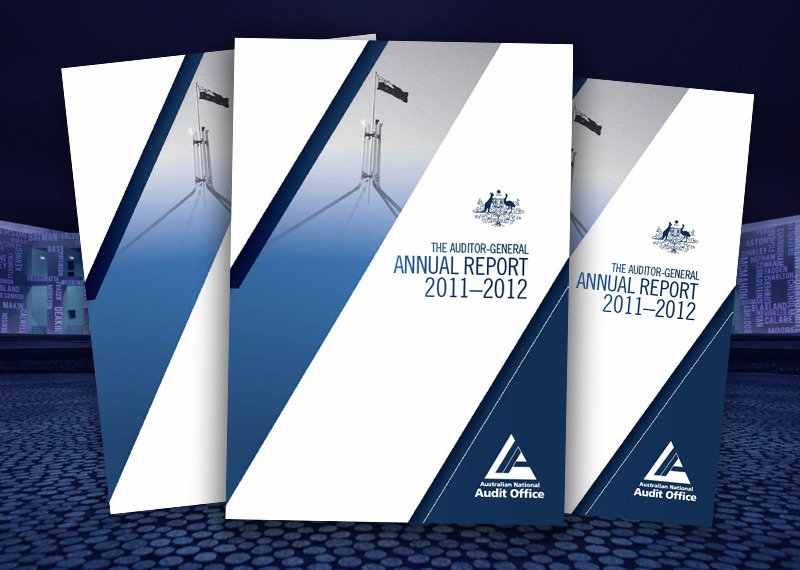
Published: Thursday 27 September 2012
Published
This annual report documents the performance of the Australian National Audit Office (ANAO) in the financial year ending on 30 June 2012. It presents an overview including the role and vision of the Office, a report on performance, details about management and accountability, and the financial results.
Performance audit (Auditor-General Report No. 33 of 2012–13)
Published: Wednesday 8 May 2013
Published
The objective of the audit was to assess the effectiveness of the Tax Practitioners Board's implementation and administration of the regulatory arrangements for tax practitioners under the Tax Agent Services Act 2009.
Entity
Australian Taxation Office; Tax Practitioners Board
Contact
Please direct enquiries relating to reports through our contact page.
Performance audit (Auditor-General Report No. 30 of 2002–03)
Published: Thursday 27 February 2003
Published
The Service Chiefs of Navy, Army and Air Force are accountable to the Chief of the Defence Force for the way that equipment is used by their Service. They are also accountable for the safety, fitness for service and environmental compliance of the equipment. The audit report deals with the way that the Service Chiefs are assured of the safety and suitability for service of the Australian Defence Force's (ADF's) ordnance systems. Ordnance systems include munitions such as missiles, shells and mines, and the auxiliary material necessary to aim, launch and guide munitions.
Entity
Department of Defence
Performance audit (Auditor-General Report No. 41 of 2001–02)
Published: Monday 15 April 2002
Published
New transactional banking arrangements for FMA agencies came into effect on 1 July 1999. The audit reviewed selected agencies' implementation and ongoing management of contractual banking arrangements; agencies' tendering for the procurement of banking services; and identified practises that have improved administrative arrangements. The audit examined Finance's role in planning and implementing the new arrangements as well as implementation in the Australian Customs Service (Customs) the Department of Transport and Regional Services (DTRS), the Department of Education, Science and Training (DEST), and the Department of Immigration and Multicultural and Indigenous Affairs (DIMIA).
Entity
Department of Finance and Administration
Performance audit (Auditor-General Report No. 40 of 2005–06)
Published: Wednesday 17 May 2006
Published
The objective of the audit was to examine processes used by Defence and the DMO to procure explosive ordnance for the ADF, with an emphasis on Army requirements. The audit reviewed the extent to which the DMO effectively translated the explosive ordnance requirements of the ADF, and particularly of Army, into procurement and through life support arrangements.
Entity
Department of Defence; Defence Materiel Organisation
Performance audit (Auditor-General Report No. 27 of 2002–03)
Published: Thursday 30 January 2003
Published
The audit reviewed the management and recording of guarentees, warranties, indemnities and letters of comfort issued by the Commonwealth and also assessed action taken in the relation to the recommendations from ANAO Audit Report No. 47 1997-98. The objectives of the audit were to assess the extent of:
- improvement in agencies' management and monitoring of the Commonwealth's exposure to these instruments;
- changes in the size and nature of the exposure since 30 June 1997; and
- the approach of agencies to effective risk management and control of Commonwealth exposures to these instruments.
Entity
Across Agency
Performance audit (Auditor-General Report No. 54 of 2000–01)
Published: Friday 29 June 2001
Published
The audit reviewed the process of engaging consultants in four Commonwealth agencies. The objective of the audit was to provide assurance to Parliament that Commonwealth agencies comply with relevant procurement policies and procedures that have been developed to ensure value for money in government procurement.
Entity
Across Agency
Performance audit (Auditor-General Report No. 9 of 2010–11)
Published: Wednesday 29 September 2010
Published
On 3 February 2010, Senator Christine Milne wrote to the Auditor General raising concerns about DEWHA's administration of the Green Loans program and requesting a performance audit of the program. Issues raised included: uncapped assessor numbers; problems with the delivery of the program; the quality of assessor training and assessments provided to households; the lack of an audit facility within the program; and equitable access to work under the program.
In light of Senator Milne's request and other concerns in relation to the administration of the program, the Auditor-General agreed on 25 February 2010 to conduct a performance audit of the program. The objective of the audit was to examine key aspects of the establishment and administration of the Green Loans program by DEWHA and the program's transition to DCCEE. Particular emphasis was given to the program's three main elements:
- training, registration and contracting of assessors;
- scheduling, conduct, and reporting of home sustainability assessments, and the associated payments to assessors; and
- provision of green loans to householders, and the associated payments to participating financial institutions.
The audit also examined the extent to which steps had been taken by DEWHA and DCCEE to assess whether the Green Loans program was achieving its objectives.
Entity
Department of the Environment, Water, Heritage and the Arts; Department of Climate Change and Energy Efficiency
Performance audit (Auditor-General Report No. 41 of 1998–99)
Published: Monday 24 May 1999
Published
The objective of the audit was to assess the effectiveness of, and to identify possible areas for improvement in, Defence management of the general service fleet.
Entity
Department of Defence
Performance audit (Auditor-General Report No. 26 of 2003–04)
Published: Friday 6 February 2004
Published
The audit examined aspects of financial management in the Health Insurance Commission (HIC). The audit objective was to examine the effectiveness of the HIC's internal control structures, as well as its financial management framework and processes, in order to form an opinion on their ability to support HIC Commissioners and managers to make informed decisions on the efficient and effective use of Commonwealth resources.
Entity
Health Insurance Commission
Performance audit (Auditor-General Report No. 23 of 2001–02)
Published: Friday 7 December 2001
Published
The audit reviewed the broadcasting planning and licensing operations of the Australian Broadcasting Authority, which is responsible for planning the availability of segments of the broadcasting services bands used by radio and television for analogue and digital broadcasting. The objective was to assess the ABA's management of licence area planning and the subsequent issue of broadcasting licences, focussing on analogue radio planning and identifying improved administrative practices, where possible, together with the main factors that have contributed to the delays to date in achieving the planning timetable.
Entity
Australian Broadcasting Authority
Performance audit (Auditor-General Report No. 5 of 2010–11)
Published: Wednesday 15 September 2010
Published
The objective of the audit was to assess DoHA's effectiveness:
- in undertaking PIP program planning, program monitoring and review; and
- with Medicare Australia, in ensuring PIP program delivery to general practices and their medical practitioners.
In undertaking the audit, the ANAO considered the 12 incentives that comprised the PIP up to August 2009. The three most recently introduced incentives at the time of audit fieldwork, namely, Domestic Violence, GP Aged Care Access and eHealth incentives, were examined in greater detail and formed case studies to support audit analysis. The ANAO also sought views on the program administration from industry, including from general practices directly through an online survey.
With regard to accreditation of general practice, the audit scope did not include an assessment of the Standards nor the work of the bodies that undertake accreditation of general practices. The ANAO's focus on general practice accreditation related to DoHA's management of program entry criteria.
Entity
Department of Health and AgeingMedicare Australia
Performance audit (Auditor-General Report No. 41 of 1999–2000)
Published: Friday 28 April 2000
Published
The Commonwealth has significant involvement in national emergency management arrangements through its roles in planning, coordination between agencies, operational response, financial support, education and training, public awareness and research activities. The objectives of this performance audit were to identify the Commonwealth's current emergency management arrangements; to provide assurance to Parliament concerning the adequacy of the arrangements; and to highlight areas for improvement.
Entity
Across Agency
Performance audit (Auditor-General Report No. 10 of 2008–09)
Published: Tuesday 2 December 2008
Published
The objective of this audit was to assess whether the Scheme is being administered effectively by the department. The ANAO focussed on Program Year 1 of the Scheme, 2005–06, and examined DIISR's arrangements for:
- assessing the eligibility of entities to receive grants;
- assessing entities' claims for eligible expenditure;
- adhering to the funding limits for the Scheme when calculating and paying claims, and managing any debts that arise;
- and evaluating and reporting on whether the statutory objective of the Scheme is being met.
The audit did not examine the other components of the 2005–2015 industry assistance package; nor did it examine any of the programs delivered under the previous assistance package (2000–2005).
Entity
Department of Innovation, Industry, Science and Research
Performance audit (Auditor-General Report No. 20 of 2006–07)
Published: Tuesday 30 January 2007
Published
The fleet oiler HMAS WESTRALIA was a key element of the Royal Australian Navy (hereafter referred to as ‘Navy') Maritime Operations Support Capability (MOSC) from 1989 until September 2006. WESTRALIA provided logistic support to naval operations and exercises and contributed to Defence international engagement through these activities. The new vessel to replace WESTRALIA is called HMAS SIRIUS and was commissioned by Defence in mid September 2006, which was concurrent with the formal decommissioning of WESTRALIA. This approach was adopted by Defence to ensure that Navy maintained a continuous afloat support capability.
Entity
Defence Materiel Organisation
Performance audit (Auditor-General Report No. 6 of 2005–06)
Published: Thursday 18 August 2005
Published
The objective of this audit was to assess whether DEWR had implemented ESC3 and its computer system EA3000, efficiently and effectively. The primary focus is on the period of change from the previous employment services contract to ESC3 and the first full year of its operation, 2003-04. The scope of the audit was limited to the implementation of Job Network services under ESC3, the introduction of the supporting computer application, EA3000, and DEWR's use of modelling to estimate the effects of the APM. The audit did not test the effectiveness of the APM. DEWR has a plan to evaluate the new model. A separate, concurrent ANAO audit assessed DEWR's oversight of Job Network services to job seekers.
Entity
Department of Employment and Workplace Relations; Centrelink
Performance audit (Auditor-General Report No. 46 of 2008–09)
Published: Thursday 25 June 2009
Published
The objectives of this audit were to:
- assess the current status of BCM and EM arrangements in Centrelink and identify opportunities for improvement; and
- review Centrelink's response to the recommendations.
Entity
Centrelink
Performance audit (Auditor-General Report No. 13 of 1999–2000)
Published: Monday 11 October 1999
Published
The Department of Defence spends some $2.4 billion a year on major equipment acquisition projects. The audit objective was to assess Defence's arrangements for higher-level management of major equipment acquisition projects. The principal aim was to formulate practical recommendations that would both enhance Defence's management of major acquisition projects and provide a degree of assurance about its ongoing apparent capacity to do so efficiently and effectively.
Entity
Department of Defence
Performance audit (Auditor-General Report No. 36 of 2002–03)
Published: Tuesday 1 April 2003
Published
The objective of the performance audit was to review the progress in the delivery of contractual commitments for Industry Development (ID) for the five contracts awarded under the IT Outsourcing Initiative. In particular, the audit examined the effectiveness of the monitoring by DCITA of achievement against contractual commitments for ID; assessed the impact of changes to the IT outsourcing environment on the management and monitoring of ongoing ID obligations; and identified practices that have improved administrative arrangements.
Entity
Department of Communications, Information Technology and the Arts
Performance audit (Auditor-General Report No. 23 of 2008–09)
Published: Wednesday 25 February 2009
Published
The audit focussed on performance information reporting by the submarine System Program Offices on reliability, safety systems and logistic support services. In the context of the sustainability arrangements, the audit considered combat system upgrades and personnel escape and rescue systems. Any arrangements that the Commonwealth may be considering regarding the potential sale of ASC were not within the scope of this audit.
Entity
Department of Defence
Performance audit (Auditor-General Report No. 18 of 2011–12)
Published: Tuesday 20 December 2011
Published
The objective of the audit was to assess the effectiveness of the management of risks arising from the use of PSDs in selected Australian Government agencies. The PSDs included within the scope of this audit were: USB flash drives; CDs and DVDs; external hard drives; laptop computers and smartphones.
Entity
Across agencies
Performance audit (Auditor-General Report No. 6 of 2006–07)
Published: Thursday 12 October 2006
Published
The objective of the audit was to assess the extent to which entities were meeting their recordkeeping responsibilities. In particular, the audit examined how effectively the entities were managing records that were created and stored electronically in corporate recordkeeping systems and in other electronic systems in accordance with recordkeeping requirements.
Entity
The Attorney General’s Department; The Australian Electoral Commission; The Department of the Prime Minister and Cabinet
Performance audit (Auditor-General Report No. 17 of 1998–99)
Published: Wednesday 25 November 1998
Published
Simulators are devices that provide personnel with training and practice by reproducing the behaviour of operational equipment. Defence records indicate that since 1960 the Defence Organisation has spent about $1 billion on acquiring simulators for training purposes. Over the next five years Defence proposes to spend a further $1.1 billion on simulation. The objective of the audit was to assess whether Defence had developed appropriate policies to provide guidance to personnel in the acquisition and use of aerospace simulators and the effectiveness of its procedures in achieving best value for the Commonwealth in relation to aerospace simulators.
Entity
Department of Defence
Performance audit (Auditor-General Report No. 1 of 2007–08)
Published: Tuesday 17 July 2007
Published
The objective of the audit was to assess the effectiveness of management of the procurement of a major, replacement capability for the Australian Defence Force (ADF) by the DMO, and Defence. The audit reviewed the initial capability requirements and approval process; analysed the acquisition agreements for elements of the project; and examined the interim through-life support arrangements being put in place to support the capability.
Entity
Department of Defence; Defence Materiel Organisation
Performance audit (Auditor-General Report No. 38 of 2004–05)
Published: Thursday 10 March 2005
Published
In view of the large amount of public money being paid to the states in GST revenue, the objective of the audit was to assess the adequacy and effectiveness of processes and procedures used by Treasury in making payments of GST revenues and associated amounts to the States.
Entity
Across Agency
Performance audit (Auditor-General Report No. 26 of 2005–06)
Published: Wednesday 25 January 2006
Published
The ANAO conducted fieldwork in each of the audited agencies to identify the processes they used to design and review forms. The ANAO also identified the extent to which the agencies' forms are available online and their approaches to placing forms online.
Entity
Australian Bureau of Statistics; Centrelink; Child Support Agency; Medicare Australia
Performance audit (Auditor-General Report No. 43 of 1999–2000)
Published: Thursday 11 May 2000
Published
The objective of the audit was to determine whether Centrelink's planning, monitoring and costing arrangements provide a sound basis to underpin its delivery of quality, cost effective customer services.
Entity
Centrelink
Performance audit (Auditor-General Report No. 52 of 2005–06)
Published: Thursday 29 June 2006
Published
The audit objectives were to examine the extent to which selected TSB2 and TSI Response programs: are achieving or had achieved their objectives; and had been administered effectively by DCITA according to better practice principles. To evaluate this aspect, the audit assessed DCITA's compliance with the better practice principles outlined in the Administration of Grants Better Practice Guide (May 2002) produced by the Australian National Audit Office (ANAO). There are 19 separate principles covered under the broad areas of: Planning for effective grant programs; Selecting projects; Managing and monitoring funding deeds; and Evaluating and reporting grant program performance.
Entity
Department of Communications, Information Technology and the Arts
Performance audit (Auditor-General Report No. 9 of 1997–98)
Published: Thursday 23 October 1997
Published
The audit objectives were to report on the efficiency and effectiveness of selected agencies' management of telecommunications services. The specific purpose was to:
- identify the potential for more effective management of telecommunications services;
- consider the appropriateness of Commonwealth agencies' management of telecommunications services to take advantage of technological opportunities; and
- identify the elements of sound administration in the management of telecommunications services.
The audit criteria addressed agencies' performance against benchmarks of sound administrative practice in relation to procurement; planning; business process re-engineering; financial management; and performance management. The audit focussed primarily on telecommunications services, as distinct from capital items and equipment.
Entity
Across Agency
Performance audit (Auditor-General Report No. 41 of 2010–11)
Published: Tuesday 17 May 2011
Published
The objective of the audit was to examine the effectiveness of the management of maintenance of the Defence estate, taking particular account of planning and delivery aspects.
The audit examined: Defence’s policies, procedures, processes and supporting tools related to the planning and delivery of the maintenance of the estate; and services provided to Defence by private sector firms in relation to maintenance activities. The audit did not focus on contract management matters, nor on the systems used by Defence to maintain information related to estate maintenance.
Entity
Department of Defence
Performance audit (Auditor-General Report No. 28 of 2006–07)
Published: Thursday 22 February 2007
Published
The objective of the audit was to assess the effectiveness of the major elements of Centrelink's central, strategic level project management arrangements, as defined in the CPMF. It focused on how well:
- the CPMF supports better management and service delivery in Centrelink;
- the CPMF supports project managers and projects to comply with better project management principles, relevant legislation and guidelines; and
- Centrelink monitors project performance and encouraged the attainment of project objectives.
Entity
Centrelink
Performance audit (Auditor-General Report No. 25 of 2000–01)
Published: Wednesday 20 December 2000
Published
The study examined aggregated benchmarking measures of cost, efficiency quality and better practice for nineteen Commonwealth organisations and compared the results with that of an international group. The objective of the study was to obtain and report on over time quantitative and qualitative data relating to finance function activities as they operate in Commonwealth organisations.
Entity
Across Agency
Performance audit (Auditor-General Report No. 60 of 2002–03)
Published: Friday 27 June 2003
Published
Closing the books processes sometimes referred to as 'month-end or year-end processing' are those processes undertaken by organisations in order to generate periodic financial information. This audit focused on the monthly closing the books processes undertaken at six of the material Commonwealth organisations, in order to provide some generic conclusions on the operation and effectiveness of these periodic processes in the Commonwealth and to identify opportunities for improvement.
Entity
Across Agency
Performance audit (Auditor-General Report No. 33 of 2002–03)
Published: Wednesday 19 March 2003
Published
The objective of the audit was to determine whether DEST has effective governance practices for its IT and e- Business; has adequate systems in place to measure the efficiency and effectiveness of its IT and e-Business; implements and maintains appropriate quality standards within its IT and e-Business systems; and implements proper controls, including risk management, to achieve maximum benefits from its IT and e- Business. The audit examined education and training services provided, or managed, by DEST via IT or the Internet.
Entity
Department of Education Science and Training
Performance audit (Auditor-General Report No. 47 of 2005–06)
Published: Wednesday 21 June 2006
Published
The objective of the audit was to assess whether FaCSIA administers grants effectively, according to better practice guidelines, and consistently across geographic areas and the range of programmes included in the scope of the audit. The scope of the audit included grants administered by FaCSIA between 1 July 2002 and 30 June 2005, relating to programmes falling within four of the five groups of programmes providing funding for families and communities namely: Community Support; Family Assistance; Childcare Support; and Youth and Student Support. In total, these groups involved total expenditure of some $533 million in 2004–05.
Entity
Department of Families Community Services and Indigenous Affairs
Performance audit (Auditor-General Report No. 23 of 2011–12)
Published: Tuesday 7 February 2012
Published
The objective of the audit was to assess the effectiveness of the Department of Climate Change and Energy Efficiency’s implementation and administration of the National Greenhouse and Energy Reporting Scheme.
Entity
Department of Climate Change and Energy Efficiency
Performance audit (Auditor-General Report No. 50 of 1999–2000)
Published: Thursday 29 June 2000
Published
The objective of this follow-up audit was to assess whether Defence had taken appropriate action on recommendations made in the ANAO's 1995 audit report on Management Audit Branch (MAB), which is responsible for internal audit in Defence, and to assess whether the internal audit function in Defence could be improved.
Entity
Department of Defence