Browse our range of reports and publications including performance and financial statement audit reports, assurance review reports, information reports and annual reports.
Performance audit (Auditor-General Report No. 4 of 2000–01)
Published: Monday 14 August 2000
Published
This report summarises audit and other related activities of the Australian National Audit Office in the period January to June 2000.
Entity
Audit Activity Report
Performance audit (Auditor-General Report No. 41 of 2001–02)
Published: Monday 15 April 2002
Published
New transactional banking arrangements for FMA agencies came into effect on 1 July 1999. The audit reviewed selected agencies' implementation and ongoing management of contractual banking arrangements; agencies' tendering for the procurement of banking services; and identified practises that have improved administrative arrangements. The audit examined Finance's role in planning and implementing the new arrangements as well as implementation in the Australian Customs Service (Customs) the Department of Transport and Regional Services (DTRS), the Department of Education, Science and Training (DEST), and the Department of Immigration and Multicultural and Indigenous Affairs (DIMIA).
Entity
Department of Finance and Administration
Performance audit (Auditor-General Report No. 2 of 1998–99)
Published: Friday 10 July 1998
Published
The Audit reviewed the Commercial Support Program (CSP) within the Department of Defence. The CSP was introduced in 1991 following a review of the report, The Defence Force and the Community. Its objective is to achieve best value for money in the acquisition of support services for the Department of Defence and to give the private sector an opportunity to participate in the provision of those support services. The objective of this audit was to assess whether CSP was meeting its objectives and to identify any areas where it may be possible to improve the timeliness, and therefore cost-effectiveness, with which CSP is implemented and the quality of the process itself to produce better outcomes.
Entity
Department of Defence
Financial statement audit (Auditor-General Report No. 33 of 2016–17)

Published: Monday 23 January 2017
Published
This report complements the interim phase report published in August 2016, and provides a summary of the final results of the audits of the Consolidated Financial Statements for the Australian Government and the financial statements of Australian Government entities.
Entity
Across Entities
Speeches and papers
Published: Friday 22 November 2019
Published
The Auditor-General, Grant Hehir, delivered a presentation to the 15th Biennial Australasian Council of Public Accounts Committees (ACPAC) Conference held at Parliament House, Canberra, on 7 November 2019. The presentation was titled Maintaining Trust in the Parliamentary Process — PACs and Officers of the Parliament.
Contact
Please direct enquiries through our contact page.
Speeches and papers
Published: Thursday 4 September 2008
Published
Mr Ian McPhee - Auditor-General for Australia, presented at the Public Sector Governance Forum of the Australian Institute of Company Directors and The Institute of Internal Auditors - Australia
Performance audit (Auditor-General Report No. 6 of 2017–18)

Published: Tuesday 15 August 2017
Published
The audit objective was to assess how effectively the selected public sector entities manage risk.
Entity
Department of Employment; Department of Health; Australian Communications and Media Authority; Australian Fisheries Management Authority
Contact
Please direct enquiries relating to reports through our contact page.
Performance audit (Auditor-General Report No. 49 of 2005–06)
Published: Monday 26 June 2006
Published
The objective of the audit was to assess whether DEWR's management and oversight of Job Placement and matching services is effective, in particular, whether: DEWR effectively manages, monitors and reports the performance of JPOs in providing Job Placement services; DEWR effectively manages the provision of matching services (including completion of vocational profiles and provision of vacancy information through auto-matching) to job seekers; Job seeker and vacancy data in DEWR's JobSearch system is high quality and is managed effectively; and DEWR effectively measures, monitors and reports Job Placement service outcomes.
Entity
Department of Employment and Workplace Relations
Financial statement audit (Auditor-General Report No. 9 of 2023–24)
Published: Thursday 14 December 2023
Published
This report complements the Interim Report on Key Financial Controls of Major Entities financial statement audit report published in May 2023. It provides a summary of the final results of the audits of the Consolidated Financial Statements for the Australian Government and the financial statements of 243 Australian Government entities for the period ended 30 June 2023.
Entity
Across Entities
Contact
Please direct enquiries through our contact page.
Performance audit (Auditor-General Report No. 22 of 2007–08)
Published: Thursday 14 February 2008
Published
The objective of this performance audit was to assess the effectiveness of the administration of grants made to the ARTC. The audit involved an examination of DOTARS' administration of the grant funding approved for, and paid to, the ARTC (in respect of both the grants paid for projects approved under legislation and the three special grants). It also involved consideration of the role of Finance and the Department of the Prime Minister and Cabinet (PM&C) in advising on the special grant funding and (in respect of Finance) the payment and reporting arrangements for the grants. The audit was conducted under Section 18 of the Auditor-General Act 1997.
Entity
Department of Infrastructure, Transport, Regional Development and Local Government
Performance audit (Auditor-General Report No. 6 of 1998–99)
Published: Monday 31 August 1998
Published
This report summarises audit and other related activities of the Australian National Audit Office in the period January to June 1998.
Entity
Audit Activity Report
Performance audit (Auditor-General Report No. 41 of 2011–12)
Published: Thursday 14 June 2012
Published
The audit objective was to assess the effectiveness of DEEWR's administration of the National Partnership Agreement on Literacy and Numeracy (LNNP). The three high-level audit criteria used to form a conclusion examined the extent to which DEEWR:
- established sound administrative and payment arrangements consistent with government policy, including through its negotiation of bilateral agreements, implementation plans and reform targets;
- properly managed administrative and payment arrangements; and
- effectively monitored and reported on delivery and outcomes.
Entity
Department of Education, Employment and Workplace Relations
Major projects report (Auditor-General Report No. 12 of 2013–14)

Published: Tuesday 17 December 2013
Published
The objective of this report is to provide the Auditor-General’s independent assurance over the status of selected Major Projects, as reflected in the Project Data Summary Sheets (PDSSs) prepared by the DMO, and the Statement by the Chief Executive Officer (CEO) DMO. Assurance from the ANAO’s review of the preparation of the PDSSs by the Defence Materiel Organisation (DMO) is conveyed in the Auditor-General’s Independent Review Report, prepared pursuant to the endorsed Guidelines, contained in Part 3.
Entity
Defence Materiel Organisation
Contact
Michael White, Executive Director, Phone: (02) 6203 7393
Performance audit (Auditor-General Report No. 50 of 2005–06)
Published: Tuesday 27 June 2006
Published
The objective of the audit was to assess the framework being put in place to manage and account for aid funds provided under the AIPRD. In particular, the audit addressed: structures for oversighting the development and delivery of the AIPRD; planning and risk management (including those relating to fraud and corruption); financial management; and arrangements for ongoing monitoring and reporting. The audit focussed on the arrangements being established to monitor, evaluate and report on AIPRD implementation, rather than the management of activities and outcomes achieved. This reflects the fact that the long lead times associated with establishing such a large programme of assistance had meant that only limited activities were underway at the time of audit fieldwork. The ANAO anticipates undertaking an audit in the future of the management of activities and outcomes achieved, when more funds have been expended. It was not the purpose of this audit to examine Australia's immediate emergency and humanitarian response to the tsunami crisis.
Entity
Australian Agency for International Development; Department of Foreign Affairs and Trade
Performance audit (Auditor-General Report No. 35 of 2021–22)

Published: Friday 17 June 2022
Published
The objective of the audit was to assess the effectiveness of the governance board in the Commonwealth Superannuation Corporation.
Entity
Commonwealth Superannuation Corporation
Contact
Please direct enquiries through our contact page.
Performance audit (Auditor-General Report No. 24 of 2002–03)
Published: Friday 20 December 2002
Published
The ANAO assessed agencies' progress in implementing the seven recommendations of Audit Report No.47 of 1998-99, Energy Efficiency in Commonwealth Operations. The Objectives of the follow-up audit were to
(i) asses the extent to which selected Commonwealth agencies have implemented the recommendations of Report No. 47 of 1998-1999, taking account of any changed circumstances or new administrative issues identified as impacting upon implementation of these recommendations; and
(ii) offer continued assurance to the Parliament on the management of Commonwealth agencies' compliance with the Commonwealth energy efficiency requirements, and to identify areas of better practice in energy management by those agencies.
Entity
Across Agency
Performance audit (Auditor-General Report No. 20 of 2006–07)
Published: Tuesday 30 January 2007
Published
The fleet oiler HMAS WESTRALIA was a key element of the Royal Australian Navy (hereafter referred to as ‘Navy') Maritime Operations Support Capability (MOSC) from 1989 until September 2006. WESTRALIA provided logistic support to naval operations and exercises and contributed to Defence international engagement through these activities. The new vessel to replace WESTRALIA is called HMAS SIRIUS and was commissioned by Defence in mid September 2006, which was concurrent with the formal decommissioning of WESTRALIA. This approach was adopted by Defence to ensure that Navy maintained a continuous afloat support capability.
Entity
Defence Materiel Organisation
Performance audit (Auditor-General Report No. 39 of 2009–10)
Published: Monday 24 May 2010
Published
The objective of this audit was to examine the effectiveness of Medicare Australia's administration of the PBS. In assessing the objective, the audit considered three key areas:
- Medicare Australia's relationship with the PBS policy agency (DoHA) and service delivery policy agency (Department of Human Services (DHS));
- the management arrangements and processes underpinning Medicare Australia's delivery of the PBS (including the means by which Medicare Australia gains assurance over the integrity of the PBS); and
- how Medicare Australia undertakes its three main responsibilities relating to the delivery of the PBS, namely: approving pharmacies; approving authority prescriptions; and processing PBS claims.
Entity
Medicare Australia; Department of Human Services; Department of Health and Ageing
Major projects report (Auditor-General Report No. 9 of 2008–09)

Published: Thursday 27 November 2008
Published
This first Assurance Report on the status of selected Defence equipment acquisition projects, which has the support of the Parliament and the Government, represents a substantial step towards improving transparency and public accountability in major Defence procurement projects. It is the pilot of an annual Defence Materiel Organisation (DMO) Major Projects Report, and was developed in conjunction with the DMO. It covers the cost, schedule and capability progress achieved by nine DMO projects, which had an approved budget totalling $13.535 billion as at 30 June 2008.
This report is organised into three parts. Part 1 comprises an ANAO overview and Auditor–General's Foreword. Part 2 comprises the Major Projects Report prepared by DMO, including an overview reflecting DMO's perspective on their business and on the nine projects included in the. Part 3 incorporates the Auditor-General's Review Report, the statement by the CEO DMO, and the information prepared by DMO in the form of standardised Project Data Summary Sheets covering each of the nine pilot projects.
In the next 12 months, the ANAO will review 15 DMO projects planned for inclusion in the 2008-09 DMO Major Projects Report, with the number of projects rising to 30 projects in subsequent years. The ANAO will also work with DMO to refine the approach adopted for providing assurance on each project's progress toward achieving Final Operational Capability. The ANAO will also consider the inclusion of an analysis of each project's emerging trends, as appropriate, to complement DMO's intention to provide improved analysis of project management performance regarding all projects included in the Major Projects Report.
Entity
Defence Materiel Organisation
Speeches and papers

Published: Friday 31 March 2017
Published
Grant Hehir, Auditor-General for Australia, attended the XXIII Commonwealth Auditors-General Conference in New Delhi, India, and presented a keynote speech on 22 March 2017 titled Environmental Audit: A Commonwealth Perspective.
Contact
Please direct enquiries relating to speeches through our contact page.
Performance audit (Auditor-General Report No. 45 of 1999–2000)
Published: Wednesday 31 May 2000
Published
The Commonwealth has significant foreign exchange risk exposures including $A8.4 billion of foreign currency transactions with the Reserve Bank of Australia in 1998-99. Under the Financial Management and Accountability Act and its associated Regulations, all agencies are required to assess and, where possible, manage, foreign exchange risk. The audit reviewed four agencies that have substantial foreign currency payment exposures namely:
- the Department of Defence;
- the Australian Agency for International Development;
- the Department of Foreign Affairs and Trade; and
- the Department of Finance and Administration.
The objective of the audit was to identify and assess the efficiency and cost effectiveness of the management of foreign exchange risk across the selected agencies, also to identify opportunities to improve the management of foreign exchange risk, including any associated potential financial savings that could accrue to the Commonwealth.
Entity
Department of Defence; Australian Agency for International Development; Department of Foreign Affairs and Trade; Department of Finance and Administration
Performance audit (Auditor-General Report No. 1 of 1997–98)
Published: Tuesday 26 August 1997
Published
This report is an information document summarising the audit activities of the ANAO in the period January to June 1997.
Entity
Audit Activity Report
Performance audit (Auditor-General Report No. 35 of 2019–20)

Published: Thursday 30 April 2020
Published
The objective of this audit was to assess the effectiveness of grant program management by the Australian Renewable Energy Agency (ARENA).
Entity
Australian Renewable Energy Agency (ARENA)
Contact
Please direct enquiries through our contact page.
Performance audit (Auditor-General Report No. 19 of 2012–13)
Published: Thursday 31 January 2013
Published
The audit objective was to assess the effectiveness of FaHCSIA and DHS’ administration of New Income Management in the Northern Territory.
Entity
Department of Families, Housing, Community Services and Indigenous Affairs; Department of Human Services
Performance audit (Auditor-General Report No. 31 of 2004–05)
Published: Wednesday 9 March 2005
Published
Given the importance of customer feedback to Centrelink's business, the ANAO considered it timely to conduct a series of performance audits relating to Centrelink's customer feedback systems, particularly in relation to its delivery of the services then provided on behalf of FaCS. The overarching objective of this series of ANAO performance audits of Centrelink's customer feedback systems was to assess whether Centrelink has effective processes and systems for gathering, measuring, reporting and responding effectively to customer feedback, including in relation to customer satisfaction with Centrelink services and processes.
Entity
Centrelink
Annual report
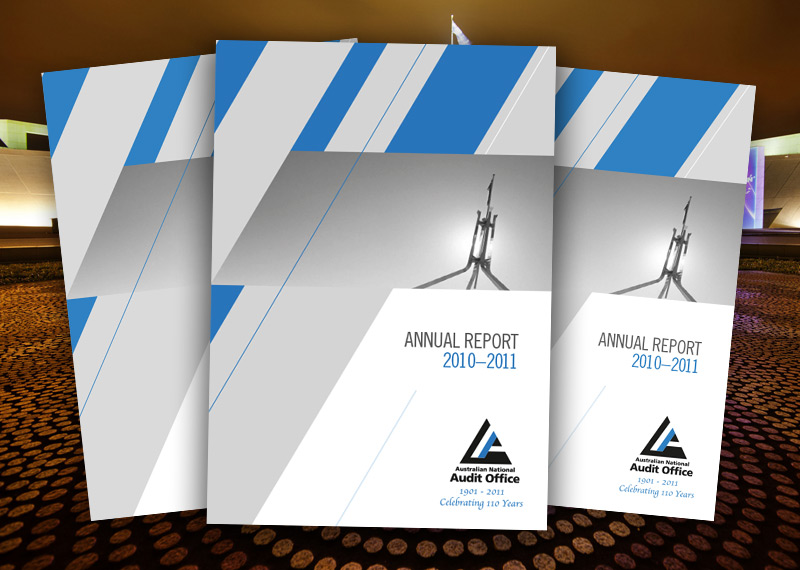
Published: Friday 30 September 2011
Published
This annual report documents the performance of the Australian National Audit Office (ANAO) in the financial year ending on 30 June 2011. It includes a foreword by the Auditor-General, an overview including the role and vision of the Office, a report on performance, details about management and accountability, and the financial results.
Performance audit (Auditor-General Report No. 7 of 2002–03)
Published: Monday 16 September 2002
Published
In 1997-98, the ANAO audited the Child Support Agency (CSA), making 12 recommendations to improve its operational performance. A related report by the Joint Committee of Public Accounts and Audit supported the general findings of the ANAO audit and reinforced three ANAO recommendations in its own report. The audit examined client service in the CSA by following-up the CSA's implementation of the recommendations contained in these two previous reports and more broadly assessing whether the CSA had improved the management and delivery of its client service sine the previous ANAO audit.
Entity
Department of Family and Community Services
Speeches and papers
Published: Wednesday 18 March 1998
Published
Mr P.J. Barrett (AM) - Auditor-General for Australia, presented at the Risk Management in the Public Sector Seminar
Performance audit (Auditor-General Report No. 8 of 2021–22)

Published: Monday 8 November 2021
Published
The objective of this audit was to assess the effectiveness of the Department of Education, Skills and Employment’s arrangements in administering wage subsidies linked to employment programs.
Entity
Department of Education, Skills and Employment
Contact
Please direct enquiries through our contact page.
Speeches and papers
Published: Thursday 20 November 2003
Published
Mr P.J. Barrett (AM) - Auditor-General for Australia, presented at the CPA Australia National Public Sector Convention, Perth
Insights: Audit opinion

Published: Wednesday 29 November 2023
Published
The purpose of Insights: Audit Opinion is to provide the Auditor-General's views on key issues facing the Australian public sector. This inaugural edition is on the topic of the Commonwealth Performance Framework and how it can be better used to drive effectiveness in the Australian public sector. This includes the need to prioritise the improvement of performance frameworks, embed a performance culture and use performance information to drive business improvement.
Contact
Please direct enquiries through our contact page.
Performance audit (Auditor-General Report No. 31 of 1998–99)
Published: Thursday 18 February 1999
Published
While recognising the diversity of administrative requirements for different special payments, the audit provides a basis for comparison of performance across 14 different agencies in 1997-98 and progress made since the then Joint Committee of Public Accounts report 342 The administration of specific purpose payments. The objectives of the audit were to:
- identify and benchmark current practices in the management of performance information within SPP agreements;
- document the lessons learned including better practice from different agencies;
- provide a longitudinal analysis of progress since 1995; and
- provide practical guidance for the development and implementation of appropriate performance information systems and accountability.
Entity
Across Agency
Performance audit (Auditor-General Report No. 36 of 2010–11)
Published: Thursday 14 April 2011
Published
The audit objective was to assess the effectiveness of CRS Australia’s delivery of Disability Management Services. In assessing CRS Australia’s performance, the ANAO examined whether:
- services are delivered in accordance with CRS Australia’s operating procedures, which incorporate the Disability Services Standards and the requirements of the DEEWR MOU;
- CRS Australia has an effective client feedback (including complaints) system, which is used to identify and address business risks and areas for improving service delivery; and
- sound governance arrangements (including performance monitoring and reporting) are in place to monitor service delivery.
The audit did not specifically examine issues and information relating to the commercial nature of the business, such as profitability levels and competitive neutrality arrangements.
Entity
Department of Human Services
Annual report
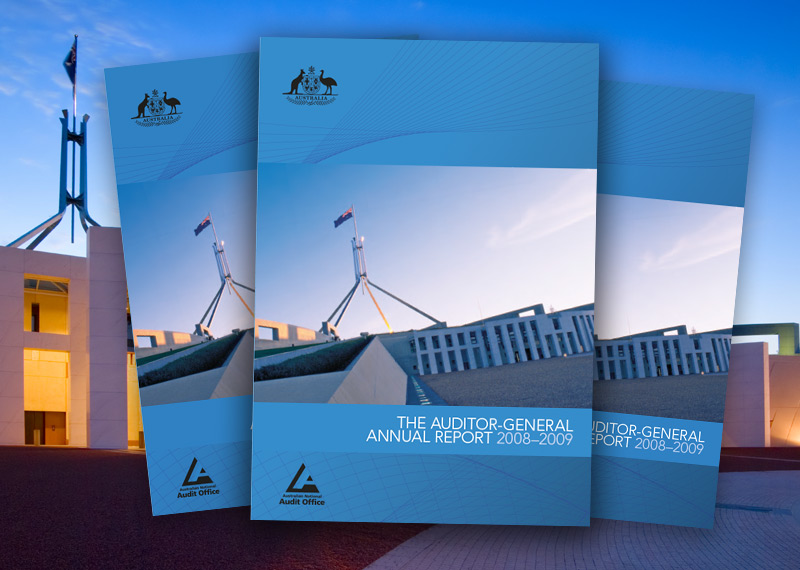
Published: Wednesday 16 September 2009
Published
This annual report documents the performance of the Australian National Audit Office (ANAO) in the financial year ending on 30 June 2009. It includes a foreword by the Auditor-General, an overview of the Office, a report on performance, details about management and accountability, and the financial results.
Annual report
Published: Tuesday 28 September 2004
Published
This annual report documents the performance of the Australian National Audit Office (ANAO) in the financial year ending on 30 June 2004. It includes highlights and areas of focus for the year; an introduction by the Auditor-General; an overview of the report; a report on performance; details about management and accountability, and the financial statement for the year.
Performance audit (Auditor-General Report No. 42 of 2024–25)

Published: Monday 16 June 2025
Published
The objective of the audit was to assess the effectiveness of the management and oversight of compliance activities within the Child Care Subsidy program.
Entity
Department of Education; Services Australia
Contact
Please direct enquiries through our contact page.
Performance audit (Auditor-General Report No. 12 of 2002–03)
Published: Monday 21 October 2002
Published
The IIF program is designed to redress the low level of provision in Australia of high risk venture capital for small new technology - based companies commercialising research and development. The objective of the audit was to determine whether the IIF program was being effectively managed by the Industry Research and Development (IR&D) Board and the Department of Industry, Tourism and Resources to achieve the program objectives. The audit focused on corporate governance arrangements for program administration, the selection process to award licences, the safeguards to protect the Commonwealth's financial interests, management of licence agreements, and program performance management. The audit also examined program results to date from available data.
Entity
Department of Industry, Tourism and Resources; Industry Research and Development Board
Speeches and papers
Published: Friday 9 April 1999
Published
Mr P.J. Barrett (AM) - Auditor-General for Australia, presented at the National Public Sector Accountants Conference, Adelaide
Performance audit (Auditor-General Report No. 17 of 1997–98)
Published: Tuesday 25 November 1997
Published
The objectives of the audit were to:
- assess the extent to which major program objectives were achieved;
- identify major strengths and weaknesses related to the economy, effectiveness and efficiency of the program administration; and
- identify areas of improvements and risks which should be addressed in arrangements with a private sector project manager.
Audit criteria were developed to address the areas of program planning and implementation, performance measurement and monitoring, responsiveness to emerging issues, dispute resolution mechanisms, risk management and program improvement measures.
Entity
Department of Transport and Regional Development
Major projects report (Auditor-General Report No. 15 of 2012–13)

Published: Wednesday 19 December 2012
Published
The objective of this report is to provide comprehensive information on the status of selected Major Projects, as reflected in the Project Data Summary Sheets prepared by the DMO, and the Statement by the Chief Executive Officer (CEO) of the DMO, and including the ANAO’s review of the preparation of the PDSSs by the DMO.
Entity
Defence Materiel Organisation
Performance audit (Auditor-General Report No. 32 of 2016–17)

Published: Tuesday 17 January 2017
Published
The audit objective was to assess whether the Department of Immigration and Border Protection adopted sound contract management practices for the delivery of garrison support and welfare services for offshore processing centres in Nauru and Manus Island.
Entity
Department of Immigration and Border Protection
Contact
Please direct enquiries relating to reports through our contact page.
Annual report
Published: Wednesday 19 September 2007
Published
This annual report documents the performance of the Australian National Audit Office (ANAO) in the financial year ending on 30 June 2007. It includes highlights and areas of focus for the coming year; a forward by the Auditor-General; an overview of the report; a report on performance; details about management and accountability, and the financial statement for the year.
Performance audit (Auditor-General Report No. 9 of 2005–06)
Published: Tuesday 6 September 2005
Published
The objective of this audit was to assess the provision of export assistance and support to new and irregular exporters in rural and regional Australia through the TradeStart program. The focus on rural and regional Australia reflects the priority given by the Government to providing effective business and trade assistance to small businesses and rural and regional businesses. However, broader aspects of TradeStart management, such as contract and risk management, have been assessed across the program as a whole.
Entity
Australian Trade Commission (Austrade)
Performance audit (Auditor-General Report No. 26 of 2014–15)

Published: Tuesday 10 March 2015
Published
The audit objective was to assess the effectiveness of the Department of Health’s administration of the Medical Specialist Training Program.
Entity
Department of Health
Contact
Please direct enquiries relating to reports through our contact page.
Performance audit (Auditor-General Report No. 34 of 2021–22)

Published: Thursday 16 June 2022
Published
The objective of the audit was to assess the effectiveness of the governance board in the Australian Film, Television and Radio School.
Entity
Australian Film, Television and Radio School
Contact
Please direct enquiries through our contact page.
Performance audit (Auditor-General Report No. 46 of 2002–03)
Published: Friday 6 June 2003
Published
Australian Industry Involvement Program. Department of Defence The audit examined the management by Defence of its Australian Industry Involvement (AII) Program. AII is the major program through which Defence gives effect to government policy on Australian industry. The objective of the audit was to assess the extent to which the AII Program has achieved its two policy objectives, which are to :
- develop and sustain strategically important capabilities in Australian industry to support Australian Defence Force operations and Defence capability development; and
- maximise Australian industry involvement in Defence's procurement of goods and services, consistent with the government procurement policy objective of achieving best value for money to the Commonwealth.
Entity
Department of Defence
Performance audit (Auditor-General Report No. 13 of 2014–15)

Published: Tuesday 16 December 2014
Published
The objective of the audit was to assess the effectiveness of the Australian Customs and Border Protection Service's management of the Cape Class patrol boat program.
Entity
Australian Customs and Border Protection Service
Contact
Please direct enquiries relating to reports through our contact page.
Annual report
Published: Tuesday 7 October 2003
Published
This annual report documents the performance of the Australian National Audit Office (ANAO) in the financial year ending on 30 June 2003. It includes a comment by the Auditor-General; an overview of the report; a report on performance; details about management and accountability, and the financial statement for the year.
Speeches and papers
Published: Monday 27 October 1997
Published
Mr P.J. Barrett (AM) - Auditor-General for Australia, presented to the National Public Sector Accountants Conference; Sydney
Performance audit (Auditor-General Report No. 8 of 2009–10)
Published: Thursday 29 October 2009
Published
The objective of this audit was to provide a strategic review on the progress of the Tax Office's implementation of the Change Program.
To achieve this, the ANAO examined:
- the planning for, and governance of, the Change Program, particularly in relation to the management of risk and the assurance framework established by the Tax Office, and its management of contractual arrangements for the project;
- implementation issues associated with Releases 1 and 2 of the Change Program, and more specifically in relation to Release 3, the first use of the new ICP system to process FBT returns; and
- the funding of the Change Program, including measurement and attribution of the costs of the project and consideration of any benefits realisation to date.
Entity
Australian Taxation Office
Performance audit (Auditor-General Report No. 16 of 1997–98)
Published: Sunday 26 October 1997
Published
The objectives of the audit were to examine the benefits of diversity management in the APS and review the progress made towards equity in employment in the APS, including the EEO Program. It included:
- an assessment of the progress towards achieving equity across the APS and by individual agencies;
- an assessment of the quality of agency EEO programs;
- an assessment of the role of the PSMPC in approving agency EEO programs and monitoring trends across the service;
- a consideration of legal obligations and agencies compliance with these; and
- the possible risks to, and opportunities for, equity under the WRA.
The audit concentrated on evidence of overall progress, the relative performance of individual agencies, and the examination of observed and underlying trends.
Entity
Public Service and Merit Protection Commission and Other Agencies
Performance audit (Auditor-General Report No. 27 of 2012–13)
Published: Tuesday 9 April 2013
Published
The audit objective was to assess the effectiveness of DIISTRE’s administration of the Research Block Grant schemes. The department’s performance was assessed against the following criteria:
- the schemes are effectively planned and administered;
- the processes and systems used for calculating and distributing funds reflect the allocation criteria specified for each scheme; and
- compliance with scheme guidelines is monitored and scheme performance and contribution to the broader goals of the RBG program is assessed.
Entity
Department of Industry, Innovation, Climate Change, Science, Research and Tertiary Education
Performance audit (Auditor-General Report No. 48 of 2019–20)

Published: Friday 26 June 2020
Published
The objective of this audit was to examine the effectiveness of the Attorney-General’s Department’s implementation of the recommendations from Auditor-General Report No.27 of 2017–18, Management of the Australian Government’s Register of Lobbyists.
Entity
Attorney-General's Department
Contact
Please direct enquiries through our contact page.
Annual report
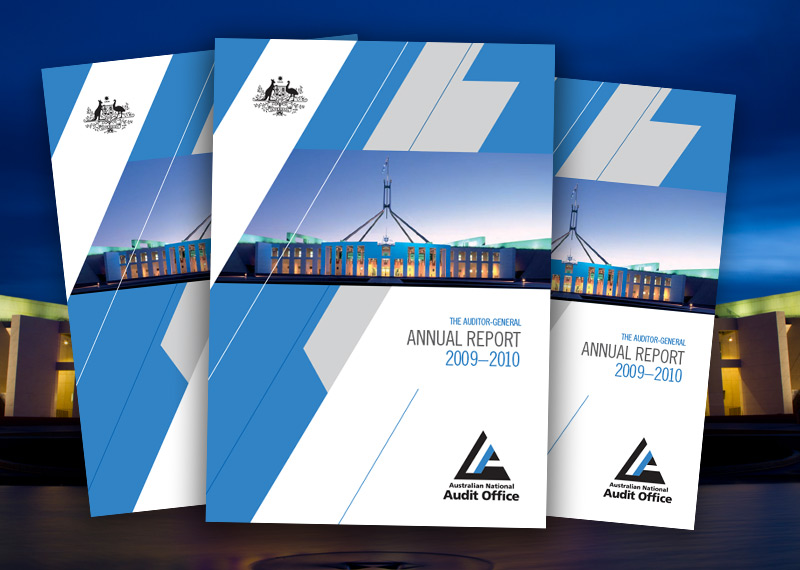
Published: Thursday 30 September 2010
Published
This annual report documents the performance of the Australian National Audit Office (ANAO) in the financial year ending on 30 June 2010. It includes a foreword by the Auditor-General, an overview including the role and responsibilities and vision of the Office, a report on performance, details about management and accountability, and the financial results.
Performance audit (Auditor-General Report No. 40 of 2004–05)
Published: Thursday 14 April 2005
Published
The objectives of the audit were to determine whether FaCS and Centrelink had: a valid Business Case for the Edge project, as revised from time to time, including estimated costs, actual costs, and expected benefits; effective governance of the project, including reviews at critical points in the project and subsequent decisions to continue or, in the final analysis, to discontinue; an appropriate contract with SoftLaw, which was adequately managed; delivered appropriate advice on progress, project viability, and acceptable solutions to technical issues to Executive of FaCS and Centrelink during the project; and valid reasons for discontinuing the project. The ANAO began this audit in March 2004, four months after the Edge project was terminated, following the Auditor-General's agreement to a suggestion by the Joint Committee of Public Accounts and Audit that the project was a suitable subject for audit.
Entity
Department of Family and Community Services; Centrelink
Performance audit (Auditor-General Report No. 33 of 2005–06)
Published: Thursday 2 March 2006
Published
The objective of this follow-up audit was to examine the ATO's implementation of the 20 recommendations in: The Administration of Petroleum Excise Collections (Audit Report No.17, 2001(02); and The Administration of Tobacco Excise (Audit Report No. 55, 2001(02), having regard to any changed circumstances, or new administrative issues, affecting implementation of those recommendations. The audit also aimed to identify scope for improvement in the ATO's administration of petroleum and tobacco excise. Follow-up audits are recognised as an important element of the accountability processes of Commonwealth administration. The Parliament looks to the Auditor-General to report, from time to time, on the extent to which Commonwealth agencies have implemented recommendations of previous audit reports. Follow-up audits keep the Parliament informed of progressive improvements and current challenges in areas of Commonwealth administration that have previously been subject to scrutiny through performance audits.
Entity
Australian Taxation Office
Events and seminars
Published: Tuesday 15 August 2023
Published
An Audit Committee Chairs Forum was held on Friday 14 July 2023. The communique from the forum is now available here.
Contact
For any enquiries, please contact External.Relations@anao.gov.au
Performance audit (Auditor-General Report No. 32 of 2004–05)
Published: Wednesday 9 March 2005
Published
Given the importance of customer feedback to Centrelink's business, the ANAO considered it timely to conduct a series of performance audits relating to Centrelink's customer feedback systems, particularly in relation to its delivery of the services then provided on behalf of FaCS. The overarching objective of this series of ANAO performance audits of Centrelink's customer feedback systems was to assess whether Centrelink has effective processes and systems for gathering, measuring, reporting and responding effectively to customer feedback, including in relation to customer satisfaction with Centrelink services and processes.
Entity
Centrelink
Events and seminars
Published: Friday 15 July 2022
Published
An Audit Committee Chairs Forum was held virtually on Friday, 15 July 2022. The text on this page is the communique from the forum.
Contact
For any enquiries, please contact External.Relations@anao.gov.au
Annual report
Published: Thursday 26 September 2002
Published
This annual report documents the performance of the Australian National Audit Office (ANAO) in the financial year ending on 30 June 2002. It includes a comment by the Auditor-General on Audit independence and effectiveness; an overview of the Auditor-General’s role and responsibilities; a report on performance; details about management and accountability, and the financial statement for the year.
Performance audit (Auditor-General Report No. 15 of 2002–03)
Published: Tuesday 29 October 2002
Published
The audit reviewed the extent to which the Department of Health and Ageing (Health) had implemented the recommendations of Audit Report No. 13 of 1998-1999, Aboriginal and Torres Strait Islander Health Program, taking account of any changed circumstances or new administrative issues identified as impacting the implementation of these recommendations.
Entity
Department of Health and Ageing; Aboriginal and Torres Strait Islander Commission
Audit manual
Updated: Tuesday 9 September 2025
Updated
The Performance Statements Audit Services Group (PSASG) volume of the ANAO Audit Manual applies to the performance statements audit activity performed by PSASG.
Contact
Please direct enquiries through our contact page.
Performance audit (Auditor-General Report No. 25 of 2014–15)

Published: Thursday 5 March 2015
Published
The audit objective was to assess the effectiveness of the development and administration of the Fifth Community Pharmacy Agreement (5CPA), and the extent to which the 5CPA has met its objectives.
Entity
Department of Health; Department of Human Services; Department of Veterans' Affairs
Contact
Please direct enquiries relating to reports through our contact page.
Annual report
Published: Thursday 7 September 2006
Published
This annual report documents the performance of the Australian National Audit Office (ANAO) in the financial year ending on 30 June 2006. It includes highlights and areas of focus for the coming year; a forward by the Auditor-General; an overview of the report; a report on performance; details about management and accountability, and the financial statement for the year.
Performance audit (Auditor-General Report No. 13 of 2000–01)
Published: Wednesday 4 October 2000
Published
The audit examined a range of issues in relation to the development of certified agreements in the APS with particular emphasis on the link between improved pay and conditions and increased productivity, and the funding of agreements. The objectives of the audit were to:
- provide an overview of the range of wage outcomes included in the first round of APS certified agreements;
- identify the administrative arrangements agencies have in place to measure any improvements in productivity that were linked to pay increases;
- determine how agencies funded their certified agreements;
- review the reporting and accountability arrangements agencies have in place to monitor progress and to evaluate the outcomes of their certified agreements;
- determine the extent to which agencies complied with the employment terms and conditions outlined in their certified agreements that contributed to paying for their agreement or measuring and/or assessing improvements in productivity; and
- examine the role of central coordinating agencies in reviewing agencies' certified agreements.
Entity
Across Agency
Annual report
Published: Wednesday 28 September 2005
Published
This annual report documents the performance of the Australian National Audit Office (ANAO) in the financial year ending on 30 June 2005. It includes highlights and areas of focus for the year; a forward by the Auditor-General; an overview of the report; a report on performance; details about management and accountability, and the financial statement for the year.
Performance audit (Auditor-General Report No. 47 of 2001–02)
Published: Tuesday 7 May 2002
Published
The 30 per cent Private Health Insurance Rebate is a financial incentive for individuals to purchase health insurance cover. The rebate provides for a reimbursement or discount of 30 per cent of the cost of private health insurance. It is available to all Australians who are eligible for Medicare and have private health insurance. The objective of the audit was to determine the effectiveness of Commonwealth Government agencies administration of the rebate.
Entity
Australian Taxation Office; Department of Finance and Administration; Department of Health and Aged Care; Department of the Treasury; Health Insurance Commission
Performance audit (Auditor-General Report No. 29 of 2007–08)
Published: Wednesday 23 April 2008
Published
The objective of the audit was to review the effectiveness of the department's administration of the PSPI. To achieve this, the ANAO considered the department's program planning and design, service delivery arrangements and monitoring, review and reporting activities. The decision which resulted in the replacement of ASSPA with PSPI was a policy decision of the Government and, thus, was beyond the scope of this audit.
Entity
Department of Education, Employment and Workplace Relations
Performance audit (Auditor-General Report No. 52 of 2004–05)
Published: Monday 20 June 2005
Published
The objectives of the Australian National Audit Office's (ANAO) performance audit were to: examine the efficiency and effectiveness of agencies' procurement and management of legal services arrangements; determine adherence to Australian Government policy requirements; examine the effectiveness of the OLSC's monitoring of agencies' compliance with Government policy requirements; examine the OLSC's role in assisting agencies to comply with Government policy.
Entity
Across Entities
Annual report
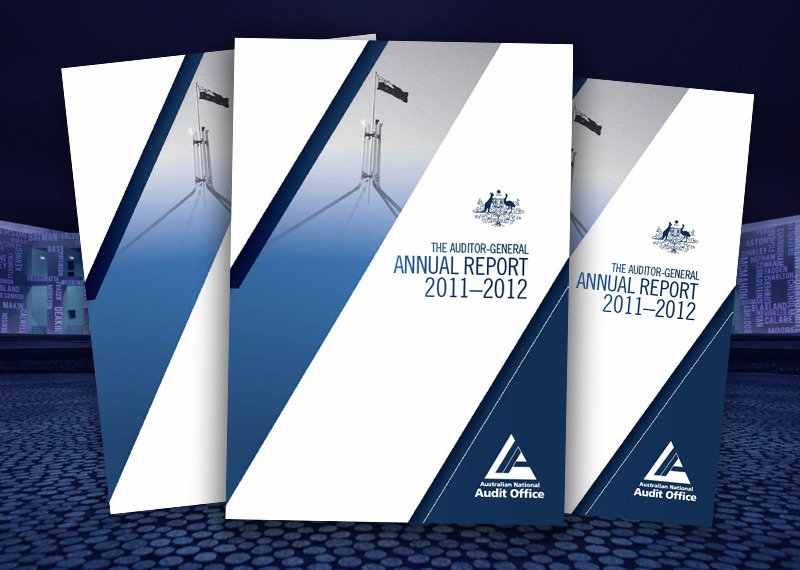
Published: Thursday 27 September 2012
Published
This annual report documents the performance of the Australian National Audit Office (ANAO) in the financial year ending on 30 June 2012. It presents an overview including the role and vision of the Office, a report on performance, details about management and accountability, and the financial results.
Performance audit (Auditor-General Report No. 47 of 1997–98)
Published: Tuesday 23 June 1998
Published
The objectives of this audit were to assess, with respect to guarantees, indemnities and letters of comfort:
- changes in the size and nature of the Commonwealth's reported exposure since 30 June 1995;
- the extent of improvement in agencies' management and monitoring of the Commonwealth's exposure to these instruments;
- the approach of agencies to effective risk management and control of Commonwealth exposures to these instruments; and
- whether current reporting practices provide a sufficiently comprehensive coverage for public accountability purposes, at both the agency and whole of government levels.
Entity
Across Agency
Performance audit (Auditor-General Report No. 34 of 2007–08)
Published: Wednesday 21 May 2008
Published
The objective of the audit was to determine the effectiveness of DoHA's administration of the MoU between the Government and the pathology profession, including monitoring whether the MoU is achieving its objectives
Entity
Department of Health and Ageing
Speeches and papers
Published: Wednesday 9 May 2012
Published
Mr Mr Ian McPhee - Auditor-General for Australia, presented at the Global Working Group of Auditors-General, Stockholm, Sweden
Performance audit (Auditor-General Report No. 51 of 1999–2000)
Published: Thursday 29 June 2000
Published
The objective of the audit was to examine program management in the Training and Youth Division of the Department of Education, Training and Youth Affairs. In broad terms, the audit focused on the management frameworks at both Divisional and program level. Three of the Division's programs were selected for more detailed review as follows:
- Workplace English Language and Literacy;
- Literacy and Numeracy; and
- Support for New Apprentices.
Entity
Department of Education, Training and Youth Affairs
Audit manual
Updated: Tuesday 9 September 2025
Updated
The Financial Statements Audit Services Group (FSASG) volume of the ANAO Audit Manual applies to the financial statement audit activity performed by FSASG in collaboration with the Systems Assurance and Data Analytics (SADA) group. Relevant policies and guidance from the FSASG volume are also applied to other assurance work performed by FSASG. Policies and guidance in the FSASG volume address the planning, execution and reporting stages of the financial statement audit process.
Contact
Please direct enquiries through our contact page.
Performance audit (Auditor-General Report No. 45 of 2007–08)
Published: Thursday 26 June 2008
Published
The audit objective was to assess the effectiveness of the department's administration of general recurrent grants paid to the States and Territories for government schools. To achieve this, the ANAO assessed whether the department:
- paid the correct amount of general recurrent grants to the States and Territories;
- effectively managed the agreements with the States and Territories; and
- monitored progress towards achieving the National Goals for Schooling in the Twenty-First Century.
Entity
Department of Education, Employment and Workplace Relations
Performance audit (Auditor-General Report No. 44 of 2004–05)
Published: Wednesday 25 May 2005
Published
The objective of the audit was to examine Defence's management of leases that have resulted from property sale and leaseback transactions. Leases subject to review were for a period of ten or more years and included the following six properties: the Defence Plazas in Sydney and Melbourne; the Hydrographic Office Wollongong; DNSDC Moorebank; Campbell Park Offices in Canberra; and ADC Weston Creek in Canberra. The audit examined the process for identifying the properties for sale and leaseback and the sale approval process. The audit sought to determine the basis on which the properties were proposed for sale and leaseback and the financial impact for the Government. The audit also reviewed the lease terms and conditions to determine whether they protect the Government's interests, and examined Defence's management of commitments arising from the leases.
Entity
Across Agencies
Performance audit (Auditor-General Report No. 55 of 2011–12)
Published: Thursday 28 June 2012
Published
The objective of the audit was to assess the effectiveness of the Department of Broadband, Communications and the Digital Economy’s administration of the Household Assistance Scheme.
Entity
Department of Broadband, Communications and the Digital Economy, Department of Human Services
Performance audit (Auditor-General Report No. 18 of 2010–11)
Published: Wednesday 8 December 2010
Published
The objective of the audit was to assess the administrative effectiveness of FaHCSIA's management of the GBM initiative, and the extent to which the initiative has contributed to improvements in community engagement and government coordination in the Northern Territory.
The audit focused on FaHCSIA's management of the GBM initiative under the NTER. The audit scope did not include additional functions assigned to some GBMs in the Northern Territory under the National Partnership Agreement on Remote Service Delivery (the National Partnership Agreement), or to Australian Government staff with similar roles and functions supporting the implementation of the National Partnership Agreement in Queensland and Western Australia.
Entity
Department of Families, Housing, Community Services and Indigenous Affairs
Performance audit (Auditor-General Report No. 23 of 2011–12)
Published: Tuesday 7 February 2012
Published
The objective of the audit was to assess the effectiveness of the Department of Climate Change and Energy Efficiency’s implementation and administration of the National Greenhouse and Energy Reporting Scheme.
Entity
Department of Climate Change and Energy Efficiency
Performance audit (Auditor-General Report No. 26 of 2013–14)
Published: Wednesday 23 April 2014
Published
The objective of the audit was to assess the effectiveness of the Department of Human Services' management of Medicare compliance audits.
Entity
Department of Human Services
Contact
Please direct enquiries relating to reports through our contact page.
Financial statement audit (Auditor-General Report No. 24 of 2017–18)
Published: Wednesday 20 December 2017
Published
This report complements the Interim Report on Key Financial Controls of Major Entities financial statement audit report published in June 2017. It provides a summary of the final results of the audits of the Consolidated Financial Statements for the Australian Government and the financial statements of Australian Government entities for the period ended 30 June 2017.
Entity
Across Entities
Contact
Please direct enquiries through our contact page.
Performance audit (Auditor-General Report No. 46 of 2024–25)

Published: Friday 20 June 2025
Published
The objective of the audit was to assess the effectiveness of Airservices’ contract management for the OneSKY program.
Entity
Airservices Australia; Department of Defence
Contact
Please direct enquiries through our contact page.
Performance audit (Auditor-General Report No. 31 of 2006–07)
Published: Thursday 29 March 2007
Published
The objective of the audit was to assess and report on the administration of the Act by the department in terms of protecting and conserving threatened species and threatened ecological communities in Australia.
Entity
Department of the Environment and Water Resources
Performance audit (Auditor-General Report No. 2 of 2000–01)
Published: Tuesday 25 July 2000
Published
The follow-up audit, Drug Evaluation by the Therapeutic Goods Administration [TGA], reviewed the extent to which TGA had implemented recommendations made by the ANAO in 1996 on the efficiency, effectiveness and accountability of TGA's evaluation and approval of prescription drugs for public use. This follow-up audit was conducted because of the importance of effective drug evaluation processes to public health.
Entity
Department of Health and Aged Care; Therapeutic Goods Administration
Speeches and papers
Published: Tuesday 4 April 2006
Published
Mr Ian McPhee - Auditor-General for Australia, presented at the Australian Government Procurement Conference
Performance audit (Auditor-General Report No. 49 of 2006–07)
Published: Monday 25 June 2007
Published
The objective of the audit was to assess the management practices undertaken by APS agencies to achieve value for money and transparency in dealing with contracts for non-APS workers. The focus of the audit was on circumstances where agencies had a significant reliance on a non-APS workforce to assist in achieving their core functions. Regular reporting by agencies of expenditure on non-APS workers was outside the scope of this audit.
Entity
NO-DEPTS-LISTED
Performance audit (Auditor-General Report No. 51 of 2000–01)
Published: Friday 15 June 2001
Published
This audit followed up the ANAO's 1997 performance audit report on ADF health services (Audit Report No.34 1996-97 Australian Defence Force Health Services), which focused on the delivery of non-operational health services to entitled members. The objective of the follow-up audit was to assess Defence's implementation of recommendations made in the original audit report and their effectiveness in improving ADF health services.
Entity
Department of Defence
Performance audit (Auditor-General Report No. 12 of 2020–21)

Published: Monday 12 October 2020
Published
The audit objective was to assess the effectiveness to date of the Department of Defence’s procurement and contract management of the Offshore Patrol Vessel program.
Entity
Department of Defence
Contact
Please direct enquiries through our contact page.
Performance audit (Auditor-General Report No. 55 of 2012–13)
Published: Wednesday 26 June 2013
Published
The objective of the audit was to assess the effectiveness of the Department of Education, Employment and Workplace Relations’ management of the Australian Government’s contribution to the Covenant. The scope of the audit is the Australian Government’s role in the initial establishment of the Covenant and its ongoing contribution through other employment programs.
Entity
Department of Education, Employment and Workplace Relations
Contact
Please direct enquiries relating to reports through our contact page.
Corporate
Published: Friday 7 July 2023
Published
Quality in the delivery of the ANAO’s audit services is critical in supporting the integrity of our audit reports and maintaining the confidence of the Parliament and public sector entities. The ANAO Corporate Plan 2023–24 is the ANAO’s primary planning document. It outlines our purpose; the dynamic environment in which we operate; our commitment to building capability; and the priorities, activities and performance measures by which we will be held to account. This quality management framework and plan complements the corporate plan. It describes the ANAO’s system of quality management and reflects the ANAO’s responses to quality risks for the coming year.
The ANAO Quality Management Framework is the ANAO’s established system of quality management to provide the Auditor-General with reasonable assurance that the ANAO complies with the ANAO Auditing Standards and applicable legal and regulatory requirements, and reports issued by the ANAO are appropriate in the circumstances.
The quality management framework and plan component of this document identifies the ANAO’s quality objectives and key responses to address identified quality risks and to provide the Auditor-General with confidence that those responses are implemented and operating effectively.
The ANAO reports on the audit quality indicators that measure the ANAO’s performance against target benchmarks in the annual audit quality report published on the ANAO website. The audit quality report also provides transparency with respect to the implementation and operation of the responses to address quality risks for each component of the ANAO’s system of quality management.
Contact
Please direct enquiries through our contact page.
Financial statement audit (Auditor-General Report No. 19 of 2018–19)
Published: Monday 17 December 2018
Published
This report complements the Interim Report on Key Financial Controls of Major Entities financial statement audit report published in June 2018. It provides a summary of the final results of the audits of the Consolidated Financial Statements for the Australian Government and the financial statements of Australian Government entities for the period ended 30 June 2018.
Contact
Please direct enquiries through our contact page.
Performance audit (Auditor-General Report No. 37 of 2001–02)
Published: Friday 15 March 2002
Published
This was a follow-up of Audit Report No. 40 of 1997-98, Purchase of Hospital Services from State Governments. That audit examined the administration by the Department of Veterans' Affairs of the Purchase of Hospital Services from State Governments. The objective of this audit was to assess the extent to which the Department had implemented the nine recommendations of Report No. 40, taking account of any changed circumstances or administrative issues that the Department identified as affecting their implementation; and to offer continued assurance to the Parliament on the management of the purchase of hospital services.
Entity
Department of Veterans' Affairs
Performance audit (Auditor-General Report No. 43 of 2007–08)
Published: Tuesday 24 June 2008
Published
The objectives for the audit of the third tranche sale of Telstra shares were to:
- assess the extent to which the Government's sale objectives were achieved, including maximising overall value for money;
- assess the effectiveness of the management of the sale; and
- identify principles of sound administrative practice to facilitate potential improvements in any future asset sales.
Entity
Department of Finance and Deregulation
Performance audit (Auditor-General Report No. 49 of 2016–17)

Published: Thursday 11 May 2017
Published
The objective of the audit was to assess whether the Department of Education and Training established the Apprenticeship Training – alternative delivery pilots program in accordance with the Commonwealth Grants and Rules Guidelines.
Entity
Department of Education and Training
Contact
Please direct enquiries relating to reports through our contact page.
Performance audit (Auditor-General Report No. 41 of 2005–06)
Published: Wednesday 24 May 2006
Published
The audit objective was to assess Health's administration of primary care funding, with a focus on the administrative practices of the Primary Care Division and Health's State and Territory Offices. In forming an opinion on the audit objective, the ANAO reviewed 41 agreements, with a combined value of $252 million. The ANAO also reviewed relevant documentation and files, interviewed programme officers and met with a number of stakeholders. The audit comments on a range of issues, including the utility of funding agreements, monitoring, payments, and support for administrators.
Entity
Department of Health and Ageing
Corporate
Published: Wednesday 10 July 2024
Published
Quality in the delivery of the ANAO’s audit services is critical in supporting the integrity of our audit reports and maintaining the confidence of the Parliament and public sector entities. The ANAO Corporate Plan 2024–25 is the ANAO's primary planning document. It outlines our purpose; the dynamic environment in which we operate; our commitment to building capability; and the activities and performance measures by which we will be held to account. This Quality Management Framework and Plan complements the Corporate Plan. It describes the ANAO’s system of quality management and reflects the ANAO's responses to quality risks for the coming year.
The ANAO Quality Management Framework is the ANAO’s established system of quality management to provide the Auditor-General with reasonable assurance that the ANAO complies with the ANAO Auditing Standards and applicable legal and regulatory requirements, and reports issued by the ANAO are appropriate in the circumstances.
The Quality Management Strategy and Plan component of this document identifies the ANAO’s quality objectives and key responses to address identified quality risks and to provide the Auditor-General with confidence that those responses are implemented and operating effectively.
The ANAO reports on the audit quality indicators that measure the ANAO’s performance against target benchmarks in the annual Audit Quality Report published on the ANAO website. The Audit Quality Report also provides transparency with respect to the implementation and operation of the responses to address quality risks for each component of the ANAO’s system of quality management.
Contact
Please direct enquiries through our contact page.
Corporate
Published: Thursday 31 July 2025
Published
Quality in the delivery of the ANAO’s audit services is critical in supporting the integrity of our audit reports and maintaining the confidence of the Parliament and public sector entities. The ANAO Corporate Plan 2025–26 is the ANAO's primary planning document. It outlines our purpose; the dynamic environment in which we operate; our commitment to building capability; and the activities and performance measures by which we will be held to account.
This Quality Management Framework and Plan complements the Corporate Plan. It describes the ANAO’s system of quality management and reflects the ANAO's responses to quality risks for the coming year.
The ANAO Quality Management Framework is the ANAO’s established system of quality management to provide the Auditor-General with reasonable assurance that the ANAO complies with the ANAO Auditing Standards and applicable legal and regulatory requirements, and reports issued by the ANAO are appropriate in the circumstances.
The Quality Management Strategy and Plan component of this document identifies the ANAO’s quality objectives and key responses to address identified quality risks and to provide the Auditor-General with confidence that those responses are implemented and operating effectively.
The ANAO reports on the audit quality indicators that measure the ANAO’s performance against target benchmarks in the annual Audit Quality Report published on the ANAO website. The Audit Quality Report also provides transparency with respect to the implementation and operation of the responses to address quality risks for each component of the ANAO’s system of quality management.
Contact
Please direct enquiries through our contact page.
Insights: Audit lessons
Published: Friday 17 May 2019
Published
This edition of audit insights outlines key messages from a series of recent audits examining the effectiveness of governance boards in four corporate Commonwealth entities. The audit observations from this series of audits relate primarily to the ‘soft’ attributes of effective governance such as relationships, behaviours and culture, while also recognising the important interplay with the ‘hard’ attributes of governance such as board composition, appointment processes and independence. The key messages may be relevant for the operations of other Commonwealth boards as well as broader governance arrangements in Commonwealth entities.
Contact
Please direct enquiries through our contact page.
Performance audit (Auditor-General Report No. 34 of 2002–03)
Published: Monday 24 March 2003
Published
This audit followed up the ANAO's 1999 performance audit report on the Commonwealth's planning and response mechanisms to deal with exotic and new endemic pest and emergencies in the animal and plant sectors (Audit Report No 9 1999-2000 Managing Pest and Disease Emergencies). The previous audit made nine recommendations to improve planning and response strategies for emergencies; better coordination; diagnostic support; and appropriate monitoring and surveillance. The objective of the follow-up audit was to assess AFFA's implementation of the recommendations, and whether implementation of these recommendations, or appropriate alternative measures, has improved the Commonwealth's planning and response strategies for pest and disease emergencies. The ANAO also observed and assessed relevant parts of the September 2002 foot and mouth disease simulation, Exercise Minotaur.
Entity
Agriculture Fisheries and Forestry - Australia Department of Agriculture
Performance audit (Auditor-General Report No. 58 of 2002–03)
Published: Thursday 26 June 2003
Published
This was a follow-up of Audit Report No. 29 2000-01, Review of Veterans' Appeals Against Disability Compensation Entitlement Decisions. That audit examined the Department of Veterans' Affairs (DVA's) and the Veterans' Review Board's (VRB's) management of the review of decisions for disability compensation. The objective of this audit was to assess the extent to which DVA and the VRB had implemented the four recommendations of Report No.29 2000-01, taking into account any changed circumstances, or new administrative issues, affecting implementation of these recommendations.
Entity
Department of Veterans' Affairs; Veterans' Review Board
Performance audit (Auditor-General Report No. 15 of 2014–15)

Published: Wednesday 17 December 2014
Published
The objective of the audit was to assess the effectiveness of the Australian Trade Commission’s administration of the Export Market Development Grants scheme, in providing incentives to small and medium Australian enterprises for the development of export markets.
Entity
Australian Trade Commission (Austrade)
Contact
Please direct enquiries relating to reports through our contact page.
Financial statement audit (Auditor-General Report No. 8 of 2022–23)
Published: Wednesday 14 December 2022
Published
This report complements the Interim Report on Key Financial Controls of Major Entities financial statement audit report published in June 2022. It provides a summary of the final results of the audits of the Consolidated Financial Statements for the Australian Government and the financial statements of Australian Government entities for the period ended 30 June 2022.
Entity
Across Entities
Contact
Please direct enquiries through our contact page.
Performance audit (Auditor-General Report No. 27 of 2000–01)
Published: Friday 22 December 2000
Published
The audit was undertaken in the Training and Youth Division TYD) of the Department of Education, Training and Youth Affairs. The objective of the audit was to determine whether the application of Business Processing Reengineering(BPR) principles would identify improvements to the business processes of the TYD. The TYD was used in this audit to illustrate the application of BPR as a tool for agencies to identify efficiencies and enhance program effectiveness.
Entity
Department of Education, Training and Youth Affairs
Performance audit (Auditor-General Report No. 52 of 2002–03)
Published: Friday 20 June 2003
Published
The audit reviewed the management of unscheduled absence in 74 APS agencies. The objective of the audit was to assess the extent and cost of unscheduled absence in the APS; to examine whether unscheduled absence in the APS was being managed efficiently and effectively; and to identify opportunities for improvement.
Entity
Across agency
Insights: Audit lessons

Published: Friday 20 June 2025
Published
Records Management is targeted at all Australian Government officials. It also benefits those in information management roles.
Contact
Please direct enquiries through our contact page.
Performance audit (Auditor-General Report No. 8 of 2003–04)
Published: Monday 20 October 2003
Published
The audit is a follow-up of ANAO Audit Report No.33 of 1997-98, which assessed the effectiveness and efficiency of the Commonwealth's management of the Great Barrier Reef and made seven recommendations for improvement. The objective of the follow-up audit was to assess the extent to which the Great Barrier Reef Marine Park Authority, which is responsible for advising the Commonwealth on the care and developement of the Marine Park, has implemented the recommendations of the earlier audit.
Entity
The Great Barrier Reef Marine Park Authority
Performance audit (Auditor-General Report No. 19 of 2003–04)
Published: Wednesday 17 December 2003
Published
The objective of the audit was to assess whether the property management function, including the management of leases, was being performed efficiently and was providing an effective level of support for the delivery of the organisation's services (outputs). The audit evaluated property management policies and practices across the following dimensions:
- planning and control;
- business processes and practices; and
- information and performance management.
Within each of these areas, a series of desirable proceses and controls (described as the evaluation criteria) were developed to assist in the assessment of each organisation's performance.
Entity
Australian Communications Authority; Australian Film, Television and Radio School; Civil Aviation Safety Authority; Department of Employment and Workplace Relations; National Library of Australia; Department of Finance and Administration
Performance audit (Auditor-General Report No. 9 of 2018–19)

Published: Thursday 11 October 2018
Published
The objective of the audit was to assess the Moorebank Intermodal Company’s achievement of value for money and management of probity in its operations and procurement activities.
Entity
Moorebank Intermodal Company Limited (MIC); Department of Finance
Contact
Please direct enquiries through our contact page.
Performance audit (Auditor-General Report No. 29 of 2004–05)
Published: Friday 25 February 2005
Published
The objective of the audit was to provide an independent assurance of the effectiveness of Defence's management of the acquisition, and future provision of the Armidale Class Patrol Boats capability, relating to the in-service support contract, provision of infrastructure, and crewing sustainability.
Entity
Department of Defence
Speeches and papers
Published: Thursday 10 June 2004
Published
Mr P.J. Barrett (AM) - Auditor-General for Australia, presented at the Comcover Seminar
Performance audit (Auditor-General Report No. 45 of 1998–99)
Published: Wednesday 2 June 1999
Published
The audit is a follow-up to Audit Report 12, 1995-96 Risk Management by Commonwealth Consumer Product Safety Regulators. The objectives of this follow-up audit were to determine the extent to which ANZFA had implemented the agreed recommendations contained in the 1995 Audit Report, and to determine the effectiveness of the implemented recommendations in improving food safety regulation.
Entity
Australian New Zealand Food Authority
Performance audit (Auditor-General Report No. 50 of 2016–17)

Published: Monday 15 May 2017
Published
The objective of the audit was to assess the effectiveness of the child support collection arrangements between the Department of Human Services (DHS) and the Australian Taxation Office (ATO).
Entity
Australian Taxation Office; Department of Human Services
Contact
Please direct enquiries relating to reports through our contact page.
Performance audit (Auditor-General Report No. 38 of 2013–14)
Published: Thursday 12 June 2014
Published
The objective of the audit was to assess the establishment of the National Offshore Petroleum Safety and Environmental Management Authority and the effectiveness of its regulatory function.
Entity
National Offshore Petroleum Safety and Environmental Management Authority
Contact
Please direct enquiries relating to reports through our contact page.
Performance audit (Auditor-General Report No. 33 of 2009–10)
Published: Wednesday 5 May 2010
Published
The audit objective was to examine the effectiveness of the department's establishment of the P21 element of the BER program. The focus of the audit was on: the establishment of administrative arrangements for BER P21 in accordance with government policy; the assessment and approval of funding allocations; and the arrangements to monitor and report BER P21 progress and achievement of broader program outcomes. An examination of individual BER P21 projects was outside the scope of the audit.
Entity
Department of Education, Employment and Workplace Relations
Speeches and papers
Published: Tuesday 26 February 2002
Published
Mr P.J. Barrett (AM) - Auditor-General for Australia, presented at the Australian Government Solicitor Seminar
Performance audit (Auditor-General Report No. 1 of 2003–04)
Published: Thursday 31 July 2003
Published
The audit objective was to assess the adequacy of the Commonwealth's administration of three key components of the Agriculture - Advancing Australia package: the FarmBis II program, the Farm Help program and the Farm Management Deposits scheme. Broadly, the audit examined the areas of strategic management, managing compliance, program promotion, performance monitoring and evaluation, and performance results.
Entity
Department of Agriculture, Fisheries and Forestry; Centrelink; Australian Taxation Office
Performance audit (Auditor-General Report No. 10 of 2017–18)

Published: Wednesday 27 September 2017
Published
The audit objective was to assess the effectiveness of the design process and monitoring arrangements for the National Innovation and Science Agenda by the relevant entities.
Entity
Department of the Prime Minister and Cabinet; Department of Industry, Innovation and Science; Innovation and Science Australia
Contact
Please direct enquiries relating to reports through our contact page.
Speeches and papers
Published: Friday 1 November 2013
Published
Mr Mr Ian McPhee - Auditor-General for Australia, presented to the Risk Management Institute of Australia and the Australasian Compliance Institute, at the 2nd Annual GRC Conference, Melbourne
Financial statement audit (Auditor-General Report No. 22 of 2024–25)
Published: Thursday 6 February 2025
Published
This report complements the Interim Report on Key Financial Controls of Major Entities financial statement audit report published in June 2024. It provides a summary of the final results of the audits of the Consolidated Financial Statements for the Australian Government and the financial statements of Australian Government entities for the period ended 30 June 2024.
Entity
Across Entities
Contact
Please direct enquiries through our contact page.