Browse our range of reports and publications including performance and financial statement audit reports, assurance review reports, information reports and annual reports.
Performance audit (Auditor-General Report No. 27 of 1998–99)
Published: Friday 18 December 1998
Published
The audit reviewed the sale of DAS Interiors Australia, a business unit of the Department of Administrative Services, which provided a range of services covering strategic advice and accommodation planning, design and documentation, and supervision of office fit-outs. The objectives of the audit were to review the efficiency and effectiveness of the management of the sale.
Entity
Department of Finance; Office of Asset Sales and Information Technology Outsourcing
Performance audit (Auditor-General Report No. 2 of 2013–14)
Published: Wednesday 14 August 2013
Published
The objective of the audit was to assess the effectiveness of the administration, by DoHA and the Commonwealth partners, of the 2008 and 2011 Heads of Agreement for the management, operation and funding of the Mersey Community Hospital (The Commonwealth partners for this audit were the Tasmanian Government Department of Health and Human Services and the Tasmanian Health Organisation – North West).
Entity
Department of Health and Ageing; Department of Health and Human Services, Tasmania; Tasmanian Health Organisation, North West
Contact
Please direct enquiries relating to reports through our contact page.
Performance audit (Auditor-General Report No. 37 of 2012–13)
Published: Wednesday 22 May 2013
Published
The audit objective was to assess the effectiveness of the Department of Industry, Innovation, Science, Research and Tertiary Education’s (DIISRTE’s) administration of the Education Investment Fund grants program.
(DIISRTE was the department that had responsibility for the administration of the EIF grants program during the course of the audit. The recommendations and suggestions for improvement are, however, directed to the Department of Industry, Innovation, Climate Change, Science, Research and Tertiary Education because this department now has responsibility for the administration of the program).
Entity
Department of Industry, Innovation, Climate Change, Science, Research and Tertiary Education; Department of Education, Employment and Workplace Relations
Contact
Please direct enquiries relating to reports through our contact page.
Performance audit (Auditor-General Report No. 1 of 1998–99)
Published: Friday 3 July 1998
Published
The audit reviewed the corporate governance framework of the Australian Electoral Commisson (AEC). The objective of the audit was to review whether the AEC's corporate governance framework was sound.
Entity
Australian Electoral Commission
Performance audit (Auditor-General Report No. 55 of 2001–02)
Published: Friday 7 June 2002
Published
Although the audit examined broader aspects of the ATO's administration (such as, tobacco excise governance arrangements, intelligence capability and compliance and investigations activities), we placed particular emphasis on the strategies used by the ATO to address the proliferation of chop-chop (Australian grown tobacco sold illicitly in a chopped up form for $80 to $100 per kilogram. In comparison, 50 grams of legal roll-you-own tobacco costs around $16 i.e. $320 per kilogram) in the Australian markets, as it is an area of major risk to tobacco excise revenue.
Entity
Australian Taxation Office
Performance audit (Auditor-General Report No. 32 of 2006–07)
Published: Tuesday 17 April 2007
Published
The objective of the audit was to assess the effectiveness of DEWR's administration of the JSKA in ensuring its optimal usage in achieving job seeker outcomes. The ANAO examined the following aspects of the JSKA: guidance provided to Job Network Members on its operation; identification and assessment of contract risks; management of contract risks and Job Network Member performance; claims and payments; encouraging economy; and performance information.
Entity
NO-DEPTS-LISTED
Performance audit (Auditor-General Report No. 47 of 2009–10)
Published: Wednesday 23 June 2010
Published
The audit objective was to examine how effectively the Department of Agriculture, Fisheries and Forestry (DAFF) manages the importation of live animals into Australia.
Entity
Department of Agriculture, Fisheries and Forestry
Performance audit (Auditor-General Report No. 52 of 2011–12)
Published: Tuesday 26 June 2012
Published
The objective of this audit was to examine the effectiveness of DMO’s implementation of its Gate Review process for major Defence capital acquisition projects.
Entity
Department of Defence
Performance audit (Auditor-General Report No. 27 of 1999–2000)
Published: Thursday 27 January 2000
Published
The objective of this performance audit was to assess the effectiveness and consistency of risk management processes undertaken by the Australian Taxation Office in administering individual taxpayer refunds.
Entity
Australian Taxation Office
Performance audit (Auditor-General Report No. 52 of 2005–06)
Published: Thursday 29 June 2006
Published
The audit objectives were to examine the extent to which selected TSB2 and TSI Response programs: are achieving or had achieved their objectives; and had been administered effectively by DCITA according to better practice principles. To evaluate this aspect, the audit assessed DCITA's compliance with the better practice principles outlined in the Administration of Grants Better Practice Guide (May 2002) produced by the Australian National Audit Office (ANAO). There are 19 separate principles covered under the broad areas of: Planning for effective grant programs; Selecting projects; Managing and monitoring funding deeds; and Evaluating and reporting grant program performance.
Entity
Department of Communications, Information Technology and the Arts
Performance audit (Auditor-General Report No. 33 of 2007–08)
Published: Thursday 15 May 2008
Published
The objective of the audit was to assess the effectiveness of the NCA's management of its asset portfolio. This included examining its asset management systems and the management of selected contracts that the NCA has in place to maintain specific assets.
Entity
National Capital Authority
Performance audit (Auditor-General Report No. 33 of 2010–11)
Published: Wednesday 23 March 2011
Published
The objective of the audit was to assess the effectiveness of Australian Government agencies' management and implementation of measures to protect and secure their electronic information, in accordance with Australian Government protective security requirements.
Entity
Across agencies
Performance audit (Auditor-General Report No. 24 of 2006–07)
Published: Wednesday 7 February 2007
Published
The objectives of the audit were to:
- examine Customs' management of the CMR project; and
- determine whether the ICS and CCF met:
- project and operational objectives; and
- user capability and functionality requirements.
Particular emphasis was given to the following areas:
- the project management framework that supported the CMR project;
- implementation arrangements for the ICS; and
- ongoing operational arrangements.
After this audit commenced, Customs engaged Booz Allen Hamilton to undertake a separate review of the ICS. The purpose of that review was to provide Customs with a forward looking report on the lessons to be learned from the implementation of the ICS, its current status and the opportunities to enhance benefits for both Government and industry. The ANAO consulted closely with the Booz Allen Hamilton team and is supportive of the recommendations in their report, which was released in May 2006. The review made thirteen recommendations relating to the ongoing management and governance of the Cargo Management Re-engineering Program at both strategic and tactical levels.
Entity
Australian Customs Service
Performance audit (Auditor-General Report No. 53 of 2002–03)
Published: Monday 23 June 2003
Published
In January 2000, the ANAO published a Better Practice Guide (BPG) Business Continuity Management, Keeping the wheels in motion (the Guide). The Guide established that the objective of Business Continuity Management (BCM) is to ensure the uninterrupted availability of all key business resources required to support essential (or critical) business activities. This is achieved by organisations building resilience (controls and redundancy) into business operations to prevent, or minimise, the likelihood of business continuity risks occuring and, also, developing plans that minimise the impact should they occur. The primary objective of this audit was to examine BCM arrangements across four Commonwealth organisations, to assess whether their existing BCM frameworks ( or frameworks under development) exhibit the principles espoused in the Guide. At the Commonwealth - wide level, the ANAO considered the continuing relevance of the principles presented in the Guide.
Entity
Across Agency
Annual report
Published: Thursday 16 October 2008
Published
This annual report documents the performance of the Australian National Audit Office (ANAO) in the financial year ending on 30 June 2008. It includes highlights and areas of focus for the coming year; a forward by the Auditor-General; an overview of the report; a report on performance; details about management and accountability, and the financial statement for the year.
Performance audit (Auditor-General Report No. 59 of 2001–02)
Published: Thursday 20 June 2002
Published
The overall objective of the audit was to assess AusAID's management of commercial contracts to deliver Australia's overseas aid program. To this end, the audit examined whether:
- there are sound supporting structures for contract management;
- AusAid effectively manages risks;
- contracts clearly define deliverables;
- services are delivered and payments are made in accordance with the contract;
- there are appropriate arrangements to manage contractor performance;
- strategies appropriately assess and allocate risk between AusAid and contractors; and
- contracts deliver the desired aid outcomes.
Entity
Australian Agency for International Development (AusAID)
Annual report
Published: Friday 30 September 2011
Published
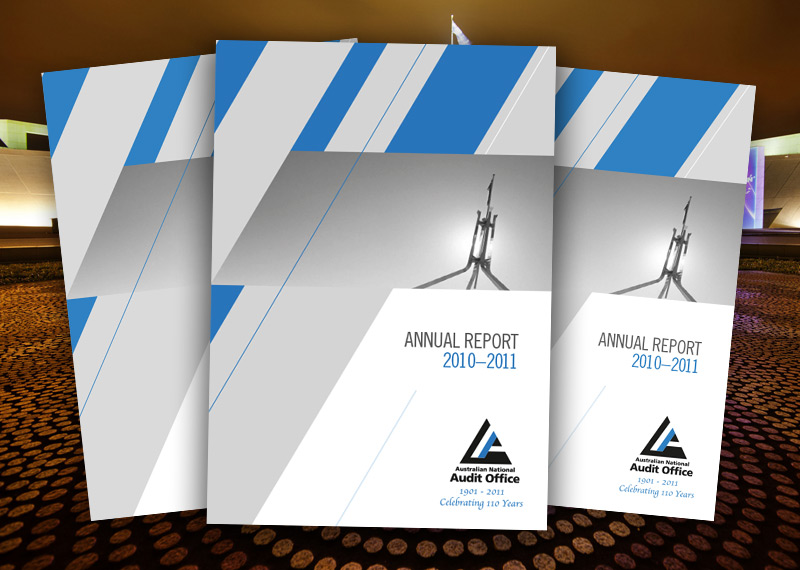
This annual report documents the performance of the Australian National Audit Office (ANAO) in the financial year ending on 30 June 2011. It includes a foreword by the Auditor-General, an overview including the role and vision of the Office, a report on performance, details about management and accountability, and the financial results.
Performance audit (Auditor-General Report No. 13 of 2002–03)
Published: Wednesday 23 October 2002
Published
This benchmarking study was a follow on from ANAO Report No. 14 of 2000-01, Benchmarking the Internal Audit Function, which was published in October 2000. The objective of the study was to obtain and report qualitative and quantitative data on aspects of the internal audit function and compare the public sector internal audit results with equivalent international data to identify better practices and highlight areas for improvement.
Entity
Across Agency
Performance audit (Auditor-General Report No. 42 of 1998–99)
Published: Wednesday 26 May 1999
Published
The objective of the audit was to examine the effectiveness and efficiency of the administrative arrangements for the establishment and operation of the Green Corps program. Green Corps is a voluntary program for young Australians between 17 and 20 years old to receive accredited training in a range of skills such as bush regeneration and habitat protection. The program is delivered through a contractual arrangement. It was introduced in 1996 with a program allocation of $41.7 million over three years. The focus of the audit was on the Department of Education, Training and Youth Affair's administration of the program, including the management of the contract.
Entity
Department of Education, Training and Youth Affairs
Performance audit (Auditor-General Report No. 2 of 2012–13)
Published: Thursday 30 August 2012
Published
To assess the effectiveness of the Department of Broadband, Communications and the Digital Economy’s (DBCDE’s) administration of the Regional Backbone Blackspots Program (RBBP), involving the establishment and ongoing management of the program.
Entity
Department of Broadband and Communications and the Digital Economy
Performance audit (Auditor-General Report No. 12 of 2011–12)
Published: Thursday 10 November 2011
Published
The objective of the audit was to assess the effectiveness of the implementation of the NPARIH in the Northern Territory from the perspective of the Australian Government.
Entity
Department of Families, Housing, Community Services and Indigenous Affairs
Performance audit (Auditor-General Report No. 14 of 2001–02)
Published: Friday 28 September 2001
Published
The objective of this follow-up audit was to assess Austrade's implementation of the recommendations contained in ANAO Report No. 4 of 1998-99 (Client Service Initiatives - Australian Trade Commission (Austrade)), and whether the implementation of the recommendations or appropriate alternative measures has improved the management and delivery of Austrade's client service.
Entity
Australian Trade Commission
Performance audit (Auditor-General Report No. 24 of 2007–08)
Published: Tuesday 26 February 2008
Published
The audit objective was to determine whether DIAC's biometrics program had appropriate:
- business review processes (including a business case);
- authorisation;
- business and IT governance arrangements; and
- IT project management and systems development arrangements.
Entity
Department of Immigration and Citizenship
Performance audit (Auditor-General Report No. 48 of 2012–13)
Published: Wednesday 19 June 2013
Published
The objective of the audit was to assess the effectiveness of the Department of Families, Housing, Community Services and Indigenous Affairs' (FaHCSIA) administration and management of the Targeted Community Care (Mental Health) Program.
Entity
Department of Families, Housing, Community Services and Indigenous Affairs
Contact
Please direct enquiries relating to reports through our contact page.
Performance audit (Auditor-General Report No. 24 of 2005–06)
Published: Monday 23 January 2006
Published
The audit objective was to assess the effectiveness of DMO's JORN and JFASmaintenance and support arrangements. The audit examined the maintenanceand operation of the JORN and JFAS radars, and their facilities.
Entity
Department of Defence
Performance audit (Auditor-General Report No. 33 of 2003–04)
Published: Wednesday 3 March 2004
Published
The audit reviewed the ATO's collection and management of activity statement information. The audit paid particular regard to:
- the environment into which activity statements were introduced;
- taxpayer concerns with activity statement administration;
- the mechanisms the ATO uses to capture and process activity statements;
- the change processes the ATO uses to change and test activity statement IT systems; and
- the management methodology used to report on, and assess the performance of, activity statement related systems and processes.
Entity
Australian Taxation Office
Performance audit (Auditor-General Report No. 27 of 2007–08)
Published: Wednesday 16 April 2008
Published
The objective of the audit was to assess how well EMA is meeting its objective of providing national leadership in the development of measures to reduce risk to communities and manage the consequences of disasters.
Entity
Attorney-General's Department
Performance audit (Auditor-General Report No. 6 of 1998–99)
Published: Monday 31 August 1998
Published
This report summarises audit and other related activities of the Australian National Audit Office in the period January to June 1998.
Entity
Audit Activity Report
Performance audit (Auditor-General Report No. 24 of 1998–99)
Published: Friday 18 December 1998
Published
The audit reviewed the sales of DASFLEET, Works Australia and DAS Interiors Australia. Separate audit reports have been produced for each of the sales. This report focuses on the management of the overall sale processes for all business units.
Entity
Office of Asset Sales and Information Technology Outsourcing
Performance audit (Auditor-General Report No. 3 of 2012–13)
Published: Wednesday 19 September 2012
Published
The objective of the audit was to assess the effectiveness of Regional Australia’s management of the design and implementation of the first application round of the RDAF program.
The establishment of a new infrastructure program to fund projects identified by Regional Development Australia committees in regional areas was one of the initiatives established to deliver on the Government's September 2010 agreement with the Independent Members for Lyne and New England. The program was to fund projects that support the infrastructure needs and economic and community growth of Australia’s regions.
Entity
Department of Regional Australia, Local Government, Arts and Sport
Performance audit (Auditor-General Report No. 3 of 2005–06)
Published: Thursday 28 July 2005
Published
The objective of the audit was to provide an independent assurance on the effectiveness of the management of the upgrade of the M113 fleet for the Australian Defence Force (ADF). The audit sought to identify the initial capability requirements and approval process; analyse the contract negotiation process; and examine the management of the project and contracts.
Entity
Department of Defence
Performance audit (Auditor-General Report No. 6 of 2005–06)
Published: Thursday 18 August 2005
Published
The objective of this audit was to assess whether DEWR had implemented ESC3 and its computer system EA3000, efficiently and effectively. The primary focus is on the period of change from the previous employment services contract to ESC3 and the first full year of its operation, 2003-04. The scope of the audit was limited to the implementation of Job Network services under ESC3, the introduction of the supporting computer application, EA3000, and DEWR's use of modelling to estimate the effects of the APM. The audit did not test the effectiveness of the APM. DEWR has a plan to evaluate the new model. A separate, concurrent ANAO audit assessed DEWR's oversight of Job Network services to job seekers.
Entity
Department of Employment and Workplace Relations; Centrelink
Performance audit (Auditor-General Report No. 16 of 1997–98)
Published: Sunday 26 October 1997
Published
The objectives of the audit were to examine the benefits of diversity management in the APS and review the progress made towards equity in employment in the APS, including the EEO Program. It included:
- an assessment of the progress towards achieving equity across the APS and by individual agencies;
- an assessment of the quality of agency EEO programs;
- an assessment of the role of the PSMPC in approving agency EEO programs and monitoring trends across the service;
- a consideration of legal obligations and agencies compliance with these; and
- the possible risks to, and opportunities for, equity under the WRA.
The audit concentrated on evidence of overall progress, the relative performance of individual agencies, and the examination of observed and underlying trends.
Entity
Public Service and Merit Protection Commission and Other Agencies
Performance audit (Auditor-General Report No. 17 of 2007–08)
Published: Wednesday 19 December 2007
Published
The overall objective of the audit was to assess the effectiveness of Refresh and, in particular:
- the extent to which Centrelink has used the funds invested by the Government to develop its IT capability and realise the anticipated service delivery, financial and other benefits; and
- how Centrelink's programme management approach and Refresh's oversight arrangements have contributed to the achievement of the outcomes of the programme.
Entity
Centrelink
Performance audit (Auditor-General Report No. 36 of 2009–10)
Published: Wednesday 19 May 2010
Published
The scope of the audit covered Centrelink's emergency management framework and community recovery assistance operations in general, with a specific focus on the 2009 North Queensland floods and Victorian bushfires. FaHCSIA's role during those disaster events was also considered as it played a key role in establishing the policy parameters of the services Centrelink delivered and addressing issues arising from policy implementation.
Entity
Centrelink; Department of Families, Housing, Community Services and Indigenous Affairs
Performance audit (Auditor-General Report No. 19 of 2001–02)
Published: Thursday 15 November 2001
Published
The audit process involved an assessment of the payroll arrangements in Commonwealth organisations. The objectives of the audit were to determine whether organisations have established internal control frameworks for the management of payroll operations, assess whether payment of salaries and related expenditures is made in accordance with the relevant terms and conditions of employment, and identify better practices in the management and operations of payroll systems.
Entity
Across Agency
Performance audit (Auditor-General Report No. 18 of 2003–04)
Published: Wednesday 10 December 2003
Published
The Australian National Audit Office (ANAO) completed a performance audit of the ATO's use of AUSTRAC data in August 2000, titled The AustralianTaxation Office's Use of AUSTRAC Data, Audit Report No. 7 2000-2001. It found that the ATO had used AUSTRAC data to achieve a significant improvement in the collection of taxation revenue. The ANAO considered that the ATO could build on this success by using AUSTRAC data more effectively at both the strategic and operational levels. The audit made six recommendations. The ATO agreed with all recommendations. The objective of this follow-up performance audit was to assess the ATO's progress in implementing the recommendations of Audit Report No 7 2000-2001, The Australian Taxation Office's Use of AUSTRAC Data.
Entity
Australian Taxation Office
Performance audit (Auditor-General Report No. 17 of 2000–01)
Published: Monday 4 December 2000
Published
The objectives of the audit were to: assess compliance with the Stevedoring Levy (Collection) Act 1998 and Stevedoring Levy (Imposition) Act 1998 and other relevant legislation; assess the effectiveness of the administrative and financial controls regarding the collection of the Stevedoring Levy by DoTRS and the provision of redundancy payments to eligible employees of stevedoring companies and the management of the funding of those payments by way of borrowings by MIFCo; and review the administrative efficiency of the redundancy payment and Stevedoring Levy collection aspects of the waterfront redundancy scheme.
Entity
Department of Transport and Regional Services; Maritime Industry Finance Company Ltd
Performance audit (Auditor-General Report No. 31 of 2009–10)
Published: Thursday 22 April 2010
Published
The audit scope covered the management of the AusLink R2R Standard Program and the AusLink R2R Supplementary Program. The scope did not include management of the Nation Building Roads to Recovery Program, which has only recently commenced. The audit objectives were to:
- assess the effectiveness of the management of the AusLink Roads to Recovery Program;
- assess the delivery of the program and management of the funding, including the extent to which the program has provided additional (rather than substitute) funding for land transport infrastructure; and
- identify opportunities for improvements to the management of the program.
Entity
Department of Infrastructure, Transport, Regional Development and Local Government
Performance audit (Auditor-General Report No. 27 of 2004–05)
Published: Tuesday 15 February 2005
Published
The overal objective of the Australian National Audit Office (ANAO) audit was to determine the efficiency and effectiveness of the conversion to digital broadcasting by the national broadcasters. This encompasses, among other things, addressing the request from the former Minister for Communications, Information Technology and the Arts (the Minister) for an audit of the actual cost of digital conversion, the sources of funds applied and the efficiency of funds utilisation. It also involved an examination of the broadcasters' management processes to deliver their Strategies and to 'minimise the call on the Budget'.
Entity
Australian Broadcasting Agency and Special Broadcasting Service Corporation
Performance audit (Auditor-General Report No. 15 of 2010–11)
Published: Thursday 18 November 2010
Published
The objective of the audit was to assess FSANZ's administration of its food standard functions, as specified in the Food Standards Australia New Zealand Act, 1991 (last amended 2007).
Particular emphasis was given to whether:
- FSANZ's performance management and reporting provided effective support and ensures accountability;
- FSANZ effectively administered its food standard development and variation function, including its stakeholder management; and
- FSANZ effectively monitored the implementation of its standards and coordinates relevant jurisdictions to address market failures.
Entity
Food Standards Australia New Zealand
Performance audit (Auditor-General Report No. 31 of 2006–07)
Published: Thursday 29 March 2007
Published
The objective of the audit was to assess and report on the administration of the Act by the department in terms of protecting and conserving threatened species and threatened ecological communities in Australia.
Entity
Department of the Environment and Water Resources
Performance audit (Auditor-General Report No. 8 of 1998–99)
Published: Monday 28 September 1998
Published
The audit reviewed collection management practices and management information systems of the National Library of Australia, National Gallery of Australia, National Museum of Australia and the Australian War Memorial. The objective of the audit was to assess the efficiency and effectiveness of the management processes employed in safeguarding national collections.
Entity
National Library of Australia; National Gallery of Australia; National Museum of Australia; Australian War Memorial
Performance audit (Auditor-General Report No. 40 of 2009–10)
Published: Wednesday 26 May 2010
Published
The audit objective was to assess the extent to which Australian Government agencies ensure that service providers are made aware of the core Australian Public Service (APS) Values and Code of Conduct and these arrangements are monitored.
Entity
Department of Agriculture, Fisheries and Forestry; Department of Education, Employment and Workplace Relations; Department of Health and Ageing; Department of Families, Housing, Community Services and Indigenous Affairs
Performance audit (Auditor-General Report No. 41 of 2007–08)
Published: Wednesday 18 June 2008
Published
The objective of this audit was to assess the effectiveness of personnel security arrangements at selected Australian Government organisations, including whether they satisfied the requirements of the PSM.
To address this objective, the audit examined the extent to which the selected organisations implemented the 14 recommendations from the three previous reports.
Entity
NO-DEPTS-LISTED
Performance audit (Auditor-General Report No. 3 of 2013–14)
Published: Thursday 15 August 2013
Published
The objective of the audit was to assess the adequacy of Defence’s processes, including compliance with the Financial Management and Accountability Act 1997 (FMA Act), the Financial Management and Accountability Regulations 1997 (FMA Regulations), and relevant Commonwealth and Defence procurement requirements, to select the capability solution recommended to the Government to satisfy the requirements of AIR 8000 Phase 2.
Entity
Department of Defence
Contact
Please direct enquiries relating to reports through our contact page.
Performance audit (Auditor-General Report No. 37 of 2010–11)
Published: Tuesday 19 April 2011
Published
The objective of this audit was to examine the effectiveness of Defence’s management of explosive ordnance by the end users of this materiel in Air Force, Army and Navy (the Services). In particular, the focus was on the effectiveness of arrangements for the oversight and physical control of explosive ordnance once it is issued to Service units.
The audit reviewed Defence’s policies, procedures, processes and inventory management systems for explosive ordnance at the unit level in the ADF, from receipt and storage through to the use or return of explosive ordnance.The audit also examined the relationship between the management of explosive ordnance at the unit level and the Explosive Ordnance Services Contract and, where relevant, the regional Garrison Support Services (GSS) Contracts.
Entity
Department of Defence
Performance audit (Auditor-General Report No. 53 of 2004–05)
Published: Tuesday 21 June 2005
Published
The objective of the audit was to express an opinion on the effectiveness of HOP management having regard to: compliance with applicable Australian Government policies; compliance with internal guidelines to assist loans officers to assess applications and manage loans; and programme performance reporting.
Entity
Indigenous Business Australia
Performance audit (Auditor-General Report No. 15 of 2004–05)
Published: Tuesday 23 November 2004
Published
The audit examined the financial management of all Special Appropriations in the period 1998-99 to 2002-03, with the exception of those related to Special Accounts and those administered by Government Business Enterprises. The audit objectives were to: identity all Special Appropriations and ascertain which entities are responsible for their financial management and reporting; and assess entities' financial management and reporting of Special Appropriations against the Commonwealth's financial management and reporting frameworks.
Entity
Across Entities
Performance audit (Auditor-General Report No. 28 of 2002–03)
Published: Friday 7 February 2003
Published
The audit assessed the operations of the four Northern Territory Land Councils which provide a range of services to Aboriginal people under the Aboriginal Land Rights (Northern Territory) Act 1976. The audit also assessed the Aboriginal and Torres Strait Islander Commision's (ATSIC) administration of the Aboriginals Benefit Account, which provides funding to the Land Councils under the same Act. The objectives of the audit were to assess:
- whether the governance arrangements used by ATSIC and the Land Councils are appropriate;
- whether ATSIC meets its legislative requirements concerning the Aboriginals Benefit Account in an effective and efficient way; and
- whether the Land Councils are effective and efficient in managing their recourses to meet the objectives of the Aboriginal Land Rights (Northern Territory) Act 1976.
Entity
Aboriginal and Torres Strait Islander Commission; Anindilyakwa Land Council; Central Land Council; Northern Land Council; Tiwi Land Council
Performance audit (Auditor-General Report No. 12 of 2003–04)
Published: Wednesday 5 November 2003
Published
The primary objective of the audit was to assess whether the Department of Communications, Information Technology and the Arts (DCITA) and the Department of Transport and Regional Services (DOTARS) were administering a number of grant programs that are designed to enhance telecommunications infrastructure and services in regional, rural and remote areas of Australia according to better practice. The audit was also aimed at determining whether DCITA had implemented the recommendations of an earlier audit of Networking the Nation.
Entity
Department of Communications, Information Technology and the Arts
Performance audit (Auditor-General Report No. 29 of 2000–01)
Published: Wednesday 28 February 2001
Published
The audit examined the review of decisions on veterans' disability compensation. The audit objective was to examine the management of internal review by the Department of Veterans' Affairs (DVA) and external review by the Veterans' Review Board (VRB) of decisions by the Repatriation Commission on veterans' claims for disability compensation.
Entity
Department of Veterans' Affairs
Performance audit (Auditor-General Report No. 37 of 1996–97)
Published: Wednesday 18 June 1997
Published
The objective of the audit was to provide assurance about the Australian Taxation Office's risk management approach and to add value to its administration by analysing the economy, efficiency, administrative effectiveness, equity and accountability of the related processes employed within the organisation. The ANAO reviewed the formal risk management process that the ATO uses to deal with all sources of risk for the organisation.
Entity
Australian Taxation Office
Performance audit (Auditor-General Report No. 5 of 2001–02)
Published: Tuesday 7 August 2001
Published
The audit was conducted in response to a November 2000 resolution of the Senate that the Auditor-General examine all expenditures and entitlements accruing to Parliamentarians in 1999-2000. The objectives of the audit were to:
- provide assurance to the Parliament regarding the administration by Finance, the chamber departments and the portfolio departments of all expenditures and entitlements accruing to Parliamentarians, including Ministers, in 1999-2000;
- assess the administrative and control structures governing expenditures and entitlements accruing to Parliamentarians and Ministers in 1999-2000; and
- identify opportunities to improve the current framework.
Entity
Across Agency
Speeches and papers
Published: Tuesday 20 November 2001
Published
Mr P.J. Barrett (AM) - Auditor-General for Australia, presented at the 25th National Conference of Association of Risk and Insurance Managers of Australasia Limited
Performance audit (Auditor-General Report No. 46 of 2001–02)
Published: Monday 6 May 2002
Published
The Department of Veterans' Affairs (DVA) uses information technology (IT) extensively in providing services to Australia's veteran and defence force communities. The audit reviewed DVA's management of its IT outsourcing contract. The audit considered DVA's planning to meet its strategic IT needs through the IT outsourcing contract, the provisions of the contract, contract administration, management of the impacts of the outsourced services on DVA's business and the outcomes of DVA's approach to the contract.
Entity
Department of Veterans' Affairs
Performance audit (Auditor-General Report No. 10 of 2000–01)
Published: Friday 15 September 2000
Published
The objective of the audit was to assess the efficiency and effectiveness of the management of AQIS cost-recovery systems and provide assurance to the Parliament that the cost-recoverable programs are identifying and recovering the full costs of services provided, without cross-subsidisation.
Entity
Australian Quarantine and Inspection Service
Performance audit (Auditor-General Report No. 54 of 2011–12)
Published: Wednesday 27 June 2012
Published
The objective of the audit was to assess the effectiveness of the ATO’s administration of external debt collection arrangements.
Entity
Australian Taxation Office
Performance audit (Auditor-General Report No. 33 of 2009–10)
Published: Wednesday 5 May 2010
Published
The audit objective was to examine the effectiveness of the department's establishment of the P21 element of the BER program. The focus of the audit was on: the establishment of administrative arrangements for BER P21 in accordance with government policy; the assessment and approval of funding allocations; and the arrangements to monitor and report BER P21 progress and achievement of broader program outcomes. An examination of individual BER P21 projects was outside the scope of the audit.
Entity
Department of Education, Employment and Workplace Relations
Performance audit (Auditor-General Report No. 44 of 2005–06)
Published: Thursday 1 June 2006
Published
The objective of the audit was to examine how effectively Health manages the risk of PBS drugs not being used according to PBS subsidy conditions. The audit examined two areas: during listing, how Health identified and implemented measures to decrease the risks of PBS drugs being used outside subsidy conditions; and following listing, how Health confirmed that usage and expenditure on PBS drugs was consistent with estimates. The report examines selected approaches used by Health, which have evolved in recent years, to manage the risk of PBS drugs being used outside subsidy conditions. The report also acknowledges and describes the role of the expert committees. The scope of the audit was limited to PBS drugs for which Health pays a subsidy. The audit did not examine Health's role in educating consumers, prescribers, and other health professionals, or the implications of the Australia–United States Free Trade Agreement for the PBS. Additionally, the ANAO did not form an opinion on the success of Medicare Australia's compliance role. To form an opinion against the audit objective, the ANAO interviewed Health personnel, committee members and stakeholders, examined relevant documents and files, analysed drug usage and expenditure data, and attended a number of committee meetings. To assist the audit process, the ANAO selected a sample of eight drugs. The drugs were selected due to their high cost to the PBS and/or high usage, or because the drug has had a particularly interesting PBS history. The sample is not representative of all drugs on the PBS. In 2004–05, 15.3 million prescriptions were written for these eight drugs, with the Government subsidy totalling $1.05 billion.
Entity
Department of Health and Ageing
Performance audit (Auditor-General Report No. 51 of 1999–2000)
Published: Thursday 29 June 2000
Published
The objective of the audit was to examine program management in the Training and Youth Division of the Department of Education, Training and Youth Affairs. In broad terms, the audit focused on the management frameworks at both Divisional and program level. Three of the Division's programs were selected for more detailed review as follows:
- Workplace English Language and Literacy;
- Literacy and Numeracy; and
- Support for New Apprentices.
Entity
Department of Education, Training and Youth Affairs
Performance audit (Auditor-General Report No. 2 of 2011–12)
Published: Thursday 25 August 2011
Published
This audit is the thirteenth in a series of audits that have fulfilled the Senate’s request for the Auditor-General to provide an annual report on agencies’ compliance with the Order, since it was introduced in 2001. The audit objective was to assess the appropriateness of the use and reporting of confidentiality provisions in Australian Government contracts.
Entity
Australian Communications and Media Authority (ACMA); Department of Climate Change and Energy Efficiency (DCCEE); Department of Finance and Deregulation; Murray-Darling Basin Authority (MDBA)
Performance audit (Auditor-General Report No. 47 of 1999–2000)
Published: Tuesday 20 June 2000
Published
The overall objective of the survey was to assess key aspects of fraud control arrangements in place across the APS against Commonwealth Law Enforcement Board (CLEB) guidelines. This assessment aimed to provide assurance to Parliament that agencies had a suitable framework in place to assist in effectively preventing and dealing with fraud and to indicate to APS agencies any areas for improvement identified in the survey.
Entity
Across Agency
Performance audit (Auditor-General Report No. 15 of 2013–14)
Published: Thursday 19 December 2013
Published
The objective of the audit was to assess the effectiveness of the Indigenous Land Corporation’s administration of the Land Acquisition Program.
Entity
Indigenous Land Corporation
Contact
Please direct enquiries relating to reports through our contact page.
Performance audit (Auditor-General Report No. 56 of 2003–04)
Published: Thursday 24 June 2004
Published
The objective of this audit was to assess the extent to which PV applications in Australia are processed in accordance with relevant laws and policies, and whether DIMIA employs appropoiate mechanisms to ensure compliance with those laws and policies.
Entity
Department of Immigration and Multicultural and Indigenous Affairs
Performance audit (Auditor-General Report No. 24 of 1999–2000)
Published: Wednesday 22 December 1999
Published
The audit reviewed the Commonwealth management and regulation of plasma fractionation. The audit objectives were to:
- assess the administrative and financial effectiveness of the Department of Health and Aged Care's contract management of the PFA;
- assess whether the TGA's implementation of post sale regulatory arrangements adequately protects the community's interests; and
- assess the extent to which agencies have implemented the recommendations made in Audit Report No.14 1995-96 concerning funding of plasma products and regulation of plasma products manufactured under the PFA.
Entity
Department of Health and Aged Care
Performance audit (Auditor-General Report No. 23 of 2005–06)
Published: Thursday 22 December 2005
Published
This audit is a part of the ANAO's protective security audit coverage. The objective of this audit was to determine whether agencies audited had developed and implemented sound IT security management principles and practices supported by an IT security control framework, in accordance with Australian Government policies and guidelines. The audit at each agency examined the framework for the effective management and control of IT security, including the management of IT operational security controls and, where applicable, was based on the Australian Government protective security and information and communications technology (ICT) security guidelines that were current at that time.
Entity
Across Agency
Performance audit (Auditor-General Report No. 48 of 1998–99)
Published: Monday 21 June 1999
Published
The sale of leases for the 14 Phase 2 Federal airports was completed by 30 June 1998, in accordance with the Government's timetable. This represented a significant achievement given that it constituted the largest completed airport trade sales program in the world to that date and achieved the Government's sales objectives.
Entity
Across Agency
Performance audit (Auditor-General Report No. 8 of 2010–11)
Published: Thursday 23 September 2010
Published
The audit examined the effectiveness of DEEWR's administrative arrangements supporting the delivery of Indigenous childcare services through MACS and crèches, including the approaches DEEWR uses to monitor the achievement of the BBF sub-program objective.
In conducting the audit, the Australian National Audit Office (ANAO) reviewed three key areas:
- program administration—DEEWR's administrative systems and processes supporting the delivery of Indigenous childcare services through MACS and crèches and the broader BBF sub-program;
- management of service provider funding agreements—DEEWR's systems and processes for managing MACS and crèche service providers' funding agreements; and
- monitoring and reporting performance—the effectiveness of DEEWR's processes for monitoring the performance of service providers, and the achievement of the outputs and outcomes of the BBF sub-program.
The ANAO sought not to duplicate the work of DEEWR's Internal Audit function, and in doing so referred to the findings of the recent internal audit review of the CCSSP, where these were relevant and appropriate.
Entity
Department of Education, Employment and Workplace Relations
Performance audit (Auditor-General Report No. 10 of 1996–97)
Published: Wednesday 16 October 1996
Published
This audit considered the action taken in relation to the recommendations of Audit Report No.47, 1991-92, Energy Management of Commonwealth Buildings. The objective of this follow-up audit was to assess whether the Department of Primary Industries and Energy, the Department of Administrative Services, and the Department of Finance had taken appropriate action in relation to the recommendations. The audit criteria were the extent to which the original recommendations agreed by the agencies had been implemented and what had been achieved.
Entity
Department of Administrative Services; Department of Primary Industries and Energy
Performance audit (Auditor-General Report No. 46 of 2006–07)
Published: Wednesday 20 June 2007
Published
The objective of this audit was to assess the Department of Industry, Tourism and Resources' management of the Pharmaceuticals Partnerships Program. The audit focused on how the department:
- promoted the Program and assessed applications for funding;
- managed the funding agreements; and
- managed the Program's governance arrangements.
Entity
NO-DEPTS-LISTED
Performance audit (Auditor-General Report No. 51 of 2000–01)
Published: Friday 15 June 2001
Published
This audit followed up the ANAO's 1997 performance audit report on ADF health services (Audit Report No.34 1996-97 Australian Defence Force Health Services), which focused on the delivery of non-operational health services to entitled members. The objective of the follow-up audit was to assess Defence's implementation of recommendations made in the original audit report and their effectiveness in improving ADF health services.
Entity
Department of Defence
Performance audit (Auditor-General Report No. 8 of 1999–2000)
Published: Monday 23 August 1999
Published
The objective of this audit was to assess the systems put in place by Centrelink to protect data privacy. The audit reviewed the adequacy of the policies, procedures and the administrative framework associated with data privacy, and the computer systems that are used to store and disseminate data. The ANAO also examined compliance with legislative requirements.
Entity
Centrelink
Performance audit (Auditor-General Report No. 46 of 2012–13)
Published: Tuesday 18 June 2013
Published
The objective of the audit was to assess the effectiveness of the Department of Veterans’ Affairs’ and the Department of Defence’s administration of the Australian Government’s $55 million support package announced in the May 2010 Budget for former F-111 fuel tank maintenance workers and their families. The audit examined the implementation of the 14 agreed recommendations in the Government Response to the 2009 Parliamentary Inquiry into the F-111 deseal/reseal issues, which formed the basis of the May 2010, F-111 support package.
Entity
Department of Veterans' Affairs; Department of Defence
Contact
Please direct enquiries relating to reports through our contact page.
Speeches and papers
Published: Friday 23 August 2002
Published
Mr P.J. Barrett (AM) - Auditor-General for Australia, presentation to Macquarie University
Performance audit (Auditor-General Report No. 40 of 1996–97)
Published: Thursday 26 June 1997
Published
The ANAO's audit aims were to: examine the efficiency and effectiveness of DFAT's human resource management; and identify good practice, which could position the Department, and other APS agencies, to maximise opportunities afforded by the Government's emerging public sector reform agenda. The audit addressed a range of issues including the effectiveness of HR planning and forecasting, staff selection and deployment, performance management, and the fostering of relevant skills and knowledge.
Entity
Department of Foreign Affairs and Trade
Performance audit (Auditor-General Report No. 38 of 2000–01)
Published: Thursday 24 May 2001
Published
The audit's main objectives were to:
- examine the guidance on the use of confidentiality clauses in contracts and agencies' use of such clauses;
- develop criteria to assist agencies in determining what information in a contract is confidential; and
- assess the effectiveness of the existing accountability and disclosure arrangements for Commonwealth contracts.
Entity
Across Agency
Performance audit (Auditor-General Report No. 41 of 2006–07)
Published: Thursday 31 May 2007
Published
The objective of the audit was to assess the efficiency and the effectiveness of DEWR's administrative oversight for the WfD programme. The components of administration examined included whether:
- the operation of the WfD programme was guided by sound business planning including risk assessment;
- DEWR effectively and efficiently managed, monitored and reported the performance of CWCs in meeting contractual obligations;
- adequate support was provided to DEWR contract managers and account managers to assist in the delivery of WfD outcomes;
- there was evaluation of the performance of CWCs in delivering WfD objectives on behalf of the department;
- DEWR measures the effectiveness of WfD against programme objectives; and
- DEWR had implemented agreed recommendations from the previous WfD audit, where current and relevant.
Entity
NO-DEPTS-LISTED
Speeches and papers
Published: Wednesday 10 October 2001
Published
Mr P.J. Barrett (AM) - Auditor-General for Australia, presented an the Australasian Evaluation Society - International Conference
Performance audit (Auditor-General Report No. 1 of 2008–09)
Published: Tuesday 5 August 2008
Published
The objective of the audit was to assess the effectiveness of DFAT's employment and management of its LES at Australia's overseas missions. In particular, the audit examined arrangements for: planning and risk management; guidance and training; recruitment, engagement and employment of LES; and performance management.
Entity
Department of Foreign Affairs and Trade
Performance audit (Auditor-General Report No. 21 of 2012–13)
Published: Monday 11 February 2013
Published
The objective of the audit was to assess the effectiveness of DIAC’s management of individual management services provided to people in immigration detention.
Entity
Department of Immigration and Citizenship
Performance audit (Auditor-General Report No. 52 of 2000–01)
Published: Monday 18 June 2001
Published
The audit reviewed the operation of the payment of accounts function in 8 Commonwealth organisations against their internal control framework. The main objectives of the audit were to determine whether organisations had implemented appropriate risk management strategies for the processing of accounts and whether payment for goods ans services had been properly authorised. The audit also reviewed progress since the payment of accounts audit undertaken in 1996 ( Audit Report No. 16, 1996-97, Financial Control and Administration Audit, Payment of Accounts).
Entity
Across Agency
Performance audit (Auditor-General Report No. 5 of 2012–13)
Published: Thursday 27 September 2012
Published
To assess the upgrade and sustainment of the F/A-18A/B Hornet fleet, and the sustainment of the newly acquired F/A-18F Super Hornet fleet.
Entity
Department of Defence, Defence Materiel Organisation
Performance audit (Auditor-General Report No. 49 of 2000–01)
Published: Tuesday 12 June 2001
Published
The audit was conducted as a joint financial statement and performance audit of HIC's IT systems. The objective of the financial statement component of the audit was to express an opinion on whether HIC could rely on its IT systems to support production of a reliable set of balances for the financial statements. The objective of the performance audit component was to determine whether HIC's IT systems' outputs met quality and service delivery targets.
Entity
Health Insurance Commission
Annual report
Published: Tuesday 28 September 2004
Published
This annual report documents the performance of the Australian National Audit Office (ANAO) in the financial year ending on 30 June 2004. It includes highlights and areas of focus for the year; an introduction by the Auditor-General; an overview of the report; a report on performance; details about management and accountability, and the financial statement for the year.
Performance audit (Auditor-General Report No. 35 of 2013–14)
Published: Wednesday 4 June 2014
Published
The objective of the audit was to assess the effectiveness of the ATO’s activities to promote tax compliance by high wealth individuals.
Entity
Australian Taxation Office
Contact
Please direct enquiries relating to reports through our contact page.
Performance audit (Auditor-General Report No. 32 of 2003–04)
Published: Tuesday 2 March 2004
Published
The audit reviewed the Defence Materiel Organisation's management of the $3.43 billion Wedgetail Airborne Early Warning and Control (AEW&C) project. The Wedgetail project is to provide the Australian Defence Force with an AEW&C capability based on four Boeing 737 AEW&C aircraft and associated supplies and logistic support. At the time of the audit the AEW&C systems were still in their early development phase, and by November 2003, Defence had spent $1.107 billion on the project.
Entity
Department of Defence
Performance audit (Auditor-General Report No. 38 of 2001–02)
Published: Tuesday 19 March 2002
Published
The audit reviewed the planning and management of the Australian Defence Force deployments to East Timor, including the support of those deployments. The audit focused on planning for the deployments and the role of Australia as the lead nation in the International Force in East Timor (INTERFET); and financial, personnel, logistic and other systems used to deploy and sustain Australia's military presence in East Timor.
Entity
Department of Defence
Performance audit (Auditor-General Report No. 25 of 2010–11)
Published: Wednesday 2 February 2011
Published
The audit examined the effectiveness of DEEWR's: administrative framework for the program; management of the application, assessment and funding processes; and monitoring of and reporting on the program's performance.
In order to form an opinion against the audit objective, the ANAO primarily conducted fieldwork and documentation reviews at DEEWR's central office. A stratified random sample (in order to provide for representation from states, territories and school sectors) of 74 applications from Rounds 1 and 2 was also selected for detailed examination. Through this sample, the ANAO sought to determine whether funding applications had been assessed in accordance with the established assessment criteria and that quality assurance mechanisms for the assessment process were effective.
Entity
Department of Education, Employment and Workplace Relations
Performance audit (Auditor-General Report No. 14 of 2004–05)
Published: Friday 5 November 2004
Published
The objectives of the audit were to determine whether: citizenship services were planned based on a risk assessment, especially in relation to fraud; and were monitored and reported on appropriately; decision-making was accurate, consistent and in line with relevent laws and policies and was supported by appropriate training and quality assurance (QA) mechanisms; client and outsourced services were managed effectively; and promotion strategies were effective and have been evaluated appropriately.
Entity
Department of Immigration and Multicultural Affairs
Performance audit (Auditor-General Report No. 33 of 1997–98)
Published: Monday 23 February 1998
Published
The objective of this audit was to assess the efficiency and effectiveness of the Commonwealth's management of the Great Barrier Reef as implemented by the Authority. This audit was undertaken because of the environmental significance of the Great Barrier Reef Region; its growing economic importance; recent changes to the Authority's budget arrangements; and because the Authority had not been subject to a performance audit since its establishment approximately 20 years ago.
Entity
Great Barrier Reef Marine Park Authority
Performance audit (Auditor-General Report No. 22 of 2004–05)
Published: Tuesday 18 January 2005
Published
The objective of the audit was to examine the investment of public funds by selected entities, including: compliance with relevant legislation, delegations and instructions; the value for money of investment strategies; and reporting of investment activities. Six entities were selected for audit, comprising three FMA Act agencies and three Commonwealth authorities. The six entities had aggregrate investments of $1.64 billion as at 30 June 2004 and realised investment earnings of some $80.4 million during 2003/04.
Entity
Across Entities
Performance audit (Auditor-General Report No. 57 of 2010–11)
Published: Tuesday 28 June 2011
Published
The objective of the audit was to report on the effectiveness of Defence’s approach to the acceptance into service of Navy capability, and to identify where better practice may be used by CDG, DMO and Navy.
Entity
Department of Defence; Defence Materiel Organisation
Performance audit (Auditor-General Report No. 17 of 2002–03)
Published: Tuesday 5 November 2002
Published
The objective of the audit was to assess whether the controls employed by the Department of Family and Community Services (FACS) and Centrelink to ensure the correctness of payments made under the Age Pension program were effective and efficient. The ANAO focused on:
- business arrangements between FACS and Centrelink and the Business Assurance Framework;
- whether the source of error was correctly attributed in customer records assessed by FACS and Centrelink as containing an error in the 2000-01 Age Pension Random Sample Survey:
- the correctness of Centrelink's processing of reassessments, including Pensioner Entitlements Reviews, Customer Initiated Reassessments and automated reassessments: and
- progress in implementing the recommendations of previous ANAO audits concerning the preventive quality controls that underpin correct payments.
Entity
Department of Family and Community Services; Centrelink
Performance audit (Auditor-General Report No. 35 of 2006–07)
Published: Wednesday 2 May 2007
Published
The audit objective was to assess whether the early stages of DIAC's preparations for the re-tendering of the detention and health services contracts were consistent with sound practice. The audit focused on governance arrangements, in particular the recordkeeping arrangements, roles and responsibilities of personnel, expert advisors and the probity auditor—matters raised in the previous audit report. The audit did not examine the RFT, which is not due to be issued until April 2007.
Entity
NO-DEPTS-LISTED
Performance audit (Auditor-General Report No. 10 of 2001–02)
Published: Monday 17 September 2001
Published
The objectives of the audit were to determine whether agencies have implemented appropriate risk management strategies for the new banking arrangements, which came into operation on 1 July 1999 and whether cash funds are being managed in accordance with the appropriate legislation, the Commonwealth's agency banking guidance and generally accepted accounting practices. The scope of the audit was restricted to the departmental cash funds management and focused on risk management processes and management accounting controls adopted in the forecasting of cash flows, operation of bank accounts and placement of funds. The audit examined seven agencies, which are not named in the report.
Entity
Across Agency
Performance audit (Auditor-General Report No. 43 of 2004–05)
Published: Tuesday 17 May 2005
Published
The objective of the audit was to form an opinion about DVA's management of the current and future demand for VHC services. To form an opinion, the Australian National Audit Office (ANAO) examined whether DVA:effectively planned the distribution of VHC resources; distributed VHC resources according to its planning; and monitored and evaluated how effectively it managed the demand for VHC services. To form an opinion against the audit objective, the ANAO interviewed DVA personnel, examined DVA documents, interviewed personnel at a selection of Agencies, Service Providers and stakeholders, and reviewed relevant literature.
Entity
Department of Veterans' Affairs
Performance audit (Auditor-General Report No. 49 of 2002–03)
Published: Tuesday 17 June 2003
Published
The audit reviewed the Australian Maritime Safety Authority's management of the navigation aids network, which is an important factor in shipping safety. The objectives of the audit were to determine whether AMSA's management of the network provides for the strategic needs of marine navigation in Australian waters, and whether AMSA's management was efficient and effective. The audit focused on AMSA's strategic planning, the management of revenue and expenditure to support the network, its contract management practices, and its accountability and performance reporting arrangements.
Entity
Australian Maritime Safety Authority
Performance audit (Auditor-General Report No. 4 of 2012–13)
Published: Thursday 20 September 2012
Published
The objective of the audit was to assess the appropriateness of the use and reporting of confidentiality provisions in Australian Government contracts for 2011.
Entity
Across Agencies
Performance audit (Auditor-General Report No. 20 of 2004–05)
Published: Tuesday 21 December 2004
Published
The audit concluded that the ATO has an administratively effective framework for managing the Energy Grants (Credits) Scheme (EGCS), introduced in mid-2003. The planning, monitoring and reporting framework is structured and appropriate, the risk and compliance management framework is generally well-developed and the processes and controls framework is comprehensive. Changes in the Scheme, as foreshadowed in Government's Energy White Paper, Securing Australia's Energy Future, present the opportunity to enhance the transparency of Scheme objectives and develop ways to evaluate performance against these objectives
Entity
Australian Taxation Office
Performance audit (Auditor-General Report No. 20 of 2001–02)
Published: Friday 16 November 2001
Published
The ANAO reviewed arrangements for the development of the department's fraud policy, fraud risk assessment and fraud control plan within the core functional areas of the department that are responsible for these activities. The audit also examined the operational procedures and guidelines that were in place to implement the department's fraud policy. The objective of the audit was to assess whether AFFA has implemented appropriate fraud control arrangements in line with the Fraud Control Policy of the Commonwealth and whether these arrangements operate effectively in practice.
Entity
Agriculture Fisheries and Forestry - Australia
Performance audit (Auditor-General Report No. 7 of 1998–99)
Published: Monday 7 September 1998
Published
The objective of the audit was to determine the extent to which the new employment services market had been implemented effectively and efficiently in accordance with announced Government policy and timeframe.
Entity
Department of Education, Training and Youth Affairs
Performance audit (Auditor-General Report No. 50 of 2010–11)
Published: Tuesday 21 June 2011
Published
The objective of the audit was to assess the effectiveness of the services delivered through ATO shopfronts to individual and micro enterprise tax clients. Particular emphasis was given to the delivery of services to clients and planning and reporting processes for shopfront services.
Entity
Australian Taxation Office
Performance audit (Auditor-General Report No. 14 of 2002–03)
Published: Tuesday 29 October 2002
Published
Pursuant to a request from the Senate Finance and Public Administration References Committee and the Auditor - General's response to the Committee, the objective of this performance audit was to examine and report on the selection of the preferred tenderer in the Health Group IT outsourcing process. In particular, the audit examined the circumstances surrounding OASITO's administration of the: - disclosure to a tenderer of information provided by other tenderers; - subsequent acceptance of a late re-pricing offer from a tenderer: and - advice to the decision- maker leading to the selection of the preferred tenderer. The audit focused particularly on assessing the administrative processes undertaken in the selection of the preferred tenderer for the Health Group. Audit emphasis was placed on the management of the probity aspects of the tender process, particularly in regard to events that occurred between June 1999, when the tenderers provided their penultimate pricing, and the selection of the preferred tenderer in September 1999.
Entity
Department of Finance and Administration
Performance audit (Auditor-General Report No. 1 of 2002–03)
Published: Thursday 18 July 2002
Published
The overall objective of the audit was to determine whether Health's management and operation of selected IT systems:
- met industry better practice;
- met quality and service delivery parameters set by Health and, if applicable, by the Government; and
- operate effectively, efficiently and economically.
The audit applied selected processes from CobiT (Control Objectives for Information and Related Technology) to assist with the assessment of key aspects of Health's management and operation of IT. The audit builds on ANAO's earlier IT audits using CobiT.
Entity
Department of Health and Ageing
Performance audit (Auditor-General Report No. 40 of 2007–08)
Published: Wednesday 11 June 2008
Published
The objective of this audit was to assess the Tax Office's implementation of the nine recommendations of Audit Report No.19 2004–05 Taxpayers' Charter, having regard to any changed circumstances affecting the implementation of the recommendations. This involved an examination of the Tax Office's:
- systems and processes used to develop, maintain and update the Charter;
- strategic commitment to implementing the principles of the Charter;
- integration of Charter principles with its business processes;
- systems for resolving disputes according to Charter principles; and
- monitoring and reporting of its performance against commitments in the Charter.
Entity
Australian Taxation Office
Performance audit (Auditor-General Report No. 29 of 1998–99)
Published: Tuesday 22 December 1998
Published
The audit addressed administration of migrant settlement services by DIMA, in particular:
- strategic management, including corporate planning, performance measurement and reporting arrangements; and
- operational management of some of the individual schemes operated by DIMA (the Adult English Migrant Program and Translating Interpreting Services were not covered as part of this audit).
Entity
Department of Immigration and Multicultural Affairs
Performance audit (Auditor-General Report No. 48 of 2010–11)
Published: Thursday 16 June 2011
Published
The audit objective was to assess the effectiveness of monitoring arrangements (by the Accreditation Agency) and compliance activities (by DoHA) put in place to achieve residential aged care homes’ compliance with the Accreditation Standards and their other, related, responsibilities under the Act and its associated instruments.
The ANAO’s assessment considered whether:
— a sector-wide compliance strategy was in place and aligned with effective monitoring and compliance activities at the operational level;
— there was a clear articulation of the separat but complementary roles and responsibilities of DoHA and the Accreditation Agency; and
— performance information gathered by both agencies to support public reporting and business improvements was useful and enabled comparison of performance over time.
Entity
Department of Health and Ageing; Aged Care Standards and Accreditation Agency Ltd
Performance audit (Auditor-General Report No. 9 of 1998–99)
Published: Monday 28 September 1998
Published
The audit reviewed the accountability framework and performance information of the Australian Sports Commission (ASC). The objective of the audit was to form an opinion on the efficiency and effectiveness of the ASC: accountability arrangements, focussing on key stakeholders such as the Minister and the Parliament; and management information systems, focussing on performance information, in particular key performance indicators; and its use in resource allocation decision-making.
Entity
Australian Sports Commission
Performance audit (Auditor-General Report No. 1 of 2012–13)
Published: Tuesday 21 August 2012
Published
The objective of the audit was to assess the effectiveness of the Department of Resources, Energy and Tourism’s administration of the Renewable Energy Demonstration Program (REDP), including progress towards achieving the programʹs objectives.
The audit examined whether the department had established effective arrangements to:
- implement REDP, including governance arrangements;
- assess applications for REDP funding assistance and recommend projects to the Minister for funding approval;
- negotiate funding agreements for approved projects; and
- monitor progress towards the achievement of the REDP objective.
Entity
Department of Resources, Energy & Tourism
Performance audit (Auditor-General Report No. 11 of 2006–07)
Published: Thursday 9 November 2006
Published
The objective of this audit was to assess DAFF's management of the contractual arrangements in place to deliver the National Food Industry Strategy. The audit assessed: implementation of the Strategy; financial management;assessment and selection of grants and projects; management of grants and projects; monitoring and verification of contract services; and performance management. The Australian National Audit Office (ANAO) examined a number of FIG applications and projects, one food centre of excellence and a major project under the Food Market Development programme. The audit did not examine the Food Chain programme or DAFF's administration of the Strategy's government-to-government activities.
Entity
NO-DEPTS-LISTED
Performance audit (Auditor-General Report No. 14 of 1999–2000)
Published: Tuesday 12 October 1999
Published
The audit reviewed Commonwealth debt management procedures. The audit objectives were to:
- review, and consider opportunities to improve, the reporting and disclosure of the Commonwealth's public debt;
- assess the effectiveness of the raising, management and retirement of Commonwealth debt, consistent with an acceptable degree of risk exposure; and
- determine whether there are opportunities to improve the Commonwealth's approach to the raising, management and retirement of Commonwealth debt.
Entity
Across Agency
Performance audit (Auditor-General Report No. 12 of 2005–06)
Published: Thursday 13 October 2005
Published
The objectives of the audit were to: assess the effectiveness of the key evaluation methods used to review the efficacy of the Australian Government's national counter-terrorism coordination arrangements; and examine the effectiveness of the links between the key evaluation methods, and how the key evaluation methods contribute to the process of continuous improvement.
Entity
Attorney General's Department; The Department of the Prime Minister and Cabinet
Performance audit (Auditor-General Report No. 35 of 1997–98)
Published: Monday 2 March 1998
Published
The objective of the audit was to examine the operations of DEETYA International Services with a view to identifying the administrative issues and difficulties experienced by DEETYA in establishing a commercial entity and its subsequent operation within the framework of the Australian Public Service.
Entity
Department of Employment, Education, Training and Youth Affairs
Performance audit (Auditor-General Report No. 3 of 2002–03)
Published: Wednesday 31 July 2002
Published
HMAS Cerberus is a Navy base situated south-east of Melbourne, Victoria. As a major Navy training establishment, it conducts initial recruit training, and specialist category training in areas such as communications and engineering. The Australian Defence Force (ADF) Schools of Catering and Physical Training are situated there, as is a major health centre for operational and training needs. The health centre and other facilities at HMAS Cerberus were re-developed several years ago. In August 2001, the then Minister for Defence announced that, in response to continuing concern over facilities management at HMAS Cerberus, he had asked the Australian National Audit Office (ANAO) to conduct an independent investigation. The ANAO agreed to review these matters. The objective of the audit was to examine facilities management issues at HMAS Cerberus with a view to clarifying those of concern and ensuring that lessons would be learned from them to assist Defence facilities management generally.
Entity
Department of Defence
Performance audit (Auditor-General Report No. 34 of 2005–06)
Published: Thursday 16 March 2006
Published
The objective of this performance audit was to assess whether DIMIA's information systems and business processes are effective in supporting APP to meet its border security and streamlined clearance objectives. In particular, the audit focused on the following: Mandatory APP - Stage 1 (MAPP1) project management; MAPP1 IT development and system performance; APP performance reporting; contract management; and financial management.
Entity
Department of Immigration and Multicultural Affairs
Performance audit (Auditor-General Report No. 66 of 2001–02)
Published: Friday 28 June 2002
Published
The audit followed-up the ANAO's original audit report into the aviation safety regulatory activities of the Civil Aviation Safety Authority (CASA) (Audit Report No.19 1999-2000 Aviation Safety Compliance). The objective of the follow-up audit were to determine, in respect of issues addressed by the original audit recommendations, whether CASA has made satisfactory progress to improve its aviation safety surveillance and compliance activities; and whether the introduction of new strategies for further improvement is being appropriately managed.
Entity
Civil Aviation Safety Authority
Performance audit (Auditor-General Report No. 36 of 2005–06)
Published: Tuesday 2 May 2006
Published
The objective of the audit was to assess the effectiveness of management of the procurement of a major, new capability for the ADF by the DMO and Defence. The audit reviewed the initial capability requirements and approval process; analysed the contract negotiation process; and examined management of the Acquisition and Through-Life-Support Contracts. Coverage of the audit extended from development of the concept for the requirement, to acceptance of deliverables in the period prior to the award of the Australian Military Type Certificate (see shaded area of Figure 1). The audit fieldwork was undertaken during the delivery phase of the Project, following delivery of ARH numbers 1, 2 and 5.
Entity
Department of Defence; Defence Material Organisation
Performance audit (Auditor-General Report No. 1 of 2004–05)
Published: Thursday 8 July 2004
Published
The audit examined the process of identifying the ADC Weston Creek property for sale and leaseback and the management of the sale process. The objective of the performance audit was to examine the efficiency and effectiveness of the management of the sale process by Defence, including assessing whether the sale and long term leaseback arrangements adequately protect the Commonwealth's interests.
Entity
Department of Defence
Performance audit (Auditor-General Report No. 22 of 2001–02)
Published: Tuesday 4 December 2001
Published
Personnel security, including the security clearance process, is a valuable and essential element of managing the risk inherent in allowing Commonwealth and other personnel access to sensitive information. This audit was designed to review security clearance and vetting policies and practices in a number of Commonwealth organisations and to consider if organisations were managing these processes effectively and efficiently and in accordance with Commonwealth policy, as outlined in the Protective Security Manual.
Entity
Across Agency