Browse our range of reports and publications including performance and financial statement audit reports, assurance review reports, information reports and annual reports.
Performance audit (Auditor-General Report No. 53 of 2012–13)
Published: Tuesday 25 June 2013
Published
The objective of the audit was to assess the effectiveness of agencies’ arrangements for monitoring and implementing ANAO performance audit recommendations.
Entity
Department of Education, Employment and Workplace Relations (DEEWR); Department of Families, Housing, Community Services and Indigenous Affairs (FaHCSIA); Department of Finance and Deregulation (DoFD); Department of Infrastructure and Transport (DIT)
Contact
Please direct enquiries relating to reports through our contact page.
Performance audit (Auditor-General Report No. 8 of 2009–10)
Published: Thursday 29 October 2009
Published
The objective of this audit was to provide a strategic review on the progress of the Tax Office's implementation of the Change Program.
To achieve this, the ANAO examined:
- the planning for, and governance of, the Change Program, particularly in relation to the management of risk and the assurance framework established by the Tax Office, and its management of contractual arrangements for the project;
- implementation issues associated with Releases 1 and 2 of the Change Program, and more specifically in relation to Release 3, the first use of the new ICP system to process FBT returns; and
- the funding of the Change Program, including measurement and attribution of the costs of the project and consideration of any benefits realisation to date.
Entity
Australian Taxation Office
Performance audit (Auditor-General Report No. 37 of 2011–12)
Published: Thursday 31 May 2012
Published
The objective of the audit was to examine the effectiveness of CSP’s feedback management system. CSP’s performance was assessed against the following criteria:
- CSP has appropriate channels to collect customer feedback;
- CSP effectively manages and resolves complaints; and
- CSP accurately reports on customer feedback, and analyses the information to improve aspects of child support administration.
Entity
Department of Human Services
Performance audit (Auditor-General Report No. 50 of 2003–04)
Published: Friday 4 June 2004
Published
The objectives of the audit were to assess whether DOTARS had developed and implemented an appropriate framework and procedures to administer lessee obligations entered into as part of the 1997 and 1998 leasehold sales of 17 Federal airports. In particular, the audit sought to: - review DOTARS' monitoring of lessee compliance with the Airport Leases and supporting sale documentation; - examine the effectiveness of the framework and procedures developed by DOTARS to administer lessee development commitments; and assess the impact of changes in the aviation environment on the management and monitoring of lessee obligations.
Entity
Department of Transport and Regional Services
Performance audit (Auditor-General Report No. 14 of 2003–04)
Published: Friday 28 November 2003
Published
The Survey of Fraud Control Arrangements in APS agencies was conducted to identify improvements made by agencies since the 1999 survey, and in response to the revised Commonwealth Fraud Control Guidelines released in May 2002. Its objective was to assess the key aspects of fraud control arrangements in place across the APS against the Commonwealth Fraud Control Guidelines 2002.
Entity
Across Entities
Performance audit (Auditor-General Report No. 49 of 2009–10)
Published: Thursday 24 June 2010
Published
The objective of the audit was to assess whether Defence is effectively managing the delivery of health services to ADF personnel in Australia (chiefly Garrison Health Services).
Entity
Department of Defence
Performance audit (Auditor-General Report No. 42 of 2009–10)
Published: Thursday 27 May 2010
Published
The objective of this audit was to assess key aspects of Australian Government agencies' fraud control arrangements to effectively prevent, detect and respond to fraud, as outlined in the Guidelines. The scope of the audit included 173 agencies subject to the FMA Act or the CAC Act.
Entity
Attorney-General's Department; Australian Institute of Criminology
Performance audit (Auditor-General Report No. 10 of 2012–13)
Published: Tuesday 13 November 2012
Published
The objective of the audit was to assess the Department of Health and Ageing’s (DoHA’s) implementation and ongoing management of the Aged Care Complaints Scheme and the effectiveness of DoHA’s complaint management systems in supporting service delivery and regulatory outcomes.
Entity
Department of Health and Ageing
Performance audit (Auditor-General Report No. 40 of 2006–07)
Published: Wednesday 30 May 2007
Published
The previous audit made ten recommendations to improve Centrelink's review and appeals system. Centrelink agreed to all recommendations. The objective of this follow-up audit was to review Centrelink's progress in implementing the recommendations of Audit Report No.35, Centrelink's Review and Appeals System 2004-05.
Entity
Centrelink
Performance audit (Auditor-General Report No. 31 of 2013–14)
Published: Thursday 8 May 2014
Published
The objective of the audit was to assess the adequacy and effectiveness of the AEC’s implementation of the recommendation made in ANAO Audit Report No. 28 2009–10 relating to the transport and storage of completed ballot papers.
Entity
Australian Electoral Commission
Contact
Please direct enquiries relating to reports through our contact page.
Performance audit (Auditor-General Report No. 14 of 2007–08)
Published: Thursday 15 November 2007
Published
The audit objective was to assess whether the Regional Partnerships Programme has been effectively managed by DOTARS, including the processes by which:
- applications are sought, received and assessed;
- Funding Agreements with grant recipients are developed and managed; and
- the achievement of project and programme outcomes is monitored and assessed.
Entity
Department of Transport and Regional Services
Performance audit (Auditor-General Report No. 43 of 2004–05)
Published: Tuesday 17 May 2005
Published
The objective of the audit was to form an opinion about DVA's management of the current and future demand for VHC services. To form an opinion, the Australian National Audit Office (ANAO) examined whether DVA:effectively planned the distribution of VHC resources; distributed VHC resources according to its planning; and monitored and evaluated how effectively it managed the demand for VHC services. To form an opinion against the audit objective, the ANAO interviewed DVA personnel, examined DVA documents, interviewed personnel at a selection of Agencies, Service Providers and stakeholders, and reviewed relevant literature.
Entity
Department of Veterans' Affairs
Performance audit (Auditor-General Report No. 13 of 2008–09)
Published: Tuesday 16 December 2008
Published
The audit objective was to assess how well agencies manage their websites. Particular attention was given to the audited agencies' website purposes, risk management and planning, policies, content management procedures, and performance monitoring and reporting. These elements provide the framework for the design, implementation and operation of websites.
Entity
Australian Bureau of Statistics; Department of Agriculture, Fisheries and Forestry; Department of Foriegn Affairs and Trade
Performance audit (Auditor-General Report No. 55 of 2010–11)
Published: Thursday 23 June 2011
Published
The objective of this audit was to assess the effectiveness of the Department of Immigration and Citizenship's (DIAC) administration of the character requirements of the Migration Act.
Entity
Department of Immigration and Citizenship
Performance audit (Auditor-General Report No. 48 of 2011–12)
Published: Friday 22 June 2012
Published
The objective of the audit was to examine the effectiveness of DVA's administration of mental health programs and services to support younger veterans.
Entity
Department of Veterans' Affairs
Performance audit (Auditor-General Report No. 31 of 2012–13)
Published: Thursday 2 May 2013
Published
The objective of this audit was to examine the effectiveness of the Department of Families, Housing, Community Services and Indigenous Affairs’ administration of the National Partnership Agreement on Homelessness (NPAH), including monitoring and reporting of progress against the objective and outcomes of the agreement.
Entity
Department of Families, Housing, Community Services and Indigenous Affairs
Contact
Please direct enquiries relating to reports through our contact page.
Request for audit
Responded: Tuesday 15 September 2015
Response provided
The Auditor-General (A/g) responded on 15 September 2015 to correspondence from the Hon Dr Sharman Stone MP on 11 September 2015 regarding Murray-Darling Basin Authority's (MDBA) implementation of the Basin Plan.
Contact
Please direct enquiries relating to requests for audit through our contact page.
Performance audit (Auditor-General Report No. 41 of 2008–09)
Published: Wednesday 17 June 2009
Published
Given the significant expenditure associated with the Super Seasprites, and the problems that the Project had encountered over some time, the ANAO had commenced this performance audit prior to the Government's decision to cancel the Project. The focus of the audit was on Defence's and DMO's administration of the Project. In light of the Government's decision to cancel the Project, the objective of the audit was revised to place greater emphasis on those issues that resulted in the failure of the Project to provide the required capability, and highlighting project management lessons for major Defence acquisitions going forward.Accordingly the audit objective was to:
- identify those factors that contributed to the on-going poor performance of the Project;
- outline measures taken by Defence and DMO in seeking to overcome issues encountered by the Project, and key lessons arising from this project for the benefit of major acquisitions projects generally; and
- determine the capability and cost implications of a project that failed to deliver to expectations.
Entity
Department of Defence
Performance audit (Auditor-General Report No. 28 of 2010–11)
Published: Tuesday 15 February 2011
Published
The objective of the audit was to assess if DBCDE had effectively managed the ABG program, and the extent to which the program was achieving its stated objectives. The audit examined DBCDE's activities supporting the planning, implementation, monitoring and performance reporting for the ABG program from its commencement in April 2007 to June 2010.
Entity
Department of Broadband, Communications and the Digital Economy
Performance audit (Auditor-General Report No. 27 of 2010–11)
Published: Thursday 10 February 2011
Published
The audit examined key aspects of the first four tenders for the RtB program. These tenders provided coverage across the Basin and resulted in expenditure in excess of $1 billion. The 2008–09 tenders included the largest single purchase under the program—$303 million to Twynam Agricultural Group. The audit also examined the Commonwealth's contribution to the purchase of Toorale station, the only purchase outside a tender process.
Entity
Department of Sustainability, Environment, Water, Population and Communities
Performance audit (Auditor-General Report No. 33 of 2009–10)
Published: Wednesday 5 May 2010
Published
The audit objective was to examine the effectiveness of the department's establishment of the P21 element of the BER program. The focus of the audit was on: the establishment of administrative arrangements for BER P21 in accordance with government policy; the assessment and approval of funding allocations; and the arrangements to monitor and report BER P21 progress and achievement of broader program outcomes. An examination of individual BER P21 projects was outside the scope of the audit.
Entity
Department of Education, Employment and Workplace Relations
Performance audit (Auditor-General Report No. 45 of 2007–08)
Published: Thursday 26 June 2008
Published
The audit objective was to assess the effectiveness of the department's administration of general recurrent grants paid to the States and Territories for government schools. To achieve this, the ANAO assessed whether the department:
- paid the correct amount of general recurrent grants to the States and Territories;
- effectively managed the agreements with the States and Territories; and
- monitored progress towards achieving the National Goals for Schooling in the Twenty-First Century.
Entity
Department of Education, Employment and Workplace Relations
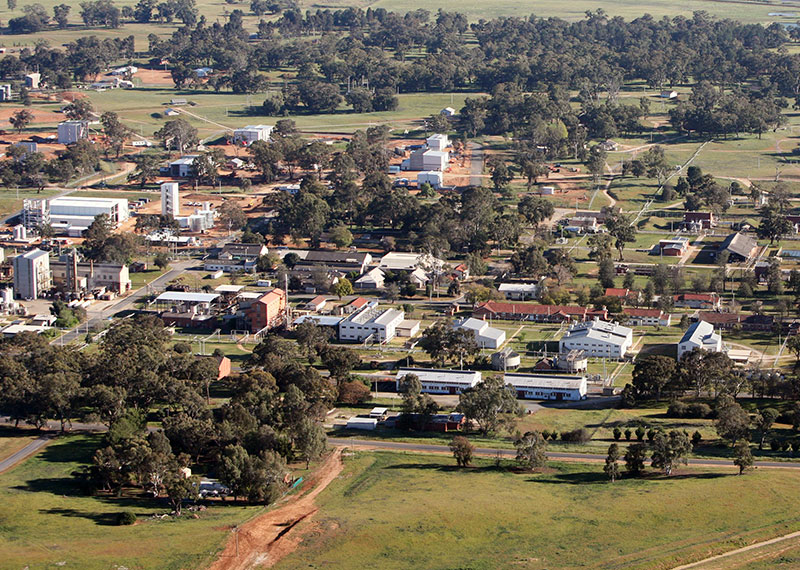
Performance audit (Auditor-General Report No. 26 of 2015–16)
Published: Tuesday 15 March 2016
Published
The audit objective is to assess the effectiveness of the Department of Defence's management of the Mulwala Redevelopment Project.
Entity
Department of Defence
Contact
Please direct enquiries relating to reports through our contact page.
Performance audit (Auditor-General Report No. 48 of 2016–17)

Published: Thursday 27 April 2017
Published
The objective of this audit was to assess the effectiveness of Defence’s design and implementation of arrangements to select a preferred Strategic Partner for the Future Submarines Program.
Entity
Department of Defence
Contact
Please direct enquiries relating to reports through our contact page.
Performance audit (Auditor-General Report No. 16 of 2018–19)

Published: Thursday 13 December 2018
Published
The objective of this audit was to assess the Australian Public Service Commission’s and selected entities’ implementation of the Australian Government’s Workplace Bargaining Framework.
Entity
Across entities (listed below)
Contact
Please direct enquiries through our contact page.
Performance audit (Auditor-General Report No. 47 of 2020–21)

Published: Monday 28 June 2021
Published
The objective of this audit was to assess the effectiveness of the administration of the commuter car park projects within the Urban Congestion Fund.
Entity
Department of Infrastructure, Transport, Regional Development and Communications
Contact
Please direct enquiries through our contact page.
Performance audit (Auditor-General Report No. 41 of 2022–23)

Published: Monday 26 June 2023
Published
The objective of this audit was to assess the effectiveness of the administration of grants for the Try, Test and Learn Fund transition projects.
Entity
Department of Social Services
Contact
Please direct enquiries through our contact page.
Speeches and papers
Published: Monday 25 October 2021
Published
The ANAO provided a case study to SAI Russia, as a follow-up to the Moscow Declaration SAI Russia is publishing a collection of case studies and best practices of strategic approach to public auditing. The case study was titled Using data analytics for risk-based performance audit planning.
Contact
Please direct enquiries through our contact page.
Performance audit (Auditor-General Report No. 54 of 2016–17)

Published: Thursday 1 June 2017
Published
The objective of the audit was to assess the selected entities’ progress in implementing the corporate planning requirements under the Public Governance, Performance and Accountability Act 2013 and related PGPA Rule 2014.
This audit assessed corporate plans for the 2016–17 reporting period, and complements the report published in August 2016 which assessed corporate plans for the 2015–16 reporting period.
Entity
Comcare; Department of Education and Training; Department of the Prime Minister and Cabinet; National Library of Australia
Contact
Please direct enquiries relating to reports through our contact page.
Performance audit (Auditor-General Report No. 6 of 2017–18)

Published: Tuesday 15 August 2017
Published
The audit objective was to assess how effectively the selected public sector entities manage risk.
Entity
Department of Employment; Department of Health; Australian Communications and Media Authority; Australian Fisheries Management Authority
Contact
Please direct enquiries relating to reports through our contact page.