Browse our range of reports and publications including performance and financial statement audit reports, assurance review reports, information reports and annual reports.
Performance audit (Auditor-General Report No. 5 of 2003–04)
Published: Thursday 11 September 2003
Published
This report relates to the fourth audit of Financial Management and Accountability Act 1997 (FMA Act) agencies' compliance with the Order of the Senate for Departmental and Agency Contracts, (the Senate Order) to list, on the Internet, contract details for the reporting period 4 February 2002 to 3 February 2003. The audit was conducted in accordance with the Senate Order request for the Auditor-General to undertake twice-yearly examinations of agency contracts listed on the Internet, and to report whether there had been any inappropriate use of confidentiality provisions. The objectives of the audit were to assess agency performance in relation to compiling the Internet listings required by the Senate Order and the appropriateness of the use of confidentiality provisions in Commonwealth contracts.
Entity
Australian Federal Police (AFP);; Australian Greenhouse Office (AGO);; Department of Defence (Defence);; Department of Employment and Workplace Relations (DEWR);; Department of Family and Community Services (FaCS);1 and; National Capital Authority (NCA)
Performance audit (Auditor-General Report No. 16 of 1997–98)
Published: Sunday 26 October 1997
Published
The objectives of the audit were to examine the benefits of diversity management in the APS and review the progress made towards equity in employment in the APS, including the EEO Program. It included:
- an assessment of the progress towards achieving equity across the APS and by individual agencies;
- an assessment of the quality of agency EEO programs;
- an assessment of the role of the PSMPC in approving agency EEO programs and monitoring trends across the service;
- a consideration of legal obligations and agencies compliance with these; and
- the possible risks to, and opportunities for, equity under the WRA.
The audit concentrated on evidence of overall progress, the relative performance of individual agencies, and the examination of observed and underlying trends.
Entity
Public Service and Merit Protection Commission and Other Agencies
Speeches and papers
Published: Friday 30 November 2001
Published
Mr P.J. Barrett (AM) - Auditor-General for Australia, presented to the Institute of Public Administration Australia
Performance audit (Auditor-General Report No. 29 of 2019–20)

Published: Tuesday 31 March 2020
Published
The objective of the audit was to assess the effectiveness of the Australian Charities and Not-for-profits Commission’s (ACNC’s) regulation of charities.
Entity
Australian Charities and Not-for-profits Commission; Australian Taxation Office
Contact
Please direct enquiries through our contact page.
Performance audit (Auditor-General Report No. 14 of 2010–11)
Published: Thursday 28 October 2010
Published
The objective of the audit was to assess whether entities properly accounted for software assets, and adopted an integrated planning approach to inform software asset investment decisions.
The main focus of the audit was on whether entities accounted for software costs in accordance with relevant accounting standards and the FMOs, paying particular attention to the standard elements of an internal control framework and accounting practices. In addition, in the context of software asset planning, the audit considered whether entities assessed the risks associated with software assets, used life-cycle costing approaches, and aligned ICT and capital management plans, to inform decision-making on software asset investments.
Entity
Australian Bureau of Statistics; Civil Aviation Safety Authority; IP Australia
Performance audit (Auditor-General Report No. 22 of 2021–22)

Published: Monday 4 April 2022
Published
The objective of the audit was to assess the effectiveness of the Australian Taxation Office's administration of the JobKeeper scheme.
Entity
Department of the Treasury; Australian Taxation Office (ATO)
Contact
Please direct enquiries through our contact page.
Performance audit (Auditor-General Report No. 27 of 2013–14)
Published: Thursday 24 April 2014
Published
The objective of the audit was to examine the effectiveness of the Department of Human Services’ management of Medicare customer data and the integrity of this data.
Entity
Department of Human Services
Contact
Please direct enquiries relating to reports through our contact page.
Performance audit (Auditor-General Report No. 2 of 2025–26)

Published: Wednesday 3 September 2025
Published
The objective of the audit was to assess the effectiveness of the NDIS Commission in exercising its regulatory functions.
Entity
NDIS Quality and Safeguards Commission
Contact
Please direct enquiries through our contact page.
Performance audit (Auditor-General Report No. 29 of 2022–23)

Published: Wednesday 31 May 2023
Published
The objective of this audit is to assess the effectiveness of the governance of the Anindilyakwa Land Council under the Aboriginal Land Rights (Northern Territory) Act 1976 and the Public Governance, Performance and Accountability Act 2013.
Entity
Anindilyakwa Land Council
Contact
Please direct enquiries through our contact page.
Performance audit (Auditor-General Report No. 5 of 2024–25)

Published: Monday 21 October 2024
Published
The audit objective was to assess whether the Australian Government has established an appropriate framework for responding to crises.
Entity
Department of the Prime Minister and Cabinet; National Emergency Management Agency
Contact
Please direct enquiries through our contact page.
Speeches and papers
Published: Wednesday 18 April 2001
Published
Mr P.J. Barrett (AM) - Auditor-General for Australia, presented at the MinterEllison Seminar Series
Performance audit (Auditor-General Report No. 25 of 2019–20)

Published: Thursday 20 February 2020
Published
The objective of this audit was to assess the effectiveness of the administration of the mandatory minimum requirements for Aboriginal and Torres Strait Islander participation in major government procurements in achieving policy objectives.
Entity
Across Entities
Contact
Please direct enquiries through our contact page.
Performance audit (Auditor-General Report No. 41 of 2009–10)
Published: Wednesday 26 May 2010
Published
The audit objective was to assess whether agreements between Australian Government (Commonwealth) agencies reflect sound administrative practices. To meet this objective, the audit reviewed current government policy and a range of better practice guidelines, conducted interviews with agencies and examined cross-agency agreements, to formulate suitable audit criteria and subsequently develop better practice principles.
Entity
Across Entities
Performance audit (Auditor-General Report No. 2 of 2009–10)
Published: Monday 7 September 2009
Published
As an element of the arrangements implemented to support the role of the ANAO in reviewing campaigns' compliance with the Guidelines announced on 2 July 2008, the ANAO advised the chair of the JCPAA that the ANAO will provide regular summary reports to Parliament. Section 25 of the Auditor-General's Act 1997 provides for the tabling of such reports.
Entity
Across Agencies
Information report (Auditor-General Report No. 7 of 2021–22)

Published: Tuesday 19 October 2021
Published
The objectives of this information report are to provide transparency of, and insights on, government grants expense and Commonwealth entities’ self-reporting of grants on GrantConnect.
Entity
Department of Finance
Contact
Please direct enquiries through our contact page.
Performance audit (Auditor-General Report No. 10 of 2023–24)

Published: Monday 15 January 2024
Published
The objective of this audit was to assess the effectiveness of the Department of Climate Change, Energy, the Environment and Water's governance arrangements supporting the implementation of the Australian Government’s climate change commitments.
Entity
Department of Climate Change, Energy, the Environment and Water
Contact
Please direct enquiries through our contact page.
Performance audit (Auditor-General Report No. 27 of 2018–19)

Published: Wednesday 20 February 2019
Published
The objective of the audit was to assess the effectiveness of arrangements for monitoring, evaluating and reporting progress towards Closing the Gap in Aboriginal and Torres Strait Islander disadvantage.
Entity
Department of the Prime Minister and Cabinet; Productivity Commission
Contact
Please direct enquiries through our contact page.
Speeches and papers
Published: Tuesday 26 November 1996
Published
Mr P.J. Barrett (AM) - Auditor-General for Australia, presented to the Information Systems Audit and Control Association (Canberra Chapter) in conjunction with the Institute of Internal Auditors (Canberra Branch)
Speeches and papers
Published: Wednesday 24 May 2000
Published
Mr P.J. Barrett (AM) - Auditor-General for Australia, presented at the Association of Risk and Insurance Managers of Australasia - South Australia Chapter
Performance audit (Auditor-General Report No. 42 of 2014–15)

Published: Thursday 4 June 2015
Published
The objective of this audit was to assess the effectiveness of Finance’s administration of travel entitlements provided to Parliamentarians.
Entity
Department of Finance
Contact
Please direct enquiries relating to reports through our contact page.
Performance audit (Auditor-General Report No. 24 of 2013–14)
Published: Wednesday 16 April 2014
Published
The audit objective was to assess the administrative effectiveness of Defence’s procedures to provide emergency assistance to the civil community.
Entity
Department of Defence
Contact
Please direct enquiries relating to reports through our contact page.
Performance audit (Auditor-General Report No. 4 of 2003–04)
Published: Thursday 28 August 2003
Published
The audit reviewed the efficiency and effectiveness of the Department of Health and Ageing's (Health's) planning and conduct of the review undertaken to determine the recommendation to the Government on whether or not to exercise the extension option available to the Commonwealth under the Plasma Fractionation Agreement with CSL Limited. The audit was undertaken in response to a recommendation of the Joint Committee of Public Accounts and Audit.
Entity
Department of Health and Ageing
Performance audit (Auditor-General Report No. 9 of 2025–26)

Published: Monday 24 November 2025
Published
The objective of the audit was to assess the effectiveness of the Department of Social Services' administration of the National Redress Scheme.
Entity
Department of Social Services
Contact
Please direct enquiries through our contact page.
Performance audit (Auditor-General Report No. 18 of 2006–07)
Published: Wednesday 24 January 2007
Published
The objectives of this audit were to:
- examine the effectiveness of ASIC's processes for receiving reports of suspected breaches of the Corporations Act; and
- assess the efficiency with which statutory reports are referred and investigated by ASIC.
The audit commenced in February 2006. ANAO undertook an assessment of ASIC's processes for receiving and referring for investigation statutory reports. ANAO also undertook a detailed examination of a random sample of 416 statutory reports received by ASIC in the period 2002–03 to 2004–05.
The audit scope did not extend to the role of the Commonwealth Director of Public Prosecutions in prosecuting offences referred to it by ASIC.
Entity
Australian Securities and Investments Commission
Performance audit (Auditor-General Report No. 46 of 2020–21)

Published: Monday 28 June 2021
Published
The audit objective was to assess the effectiveness of the Department of the Prime Minister and Cabinet’s administration of the National Bushfire Recovery Agency functions including the National Bushfire Recovery Fund.
Entity
Department of the Prime Minister and Cabinet
Contact
Please direct enquiries through our contact page.
Performance audit (Auditor-General Report No. 18 of 2010–11)
Published: Wednesday 8 December 2010
Published
The objective of the audit was to assess the administrative effectiveness of FaHCSIA's management of the GBM initiative, and the extent to which the initiative has contributed to improvements in community engagement and government coordination in the Northern Territory.
The audit focused on FaHCSIA's management of the GBM initiative under the NTER. The audit scope did not include additional functions assigned to some GBMs in the Northern Territory under the National Partnership Agreement on Remote Service Delivery (the National Partnership Agreement), or to Australian Government staff with similar roles and functions supporting the implementation of the National Partnership Agreement in Queensland and Western Australia.
Entity
Department of Families, Housing, Community Services and Indigenous Affairs
Performance audit (Auditor-General Report No. 13 of 2010–11)
Published: Thursday 28 October 2010
Published
The Civil Aviation Safety Authority (CASA) is responsible for regulating aviation safety in Australia, the safety of Australian aircraft operating overseas as well as for regulating and administering Australia's airspace. In September 2008, the Senate Committee on Rural and Regional Affairs and Transport presented a report on the Administration of the Civil Aviation Safety Authority and related matters. That report made three recommendations, one of which requested an Australian National Audit Office (ANAO) audit of CASA's implementation and administration of the regulation of aircraft operators' Safety Management Systems (SMS'). ANAO agreed to this request with the objective of the audit being to assess CASA's implementation and administration of an SMS approach to regulating aircraft operators.
An SMS is a systematic approach to managing safety, which encompasses organisational structures, accountabilities, policies and procedures. Amendments to the Convention on International Civil Aviation (commonly referred to as the Chicago Convention) made in 2006 require that contracting states regulate the SMS' of aircraft operators. As a contracting state to the Chicago Convention, Australia is required to mandate that aircraft operators implement an SMS.
Entity
Civil Aviation Safety Authority
Performance audit (Auditor-General Report No. 2 of 2022–23)

Published: Monday 15 August 2022
Published
The objective of the audit was to assess the effectiveness of the Australian Taxation Office’s engagement with tax practitioners in achieving efficient and effective taxation and superannuation systems.
Entity
Australian Taxation Office
Contact
Please direct enquiries through our contact page.
Performance audit (Auditor-General Report No. 6 of 2004–05)
Published: Thursday 5 August 2004
Published
The objective of the audit were to assess the extent to which agencies' performance management systems, strategies and plans are consistent with the strategic framework set out in the Managment Advisory Committee Report; provide assurance that the administration of performance managment is being implemented efficiently and effectively in accordance with better practice principles; provide assurance that performance linked remuneration reported in anual reports complies with the Department of Prime Minister and Cabinet Requirements for Annual Reports; and quantify the cost of performance linked remuneration, both performance bonuses and performance linked advancements (salary increments), across the APS.
Entity
Across Entities
Performance audit (Auditor-General Report No. 55 of 2010–11)
Published: Thursday 23 June 2011
Published
The objective of this audit was to assess the effectiveness of the Department of Immigration and Citizenship's (DIAC) administration of the character requirements of the Migration Act.
Entity
Department of Immigration and Citizenship
Performance audit (Auditor-General Report No. 40 of 2004–05)
Published: Thursday 14 April 2005
Published
The objectives of the audit were to determine whether FaCS and Centrelink had: a valid Business Case for the Edge project, as revised from time to time, including estimated costs, actual costs, and expected benefits; effective governance of the project, including reviews at critical points in the project and subsequent decisions to continue or, in the final analysis, to discontinue; an appropriate contract with SoftLaw, which was adequately managed; delivered appropriate advice on progress, project viability, and acceptable solutions to technical issues to Executive of FaCS and Centrelink during the project; and valid reasons for discontinuing the project. The ANAO began this audit in March 2004, four months after the Edge project was terminated, following the Auditor-General's agreement to a suggestion by the Joint Committee of Public Accounts and Audit that the project was a suitable subject for audit.
Entity
Department of Family and Community Services; Centrelink
Performance audit (Auditor-General Report No. 25 of 2008–09)
Published: Wednesday 11 March 2009
Published
The objective of this audit was to assess and report on the progress being made by Government agencies in achieving better practice in green office procurement and sustainable office management. The scope of the audit included agencies incorporated under the Financial Management and Accountability Act 1997 as well as a sample of bodies incorporated under the Commonwealth Authorities and Companies Act 1997. Sixty-three agencies were included in an audit survey. Detailed validation was carried out in nine of these agencies.
Entity
Across Entities
Performance audit (Auditor-General Report No. 19 of 2022–23)

Published: Thursday 6 April 2023
Published
The objective of this audit was to assess the effectiveness of procurement complaints handling by the Australian Communications and Media Authority, the Department of Finance, the Department of Industry, Science and Resources and the Reserve Bank of Australia.
Entity
Across Entities
Contact
Please direct enquiries through our contact page.
Major projects report (Auditor-General Report No. 9 of 2008–09)

Published: Thursday 27 November 2008
Published
This first Assurance Report on the status of selected Defence equipment acquisition projects, which has the support of the Parliament and the Government, represents a substantial step towards improving transparency and public accountability in major Defence procurement projects. It is the pilot of an annual Defence Materiel Organisation (DMO) Major Projects Report, and was developed in conjunction with the DMO. It covers the cost, schedule and capability progress achieved by nine DMO projects, which had an approved budget totalling $13.535 billion as at 30 June 2008.
This report is organised into three parts. Part 1 comprises an ANAO overview and Auditor–General's Foreword. Part 2 comprises the Major Projects Report prepared by DMO, including an overview reflecting DMO's perspective on their business and on the nine projects included in the. Part 3 incorporates the Auditor-General's Review Report, the statement by the CEO DMO, and the information prepared by DMO in the form of standardised Project Data Summary Sheets covering each of the nine pilot projects.
In the next 12 months, the ANAO will review 15 DMO projects planned for inclusion in the 2008-09 DMO Major Projects Report, with the number of projects rising to 30 projects in subsequent years. The ANAO will also work with DMO to refine the approach adopted for providing assurance on each project's progress toward achieving Final Operational Capability. The ANAO will also consider the inclusion of an analysis of each project's emerging trends, as appropriate, to complement DMO's intention to provide improved analysis of project management performance regarding all projects included in the Major Projects Report.
Entity
Defence Materiel Organisation
Performance audit (Auditor-General Report No. 41 of 2008–09)
Published: Wednesday 17 June 2009
Published
Given the significant expenditure associated with the Super Seasprites, and the problems that the Project had encountered over some time, the ANAO had commenced this performance audit prior to the Government's decision to cancel the Project. The focus of the audit was on Defence's and DMO's administration of the Project. In light of the Government's decision to cancel the Project, the objective of the audit was revised to place greater emphasis on those issues that resulted in the failure of the Project to provide the required capability, and highlighting project management lessons for major Defence acquisitions going forward.Accordingly the audit objective was to:
- identify those factors that contributed to the on-going poor performance of the Project;
- outline measures taken by Defence and DMO in seeking to overcome issues encountered by the Project, and key lessons arising from this project for the benefit of major acquisitions projects generally; and
- determine the capability and cost implications of a project that failed to deliver to expectations.
Entity
Department of Defence
Performance audit (Auditor-General Report No. 18 of 2015–16)

Published: Thursday 21 January 2016
Published
The audit objective was to assess the Department of Social Services and the Department of Human Services’ administration of Disability Support Pension eligibility and review processes.
Entity
Department of Social Services; Department of Human Services
Contact
Please direct enquiries relating to reports through our contact page.
Performance audit (Auditor-General Report No. 48 of 2010–11)
Published: Thursday 16 June 2011
Published
The audit objective was to assess the effectiveness of monitoring arrangements (by the Accreditation Agency) and compliance activities (by DoHA) put in place to achieve residential aged care homes’ compliance with the Accreditation Standards and their other, related, responsibilities under the Act and its associated instruments.
The ANAO’s assessment considered whether:
— a sector-wide compliance strategy was in place and aligned with effective monitoring and compliance activities at the operational level;
— there was a clear articulation of the separat but complementary roles and responsibilities of DoHA and the Accreditation Agency; and
— performance information gathered by both agencies to support public reporting and business improvements was useful and enabled comparison of performance over time.
Entity
Department of Health and Ageing; Aged Care Standards and Accreditation Agency Ltd
Performance audit (Auditor-General Report No. 44 of 2005–06)
Published: Thursday 1 June 2006
Published
The objective of the audit was to examine how effectively Health manages the risk of PBS drugs not being used according to PBS subsidy conditions. The audit examined two areas: during listing, how Health identified and implemented measures to decrease the risks of PBS drugs being used outside subsidy conditions; and following listing, how Health confirmed that usage and expenditure on PBS drugs was consistent with estimates. The report examines selected approaches used by Health, which have evolved in recent years, to manage the risk of PBS drugs being used outside subsidy conditions. The report also acknowledges and describes the role of the expert committees. The scope of the audit was limited to PBS drugs for which Health pays a subsidy. The audit did not examine Health's role in educating consumers, prescribers, and other health professionals, or the implications of the Australia–United States Free Trade Agreement for the PBS. Additionally, the ANAO did not form an opinion on the success of Medicare Australia's compliance role. To form an opinion against the audit objective, the ANAO interviewed Health personnel, committee members and stakeholders, examined relevant documents and files, analysed drug usage and expenditure data, and attended a number of committee meetings. To assist the audit process, the ANAO selected a sample of eight drugs. The drugs were selected due to their high cost to the PBS and/or high usage, or because the drug has had a particularly interesting PBS history. The sample is not representative of all drugs on the PBS. In 2004–05, 15.3 million prescriptions were written for these eight drugs, with the Government subsidy totalling $1.05 billion.
Entity
Department of Health and Ageing
Performance audit (Auditor-General Report No. 35 of 2014–15)
Published: Tuesday 5 May 2015
Published
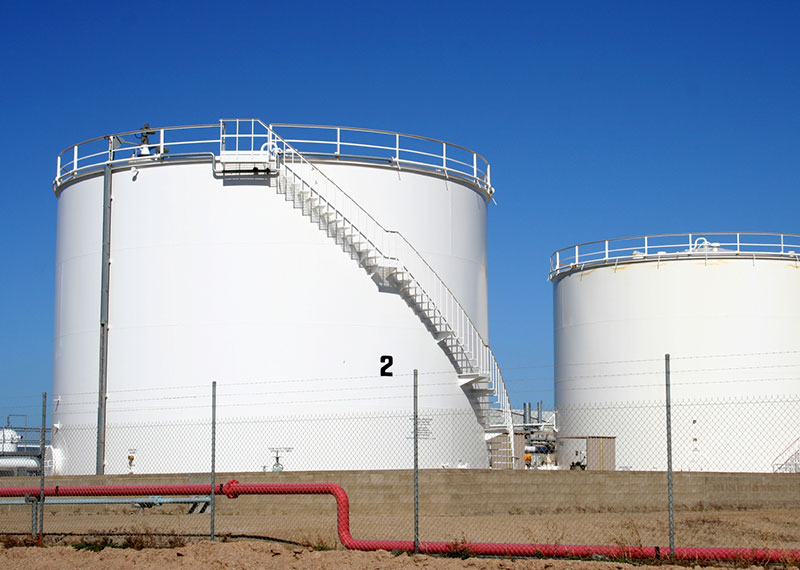
The objective of the audit was to assess the effectiveness of the Department of the Prime Minister and Cabinet’s management of initiatives to supply low aromatic fuel to Indigenous communities.
Entity
Department of the Prime Minister and Cabinet
Contact
Please direct enquiries relating to reports through our contact page.
Performance audit (Auditor-General Report No. 50 of 2010–11)
Published: Tuesday 21 June 2011
Published
The objective of the audit was to assess the effectiveness of the services delivered through ATO shopfronts to individual and micro enterprise tax clients. Particular emphasis was given to the delivery of services to clients and planning and reporting processes for shopfront services.
Entity
Australian Taxation Office
Performance audit (Auditor-General Report No. 5 of 2023–24)

Published: Tuesday 5 September 2023
Published
The objective of this audit was to examine whether compliance with trade measurement in Australia is being effectively administered.
Entity
Department of Industry, Science and Resources
Contact
Please direct enquiries through our contact page.
Speeches and papers
Published: Monday 20 September 2004
Published
Mr P.J. Barrett (AM) - Auditor-General for Australia, Address to ANZSOG Students at ANU
Speeches and papers
Published: Friday 24 March 2006
Published
Mr Ian McPhee - Auditor-General for Australia, presented to the Insititue of Public Administration (ACT Division)
Performance audit (Auditor-General Report No. 47 of 2008–09)
Published: Thursday 25 June 2009
Published
The objective of the audit was to examine if AFMA is effectively undertaking its regulatory compliance responsibilities in respect of domestic fishing in Commonwealth fisheries. Particular emphasis was
given to:
- the licensing of fishers and related transaction processing;
- the management of fishing quota by concession holders and AFMA; AFMA's domestic compliance monitoring and
- enforcement activities; and the governance arrangement for domestic fishing compliance.
Entity
Australian Fisheries Management Authority
Performance audit (Auditor-General Report No. 13 of 2005–06)
Published: Tuesday 18 October 2005
Published
The objective of the audit was to assess the administrative effectiveness of the ATO's management of GST compliance in the large business market segment. In conducting the audit the ANAO examined three key areas: governance - ILEC's corporate planning and reporting arrangements relevant to the management of GST compliance in the large business market segment; assessing and identifying compliance risks- how ILEC collects information relating to the large business market segment and how it uses this information to support risk identification and assessment; and managing compliance- compliance planning and the products and processes used by ILEC to manage GST compliance in the large business market segment and evaluating compliance outcomes to support future compliance planning and the targeting of GST compliance risks. In undertaking the audit, the ANAO took account of the findings of previous reviews, in particular the LCCP Review.
Entity
Australian Taxation Office
Speeches and papers
Published: Thursday 29 July 1999
Published
Mr P.J. Barrett (AM) - Auditor-General for Australia, presented at the 1999 Department of Employment, Training and Industrial Relations Biennial Risk Management Conference, Brisbane
Performance audit (Auditor-General Report No. 27 of 2006–07)
Published: Wednesday 21 February 2007
Published
This audit focuses on the Australian Defence Force's (ADF) Air Combat fleet's logistics support, regular maintenance and structural refurbishment. These activities are collectively referred to as fleet in-service support. The current Defence White Paper states that Air Combat is the most important single capability for the defence of Australia.
The audit objective was to assess the effectiveness of the Air Combat fleet's in-service support arrangements to provide capability for air combat operations. Capital equipment acquisition projects covered by this report are limited to the Hornet and F-111 structural refurbishment projects, which aim to ensure these aircraft remain serviceable until their withdrawal from service.
Entity
Department of Defence; Defence Materiel Organisation
Performance audit (Auditor-General Report No. 19 of 2008–09)
Published: Wednesday 4 February 2009
Published
The objectives of this audit were to:
- examine whether the appointment of CMAX Communications Pty Ltd as a provider of communications support and advice for the 2020 Summit was consistent with the Commonwealth procurement framework and sound principles of public administration; and
- assess the effectiveness of the administration of the CMAX Communications contract by PM&C.
Entity
Department of the Prime Minister and Cabinet
Performance audit (Auditor-General Report No. 31 of 2003–04)
Published: Wednesday 25 February 2004
Published
This report relates to the fifth audit of Financial Management and Accountability Act 1997 (FMA Act) agencies' compliance with the Senate Order for Departmental and Agency Contracts, (the Senate Order) to list, on the Internet, contract details for the Financial Year 2002-2003 reporting period. The audit was conducted in accordance with the Senate Order request for the Auditor - General to undertake twice - yearly examinations of agency contracts listed on the Internet, and to report whether there had been any inappropriate use of confidentiality provisions. The objectives of the audit were to assess agency performance in relation to compiling the Internet listings required by the Senate Order and the appropriateness of the use of confidentiality of provisions in Commonwealth contracts.
Entity
Australian Industrial Registry; Australian Taxation Office; Department of Communications Information Technology and the Arts; Department of the Environment and Heritage; Federal Court of Australia; National Office for the Information Economy
Performance audit (Auditor-General Report No. 38 of 2023–24)

Published: Friday 14 June 2024
Published
The objective of this audit was to assess the effectiveness of the selected entities’ implementation of arrangements for managing cyber security incidents in accordance with the Protective Security Policy Framework (PSPF) and relevant ASD Cyber Security Guidelines.
Entity
Australian Transaction Reports and Analysis Centre; Services Australia
Contact
Please direct enquiries through our contact page.
Performance audit (Auditor-General Report No. 20 of 2009–10)
Published: Wednesday 3 February 2010
Published
The objective of the audit was to examine key aspects of the NBN RFP process, including:
- the background to and conduct of the RFP process;
- management of key risks associated with the process and outcome; and
- stakeholder consultations.
Entity
Department of Broadband, Communications and the Digital Economy
Performance audit (Auditor-General Report No. 24 of 2003–04)
Published: Saturday 31 January 2004
Published
A Special Account is a mechanism used to record amounts in the Consolidated Revenue Fund that are set aside for specified purposes. A total of $3.40 billion was reported as held in Special Accounts as of 30 June 2003, with $10.33 billion reported as credited to Special Accounts in 2002-03 and $10.06 billion in reported payments (debits) from these Accounts. The audit examined the establishment, management and abolition of Special Accounts by Commonwealth agencies, as well as compliance with legal requirements
Entity
Across Agency
Speeches and papers
Published: Friday 14 October 2011
Published
Mr Ian McPhee, PSM - Auditor-General for Australia, presented to the Senate Occasional Lecture, Parliament House Canberra
Performance audit (Auditor-General Report No. 38 of 2009–10)
Published: Friday 21 May 2010
Published
As part of the ANAO's role in reviewing proposed advertising campaigns for compliance with the June 2008 Guidelines, the Auditor–General advised the JCPAA that the ANAO would provide regular summary reports on its advertising review activities to Parliament. Section 25 of the Auditor General Act 1997 provides for the tabling of such reports.
Entity
Across Agencies
Performance audit (Auditor-General Report No. 7 of 2005–06)
Published: Thursday 25 August 2005
Published
The audit focussed on the systems and processes OGTR has established for both receiving and assessing applications under the Act, and also for ensuring compliance with the statutory requirements through monitoring and inspection. The audit objective was to form an opinion on the discharge by OGTR of selected functions entrusted to it under the Act. The audit assessed the practices of OGTR against the following principal criteria: Assessment of applications under the Act: Whether OGTR has established systems and procedures for the management and assessment of applications under the Act. Ensuring compliance—monitoring, inspection and enforcement activities: Whether OGTR has established systems and procedures for ensuring compliance with the requirements of the Act. Performance management: Whether OGTR manages selected aspects of its work efficiently and effectively. The audit did not seek to form an opinion on the appropriateness of the chosen structure of the regime for regulating gene technology or the merit of the scientific judgments involved. The audit methodology included discussions with representatives from agencies that co-ordinate aspects of the co-operative regulatory regime for gene technology across Australian jurisdictions, with various other stakeholders and users of the regime, as well as with officers of OGTR, along with examination of OGTR documents and files.
Entity
Department of Health and Ageing
Performance audit (Auditor-General Report No. 34 of 2024–25)

Published: Thursday 22 May 2025
Published
The objective of the audit was to assess the effectiveness of the Department of the Treasury’s design and implementation of the Measuring What Matters framework.
Entity
Department of the Treasury
Contact
Please direct enquiries through our contact page.
Performance audit (Auditor-General Report No. 45 of 2008–09)
Published: Wednesday 24 June 2009
Published
The audit objective was to assess the effectiveness of the department's administration of general recurrent grants for non-government schools. The audit examined key processes in the department's administration ofgeneral recurrent grants for non-government schools for 2005–08 in accordance with the Schools Assistance (Learning Together—Achievement Through Choice and Opportunity) Act 2004.
Entity
Department of Education, Employment and Workplace Relations
Performance audit (Auditor-General Report No. 33 of 2015–16)

Published: Thursday 5 May 2016
Published
The audit objective was to assess whether Defence is effectively controlling the use of Commonwealth credit cards for official purposes in accordance with legislative and policy requirements.
Entity
Department of Defence
Contact
Please direct enquiries relating to reports through our contact page.
Performance audit (Auditor-General Report No. 47 of 2004–05)
Published: Tuesday 31 May 2005
Published
The objective of this audit was to the examine action taken by the ATO to improve TFN integrity, particularly through the implementation of the recommendations made in:Report No.37, taking into account any changed circumstances, or new administrative issues, affecting the implementation of those recommendations; and Numbers on the Run, taking into account that the Government has not formally responded to the report at this time.The audit also aimed to identify further opportunities for the ATO to improve the effectiveness and efficiency of the TFN system. The report of this audit is necessarily detailed as it considers each of the recommendations and the extent to which they have been implemented.
Entity
Australian Taxation Office
Performance audit (Auditor-General Report No. 52 of 2006–07)
Published: Thursday 28 June 2007
Published
This is the first of two audit reports concerning the Tax Office's administration of SMSFs pursuant to the provisions of the Superannuation Industry (Supervision) Act 1993.
This audit report examines the efficiency and effectiveness of the Tax Office's approach to regulating and registering self managed superannuation funds. Specifically the ANAO examined the:
- Environment in which SMSFs operate, including the Tax Office's regulatory roles and responsibilities;
- Tax Office's governance of its SMSF regulatory role; and
- Systems, processes and controls the Tax Office uses to register SMSFs, and enforce the lodgement of fund income tax and regulatory returns.
Entity
Australian Taxation Office