Browse our range of reports and publications including performance and financial statement audit reports, assurance review reports, information reports and annual reports.
Performance audit (Auditor-General Report No. 11 of 1996–97)
Published: Thursday 17 October 1996
Published
Grants Scheme in Audit Report No.33 of 1993-94. The major recommendations in that report related to:
- improved quality of claims and control measures;
- optimisation of management planning and control;
- rationalisation of the strategic planning structure;
- improved responsiveness of the scheme; and
- improved accountability to Parliament.
The objective of this follow-up audit was to form an opinion on Austrade's progress with implementing the recommendations of Audit Report No.33 of 1993-94.
Entity
Australian Trade Commission
Performance audit (Auditor-General Report No. 46 of 2006–07)
Published: Wednesday 20 June 2007
Published
The objective of this audit was to assess the Department of Industry, Tourism and Resources' management of the Pharmaceuticals Partnerships Program. The audit focused on how the department:
- promoted the Program and assessed applications for funding;
- managed the funding agreements; and
- managed the Program's governance arrangements.
Entity
NO-DEPTS-LISTED
Performance audit (Auditor-General Report No. 6 of 2007–08)
Published: Tuesday 11 September 2007
Published
The objective of this audit was to examine Australia's preparedness to respond to a human influenza pandemic and an outbreak of avian influenza in domestic poultry. The audit assessed:
- the whole of government arrangements for an influenza pandemic;
- action taken by DAFF to implement the recommendations from Exercise Eleusis, which tested the response arrangements for avian influenza;
- DoHA's planning for, and execution of, Exercise Cumpston, which tested the preparedness and response to an influenza pandemic; and
- the establishment, management and deployment arrangements of the National Medical Stockpile.
Entity
Department of Health and Ageing; Department of Agriculture, Fisheries and Forestry
Other report (Auditor-General Report No. 19 of 2017–18)
Published: Wednesday 6 December 2017
Published
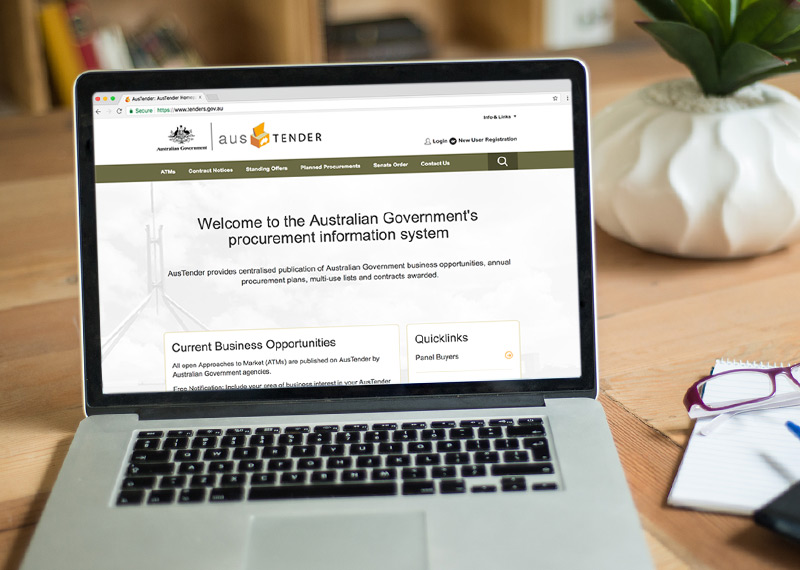
Procurement is a significant public sector activity worth $47.4 billion in 2016–17. This information report seeks to provide greater transparency on procurement activity in the Australian public sector. This information report is neither an audit nor an assurance review and presents no conclusions or opinions. The report presents in a variety of ways, including tables and figures, publicly available data from public sector procurement activity.
Contact
Please direct enquiries through our contact page.
Performance audit (Auditor-General Report No. 49 of 2000–01)
Published: Tuesday 12 June 2001
Published
The audit was conducted as a joint financial statement and performance audit of HIC's IT systems. The objective of the financial statement component of the audit was to express an opinion on whether HIC could rely on its IT systems to support production of a reliable set of balances for the financial statements. The objective of the performance audit component was to determine whether HIC's IT systems' outputs met quality and service delivery targets.
Entity
Health Insurance Commission
Performance audit (Auditor-General Report No. 21 of 2009–10)
Published: Thursday 4 February 2010
Published
The objective of this audit was to assess whether the WSA program has been administered effectively by the NWC/DEWHA, as relevant, and is achieving its stated program objective. Specifically, the ANAO examined whether:
- funding proposals have been assessed and approved in a fair, consistent manner and in accordance with applicable criteria, program guidelines and better practice;
- appropriate funding arrangements have been established with proponents, having regard to the size of the grant, the type of entity involved and the nature of the project; and
- DEWHA (and previously the NWC) is actively monitoring whether proponents are complying with their obligations, and grant payments are made only in accordance with funding agreements.
More broadly, the audit examined DEWHA's strategy for evaluating and reporting on the long-term benefits of the program.
Entity
Department of the Environment, Water, Heritage and the Arts; National Water Commission
Major projects report (Auditor-General Report No. 16 of 2015–16)

Published: Friday 15 January 2016
Published
The objective of this report is to provide the Auditor-General’s independent assurance over the status of the selected Major Projects, as reflected in the Statement by the Secretary of Defence, and the Project Data Summary Sheets (PDSSs) prepared by Defence, in accordance with the Guidelines endorsed by the Joint Committee of Public Accounts and Audit.
Entity
Department of Defence
Performance audit (Auditor-General Report No. 8 of 2002–03)
Published: Wednesday 18 September 2002
Published
This is the second audit report under the Senate Order, which requires all Financial Management and Accountability Act 1997 (FMA Act) agencies to place on the Internet, lists of contracts of $100 000 and more by the tenth day of the Spring and Autumn sittings of Parliament. It relates to the audit of the contract information to be listed on the Internet by the tenth day of the Autumn 2002 sitting. The audit involved a desktop review of all FMA Act agencies' Internet listings; and a detailed review at six selected agencies, of the process for making the Internet listings, and the policies and practices for determining confidentiality provisions in contracts.
Entity
Across Agency
Performance audit (Auditor-General Report No. 22 of 2007–08)
Published: Thursday 14 February 2008
Published
The objective of this performance audit was to assess the effectiveness of the administration of grants made to the ARTC. The audit involved an examination of DOTARS' administration of the grant funding approved for, and paid to, the ARTC (in respect of both the grants paid for projects approved under legislation and the three special grants). It also involved consideration of the role of Finance and the Department of the Prime Minister and Cabinet (PM&C) in advising on the special grant funding and (in respect of Finance) the payment and reporting arrangements for the grants. The audit was conducted under Section 18 of the Auditor-General Act 1997.
Entity
Department of Infrastructure, Transport, Regional Development and Local Government
Performance audit (Auditor-General Report No. 32 of 2004–05)
Published: Wednesday 9 March 2005
Published
Given the importance of customer feedback to Centrelink's business, the ANAO considered it timely to conduct a series of performance audits relating to Centrelink's customer feedback systems, particularly in relation to its delivery of the services then provided on behalf of FaCS. The overarching objective of this series of ANAO performance audits of Centrelink's customer feedback systems was to assess whether Centrelink has effective processes and systems for gathering, measuring, reporting and responding effectively to customer feedback, including in relation to customer satisfaction with Centrelink services and processes.
Entity
Centrelink