Browse our range of reports and publications including performance and financial statement audit reports, assurance review reports, information reports and annual reports.
Speeches and papers
Published: Friday 21 June 2002
Published
Mr P.J. Barrett (AM) - Auditor-General for Australia, presented at the Senate Occasional Lecture Series
Performance audit (Auditor-General Report No. 5 of 2001–02)
Published: Tuesday 7 August 2001
Published
The audit was conducted in response to a November 2000 resolution of the Senate that the Auditor-General examine all expenditures and entitlements accruing to Parliamentarians in 1999-2000. The objectives of the audit were to:
- provide assurance to the Parliament regarding the administration by Finance, the chamber departments and the portfolio departments of all expenditures and entitlements accruing to Parliamentarians, including Ministers, in 1999-2000;
- assess the administrative and control structures governing expenditures and entitlements accruing to Parliamentarians and Ministers in 1999-2000; and
- identify opportunities to improve the current framework.
Entity
Across Agency
Speeches and papers
Published: Wednesday 10 October 2001
Published
Mr P.J. Barrett (AM) - Auditor-General for Australia, presented an the Australasian Evaluation Society - International Conference
Annual report
Published: Friday 30 September 2011
Published
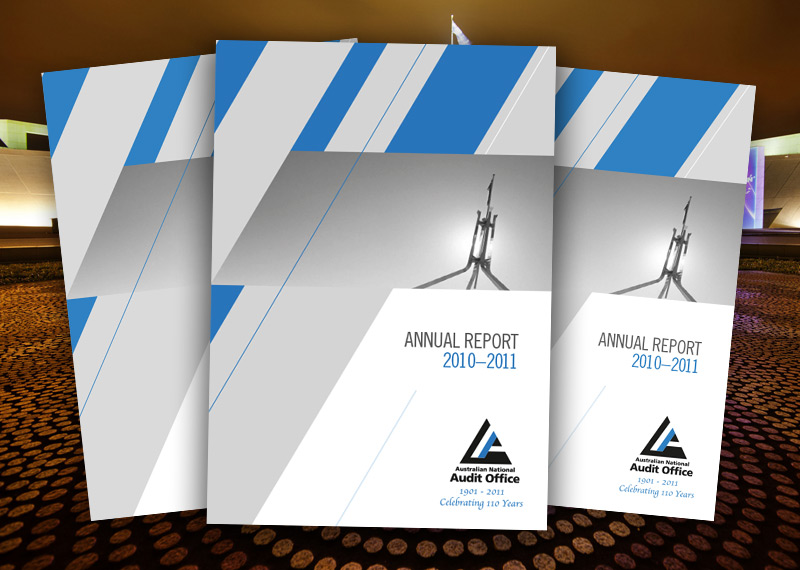
This annual report documents the performance of the Australian National Audit Office (ANAO) in the financial year ending on 30 June 2011. It includes a foreword by the Auditor-General, an overview including the role and vision of the Office, a report on performance, details about management and accountability, and the financial results.
Speeches and papers
Published: Friday 23 August 2002
Published
Mr P.J. Barrett (AM) - Auditor-General for Australia, presented at the Forum of Commonwealth Agencies Seminar, Sydney, NSW
Performance audit (Auditor-General Report No. 4 of 2000–01)
Published: Monday 14 August 2000
Published
This report summarises audit and other related activities of the Australian National Audit Office in the period January to June 2000.
Entity
Audit Activity Report
Performance audit (Auditor-General Report No. 21 of 2002–03)
Published: Wednesday 11 December 2002
Published
The audit examined whether the Department of Health and Ageing had the performance information necessary to administer the Australian Health Care Agreements. A strong focus of the audit was accountability for performance given the significant size of Commonwealth financial assistance, more than $29.6 billion over 5 years, provided to the States and Territories for the provision of health care services.
Entity
Department of Health and Ageing
Speeches and papers
Published: Monday 17 May 1999
Published
Mr P.J. Barrett (AM) - Auditor-General for Australia, presented at the Public Seminar Series, Graduate Program in Public Policy, 'Democratic Governance: Improving the Institutions of Accountability', The Australian National University
Speeches and papers
Published: Saturday 6 April 2002
Published
Mr P.J. Barrett (AM) - Auditor-General for Australia, presented at a Laboratory for Politicians and Top Managers from Different Public Institutions in Europe
Speeches and papers
Published: Thursday 18 October 2001
Published
Mr P.J. Barrett (AM) - Auditor-General for Australia, presented to the Senior Staff of the Board of Audit - Tokyo, Japan
Speeches and papers
Published: Friday 23 August 2002
Published
Mr P.J. Barrett (AM) - Auditor-General for Australia, presentation to Macquarie University
Speeches and papers
Published: Tuesday 17 September 2002
Published
Mr P.J. Barrett (AM) - Auditor-General for Australia, presented at the House of Representatives Occasional Seminar Series
Speeches and papers
Published: Thursday 29 July 1999
Published
Mr P.J. Barrett (AM) - Auditor-General for Australia, presented at the 1999 Department of Employment, Training and Industrial Relations Biennial Risk Management Conference, Brisbane
Performance audit (Auditor-General Report No. 38 of 2000–01)
Published: Thursday 24 May 2001
Published
The audit's main objectives were to:
- examine the guidance on the use of confidentiality clauses in contracts and agencies' use of such clauses;
- develop criteria to assist agencies in determining what information in a contract is confidential; and
- assess the effectiveness of the existing accountability and disclosure arrangements for Commonwealth contracts.
Entity
Across Agency
Speeches and papers
Published: Monday 19 May 2003
Published
Mr P.J. Barrett (AM) - Auditor-General for Australia, presented at the 2nd Annual New Directions in Australian Auditing Accounting Standards Conference
Speeches and papers
Published: Monday 2 August 2004
Published
Mr P.J. Barrett (AM) - Auditor-General for Australia, address presented at the Australian National University
Speeches and papers
Published: Monday 27 October 1997
Published
Mr P.J. Barrett (AM) - Auditor-General for Australia, presented to the National Public Sector Accountants Conference; Sydney
Performance audit (Auditor-General Report No. 31 of 2001–02)
Published: Wednesday 13 February 2002
Published
The report summarises the audit and other related activities of the ANAO in the period July to December 2001. Key issues arising from performance audits tabled in this period are summarised.
Entity
Audit Activity Report
Speeches and papers
Published: Friday 30 November 2001
Published
Mr P.J. Barrett (AM) - Auditor-General for Australia, presented to the Institute of Public Administration Australia
Performance audit (Auditor-General Report No. 29 of 2003–04)
Published: Friday 20 February 2004
Published
The audit objective was to assess the effectiveness of the National Health and Medical Research Council's governance and administrative systems. In order to achieve this objective, the audit addressed three criteria to determine whether the Council had: identified its legislated responsibilities and monitored its legislative compliance; a sound corporate governance framework to support the performance of its legislated functions; and established robust administrative systems to support the performance of its legislated functions.
Entity
National Health and Medical Research Council; Department of Health and Ageing
Performance audit (Auditor-General Report No. 19 of 2000–01)
Published: Monday 4 December 2000
Published
The objective of this follow-up audit was to provide assurance to the Parliament on the cost-effectiveness of public sector travel by:
- ascertaining the degree of acceptance, and the extent of implementation, of the previous audit recommendations and better practice principles; and
- establishing whether organisations were managing travel effectively, taking into consideration recommendations and findings detailed in the above Audit Reports and the Better Practice Guide Public Sector Travel.
Entity
Across Agency
Performance audit (Auditor-General Report No. 30 of 1999–2000)
Published: Thursday 3 February 2000
Published
The examined the $1 billion Federation Fund program, which was established by the Government to mark the Centenary of Federation. The objectives of the examination were to assess the:
- extent to which the administration of the FCHP program complied with better practice in the assessment of applications, especially in relation to the transparency and rigour of the decision-making process;
- equity of the geographic spread of grants to States and electorates; and
- process for the announcement of the results of grant applications.
Entity
Across Agency
Speeches and papers
Published: Thursday 22 May 2003
Published
Mr P.J. Barrett (AM) - Auditor-General for Australia, presented to the Queensland Commonwealth Regional Heads Forum 15th Annual Government Business Conference
Speeches and papers
Published: Wednesday 10 March 1999
Published
Mr P.J. Barrett (AM) - Auditor-General for Australia, presented at the Secretaries' Forum
Speeches and papers
Published: Friday 31 May 2002
Published
Mr P.J. Barrett (AM) - Auditor-General for Australia, presented an Occasional Paper
Performance audit (Auditor-General Report No. 5 of 2013–14)
Published: Tuesday 15 October 2013
Published
The objective of the audit was to assess the effectiveness of the Australian Taxation Office’s administration of the personal services income regime.
Entity
Australian Taxation Office
Contact
Please direct enquiries relating to reports through our contact page.
Speeches and papers
Published: Monday 3 February 2003
Published
Mr P.J. Barrett (AM) - Auditor-General for Australia, presented to the Australasian Council of Public Accounts Committees (ACPAC)
Performance audit (Auditor-General Report No. 31 of 1999–2000)
Published: Wednesday 16 February 2000
Published
The Australian Taxation Office (ATO) is the Commonwealth's principal revenue collection agency. In 1998-99, the ATO accounted for total tax revenue of $135.3 billion. The objective of this audit was to review the ATO's administration of penalties, with particular emphasis on its corporate governance framework and issues relating to consistency, effectiveness and accountability of penalty administration. In particular, the audit examined the administration of two penalty types, Late Lodgement and Tax Shortfall, as case studies.
Entity
Australian Taxation Office
Performance audit (Auditor-General Report No. 28 of 1999–2000)
Published: Thursday 3 February 2000
Published
This report summarises audit and other related activities of the Australian National Audit Office in the period July to December 1999.
Entity
Across Agency
Speeches and papers
Published: Wednesday 26 April 2000
Published
Mr P.J. Barrett (AM) - Auditor-General for Australia, presented an Occasional Paper
Speeches and papers
Published: Wednesday 24 May 2000
Published
Mr P.J. Barrett (AM) - Auditor-General for Australia, presented at the Association of Risk and Insurance Managers of Australasia - South Australia Chapter
Speeches and papers
Published: Wednesday 26 July 2000
Published
Mr P.J. Barrett (AM) - Auditor-General for Australia, presented at the Australian Corporate Lawyers Association and the Australian Institute of Administrative Law Conference on Outsourcing
Speeches and papers
Published: Thursday 28 February 2002
Published
Mr P.J. Barrett (AM) - Auditor-General for Australia, Address to University of Canberra Students - Graduate Certificate in Performance Audit
Speeches and papers
Published: Tuesday 3 December 2002
Published
Mr P.J. Barrett (AM) - Auditor-General for Australia, presented at the Department of Finance and Administration's Learning Centre Lecture Series
Speeches and papers
Published: Friday 14 October 2011
Published
Mr Ian McPhee, PSM - Auditor-General for Australia, presented to the Senate Occasional Lecture, Parliament House Canberra
Speeches and papers
Published: Thursday 16 February 2006
Published
Mr Ian McPhee - Auditor-General for Australia, presented at the Canberra Evaluation Forum
Speeches and papers
Published: Friday 13 October 1995
Published
Mr P.J. Barrett (AM) - Auditor-General for Australia, presented to the International Consortium on Governmental Financial Management - Washington
Speeches and papers
Published: Wednesday 21 June 2006
Published
Mr Mr Ian McPhee - Auditor-General for Australia, presented at the Leadership Development Network Breakfast Seminar
Speeches and papers
Published: Friday 31 May 2002
Published
Mr P.J. Barrett (AM) - Auditor-General for Australia, presented at the IPAA ACT Division, Half day seminar
Speeches and papers
Published: Sunday 29 February 2004
Published
Mr P.J. Barrett (AM) - Auditor-General for Australia, presented at the MBA Governance Students at Macquarie University Graduate School of Management
Speeches and papers
Published: Monday 7 October 2002
Published
Mr P.J. Barrett (AM) - Auditor-General for Australia, presented at the 18th Commonwealth Auditors-General Conference, Malaysia
Performance audit (Auditor-General Report No. 32 of 1996–97)
Published: Thursday 15 May 1997
Published
The objectives of the audit were to: examine the efficiency and administrative effectiveness of grant programs administered in the APS; and identify any specific problem areas and evidence of better practice in both program administration and agency guidelines not already included in the ANAO's 1994 Better Practice Guide on the Administration of Grants. The ANAO also sought to incorporate in the revision of the better practice guide the lessons learned through the audit to help ensure its continued relevance in public sector administration at all levels of government.
Entity
Across Agency
Speeches and papers
Published: Friday 24 November 1995
Published
Mr P.J. Barrett (AM) - Auditor-General for Australia, presented to the ASCPA Annual Public Sector Accounting Convention, Canberra
Performance audit (Auditor-General Report No. 16 of 2002–03)
Published: Monday 4 November 2002
Published
A Business Support Process audit of the administration of grants in small to medium organisations was undertaken across six Commonwealth organisations to assess whether agencies had implemented appropriate risk management strategies for grant programs; evaluate whether grants had been administered in accordance with the appropriate legislation, Commonwealth guidance, and other accepted internal controls; and to recommend improvements in the controls and practices relating to grants administration.
Entity
Across Agency
Speeches and papers
Published: Monday 11 June 2001
Published
Mr P.J. Barrett (AM) - Auditor-General for Australia, presented at the INTOSAI Working Group
Speeches and papers
Published: Monday 8 October 2001
Published
Mr P.J. Barrett (AM) - Auditor-General for Australia, presented at the Third ACAG Conference, Canberra
Speeches and papers
Published: Thursday 4 December 2003
Published
Mr P.J. Barrett (AM) - Auditor-General for Australia, presented at the Chartered Secretaries Australia, Discussion Luncheon, Canberra
Speeches and papers
Published: Tuesday 24 July 2001
Published
Mr P.J. Barrett (AM) - Auditor-General for Australia, presented at the Public Service and Merit Protection Commission Senior Executive Service (SES) Breakfast Seminar Series
Speeches and papers
Published: Thursday 25 May 2000
Published
Mr P.J. Barrett (AM) - Auditor-General for Australia, presented at the Government in Excellence Summit 2000 - Reinventing Government - A Manifesto for Achieving Excellence and Managing for Results; Singapore
Performance audit (Auditor-General Report No. 47 of 1997–98)
Published: Tuesday 23 June 1998
Published
The objectives of this audit were to assess, with respect to guarantees, indemnities and letters of comfort:
- changes in the size and nature of the Commonwealth's reported exposure since 30 June 1995;
- the extent of improvement in agencies' management and monitoring of the Commonwealth's exposure to these instruments;
- the approach of agencies to effective risk management and control of Commonwealth exposures to these instruments; and
- whether current reporting practices provide a sufficiently comprehensive coverage for public accountability purposes, at both the agency and whole of government levels.
Entity
Across Agency
Speeches and papers
Published: Thursday 2 October 1997
Published
Mr P.J. Barrett (AM) - Auditor-General for Australia, presented at a Seminar on 'Financial Management and Electronic Government' Kuala Lumpur
Speeches and papers
Published: Friday 20 September 2002
Published
Mr P.J. Barrett (AM) - Auditor-General for Australia, presented at the CPA Australia's Government Business Symposium, Melbourne
Performance audit (Auditor-General Report No. 31 of 2000–01)
Published: Thursday 29 March 2001
Published
The audit reviewed the Department of Foreign Affairs and Trade's administration of consular services. It focussed on DFAT's travel advice to alert Australians to potential travel risks; case management systems to record and monitor action on more complex consular cases; performance information for the management of consular services; and contingency planning for major consular incidents. The audit also reviewed action taken by DFAT and other agencies to implement the recommendations of a 1997 Senate Committee report on consular services.
Entity
Department of Foreign Affairs and Trade
Speeches and papers
Published: Wednesday 21 March 2001
Published
Mr P.J. Barrett (AM) - Auditor-General for Australia, presented at the Australian Corporate Lawyers Association, Old Parliament House, Canberra
Speeches and papers
Published: Thursday 20 November 1997
Published
Mr P.J. Barrett (AM) - Auditor-General for Australia, presented to the PA Congress 1997:'CPAs for Today and Tomorrow', Adelaide
Speeches and papers
Published: Tuesday 1 May 2001
Published
Mr P.J. Barrett (AM) - Auditor-General for Australia, presented at the IIR Conference 'Risks in Outsourcing in the Public Sector'
Speeches and papers
Published: Monday 13 September 1999
Published
Mr P.J. Barrett (AM) - Auditor-General for Australia, presented at the Defence and Strategic Studies Course, Australian Defence College, Canberra
Speeches and papers
Published: Thursday 13 February 1997
Published
Mr P.J. Barrett (AM) - Auditor-General for Australia, presented to the Central Agency Broker Seminar - Towards a Best Practice Australian Public Service - Hobart
Performance audit (Auditor-General Report No. 46 of 2000–01)
Published: Wednesday 6 June 2001
Published
The objective of the audit was to report to Parliament on the ATO's management of its performance reporting within the outcomes and outputs framework and to identify potential areas for improvement in specifying, measuring, administering and reporting under that framework.
Entity
Australian Taxation Office
Speeches and papers
Published: Tuesday 30 September 2003
Published
Mr P.J. Barrett (AM) - Auditor-General for Australia, presented at the Committee for Economic Development of Australia, Sydney, 30 Sept
Speeches and papers
Published: Monday 7 July 2008
Published
Mr Ian McPhee - Auditor-General for Australia, presented at the 20th Commonwealth Auditors-General Conference
Performance audit (Auditor-General Report No. 6 of 2002–03)
Published: Thursday 29 August 2002
Published
The ANAO reviewed arrangements for the development of the department's fraud policy, fraud risk assessment and fraud control plan within the core functional areas of the department that are responsible for these activities. The audit also examined the operational procedures and guidelines that were in place to implement the departments' fraud policy. The objective of the audit was to assess whether DVA has implemented appropriate fraud control arrangements in line with the Fraud Control Policy of the Commonwealth and whether these arrangements operate effectively in practice.
Entity
Department of Veterans' Affairs
Speeches and papers
Published: Monday 4 September 1995
Published
Mr P.J. Barrett (AM) - Auditor-General for Australia, presented to the Australian Society of CPAs, Canberra
Speeches and papers
Published: Tuesday 16 May 2000
Published
Mr P.J. Barrett (AM) - Auditor-General for Australia, presented at the Medibank Private Executive Seminar Breakfast, Perth
Speeches and papers
Published: Tuesday 26 November 1996
Published
Mr P.J. Barrett (AM) - Auditor-General for Australia, presented to the Information Systems Audit and Control Association (Canberra Chapter) in conjunction with the Institute of Internal Auditors (Canberra Branch)
Speeches and papers
Published: Wednesday 18 April 2001
Published
Mr P.J. Barrett (AM) - Auditor-General for Australia, presented at the MinterEllison Seminar Series
Speeches and papers
Published: Wednesday 23 August 1995
Published
Mr P.J. Barrett (AM) - Auditor-General for Australia, presented to the Lunchtime Seminar Series for Senior Officers, Sydney, NSW
Speeches and papers
Published: Tuesday 29 May 2001
Published
Mr P.J. Barrett (AM) - Auditor-General for Australia, presented at the Public Sector Risk Management Conference
Performance audit (Auditor-General Report No. 46 of 1997–98)
Published: Thursday 28 May 1998
Published
The objectives of this audit were to:
- provide assurance to the Parliament on the effectiveness of internal audit operations; and
- determine whether internal audit generally operates at, or near, recognised better practice.
The criteria used to measure internal audit effectiveness were based on four principles developed as part of the audit. These principles and criteria deal with the level of management support and authority; the use of a risk-focus to address client needs; the appropriate balance of skills and knowledge; and the use made of continuous improvement processes and measurement of performance effectiveness.
Entity
Across Agency
Speeches and papers
Published: Thursday 11 January 2001
Published
Mr P.J. Barrett (AM) - Auditor-General for Australia, presented at the Global Working Group Meeting, Washington
Performance audit (Auditor-General Report No. 12 of 1999–2000)
Published: Thursday 14 October 1999
Published
This audit examined the management of contracts for business support processes in eight Commonwealth organisations-six operating under the Financial Management and Accountability Act 1997, and two operating under the Commonwealth Authorities and Companies Act 1997. The objectives of this audit were to:
- provide assurance on the effectiveness of the management of contracted business support processes in selected organisations; and
- identify and disseminate better practices in related contract management.
Entity
Across Agency
Speeches and papers
Published: Friday 18 May 2007
Published
Mr Ian McPhee - Auditor-General for Australia, presented at the Queensland Regional Heads Forum
Performance audit (Auditor-General Report No. 11 of 2001–02)
Published: Wednesday 19 September 2001
Published
In May 1997, the $1 billion Federation Fund was announced as part of the 1997-98 Budget to mark the Centenary of Federation. One component, the Federation Fund Major Projects ($906.8m), was to provide financial assistance to a number of major projects of national significance; by generating jobs in the construction industry and by making a significant and ongoing contribution to Australia and the Australian economy. Projects were expected to be geographically spread around Australia and well advanced, but not necessarily complete, by 2001. Commonwealth monies were intended to fully fund projects; augment existing funding; or match funding from other sources. The objective of the audit was to determine the extent to which the administration of the Federation Fund programme met identified better practice in relation to policy development and programme planning; the process of calling for, assessing, approving and announcing proposals; and ongoing programme and project management.
Entity
Across Agency
Performance audit (Auditor-General Report No. 37 of 1998–99)
Published: Wednesday 5 May 1999
Published
The purpose of the report was to report to the Parliament on how effectively and efficiently the Australian Taxation Office administers the Tax File Number System, and to identify opportunities for improvement of that system. The ANAO developed a methodological framework for the evaluation of the efficiency and effectiveness of the ATO's administration of the TFN system. The framework examined the TFN system; individuals and their TFNs; TFN withholding tax arrangements; and TFN information matching.
Entity
Australian Taxation Office
Speeches and papers
Published: Sunday 21 February 1999
Published
Mr P.J. Barrett (AM) - Auditor-General for Australia, presented at the 1999 ACPAC Biennial Conference Commercial Confidentiality - Striking the Balance
Performance audit (Auditor-General Report No. 33 of 2006–07)
Published: Wednesday 18 April 2007
Published
The objective of this follow-up audit was to review Centrelink's progress in implementing the findings and recommendation relating to Centrelink's Customer Charter from Audit Report No.32
2004–05, Centrelink's Customer Charter and Community Consultation Program. This audit covers Centrelink's Customer Charter only and does not follow-up on the findings and recommendation on the Community Consultation Program aspect of the 2004–05 audit report.
Entity
Centrelink
Speeches and papers
Published: Wednesday 18 March 1998
Published
Mr P.J. Barrett (AM) - Auditor-General for Australia, presented at the Risk Management in the Public Sector Seminar
Speeches and papers
Published: Saturday 26 October 1996
Published
Mr P.J. Barrett (AM) - Auditor-General for Australia, presented at the CPA Congress '96 - Profit from our Experience - Melbourne
Speeches and papers
Published: Wednesday 14 February 1996
Published
Mr P.J. Barrett (AM) - Auditor-General for Australia, presented at the FINEST User Network Annual Conference 1996, Leura, NSW
Speeches and papers
Published: Friday 26 February 2010
Published
Mr Ian McPhee - Auditor-General for Australia, presented at the Canberra Evaluation Forum, The Lobby, Canberra
Speeches and papers
Published: Saturday 26 June 2004
Published
Mr P.J. Barrett (AO) - Auditor-General for Australia, an Occasional Paper
Performance audit (Auditor-General Report No. 3 of 1998–99)
Published: Wednesday 12 August 1998
Published
This is a follow-up audit to Audit Report No. 16, 1995-1996, Assessable Government Industry Assistance. This audit examined whether the Australian Taxation Office (ATO) had implemented the appropriate balance of compliance strategies to ensure that Australian Government Industry Assistance (AGIA) is adequately identified, disclosed to the ATO, and the revenue collected in an efficient and administratively effective manner. The objective of this audit was to report on the action taken by the Australian Taxation Office in addressing the recommendations of the 1996 Audit Report.
Entity
Australian Taxation Office
Performance audit (Auditor-General Report No. 4 of 1997–98)
Published: Friday 17 October 1997
Published
The objective of the audit was to review AUSTEL and the Spectrum Management Agency's approaches to service delivery against recognised good practice and to identify opportunities for the new Australian Communications Authority to adopt the relevant features of these approaches in its service delivery.
Entity
Australian Telecommunications Authority (AUSTEL); Spectrum Management Agency
Speeches and papers
Published: Friday 12 March 2004
Published
Mr P.J. Barrett (AM) - Auditor-General for Australia, presented to the Institute of Chartered Accountants of India
Performance audit (Auditor-General Report No. 18 of 2013–14)
Published: Wednesday 5 February 2014
Published
The objective of the audit was to assess the effectiveness of the Bureau of Meteorology’s implementation of the Improving Water Information Program.
Entity
Bureau of Meteorology
Contact
Please direct enquiries relating to reports through our contact page.
Performance audit (Auditor-General Report No. 13 of 2000–01)
Published: Wednesday 4 October 2000
Published
The audit examined a range of issues in relation to the development of certified agreements in the APS with particular emphasis on the link between improved pay and conditions and increased productivity, and the funding of agreements. The objectives of the audit were to:
- provide an overview of the range of wage outcomes included in the first round of APS certified agreements;
- identify the administrative arrangements agencies have in place to measure any improvements in productivity that were linked to pay increases;
- determine how agencies funded their certified agreements;
- review the reporting and accountability arrangements agencies have in place to monitor progress and to evaluate the outcomes of their certified agreements;
- determine the extent to which agencies complied with the employment terms and conditions outlined in their certified agreements that contributed to paying for their agreement or measuring and/or assessing improvements in productivity; and
- examine the role of central coordinating agencies in reviewing agencies' certified agreements.
Entity
Across Agency
Performance audit (Auditor-General Report No. 20 of 2001–02)
Published: Friday 16 November 2001
Published
The ANAO reviewed arrangements for the development of the department's fraud policy, fraud risk assessment and fraud control plan within the core functional areas of the department that are responsible for these activities. The audit also examined the operational procedures and guidelines that were in place to implement the department's fraud policy. The objective of the audit was to assess whether AFFA has implemented appropriate fraud control arrangements in line with the Fraud Control Policy of the Commonwealth and whether these arrangements operate effectively in practice.
Entity
Agriculture Fisheries and Forestry - Australia
Speeches and papers
Published: Wednesday 12 June 2002
Published
Mr P.J. Barrett (AM) - Auditor-General for Australia, presented at the Attorney-General's Luncheon
Performance audit (Auditor-General Report No. 18 of 2002–03)
Published: Wednesday 27 November 2002
Published
The audit reviewed the management of trust monies in five Commonwealth organisations. The objectives of the audit were to:
- assess whether selected Commonwealth organisations were managing trust monies in accordance with legal and administrative requirements and better practice principles;
- identify better practices in the management of trust monies; and
- recommend improvements in the controls and practices relating to the management of trust monies.
Entity
Across agency
Performance audit (Auditor-General Report No. 17 of 1999–2000)
Published: Monday 15 November 1999
Published
The audit reviewed the Commonwealth-State Housing Agreement (CSHA). CSHA is a joint arrangement between the Commonwealth and the States under which both the Commonwealth and the States contribute funding in the form of grants, which are used by State Housing Authorities to provide a variety of housing assistance programs to households on low incomes and those with special needs. The overall objective of the audit was to assess and report to Parliament on how effectively the Department of Family and Community Services (FaCS - formerly the Department of Social Security) administered the CSHA and to identify any areas where improvements could be made.
Entity
Department of Family and Community Services
Speeches and papers
Published: Saturday 21 August 2004
Published
Mr P.J. Barrett (AM) - Auditor-General for Australia, Address to the Challenge of Change : Driving Governance and Accountability CPA Forum 2004
Performance audit (Auditor-General Report No. 33 of 2001–02)
Published: Monday 25 February 2002
Published
The Senate Order of 20 June 2001, required all FMA agencies to list contracts over $100 000 on the Internet. FMA agencies were to indicate, amongst other things, whether the contracts contained provisions requiring the parties to maintain confidentiality of any of its provisions or whether any provisions of the contract were regarded by the parties as confidential. The Senate Order also requested the ANAO to conduct an examination of a number of such contracts, and indicate whether any inappropriate use of confidentiality provisions was detected in that examination. The Government agreed that agencies would comply with the spirit of the Order because it was committed to transparency of Commonwealth contracts. The Government also indicated that agencies' compliance with the Order would be progressive as agencies refine arrangements and processes to meet the requirements
Entity
Across Agency
Performance audit (Auditor-General Report No. 40 of 1997–98)
Published: Friday 17 April 1998
Published
The objectives for the audit were to assess the:
- economy, administrative effectiveness, and accountability of DVA's management of the purchase of hospital services from State and Territory governments; and
- strategies adopted by DVA to manage change associated with its purchase of hospital care services from State and Territory governments.
The twin aims were to provide assurance to stakeholders and to identify any area in which improvements could be made to achieve better results.
Entity
Department of Veterans' Affairs
Performance audit (Auditor-General Report No. 34 of 1998–99)
Published: Wednesday 31 March 1999
Published
The objective of the audit was to ascertain and report to Parliament on the Australian Taxation Office's administration of the Fringe Benefits Tax and to identify opportunities for improvement. The ANAO identified five key issues relevant to the effective administration of FBT:
- knowledge of the taxpayer base;
- education of taxpayers;
- client service - advice handling;
- other enforcement activities - audits and reviews; and
- the systems required to support the administration of FBT, including staff skills and training information systems.
Entity
Australian Taxation Office
Performance audit (Auditor-General Report No. 18 of 2001–02)
Published: Thursday 1 November 2001
Published
The ANAO examined the performance information in the 2000-01 Portfolio Budget Statements (PBS) for a mix of ten small and large agencies. The objective of the audit was to assess the appropriateness of the performance information in the selected PBS, the reporting of performance information in annual reports and agency arrangements to identify and collect this information.
Entity
Across Agency
Performance audit (Auditor-General Report No. 59 of 2002–03)
Published: Friday 27 June 2003
Published
As part of the Government's Taxation Reform Initiatives, the Australian Taxation Office (ATO) was given responsibility for implementing the Australian Business Number (ABN) and Australian Business Register (ABR) initiatives. The objective of the audit was to assess the administrative effectiveness of the ABN registration process and the ATO's implementation and management of the ABR.
Entity
Australian Taxation Office
Performance audit (Auditor-General Report No. 43 of 2000–01)
Published: Friday 1 June 2001
Published
The audit examined the design, management and reporting of performance information for the Natural Heritage Trust (NHT) which is administered by the Commonwealth Departments of Environment and Heritage, and Agriculture, Fisheries and Forestry. The objective of the audit was to examine and report on the performance information used to support the administration of $1.5 billion in Commonwealth financial assistance; and compliance with legislative requirements for performance monitoring and reporting.
Entity
Agriculture Fisheries and Forestry - Australia; Department of the Environment and Heritage; Department of Agriculture
Performance audit (Auditor-General Report No. 16 of 1999–2000)
Published: Monday 15 November 1999
Published
The Superannuation Guarantee, which came into effect on 1 July 1992, was introduced to reduce reliance on the age pension as a means of funding retirement for individuals. The objective of the performance audit was to review the ATO's administration of the Superannuation Guarantee and to identify appropriate opportunities for improvement.
Entity
Australian Taxation Office
Performance audit (Auditor-General Report No. 47 of 2013–14)
Published: Monday 23 June 2014
Published
The audit objective was to determine whether Australian Government agencies were implementing appropriate policies and processes to identify and manage conflicts of interest.
Entity
Across Agencies
Contact
Please direct enquiries relating to reports through our contact page.
Speeches and papers
Published: Tuesday 5 October 2004
Published
Mr P.J. Barrett (AO) - Auditor-General for Australia, presented at the UN Results Based Management Seminar
Performance audit (Auditor-General Report No. 5 of 1996–97)
Published: Thursday 29 August 1996
Published
The objective of the audit was to review AusAID's management of funding to Non-Government Organisations, to assess whether:
- the objectives of overseas development programs to be delivered by NGOs were clearly established;
- funding mechanisms for the delivery of aid programs by NGOs were clearly defined, consistently applied, and in compliance with the law; and
- whether AusAID could provide assurances that NGOs delivering development projects using Commonwealth monies are accountable for: proper expenditure of Commonwealth monies; the achievement of stated objectives; and the achievement of value for money.
The ANAO examined AusAID documentation on overseas development programs delivered by NGOs, looking particularly for clear objectives, performance measures, and evaluation mechanisms. Three levels of documentation were examined:
- government programs;
- grants schemes; and
- individual projects.
Entity
Australian Agency for International Development (AusAID)
Performance audit (Auditor-General Report No. 20 of 2000–01)
Published: Thursday 30 November 2000
Published
The objectives of the audit were to: assess the extent to which the Government's sale objectives were achieved; assess the effectiveness of the management of the public share offer; and identify principles of sound administrative practice to facilitate improved administrative arrangements for future Commonwealth public share offers.
Entity
Department of Finance and Administration
Performance audit (Auditor-General Report No. 23 of 1998–99)
Published: Thursday 17 December 1998
Published
The audit evaluated the effectiveness of the accountability and oversight arrangements for statutory bodies within the former Primary Industries and Energy portfolio (most of which are now part of the Agriculture, Fisheries and Forestry portfolio). The audit focused on accountability of the statutory bodies to the Minister and through the Minister to Parliament; it did not directly address accountability to industry stakeholders and levy papers.
Entity
Across Agency
Performance audit (Auditor-General Report No. 27 of 2002–03)
Published: Thursday 30 January 2003
Published
The audit reviewed the management and recording of guarentees, warranties, indemnities and letters of comfort issued by the Commonwealth and also assessed action taken in the relation to the recommendations from ANAO Audit Report No. 47 1997-98. The objectives of the audit were to assess the extent of:
- improvement in agencies' management and monitoring of the Commonwealth's exposure to these instruments;
- changes in the size and nature of the exposure since 30 June 1997; and
- the approach of agencies to effective risk management and control of Commonwealth exposures to these instruments.
Entity
Across Agency
Performance audit (Auditor-General Report No. 15 of 2001–02)
Published: Tuesday 2 October 2001
Published
In August 1997, Works Australia, a former business unit of the former Department of Administrative Services,was sold by the then Office of Asset Sales (OAS). For a price of $4.2 million, the purchaser acquired the assets of Works Australia and accepted certain liabilities. At the time the sale was completed, Works Australia held $43.7 million in cash belonging to Commonwealth agencies (known as client advances). ANAO programmed an audit to examine oversight of the post-sale contractual arrangements for each of the 307 Commonwealth client advances totalling $43.7 million transferred to the purchaser and found that the $43.7 million in client advances transferred to the purchaser of Works Australia in August 1997 has been effectively accounted for as of July 2001 by the Commonwealth agencies concerned. In addition, the relevant financial security arrangements over the Works Australia client advances have been effectively administered in accordance with the terms and conditions of the Works Australia Sale Agreement by Finance.
Entity
Across Agency
Performance audit (Auditor-General Report No. 41 of 1999–2000)
Published: Friday 28 April 2000
Published
The Commonwealth has significant involvement in national emergency management arrangements through its roles in planning, coordination between agencies, operational response, financial support, education and training, public awareness and research activities. The objectives of this performance audit were to identify the Commonwealth's current emergency management arrangements; to provide assurance to Parliament concerning the adequacy of the arrangements; and to highlight areas for improvement.
Entity
Across Agency
Performance audit (Auditor-General Report No. 35 of 2000–01)
Published: Thursday 17 May 2001
Published
Family and Community Services' Oversight of Centrelink's Assesment of New Claims for the Age Pension
The objective of the audit was to assess whether FaCS had established effective business arrangements with Centrelink to help ensure that new claims for Age Pension were properly assessed in accordance with the Social Security Law and the Guide to the Social Security Law. In the context of the audit objective, the primary issues examined were whether FaCS had:
- established an appropriate business framework;
- adopted an appropriate risk management approach;
- appropriately monitored and evaluated performance; and
- provided relevant business support to Centrelink.
Entity
Department of Family and Community Services
Speeches and papers
Published: Thursday 20 November 2003
Published
Mr P.J. Barrett (AM) - Auditor-General for Australia, presented at the CPA Australia National Public Sector Convention, Perth
Speeches and papers
Published: Thursday 2 November 1995
Published
Mr P.J. Barrett (AM) - Auditor-General for Australia, presented at the Security in Government 95 Conference, Canberra
Performance audit (Auditor-General Report No. 21 of 2001–02)
Published: Tuesday 20 November 2001
Published
The audit reviewed the policy advising functions of the Departments of Education, Training and Youth Affairs, Employment, Workplace Relations and Small Business, and Family and Community Services. The objective of the audit was to determine whether departmental quality management systems for policy advising were appropriate and the advice provided met expected standards for policy outputs.
Entity
Department of Education Training and Youth Affairs; Department of Employment Workplace Relations and Small Business; Department of Family and Community Services
Speeches and papers
Published: Monday 27 August 2007
Published
Mr Ian McPhee - Auditor-General for Australia, presented at the Australian Corporate Lawyers Association (ACT Division) Conference
Performance audit (Auditor-General Report No. 36 of 1996–97)
Published: Thursday 5 June 1997
Published
The audit covered major program elements within the Department of Primary Industries and Energy and Environment Australia that are managed:
- directly by DPIE or Environment Australia;
- through the One-Stop-Shop project assessment process administered by the States/Territories; or
- by non-government organisations.
The purpose of the audit was to examine and benchmark the administrative processes established for these programs. The primary focus of the audit was to draw on the best elements of past practice (particularly in relation to programs involving the One-Stop-Shop) and highlight any shortcomings so that the risks to program effectiveness and accountability could be addressed in the implementation of the Natural Heritage Trust.
Entity
Across Agency
Performance audit (Auditor-General Report No. 40 of 2002–03)
Published: Tuesday 22 April 2003
Published
The audit assessed DITR's and the ATO's administration of the R&D Tax Concession including review processes for registration and subsequent expenditure claims, by eligible companies. In particular, the audit focussed on measuring performance, risk management, and information systems including security and data integrity.
Entity
Australian Taxation Office; Department of Industry Tourism and Resources
Speeches and papers
Published: Monday 13 September 1999
Published
Mr P.J. Barrett (AM) - Auditor-General for Australia, presented at the 'Ensuring Accountability and Ethics with Corporate Governance in the Public Sector' - IIR Conference, Canberra
Performance audit (Auditor-General Report No. 48 of 1999–2000)
Published: Monday 19 June 2000
Published
The objective of the follow-up audit was to review the effectiveness of the DETYA International Services (DIS) cost recovery operational model. The initial audit of DIS was undertaken in 1997-98 (Audit Report No.35).
Entity
Department of Education, Training and Youth Affairs
Performance audit (Auditor-General Report No. 32 of 1999–2000)
Published: Thursday 17 February 2000
Published
Industry levies play a significant role in the provision of many public services and fund a range of activities undertaken by regulatory bodies such as the Australian Prudential Regulation Authority (APRA), through to financing reform of the Australian waterfront labour force. The objectives of this audit were to assess:
- the coverage, revenue and expenses of non-primary industry levies;
- the effectiveness of selected entities' financial management of non-primary industry levies; and
- areas of better administrative practice relating to the financial management of non-primary industry levies.
Entity
Across Agency
Performance audit (Auditor-General Report No. 23 of 1999–2000)
Published: Monday 20 December 1999
Published
The objectives of this audit were to improve: the accountability of the Australian Taxation Office to Parliament and the Government by the provision of advice that follows up on the ATO's implementation of the previous ANAO Report; and on the recommendations of the then Joint Committee of Public Accounts arising from its consideration of that Report and the efficiency, effectiveness and equity of debt collection by the ATO.
Entity
Australian Taxation Office
Speeches and papers
Published: Thursday 21 August 2003
Published
Mr P.J. Barrett (AO) - Auditor-General for Australia, presented at the National Institute for Governance Seminar, Canberra
Speeches and papers
Published: Tuesday 11 February 2003
Published
Mr P.J. Barrett (AM) - Auditor-General for Australia, presented to the Australian Communications Authority's Business Planning Workshop
Speeches and papers
Published: Thursday 10 October 1996
Published
Mr P.J. Barrett (AM) - Auditor-General for Australia, presented at the Launch of MAB/MIAC Report 22: Guidelines for Managing Risk in the Australian Public Service, Canberra