Browse our range of reports and publications including performance and financial statement audit reports, assurance review reports, information reports and annual reports.
Performance audit (Auditor-General Report No. 5 of 2011–12)
Published: Thursday 8 September 2011
Published
The objective of this audit was to assess how effectively entities had developed and implemented appropriate KPIs to support stated program objectives.
Entity
Australian Customs and Border Protection Service; National Film and Sound Archive; Fair Work Australia; Department of Resources, Energy and Tourism
Performance audit (Auditor-General Report No. 7 of 2014–15)

Published: Wednesday 26 November 2014
Published
The objective of the audit was to assess how effectively and efficiently the Australian Taxation Office managed contact centres as part of its overall service delivery.
Entity
Australian Taxation Office
Contact
Please direct enquiries relating to reports through our contact page.
Performance audit (Auditor-General Report No. 36 of 2002–03)
Published: Tuesday 1 April 2003
Published
The objective of the performance audit was to review the progress in the delivery of contractual commitments for Industry Development (ID) for the five contracts awarded under the IT Outsourcing Initiative. In particular, the audit examined the effectiveness of the monitoring by DCITA of achievement against contractual commitments for ID; assessed the impact of changes to the IT outsourcing environment on the management and monitoring of ongoing ID obligations; and identified practices that have improved administrative arrangements.
Entity
Department of Communications, Information Technology and the Arts
Speeches and papers
Published: Friday 31 May 2002
Published
Mr P.J. Barrett (AM) - Auditor-General for Australia, presented at the IPAA ACT Division, Half day seminar
Request for audit
Responded: Thursday 29 February 2024
Response provided
The acting Auditor-General responded on 29 February 2024 to correspondence from Hon. Catherine King MP dated 29 January 2024, requesting that the Auditor-General to conduct an assurance review of the Australian Maritime Safety Authority’s (AMSA) Aids to Navigation (AtoN) procurement.
Contact
Please direct enquiries through our contact page.
Request for audit
Responded: Monday 26 August 2024
Response provided
The acting Auditor-General responded on 26 August 2024 to correspondence from the Hon Paul Fletcher MP dated 30 July 2024 and follow-up correspondence dated 14 August 2024, requesting that the Auditor-General conduct an investigation into the investment in PsiQuantum announced by the Australian and Queensland governments on 30 April 2024.
Contact
Please direct enquiries through our contact page.
Request for audit
Responded: Friday 20 August 2021
Response provided
The Auditor-General responded on 20 August 2021 to correspondence from Mr Julian Hill MP dated 26 July 2021, requesting that the Auditor-General conduct an investigation to examine the efficiency, effectiveness, quality and integrity of partner visa processing by the Department of Home Affairs.
The Auditor-General has received follow-up correspondence from Mr Julian Hill MP dated 27 August 2021.
Contact
Please direct enquiries relating to requests through our contact page.
Performance audit (Auditor-General Report No. 27 of 2007–08)
Published: Wednesday 16 April 2008
Published
The objective of the audit was to assess how well EMA is meeting its objective of providing national leadership in the development of measures to reduce risk to communities and manage the consequences of disasters.
Entity
Attorney-General's Department
Performance audit (Auditor-General Report No. 24 of 2014–15)
Published: Thursday 26 February 2015
Published
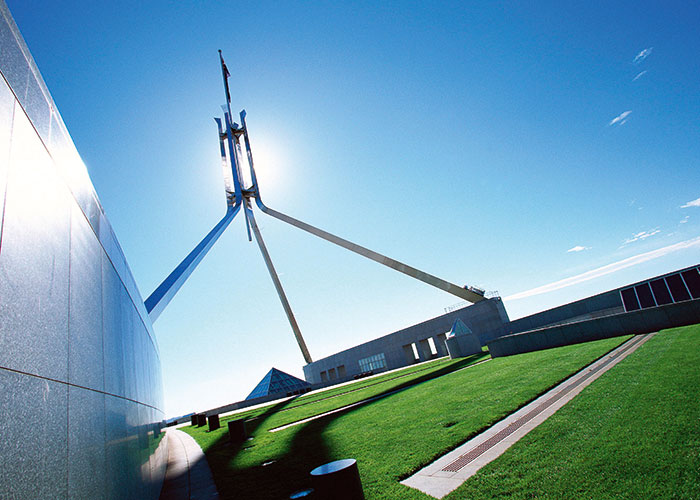
The objective of the audit was to assess the effectiveness of the Department of Parliamentary Services’ management of assets and contracts to support the operations of Parliament House.
Entity
Department of Parliamentary Services
Contact
Please direct enquiries relating to reports through our contact page.
Request for audit
Responded: Friday 20 July 2018
Response provided
The Auditor-General responded on 20 July 2018 to correspondence from the Hon. Catherine King MP dated 31 May 2018, requesting that the Auditor-General conduct an investigation to examine the circumstances surrounding the listing of afatinib (Giotrif®) on the Pharmaceutical Benefits Scheme (PBS).
Contact
Please direct enquiries relating to requests for audit through our contact page.
Insights: Audit lessons

Published: Monday 29 June 2020
Published
This edition of Audit Insights summarises key messages from Australian National Audit Office (ANAO) performance audits about the management of conflicts of interest by Australian Government entities in relation to procurement activity and grants programs.
Contact
Please direct enquiries about audit insights through our contact page.
Performance audit (Auditor-General Report No. 11 of 1999–2000)
Published: Tuesday 21 September 1999
Published
In November 1998, the Minister for Communications wrote to the Auditor-General requesting an assessment of the actual costs of Phase 1 digital conversion for the ABC and SBS, the sources of funds applied and the efficiency with which the funds had been used before the government considered further funding. The purpose of this limited scope performance audit was to assess a range of financial issues associated with the ABC and SBS conversion to digital broadcasting.
Entity
Australian Broadcasting Corporation; Special Broadcasting Service Corporation
Request for audit
Responded: Tuesday 5 January 2021
Response provided
The Auditor-General responded on 5 January 2021 to correspondence from Ms Kristy McBain MP dated 14 December 2020, requesting that the Auditor-General review the governance and outcomes of a 2019 tender process seeking leased office accommodation for the Department of Defence.
Contact
Please direct enquiries relating to requests for audit through our contact page.
Performance audit (Auditor-General Report No. 9 of 1999–2000)
Published: Wednesday 25 August 1999
Published
The audit reviewed management of the Commonwealth's role in preparing for, and managing, pest and disease emergencies requiring a rapid response. The audit focused on the role of the Department of Agriculture, Fisheries and Forestry -Australia (AFFA), which is the Commonwealth Department with primary portfolio responsibility for coordinating the national and international response to an emergency. The audit did not address preventative measures such as quarantine and border controls; controlled release of exotic diseases or pests; or emergencies associated with previously known endemic diseases, food safety or chemical residue issues.
Entity
Agriculture, Fisheries and Forestry - Australia
Performance audit (Auditor-General Report No. 27 of 1997–98)
Published: Thursday 18 December 1997
Published
The audit surveyed a wide range of Commonwealth agencies' Year 2000 preparedness, their management of the problem and their application of core corporate governance principles, including risk management disciplines. The scope of the audit reflected the wide ranging ramifications of the Year 2000 problem for agencies' overall functions (whole-of-business) internally as well as in terms of external interactions. The audit objectives were to:
- assess the adequacy of agencies' planning in relation to achieving Year 2000 compliance;
- review and assess agencies' implementation, management and monitoring of Year 2000 compliance strategies;
- review agencies' strategic risk assessments in relation to the Year 2000 changeover; and
- raise surveyed agencies' and other Commonwealth agencies' awareness of the various aspects of the Year 2000 problem.
Entity
Across Agency
Performance audit (Auditor-General Report No. 22 of 2008–09)
Published: Tuesday 17 February 2009
Published
The objective of the audit was to review the effectiveness and efficiency of Centrelink's customer feedback system and the progress Centrelink had made in implementing the recommendations of the 2004–05 audit and the subsequent JCPAA inquiry.
Entity
Centrelink
Request for audit
Responded: Monday 17 January 2022
Response provided
The Auditor-General responded on 17 January 2022 to correspondence from the Hon Tanya Plibersek MP dated 20 December 2021, requesting that the Auditor-General conduct an investigation to examine the Australian Government’s administration of Australian Research Council grants.
Contact
Please direct enquiries relating to requests for audit through our contact page.
Performance audit (Auditor-General Report No. 43 of 2009–10)
Published: Wednesday 16 June 2010
Published
The objective of this audit was to examine whether Army effectively administers the Army Individual Readiness Notice to support the achievement of its purpose.
Entity
Department of Defence
Request for audit
Responded: Tuesday 30 April 2019
Response provided
The Auditor-General responded on 30 April 2019 to correspondence from Ms Cathy McGowan AO, MP dated 8 April 2019, requesting that the Auditor-General conduct an investigation to examine the politicisation of taxpayer funded grant announcements (Community Sport Infrastructure grants program).
Contact
Please direct enquiries relating to requests through our contact page.
Assurance review (Auditor-General Report No. 17 of 2017–18)
Published: Tuesday 28 November 2017
Published
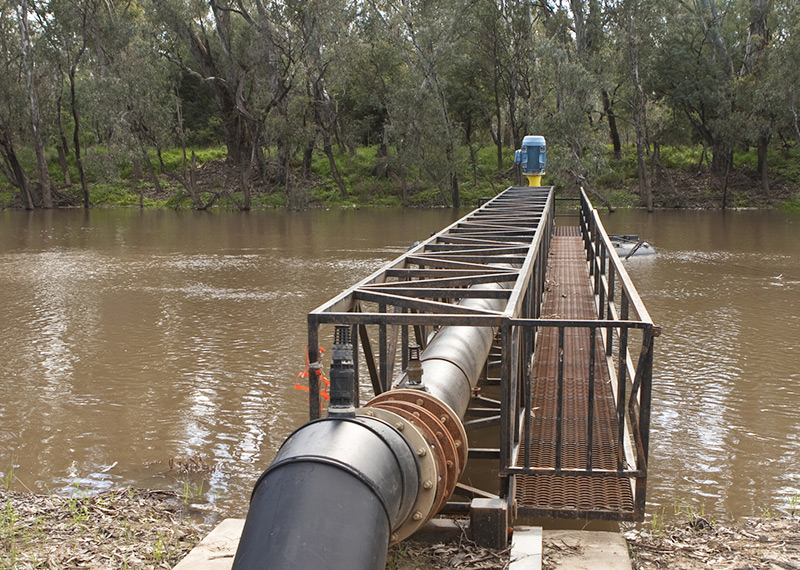
The Auditor-General undertook a limited assurance review of the Department of Agriculture and Water Resources’ assessment of the performance of New South Wales under the National Partnership Agreement on Implementing Water Reform in the Murray-Darling Basin relevant to the protection and use of environmental water for the 2014–15 and 2015–16 financial years.
Entity
Department of Agriculture and Water Resources
Contact
Please direct enquiries through our contact page.
Performance audit (Auditor-General Report No. 30 of 2011–12)
Published: Thursday 19 April 2012
Published
The objective of the audit was to assess the effectiveness of the AFP’s administration of the Fighting Terrorism at its Source (FTAS) initiative and related measures.
Entity
Australian Federal Police
Request for audit
Responded: Monday 27 February 2017
Response provided
The Auditor-General responded on 27 February 2017 to correspondence from Dr Jim Chalmers MP dated 29 December 2016, requesting that the Auditor-General conduct an audit of aspects of the lease arrangements for the rifle range at Malabar Headland in New South Wales (NSW).
Contact
Please direct enquiries relating to requests for audit through our contact page.
Performance audit (Auditor-General Report No. 10 of 2014–15)

Published: Tuesday 9 December 2014
Published
The objective of the audit was to assess the effectiveness of the Department of the Environment’s administration of the Biodiversity Fund program.
Entity
Department of the Environment
Contact
Please direct enquiries relating to reports through our contact page.
Performance audit (Auditor-General Report No. 41 of 1999–2000)
Published: Friday 28 April 2000
Published
The Commonwealth has significant involvement in national emergency management arrangements through its roles in planning, coordination between agencies, operational response, financial support, education and training, public awareness and research activities. The objectives of this performance audit were to identify the Commonwealth's current emergency management arrangements; to provide assurance to Parliament concerning the adequacy of the arrangements; and to highlight areas for improvement.
Entity
Across Agency
Assurance review (Auditor-General Report No. 62 of 2016–17)
Published: Friday 30 June 2017
Published
The Auditor-General undertook a limited assurance engagement of the Department of Finance’s management of the lease between the Commonwealth of Australia and the New South Wales Rifle Association over the Malabar Headland. The limited assurance engagement examined whether the management was, in all material respects, in accordance with the Commonwealth Property Management Framework.
Entity
Department of Finance; Department of the Environment and Energy
Contact
Please direct enquiries through our contact page.
Request for audit
Responded: Wednesday 25 September 2024
Response provided
The acting Auditor-General responded on 24 September 2024 to correspondence from Senator the Hon Richard Colbeck dated 27 August 2024, requesting that the Auditor-General conduct an investigation to examine the COVID-19 Vaccine Claims Scheme.
Contact
Please direct enquiries through our contact page.
Request for audit
Responded: Saturday 28 February 2026
Response provided
The Auditor-General responded on 28 February 2026 to correspondence from Senator Dean Smith dated 9 February 2026, requesting that the Auditor-General conduct an investigation to examine the Cheaper Home Batteries Program.
Contact
Please direct enquiries through our contact page.
Speeches and papers
Published: Thursday 22 May 2003
Published
Mr P.J. Barrett (AM) - Auditor-General for Australia, presented to the Queensland Commonwealth Regional Heads Forum 15th Annual Government Business Conference
Request for audit
Responded: Wednesday 14 August 2024
Response provided
The acting Auditor-General responded on 14 August 2024 to correspondence from Senator David Shoebridge dated 26 July 2024, requesting that the Auditor-General conduct an investigation to the use of public funds allocated towards the OneSchool Global schools.
Contact
Please direct enquiries through our contact page.
Performance audit (Auditor-General Report No. 32 of 1997–98)
Published: Tuesday 17 February 1998
Published
The objective of the audit was to assess the economy, efficiency and administrative effectiveness, including accountability, of the management of boat people by the Department and the providers of major related services to DIMA such as: the Coastwatch Service within the Australian Customs Service and the Australian Protective Service within the Attorney-General's portfolio. The audit examined key issues in the management of boat people largely from a risk management perspective. The audit conclusions are presented in terms of: the economy, efficiency and administrative effectiveness, including the accountability, of operations; and the administrative functions which support the management of boat people, such as detection, reception of boats and costs.
Entity
Department of Immigration and Multicultural Affairs; Australian Protective Service; Australian Customs Service
Corporate

Published: Thursday 28 March 2024
Published
The Australian National Audit Office Enterprise Agreement 2024–2027 was approved by the Fair Work Commission (FWC) on 22 March 2024 and operates from 29 March 2024. The agreement will nominally expire on 28 February 2027. The signatories page of this agreement is available on the FWC website.
Contact
Please direct enquiries through our contact page.
Request for audit
Responded: Friday 3 February 2023
Response provided
The Auditor-General responded on 3 February 2023 to correspondence from Senator Nick McKim dated 10 January 2023, requesting that the Auditor-General conduct an investigation into decisions by the Department of Home Affairs to engage Management & Training Corporation Pty. Ltd (MTC Australia) to run garrison and welfare services in Nauru for refugees and people who sought asylum in Australia.
Contact
Please direct enquiries relating to requests for audit through our contact page.
Request for audit
Responded: Thursday 27 June 2024
Response provided
The acting Auditor-General responded on 27 June 2024 to correspondence from Senator Andrew Bragg dated 5 June 2024, requesting that the Auditor-General conduct an investigation to examine the contract for legal services between King & Wood Mallesons and the Department of Industry, Science and Resources regarding PSI Quantum.
Contact
Please direct enquiries through our contact page.
Speeches and papers
Published: Monday 15 April 2013
Published
Mr Mr Ian McPhee - Auditor-General for Australia, presentation to the Global Working Group of Auditors-General
Speeches and papers
Published: Thursday 2 October 1997
Published
Mr P.J. Barrett (AM) - Auditor-General for Australia, presented at a Seminar on 'Financial Management and Electronic Government' Kuala Lumpur
Performance audit (Auditor-General Report No. 19 of 2013–14)
Published: Wednesday 12 February 2014
Published
The objective of the audit was to assess the effectiveness of the Australian Taxation Office’s (ATO’s) complaints and other feedback management systems in supporting service delivery.
Entity
Australian Taxation Office
Contact
Please direct enquiries relating to reports through our contact page.
Speeches and papers
Published: Friday 30 November 2001
Published
Mr P.J. Barrett (AM) - Auditor-General for Australia, presented to the Institute of Public Administration Australia
Performance audit (Auditor-General Report No. 51 of 2003–04)
Published: Friday 11 June 2004
Published
The objectives of this performance audit were to: - review the governance and accountability framework for the Scheme, and - assess the efficiency and effectiveness of Treasury's implementation and management of that framework.
Entity
Department of the Treasury
Performance audit (Auditor-General Report No. 45 of 1999–2000)
Published: Wednesday 31 May 2000
Published
The Commonwealth has significant foreign exchange risk exposures including $A8.4 billion of foreign currency transactions with the Reserve Bank of Australia in 1998-99. Under the Financial Management and Accountability Act and its associated Regulations, all agencies are required to assess and, where possible, manage, foreign exchange risk. The audit reviewed four agencies that have substantial foreign currency payment exposures namely:
- the Department of Defence;
- the Australian Agency for International Development;
- the Department of Foreign Affairs and Trade; and
- the Department of Finance and Administration.
The objective of the audit was to identify and assess the efficiency and cost effectiveness of the management of foreign exchange risk across the selected agencies, also to identify opportunities to improve the management of foreign exchange risk, including any associated potential financial savings that could accrue to the Commonwealth.
Entity
Department of Defence; Australian Agency for International Development; Department of Foreign Affairs and Trade; Department of Finance and Administration
Performance audit (Auditor-General Report No. 39 of 1997–98)
Published: Monday 6 April 1998
Published
The objective of the audit was to assess the performance of the Child Support Agency in the administration of key aspects of the Child Support Scheme. The ANAO previously audited the CSA in 1993-94 and identified scope for improvement in the management and administration of the Child Support Scheme. Particular areas of audit concern included client service, staff training and debt management. The current audit has reviewed the CSA's progress in improving Agency performance since that time. The audit focused initially on the areas identified in the previous audit, but also sought to identify further opportunities for improvement where appropriate.
Entity
Australian Taxation Office
Performance audit (Auditor-General Report No. 21 of 1996–97)
Published: Wednesday 11 December 1996
Published
The objective of the audit was to review the Department of Veterans' Affairs' management of the outsourcing of its data centre in Sydney from February 1992, specifically with respect to the management of its contractual arrangements. The audit sought to identify the extent to which DVA achieved its objectives of outsourcing and the effectiveness of its management of the arrangement with the supplier.
Entity
Department of Veterans' Affairs
Speeches and papers
Published: Monday 13 September 1999
Published
Mr P.J. Barrett (AM) - Auditor-General for Australia, presented at the Defence and Strategic Studies Course, Australian Defence College, Canberra
Speeches and papers
Published: Thursday 13 February 1997
Published
Mr P.J. Barrett (AM) - Auditor-General for Australia, presented to the Central Agency Broker Seminar - Towards a Best Practice Australian Public Service - Hobart
Performance audit (Auditor-General Report No. 30 of 1999–2000)
Published: Thursday 3 February 2000
Published
The examined the $1 billion Federation Fund program, which was established by the Government to mark the Centenary of Federation. The objectives of the examination were to assess the:
- extent to which the administration of the FCHP program complied with better practice in the assessment of applications, especially in relation to the transparency and rigour of the decision-making process;
- equity of the geographic spread of grants to States and electorates; and
- process for the announcement of the results of grant applications.
Entity
Across Agency
Speeches and papers
Published: Monday 7 October 2002
Published
Mr P.J. Barrett (AM) - Auditor-General for Australia, presented at the 18th Commonwealth Auditors-General Conference, Malaysia
Speeches and papers
Published: Wednesday 18 April 2001
Published
Mr P.J. Barrett (AM) - Auditor-General for Australia, presented at the MinterEllison Seminar Series
Speeches and papers
Published: Thursday 20 November 2003
Published
Mr P.J. Barrett (AM) - Auditor-General for Australia, presented at the CPA Australia National Public Sector Convention, Perth
Performance audit (Auditor-General Report No. 24 of 2004–05)
Published: Thursday 27 January 2005
Published
Medicare is Australia's universal health insurance scheme. Underpinning Medicare is one of Australia's largest and more complex computer databases the Medicare enrolment database. At the end of 2004 the Medicare enrolment database contained information on over 24 million individuals. This audit examines the quality of data stored on that database and how the Health Insurance Commission (HIC) manages the data.
Entity
Health Insurance Commission; Medicare Australia; Human Services
Performance audit (Auditor-General Report No. 35 of 2005–06)
Published: Tuesday 28 March 2006
Published
The objective of the audit was to assess the ATO's administration of activity statement HRRs. Specifically the audit sought to: examine aspects of ATO governance relevant to its administration of activity statement HRRs. This includes: ATO planning, the integration between Lines to administer HRRs; corporate risk management processes; and performance management; assess the ATO's methodology and practice to identify and, if necessary, correct activity statement HRRs; and identify and assess the Information Technology (IT) and manual systems, processes and controls used by the ATO to process HRRs resulting from the lodgement of activity statements.
Entity
Australian Taxation Office
Performance audit (Auditor-General Report No. 3 of 2003–04)
Published: Wednesday 27 August 2003
Published
The objectives of the audit were to evaluate the administrative systems and frameworks in Commonwealth organisations used in the management of risk and insurance. Specifically, the audit evaluated the adequacy and effectiveness of: the development and application of risk management and insurance frameworks and plans within organisations; organisations' records for the determination of risk treatments, including insurance cover; and procedures, and their application, for actively managing risk exposures and insurance experience.
Entity
Across Entities
Performance audit (Auditor-General Report No. 57 of 2002–03)
Published: Wednesday 25 June 2003
Published
The audit reviewed the Australian Taxation Office's administration of the payment of tax by non-residents. The audit objectives were to:
- provide Parliament with assurance about how efficiently and effectively the ATO administers the payment of tax in respect of non-residents;
- identify any scope for more effective and efficient administration of the function; and
- identify any opportunities for the cost-effective collection of additional revenue.
Entity
Australian Taxation Office
Performance audit (Auditor-General Report No. 14 of 2005–06)
Published: Wednesday 19 October 2005
Published
The audit assessed whether FaCS effectively undertakes its coordination, monitoring and other roles according to the CSTDA. The audit examined all disability services provided for under the CSTDA, except for disability employment services. The ANAO met relevant officers from FaCS' national office and State and Territory offices, and with 22 stakeholder organisations including: advocacy groups; peak national and State bodies representing the interests of disability service providers and people with disabilities; members of national and State Disability Advisory Bodies funded by FaCS; State and Territory governments; relevant Australian Government agencies; In particular, the Department of Health and Ageing and the Australian Institute of Health and Welfare. and local government bodies. Fieldwork for the audit was primarily undertaken during the period September 2004 to February 2005.
Entity
Department of Family and Community Services
Speeches and papers
Published: Wednesday 12 June 2002
Published
Mr P.J. Barrett (AM) - Auditor-General for Australia, presented at the Attorney-General's Luncheon
Performance audit (Auditor-General Report No. 7 of 2024–25)

Published: Wednesday 23 October 2024
Published
The objective of the audit was to assess the effectiveness of the Department of Health and Aged Care’s fraud control arrangements, with a specific focus on the Indigenous Australians’ Health Programme.
Entity
Department of Health and Aged Care
Contact
Please direct enquiries through our contact page.
Speeches and papers
Published: Wednesday 18 March 1998
Published
Mr P.J. Barrett (AM) - Auditor-General for Australia, presented at the Risk Management in the Public Sector Seminar
Speeches and papers
Published: Thursday 6 February 2003
Published
Mr P.J. Barrett (AM) - Auditor-General for Australia, presented to the Australasian Council of Auditors-General Conference, Melbourne
Performance audit (Auditor-General Report No. 53 of 2003–04)
Published: Thursday 17 June 2004
Published
The overall objective of the audit was to assess CrimTrac's progress in achieving the key deliverables it was established to provide, given that the agency had been in operation for some three years. The Australian Government provided $50 million for the implementation of CrimTrac, with an expectation that significant progress would be made within the first three years. The audit further examined whether CrimTrac had progressed the key deliverables efficiently and effectively, and whether the data either held by CrimTrac, or accessed through CrimTrac, for matching purposes is secure.
Entity
CrimTrac
Performance audit (Auditor-General Report No. 20 of 2002–03)
Published: Tuesday 10 December 2002
Published
The audit reviewed whether DEWR is efficiently and effectively managing the provision of entitlements to eligible former employees under the Employee Entitlements Support Scheme (EESS) and its replacement, the General Employee Entitlements and Redundancy Scheme (GEERS). The audit sought to determine whether DEWR had a mechanism to ensure that claims were properly assessed, taking into account the prevailing risks, whether performance information was adequate, whether relationships with claimants and insolvency practitioners were managed appropriately and whether a cost-effective recovery strategy was in place.
Entity
Department of Employment and Workplace Relations
Performance audit (Auditor-General Report No. 45 of 2004–05)
Published: Friday 27 May 2005
Published
The audit focuses on DMO's equipment acquisition and support, at the system program management level. The objective of the audit was to assess the adequacy of Defence's capital equipment project definition, approval, acquisition and logistics support management. The SPOs subject to audit are:Aerospace Systems Division's Tactical Fighter Systems Program Office (TFSPO), which is responsible for acquisition and logistics support management of the Air Force's F/A-18 and Hawk 127 fleets and associated equipment. TFSPO is located at Williamtown, NSW; Land Systems Division's Track Manoeuvre Systems Program Office (TMSPO), which is responsible for the acquisition and logistics support management of Army's Leopard Tanks and M113 Armed Personnel Carrier fleets. TMSPO is located in Melbourne;Electronic and Weapon Systems Division's Over-the-Horizon Radar Systems Program Office (OTHRSPO), which is responsible for acquisition and logistics support management of the Jindalee Operational Radar Network (JORN) and Jindalee OTHR systems. OTHRSPO is located within the Defence Science and Technology Organisation (DSTO) precinct at Edinburgh, South Australia; and Maritime Systems Division's Fast Frigate Guided System Program Office (FFGSPO), which is responsible for the support and upgrade of the Navy's FFG fleet. FFGSPO is located at Garden Island, Sydney.In view of the significant role that DMO's SPOs play in managing major capital equipment acquisition projects, the audit includes a case study of the $1.448 billion Fast Frigate Guided (FFG) Upgrade Project. A high level of audit assurance is not able to be provided on the FFG Upgrade Project given deficiencies in the FFGSPO information management systems and deficiencies in the level of design and development disclosure provided to SPO personnel by the FFG Upgrade Prime Contractor. The ANAO was unable to access appropriate audit evidence on the financial expenditure associated with the FFG Upgrade Project, and the Project's approved Equipment Acquisition Strategy.
Entity
Department of Defence
Performance audit (Auditor-General Report No. 45 of 2010–11)
Published: Tuesday 31 May 2011
Published
The objective of the audit was to assess the effectiveness of the Tax Office’s administration of the LCT, including aspects of the tax administered by Customs on behalf of the Tax Office.
Entity
Australian Taxation Office
Speeches and papers
Published: Thursday 11 January 2001
Published
Mr P.J. Barrett (AM) - Auditor-General for Australia, presented at the Global Working Group Meeting, Washington
Performance audit (Auditor-General Report No. 32 of 2010–11)
Published: Tuesday 1 March 2011
Published
The objective of the audit was to assess the administrative effectiveness of AGD's management of the Northern Territory Night Patrols Program.
Entity
Attorney-General's Department
Performance audit (Auditor-General Report No. 28 of 2014–15)

Published: Wednesday 15 April 2015
Published
The audit objective was to assess the effectiveness of the Department of Immigration and Border Protection in delivering high quality interpreting services to its clients.
Entity
Department of Immigration and Border Protection; Department of Social Services
Contact
Please direct enquiries relating to reports through our contact page.
Performance audit (Auditor-General Report No. 61 of 2001–02)
Published: Tuesday 25 June 2002
Published
This benchmarking study across 14 agencies examined how line managers plan for and manage their staff and how the human resource (HR) function supports them to do that. People management was categorised into nine, practice areas, to enable comparisons between the participating agencies. The study also assessed each people management practice area against four criteria: quality, HR integration, effectiveness & efficiency and business contribution.
Entity
Across Agency
Speeches and papers
Published: Saturday 6 April 2002
Published
Mr P.J. Barrett (AM) - Auditor-General for Australia, presented at a Laboratory for Politicians and Top Managers from Different Public Institutions in Europe
Speeches and papers
Published: Wednesday 26 July 2000
Published
Mr P.J. Barrett (AM) - Auditor-General for Australia, presented at the Australian Corporate Lawyers Association and the Australian Institute of Administrative Law Conference on Outsourcing
Performance audit (Auditor-General Report No. 46 of 2002–03)
Published: Friday 6 June 2003
Published
Australian Industry Involvement Program. Department of Defence The audit examined the management by Defence of its Australian Industry Involvement (AII) Program. AII is the major program through which Defence gives effect to government policy on Australian industry. The objective of the audit was to assess the extent to which the AII Program has achieved its two policy objectives, which are to :
- develop and sustain strategically important capabilities in Australian industry to support Australian Defence Force operations and Defence capability development; and
- maximise Australian industry involvement in Defence's procurement of goods and services, consistent with the government procurement policy objective of achieving best value for money to the Commonwealth.
Entity
Department of Defence
Performance audit (Auditor-General Report No. 31 of 2020–21)

Published: Thursday 18 March 2021
Published
The objective was to examine whether the award of funding under the Supporting Reliable Energy Infrastructure Program was informed by an appropriate assessment process and sound advice that complied with the Commonwealth Grant Rules and Guidelines.
Entity
Department of Industry, Science, Energy and Resources
Contact
Please direct enquiries through our contact page.
Performance audit (Auditor-General Report No. 40 of 1996–97)
Published: Thursday 26 June 1997
Published
The ANAO's audit aims were to: examine the efficiency and effectiveness of DFAT's human resource management; and identify good practice, which could position the Department, and other APS agencies, to maximise opportunities afforded by the Government's emerging public sector reform agenda. The audit addressed a range of issues including the effectiveness of HR planning and forecasting, staff selection and deployment, performance management, and the fostering of relevant skills and knowledge.
Entity
Department of Foreign Affairs and Trade
Speeches and papers
Published: Friday 5 November 2004
Published
Mr P.J. Barrett (AM) - Auditor-General for Australia, presented at the 2nd Taipai Corporate Governance Forum
Performance audit (Auditor-General Report No. 40 of 2002–03)
Published: Tuesday 22 April 2003
Published
The audit assessed DITR's and the ATO's administration of the R&D Tax Concession including review processes for registration and subsequent expenditure claims, by eligible companies. In particular, the audit focussed on measuring performance, risk management, and information systems including security and data integrity.
Entity
Australian Taxation Office; Department of Industry Tourism and Resources
Performance audit (Auditor-General Report No. 34 of 2017–18)

Published: Tuesday 17 April 2018
Published
The objective of the audit was to assess the effectiveness of Defence’s implementation of the First Principles Review.
Entity
Department of Defence
Contact
Please direct enquiries through our contact page.
Performance audit (Auditor-General Report No. 52 of 2011–12)
Published: Tuesday 26 June 2012
Published
The objective of this audit was to examine the effectiveness of DMO’s implementation of its Gate Review process for major Defence capital acquisition projects.
Entity
Department of Defence
Performance audit (Auditor-General Report No. 40 of 2008–09)
Published: Tuesday 2 June 2009
Published
The objective of the audit was to assess the effectiveness of DoHA's management of the planning and allocation of aged care places and capital grants, in accordance with the Aged Care Act 1997.
Entity
Department of Health and Ageing
Speeches and papers
Published: Monday 3 February 2003
Published
Mr P.J. Barrett (AM) - Auditor-General for Australia, presented to the Australasian Council of Public Accounts Committees (ACPAC)
Performance audit (Auditor-General Report No. 8 of 1998–99)
Published: Monday 28 September 1998
Published
The audit reviewed collection management practices and management information systems of the National Library of Australia, National Gallery of Australia, National Museum of Australia and the Australian War Memorial. The objective of the audit was to assess the efficiency and effectiveness of the management processes employed in safeguarding national collections.
Entity
National Library of Australia; National Gallery of Australia; National Museum of Australia; Australian War Memorial
Performance audit (Auditor-General Report No. 12 of 2006–07)
Published: Tuesday 28 November 2006
Published
The audit examined the effectiveness and efficiency of the FAO's management of overpayments, within the FTB Programme. In particular, the ANAO considered the FAO's activities in relation to FTB debt prevention, identification, raising and recovery. The audit also compared the FAO's policy documentation and guidance material for staff, against relevant sections of Family Assistance legislation.
Entity
NO-DEPTS-LISTED
Performance audit (Auditor-General Report No. 35 of 2002–03)
Published: Wednesday 26 March 2003
Published
The audit reviewed the Australian Customs Service (Customs) fraud control arrangements. The audit objective was to assess whether Customs has implemented appropriate fraud control arrangements consistent with the Commonwealth's Fraud Control Guidelines and the administrative effectiveness of these arrangements.
Entity
Australian Customs Service
Speeches and papers
Published: Wednesday 24 May 2000
Published
Mr P.J. Barrett (AM) - Auditor-General for Australia, presented at the Association of Risk and Insurance Managers of Australasia - South Australia Chapter
Performance audit (Auditor-General Report No. 37 of 2003–04)
Published: Tuesday 30 March 2004
Published
The Australian Customs Service (Customs) is responsible for managing the integrity of Australia's border. The Australian maritime border is the 200 nautical mile Exclusive Economic Zone (EEZ) around Australia's 37 000 kilometre coastline. The National Marine Unit (NMU) contributes to customs' Civil Maritime Surveillance and Response program. It has eight 35 - metre Bay Class vessels (known as Australian Customs Vessels or ACVs) that are capable of maintaining a strategic presence around the Australian coast. The audit examined the administrative effectiveness of the NMU's surveillance and response operations. Particular emphasis was given to the following areas:
- strategic and tactical taskings;
- crew operations;
- crew training;
- asset management; and
- governance arrangements.
Entity
Australian Customs Service
Performance audit (Auditor-General Report No. 32 of 2003–04)
Published: Tuesday 2 March 2004
Published
The audit reviewed the Defence Materiel Organisation's management of the $3.43 billion Wedgetail Airborne Early Warning and Control (AEW&C) project. The Wedgetail project is to provide the Australian Defence Force with an AEW&C capability based on four Boeing 737 AEW&C aircraft and associated supplies and logistic support. At the time of the audit the AEW&C systems were still in their early development phase, and by November 2003, Defence had spent $1.107 billion on the project.
Entity
Department of Defence
Performance audit (Auditor-General Report No. 33 of 2000–01)
Published: Monday 7 May 2001
Published
The objective of the ANAO audit was to identify possible areas for improvement in the Australian Defence Force's management of its Reserve forces. The audit focused on major aspects of the Reserves including roles and tasks, force structure, capability, training, individual readiness, equipment, facilities, recruitment, retention, conditions of service and administration. The audit covered the Australian Naval Reserve, the Australian Army Reserve and the Royal Australian Air Force Reserve. However, due to its size and cost, the Army Reserve was a major focus of the audit activity.
Entity
Department of Defence
Performance audit (Auditor-General Report No. 2 of 2004–05)
Published: Thursday 15 July 2004
Published
This audit examined DIMIA's administration of onshore compliance under rhe Migration Act 1958 (Cth) as amended (the Act). In particular, it focused on whether DIMIA had implemented appropriate onshore compliance strategies in regard to people who enter Australia lawfully but whose presence becomes unlawful through: - the expiry of their visa; or - a breach of visa conditions and cancellation of their visa.
Entity
Department of Immigration and Multicultural and Indigenous Affairs
Performance audit (Auditor-General Report No. 16 of 2000–01)
Published: Wednesday 29 November 2000
Published
The objective of this audit was to assess the administration of internal fraud control arrangements in the ATO and to identify areas with potential for improvement as well as identified better practice. To achieve this objective the ANAO focussed on five key areas. These were:
- the application of the ATO's corporate governance processes to the internal fraud control activities;
- the prevention of internal fraud within the ATO;
- the related use of information technology to minimise fraud risks;
- the detection of internal fraud within the ATO; and
- ATO fraud investigation procedures and practices.
Entity
Australian Taxation Office
Speeches and papers
Published: Wednesday 8 November 1995
Published
Mr P.J. Barrett (AM) - Auditor-General for Australia, presented at a Seminar for ANAO staff on Working with Parliamentary Committees. Parliamentary Education Office. The Commonwealth Parliament. Canberra
Performance audit (Auditor-General Report No. 50 of 2001–02)
Published: Thursday 16 May 2002
Published
The Shadow Minister for Health and Ageing, Mr Stephen Smith, wrote to the Auditor-General on 11 March 2002 formally requesting an investigation into certain matters in relation to the 'Co-Location of National General Practice Organisations', a message detailed in the Health Portfolio Additional Estimates Statements 2001-02. The Federal President of the Australian Medical Association (AMA) Limited wrote to the Auditor-General on 11 March 2002, requesting a comprehensive audit of funding decisions by the Minister for Health and Ageing. The Australian National Audit Office has undertaken a preliminary examination of relevant papers relating to the 'GP House' matter. The preliminary examination focussed on whether or not due process was followed in making the decision to transfer funds between Outcomes. The preliminary examination also considered the procedures adopted by the Department of Health and Aged Care in developing the funding proposal, the advisory role played by the Department of Finance and Administration and specific advice provided by both departments to their Ministers. The examination further considered the disclosure of the related budget measure.
Entity
Department of Finance and Administration; Department of Health and Aged Care
Speeches and papers
Published: Tuesday 23 August 2011
Published
Mr Ian McPhee, PSM - Auditor?General for Australia, Speaking Notes for the IPAA (ACT) Forum, Canberra
Speeches and papers
Published: Thursday 25 May 2000
Published
Mr P.J. Barrett (AM) - Auditor-General for Australia, presented at the Government in Excellence Summit 2000 - Reinventing Government - A Manifesto for Achieving Excellence and Managing for Results; Singapore
Performance audit (Auditor-General Report No. 49 of 2010–11)
Published: Tuesday 21 June 2011
Published
The objective of the audit was to assess the effectiveness of the ATO’s administration of the Fuel Tax Credits Scheme. Particular emphasis was given to the Fuel Scheme’s governance and reporting arrangements, risk management strategies and compliance management program.
Entity
Australian Taxation Office
Performance audit (Auditor-General Report No. 7 of 2005–06)
Published: Thursday 25 August 2005
Published
The audit focussed on the systems and processes OGTR has established for both receiving and assessing applications under the Act, and also for ensuring compliance with the statutory requirements through monitoring and inspection. The audit objective was to form an opinion on the discharge by OGTR of selected functions entrusted to it under the Act. The audit assessed the practices of OGTR against the following principal criteria: Assessment of applications under the Act: Whether OGTR has established systems and procedures for the management and assessment of applications under the Act. Ensuring compliance—monitoring, inspection and enforcement activities: Whether OGTR has established systems and procedures for ensuring compliance with the requirements of the Act. Performance management: Whether OGTR manages selected aspects of its work efficiently and effectively. The audit did not seek to form an opinion on the appropriateness of the chosen structure of the regime for regulating gene technology or the merit of the scientific judgments involved. The audit methodology included discussions with representatives from agencies that co-ordinate aspects of the co-operative regulatory regime for gene technology across Australian jurisdictions, with various other stakeholders and users of the regime, as well as with officers of OGTR, along with examination of OGTR documents and files.
Entity
Department of Health and Ageing
Performance audit (Auditor-General Report No. 27 of 2000–01)
Published: Friday 22 December 2000
Published
The audit was undertaken in the Training and Youth Division TYD) of the Department of Education, Training and Youth Affairs. The objective of the audit was to determine whether the application of Business Processing Reengineering(BPR) principles would identify improvements to the business processes of the TYD. The TYD was used in this audit to illustrate the application of BPR as a tool for agencies to identify efficiencies and enhance program effectiveness.
Entity
Department of Education, Training and Youth Affairs
Corporate

Published: Wednesday 19 July 2017
Published
The ANAO 2017–18 Corporate Plan is the ANAO's key strategic planning document. It guides our operating environment and sets out how we will deliver on our purpose. The corporate plan is complemented by the annual audit work program which reflects the ANAO's strategy and deliverables for the coming year.
Contact
Please direct enquiries about our corporate plan through our contact page.
Corporate
Updated: Tuesday 13 August 2024
Updated
The objective of the Risk Framework and associated programs of risk management activities is to support effective risk management across all ANAO operations.
The 2025–27 version of this publication is available here.
Contact
Any queries about risk management in the ANAO should be directed to the Senior Executive Director, Corporate Management Group through our contact page.
Performance audit (Auditor-General Report No. 26 of 1999–2000)
Published: Friday 14 January 2000
Published
In a military context, individual readiness refers to the ability of an individual member to be deployed, within a specified notice period, on operations, potentially in a combat environment, to perform the specific skills in which he or she has been trained. Individual readiness is the foundation on which military preparedness is built. Maintenance of a specified level of individual readiness in peacetime (along with other factors such as equipment readiness and collective training) influences the speed with which personnel can deploy on operations. The objective of this audit is to ensure that members can be deployed on operations, potentially in a combat environment, to perform their specific skills within a notice period of 30 days.
Entity
Department of Defence
Performance audit (Auditor-General Report No. 48 of 2004–05)
Published: Thursday 2 June 2005
Published
The objective of the audit was to assess the administrative effectiveness of DEST's support for the Australian education and training export industry, including its regulatory and associated roles, and how it monitors and reports on its performance in undertaking these roles.
Entity
Department of Education Science and Training
Performance audit (Auditor-General Report No. 5 of 1998–99)
Published: Monday 24 August 1998
Published
The objectives of the audit were to provide assurance to Parliament concerning the adequacy of Commonwealth security planning and preparations for the Games and to identify areas for improvement early enough for any corrective action to be taken.
Entity
Across Agency
Speeches and papers
Published: Tuesday 5 February 2002
Published
Mr P.J. Barrett (AM) - Auditor-General for Australia, Closing Address for the Institute of Chartered Accountants
Performance audit (Auditor-General Report No. 40 of 1999–2000)
Published: Wednesday 26 April 2000
Published
Tactical fighter operations (TFOs) form the basis of Australia's current military capability to ensure air superiority. Air superiority over the Australian territory and maritime approaches is an essential element in Australia's defence strategy. The audit objectives were to:
- assess whether the resources used to provide the F/A-18 tactical fighter force operational capability are managed cost-effectively; and
- identify areas for improvement in the coordination, planning and practices employed in administration of tactical fighter operations.
Entity
Department of Defence
Performance audit (Auditor-General Report No. 15 of 2008–09)
Published: Thursday 18 December 2008
Published
The objective of the audit was to assess the effectiveness of AIMS administration of its co investment research program.
Entity
Australian Institute of Marine Science
Performance audit (Auditor-General Report No. 33 of 2010–11)
Published: Wednesday 23 March 2011
Published
The objective of the audit was to assess the effectiveness of Australian Government agencies' management and implementation of measures to protect and secure their electronic information, in accordance with Australian Government protective security requirements.
Entity
Across agencies
Performance audit (Auditor-General Report No. 46 of 1998–99)
Published: Thursday 10 June 1999
Published
Members of the Australian Defence Force (ADF) have informal and formal complaint mechanisms available to them to address grievances. Initially, members are advised to seek resolution of their complaint at the lowest possible level, through the normal command channels and administrative arrangements. A member who is not satisfied that a complaint has been resolved in this manner may use the Redress of Grievance (ROG) system to submit a formal complaint to the commanding officer of the member's unit. The objective of this audit was to ascertain whether the ROG system could be refined to improve the efficiency and timeliness of processing of complaints while preserving the equity and transparency the current system provides.The Redress of Grievance system is clearly time-consuming and resource intensive. Some grievances have taken as long as four years to resolve. Some could be resolved by administrative means rather than through recourse to grievance processes. The system contains various inefficiencies that detract from its cost-effectiveness from the viewpoint of the ADF and individual members. In addition many members are unaware of the system or do not have a high level of confidence in its effectiveness.
Entity
Department of Defence
Performance audit (Auditor-General Report No. 28 of 1998–99)
Published: Monday 21 December 1998
Published
The sale raised gross proceeds of $95.4 million, which was at the upper end of the Business Advisor's estimate for the mid-1997 sale. In addition, it should be noted that the principal financial effect for the Commonwealth was not in the proceeds of the sale but in the termination of ongoing revenue supplements and financial losses. The Commonwealth's direct costs of selling the businesses are estimated to be $9.3 million, or 9.7% of gross proceeds. In addition, the Australian National's financial liabilities totalling $1393 million have been or are being repaid or assumed by the Commonwealth.
Entity
Across Agency
Performance audit (Auditor-General Report No. 18 of 1997–98)
Published: Thursday 4 December 1997
Published
The objective of the audit was to determine the extent to which the new Commonwealth services delivery arrangements were implemented efficiently and effectively. The audit focussed on the establishment of Centrelink to deliver services on behalf of purchaser departments and the development of associated purchaser/provider arrangements.
Entity
Centrelink
Performance audit (Auditor-General Report No. 41 of 2000–01)
Published: Tuesday 29 May 2001
Published
Causes and Consequences of Personnel Postings in the Australian Defence Force The audit arose from a Defence Efficiency Review (1997) recommendation that Defence could make savings on the large volume of postings it made every year. The audit examined the posting process and sought to provide assurance that Defence had identified and examined salient postings issues and was addressing them effectively.
Entity
Department of Defence
Performance audit (Auditor-General Report No. 37 of 2013–14)
Published: Wednesday 11 June 2014
Published
The audit objective was to assess the Department of Employment’s management of the effectiveness and quality of employment services delivered by Job Services Australia providers.
Entity
Department of Employment
Contact
Please direct enquiries relating to reports through our contact page.
Performance audit (Auditor-General Report No. 45 of 2000–01)
Published: Tuesday 5 June 2001
Published
The audit reviewed the fraud control arrangements in the Department of Family and Community Services (FaCS), a policy formulation, and advising body and major purchaser of social welfare services from Centrelink. The objective was to assess whether FaCS had:
- implemented appropriate fraud control arrangements in line with the Fraud Control Policy of the Commonwealth and that these arrangements operated effectively in practice; and
- fulfilled its responsibilities as a purchaser of services in relation to fraud control.
This audit is one in a series of fraud control audit and is complemented by a similar audit of Centrelink, a major provider of services on behalf of FaCS.
Entity
Department of Family and Community Services
Performance audit (Auditor-General Report No. 47 of 2003–04)
Published: Tuesday 25 May 2004
Published
In the current audit, the objectives were to provide assurance to the Parliament on the adequacy of the measures and plans instituted by Defence to ensure that the combat aircrew workforce meets military preparedness requirements in the future, and to identify possible areas for improvement.
Entity
Department of Defence
Performance audit (Auditor-General Report No. 20 of 1999–2000)
Published: Monday 22 November 1999
Published
Special Benefit is a social security income support payment for people who are unable to support themselves or their dependents, and who are not otherwise entitled to any other income support payment. Its objective is to ensure that such people have adequate levels of income. The objective of the audit was to assess the extent to which new claims for Special Benefit had been determined in compliance with the Social Security Act, the Guide to the Act and other relevant guidelines, and whether Centrelink and FaCS had appropriate procedures to help ensure such compliance.
Entity
Centrelink; Department of Family and Community Services
Performance audit (Auditor-General Report No. 11 of 2012–13)
Published: Tuesday 27 November 2012
Published
The objective of this audit was to assess the efficiency and effectiveness of the establishment, implementation and administration of the quarantined heritage component of the Local Jobs stream of the Jobs Fund. A particular focus was on the establishment of program objectives and the extent to which approved grants have demonstrably contributed to the cost-effective achievement of those objectives. The audit approach has been influenced by recent audits of grants administration which have emphasised the importance of transparent and accountable grant decision-making processes to the cost effective achievement of stated program objectives, and having regard for recent government decisions to enhance the framework applying to the administration of grants.
Entity
Department of Sustainability, Environment, Water, Population and Communities
Speeches and papers
Published: Thursday 18 March 2004
Published
Mr P.J. Barrett (AM) - Auditor-General for Australia, presented to the National Institute of Governance, University of Canberra
Performance audit (Auditor-General Report No. 25 of 2006–07)
Published: Thursday 8 February 2007
Published
The objective of this follow-up audit was to assess the extent to which DOTARS had implemented the nine recommendations contained in the original audit.
Entity
NO-DEPTS-LISTED
Speeches and papers
Published: Thursday 31 July 2014
Published
Mr Mr Ian McPhee - Auditor-General for Australia, participated in a panel discussion at the Australian Government Leadership Network Annual Conference (Queensland)
Performance audit (Auditor-General Report No. 7 of 1998–99)
Published: Monday 7 September 1998
Published
The objective of the audit was to determine the extent to which the new employment services market had been implemented effectively and efficiently in accordance with announced Government policy and timeframe.
Entity
Department of Education, Training and Youth Affairs
Performance audit (Auditor-General Report No. 17 of 2004–05)
Published: Wednesday 15 December 2004
Published
The objective of the Australian National Audit Office (ANAO) was to examine and report on the planning and corporate governance for the new regional delivery model of the National Action Plan for Salinity and Water Quality (NAP) program, jointly administered by the Department of Agriculture, Fisheries and Forestry and the Department of the Environment and Heritage (the Agencies)
Entity
Department of Agriculture Fisheries and Forestry; Department of the Environment and Heritage
Performance audit (Auditor-General Report No. 55 of 2002–03)
Published: Tuesday 24 June 2003
Published
The audit reviewed the Australian Taxation Office's fraud prevention and contol arrangements in relation to the Goods and Services Tax. The audit objective was to assess whether the ATO has implemented administratively effective GST fraud control arrangements, consistent with the Commonwealth Fraud Control Guidelines.
Entity
Australian Taxation Office
Speeches and papers
Published: Monday 7 July 2008
Published
Mr Ian McPhee - Auditor-General for Australia, presented at the 20th Commonwealth Auditors-General Conference
Performance audit (Auditor-General Report No. 35 of 1999–2000)
Published: Monday 3 April 2000
Published
The audit reviewed the retention of military personnel that are managed by the Australian Defence Force which comprises the three Services. The objective of the audit was to review the management of personnel retention within the ADF with a view to evaluating the measures Defence has in place to monitor and control the flow of trained personnel from the Services
Entity
Department of Defence
Performance audit (Auditor-General Report No. 2 of 2002–03)
Published: Wednesday 24 July 2002
Published
The audit examined the Aboriginal and Torres Strait Islander Commission's (ATSIC's) grant management practices. The audit sought to determine if ATSIC provides fair and equal access to funding, what the risks to the grants program are, if decision-makers receive the key information they need to make informed funding decisions, and if ATSIC staff complying with grants procedures. The ANAO did not examine the appropriateness of the funding decisions made by regional councils.
Entity
Aboriginal and Torres Strait Islander Commission
Speeches and papers
Published: Wednesday 26 June 2002
Published
Mr P.J. Barrett (AM) - Auditor-General for Australia, presented at the International Quality & Productivity Centre Seminar
Performance audit (Auditor-General Report No. 19 of 1999–2000)
Published: Monday 22 November 1999
Published
The audit reviewed the operations of the Civil Aviation Authority (CASA), which has prime responsibility for regulating aviation safety in Australia. The audit objectives were to assess the efficiency and effectiveness of the management systems and procedures used by CASA to ensure compliance with regulatory controls by Air Operator's Certificate holders operating passenger-carrying aircraft within High Capacity Regular Public Transport; Low Capacity Regular Public Transport and charter industry sectors; and Certificate of Approval holders. Aviation safety compliance includes entry control, surveillance and enforcement.
Entity
Civil Aviation Safety Authority