Browse our range of reports and publications including performance and financial statement audit reports, assurance review reports, information reports and annual reports.
Performance audit (Auditor-General Report No. 48 of 1997–98)
Published: Monday 22 June 1998
Published
The objective of the audit was to assess the efficiency, effectiveness and accountability of data management by government agencies. The audit focused mainly on data collected by departments and agencies from non-departmental organisations and institutions.
Entity
Across Agency
Performance audit (Auditor-General Report No. 7 of 2024–25)

Published: Wednesday 23 October 2024
Published
The objective of the audit was to assess the effectiveness of the Department of Health and Aged Care’s fraud control arrangements, with a specific focus on the Indigenous Australians’ Health Programme.
Entity
Department of Health and Aged Care
Contact
Please direct enquiries through our contact page.
Performance audit (Auditor-General Report No. 24 of 2024–25)

Published: Monday 17 February 2025
Published
The objective of this audit was to assess the efficiency and effectiveness of Australian Human Rights Commission’s handling of complaints.
Entity
Australian Human Rights Commission
Contact
Please direct enquiries through our contact page.
Performance audit (Auditor-General Report No. 20 of 2021–22)

Published: Thursday 24 March 2022
Published
The audit objective was to assess the effectiveness of the management of human biosecurity for international air travellers during the COVID-19 pandemic.
Entity
Across Entities
Contact
Please direct enquiries through our contact page.
Performance audit (Auditor-General Report No. 47 of 2020–21)

Published: Monday 28 June 2021
Published
The objective of this audit was to assess the effectiveness of the administration of the commuter car park projects within the Urban Congestion Fund.
Entity
Department of Infrastructure, Transport, Regional Development and Communications
Contact
Please direct enquiries through our contact page.
Performance audit (Auditor-General Report No. 15 of 2019–20)

Published: Thursday 28 November 2019
Published
The objective of this audit was to assess the effectiveness of NBN Co’s service continuity operations relating to the migration of telecommunication services to the National Broadband Network (NBN).
Entity
NBN Co Limited
Contact
Please direct enquiries through our contact page.
Performance audit (Auditor-General Report No. 46 of 2014–15)

Published: Tuesday 9 June 2015
Published
The audit objective was to examine the effectiveness of the Department of Human Services’ administration of the Australian Childhood Immunisation Register.
Entity
Department of Human Services
Contact
Please direct enquiries relating to reports through our contact page.
Performance audit (Auditor-General Report No. 51 of 2016–17)

Published: Monday 22 May 2017
Published
The audit Administration of ABSTUDY and the audit Administration of Youth Allowance have been combined to table as one report titled Administration of ABSTUDY and Administration of Youth Allowance.
The objective of both audits was to assess the efficiency and effectiveness of the Department of Social Services’ and the Department of Human Services’ program administration.
Entity
Department of Social Services; Department of Human Services
Contact
Please direct enquiries relating to reports through our contact page.
Performance audit (Auditor-General Report No. 11 of 2021–22)

Published: Monday 29 November 2021
Published
The audit objective was to assess the effectiveness of the Australian National University’s governance and control framework.
Entity
Australian National University
Contact
Please direct enquiries through our contact page.
Performance audit (Auditor-General Report No. 48 of 2011–12)
Published: Friday 22 June 2012
Published
The objective of the audit was to examine the effectiveness of DVA's administration of mental health programs and services to support younger veterans.
Entity
Department of Veterans' Affairs
Performance audit (Auditor-General Report No. 31 of 2009–10)
Published: Thursday 22 April 2010
Published
The audit scope covered the management of the AusLink R2R Standard Program and the AusLink R2R Supplementary Program. The scope did not include management of the Nation Building Roads to Recovery Program, which has only recently commenced. The audit objectives were to:
- assess the effectiveness of the management of the AusLink Roads to Recovery Program;
- assess the delivery of the program and management of the funding, including the extent to which the program has provided additional (rather than substitute) funding for land transport infrastructure; and
- identify opportunities for improvements to the management of the program.
Entity
Department of Infrastructure, Transport, Regional Development and Local Government
Annual report
Published: Thursday 16 October 2008
Published
This annual report documents the performance of the Australian National Audit Office (ANAO) in the financial year ending on 30 June 2008. It includes highlights and areas of focus for the coming year; a forward by the Auditor-General; an overview of the report; a report on performance; details about management and accountability, and the financial statement for the year.
Annual report
Published: Wednesday 19 September 2007
Published
This annual report documents the performance of the Australian National Audit Office (ANAO) in the financial year ending on 30 June 2007. It includes highlights and areas of focus for the coming year; a forward by the Auditor-General; an overview of the report; a report on performance; details about management and accountability, and the financial statement for the year.
Performance audit (Auditor-General Report No. 1 of 2006–07)
Published: Wednesday 30 August 2006
Published
The objective of the audit was to assess the effectiveness of AGD's administration of grants provided under the Respondents Scheme. The audit considered the context within which the Respondents Scheme operates and focused on assessing the administration of the scheme including its financial management within AGD.
Entity
Attorney General's Department
Performance audit (Auditor-General Report No. 18 of 2004–05)
Published: Thursday 16 December 2004
Published
The Therapeutic Goods Administration (TGA), a division of the Commonwealth Department of Health and Ageing, is responsible for the regulation of the manufacture and supply of therapeutic goods. The objective of the audit was to assess the TGA's regulation of non-prescription medicinal products. In particular, it reviewed the TGA's systems, procedures and resource management processes used to approve new manufacturers, monitor ongoing manufacturer and product compliance with mandated requirements, and manage non-compliance. The audit made 26 recommendations designed to improve the transparency, quality and reliability of regulatory decisions taken by the TGA and improve its accountability mechanisms by enhancing its management information systems.
Entity
Department of Health and Ageing
Performance audit (Auditor-General Report No. 54 of 2001–02)
Published: Thursday 6 June 2002
Published
The objective of the audit was to assess the administrative effectiveness of Australian Customs Services (Customs) drug detection strategies for air and containerised sea cargo and small craft activity. Within the scope of the audit, the following areas were examined :
- intelligence and law enforcement cooperation;
- air and containerised sea cargo;
- cargo examinations and technology;
- small craft activities;
- Customs funding arrangements (including funding for NIDS initiatives): and
- governance, including performance reporting.
Entity
Australian Customs Service
Financial statement audit (Auditor-General Report No. 16 of 2014–15)

Published: Thursday 18 December 2014
Published
This report complements the interim phase report published in June 2014 (Audit Report No.44 2013–14), and provides a summary of the final audit results of the audits of the financial statements of 251 Australian Government entities, including the Consolidated Financial Statements for the Australian Government.
Entity
Across Entities
Contact
Please direct enquiries relating to reports through our contact page.
Performance audit (Auditor-General Report No. 6 of 2013–14)
Published: Wednesday 30 October 2013
Published
The objective of the audit was to examine the effectiveness of Defence’s implementation of reforms to capability development since the introduction of the two-pass process for government approval of capability projects and government’s acceptance of the reforms recommended by the Mortimer Review. The scope of this audit included the requirements phase and, to a limited extent, the acquisition phase of major capability development projects, focusing upon changes flowing from the major reforms.
Entity
Department of Defence
Contact
Please direct enquiries relating to reports through our contact page.
Performance audit (Auditor-General Report No. 50 of 2024–25)

Published: Friday 27 June 2025
Published
The audit objective was to examine the effectiveness of Defence’s sustainment arrangements for Navy’s Canberra class fleet of amphibious assault ships (or LHDs).
Entity
Department of Defence
Contact
Please direct enquiries through our contact page.
Performance audit (Auditor-General Report No. 11 of 2013–14)
Published: Thursday 12 December 2013
Published
The objective of the audit was to assess the effectiveness of the delivery of the first and second funding rounds of the Filling the Research Gap program by the Department of Agriculture.
Entity
Department of Agriculture
Contact
Please direct enquiries relating to reports through our contact page.
Performance audit (Auditor-General Report No. 45 of 2011–12)
Published: Wednesday 20 June 2012
Published
The audit objective was to assess the effectiveness of DoHA’s administration in supporting the creation and development of health infrastructure from the HHF, including DoHA’s support for the Health Minister and the HHF Advisory Board.
Entity
Department of Health and Ageing
Performance audit (Auditor-General Report No. 46 of 2010–11)
Published: Tuesday 31 May 2011
Published
The objective of the audit was to assess the effectiveness of DIAC’s management of the student visa program. Three key areas were examined in the audit: the processing of student visa applications; ensuring compliance with student visa conditions; and cooperation between DIAC and DEEWR.
Entity
Department of Immigration and Citizenship
Performance audit (Auditor-General Report No. 11 of 2010–11)
Published: Thursday 30 September 2010
Published
The objective of the audit was to assess how well agencies had implemented the CPGs and relevant FMA legislation when undertaking Direct Source procurement.
The audit examined whether selected agencies had developed a sound procurement framework; appropriately classified procurement methods when meeting external reporting requirements; implemented the CPGs and relevant legislation when Direct Sourcing; and established effective procurement monitoring and review arrangements.
The ANAO selected four FMA Act agencies to provide a cross-section of the 104 agencies that reported procurement activity in AusTender in
2008–09. The agencies selected for audit were:
- the Department of Families, Housing, Community Services and Indigenous Affairs (FaHCSIA);
- the Department of Innovation, Industry, Science and Research (Innovation);
- the Department of Veterans' Affairs (DVA); and
- the Australian Crime Commission (ACC).
The ANAO examined a stratified random sample of 645 procurements valued at $10 000 and over, across the four agencies. More detailed testing was undertaken for the 285 Direct Source procurements in the sample.
Entity
Across Agencies
Performance audit (Auditor-General Report No. 44 of 2006–07)
Published: Thursday 14 June 2007
Published
The objective of the audit was to assess the effectiveness of the Tribunals' management of their operations. To this end, the audit examined whether the MRT and the RRT:
- have achieved intended operational efficiencies from the introduction of common facilities, services and resourcing;
- have established appropriate arrangements for governance, business planning and guidance of Members and staff, and for performance monitoring and reporting of Tribunal operations;
- finalise cases within Tribunal time and productivity standards; and
- provide applicants with services in accordance with service standards.
The audit covered Tribunal operations for review of visa decisions. The correctness of individual decisions was not assessed as part of the audit.
The audit focused particularly on developments in the Tribunals' management performance in the four year period from 2001–02 to 2004–05.
Entity
Migration Review Tribunal; Refugee Review Tribunal
Performance audit (Auditor-General Report No. 37 of 2006–07)
Published: Thursday 17 May 2007
Published
The audit objective was to assess the effectiveness of DIAC's administration of the health requirement of the Migration Act 1958 (the Act). To achieve this objective, the ANAO examined whether DIAC was setting and implementing the health requirement in accordance with the Act, the Migration Regulations 1994 (the Regulations), and DIAC's own guidelines.
Entity
Department of Health and Ageing
Performance audit (Auditor-General Report No. 22 of 2005–06)
Published: Thursday 22 December 2005
Published
The objective of the audit was to assess and report on the progress being made by agencies subject to the Financial Management & Accountability Act 1997 and entities subject to the Commonwealth Authorities & Companies Act 1997: in realising value for money from the procurement process, with a specific focus on buildings, services and products using whole of life cycle assessments; and in the consideration and management of environmental impacts in specifications and contracts. The emphasis of the audit was on green office procurement and sustainable business practices and the value for money within this context. As such, the audit report provides a status report on the implementation of ESD within the office environment of the Australian Government. The audit used a survey approach in conjunction with selected audit investigations to obtain information across 71 agencies and entities selected on the basis of materiality in procurement and coverage across large, medium and small organisations. The agencies selected represented approximately 35 per cent of all government bodies and over 95 per cent of all procurement spending noted on the Department of Finance and Administration (Finance) database on contracts.
Entity
across agency
Performance audit (Auditor-General Report No. 7 of 2005–06)
Published: Thursday 25 August 2005
Published
The audit focussed on the systems and processes OGTR has established for both receiving and assessing applications under the Act, and also for ensuring compliance with the statutory requirements through monitoring and inspection. The audit objective was to form an opinion on the discharge by OGTR of selected functions entrusted to it under the Act. The audit assessed the practices of OGTR against the following principal criteria: Assessment of applications under the Act: Whether OGTR has established systems and procedures for the management and assessment of applications under the Act. Ensuring compliance—monitoring, inspection and enforcement activities: Whether OGTR has established systems and procedures for ensuring compliance with the requirements of the Act. Performance management: Whether OGTR manages selected aspects of its work efficiently and effectively. The audit did not seek to form an opinion on the appropriateness of the chosen structure of the regime for regulating gene technology or the merit of the scientific judgments involved. The audit methodology included discussions with representatives from agencies that co-ordinate aspects of the co-operative regulatory regime for gene technology across Australian jurisdictions, with various other stakeholders and users of the regime, as well as with officers of OGTR, along with examination of OGTR documents and files.
Entity
Department of Health and Ageing
Performance audit (Auditor-General Report No. 39 of 2012–13)
Published: Tuesday 28 May 2013
Published
The audit objective was to assess the effectiveness of AusAID’s management of infrastructure aid to Indonesia, with a particular focus on the Eastern Indonesia National Roads Improvement Project and the Indonesia Infrastructure Initiative.
Entity
Australian Agency for International Development (AusAID)
Contact
Please direct enquiries relating to reports through our contact page.
Performance audit (Auditor-General Report No. 7 of 2023–24)

Published: Monday 27 November 2023
Published
The objective of the audit was to assess the effectiveness of the establishment of the Workforce Australia Services panel.
Entity
Department of Employment and Workplace Relations
Contact
Please direct enquiries through our contact page.
Performance audit (Auditor-General Report No. 9 of 2014–15)

Published: Thursday 27 November 2014
Published
The objective of the audit was to assess the effectiveness of the design and conduct of the third and fourth funding rounds of the Regional Development Australia Fund.
Entity
Department of Infrastructure and Regional Development
Contact
Please direct enquiries relating to reports through our contact page.
Performance audit (Auditor-General Report No. 15 of 2009–10)
Published: Thursday 26 November 2009
Published
The objective of this audit is to assess whether AusAID's management of the expanding aid program supports delivery of effective aid. The audit focuses on progress of AusAID's internal reforms to achieve this objective.
Entity
AusAID
Performance audit (Auditor-General Report No. 32 of 2008–09)
Published: Tuesday 19 May 2009
Published
The objective of the audit was to review Defence's management of the HQJOC Project's tender process, including probity management, for the construction of the joint operation headquarters in order to provide assurance that the policy principles for the use of private financing had been followed.
Entity
Department of Defence
Performance audit (Auditor-General Report No. 4 of 2008–09)
Published: Wednesday 24 September 2008
Published
The audit objective was to form an opinion on the administrative effectiveness of the arrangements between DEEWR (previously DEWR) and Centrelink for the delivery of working age employment services under the Business Partnership Agreement (BPA).
Entity
Department of Education, Employment and Workplace Relations; Centrelink
Annual report
Published: Tuesday 28 September 2004
Published
This annual report documents the performance of the Australian National Audit Office (ANAO) in the financial year ending on 30 June 2004. It includes highlights and areas of focus for the year; an introduction by the Auditor-General; an overview of the report; a report on performance; details about management and accountability, and the financial statement for the year.
Performance audit (Auditor-General Report No. 33 of 2000–01)
Published: Monday 7 May 2001
Published
The objective of the ANAO audit was to identify possible areas for improvement in the Australian Defence Force's management of its Reserve forces. The audit focused on major aspects of the Reserves including roles and tasks, force structure, capability, training, individual readiness, equipment, facilities, recruitment, retention, conditions of service and administration. The audit covered the Australian Naval Reserve, the Australian Army Reserve and the Royal Australian Air Force Reserve. However, due to its size and cost, the Army Reserve was a major focus of the audit activity.
Entity
Department of Defence
Performance audit (Auditor-General Report No. 7 of 1998–99)
Published: Monday 7 September 1998
Published
The objective of the audit was to determine the extent to which the new employment services market had been implemented effectively and efficiently in accordance with announced Government policy and timeframe.
Entity
Department of Education, Training and Youth Affairs
Performance audit (Auditor-General Report No. 14 of 2007–08)
Published: Thursday 15 November 2007
Published
The audit objective was to assess whether the Regional Partnerships Programme has been effectively managed by DOTARS, including the processes by which:
- applications are sought, received and assessed;
- Funding Agreements with grant recipients are developed and managed; and
- the achievement of project and programme outcomes is monitored and assessed.
Entity
Department of Transport and Regional Services
Performance audit (Auditor-General Report No. 21 of 2022–23)

Published: Wednesday 10 May 2023
Published
The objective of the audit was to assess the effectiveness of the Department of Defence’s procurement of Hunter class frigates and the achievement of value for money to date.
Entity
Department of Defence
Contact
Please direct enquiries through our contact page.
Performance audit (Auditor-General Report No. 4 of 2020–21)

Published: Monday 31 August 2020
Published
The objective of this audit was to assess the extent to which entities’ establishment and use of ICT related procurement panels and arrangements supported the achievement of value for money outcomes.
Entity
Across Entities
Contact
Please direct enquiries through our contact page.
Annual report
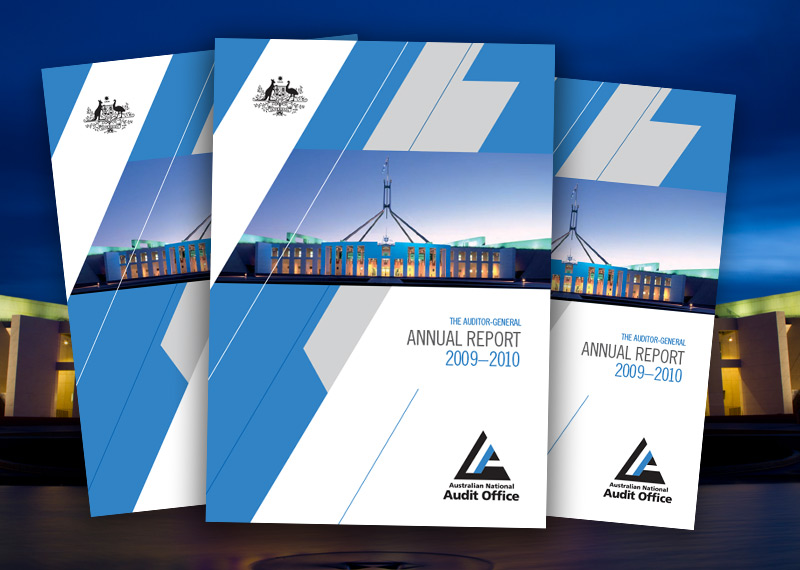
Published: Thursday 30 September 2010
Published
This annual report documents the performance of the Australian National Audit Office (ANAO) in the financial year ending on 30 June 2010. It includes a foreword by the Auditor-General, an overview including the role and responsibilities and vision of the Office, a report on performance, details about management and accountability, and the financial results.
Performance audit (Auditor-General Report No. 24 of 2008–09)
Published: Thursday 5 March 2009
Published
The objective of the audit was to assess the effectiveness of the procurement and contracting associated with:
- the design, development and delivery of government advertising campaigns by Commonwealth departments; and
- the operation of the Central Advertising System (CAS).
Entity
Department of the Prime Minister and Cabinet; Department of Finance and Deregulation; Department of Education, Employment and Workplace Relations; Department of Health and Ageing; Attorney-General's Department
Performance audit (Auditor-General Report No. 42 of 2014–15)

Published: Thursday 4 June 2015
Published
The objective of this audit was to assess the effectiveness of Finance’s administration of travel entitlements provided to Parliamentarians.
Entity
Department of Finance
Contact
Please direct enquiries relating to reports through our contact page.
Performance audit (Auditor-General Report No. 12 of 2021–22)

Published: Wednesday 8 December 2021
Published
The audit objective was to assess the effectiveness of the management of international travel restrictions during the COVID-19 pandemic.
Entity
Across Entities
Contact
Please direct enquiries through our contact page.
Performance audit (Auditor-General Report No. 3 of 2010–11)
Published: Tuesday 27 July 2010
Published
The objective of the audit was to assess whether the Strategic Projects component of the Regional and Local Community Infrastructure Program has been effectively designed and administered.
Entity
Department of Infrastructure, Transport, Regional Development and Local Government
Performance audit (Auditor-General Report No. 5 of 2001–02)
Published: Tuesday 7 August 2001
Published
The audit was conducted in response to a November 2000 resolution of the Senate that the Auditor-General examine all expenditures and entitlements accruing to Parliamentarians in 1999-2000. The objectives of the audit were to:
- provide assurance to the Parliament regarding the administration by Finance, the chamber departments and the portfolio departments of all expenditures and entitlements accruing to Parliamentarians, including Ministers, in 1999-2000;
- assess the administrative and control structures governing expenditures and entitlements accruing to Parliamentarians and Ministers in 1999-2000; and
- identify opportunities to improve the current framework.
Entity
Across Agency
Financial statement audit (Auditor-General Report No. 42 of 2023–24)
Published: Thursday 20 June 2024
Published
The ANAO prepares two reports annually that provide insights at a point in time to the financial statements risks, governance arrangements and internal control frameworks of Commonwealth entities, drawing on information collected during our audits.
This report is the first of the two reports and focuses on the results of the interim financial statements audits, including an assessment of entities’ key internal controls, supporting the 2023–24 financial statements audits. This report examines 27 entities, including all: departments of state; the Department of Parliamentary Services; and other Commonwealth entities that significantly contribute to the revenues, expenses, assets and liabilities within the 2022–23 Australian Government Consolidated Financial Statements (CFS). The National Indigenous Australians Agency is also included in this report given the role it plays working across government with indigenous communities and stakeholders.
Entity
Across Entities
Contact
Please direct enquiries through our contact page.
Financial statement audit (Auditor-General Report No. 40 of 2020–21)
Published: Wednesday 2 June 2021
Published
This report is the first in the series of reports for the 2020–21 financial year and focuses on the results of the interim audits, including an assessment of entities’ key internal controls, supporting the 2020–21 financial statements audits. This report examines 25 entities, including all departments of state and a number of major Australian government entities. The entities included in the report are selected on the basis of their contribution to the income, expenses, assets and liabilities of the 2019–20 Consolidated Financial Statements.
Contact
Please direct enquiries through our contact page.
Financial statement audit (Auditor-General Report No. 32 of 2021–22)
Published: Thursday 9 June 2022
Published
This report is the first of the two reports and focuses on the results of the interim audits, including an assessment of entities’ key internal controls, supporting the 2021–22 financial statements audits. This report examines 25 entities, including all departments of state and a number of major Australian government entities. The majority of entities included in the report are selected on the basis of their contribution to the income, expenses, assets and liabilities of the 2020–21 Consolidated Financial Statements.
Contact
Please direct enquiries through our contact page.
Corporate

Published: Wednesday 6 July 2022
Published
The corporate plan is the ANAO’s primary planning document — it outlines our purpose; the dynamic environment in which we operate; our commitment to building capability; and the priorities, activities and performance measures by which we will be held to account.
The plan highlights our desire to engage positively and transparently in delivering audit and support services to the Parliament. In addition, the plan details our approach to risk management, which is critical to successfully meeting our responsibilities in providing professional and independent audits to the Parliament.
The corporate plan is complemented by the annual audit work program, which reflects the ANAO’s audit strategy for the coming year.
Contact
Please direct enquiries through our contact page.
Financial statement audit (Auditor-General Report No. 8 of 2022–23)
Published: Wednesday 14 December 2022
Published
This report complements the Interim Report on Key Financial Controls of Major Entities financial statement audit report published in June 2022. It provides a summary of the final results of the audits of the Consolidated Financial Statements for the Australian Government and the financial statements of Australian Government entities for the period ended 30 June 2022.
Entity
Across Entities
Contact
Please direct enquiries through our contact page.
Financial statement audit (Auditor-General Report No. 26 of 2022–23)
Published: Thursday 25 May 2023
Published
This report is the first of two reports each year and focuses on the results of the interim audits, including an assessment of entities’ key internal controls, supporting the 2022–23 financial statements audits. This report examines 27 entities, including all departments of state and a number of major Australian government entities. The majority of entities included in the report are selected on the basis of their contribution to the income, expenses, assets and liabilities of the 2021–22 Consolidated Financial Statements.
Contact
Please direct enquiries through our contact page.
Financial statement audit (Auditor-General Report No. 38 of 2019–20)
Published: Thursday 28 May 2020
Published
This report focuses on the results of the interim financial statements audits, including an assessment of entities’ key internal controls, supporting the 2019–20 financial statements audits. This report examines 24 entities, including all departments of state and a number of major Australian government entities. The entities included in the report are selected on the basis of their contribution to the income, expenses, assets and liabilities of the 2018–19 Consolidated Financial Statements (CFS). Significant and moderate findings arising from the interim audits are reported to the responsible Minister(s), and all findings are reported to those charged with governance of each entity.
Contact
Please direct enquiries through our contact page.
Major projects report (Auditor-General Report No. 15 of 2012–13)

Published: Wednesday 19 December 2012
Published
The objective of this report is to provide comprehensive information on the status of selected Major Projects, as reflected in the Project Data Summary Sheets prepared by the DMO, and the Statement by the Chief Executive Officer (CEO) of the DMO, and including the ANAO’s review of the preparation of the PDSSs by the DMO.
Entity
Defence Materiel Organisation