Browse our range of reports and publications including performance and financial statement audit reports, assurance review reports, information reports and annual reports.
Performance audit (Auditor-General Report No. 29 of 2006–07)
Published: Wednesday 7 March 2007
Published
The objective of the audit was to assess the implementation and administration of the movement limit and the Slot Management Scheme at Sydney Airport.
The scope of the audit included the development and administration of the SADM Act. The scope also included the development and administration of the relevant legislative instruments and determinations, particularly those which put in place the monitoring and compliance frameworks that support the legislation.
Entity
NO-DEPTS-LISTED
Performance audit (Auditor-General Report No. 15 of 2024–25)

Published: Thursday 5 December 2024
Published
The objective of the audit was to assess whether the Murray–Darling Basin Authority (MDBA) had complied with gifts, benefits and hospitality requirements.
Entity
Murray–Darling Basin Authority
Contact
Please direct enquiries through our contact page.
Performance audit (Auditor-General Report No. 36 of 2009–10)
Published: Wednesday 19 May 2010
Published
The scope of the audit covered Centrelink's emergency management framework and community recovery assistance operations in general, with a specific focus on the 2009 North Queensland floods and Victorian bushfires. FaHCSIA's role during those disaster events was also considered as it played a key role in establishing the policy parameters of the services Centrelink delivered and addressing issues arising from policy implementation.
Entity
Centrelink; Department of Families, Housing, Community Services and Indigenous Affairs
Performance audit (Auditor-General Report No. 30 of 2005–06)
Published: Tuesday 28 February 2006
Published
The objective of the audit was to assess the ATO's strategies to address tax evasion in the cash economy, with emphasis on: the ATO's strategic focus; aspects of governance, management processes and compliance activities; and responses to the ANAO Report No.35 2001–02 ATO Progress in Addressing the Cash Economy.
Entity
Australian Taxation Office
Performance audit (Auditor-General Report No. 19 of 2006–07)
Published: Thursday 25 January 2007
Published
The objective of this audit was to determine whether Health adequately assessed the State and Territory Governments' compliance with their obligations under the terms of the AHCAs. In conducting the audit, ANAO addressed the following criteria:
- if Health assessed whether the States and Territories were adhering to the AHCAs clause 6 principles that all eligible persons had equitable access to free public health and emergency services on the basis of clinical need within an appropriate period;
- if Health assessed whether the States and Territories were increasing their own source funding at the rate specified in the AHCAs; and
- if Health assessed whether the States and Territories were meeting the performance reporting requirements set out in the AHCAs.
Entity
NO-DEPTS-LISTED
Performance audit (Auditor-General Report No. 43 of 2010–11)
Published: Wednesday 25 May 2011
Published
The objective of the audit was to examine whether the UP and CPP services provided by the Australian Federal Police Protection Service are being managed effectively. In particular, the audit examined:
- whether the Protection function has been effectively integrated into the AFP, and sound arrangements are in place to strategically plan Protection services and manage risks;
- whether Protection staff have access to appropriate training and guidance; and
- the management arrangements for UP and CPP services.
Entity
Australian Federal Police
Performance audit (Auditor-General Report No. 48 of 2016–17)

Published: Thursday 27 April 2017
Published
The objective of this audit was to assess the effectiveness of Defence’s design and implementation of arrangements to select a preferred Strategic Partner for the Future Submarines Program.
Entity
Department of Defence
Contact
Please direct enquiries relating to reports through our contact page.
Performance audit (Auditor-General Report No. 28 of 2006–07)
Published: Thursday 22 February 2007
Published
The objective of the audit was to assess the effectiveness of the major elements of Centrelink's central, strategic level project management arrangements, as defined in the CPMF. It focused on how well:
- the CPMF supports better management and service delivery in Centrelink;
- the CPMF supports project managers and projects to comply with better project management principles, relevant legislation and guidelines; and
- Centrelink monitors project performance and encouraged the attainment of project objectives.
Entity
Centrelink
Performance audit (Auditor-General Report No. 38 of 2025–26)

Published: Thursday 11 June 2026
Published
The objective of the audit was to assess whether the Department of Parliamentary Services has an effective baseline of cyber security controls.
Entity
Department of Parliamentary Services
Contact
Please direct enquiries through our contact page.
Performance audit (Auditor-General Report No. 37 of 2006–07)
Published: Thursday 17 May 2007
Published
The audit objective was to assess the effectiveness of DIAC's administration of the health requirement of the Migration Act 1958 (the Act). To achieve this objective, the ANAO examined whether DIAC was setting and implementing the health requirement in accordance with the Act, the Migration Regulations 1994 (the Regulations), and DIAC's own guidelines.
Entity
Department of Health and Ageing
Performance audit (Auditor-General Report No. 51 of 2005–06)
Published: Wednesday 28 June 2006
Published
The audit objectives were to report on the implementation status of the parliamentary resolutions and other actions arising out of the six recommendations made in the final PSC Report, Review by the Parliamentary Service Commissioner of Aspects of the Administration of the Parliament. The audit also broadly examined the impact of implementation of the parliamentary resolutions on aspects of: the level of services provided to the Parliament generally following amalgamation of the three former parliamentary departments into the Department of Parliamentary Services; and accommodation space within Parliament House. The designated audit agency was the Department of Parliamentary Services (DPS).
Entity
Department of Parliamentary Services
Performance audit (Auditor-General Report No. 26 of 2018–19)

Published: Friday 15 February 2019
Published
The audit objective was to assess the effectiveness of risk management, data monitoring and public reporting arrangements associated with the Australian Government's funding of public hospital services under the 2011 National Health Reform Agreement (NHRA).
Entity
Department of Health; Independent Hospital Pricing Authority; National Health Funding Body
Contact
Please direct enquiries through our contact page.
Performance audit (Auditor-General Report No. 43 of 2018–19)

Published: Friday 31 May 2019
Published
The objective of the audit was to assess whether the Department of Infrastructure, Regional Development and Cities had designed and implemented appropriate governance and administration arrangements for the transition and delivery of sustainable reforms to services on Norfolk Island.
Entity
Department of Infrastructure, Regional Development and Cities
Contact
Please direct enquiries through our contact page.
Performance audit (Auditor-General Report No. 26 of 2008–09)
Published: Thursday 19 March 2009
Published
The audit objective was to assess the effectiveness of the Department of Health and Ageing's administration of health workforce initiatives in rural and remote Australia.
Entity
Deparment of Health and Ageing
Performance audit (Auditor-General Report No. 31 of 2008–09)
Published: Friday 8 May 2009
Published
The objective of this audit was to assess Army's progress in addressing the issues previously identified in Defence reviews and ANAO audits as affecting the Army Reserve's capability; and Identify the extent that the Army Reserve is capable of contributing to contemporary Australian Defence Force capability requirements through fulfilling its assigned roles and tasks.
Entity
Department of Defence
Performance audit (Auditor-General Report No. 1 of 2008–09)
Published: Tuesday 5 August 2008
Published
The objective of the audit was to assess the effectiveness of DFAT's employment and management of its LES at Australia's overseas missions. In particular, the audit examined arrangements for: planning and risk management; guidance and training; recruitment, engagement and employment of LES; and performance management.
Entity
Department of Foreign Affairs and Trade
Performance audit (Auditor-General Report No. 25 of 2009–10)
Published: Thursday 15 April 2010
Published
The objective of the audit was to assess the effectiveness of security awareness and training arrangements at selected Australian Government organisations, including whether they addressed selected security issues from the PSM.
Entity
Attorney-General's Department; CrimTrac; Department of Finance and Deregulation; Department of Health and Ageing; National Archives of Australia; National Gallery of Australia
Performance audit (Auditor-General Report No. 7 of 2005–06)
Published: Thursday 25 August 2005
Published
The audit focussed on the systems and processes OGTR has established for both receiving and assessing applications under the Act, and also for ensuring compliance with the statutory requirements through monitoring and inspection. The audit objective was to form an opinion on the discharge by OGTR of selected functions entrusted to it under the Act. The audit assessed the practices of OGTR against the following principal criteria: Assessment of applications under the Act: Whether OGTR has established systems and procedures for the management and assessment of applications under the Act. Ensuring compliance—monitoring, inspection and enforcement activities: Whether OGTR has established systems and procedures for ensuring compliance with the requirements of the Act. Performance management: Whether OGTR manages selected aspects of its work efficiently and effectively. The audit did not seek to form an opinion on the appropriateness of the chosen structure of the regime for regulating gene technology or the merit of the scientific judgments involved. The audit methodology included discussions with representatives from agencies that co-ordinate aspects of the co-operative regulatory regime for gene technology across Australian jurisdictions, with various other stakeholders and users of the regime, as well as with officers of OGTR, along with examination of OGTR documents and files.
Entity
Department of Health and Ageing
Performance audit (Auditor-General Report No. 31 of 2012–13)
Published: Thursday 2 May 2013
Published
The objective of this audit was to examine the effectiveness of the Department of Families, Housing, Community Services and Indigenous Affairs’ administration of the National Partnership Agreement on Homelessness (NPAH), including monitoring and reporting of progress against the objective and outcomes of the agreement.
Entity
Department of Families, Housing, Community Services and Indigenous Affairs
Contact
Please direct enquiries relating to reports through our contact page.
Performance audit (Auditor-General Report No. 37 of 2019–20)

Published: Thursday 28 May 2020
Published
The audit objective was to assess whether the Department of Homes Affairs has appropriately managed the procurement of garrison support and welfare services for offshore processing centres in Nauru and PNG (Manus Island).
Entity
Department of Home Affairs
Contact
Please direct enquiries through our contact page.
Performance audit (Auditor-General Report No. 39 of 2008–09)
Published: Wednesday 27 May 2009
Published
The objective of the audit was to examine the effectiveness of DAFF's implementation and administration of the Securing our Fishing Future structural adjustment package industry and community assistance programs.
Entity
Department of Agriculture, Fisheries and Forestry
Performance audit (Auditor-General Report No. 13 of 2012–13)
Published: Tuesday 18 December 2012
Published
The objective of the audit was to assess the Australian Federal Police’s management of the delivery of policing services to the Australian Capital Territory.
Entity
Australian Federal Police
Performance audit (Auditor-General Report No. 12 of 2014–15)
Published: Thursday 11 December 2014
Published
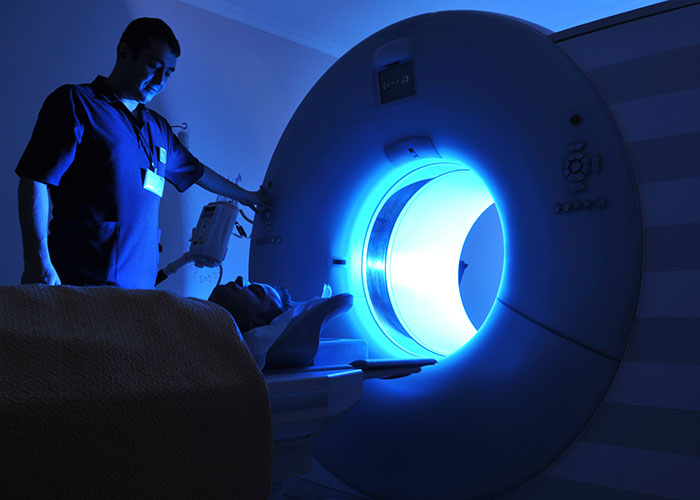
The audit objective was to assess the effectiveness of Health's implementation of the Diagnostic Imaging Review Reform Package, some three years into the five year reform period.
Entity
Department of Health
Contact
Please direct enquiries relating to reports through our contact page.
Performance audit (Auditor-General Report No. 8 of 2025–26)

Published: Monday 24 November 2025
Published
The objective of the audit was to assess whether the Department of Agriculture, Fisheries and Forestry has effective arrangements to comply with domestic and international travel requirements.
Entity
Department of Agriculture, Fisheries and Forestry
Contact
Please direct enquiries through our contact page.
Performance audit (Auditor-General Report No. 33 of 2010–11)
Published: Wednesday 23 March 2011
Published
The objective of the audit was to assess the effectiveness of Australian Government agencies' management and implementation of measures to protect and secure their electronic information, in accordance with Australian Government protective security requirements.
Entity
Across agencies
Performance audit (Auditor-General Report No. 27 of 2010–11)
Published: Thursday 10 February 2011
Published
The audit examined key aspects of the first four tenders for the RtB program. These tenders provided coverage across the Basin and resulted in expenditure in excess of $1 billion. The 2008–09 tenders included the largest single purchase under the program—$303 million to Twynam Agricultural Group. The audit also examined the Commonwealth's contribution to the purchase of Toorale station, the only purchase outside a tender process.
Entity
Department of Sustainability, Environment, Water, Population and Communities
Performance audit (Auditor-General Report No. 47 of 2006–07)
Published: Thursday 21 June 2007
Published
The objective of the audit was to assess the coordination of Australian Government assistance to Solomon Islands through RAMSI, including the establishment of objectives and an outcomes monitoring framework. In particular, the audit examined arrangements for: coordination between Australian Government agencies; strategic planning and risk management; measuring the effectiveness of RAMSI; and reporting to RAMSI's Australian stakeholders.
Entity
Department of Foreign Affairs and Trade; Australian Agency for International Development
Performance audit (Auditor-General Report No. 42 of 2012–13)
Published: Thursday 6 June 2013
Published
The objective of the audit was to assess the effectiveness of the Department of Human Services' (DHS) administration of the shopfront co-location of DHS services.
Entity
Department of Human Services
Contact
Please direct enquiries relating to reports through our contact page.
Performance audit (Auditor-General Report No. 29 of 2005–06)
Published: Wednesday 15 February 2006
Published
The audit examined aspects of the integrity and management of customer data stored on ISIS. In particular, the audit considered measures of data accuracy, completeness and reliability. The scope of the audit also extended to aspects of Centrelink's IT control environment - in particular, controls over data entry.
Entity
Centrelink
Performance audit (Auditor-General Report No. 52 of 2006–07)
Published: Thursday 28 June 2007
Published
This is the first of two audit reports concerning the Tax Office's administration of SMSFs pursuant to the provisions of the Superannuation Industry (Supervision) Act 1993.
This audit report examines the efficiency and effectiveness of the Tax Office's approach to regulating and registering self managed superannuation funds. Specifically the ANAO examined the:
- Environment in which SMSFs operate, including the Tax Office's regulatory roles and responsibilities;
- Tax Office's governance of its SMSF regulatory role; and
- Systems, processes and controls the Tax Office uses to register SMSFs, and enforce the lodgement of fund income tax and regulatory returns.
Entity
Australian Taxation Office