Browse our range of reports and publications including performance and financial statement audit reports, assurance review reports, information reports and annual reports.
Corporate

Published: Monday 8 July 2024
Published
The ANAO Corporate Plan 2024–25 updates the previous corporate plan and outlines how we intend to deliver against our purpose over the next four years (2024–25 to 2027–28). The corporate plan is the ANAO’s primary planning document — it outlines our purpose; the dynamic environment in which we operate; our commitment to building capability; and the priorities, activities and performance measures by which we will be held to account.
Contact
Please direct enquiries through our contact page.
Performance audit (Auditor-General Report No. 43 of 2023–24)

Published: Friday 21 June 2024
Published
The objective of this audit was to assess the effectiveness of the Australian Public Service Commission's (APSC) administration of statutory functions relating to upholding high standards of integrity and ethical conduct in the Australian Public Service (APS).
Entity
Australian Public Service Commission
Contact
Please direct enquiries through our contact page.
Annual report
Published: Thursday 25 August 2022
Published
This annual report documents the performance of the Australian National Audit Office (ANAO) in the financial year ended 30 June 2022. The report addresses all applicable obligations under the Public Governance, Performance and Accountability Act 2013; the Public Governance, Performance and Accountability Rule 2014; the Auditor-General Act 1997; the performance measures set out in the outcome and programs framework in the ANAO’s Portfolio Budget Statements 2021–22 and the ANAO Corporate Plan 2021–22; and annual reporting requirements set out in other relevant legislation.
Contact
Please direct enquiries through our contact page.
Performance audit (Auditor-General Report No. 30 of 2001–02)
Published: Thursday 24 January 2002
Published
The audit reviewed Defence's management of the Test and Evaluation (T&E) aspects of its capital equipment acquisition program. The audit sought to identify, from Defence T&E practice, any barriers that might limit the efficiency and effectiveness of its T&E activities.
Entity
Department of Defence
Major projects report (Auditor-General Report No. 9 of 2008–09)
Published: Thursday 27 November 2008
Published
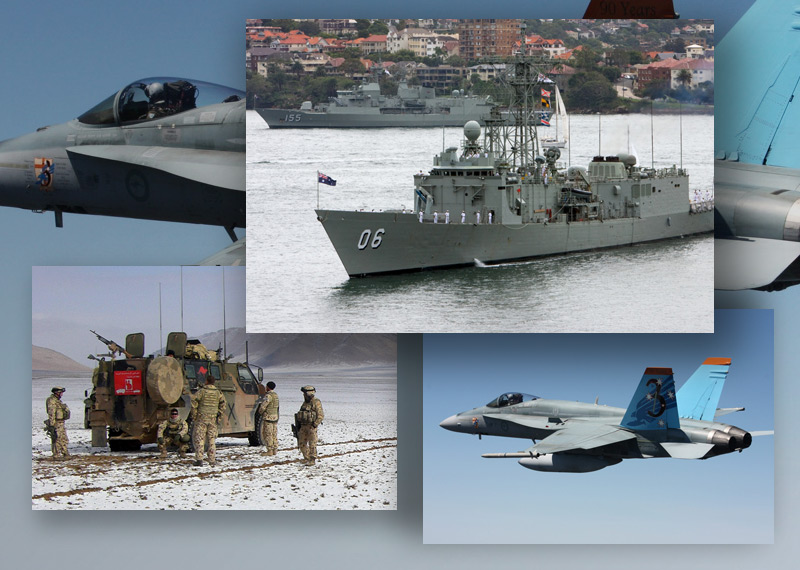
This first Assurance Report on the status of selected Defence equipment acquisition projects, which has the support of the Parliament and the Government, represents a substantial step towards improving transparency and public accountability in major Defence procurement projects. It is the pilot of an annual Defence Materiel Organisation (DMO) Major Projects Report, and was developed in conjunction with the DMO. It covers the cost, schedule and capability progress achieved by nine DMO projects, which had an approved budget totalling $13.535 billion as at 30 June 2008.
This report is organised into three parts. Part 1 comprises an ANAO overview and Auditor–General's Foreword. Part 2 comprises the Major Projects Report prepared by DMO, including an overview reflecting DMO's perspective on their business and on the nine projects included in the. Part 3 incorporates the Auditor-General's Review Report, the statement by the CEO DMO, and the information prepared by DMO in the form of standardised Project Data Summary Sheets covering each of the nine pilot projects.
In the next 12 months, the ANAO will review 15 DMO projects planned for inclusion in the 2008-09 DMO Major Projects Report, with the number of projects rising to 30 projects in subsequent years. The ANAO will also work with DMO to refine the approach adopted for providing assurance on each project's progress toward achieving Final Operational Capability. The ANAO will also consider the inclusion of an analysis of each project's emerging trends, as appropriate, to complement DMO's intention to provide improved analysis of project management performance regarding all projects included in the Major Projects Report.
Entity
Defence Materiel Organisation
Performance audit (Auditor-General Report No. 32 of 2003–04)
Published: Tuesday 2 March 2004
Published
The audit reviewed the Defence Materiel Organisation's management of the $3.43 billion Wedgetail Airborne Early Warning and Control (AEW&C) project. The Wedgetail project is to provide the Australian Defence Force with an AEW&C capability based on four Boeing 737 AEW&C aircraft and associated supplies and logistic support. At the time of the audit the AEW&C systems were still in their early development phase, and by November 2003, Defence had spent $1.107 billion on the project.
Entity
Department of Defence
Performance audit (Auditor-General Report No. 59 of 2003–04)
Published: Wednesday 30 June 2004
Published
The objective of this audit was to provide an independent assurance on the effectiveness of Defence's management of the acqusition of armoured infantry mobility vehicles (IMV) for the Australian Defence Force (ADF). The audit sought to identify the initial capability requirements; analyse the tendering and evaluation process; and examine the management of the project by Defence. As such, this was not an audit of contractor performance, but of the formation and contract management of the aquisition project by Defence.
Entity
Department of Defence
Performance audit (Auditor-General Report No. 1 of 2007–08)
Published: Tuesday 17 July 2007
Published
The objective of the audit was to assess the effectiveness of management of the procurement of a major, replacement capability for the Australian Defence Force (ADF) by the DMO, and Defence. The audit reviewed the initial capability requirements and approval process; analysed the acquisition agreements for elements of the project; and examined the interim through-life support arrangements being put in place to support the capability.
Entity
Department of Defence; Defence Materiel Organisation
Major projects report (Auditor-General Report No. 17 of 2010–11)
Published: Tuesday 30 November 2010
Published
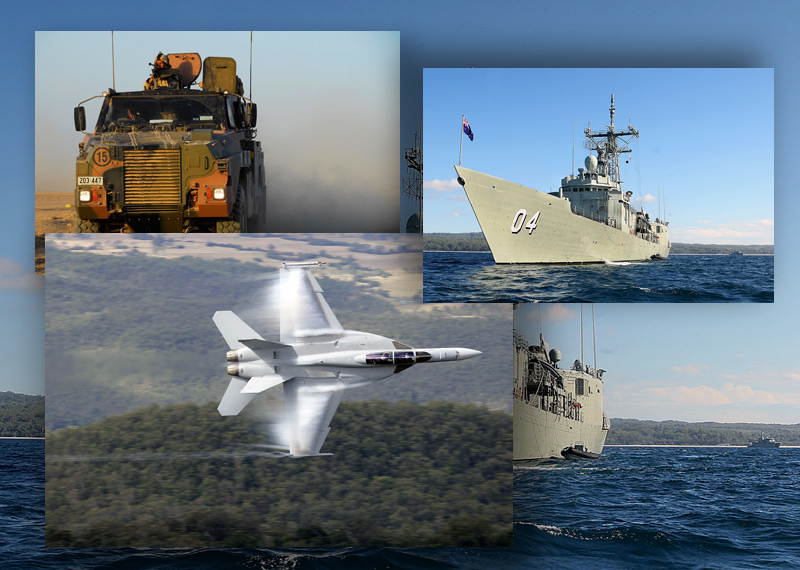
The objective of this report is to provide comprehensive information on the status of projects as reflected in the Project Data Summary Sheets (PDSSs) prepared by DMO, and a review by the ANAO.
Entity
Defence Materiel Organisation
Major projects report (Auditor-General Report No. 13 of 2009–10)

Published: Tuesday 24 November 2009
Published
The objective of this report is to provide information, prepared by both the ANAO and DMO, on the performance of major projects as well as providing the Auditor-General’s formal conclusion on the review of the Project Data Summary Sheets (PDSSs) prepared by DMO and contained in this report.
Entity
Defence Materiel Organisation
Major projects report (Auditor-General Report No. 15 of 2012–13)

Published: Wednesday 19 December 2012
Published
The objective of this report is to provide comprehensive information on the status of selected Major Projects, as reflected in the Project Data Summary Sheets prepared by the DMO, and the Statement by the Chief Executive Officer (CEO) of the DMO, and including the ANAO’s review of the preparation of the PDSSs by the DMO.
Entity
Defence Materiel Organisation
Performance audit (Auditor-General Report No. 30 of 2002–03)
Published: Thursday 27 February 2003
Published
The Service Chiefs of Navy, Army and Air Force are accountable to the Chief of the Defence Force for the way that equipment is used by their Service. They are also accountable for the safety, fitness for service and environmental compliance of the equipment. The audit report deals with the way that the Service Chiefs are assured of the safety and suitability for service of the Australian Defence Force's (ADF's) ordnance systems. Ordnance systems include munitions such as missiles, shells and mines, and the auxiliary material necessary to aim, launch and guide munitions.
Entity
Department of Defence
Major projects report (Auditor-General Report No. 20 of 2011–12)

Published: Tuesday 20 December 2011
Published
The objective of this report is to provide a formal conclusion on the review of the Project Data Summary Sheets by the Auditor-General, including comprehensive information on the status of projects as reflected in the PDSSs prepared by the DMO.
Entity
Defence Materiel Organisation
Performance audit (Auditor-General Report No. 10 of 2005–06)
Published: Friday 23 September 2005
Published
The audit objective was to examine the adequacy of Defence's and DMO's management of the nearly completed elements of Project Air 5276. The ANAO identified a number of causes for time delays and cost escalation in those elements. Those causes are outlined in the overall audit conclusions, to assist in the achievement of improvements in future planning and management of capital equipment acquisitions.
Entity
Department of Defence
Performance audit (Auditor-General Report No. 6 of 2012–13)
Published: Thursday 27 September 2012
Published
The audit objective was to assess the progress of the AIR 6000—New Air Combat Capability project in delivering the required combat aircraft within approved cost, schedule and performance parameters.
Entity
Department of Defence, Defence Materiel Organisation
Major projects report (Auditor-General Report No. 12 of 2013–14)

Published: Tuesday 17 December 2013
Published
The objective of this report is to provide the Auditor-General’s independent assurance over the status of selected Major Projects, as reflected in the Project Data Summary Sheets (PDSSs) prepared by the DMO, and the Statement by the Chief Executive Officer (CEO) DMO. Assurance from the ANAO’s review of the preparation of the PDSSs by the Defence Materiel Organisation (DMO) is conveyed in the Auditor-General’s Independent Review Report, prepared pursuant to the endorsed Guidelines, contained in Part 3.
Entity
Defence Materiel Organisation
Contact
Michael White, Executive Director, Phone: (02) 6203 7393
Performance audit (Auditor-General Report No. 3 of 2005–06)
Published: Thursday 28 July 2005
Published
The objective of the audit was to provide an independent assurance on the effectiveness of the management of the upgrade of the M113 fleet for the Australian Defence Force (ADF). The audit sought to identify the initial capability requirements and approval process; analyse the contract negotiation process; and examine the management of the project and contracts.
Entity
Department of Defence
Performance audit (Auditor-General Report No. 5 of 2012–13)
Published: Thursday 27 September 2012
Published
To assess the upgrade and sustainment of the F/A-18A/B Hornet fleet, and the sustainment of the newly acquired F/A-18F Super Hornet fleet.
Entity
Department of Defence, Defence Materiel Organisation
Performance audit (Auditor-General Report No. 29 of 2004–05)
Published: Friday 25 February 2005
Published
The objective of the audit was to provide an independent assurance of the effectiveness of Defence's management of the acquisition, and future provision of the Armidale Class Patrol Boats capability, relating to the in-service support contract, provision of infrastructure, and crewing sustainability.
Entity
Department of Defence
Performance audit (Auditor-General Report No. 24 of 2001–02)
Published: Monday 10 December 2001
Published
Major capital equipment contributes importantly to the capabilities of the Australian Defence Force (ADF) to achieve the Defence mission, that is, the defence of Australia and its national interests. The Defence Materiel Organisation (DMO) is the relatively new Defence organisation responsible for the acquisition and through-life support of Defence equipment and systems. DMO's stated purpose is to equip and sustain the ADF. In 2001-02, it will spend $2.9 billion on progressing some 270 major capital equipment acquisition projects. This preliminary study for the audit focused on DMO reporting on the status of major equipment acquisition projects.
Entity
Department of Defence
Performance audit (Auditor-General Report No. 8 of 2000–01)
Published: Thursday 7 September 2000
Published
The audit reviewed the Amphibious Transport Ship Project, involving the acquisition and modification of two second-hand US Navy ships . The objective of the audit was to assess the efficiency and effectiveness of Defence's management of the project, focusing on the capability development process, costs and schedule issues, contract issues, the management of project risks and project review processes.
Entity
Department of Defence
Performance audit (Auditor-General Report No. 3 of 2013–14)
Published: Thursday 15 August 2013
Published
The objective of the audit was to assess the adequacy of Defence’s processes, including compliance with the Financial Management and Accountability Act 1997 (FMA Act), the Financial Management and Accountability Regulations 1997 (FMA Regulations), and relevant Commonwealth and Defence procurement requirements, to select the capability solution recommended to the Government to satisfy the requirements of AIR 8000 Phase 2.
Entity
Department of Defence
Contact
Please direct enquiries relating to reports through our contact page.
Performance audit (Auditor-General Report No. 46 of 2002–03)
Published: Friday 6 June 2003
Published
Australian Industry Involvement Program. Department of Defence The audit examined the management by Defence of its Australian Industry Involvement (AII) Program. AII is the major program through which Defence gives effect to government policy on Australian industry. The objective of the audit was to assess the extent to which the AII Program has achieved its two policy objectives, which are to :
- develop and sustain strategically important capabilities in Australian industry to support Australian Defence Force operations and Defence capability development; and
- maximise Australian industry involvement in Defence's procurement of goods and services, consistent with the government procurement policy objective of achieving best value for money to the Commonwealth.
Entity
Department of Defence
Performance audit (Auditor-General Report No. 34 of 1997–98)
Published: Tuesday 24 March 1998
Published
The audit reviewed the Defence's $5.05 billion New Submarine Project which commenced in 1982 and involves design and construction of six Collins class submarines and associated supplies and services. The objectives of the audit were to assess project management by the Department's Project Office in the light of accepted better-practice project management techniques. It also aimed to derive lessons learnt and recommendations that could be applied to the Project and to similar Defence projects now and in the future. The audit follows a 1992 audit of the Project by the ANAO and a review by the Joint Committee of Public Accounts in 1995.
Entity
Department of Defence
Performance audit (Auditor-General Report No. 48 of 2008–09)
Published: Tuesday 30 June 2009
Published
The objective of this audit was to assess whether the strengthened two–pass approval process for major capital equipment projects is being implemented effectively.
Entity
Department of Defence
Performance audit (Auditor-General Report No. 43 of 1997–98)
Published: Tuesday 12 May 1998
Published
The objective of the audit was to report on whether Defence applies Life-cycle Costing appropriately in support of decisions throughout the acquisition and management of its capital assets, and to make recommendations for any improvement. Criteria were established against each of the issues considered by the audit, namely LCC policy and coordination, use of LCC in investment decisions, use of LCC to support budgeting, data to support LCC and LCC training and education.
Entity
Department of Defence
Performance audit (Auditor-General Report No. 24 of 2005–06)
Published: Monday 23 January 2006
Published
The audit objective was to assess the effectiveness of DMO's JORN and JFASmaintenance and support arrangements. The audit examined the maintenanceand operation of the JORN and JFAS radars, and their facilities.
Entity
Department of Defence
Performance audit (Auditor-General Report No. 13 of 1999–2000)
Published: Monday 11 October 1999
Published
The Department of Defence spends some $2.4 billion a year on major equipment acquisition projects. The audit objective was to assess Defence's arrangements for higher-level management of major equipment acquisition projects. The principal aim was to formulate practical recommendations that would both enhance Defence's management of major acquisition projects and provide a degree of assurance about its ongoing apparent capacity to do so efficiently and effectively.
Entity
Department of Defence
Performance audit (Auditor-General Report No. 40 of 1999–2000)
Published: Wednesday 26 April 2000
Published
Tactical fighter operations (TFOs) form the basis of Australia's current military capability to ensure air superiority. Air superiority over the Australian territory and maritime approaches is an essential element in Australia's defence strategy. The audit objectives were to:
- assess whether the resources used to provide the F/A-18 tactical fighter force operational capability are managed cost-effectively; and
- identify areas for improvement in the coordination, planning and practices employed in administration of tactical fighter operations.
Entity
Department of Defence
Performance audit (Auditor-General Report No. 9 of 2006–07)
Published: Thursday 26 October 2006
Published
The objective of the audit was to provide an independent assurance on the effectiveness of Defence and DMO's management of the acquisition of the ASLAV capability to Army. The audit examined the initial capability requirements and approval process, the contract negotiation process, and the management of the Project and Contracts by DMO.
Entity
Department of Defence; Defence Materiel Organisation
Performance audit (Auditor-General Report No. 8 of 2005–06)
Published: Friday 26 August 2005
Published
The objective of the audit was to assess the Personnel Management Key Solution Project's planning and approval processes and its contract and project management. The audit addresses the scope of the delivered system, the expectations of end-users, and the system's ability to meet their capability requirements.
Entity
Department of Defence
Performance audit (Auditor-General Report No. 27 of 2008–09)
Published: Friday 27 March 2009
Published
The objectives of this audit were to assess the progress of the M113 Armoured Personnel Carrier Upgrade Project against stated schedule, cost and technical performance objectives; and Defence Materiel Organisation's (DMO's) progress in implementing the recommendations and addressing the findings of ANAO Audit Report No. 3 2005–06, Management of the M113 Armoured Personnel Carrier Upgrade Project.
Entity
Department of Defence
Performance audit (Auditor-General Report No. 44 of 1998–99)
Published: Thursday 27 May 1999
Published
The audit reviewed the efficiency and effectiveness of Defence's management of Naval Aviation Force (NAF) in achieving its required capability within budgeted resources. The objectives of the audit were to assess whether planning, management and resource allocation mechanisms and practices for NAF were conducive to achieving the latter's objectives in a cost-effective manner.
Entity
Department of Defence
Performance audit (Auditor-General Report No. 56 of 2002–03)
Published: Wednesday 25 June 2003
Published
The objective of the audit was to report to Parliament on the progress Defence has made since June 2001 in implementing appropriate strategies for recruiting, developing and retaining skilled IT personnel. The audit focused on management of specialist information system skills and did not examine skills needed by users of information systems, although the latter is of obvious importance for overall performance. In June 2001, the Joint Committee of Public Accounts and Audit (JCPAA), after reviewing the ANAO's Audit Report No. 11 Knowledge System Equipment Acquisition Projects in Defence, commented that its major concern about Defence's ability to develop a knowledge edge with adequate coherence, centred on Defence's ability to recruit, develop and retain skilled individuals needed in all parts of the DIE. The JCPAA recommended that the ANAO conduct an audit of Defence's strategies for recruiting, developing and retaining skilled IT personnel.
Entity
Department of Defence
Performance audit (Auditor-General Report No. 40 of 2005–06)
Published: Wednesday 17 May 2006
Published
The objective of the audit was to examine processes used by Defence and the DMO to procure explosive ordnance for the ADF, with an emphasis on Army requirements. The audit reviewed the extent to which the DMO effectively translated the explosive ordnance requirements of the ADF, and particularly of Army, into procurement and through life support arrangements.
Entity
Department of Defence; Defence Materiel Organisation
Performance audit (Auditor-General Report No. 46 of 2001–02)
Published: Monday 6 May 2002
Published
The Department of Veterans' Affairs (DVA) uses information technology (IT) extensively in providing services to Australia's veteran and defence force communities. The audit reviewed DVA's management of its IT outsourcing contract. The audit considered DVA's planning to meet its strategic IT needs through the IT outsourcing contract, the provisions of the contract, contract administration, management of the impacts of the outsourced services on DVA's business and the outcomes of DVA's approach to the contract.
Entity
Department of Veterans' Affairs
Performance audit (Auditor-General Report No. 10 of 2006–07)
Published: Tuesday 31 October 2006
Published
The objective of the report is to review the effectiveness of remediation activities put in place by Defence and the DMO to improve the performance of SDSS following the delivery in July 2003 of the SDSS Upgrade Project, with specific attention to the SDSS Get Well Programme. The audit reviewed the outcomes of the Get Well Programme, and assessed how effectively a segment of the Defence supply chain (of which SDSS is one key component) was meeting selected maritime end user capability and reporting requirements. In order to achieve this, the audit reviewed three key maritime combatant forces: COLLINS Class submarines; Adelaide Class Guided Missile Frigates (FFGs); and ANZAC Class Frigates. The ANAO notes that these three capabilities account for some 50 per cent of the Navy's total forecast expenditure for 2006–07.
Entity
Department of Defence; Defence Materiel Organisation
Performance audit (Auditor-General Report No. 45 of 1999–2000)
Published: Wednesday 31 May 2000
Published
The Commonwealth has significant foreign exchange risk exposures including $A8.4 billion of foreign currency transactions with the Reserve Bank of Australia in 1998-99. Under the Financial Management and Accountability Act and its associated Regulations, all agencies are required to assess and, where possible, manage, foreign exchange risk. The audit reviewed four agencies that have substantial foreign currency payment exposures namely:
- the Department of Defence;
- the Australian Agency for International Development;
- the Department of Foreign Affairs and Trade; and
- the Department of Finance and Administration.
The objective of the audit was to identify and assess the efficiency and cost effectiveness of the management of foreign exchange risk across the selected agencies, also to identify opportunities to improve the management of foreign exchange risk, including any associated potential financial savings that could accrue to the Commonwealth.
Entity
Department of Defence; Australian Agency for International Development; Department of Foreign Affairs and Trade; Department of Finance and Administration
Performance audit (Auditor-General Report No. 41 of 1998–99)
Published: Monday 24 May 1999
Published
The objective of the audit was to assess the effectiveness of, and to identify possible areas for improvement in, Defence management of the general service fleet.
Entity
Department of Defence
Performance audit (Auditor-General Report No. 24 of 2009–10)
Published: Wednesday 10 March 2010
Published
The objective of this audit was to examine the effectiveness of Defence and the DMO's management of procurement and through life support arrangements to meet the explosive ordnance requirements of the ADF, particularly the non-guided munitions requirements of Army. This included a review of the progress of Defence and the DMO in implementing the recommendations of ANAO Audit Report No.40 2005–06.
Entity
Department of Defence; Defence Materiel Organisation
Performance audit (Auditor-General Report No. 16 of 2001–02)
Published: Friday 5 October 2001
Published
The Government introduced the Defence Reform Program (DRP) in 1997 to enable Defence's resources to be focused more efficiently and effectively on its core functions. The objective of the audit was to assess Defence's management and implementation of DRP and the extent to which it achieved savings for reinvestment in the operational capabilities of the ADF.
Entity
Department of Defence
Performance audit (Auditor-General Report No. 31 of 2001–02)
Published: Wednesday 13 February 2002
Published
The report summarises the audit and other related activities of the ANAO in the period July to December 2001. Key issues arising from performance audits tabled in this period are summarised.
Entity
Audit Activity Report
Performance audit (Auditor-General Report No. 23 of 2008–09)
Published: Wednesday 25 February 2009
Published
The audit focussed on performance information reporting by the submarine System Program Offices on reliability, safety systems and logistic support services. In the context of the sustainability arrangements, the audit considered combat system upgrades and personnel escape and rescue systems. Any arrangements that the Commonwealth may be considering regarding the potential sale of ASC were not within the scope of this audit.
Entity
Department of Defence
Performance audit (Auditor-General Report No. 3 of 2006–07)
Published: Thursday 7 September 2006
Published
The objective of the audit was to examine the effectiveness of Defence's management of the procurement of Minor capital equipment for Army capability. In particular, the audit focussed on the identification and approval of capability requirements; the management of Army Minors Program funding and expenditure; and DMO management of procurement processes for Army Minor projects. The audit focused on projects included in the Program as at 1 July 2005. As at that date, 85 projects were listed. Case studies illustrating particular issues in the management of the Program are profiled throughout the report in the relevant section.
Entity
Department of Defence; Defence Materiel Organisation
Performance audit (Auditor-General Report No. 26 of 2000–01)
Published: Friday 22 December 2000
Published
The Defence Estate comprises the land, buildings and other facilities that Defence uses across Australia. These facilities are vital to achieving the Defence mission - to prevent or defeat the use of armed force against Australia and its interests. The Estate has a gross replacement value of $14.8 billion. Defence Estate Organisation's (DEO's) Facilities Operations (FACOPS) Program delivers general maintenance and minor new works to Defence facilities on a regional basis across the country. DEO's Estate Operations and Planning Branch and its nine Regional Estate Centres are responsible for the FACOPS Program. Resources available for the Program have been reduced in recent years. The total DEO budget for 2000-01, which includes funds for capital works, facilities operations and property management, is $2.6 billion. Of this total, the FACOPS Program has a cash allocation of $213 million and an additional $15.6 million for employee expenses associated with the Program's 283 staff. The objective of the audit was to assess the efficiency and effectiveness of selected Defence facilities operations, including tendering and contracting, with a view to adding value with practical recommendations for enhancing operations.
Entity
Department of Defence
Annual report
Published: Thursday 26 September 2002
Published
This annual report documents the performance of the Australian National Audit Office (ANAO) in the financial year ending on 30 June 2002. It includes a comment by the Auditor-General on Audit independence and effectiveness; an overview of the Auditor-General’s role and responsibilities; a report on performance; details about management and accountability, and the financial statement for the year.
Performance audit (Auditor-General Report No. 39 of 2002–03)
Published: Thursday 17 April 2003
Published
The Navy Operational Readiness audit examined the systems that Navy uses to manage readiness and concludes coverage of Navy: readiness organisation and management structures (as well as the interface between these systems and Defence enabling operations); management and maintenance of operational readiness (covering personnel, collective training and other components of operational readiness); and readiness performance information processes. The objective of the audit was to provide assurance to Parliament concerning the progress that Navy has made in the development of operational readiness management and evaluation systems and to identify areas for improvement in these systems.
Entity
Department of Defence
Performance audit (Auditor-General Report No. 11 of 2000–01)
Published: Friday 15 September 2000
Published
The audit reviewed Defence's higher-level management of its knowledge system equipment acquisition projects. These amount to $8.5b. The focus of the audit was on the opportunities for Defence to adopt a much more coherent and integrated approach to knowledge systems management prospectively rather than on emphasising current system compatibility issues.
Entity
Department of Defence
Performance audit (Auditor-General Report No. 28 of 1999–2000)
Published: Thursday 3 February 2000
Published
This report summarises audit and other related activities of the Australian National Audit Office in the period July to December 1999.
Entity
Across Agency
Annual report
Published: Wednesday 30 September 2015
Published
This annual report documents the performance of the Australian National Audit Office (ANAO) in the financial year ending on 30 June 2015. It addresses the Requirements for Annual Reports for Departments, Executive Agencies and Other Non‑corporate Commonwealth Entities approved by the Joint Committee of Public Accounts and Audit in June 2015; the performance measures set out in the outcome and programs framework in the 2014–15 Portfolio Budget Statements; section 28 of the Auditor‑General Act 1997; and other annual reporting requirements set out in legislation.
Performance audit (Auditor-General Report No. 3 of 2002–03)
Published: Wednesday 31 July 2002
Published
HMAS Cerberus is a Navy base situated south-east of Melbourne, Victoria. As a major Navy training establishment, it conducts initial recruit training, and specialist category training in areas such as communications and engineering. The Australian Defence Force (ADF) Schools of Catering and Physical Training are situated there, as is a major health centre for operational and training needs. The health centre and other facilities at HMAS Cerberus were re-developed several years ago. In August 2001, the then Minister for Defence announced that, in response to continuing concern over facilities management at HMAS Cerberus, he had asked the Australian National Audit Office (ANAO) to conduct an independent investigation. The ANAO agreed to review these matters. The objective of the audit was to examine facilities management issues at HMAS Cerberus with a view to clarifying those of concern and ensuring that lessons would be learned from them to assist Defence facilities management generally.
Entity
Department of Defence
Performance audit (Auditor-General Report No. 6 of 1998–99)
Published: Monday 31 August 1998
Published
This report summarises audit and other related activities of the Australian National Audit Office in the period January to June 1998.
Entity
Audit Activity Report
Performance audit (Auditor-General Report No. 8 of 2008–09)
Published: Tuesday 11 November 2008
Published
The objective of the follow up audit was to assess the extent to which Customs has implemented seven of the previous audit's recommendations; the two recommendations relating to strategic and tactical taskings and dissemination of intelligence will be considered in the context of the planned performance audit of Illegal Foreign Fishing in Australia's Northern Waters.
Entity
Australian Customs Service
Performance audit (Auditor-General Report No. 38 of 2001–02)
Published: Tuesday 19 March 2002
Published
The audit reviewed the planning and management of the Australian Defence Force deployments to East Timor, including the support of those deployments. The audit focused on planning for the deployments and the role of Australia as the lead nation in the International Force in East Timor (INTERFET); and financial, personnel, logistic and other systems used to deploy and sustain Australia's military presence in East Timor.
Entity
Department of Defence
Performance audit (Auditor-General Report No. 58 of 2001–02)
Published: Monday 17 June 2002
Published
The audit sought to assess the efficiency of Defence property management; provide assurance that probity and compliance requirements are being met; and make practical recommendations for enhancing property operations. It focused on Infrastructure Division's property management, with recognition that other areas manage certain property service contracts, such as those for electricity supply and cleaning.
Entity
Department of Defence
Annual report
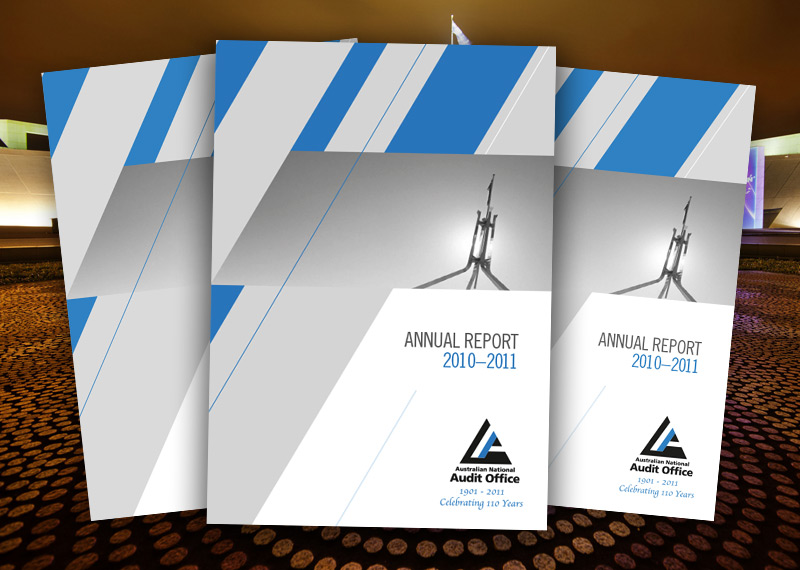
Published: Friday 30 September 2011
Published
This annual report documents the performance of the Australian National Audit Office (ANAO) in the financial year ending on 30 June 2011. It includes a foreword by the Auditor-General, an overview including the role and vision of the Office, a report on performance, details about management and accountability, and the financial results.
Performance audit (Auditor-General Report No. 20 of 2008–09)
Published: Thursday 5 February 2009
Published
The second audit, which is the subject of this report, is a broader and more in-depth cross-portfolio audit. Its objective was to assess:
- the planning and delivery of capital works projects by proponent agencies;
- the extent to which projects have delivered on what was intended; and
- the extent to which proponent agencies have complied with the requirements of the Public Works Committee Act 1969 and approved procedures.
Entity
Across Agencies
Annual report
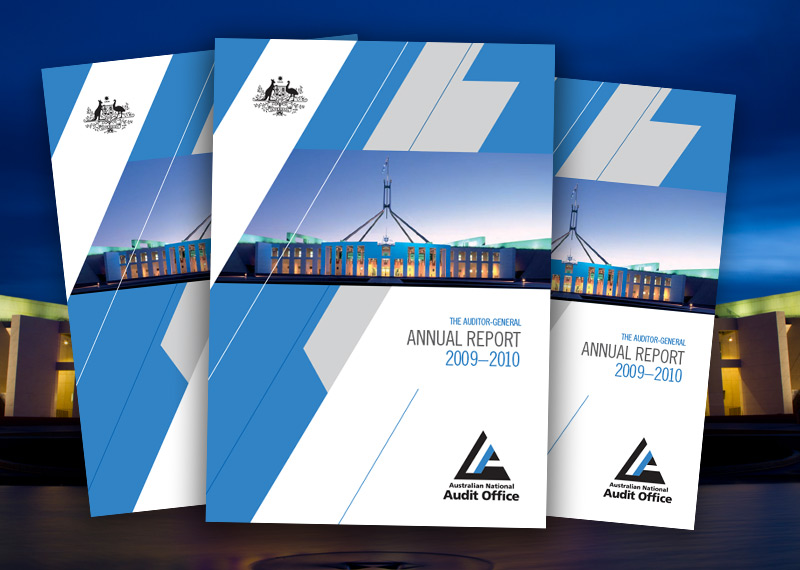
Published: Thursday 30 September 2010
Published
This annual report documents the performance of the Australian National Audit Office (ANAO) in the financial year ending on 30 June 2010. It includes a foreword by the Auditor-General, an overview including the role and responsibilities and vision of the Office, a report on performance, details about management and accountability, and the financial results.
Performance audit (Auditor-General Report No. 28 of 2000–01)
Published: Wednesday 7 February 2001
Published
The report summarises the audit and other related activities of the ANAO in the period June to December 2000. It provides a consolidated report of the ANAO's integrated audit products tabled during the period. Key issues examined in the ANAO's performance audit activity in the period were:
- risk management in a corporate governance framework;
- outsourcing and asset sales;
- contract management;
- service delivery;
- data management/management information systems; and
- legislative implementation.
The report also summarised the results of a report summarising the final results of the audits of the financial statements of Commonwealth entities; and dealt with issues regarding financial management issues, controls and processes arising from the financial audit activities conducted during the period.
Entity
Audit Activity Report
Speeches and papers
Published: Friday 26 February 2010
Published
Mr Ian McPhee - Auditor-General for Australia, presented at the Canberra Evaluation Forum, The Lobby, Canberra