Browse our range of reports and publications including performance and financial statement audit reports, assurance review reports, information reports and annual reports.
Request for audit
Responded: Thursday 1 July 2021
Response provided
The Auditor-General responded on 1 July 2021 to correspondence from the Hon Brendan O'Connor MP and Mr Tim Watts MP dated 5 June 2021, requesting that the Auditor-General consider initiating a performance audit into the use of provisional ICT accreditation within Defence.
Contact
Please direct enquiries relating to requests through our contact page.
Government advertising review
Published: Friday 23 January 2009
Published
The objectives of the campaign are to increase knowledge and awareness of the Education Tax Refund, the need to keep receipts, eligibility requirements, and how to claim the refund, with the overall objective of encouraging eligible Australians to make a claim for a rebate.
Government advertising review
Published: Friday 16 January 2009
Published
This phase of the campaign (phase two) is designed to communicate information and raise awareness about the First Home Owners Boost amongst potential first home buyers, through limited media (print/ radio/ digital/ outdoor advertisement) supported by marketing collateral.
Government advertising review
Published: Tuesday 2 December 2008
Published
The Economic Security Strategy (ESS) campaign is intended to inform the community of aspects of the Australian Government's response to the global financial crisis. This component of the campaign is designed to raise awareness, among those for whom English is not a convenient language, of the financial assistance available, in the form of lump sum payments, and of access and eligibility requirements.
Government advertising review
Published: Thursday 20 November 2008
Published
The ABHI campaign is an information campaign, largely in cooperation with other states (excl Victoria) which promotes improved public health and reduced incidence of chronic disease. This component of the campaign takes a culturally relevant approach and includes advertising content and messages delivered through Indigenous media channels.
Government advertising review
Published: Thursday 20 November 2008
Published
The Economic Security Strategy (ESS) campaign is intended to inform the community of aspects of the Australian Government's response to the global financial crisis. This campaign is designed to raise awareness of the financial assistance, in the form of lump sum payments, including access and eligibility requirements. Phase One is targeted at over five million pensioners, carers, seniors, people with a disability, veterans and families.
Government advertising review
Published: Friday 24 October 2008
Published
The ABHI campaign is an information campaign, largely in cooperation with other states (excl Victoria) which promotes improved public health and reduced incidence of chronic disease. The campaign aims to update public perceptions on lifestyle choices and risk factors leading to obesity and resultant disease. It is anticipated that people will take positive action to be more active and modify their diet, leading to a reduction in instances of diseases.
Request for audit
Responded: Wednesday 17 September 2025
Response provided
The Auditor-General responded on 31 July 2025 to correspondence from Senator Andrew Bragg dated 3 July 2025, requesting that the Auditor-General conduct an investigation to examine Housing Australia Future Fund's financial performance to 30 June 2025.
The Auditor-General received further clarification correspondence from Senator Andrew Bragg dated 6 August 2025. The Auditor-General provided a clarification response to Senator Bragg on 17 September 2025.
Contact
Please direct enquiries through our contact page.
Request for audit

Responded: Monday 8 October 2018
Response provided
The Auditor-General has responded to a request from Mr Pat Conroy MP dated 28 September 2018, asking that the Auditor-General conduct an audit of aspects of the Government advertising campaign: Powering Forward.
Contact
Please direct enquiries through our contact page.
Performance audit (Auditor-General Report No. 50 of 2014–15)

Published: Wednesday 10 June 2015
Published
The objective of the audit was to assess the effectiveness of the administration of the Defence Home Ownership Assistance Scheme by the Department of Defence and the Department of Veterans’ Affairs.
Entity
Department of Defence; Department of Veterans' Affairs
Contact
Please direct enquiries relating to reports through our contact page.
Performance audit (Auditor-General Report No. 4 of 2016–17)

Published: Wednesday 31 August 2016
Published
The audit objective was to assess the effectiveness of the Department of the Environment and Energy's award of funding under the 20 Million Trees Programme.
Entity
Department of the Environment and Energy
Contact
Please direct enquiries relating to reports through our contact page.
Insights: Audit lessons

Published: Friday 20 July 2018
Published
This edition of audit insights covers audit reports tabled in Parliament during the fourth quarter of 2017–18 with a focus on the key learnings relating to cyber resilience. Cyber security is an increasing risk across government and one that requires attention by Accountable Authorities.
Contact
Please direct enquiries through our contact page.
Financial statement audit (Auditor-General Report No. 42 of 2008–09)

Published: Monday 22 June 2009
Published
Under section 57 of the Financial Management and Accountability Act 1997 (FMA Act) the Auditor-General is required to report each year to the relevant Minister, on whether the financial statements of agencies have been prepared in accordance with the Finance Minister's Orders (FMOs) and whether they give a true and fair view of the matters required by those Orders.
Our interim audits of agencies encompass a review of governance arrangements related to agencies' financial reporting responsibilities, and an examination of relevant internal controls, including information technology system controls. An examination of such issues is designed to assess the reliance that can be placed on internal controls to produce complete and accurate information for financial reporting purposes.
Entity
Across Agencies
Request for audit
Responded: Friday 19 November 2021
Response provided
The Auditor-General responded on 19 November 2021 to correspondence from Senator Malcolm Roberts dated 28 October 2021, requesting that the Auditor-General clarify issues relating to the Disaster Recovery Funding Arrangements.
The Auditor-General received further correspondence about this matter from the Chief Executive Officer of the Queensland Reconstruction Authority, Mr Brendan Moon on 6 June 2022.
Contact
Please direct enquiries through our contact page.
Request for audit
Responded: Friday 29 March 2019
Response provided
The Auditor-General responded on 29 March 2019 to correspondence from Ms Cathy McGowan AO MP dated 5 March 2019, requesting that the Auditor-General investigate the conduct of a range of parties in relation to the announcement of grants under Round 3, Building Better Regions Fund.
Contact
Please direct enquiries relating to requests through our contact page.
Request for audit
Responded: Monday 1 April 2019
Response provided
The Auditor-General responded on 18 March 2019 to correspondence from the Hon. Shayne Neumann MP dated 19 February 2019 and 14 March 2019. The Auditor-General further responded on 1 April 2019. The correspondence from Mr Neumann requested that the Auditor-General conduct an audit into the circumstances surrounding the Department of Home Affairs' procurement of garrison support and welfare services in Papua New Guinea.
Contact
Please direct enquiries relating to requests for audit through our contact page.
Performance audit (Auditor-General Report No. 11 of 2015–16)

Published: Thursday 3 December 2015
Published
The objective of the audit was to assess the effectiveness of Indigenous Business Australia’s management and implementation of the Indigenous Home Ownership Program.
Entity
Indigenous Business Australia
Contact
Please direct enquiries relating to reports through our contact page.
Performance audit (Auditor-General Report No. 26 of 2015–16)
Published: Tuesday 15 March 2016
Published
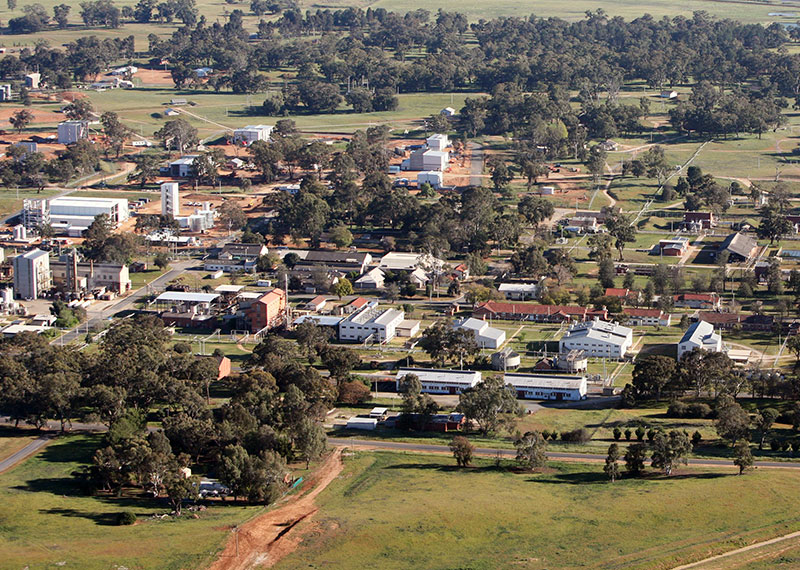
The audit objective is to assess the effectiveness of the Department of Defence's management of the Mulwala Redevelopment Project.
Entity
Department of Defence
Contact
Please direct enquiries relating to reports through our contact page.
Request for audit
Responded: Wednesday 19 August 2020
Response provided
The Auditor-General responded on Thursday 27 February 2020 to correspondence from Mr Andrew Giles MP dated 4 February 2020, requesting that the Auditor-General undertake a performance audit of the Urban Congestion Fund. The fund is administered by the Department of Infrastructure, Transport, Regional Development and Communications. The Auditor-General provided follow-up responses to Mr Giles MP on 24 July 2020 and 19 August 2020.
Contact
Please direct enquiries relating to requests for audit through our contact page.
Performance audit (Auditor-General Report No. 38 of 2017–18)

Published: Friday 11 May 2018
Published
The objective of the audit was to assess the effectiveness of the Australian Government’s personnel security arrangements for mitigating insider threats.
Entity
Across Entities
Contact
Please direct enquiries through our contact page.
Performance audit (Auditor-General Report No. 27 of 2015–16)

Published: Tuesday 26 April 2016
Published
The audit objective was to assess the effectiveness of the Australian Taxation Office's (ATO) strategies and activities to address the cash and hidden economy.
Entity
Australian Taxation Office
Contact
Please direct enquiries relating to reports through our contact page.
Performance audit (Auditor-General Report No. 21 of 2018–19)

Published: Tuesday 18 December 2018
Published
The objective of this audit was to examine the effectiveness of the Department of Home Affairs' administration of the support arrangements designed to ensure that the Cape Class patrol boats are achieving contracted availability and performance requirements.
Entity
Department of Home Affairs
Contact
Please direct enquiries through our contact page.
Performance audit (Auditor-General Report No. 6 of 2021–22)

Published: Monday 11 October 2021
Published
The audit objective was to assess whether the Department of Home Affairs is effectively managing the Civil Maritime Surveillance Services contract.
Entity
Department of Home Affairs/Australian Border Force
Contact
Please direct enquiries through our contact page.
Performance audit (Auditor-General Report No. 34 of 2015–16)

Published: Thursday 5 May 2016
Published
The objective of this audit was to assess the effectiveness of the administration of tobacco excise and excise equivalent goods.
Entity
Australian Taxation Office (ATO); Department of Immigration and Border Protection
Contact
Please direct enquiries relating to reports through our contact page.
Request for audit
Responded: Friday 29 March 2019
Response provided
The Auditor-General responded on 29 March 2019 to the follow-up correspondence from the Hon. Mark Dreyfus QC MP dated 26 March 2019. Mr Dreyfus requested that the Auditor-General extend his investigation to look at the conduct of a range of parties in relation to the announcement of grants. This is in addition to the request to investigate the conduct of a range of parties in relation to the announcement of the grant to the Yankalilla Bowling Club, which was the subject of the original correspondence dated 24 February 2019.
Contact
Please direct enquiries relating to requests through our contact page.
Request for audit
Responded: Friday 17 December 2021
Response provided
The Auditor-General responded on 17 June 2021 to correspondence from the Hon Mark Dreyfus QC, MP dated 21 May 2021, requesting that the Auditor-General conduct an investigation to examine how part-time members of the Social Services and Child Support Division and “sessional part-time members” in the Migration and Refugee Division of the Administrative Appeals Tribunal are being remunerated.
The Auditor-General provided a follow-up response to the Hon Mark Dreyfus QC, MP on 17 December 2021.
Contact
Please direct enquiries relating to requests for audit through our contact page.
Performance audit (Auditor-General Report No. 19 of 2015–16)
Published: Tuesday 2 February 2016
Published
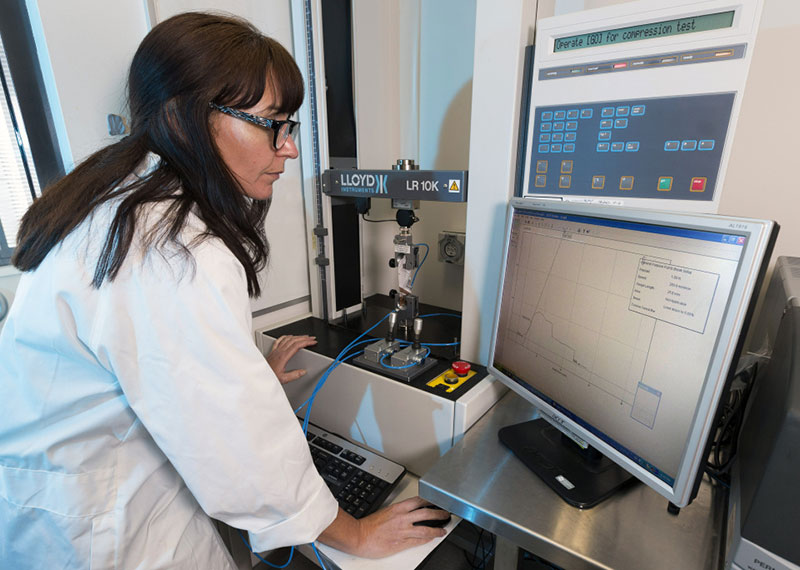
The objective of this audit was to assess how effectively the Defence Science and Technology Group (DSTG) administers the science and technology work it undertakes for the Australian Defence Organisation.
Entity
Department of Defence
Contact
Please direct enquiries relating to reports through our contact page.
Performance audit (Auditor-General Report No. 44 of 2017–18)

Published: Tuesday 29 May 2018
Published
The audit objective was to review the effectiveness of the Department of Defence’s (Defence) arrangements for delivering selected non-platform sustainment.
Entity
Department of Defence
Contact
Please direct enquiries relating to reports through our contact page.
Performance audit (Auditor-General Report No. 4 of 2023–24)

Published: Thursday 31 August 2023
Published
The objective of the audit was to assess the effectiveness of the Department of Social Services’ (DSS’s) and Services Australia’s management of the accuracy and timeliness of welfare payments.
Entity
Services Australia; Department of Social Services
Contact
Please direct enquiries through our contact page.
Performance audit (Auditor-General Report No. 17 of 2014–15)

Published: Thursday 18 December 2014
Published
The objective of the audit was to examine the effectiveness of Navy’s strategy for recruiting and retaining personnel with specialist skills. The effective delivery of Navy capability depends on Navy having available sufficient numbers of skilled personnel to operate and maintain its fleet of sea vessels and aircraft, and conduct wide‑ranging operations in dispersed locations. Without the right personnel, Navy capability is reduced. Navy’s budget for 2014–15 included $1.86 billion in employee expenses.
The audit concluded that, in its strategic planning, Navy had identified its key workforce risks and their implications for Navy capability. To address these risks Navy had continued to adhere to its traditional ‘raise, train and sustain’ workforce strategy; developed a broad range of workforce initiatives that complemented its core approach; and sought to establish contemporary workforce management practices. However, long‑standing personnel shortfalls in a number of ‘critical’ employment categories had persisted, and Navy had largely relied on retention bonuses as a short‑ to medium‑term retention strategy.
Navy had developed a broad range of workforce initiatives, some designed specifically to address workforce shortages in its critical employment categories. To date, Navy had primarily relied on paying retention bonuses and other financial incentives; recruiting personnel with prior military experience to work in employment categories with significant workforce shortfalls; and using Navy Reserves in continuous full time roles. Ongoing work was required for Navy to firmly establish a range of promising workforce management practices, including providing the right training at the right time; more flexible approaches to managing individuals’ careers; and improving workplace culture, leadership and relationships. More flexible and tailored workforce management practices could help address the underlying causes of workforce shortfalls, particularly when the traditional approaches were not gaining sufficient traction.
The ANAO made two recommendations aimed at Navy: drawing on external human resource expertise to inform the development and implementation of its revised workforce plan; and evaluating the impact of retention bonuses on the Navy workforce to determine their future role within its overall workforce strategy.
Entity
Department of Defence
Contact
Please direct enquiries relating to reports through our contact page.
Performance audit (Auditor-General Report No. 28 of 2025–26)
New

Published: Wednesday 1 April 2026
Published
The objective of the audit was to assess whether the management of funding under the Settlement Engagement and Transition Support program was effective in achieving the program objectives and consistent with the Commonwealth Grant Rules and Principles.
Entity
Department of Home Affairs; Department of Social Services
Contact
Please direct enquiries through our contact page.
Performance audit (Auditor-General Report No. 12 of 2019–20)

Published: Tuesday 5 November 2019
Published
The objective of the audit was to assess whether the award of funding under the Regional Jobs and Investment Packages program was informed by appropriate departmental advice and that processes complied with the grants administration framework.
Entity
Department of Industry, Innovation and Science; Department of Infrastructure, Transport, Cities and Regional Development
Contact
Please direct enquiries through our contact page.
Performance audit (Auditor-General Report No. 23 of 2016–17)

Published: Monday 7 November 2016
Published
The objective of this audit was to examine the effectiveness of the Department of Social Services’ administration of NRAS allocations; processing of market rent valuations, statements of compliance and incentive payments; and the supporting business systems and processes.
Entity
Department of Social Services
Contact
Please direct enquiries relating to reports through our contact page.
Performance audit (Auditor-General Report No. 4 of 2019–20)

Published: Wednesday 31 July 2019
Published
The objective of the audit was to assess whether the contract for the acquisition of the Civil Military Air Traffic Management System demonstrably represents value for money.
Entity
Airservices Australia; Department of Defence
Contact
Please direct enquiries through our contact page.
Performance audit (Auditor-General Report No. 10 of 2018–19)
Published: Monday 5 November 2018
Published
The objective of the audit was to assess the effectiveness of the design and implementation of the Department of Human Services' Quality Framework.
Entity
Department of Human Services
Contact
Please direct enquiries through our contact page.
Performance audit (Auditor-General Report No. 31 of 2021–22)

Published: Wednesday 8 June 2022
Published
The objective of the audit was to assess the effectiveness of the Department of Education, Skills and Employment in managing the integrity of payments to employment service providers.
Entity
Department of Education, Skills and Employment
Contact
Please direct enquiries through our contact page.
Performance audit (Auditor-General Report No. 45 of 2017–18)

Published: Wednesday 6 June 2018
Published
The objective of the audit was to examine the effectiveness of the integration of the Department of Immigration and Border Protection (DIBP) and the Australian Customs and Border Protection Service.
Entity
Department of Home Affairs
Contact
Please direct enquiries through our contact page.
Performance audit (Auditor-General Report No. 8 of 2019–20)

Published: Monday 9 September 2019
Published
The objective of this audit was to examine whether the Tourist Refund Scheme (TRS) is being effectively administered, with the appropriate management of risks.
Entity
Department of Home Affairs; Department of the Treasury; Australian Taxation Office (ATO)
Contact
Please direct enquiries through our contact page.
Speeches and papers
Published: Monday 7 October 2002
Published
Mr P.J. Barrett (AM) - Auditor-General for Australia, presented at the 18th Commonwealth Auditors-General Conference, Malaysia
Speeches and papers
Published: Wednesday 24 May 2000
Published
Mr P.J. Barrett (AM) - Auditor-General for Australia, presented at the Association of Risk and Insurance Managers of Australasia - South Australia Chapter
Speeches and papers
Published: Thursday 29 July 1999
Published
Mr P.J. Barrett (AM) - Auditor-General for Australia, presented at the 1999 Department of Employment, Training and Industrial Relations Biennial Risk Management Conference, Brisbane
Speeches and papers
Published: Friday 21 June 2002
Published
Mr P.J. Barrett (AM) - Auditor-General for Australia, presented at the Senate Occasional Lecture Series
Speeches and papers
Published: Friday 31 May 2002
Published
Mr P.J. Barrett (AM) - Auditor-General for Australia, presented an Occasional Paper
Speeches and papers
Published: Wednesday 10 March 1999
Published
Mr P.J. Barrett (AM) - Auditor-General for Australia, presented at the Secretaries' Forum
Speeches and papers
Published: Thursday 1 April 2004
Published
Mr P.J. Barrett (AM) - Auditor-General for Australia, Address to University of Canberra students participating in the Graduate Certificate in Performance Auditing
Speeches and papers
Published: Monday 13 September 1999
Published
Mr P.J. Barrett (AM) - Auditor-General for Australia, presented at the Defence and Strategic Studies Course, Australian Defence College, Canberra
Speeches and papers
Published: Tuesday 5 October 2004
Published
Mr P.J. Barrett (AO) - Auditor-General for Australia, presented at the UN Results Based Management Seminar
Speeches and papers
Published: Tuesday 19 May 1998
Published
Mr P.J. Barrett (AM) - Auditor-General for Australia, presented at the Senior Executive Leadership Program - Preparatory day, Hill Station, Canberra
Speeches and papers
Published: Monday 11 June 2001
Published
Mr P.J. Barrett (AM) - Auditor-General for Australia, presented at the INTOSAI Working Group
Speeches and papers
Published: Tuesday 30 September 2003
Published
Mr P.J. Barrett (AM) - Auditor-General for Australia, presented at the Committee for Economic Development of Australia, Sydney, 30 Sept
Speeches and papers
Published: Friday 16 November 2001
Published
Mr P.J. Barrett (AM) - Auditor-General for Australia, presented at the CPA South Australia Annual Congress 2001, 'Riding the Next Wave'
Speeches and papers
Published: Tuesday 3 December 2002
Published
Mr P.J. Barrett (AM) - Auditor-General for Australia, presented at the Department of Finance and Administration's Learning Centre Lecture Series
Speeches and papers
Published: Thursday 28 February 2002
Published
Mr P.J. Barrett (AM) - Auditor-General for Australia, Address to University of Canberra Students - Graduate Certificate in Performance Audit
Speeches and papers
Published: Thursday 20 November 1997
Published
Mr P.J. Barrett (AM) - Auditor-General for Australia, presented to the PA Congress 1997:'CPAs for Today and Tomorrow', Adelaide
Speeches and papers
Published: Thursday 11 January 2001
Published
Mr P.J. Barrett (AM) - Auditor-General for Australia, presented at the Global Working Group Meeting, Washington
Speeches and papers
Published: Monday 8 October 2001
Published
Mr P.J. Barrett (AM) - Auditor-General for Australia, presented at the Third ACAG Conference, Canberra
Speeches and papers
Published: Friday 12 March 2004
Published
Mr P.J. Barrett (AM) - Auditor-General for Australia, presented to the Institute of Chartered Accountants of India
Speeches and papers
Published: Friday 31 May 2002
Published
Mr P.J. Barrett (AM) - Auditor-General for Australia, presented at the IPAA ACT Division, Half day seminar
Speeches and papers
Published: Tuesday 17 September 2002
Published
Mr P.J. Barrett (AM) - Auditor-General for Australia, presented at the House of Representatives Occasional Seminar Series
Speeches and papers
Published: Thursday 2 October 1997
Published
Mr P.J. Barrett (AM) - Auditor-General for Australia, presented at a Seminar on 'Financial Management and Electronic Government' Kuala Lumpur