Browse our range of reports and publications including performance and financial statement audit reports, assurance review reports, information reports and annual reports.
Performance audit (Auditor-General Report No. 35 of 2013–14)
Published: Wednesday 4 June 2014
Published
The objective of the audit was to assess the effectiveness of the ATO’s activities to promote tax compliance by high wealth individuals.
Entity
Australian Taxation Office
Contact
Please direct enquiries relating to reports through our contact page.
Performance audit (Auditor-General Report No. 37 of 2017–18)

Published: Thursday 3 May 2018
Published
The objective of the audit was to assess the effectiveness of the Australian Broadcasting Corporation’s (ABC’s) management of complaints.
Entity
Australian Broadcasting Corporation
Contact
Please direct enquiries relating to potential audits through our contact page.
Performance audit (Auditor-General Report No. 50 of 2011–12)
Published: Monday 25 June 2012
Published
The objective of the audit was to assess the effectiveness of Customs and Border Protection's risk-based management of end-to-end processing of incoming international air passengers in achieving border security and passenger facilitation outcomes.
Entity
Australian Customs and Border Protection Service
Performance audit (Auditor-General Report No. 55 of 2011–12)
Published: Thursday 28 June 2012
Published
The objective of the audit was to assess the effectiveness of the Department of Broadband, Communications and the Digital Economy’s administration of the Household Assistance Scheme.
Entity
Department of Broadband, Communications and the Digital Economy, Department of Human Services
Performance audit (Auditor-General Report No. 36 of 2012–13)
Published: Tuesday 21 May 2013
Published
The objective of the audit was to assess the effectiveness of the Commonwealth Environmental Water Office’s administration of environmental water holdings.
Entity
Department of Sustainability, Environment, Water, Population and Communities
Contact
Please direct enquiries relating to reports through our contact page.
Performance audit (Auditor-General Report No. 31 of 2018–19)

Published: Tuesday 26 March 2019
Published
The objective of the audit was to assess whether the Department of Defence’s Projects of Concern regime is effective in managing the recovery of underperforming projects.
Entity
Department of Defence
Contact
Please direct enquiries through our contact page.
Performance audit (Auditor-General Report No. 11 of 2007–08)
Published: Wednesday 31 October 2007
Published
The audit follows on from Audit Report No. 45 2004-2005, Management of Selected Defence Systems Program Offices, May 2005. That report is being considered by the JCPAA, as part of its current inquiry into Defence Financial Management and Equipment Acquisition at the Department of Defence and DMO.
Entity
Department of Defence; Defence Materiel Organisation
Performance audit (Auditor-General Report No. 41 of 2016–17)

Published: Tuesday 28 February 2017
Published
The objective of the audit was to assess the Department of Human Services' and the Department of Social Services’ management of selected fraud prevention and compliance Budget measures.
Entity
Department of Human Services; Department of Social Services
Contact
Please direct enquiries relating to reports through our contact page.
Performance audit (Auditor-General Report No. 45 of 2011–12)
Published: Wednesday 20 June 2012
Published
The audit objective was to assess the effectiveness of DoHA’s administration in supporting the creation and development of health infrastructure from the HHF, including DoHA’s support for the Health Minister and the HHF Advisory Board.
Entity
Department of Health and Ageing
Performance audit (Auditor-General Report No. 40 of 2008–09)
Published: Tuesday 2 June 2009
Published
The objective of the audit was to assess the effectiveness of DoHA's management of the planning and allocation of aged care places and capital grants, in accordance with the Aged Care Act 1997.
Entity
Department of Health and Ageing
Performance audit (Auditor-General Report No. 32 of 1999–2000)
Published: Thursday 17 February 2000
Published
Industry levies play a significant role in the provision of many public services and fund a range of activities undertaken by regulatory bodies such as the Australian Prudential Regulation Authority (APRA), through to financing reform of the Australian waterfront labour force. The objectives of this audit were to assess:
- the coverage, revenue and expenses of non-primary industry levies;
- the effectiveness of selected entities' financial management of non-primary industry levies; and
- areas of better administrative practice relating to the financial management of non-primary industry levies.
Entity
Across Agency
Performance audit (Auditor-General Report No. 22 of 2006–07)
Published: Tuesday 6 February 2007
Published
The audit objective was to examine progress in the development of an overarching approach and guidance for the management of the Commonwealth's intellectual property (Recommendation No. 2 of Audit Report No. 25 of 2003–04).
Entity
NO-DEPTS-LISTED
Performance audit (Auditor-General Report No. 30 of 2010–11)
Published: Thursday 17 February 2011
Published
The audit objective was to assess the effectiveness of the Department of Education, Employment and Workplace Relation's administration of the Digital Education Revolution program, focusing on the major component of the program, the National Secondary Schools Computer Fund.
Entity
Department of Education, Employment and Workplace Relations
Performance audit (Auditor-General Report No. 45 of 2009–10)
Published: Thursday 17 June 2010
Published
The objective of the audit was to assess whether Defence effectively managed the procurement process for services related to the recruitment of personnel to the ADF and the introduction of a new service provider.
Entity
Department of Defence
Performance audit (Auditor-General Report No. 19 of 2012–13)
Published: Thursday 31 January 2013
Published
The audit objective was to assess the effectiveness of FaHCSIA and DHS’ administration of New Income Management in the Northern Territory.
Entity
Department of Families, Housing, Community Services and Indigenous Affairs; Department of Human Services
Performance audit (Auditor-General Report No. 19 of 2013–14)
Published: Wednesday 12 February 2014
Published
The objective of the audit was to assess the effectiveness of the Australian Taxation Office’s (ATO’s) complaints and other feedback management systems in supporting service delivery.
Entity
Australian Taxation Office
Contact
Please direct enquiries relating to reports through our contact page.
Performance audit (Auditor-General Report No. 38 of 2008–09)
Published: Wednesday 27 May 2009
Published
The objective of the ANAO's audit was to examine the effectiveness of DAFF's implementation and administration of the buyback of fishing concessions under the Securing our Fishing Future structural adjustment package.
Entity
Department of Agriculture, Fisheries and Forestry
Performance audit (Auditor-General Report No. 26 of 2014–15)

Published: Tuesday 10 March 2015
Published
The audit objective was to assess the effectiveness of the Department of Health’s administration of the Medical Specialist Training Program.
Entity
Department of Health
Contact
Please direct enquiries relating to reports through our contact page.
Performance audit (Auditor-General Report No. 27 of 2013–14)
Published: Thursday 24 April 2014
Published
The objective of the audit was to examine the effectiveness of the Department of Human Services’ management of Medicare customer data and the integrity of this data.
Entity
Department of Human Services
Contact
Please direct enquiries relating to reports through our contact page.
Performance audit (Auditor-General Report No. 17 of 2012–13)
Published: Tuesday 29 January 2013
Published
The objective of the audit was to assess the effectiveness of the design and implementation of the EEIG program. The focus of the audit was the preparation for, and conduct of, the first funding round of the program.
Entity
Department of Climate Change and Energy Efficiency
Performance audit (Auditor-General Report No. 26 of 2011–12)
Published: Thursday 9 February 2012
Published
The objective of the audit was to assess the extent to which FaHCSIA, DEEWR and DoHA seek to reduce service delivery risks posed by capacity constraints in Indigenous organisations.
Entity
Department of Families, Housing, Community Services and Indigenous Affairs, Department of Education, Employment and Workplace Relations and Department of Health and Ageing
Performance audit (Auditor-General Report No. 15 of 2023–24)

Published: Monday 12 February 2024
Published
The objective of this audit was to assess the effectiveness of the Australian Taxation Office’s management and oversight of fraud control arrangements for the administration of the Goods and Services Tax (GST).
Entity
Australian Taxation Office
Contact
Please direct enquiries through our contact page.
Performance audit (Auditor-General Report No. 9 of 2009–10)
Published: Thursday 5 November 2009
Published
The objective of the follow-up audit was to assess the extent to which Airservices Australia, and where relevant, the Department of Infrastructure, Transport, Regional Development and Local Government (DITRDLG), have implemented the four ANAO recommendations contained in the previous audit report.
Entity
Airservices Australia; Department of Infrastructure, Transport, Regional Development and Local Government
Performance audit (Auditor-General Report No. 7 of 2003–04)
Published: Wednesday 24 September 2003
Published
The audit reviewed the recordkeeping frameworks of four large Commonwealth organisations. The objective of the audit was to assess whether recordkeeping policies, systems and procedures were in accordance with relevant Government policies, legislation, accepted standards and recordkeeping principles, and applicable organisational controls.
Entity
Centrelink; Department of Agriculture, Fisheries and Forestry; Department of Family and Community Services; Department of Health and Ageing
Performance audit (Auditor-General Report No. 25 of 2014–15)

Published: Thursday 5 March 2015
Published
The audit objective was to assess the effectiveness of the development and administration of the Fifth Community Pharmacy Agreement (5CPA), and the extent to which the 5CPA has met its objectives.
Entity
Department of Health; Department of Human Services; Department of Veterans' Affairs
Contact
Please direct enquiries relating to reports through our contact page.
Performance audit (Auditor-General Report No. 4 of 2011–12)
Published: Wednesday 31 August 2011
Published
The audit objective was to assess the effectiveness of DEEWR’s and FaHCSIA’s administration of the Australian Government’s responsibilities under Element 1 of the National Partnership Agreement on Indigenous Economic Participation (including the NT Jobs Package).
Entity
Across Entities
Performance audit (Auditor-General Report No. 10 of 2004–05)
Published: Friday 17 September 2004
Published
The objectives of the audit were to assess agency performance in relation to compiling the Internet listings by the Senate Order and the appropriateness of the use of confidentiality in Commonwealth contracts.
Entity
Across Entities
Performance audit (Auditor-General Report No. 39 of 2013–14)
Published: Thursday 12 June 2014
Published
The objective of the audit was to examine the application of the Australian Taxation Office's Compliance Effectiveness Methodology in evaluating the effectiveness of key compliance activities and shaping the development of strategies to promote voluntary compliance.
Entity
Australian Taxation Office
Contact
Please direct enquiries relating to reports through our contact page.
Performance audit (Auditor-General Report No. 48 of 2004–05)
Published: Thursday 2 June 2005
Published
The objective of the audit was to assess the administrative effectiveness of DEST's support for the Australian education and training export industry, including its regulatory and associated roles, and how it monitors and reports on its performance in undertaking these roles.
Entity
Department of Education Science and Training
Performance audit (Auditor-General Report No. 29 of 2004–05)
Published: Friday 25 February 2005
Published
The objective of the audit was to provide an independent assurance of the effectiveness of Defence's management of the acquisition, and future provision of the Armidale Class Patrol Boats capability, relating to the in-service support contract, provision of infrastructure, and crewing sustainability.
Entity
Department of Defence
Performance audit (Auditor-General Report No. 32 of 2024–25)

Published: Wednesday 21 May 2025
Published
The objective of the audit was to assess the effectiveness of the Department of Agriculture, Fisheries and Forestry’s management of the biosecurity workforce.
Entity
Department of Agriculture, Fisheries and Forestry
Contact
Please direct enquiries through our contact page.
Performance audit (Auditor-General Report No. 30 of 2004–05)
Published: Wednesday 2 March 2005
Published
The objective of this audit was to assess ARPANSA's management of the regulation of Commonwealth radiation and nuclear activities to ensure the safety of their radiation facilities and sources.
Entity
Australian Radiation Proctection and Nuclear Safety Agency
Performance audit (Auditor-General Report No. 43 of 2012–13)
Published: Wednesday 12 June 2013
Published
The objective of the audit was to assess the efficiency and effectiveness of the establishment, implementation and administration of the general component of the Local Jobs stream of the Jobs Fund, with a particular focus on the establishment of program objectives and the extent to which approved grants have demonstrably contributed to the cost-effective achievement of those objectives.
Entity
Department of Education, Employment and Workplace Relations
Contact
Please direct enquiries relating to reports through our contact page.
Performance audit (Auditor-General Report No. 7 of 2015–16)

Published: Tuesday 10 November 2015
Published
The audit objective was to assess the effectiveness of the Department of the Environment’s and the Australian Customs and Border Protection Service’s management of compliance with the wildlife trade regulations under Part 13A of the Environment Protection and Biodiversity Conservation Act 1999.
Entity
Department of the Environment; Department of Immigration and Border Protection
Contact
Please direct enquiries relating to reports through our contact page.
Performance audit (Auditor-General Report No. 46 of 1999–2000)
Published: Tuesday 13 June 2000
Published
The audit reviewed the High Wealth Individuals Taskforce, a comprehensive compliance program with the Australian Taxation Office. The objective of the audit was to examine and report on the management and operations of the taskforce. In doing so, the audit reviewed the Australian Taxation Office's own evaluation of the taskforce and assessed whether, and to what extent, the taskforce delivered the outcomes specified by the Government.
Entity
Australian Taxation Office
Performance audit (Auditor-General Report No. 24 of 2013–14)
Published: Wednesday 16 April 2014
Published
The audit objective was to assess the administrative effectiveness of Defence’s procedures to provide emergency assistance to the civil community.
Entity
Department of Defence
Contact
Please direct enquiries relating to reports through our contact page.
Performance audit (Auditor-General Report No. 48 of 2017–18)

Published: Tuesday 19 June 2018
Published
The objective of this audit was to assess the effectiveness of the Australian Taxation Office’s (ATO) and Treasury’s management of compliance with foreign investment obligations for residential real estate.
Entity
Treasury; Australian Taxation Office
Contact
Please direct enquiries through our contact page.
Performance audit (Auditor-General Report No. 3 of 1999–2000)
Published: Thursday 22 July 1999
Published
All persons, other than Australian nationals, are required to hold a visa to enter and stay in Australia. This audit's focus is on the entry component of the visa process and specifically the Electronic Travel Authority (ETA). The ETA is an electronically-stored authority for travel, which facilitates the entry of tourists and short-term business travellers from countries where the risk of non-compliance with visa conditions is low, that is, in countries classified as ‘low risk'. The objective of the performance audit was to assess the administrative effectiveness of the ETA.
Entity
Department of Immigration and Multicultural Affairs
Performance audit (Auditor-General Report No. 1 of 2008–09)
Published: Tuesday 5 August 2008
Published
The objective of the audit was to assess the effectiveness of DFAT's employment and management of its LES at Australia's overseas missions. In particular, the audit examined arrangements for: planning and risk management; guidance and training; recruitment, engagement and employment of LES; and performance management.
Entity
Department of Foreign Affairs and Trade
Performance audit (Auditor-General Report No. 12 of 2007–08)
Published: Thursday 1 November 2007
Published
The objective of the audit was to assess the effectiveness of the Tax Office's compliance approach for high risk income tax refunds in the individuals and micro enterprises market segments. The audit examined three key areas:
management and organisational arrangements relating to high risk income tax refund processes;
processes and procedures for identifying high risk income tax refunds, and the processes and tools used to evaluate and verify taxpayers' entitlements to income tax refunds; and
information technology systems, processes and controls supporting the processing of income tax returns and refunds.
Entity
Australian Taxation Office
Performance audit (Auditor-General Report No. 6 of 2010–11)
Published: Tuesday 21 September 2010
Published
The objective of the audit was to assess the implementation of the Australian Taxation Office's Client Contact – Work Management – Case Management system (CWC). The audit examined four key areas that included:
- progress of the CWC against the endorsed Change Program business case;
- improvements to the productivity and efficiency of tax administration as a result of the implementation of the CWC;
- improvements to client experiences when dealing with the Tax Office as a result of the implementation of the CWC; and
- effects of the CWC implementation, including additional benefits achievable beyond its current capacity to further improve tax administration.
Entity
Australian Taxation Office
Performance audit (Auditor-General Report No. 36 of 2014–15)

Published: Wednesday 6 May 2015
Published
The audit objective was to assess the effectiveness of the Department of Human Services’ administration of the Assistance for Isolated Children Scheme.
Entity
Department of Human Services
Contact
Please direct enquiries relating to reports through our contact page.
Performance audit (Auditor-General Report No. 2 of 2017–18)

Published: Tuesday 11 July 2017
Published
The objective of the audit was to assess whether Defence has a fit-for-purpose framework for the management of materiel sustainment.
Entity
Defence
Contact
Please direct enquiries relating to reports through our contact page.
Request for audit
Responded: Thursday 6 August 2015
Response provided
The Auditor-General responded on 6 August 2015 to correspondence from Senator Lee Rhiannon on 22 July 2015 regarding Bronwyn Bishop's use of entitlements to pay $5,000 for a charter flight.
Contact
Please direct enquiries relating to requests for audit through our contact page.
Performance audit (Auditor-General Report No. 31 of 2015–16)

Published: Thursday 5 May 2016
Published
The audit objective was to assess the effectiveness of the administration of the Higher Education Loan Program (HELP) debts and repayments.
Entity
Australian Taxation Office (ATO); Department of Education and Training
Contact
Please direct enquiries relating to reports through our contact page.
Performance audit (Auditor-General Report No. 51 of 2002–03)
Published: Thursday 19 June 2003
Published
Defence has long provided housing assistance for members of the Australian Defence Force (ADF) and their families. In 1988, this function passed to the Defence Housing Authority (DHA), which was established to provide suitable housing to meet Defence's operational needs. In 2000, Defence and DHA signed a Services Agreement valued at $3.5 billion over 10 years. The objective of the audit was to assess whether Defence's management of its housing and relocation services provided for ADF members meets specified requirements; and to make practical recommendations for more efficient, effective and economical use of public resources provided for this purpose.
Entity
Department of Defence
Performance audit (Auditor-General Report No. 30 of 2008–09)
Published: Wednesday 29 April 2009
Published
The objective of the audit was to assess the arrangements for oversighting the Action Plan and whether the Plan's new measures have been administered effectively to deliver the intended results.
Entity
Attorney-General's Department; Department of Immigration and Citizenship; Australian Federal Police; Department of Families, Housing, Community Services and Indigenous Affairs
Performance audit (Auditor-General Report No. 44 of 2008–09)
Published: Tuesday 23 June 2009
Published
The objective of this audit was to assess whether selected organisations had effective security risk management programs, including whether a selection of protective security risk treatment controls was working as designed.
Entity
Across Agencies
Performance audit (Auditor-General Report No. 45 of 2012–13)
Published: Monday 17 June 2013
Published
The audit objective was to assess the administrative effectiveness of the Department of Education, Employment and Workplace Relations(DEEWR), Department of Human Services (DHS) partnership arrangement in supporting the delivery of employment programs.
Entity
Department of Education, Employment and Workplace Relations; Department of Human Services
Contact
Please direct enquiries relating to reports through our contact page.
Performance audit (Auditor-General Report No. 8 of 2018–19)

Published: Tuesday 9 October 2018
Published
The objective of the audit was to assess whether effective arrangements have been established by Finance to achieve value for money outcomes for Commonwealth leased office property.
Entity
Department of Finance
Contact
Please direct enquiries through our contact page.
Performance audit (Auditor-General Report No. 8 of 2008–09)
Published: Tuesday 11 November 2008
Published
The objective of the follow up audit was to assess the extent to which Customs has implemented seven of the previous audit's recommendations; the two recommendations relating to strategic and tactical taskings and dissemination of intelligence will be considered in the context of the planned performance audit of Illegal Foreign Fishing in Australia's Northern Waters.
Entity
Australian Customs Service
Performance audit (Auditor-General Report No. 39 of 2002–03)
Published: Thursday 17 April 2003
Published
The Navy Operational Readiness audit examined the systems that Navy uses to manage readiness and concludes coverage of Navy: readiness organisation and management structures (as well as the interface between these systems and Defence enabling operations); management and maintenance of operational readiness (covering personnel, collective training and other components of operational readiness); and readiness performance information processes. The objective of the audit was to provide assurance to Parliament concerning the progress that Navy has made in the development of operational readiness management and evaluation systems and to identify areas for improvement in these systems.
Entity
Department of Defence
Performance audit (Auditor-General Report No. 46 of 2009–10)
Published: Tuesday 22 June 2010
Published
The objective of the audit was to assess the Child Support Agency's effectiveness in managing the implementation of the Building a Better Child Support Agency program.
Entity
Department of Human Services
Performance audit (Auditor-General Report No. 24 of 2007–08)
Published: Tuesday 26 February 2008
Published
The audit objective was to determine whether DIAC's biometrics program had appropriate:
- business review processes (including a business case);
- authorisation;
- business and IT governance arrangements; and
- IT project management and systems development arrangements.
Entity
Department of Immigration and Citizenship
Performance audit (Auditor-General Report No. 10 of 2018–19)
Published: Monday 5 November 2018
Published
The objective of the audit was to assess the effectiveness of the design and implementation of the Department of Human Services' Quality Framework.
Entity
Department of Human Services
Contact
Please direct enquiries through our contact page.
Performance audit (Auditor-General Report No. 53 of 2004–05)
Published: Tuesday 21 June 2005
Published
The objective of the audit was to express an opinion on the effectiveness of HOP management having regard to: compliance with applicable Australian Government policies; compliance with internal guidelines to assist loans officers to assess applications and manage loans; and programme performance reporting.
Entity
Indigenous Business Australia
Performance audit (Auditor-General Report No. 13 of 2017–18)

Published: Thursday 19 October 2017
Published
The objective of this audit was to assess the effectiveness of controls being implemented and/or developed by the National Disability Insurance Agency (NDIA) to ensure National Disability Insurance Scheme (NDIS) access decisions are consistent with legislative and other requirements.
Entity
National Disability Insurance Agency; Department of Human Services
Contact
Please direct enquiries relating to reports through our contact page.
Performance audit (Auditor-General Report No. 31 of 1995–96)
Published: Monday 24 June 1996
Published
The purpose of the audit was to examine the environmental management mechanisms in place across some of the major Commonwealth land management and oversighting entities. In particular, the audit examined Commonwealth environmental management practices to identify current strengths and weaknesses, and provide a framework and direction for the adoption of better practice and continuous improvement. The audit has not been designed to judge past Commonwealth performance using current environmental standards and practices. Rather, the audit focused on encouraging the development of better practice by illustrating the implications and lessons learned from past and present practices.
Entity
Department of Communications, Information Technology and the Arts; Department of Defence; Department of Transport and Regional Development; Department of Administrative Services; Department of Environment, Sport and Territories
Performance audit (Auditor-General Report No. 5 of 2017–18)

Published: Tuesday 8 August 2017
Published
The audit objective is to examine the effectiveness of measures taken to strengthen the protection of Australia’s missions and staff overseas.
Entity
Department of Foreign Affairs and Trade
Contact
Please direct enquiries relating to reports through our contact page.
Performance audit (Auditor-General Report No. 39 of 2008–09)
Published: Wednesday 27 May 2009
Published
The objective of the audit was to examine the effectiveness of DAFF's implementation and administration of the Securing our Fishing Future structural adjustment package industry and community assistance programs.
Entity
Department of Agriculture, Fisheries and Forestry
Performance audit (Auditor-General Report No. 26 of 2016–17)

Published: Wednesday 23 November 2016
Published
The objective of the audit was to assess the effectiveness of the Australian Prudential Regulation Authority's processes for the prudential regulation of superannuation entities.
Entity
Australian Prudential Regulation Authority
Contact
Please direct enquiries relating to reports through our contact page.
Performance audit (Auditor-General Report No. 40 of 2012–13)
Published: Thursday 30 May 2013
Published
The objective of the audit was to assess the effectiveness of the Department of Human Services' arrangements for engaging and managing External Collection Agencies to recover debts arising from Centrelink payments.
Entity
Department of Human Services
Contact
Please direct enquiries relating to reports through our contact page.
Performance audit (Auditor-General Report No. 28 of 2024–25)

Published: Wednesday 5 March 2025
Published
The audit objective was to assess the Australian Taxation Office’s effectiveness in managing complaints.
Entity
Australian Taxation Office
Contact
Please direct enquiries through our contact page.
Performance audit (Auditor-General Report No. 25 of 2009–10)
Published: Thursday 15 April 2010
Published
The objective of the audit was to assess the effectiveness of security awareness and training arrangements at selected Australian Government organisations, including whether they addressed selected security issues from the PSM.
Entity
Attorney-General's Department; CrimTrac; Department of Finance and Deregulation; Department of Health and Ageing; National Archives of Australia; National Gallery of Australia
Performance audit (Auditor-General Report No. 32 of 2014–15)

Published: Thursday 23 April 2015
Published
The objective of the audit was to assess the effectiveness of the Department of Employment’s administration of the Fair Entitlements Guarantee.
Entity
Department of Employment
Contact
Please direct enquiries relating to reports through our contact page.
Performance audit (Auditor-General Report No. 17 of 2008–09)
Published: Wednesday 28 January 2009
Published
The objective of this audit was to assess the effectiveness of DEEWR's administration of Job Network outcome payments.
Entity
Department of Education, Employment and Workplace Relations
Performance audit (Auditor-General Report No. 24 of 2005–06)
Published: Monday 23 January 2006
Published
The audit objective was to assess the effectiveness of DMO's JORN and JFASmaintenance and support arrangements. The audit examined the maintenanceand operation of the JORN and JFAS radars, and their facilities.
Entity
Department of Defence
Performance audit (Auditor-General Report No. 20 of 2002–03)
Published: Tuesday 10 December 2002
Published
The audit reviewed whether DEWR is efficiently and effectively managing the provision of entitlements to eligible former employees under the Employee Entitlements Support Scheme (EESS) and its replacement, the General Employee Entitlements and Redundancy Scheme (GEERS). The audit sought to determine whether DEWR had a mechanism to ensure that claims were properly assessed, taking into account the prevailing risks, whether performance information was adequate, whether relationships with claimants and insolvency practitioners were managed appropriately and whether a cost-effective recovery strategy was in place.
Entity
Department of Employment and Workplace Relations
Performance audit (Auditor-General Report No. 35 of 2008–09)
Published: Thursday 21 May 2009
Published
The objective of the audit was to assess the effectiveness of DIAC's management of MAL. The scope was confined to DIAC's management and use of the system: it did not examine the work of others with an interest in the system, such as security agencies.
Entity
Department of Immigration and Citizenship
Performance audit (Auditor-General Report No. 48 of 2012–13)
Published: Wednesday 19 June 2013
Published
The objective of the audit was to assess the effectiveness of the Department of Families, Housing, Community Services and Indigenous Affairs' (FaHCSIA) administration and management of the Targeted Community Care (Mental Health) Program.
Entity
Department of Families, Housing, Community Services and Indigenous Affairs
Contact
Please direct enquiries relating to reports through our contact page.
Performance audit (Auditor-General Report No. 34 of 2008–09)
Published: Wednesday 20 May 2009
Published
The objective of the audit was to assess the administrative effectiveness of the Tax Office's strategies to address serious non-compliance. In conducting the audit, the ANAO examined the Tax Office's management framework and arrangements to deter, detect and deal with fraud and serious evasion.
Entity
Australian Taxation Office
Performance audit (Auditor-General Report No. 20 of 2017–18)

Published: Tuesday 12 December 2017
Published
The audit objective was to assess the effectiveness of the Department of Industry, Innovation and Science in administering the low emission technologies for fossil fuels (LETFF) program.
Entity
Department of Industry, Innovation and Science
Contact
Please direct enquiries relating to reports through our contact page.
Performance audit (Auditor-General Report No. 11 of 2009–10)
Published: Tuesday 17 November 2009
Published
The objective of the audit was to assess the effectiveness of Defence's procurement and contract management for the provision of Garrison Support Services.
Entity
Department of Defence
Performance audit (planned)
Planned
The objective of this audit is to assess the effectiveness of the design and delivery of the Leaving Violence Program national program.
Entity
Department of Social Services
Contact
Please direct enquiries through our contact page.
Performance audit (Auditor-General Report No. 36 of 2003–04)
Published: Thursday 25 March 2004
Published
The audit assessed the Commonwealth's administration of the two major elements of the Dairy Industry Adjustment Package; the Dairy Structural Adjustment Program (DSAP) and the supplementary Dairy Assitance Program (SDA). The audit addressed the implementation and delivery of the programs, governance arrangements and the management of the Dairy Structural Adjustment Fund.
Entity
Department of Agriculture Fisheries and Forestry; Dairy Adjustment Package
Work program
Updated: Friday 11 July 2025
Updated
The consolidated financial statements (CFS) present whole-of-government financial results inclusive of all Australian Government–controlled entities. Also presented are the financial statements of the general government sector (GGS) and disaggregated information on each of the sectors of government.
Contact
Please direct enquiries through our contact page.
Performance audit (Auditor-General Report No. 4 of 2008–09)
Published: Wednesday 24 September 2008
Published
The audit objective was to form an opinion on the administrative effectiveness of the arrangements between DEEWR (previously DEWR) and Centrelink for the delivery of working age employment services under the Business Partnership Agreement (BPA).
Entity
Department of Education, Employment and Workplace Relations; Centrelink
Performance audit (Auditor-General Report No. 9 of 2012–13)
Published: Thursday 1 November 2012
Published
The objective of the audit was to assess the management and effectiveness of DCO’s delivery and coordination of support services to ADF families, in particular support services provided when an ADF member is seriously injured or ill, or dies in service.
Entity
Department of Defence, Department of Veterans' Affairs
Performance audit (Auditor-General Report No. 41 of 2012–13)
Published: Friday 31 May 2013
Published
The objective of the audit was to assess the awarding of funding under the Supported Accommodation Innovation Fund against the requirements of the Commonwealth’s grants administration framework.
Entity
Department of Families, Housing, Community Services and Indigenous Affairs
Contact
Please direct enquiries relating to reports through our contact page.
Performance audit (Auditor-General Report No. 43 of 2009–10)
Published: Wednesday 16 June 2010
Published
The objective of this audit was to examine whether Army effectively administers the Army Individual Readiness Notice to support the achievement of its purpose.
Entity
Department of Defence
Performance audit (Auditor-General Report No. 32 of 2010–11)
Published: Tuesday 1 March 2011
Published
The objective of the audit was to assess the administrative effectiveness of AGD's management of the Northern Territory Night Patrols Program.
Entity
Attorney-General's Department
Performance audit (Auditor-General Report No. 35 of 2000–01)
Published: Thursday 17 May 2001
Published
Family and Community Services' Oversight of Centrelink's Assesment of New Claims for the Age Pension
The objective of the audit was to assess whether FaCS had established effective business arrangements with Centrelink to help ensure that new claims for Age Pension were properly assessed in accordance with the Social Security Law and the Guide to the Social Security Law. In the context of the audit objective, the primary issues examined were whether FaCS had:
- established an appropriate business framework;
- adopted an appropriate risk management approach;
- appropriately monitored and evaluated performance; and
- provided relevant business support to Centrelink.
Entity
Department of Family and Community Services
Performance audit (Auditor-General Report No. 9 of 2011–12)
Published: Thursday 20 October 2011
Published
The audit objective was to assess the extent to which DEEWR and FaHCSIA have effectively managed the planning and consultation phases for the IBF program and the IBHP program. The audit scope included consideration of the issues likely to affect the ongoing operation and sustainability of the facilities.
Entity
Department of Education, Employment and Workplace Relations; Department of Families, Housing, Community Services and Indigenous Affairs; Aboriginal Hostels Limited; Northern Territory Department of Education and Training
Performance audit (Auditor-General Report No. 16 of 2004–05)
Published: Tuesday 14 December 2004
Published
The objective of the audit was to assess the administrative effectiveness of Customs' Container Examination Facilities. Particular emphasis was given to the following areas: target selection processes; target development strategies; intervention processes; and facilities operation.
Entity
Australian Customs Service
Performance audit (Auditor-General Report No. 45 of 2013–14)
Published: Thursday 19 June 2014
Published
The audit objective was to assess the effectiveness of DHS’ implementation of initiatives to support the delivery of services to Indigenous Australians.
Entity
Department of Human Services
Contact
Please direct enquiries relating to reports through our contact page.
Performance audit (Auditor-General Report No. 42 of 2017–18)

Published: Thursday 24 May 2018
Published
The objective of the audit was to examine the effectiveness of monitoring and payment arrangements under National Partnership Agreements.
Entity
Across Entities
Contact
Please direct enquiries through our contact page.
Performance audit (Auditor-General Report No. 29 of 2012–13)
Published: Tuesday 30 April 2013
Published
The audit objective was to assess the effectiveness of the Department of Veterans’ Affairs (DVA) administration of the veterans’ children education schemes.
Entity
Department of Veterans' Affairs
Performance audit (Auditor-General Report No. 25 of 1996–97)
Published: Friday 20 December 1996
Published
The purpose of this audit was to assess the Department of Social Security's approach to customer service against a recognised good practice methodology, and to identify opportunities for DSS to improve the quality of its customer service, its administrative effectiveness and its overall performance. The ANAO's intention was to identify opportunities to improve customer focus, particularly for those aspects of DSS's administration impacting on customer service. The audit criteria included: customer service environment; human resource management practices; communication with customers; customer-friendly approaches; and systematic approaches to continuous improvement.
Entity
Department of Social Security
Performance audit (Auditor-General Report No. 7 of 1999–2000)
Published: Wednesday 11 August 1999
Published
This audit was a follow-on to Audit Report No.21 1997-98 Protective Security, which reviewed, among other things, information security other than computer and communications security, against the policy and procedures outlined in the 1991 PSM. That audit found inconsistencies in the identification and marking of classified information and weaknesses in the handling and storage of classified information, as well as other breakdowns impacting on information security.
Entity
Across Agency
Performance audit (Auditor-General Report No. 17 of 1997–98)
Published: Tuesday 25 November 1997
Published
The objectives of the audit were to:
- assess the extent to which major program objectives were achieved;
- identify major strengths and weaknesses related to the economy, effectiveness and efficiency of the program administration; and
- identify areas of improvements and risks which should be addressed in arrangements with a private sector project manager.
Audit criteria were developed to address the areas of program planning and implementation, performance measurement and monitoring, responsiveness to emerging issues, dispute resolution mechanisms, risk management and program improvement measures.
Entity
Department of Transport and Regional Development
Performance audit (Auditor-General Report No. 14 of 2012–13)
Published: Tuesday 18 December 2012
Published
The audit objective was to assess the effectiveness of FWO’s administration of education and compliance services in relation to the Fair Work Act 2009.
Entity
Office of the Fair Work Ombudsman
Performance audit (Auditor-General Report No. 9 of 2013–14)
Published: Thursday 7 November 2013
Published
The objective of the audit was to assess the effectiveness of the administration of the Australian Prudential Regulation Authority (APRA) financial industry levies.
Entity
Australian Prudential Regulation Authority; Department of the Treasury
Contact
Please direct enquiries relating to reports through our contact page.
Performance audit (Auditor-General Report No. 16 of 2008–09)
Published: Monday 22 December 2008
Published
The objective of the audit was to assess the adequacy and effectiveness of the BCM practices and procedures within the Tax Office in preparing for, or responding to, disruptions to ‘business as usual' operations.
Entity
Australian Taxation Office
Performance audit (Auditor-General Report No. 47 of 2003–04)
Published: Tuesday 25 May 2004
Published
In the current audit, the objectives were to provide assurance to the Parliament on the adequacy of the measures and plans instituted by Defence to ensure that the combat aircrew workforce meets military preparedness requirements in the future, and to identify possible areas for improvement.
Entity
Department of Defence
Performance audit (Auditor-General Report No. 54 of 2011–12)
Published: Wednesday 27 June 2012
Published
The objective of the audit was to assess the effectiveness of the ATO’s administration of external debt collection arrangements.
Entity
Australian Taxation Office
Performance audit (Auditor-General Report No. 19 of 2009–10)
Published: Friday 18 December 2009
Published
The objective of the audit was to assess how effectively DHS (including CSA), FaHCSIA and Centrelink managed the implementation of stage one of the CSSR and the Improving Compliance program.
Entity
Department of Human Services; Department of Families, Housing, Community Services and Indigenous Affairs; Centrelink
Performance audit (Auditor-General Report No. 39 of 1998–99)
Published: Monday 10 May 1999
Published
The audit reviewed the National Aboriginal Health Strategy (NAHS) component of the Aboriginal and Torres Strait Islander Commission's (ATSIC) Community Housing Infrastructure Program (CHIP). A major NAHS objective is to improve environmental health in indigenous communities through the construction and housing and the provision of water, sewerage and related systems. The objective of the performance audit was to form an opinion on ATSIC's management of the National Aboriginal Health Strategy program in providing housing and related infrastructure to Aboriginal and Torres Strait Islander communities, and to identify areas where program administration could be improved.
Entity
Aboriginal and Torres Strait Islander Commission
Performance audit (Auditor-General Report No. 46 of 2010–11)
Published: Tuesday 31 May 2011
Published
The objective of the audit was to assess the effectiveness of DIAC’s management of the student visa program. Three key areas were examined in the audit: the processing of student visa applications; ensuring compliance with student visa conditions; and cooperation between DIAC and DEEWR.
Entity
Department of Immigration and Citizenship
Performance audit (Auditor-General Report No. 9 of 2006–07)
Published: Thursday 26 October 2006
Published
The objective of the audit was to provide an independent assurance on the effectiveness of Defence and DMO's management of the acquisition of the ASLAV capability to Army. The audit examined the initial capability requirements and approval process, the contract negotiation process, and the management of the Project and Contracts by DMO.
Entity
Department of Defence; Defence Materiel Organisation
Performance audit (Auditor-General Report No. 33 of 2007–08)
Published: Thursday 15 May 2008
Published
The objective of the audit was to assess the effectiveness of the NCA's management of its asset portfolio. This included examining its asset management systems and the management of selected contracts that the NCA has in place to maintain specific assets.
Entity
National Capital Authority
Performance audit (Auditor-General Report No. 8 of 2001–02)
Published: Thursday 9 August 2001
Published
The objective of the audit was to assess whether the disposal of 'infrastructure, plant and equipment' assets was being carried out in accordance with Government policy, relevant aspects of the asset management principles, and applicable internal controls. The scope of the audit covered all aspects of the disposal process from initial planning through to the receipt of proceeds and evaluation of the outcome. The audit examined eight organisations, which are not named in the report.
Entity
Across Agency
Performance audit (Auditor-General Report No. 26 of 2024–25)

Published: Monday 24 February 2025
Published
The objective of the audit was to assess whether the Australian Taxation Office has effective arrangements in place to support the adoption of Artificial Intelligence.
Entity
Australian Taxation Office
Contact
Please direct enquiries through our contact page.
Performance audit (Auditor-General Report No. 26 of 2012–13)
Published: Thursday 28 February 2013
Published
The objective of the current audit was to assess the effectiveness of remediation arrangements put in place by Defence and the Defence Materiel Organisation (DMO) to resolve issues impacting on the achievement of the desired lightweight torpedo capability. It focuses on project management and contractual arrangements, and the progress made with platform integration and test and evaluation.
Entity
Department of Defence; Defence Materiel Organisation (DMO)
Performance audit (Auditor-General Report No. 23 of 2012–13)
Published: Tuesday 26 February 2013
Published
The objective of this audit was to assess the effectiveness of the Australian Government Reconstruction Inspectorate, supported by the National Disaster Recovery Taskforce, in providing assurance that value for money is being achieved in recovery and reconstruction expenditure in Victoria.
Entity
Department of Regional Australia, Local Government, Arts and Sport
Performance audit (Auditor-General Report No. 57 of 2003–04)
Published: Thursday 24 June 2004
Published
The audit objectives were to assess: the appropriateness of agencies' policies for dealing with requests for information in accordance with the FOI Act; and assess agencies' compliance with the provisions of the FOI Act, in relation to selected requests for information.
Entity
Australian Federal Police; Attorney-General’s Department; Department of Communications, Information Technology and the Arts; Department of Veterans’ Affairs; Australian Customs Service; Civil Aviation Safety Authority
Performance audit (Auditor-General Report No. 7 of 2011–12)
Published: Thursday 22 September 2011
Published
The focus of this audit is the IEP stream of the Jobs Fund. Separate performance audits are underway that are examining the establishment, implementation and administration of the separate components of the Local Jobs stream of the Jobs Fund.
Entity
Department of Infrastructure and Transport
Performance audit (Auditor-General Report No. 43 of 2014–15)
Published: Friday 5 June 2015
Published
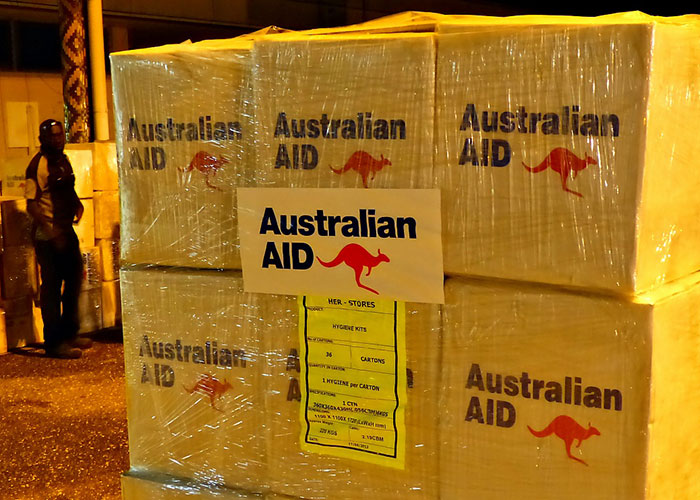
The objective of the audit was to assess the effectiveness of the Department of Foreign Affairs and Trade’s management of Australian aid to Vanuatu.
Entity
Department of Foreign Affairs and Trade
Contact
Please direct enquiries relating to reports through our contact page.
Performance audit (Auditor-General Report No. 13 of 2001–02)
Published: Thursday 20 September 2001
Published
This cross-portfolio audit reviewed the management of Internet security across ten Commonwealth agencies, with the objective of forming an opinion on the adequacy of Internet security management within the selected agencies. The audit pursued two strands - a review of the management systems employed within agencies including the adequacy of risk assessments, security policies and plans, day to day management and business continuity planning in connection with the agencies' Internet presence, and physical testing of the security arrangements of selected Internet sites. Staff from the Defence Signals Directorate were appointed under the Auditor-General Act 1997 to perform the site testing.
Entity
Across Agency
Performance audit (Auditor-General Report No. 46 of 2003–04)
Published: Thursday 20 May 2004
Published
The objective of the audit was to examine and report on the economy, efficiency and effectiveness of the courts' client service arrangements for family law clients. The audit also assessed the effectiveness of the coordination between the two courts, and of their administration of Primary Dispute Resolution (PDR) services.
Entity
Family Court of Australia; Federal Magistrates Court
Performance audit (Auditor-General Report No. 21 of 2012–13)
Published: Monday 11 February 2013
Published
The objective of the audit was to assess the effectiveness of DIAC’s management of individual management services provided to people in immigration detention.
Entity
Department of Immigration and Citizenship
Performance audit (Auditor-General Report No. 38 of 2023–24)

Published: Friday 14 June 2024
Published
The objective of this audit was to assess the effectiveness of the selected entities’ implementation of arrangements for managing cyber security incidents in accordance with the Protective Security Policy Framework (PSPF) and relevant ASD Cyber Security Guidelines.
Entity
Australian Transaction Reports and Analysis Centre; Services Australia
Contact
Please direct enquiries through our contact page.
Performance audit (Auditor-General Report No. 12 of 2002–03)
Published: Monday 21 October 2002
Published
The IIF program is designed to redress the low level of provision in Australia of high risk venture capital for small new technology - based companies commercialising research and development. The objective of the audit was to determine whether the IIF program was being effectively managed by the Industry Research and Development (IR&D) Board and the Department of Industry, Tourism and Resources to achieve the program objectives. The audit focused on corporate governance arrangements for program administration, the selection process to award licences, the safeguards to protect the Commonwealth's financial interests, management of licence agreements, and program performance management. The audit also examined program results to date from available data.
Entity
Department of Industry, Tourism and Resources; Industry Research and Development Board
Performance audit (Auditor-General Report No. 8 of 2013–14)
Published: Wednesday 6 November 2013
Published
The objective of the audit was to examine the effectiveness of the Australian Government Reconstruction Inspectorate, supported by the National Disaster Recovery Taskforce, in providing assurance that value for money is being achieved in respect to Queensland reconstruction projects.
Entity
Department of Infrastructure and Regional Development
Contact
Please direct enquiries relating to reports through our contact page.
Performance audit (Auditor-General Report No. 6 of 2012–13)
Published: Thursday 27 September 2012
Published
The audit objective was to assess the progress of the AIR 6000—New Air Combat Capability project in delivering the required combat aircraft within approved cost, schedule and performance parameters.
Entity
Department of Defence, Defence Materiel Organisation
Performance audit (Auditor-General Report No. 29 of 1997–98)
Published: Tuesday 23 December 1997
Published
The objectives of the audit were to assess the cost-effectiveness of the management and administration of the accounts receivable function in the ‘general government' sector and to identify, develop and report better practice to promote overall improvements in the management of accounts receivable. The audit was limited in scope to agencies whose accounts receivable consist of trade debtors (normally for goods and services), levies, other charges and recoveries from staff.
Entity
Across Agency
Performance audit (Auditor-General Report No. 28 of 1996–97)
Published: Thursday 6 March 1997
Published
This follow-up audit examined the actions taken by the Department of Veterans' Affairs to address the ANAO's recommendations made in Audit Report No.28 1993-94 regarding the use of private hospitals on behalf of the Repatriation Commission. The recommendations from that audit were aimed at improving the basis and consistency of contracts with the private sector for the use of private hospitals and providing added assurance that quality care was available to the veteran community.
Entity
Department of Veterans' Affairs
Performance audit (Auditor-General Report No. 5 of 2016–17)

Published: Wednesday 31 August 2016
Published
The audit objective was to assess the effectiveness of the Department of Infrastructure and Regional Development's regulation of passenger security screening at Australian domestic airports.
Entity
Department of Infrastructure and Regional Development
Contact
Please direct enquiries relating to reports through our contact page.
Performance audit (Auditor-General Report No. 2 of 2005–06)
Published: Friday 15 July 2005
Published
The objective of this follow-up audit was to assess the extent to which APRA has implemented recommendations regarding the supervisory framework and cross-border banking made in ANAO's 2001 audit of bank prudential supervision.
Entity
Australian Prudential Regulation Authority
Performance audit (Auditor-General Report No. 19 of 1995–96)
Published: Wednesday 24 April 1996
Published
The management of Australia's overseas posts has not previously been scrutinised by the ANAO from a performance perspective. This audit is the first in a series planned to examine different aspects of the administration of Australian representation abroad, focusing particularly on DFAT and Austrade, as the agencies responsible for managing almost all overseas posts.
The diversity and complexity of issues at overseas missions of different sizes mean that posts generally cannot be treated as if they were all the same. This audit concentrated on small and medium-sized posts. The findings and conclusions should, therefore, not be regarded as automatically applicable to large posts.
Entity
Australian Trade Commission; Department of Foreign Affairs and Trade
Performance audit (Auditor-General Report No. 16 of 2016–17)

Published: Tuesday 13 September 2016
Published
The objective of the audit was to assess whether the Department of Immigration and Border Protection (DIBP) had appropriately managed the procurement of garrison support and welfare services at offshore processing centres in Nauru and Papua New Guinea (Manus Island); and whether the processes adopted met the requirements of the Commonwealth Procurement Rules (CPRs) including consideration and achievement of value for money.
Entity
Department of Immigration and Border Protection
Contact
Please direct enquiries relating to reports through our contact page.