Browse our range of reports and publications including performance and financial statement audit reports, assurance review reports, information reports and annual reports.
Performance audit (Auditor-General Report No. 43 of 2007–08)
Published: Tuesday 24 June 2008
Published
The objectives for the audit of the third tranche sale of Telstra shares were to:
- assess the extent to which the Government's sale objectives were achieved, including maximising overall value for money;
- assess the effectiveness of the management of the sale; and
- identify principles of sound administrative practice to facilitate potential improvements in any future asset sales.
Entity
Department of Finance and Deregulation
Performance audit (Auditor-General Report No. 40 of 2014–15)

Published: Wednesday 3 June 2015
Published
The audit objective was to assess the effectiveness of the Department of Veterans’ Affairs administration of the Repatriation Transport Scheme.
Entity
Department of Veterans' Affairs
Contact
Please direct enquiries relating to reports through our contact page.
Performance audit (Auditor-General Report No. 45 of 2006–07)
Published: Tuesday 19 June 2007
Published
The objective of this performance audit was to assess the administration of the National Black Spot Programme. It was undertaken in a manner similar to the audit of the Roads to Recovery Programme. Specifically, the audit approach involved:
- examination of DOTARS records and discussions with officers in DOTARS and four of the State road transport authorities responsible for administering the Programme;
- analysis of project monitoring, reporting and payment arrangements; and
- selecting a sample of 45 LGA areas across four States so that ANAO could examine projects delivered with Commonwealth funding.
Entity
NO-DEPTS-LISTED
Performance audit (Auditor-General Report No. 2 of 2025–26)

Published: Wednesday 3 September 2025
Published
The objective of the audit was to assess the effectiveness of the NDIS Commission in exercising its regulatory functions.
Entity
NDIS Quality and Safeguards Commission
Contact
Please direct enquiries through our contact page.
Speeches and papers
Published: Wednesday 18 April 2001
Published
Mr P.J. Barrett (AM) - Auditor-General for Australia, presented at the MinterEllison Seminar Series
Performance audit (Auditor-General Report No. 19 of 2003–04)
Published: Wednesday 17 December 2003
Published
The objective of the audit was to assess whether the property management function, including the management of leases, was being performed efficiently and was providing an effective level of support for the delivery of the organisation's services (outputs). The audit evaluated property management policies and practices across the following dimensions:
- planning and control;
- business processes and practices; and
- information and performance management.
Within each of these areas, a series of desirable proceses and controls (described as the evaluation criteria) were developed to assist in the assessment of each organisation's performance.
Entity
Australian Communications Authority; Australian Film, Television and Radio School; Civil Aviation Safety Authority; Department of Employment and Workplace Relations; National Library of Australia; Department of Finance and Administration
Financial statement audit (Auditor-General Report No. 44 of 2013–14)

Published: Thursday 19 June 2014
Published
This report outlines the ANAO’s assessment of the internal controls of major agencies, including governance arrangements, information systems and control procedures. The findings summarised in this report are the results of the interim phase of the financial statement audits of 23 major General Government Sector agencies that represent some 95 per cent of total General Government Sector revenues and expenses.
Entity
Across Agencies
Contact
Please direct enquiries relating to reports through our contact page.
Speeches and papers
Published: Thursday 21 February 2008
Published
Mr Ian McPhee - Auditor-General for Australia, presented at the Canberra Evaluation Forum
Performance audit (Auditor-General Report No. 26 of 2019–20)

Published: Thursday 27 February 2020
Published
The objective of the audit was to examine the effectiveness of spectrum reallocation to support the deployment of 5G services.
Entity
Department of Infrastructure, Transport, Regional Development and Communications; Australian Communications and Media Authority
Contact
Please direct enquiries through our contact page.
Speeches and papers
Published: Sunday 21 February 1999
Published
Mr P.J. Barrett (AM) - Auditor-General for Australia, presented at the 1999 ACPAC Biennial Conference Commercial Confidentiality - Striking the Balance
Speeches and papers
Published: Wednesday 26 July 2000
Published
Mr P.J. Barrett (AM) - Auditor-General for Australia, presented at the Australian Corporate Lawyers Association and the Australian Institute of Administrative Law Conference on Outsourcing
Performance audit (Auditor-General Report No. 36 of 1996–97)
Published: Thursday 5 June 1997
Published
The audit covered major program elements within the Department of Primary Industries and Energy and Environment Australia that are managed:
- directly by DPIE or Environment Australia;
- through the One-Stop-Shop project assessment process administered by the States/Territories; or
- by non-government organisations.
The purpose of the audit was to examine and benchmark the administrative processes established for these programs. The primary focus of the audit was to draw on the best elements of past practice (particularly in relation to programs involving the One-Stop-Shop) and highlight any shortcomings so that the risks to program effectiveness and accountability could be addressed in the implementation of the Natural Heritage Trust.
Entity
Across Agency
Performance audit (Auditor-General Report No. 48 of 2019–20)

Published: Friday 26 June 2020
Published
The objective of this audit was to examine the effectiveness of the Attorney-General’s Department’s implementation of the recommendations from Auditor-General Report No.27 of 2017–18, Management of the Australian Government’s Register of Lobbyists.
Entity
Attorney-General's Department
Contact
Please direct enquiries through our contact page.
Performance audit (Auditor-General Report No. 46 of 2016–17)

Published: Monday 10 April 2017
Published
The objective of this audit was to assess whether the OneSKY tender was conducted so as to provide value with public resources and achieve required timeframes for the effective replacement of the existing air traffic management platforms.
Entity
Airservices Australia; Department of Defence
Contact
Please direct enquiries relating to reports through our contact page.
Performance audit (Auditor-General Report No. 20 of 2023–24)

Published: Wednesday 27 March 2024
Published
The objective of this audit was to assess whether the design and implementation of the Australian Apprenticeships Incentive System by the Department of Employment and Workplace Relations is effective.
Entity
Department of Employment and Workplace Relations
Contact
Please direct enquiries through our contact page.
Performance audit (Auditor-General Report No. 32 of 2023–24)

Published: Thursday 30 May 2024
Published
The objective of this audit was to assess the effectiveness of the Australian Institute for Teaching and School Leadership’s (AITSL) administration of national standards and frameworks.
Entity
Australian Institute for Teaching and School Leadership
Contact
Please direct enquiries through our contact page.
Performance audit (Auditor-General Report No. 49 of 2014–15)

Published: Wednesday 10 June 2015
Published
The audit objective is to assess the effectiveness of the Department of Agriculture’s administration of the Imported Food Inspection Scheme.
Entity
Department of Agriculture
Contact
Please direct enquiries relating to reports through our contact page.
Speeches and papers
Published: Wednesday 26 April 2000
Published
Mr P.J. Barrett (AM) - Auditor-General for Australia, presented an Occasional Paper
Performance audit (Auditor-General Report No. 41 of 2014–15)

Published: Thursday 4 June 2015
Published
The objective of the audit was to assess the effectiveness of the award of funding under the first round of the Safer Streets programme.
Entity
Attorney-General's Department
Contact
Please direct enquiries relating to reports through our contact page.
Speeches and papers
Published: Sunday 29 February 2004
Published
Mr P.J. Barrett (AM) - Auditor-General for Australia, presented at the MBA Governance Students at Macquarie University Graduate School of Management
Performance audit (Auditor-General Report No. 26 of 2014–15)

Published: Tuesday 10 March 2015
Published
The audit objective was to assess the effectiveness of the Department of Health’s administration of the Medical Specialist Training Program.
Entity
Department of Health
Contact
Please direct enquiries relating to reports through our contact page.
Performance audit (Auditor-General Report No. 13 of 2000–01)
Published: Wednesday 4 October 2000
Published
The audit examined a range of issues in relation to the development of certified agreements in the APS with particular emphasis on the link between improved pay and conditions and increased productivity, and the funding of agreements. The objectives of the audit were to:
- provide an overview of the range of wage outcomes included in the first round of APS certified agreements;
- identify the administrative arrangements agencies have in place to measure any improvements in productivity that were linked to pay increases;
- determine how agencies funded their certified agreements;
- review the reporting and accountability arrangements agencies have in place to monitor progress and to evaluate the outcomes of their certified agreements;
- determine the extent to which agencies complied with the employment terms and conditions outlined in their certified agreements that contributed to paying for their agreement or measuring and/or assessing improvements in productivity; and
- examine the role of central coordinating agencies in reviewing agencies' certified agreements.
Entity
Across Agency
Performance audit (Auditor-General Report No. 20 of 2014–15)

Published: Thursday 5 February 2015
Published
The objective of the audit was to assess the Australian Customs and Border Protection Service's administration of the Tariff Concession System.
Entity
Australian Customs and Border Protection Service
Contact
Please direct enquiries relating to reports through our contact page.
Performance audit (Auditor-General Report No. 32 of 2014–15)

Published: Thursday 23 April 2015
Published
The objective of the audit was to assess the effectiveness of the Department of Employment’s administration of the Fair Entitlements Guarantee.
Entity
Department of Employment
Contact
Please direct enquiries relating to reports through our contact page.
Performance audit (Auditor-General Report No. 52 of 2002–03)
Published: Friday 20 June 2003
Published
The audit reviewed the management of unscheduled absence in 74 APS agencies. The objective of the audit was to assess the extent and cost of unscheduled absence in the APS; to examine whether unscheduled absence in the APS was being managed efficiently and effectively; and to identify opportunities for improvement.
Entity
Across agency
Performance audit (Auditor-General Report No. 23 of 2014–15)

Published: Tuesday 17 February 2015
Published
The audit objective was to assess the effectiveness of the establishment, implementation and operation of the Early Years Quality Fund against the requirements of the Early Years Quality Fund Special Account Act 2013 and the Commonwealth grants administration framework.
Entity
Department of Education and Training; Department of Finance; Department of the Prime Minister and Cabinet
Contact
Please direct enquiries relating to reports through our contact page.
Performance audit (Auditor-General Report No. 29 of 2015–16)

Published: Wednesday 4 May 2016
Published
The audit objective was to assess the effectiveness of selected departments’ implementation of deregulation initiatives.
Entity
Department of the Prime Minister and Cabinet; Department of Communications and the Arts; Department of Health; Department of Industry, Innovation and Science
Contact
Please direct enquiries relating to reports through our contact page.
Insights: Audit lessons

Published: Tuesday 9 January 2024
Published
The aim of Insights: Audit Lessons is to communicate lessons from our audit work and to make it easier for people working within the Australian public sector to apply those lessons.
This edition of Insights: Audit Lessons is targeted at risk practitioners and officials responsible for government operations, projects, programs, services and regulatory activities. It would also be useful for accountable authorities, their senior executives and audit and risk committees.
Contact
Please direct enquiries through our contact page.
Performance audit (Auditor-General Report No. 25 of 2015–16)

Published: Tuesday 15 March 2016
Published
The audit objective was to assess the effectiveness of the selected entities:
- management of the delivery of projects awarded funding under four programmes where ANAO has previously audited the application assessment and selection processes; and
- development and implementation of evaluation strategies for each of those programmes.
Entity
Department of Infrastructure and Regional Development; Department of Industry and Science; Department of Social Services
Contact
Please direct enquiries relating to reports through our contact page.
Performance audit (Auditor-General Report No. 6 of 2022–23)

Published: Tuesday 18 October 2022
Published
The objective of the audit was to assess the effectiveness of the implementation of the revised export control legislative framework by the Department of Agriculture, Fisheries and Forestry.
Entity
Department of Agriculture, Fisheries and Forestry
Contact
Please direct enquiries through our contact page.
Performance audit (Auditor-General Report No. 4 of 2024–25)

Published: Monday 23 September 2024
Published
The objective of the audit was to assess the effectiveness of Australian Financial Security Authority’s (AFSA) management of conflicts of interest.
Entity
Australian Financial Security Authority
Contact
Please direct enquiries through our contact page.
Performance audit (Auditor-General Report No. 2 of 2014–15)

Published: Thursday 25 September 2014
Published
The objective of the audit is to assess the effectiveness of the Department of the Prime Minister and Cabinet’s implementation of food security initiatives for remote Indigenous communities.
Entity
Department of the Prime Minister and Cabinet
Contact
Please direct enquiries relating to reports through our contact page.
Performance audit (Auditor-General Report No. 12 of 2014–15)
Published: Thursday 11 December 2014
Published
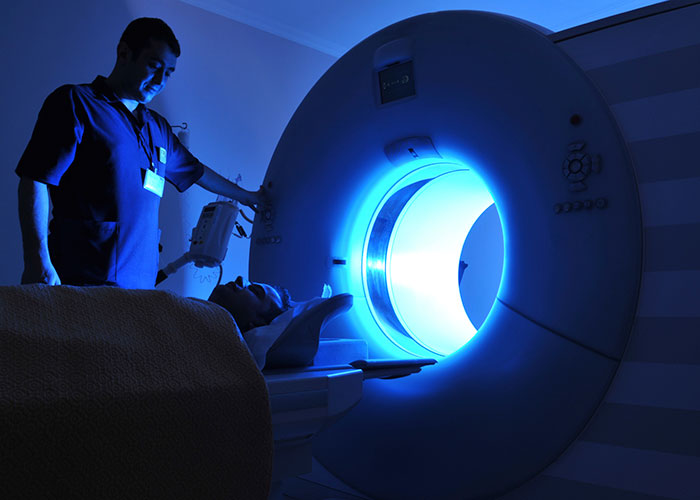
The audit objective was to assess the effectiveness of Health's implementation of the Diagnostic Imaging Review Reform Package, some three years into the five year reform period.
Entity
Department of Health
Contact
Please direct enquiries relating to reports through our contact page.
Performance audit (Auditor-General Report No. 27 of 2024–25)

Published: Monday 3 March 2025
Published
The purpose of the audit was to assess the effectiveness of Sport Integrity Australia’s management of the National Anti-doping Scheme.
Entity
Sport Integrity Australia
Contact
Please direct enquiries through our contact page.
Performance audit (Auditor-General Report No. 14 of 2016–17)

Published: Monday 12 September 2016
Published
The objective of the audit was to assess the effectiveness of the Clean Energy Regulator’s crediting and selection of carbon abatement to purchase under the Emissions Reduction Fund.
Entity
Clean Energy Regulator
Contact
Please direct enquiries relating to reports through our contact page.
Performance audit (Auditor-General Report No. 10 of 2022–23)

Published: Thursday 19 January 2023
Published
The objective of the audit was to assess whether the Department of Health and Aged Care has effectively managed the expansion of telehealth services during and post the COVID-19 pandemic.
Entity
Department of Health and Aged Care
Contact
Please direct enquiries through our contact page.
Performance audit (Auditor-General Report No. 23 of 2016–17)

Published: Monday 7 November 2016
Published
The objective of this audit was to examine the effectiveness of the Department of Social Services’ administration of NRAS allocations; processing of market rent valuations, statements of compliance and incentive payments; and the supporting business systems and processes.
Entity
Department of Social Services
Contact
Please direct enquiries relating to reports through our contact page.
Performance audit (Auditor-General Report No. 26 of 2006–07)
Published: Tuesday 20 February 2007
Published
The Age Pension is Australia's largest social security programme delivering approximately $22 billion to 1.9 million Australians in 2005-06. The Age Pension programme is administered by Centrelink on behalf of its client agency the Department of Families, Community Services and Indigenous Affairs.
The objective of the audit was to examine the effectiveness of Centrelink's administration of complex assessments of customer entitlements for the Age Pension programme, particularly through the use of Complex Assessment Officers.
Entity
Centrelink
Performance audit (Auditor-General Report No. 47 of 2019–20)

Published: Thursday 25 June 2020
Published
The objective of this audit was to assess the effectiveness of the Department of Agriculture, Water and the Environment’s administration of referrals, assessments and approvals of controlled actions under the Environment Protection and Biodiversity Conservation Act 1999.
Entity
Department of Agriculture, Water and the Environment
Contact
Please direct enquiries through our contact page.
Performance audit (Auditor-General Report No. 8 of 2015–16)

Published: Wednesday 18 November 2015
Published
The objective of the audit was to examine the effectiveness of the Department of Social Services' (DSS) administration of the National Rental Affordability Scheme (NRAS), with a focus on the assessment of applications, and management of reserved allocations.
Entity
Department of Social Services
Contact
Please direct enquiries relating to reports through our contact page.
Performance audit (Auditor-General Report No. 21 of 2013–14)
Published: Thursday 27 February 2014
Published
In 2012–13, the ANAO pilot project to audit Key Performance Indicators(KPIs) was continued with the objective of conducting a review of framework developments, both in terms of the clarity of the policy and guidance issued by Finance and the performance of agencies in applying this policy and guidance, as a basis for implementing a future program of audits; and to further develop and test an audit methodology to address the practical challenges of assessing the appropriateness of KPIs, and their complete and accurate reporting.
Entity
Across Entities
Contact
Michael White, Executive Director, Phone (02) 6203 7393
Financial statement audit (Auditor-General Report No. 47 of 2017–18)
Published: Thursday 14 June 2018
Published
The Australian National Audit Office (ANAO) publishes two reports annually addressing the outcomes of the financial statement audits of Australian government entities and the Consolidated Financial Statements (CFS) of the Australian Government, to provide the Parliament of Australia with an independent examination of the financial accounting and reporting of public sector entities. This report focused on the results of the interim audit phase, including an assessment of entities’ key internal controls, of the 2017–18 financial statements audits of a range of entities including all departments of state and a number of major Australian government entities.
Entity
Across Entities
Contact
Please direct enquiries through our contact page.
Performance audit (Auditor-General Report No. 2 of 2022–23)

Published: Monday 15 August 2022
Published
The objective of the audit was to assess the effectiveness of the Australian Taxation Office’s engagement with tax practitioners in achieving efficient and effective taxation and superannuation systems.
Entity
Australian Taxation Office
Contact
Please direct enquiries through our contact page.
Performance audit (Auditor-General Report No. 20 of 2010–11)
Published: Tuesday 14 December 2010
Published
The objective of the audit was to assess the effectiveness of the Tax Office's administration of the wine tax.
Four key areas were examined in the audit: governance arrangements; interpretative assistance and advice; compliance approaches for Australian entities; and administering the rebate for New Zealand wine producers.
The ANAO conducted fieldwork in the Tax Office's Adelaide office between May and September 2010 and also held discussions with representatives from Customs, the Department of the Treasury (Treasury) and New Zealand Inland Revenue. The ANAO also consulted with representatives of wine producers, wholesalers, retailers, tax agents and key industry associations, seeking their views on elements of the Tax Office's administration of the wine tax.
Entity
Australian Taxation Office
Speeches and papers
Published: Thursday 25 May 2000
Published
Mr P.J. Barrett (AM) - Auditor-General for Australia, presented at the Government in Excellence Summit 2000 - Reinventing Government - A Manifesto for Achieving Excellence and Managing for Results; Singapore
Performance audit (Auditor-General Report No. 24 of 2016–17)

Published: Wednesday 9 November 2016
Published
The audit objective was to assess the effectiveness to date of the management of the approach to transition the disability services market to the National Disability Insurance Scheme (NDIS) market arrangements.
Entity
Department of Social Services; National Disability Insurance Agency
Contact
Please direct enquiries relating to reports through our contact page.
Speeches and papers
Published: Thursday 7 April 2005
Published
Mr P.J. Barrett (AO) - Auditor-General for Australia, Opening Address to the inaugural conference of the Risk Management Institution of Australasia - Bringing Risk Management Together - What the Future Holds
Performance audit (Auditor-General Report No. 24 of 2020–21)

Published: Monday 14 December 2020
Published
The objective of the audit was to assess whether the Australian Taxation Office (ATO) has effectively managed risks related to the rapid implementation of COVID-19 economic response measures.
Entity
Australian Taxation Office
Contact
Please direct enquiries through our contact page.
Performance audit (Auditor-General Report No. 43 of 2008–09)
Published: Tuesday 23 June 2009
Published
The objective of the audit, in examining the construction of the CIIDC, was to assess:
- the adequacy of the planning and delivery processes for the project;
- the value-for-money achieved in the delivery of the project, including with regard to the suitability of the centre for its intended purpose; and
- the extent to which the Public Works Committee Act.
Entity
Department of Finance and Deregulation
Performance audit (Auditor-General Report No. 28 of 2021–22)

Published: Thursday 19 May 2022
Published
The objective of this audit was to assess whether the Civil Aviation Safety Authority (CASA) has implemented effective arrangements for the planning and conduct of surveillance activities.
Entity
Civil Aviation Safety Authority
Contact
Please direct enquiries through our contact page.
Financial statement audit (Auditor-General Report No. 44 of 2014–15)

Published: Friday 5 June 2015
Published
This report outlines the ANAO’s assessment of the internal controls of major entities, including governance arrangements, information systems and control procedures. The findings summarised in this report are the results of the interim phase of the financial statement audits of 23 major General Government Sector entities that represent some 95 per cent of total General Government Sector revenues and expenses.
Entity
Across Entities
Contact
Please direct enquiries relating to reports through our contact page.
Performance audit (Auditor-General Report No. 7 of 2024–25)

Published: Wednesday 23 October 2024
Published
The objective of the audit was to assess the effectiveness of the Department of Health and Aged Care’s fraud control arrangements, with a specific focus on the Indigenous Australians’ Health Programme.
Entity
Department of Health and Aged Care
Contact
Please direct enquiries through our contact page.
Annual report

Published: Tuesday 23 September 2025
Published
This annual report documents the performance of the Australian National Audit Office (ANAO) in the financial year ended 30 June 2025. The report addresses all applicable obligations under the Public Governance, Performance and Accountability Act 2013; the Public Governance, Performance and Accountability Rule 2014; the Auditor-General Act 1997; the performance measures set out in the outcome and programs framework in the ANAO’s Portfolio Budget Statements 2024–25 and in the ANAO Corporate Plan 2024–25; and annual reporting requirements set out in other relevant legislation.
Contact
Please direct enquiries through our contact page.
Performance audit (Auditor-General Report No. 46 of 2011–12)
Published: Wednesday 20 June 2012
Published
The objective of the audit was to assess the effectiveness of the Department of Agriculture, Fisheries and Forestry’s administration of the Northern Australia Quarantine Strategy. The ANAO examined whether the department had established effective:
- administrative and governance arrangements to support NAQS;
- processes for identifying biosecurity risks and conducting scientific activities to address identified risks;
- arrangements for managing the quarantine aspects of Torres Strait border movements; and
- public awareness activities that reflect identified biosecurity risks and support the program’s objectives.
Entity
Department of Agriculture, Fisheries and Forestry
Performance audit (Auditor-General Report No. 34 of 2016–17)

Published: Tuesday 24 January 2017
Published
The objective of this audit was to assess the effectiveness of the Department of Agriculture and Water Resources' implementation of the new biosecurity legislative framework.
Entity
Department of Agriculture and Water Resources
Contact
Please direct enquiries relating to reports through our contact page.
Performance audit (Auditor-General Report No. 29 of 2025–26)
New

Published: Thursday 30 April 2026
Published
The audit objective was to examine whether the Department of Industry, Science and Resources (DISR) implemented a selection of agreed Auditor-General recommendations.
Entity
Department of Industry, Science and Resources
Contact
Please direct enquiries through our contact page.
Performance audit (Auditor-General Report No. 45 of 2016–17)

Published: Thursday 30 March 2017
Published
The objective of the audit was to assess whether the procurement by the Department of the Environment and Energy of a replacement Antarctic icebreaking vessel will provide value with public resources.
Entity
Department of the Environment and Energy
Contact
Please direct enquiries relating to reports through our contact page.
Performance audit (Auditor-General Report No. 11 of 2014–15)

Published: Wednesday 10 December 2014
Published
The audit objective was to assess the effectiveness and equity of the award of funding under the Clean Technology Program in the context of the program objectives and the Commonwealth’s grants administration framework.
Entity
Department of Industry
Contact
Please direct enquiries relating to reports through our contact page.
Performance audit (Auditor-General Report No. 22 of 2015–16)

Published: Monday 22 February 2016
Published
The objective of the audit was to assess the effectiveness of the arrangements established by the Australian Antarctic Division (AAD), a division of the Department of the Environment, to support Australia’s Antarctic Program.
Entity
Department of the Environment
Contact
Please direct enquiries relating to reports through our contact page.
Performance audit (Auditor-General Report No. 8 of 2025–26)

Published: Monday 24 November 2025
Published
The objective of the audit was to assess whether the Department of Agriculture, Fisheries and Forestry has effective arrangements to comply with domestic and international travel requirements.
Entity
Department of Agriculture, Fisheries and Forestry
Contact
Please direct enquiries through our contact page.