Browse our range of reports and publications including performance and financial statement audit reports, assurance review reports, information reports and annual reports.
Performance audit (Auditor-General Report No. 14 of 2017–18)

Published: Tuesday 31 October 2017
Published
The objective of the audit was to assess the effectiveness of the transition of the Remote Jobs and Communities Programme to the Community Development Programme, including whether the Community Development Programme is well designed and administered effectively and efficiently.
Entity
Department of the Prime Minister and Cabinet; Department of Employment; Department of Human Services
Contact
Please direct enquiries relating to reports through our contact page.
Performance audit (Auditor-General Report No. 25 of 2014–15)

Published: Thursday 5 March 2015
Published
The audit objective was to assess the effectiveness of the development and administration of the Fifth Community Pharmacy Agreement (5CPA), and the extent to which the 5CPA has met its objectives.
Entity
Department of Health; Department of Human Services; Department of Veterans' Affairs
Contact
Please direct enquiries relating to reports through our contact page.
Performance audit (Auditor-General Report No. 1 of 2000–01)
Published: Monday 24 July 2000
Published
The audit was structured to provide an overview of the administration of Commonwealth assistance to the agrifood industry. In particular, the ANAO sought to form a view on the extent to which four key agencies (Agriculture, Fisheries and Forestry-Australia, the Department of Foreign Affairs and Trade, the Department of Transport and Regional Services and Austrade) are able to demonstrate their success in achieving the Government's objectives for the Australian agrifood industry by assessing agencies' agrifood-related: planned outcomes; performance information; and reporting.
Entity
Agriculture Fisheries and Forestry - Australia; Australian Trade Commission; Department of Foreign Affairs and Trade; Department of Transport and Regional Services
Performance audit (Auditor-General Report No. 15 of 2023–24)

Published: Monday 12 February 2024
Published
The objective of this audit was to assess the effectiveness of the Australian Taxation Office’s management and oversight of fraud control arrangements for the administration of the Goods and Services Tax (GST).
Entity
Australian Taxation Office
Contact
Please direct enquiries through our contact page.
Performance audit (Auditor-General Report No. 38 of 2020–21)

Published: Thursday 20 May 2021
Published
The objective of the audit was to assess the effectiveness to date of the Department of Defence’s implementation of its Pathway to Change — Evolving Defence Culture 2017–2022 cultural reform strategy.
Entity
Department of Defence
Contact
Please direct enquiries through our contact page.
Performance audit (Auditor-General Report No. 42 of 2018–19)

Published: Thursday 30 May 2019
Published
The objective of this audit was to assess the effectiveness of the Australian Taxation Office’s (ATO’s) management of small business tax debt arising from compliance activities.
Entity
Australian Taxation Office
Contact
Please direct enquiries through our contact page.
Performance audit (Auditor-General Report No. 32 of 2014–15)

Published: Thursday 23 April 2015
Published
The objective of the audit was to assess the effectiveness of the Department of Employment’s administration of the Fair Entitlements Guarantee.
Entity
Department of Employment
Contact
Please direct enquiries relating to reports through our contact page.
Performance audit (Auditor-General Report No. 36 of 2014–15)

Published: Wednesday 6 May 2015
Published
The audit objective was to assess the effectiveness of the Department of Human Services’ administration of the Assistance for Isolated Children Scheme.
Entity
Department of Human Services
Contact
Please direct enquiries relating to reports through our contact page.
Performance audit (Auditor-General Report No. 24 of 2022–23)

Published: Tuesday 23 May 2023
Published
The objective of this audit was to assess whether the Department of Defence (Defence) is managing its Australian Defence Force health services contract to achieve efficient and effective delivery of the contracted services.
Entity
Department of Defence
Contact
Please direct enquiries through our contact page.
Performance audit (Auditor-General Report No. 7 of 2015–16)

Published: Tuesday 10 November 2015
Published
The audit objective was to assess the effectiveness of the Department of the Environment’s and the Australian Customs and Border Protection Service’s management of compliance with the wildlife trade regulations under Part 13A of the Environment Protection and Biodiversity Conservation Act 1999.
Entity
Department of the Environment; Department of Immigration and Border Protection
Contact
Please direct enquiries relating to reports through our contact page.
Performance audit (Auditor-General Report No. 41 of 2006–07)
Published: Thursday 31 May 2007
Published
The objective of the audit was to assess the efficiency and the effectiveness of DEWR's administrative oversight for the WfD programme. The components of administration examined included whether:
- the operation of the WfD programme was guided by sound business planning including risk assessment;
- DEWR effectively and efficiently managed, monitored and reported the performance of CWCs in meeting contractual obligations;
- adequate support was provided to DEWR contract managers and account managers to assist in the delivery of WfD outcomes;
- there was evaluation of the performance of CWCs in delivering WfD objectives on behalf of the department;
- DEWR measures the effectiveness of WfD against programme objectives; and
- DEWR had implemented agreed recommendations from the previous WfD audit, where current and relevant.
Entity
NO-DEPTS-LISTED
Performance audit (Auditor-General Report No. 40 of 2014–15)

Published: Wednesday 3 June 2015
Published
The audit objective was to assess the effectiveness of the Department of Veterans’ Affairs administration of the Repatriation Transport Scheme.
Entity
Department of Veterans' Affairs
Contact
Please direct enquiries relating to reports through our contact page.
Performance audit (Auditor-General Report No. 36 of 2015–16)

Published: Thursday 5 May 2016
Published
The audit objective was to assess the effectiveness of the Department of Human Services' administration of the Financial Information Service.
Entity
Department of Human Services
Contact
Please direct enquiries relating to reports through our contact page.
Performance audit (Auditor-General Report No. 28 of 2005–06)
Published: Tuesday 31 January 2006
Published
The objective of this performance audit was to assess agencies' financial management of, and accountability for, the use of net appropriation agreements to increase available appropriations.
Entity
Across Agencies
Performance audit (Auditor-General Report No. 16 of 2016–17)

Published: Tuesday 13 September 2016
Published
The objective of the audit was to assess whether the Department of Immigration and Border Protection (DIBP) had appropriately managed the procurement of garrison support and welfare services at offshore processing centres in Nauru and Papua New Guinea (Manus Island); and whether the processes adopted met the requirements of the Commonwealth Procurement Rules (CPRs) including consideration and achievement of value for money.
Entity
Department of Immigration and Border Protection
Contact
Please direct enquiries relating to reports through our contact page.
Performance audit (Auditor-General Report No. 47 of 2002–03)
Published: Friday 13 June 2003
Published
The audit examined the efficiency and effectiveness of the Department of Employment and Workplace Relations' implementation and subsequent management of the Indigenous Employment Policy. The audit sought to determine whether, in relation to the Indigenous Employment Policy, the department had:
- developed appropriate planning processes and performance measures;
- monitored and reported performance results;
- implemented appropriate evaluation and review mechanisms;
- conducted effective marketing and promotion; and
- identified enhancements and addressed performance issues.
Entity
Department of Employment and Workplace Relations
Performance audit (Auditor-General Report No. 20 of 2017–18)

Published: Tuesday 12 December 2017
Published
The audit objective was to assess the effectiveness of the Department of Industry, Innovation and Science in administering the low emission technologies for fossil fuels (LETFF) program.
Entity
Department of Industry, Innovation and Science
Contact
Please direct enquiries relating to reports through our contact page.
Performance audit (Auditor-General Report No. 8 of 2002–03)
Published: Wednesday 18 September 2002
Published
This is the second audit report under the Senate Order, which requires all Financial Management and Accountability Act 1997 (FMA Act) agencies to place on the Internet, lists of contracts of $100 000 and more by the tenth day of the Spring and Autumn sittings of Parliament. It relates to the audit of the contract information to be listed on the Internet by the tenth day of the Autumn 2002 sitting. The audit involved a desktop review of all FMA Act agencies' Internet listings; and a detailed review at six selected agencies, of the process for making the Internet listings, and the policies and practices for determining confidentiality provisions in contracts.
Entity
Across Agency
Performance audit (Auditor-General Report No. 38 of 2023–24)

Published: Friday 14 June 2024
Published
The objective of this audit was to assess the effectiveness of the selected entities’ implementation of arrangements for managing cyber security incidents in accordance with the Protective Security Policy Framework (PSPF) and relevant ASD Cyber Security Guidelines.
Entity
Australian Transaction Reports and Analysis Centre; Services Australia
Contact
Please direct enquiries through our contact page.
Performance audit (Auditor-General Report No. 26 of 1995–96)
Published: Monday 17 June 1996
Published
The Department of Defence is responsible for administering the Defence export facilitation program which is aimed at promoting Australian defence-relevant exports. The Department administers the program in cooperation with AUSTRADE. Defence is also responsible for administering export controls on defence and related goods and dual-use goods. The Department of Foreign Affairs and Trade is responsible for controls on chemical and biological weapons precursors. The Department of Primary Industries and Energy is responsible for controls on nuclear-specific technology and source/fissionable material. The Australian Customs Service implements barrier controls at ports and airports. In September 1993 the then Minister for Trade referred to the Joint Standing Committee on Foreign Affairs, Defence and Trade (JSCFADT) an inquiry into the implications of Australian defence exports. The JSCFADT's Report on the Implications of Australian Defence Exports (September 1994) recommended, inter alia, that the Auditor-General conduct a performance audit of the operations of the guidelines concerning the controls on the export of defence and related goods, the export control process, and all export facilitation activities. The Auditor-General agreed to undertake an audit, which commenced in May 1995 as a preliminary study and was designated as a performance audit on 30 August 1995.
Entity
Department of Defence
Performance audit (Auditor-General Report No. 11 of 2015–16)

Published: Thursday 3 December 2015
Published
The objective of the audit was to assess the effectiveness of Indigenous Business Australia’s management and implementation of the Indigenous Home Ownership Program.
Entity
Indigenous Business Australia
Contact
Please direct enquiries relating to reports through our contact page.
Performance audit (Auditor-General Report No. 32 of 2024–25)

Published: Wednesday 21 May 2025
Published
The objective of the audit was to assess the effectiveness of the Department of Agriculture, Fisheries and Forestry’s management of the biosecurity workforce.
Entity
Department of Agriculture, Fisheries and Forestry
Contact
Please direct enquiries through our contact page.
Insights: Audit lessons

Published: Tuesday 9 January 2024
Published
The aim of Insights: Audit Lessons is to communicate lessons from our audit work and to make it easier for people working within the Australian public sector to apply those lessons.
This edition of Insights: Audit Lessons is targeted at risk practitioners and officials responsible for government operations, projects, programs, services and regulatory activities. It would also be useful for accountable authorities, their senior executives and audit and risk committees.
Contact
Please direct enquiries through our contact page.
Performance audit (Auditor-General Report No. 48 of 2014–15)

Published: Wednesday 10 June 2015
Published
The objective of the audit was to assess whether selected entities had appropriately justified the use of limited tender procurement and whether processes adopted met the requirements of the Commonwealth Procurement Rules.
Entity
Australian Customs and Border Protection Services; Department of Foreign Affairs and Trade; Department of Human Services
Contact
Please direct enquiries relating to reports through our contact page.
Performance audit (Auditor-General Report No. 22 of 2014–15)

Published: Tuesday 17 February 2015
Published
The objective of the audit was to assess the effectiveness of the Attorney-General’s Department’s administration of the Indigenous Legal Assistance Programme.
Entity
Attorney-General's Department
Contact
Please direct enquiries relating to reports through our contact page.
Performance audit (Auditor-General Report No. 14 of 1999–2000)
Published: Tuesday 12 October 1999
Published
The audit reviewed Commonwealth debt management procedures. The audit objectives were to:
- review, and consider opportunities to improve, the reporting and disclosure of the Commonwealth's public debt;
- assess the effectiveness of the raising, management and retirement of Commonwealth debt, consistent with an acceptable degree of risk exposure; and
- determine whether there are opportunities to improve the Commonwealth's approach to the raising, management and retirement of Commonwealth debt.
Entity
Across Agency
Performance audit (Auditor-General Report No. 22 of 2016–17)

Published: Wednesday 19 October 2016
Published
The objectives of the audit were to:
- assess the effectiveness of the ongoing administration of the Australian Government’s campaign advertising framework; and
- assess the effectiveness of the selected entities’ administration in developing advertising campaigns and implementing key processes against the requirements of the campaign advertising framework applying at the time, and relevant legal and government policy requirements.
Entity
Department of Finance; Department of the Treasury; Department of Education and Training; Department of Immigration and Border Protection
Contact
Please direct enquiries relating to reports through our contact page.
Request for audit

Responded: Thursday 1 August 2013
Response provided
The Auditor-General responded on 1 August 2013 to correspondence from Senator Nick Xenophon of 22 July 2013 on the By boat, no visa advertising campaign.
Contact
Please direct enquiries relating to requests for audit through our contact page.
Performance audit (Auditor-General Report No. 40 of 2000–01)
Published: Monday 28 May 2001
Published
The Department of Immigration and Multicultural Affairs (DIMA), administers the Commonwealth's settlement programs, which seek to assist migrants and refugees to participate in Australian society. Provision of English language training to newly arrived migrants and refugees has been a long standing and significant part of this settlement support, with some 1.5 million new arrivals assisted in this way since 1948. The objective of the audit was to examine DIMA's management of the Adult Migrant English Program Contracts, focusing on performance outcomes; strategic contract management and coordination; program expenditure, with emphasis on contract funding arrangements; and whether contract monitoring and performance information adequately support effective program management. The ANAO made six audit recommendations aimed at improving program performance management and reporting; strategic management and coordination; management of financial risks; and monitoring of contractor performance, which were all accepted by DIMA.
Entity
Department of Immigration and Multicultural Affairs
Performance audit (Auditor-General Report No. 30 of 2022–23)

Published: Thursday 1 June 2023
Published
The objective of this audit was to assess the effectiveness of the Australian Prudential Regulation Authority's probity management.
Entity
Australian Prudential Regulation Authority
Contact
Please direct enquiries through our contact page.
Performance audit (Auditor-General Report No. 44 of 2017–18)

Published: Tuesday 29 May 2018
Published
The audit objective was to review the effectiveness of the Department of Defence’s (Defence) arrangements for delivering selected non-platform sustainment.
Entity
Department of Defence
Contact
Please direct enquiries relating to reports through our contact page.
Performance audit (Auditor-General Report No. 53 of 2016–17)

Published: Wednesday 31 May 2017
Published
The objective of the audit was to assess the effectiveness of Australian Government-funded aged care services delivered to Aboriginal and Torres Strait Islander people.
Please note: Aboriginal and Torres Strait Islander people should be aware that this website may contain images of deceased people.
Entity
Department of Health; Australian Aged Care Quality Agency
Contact
Please direct enquiries relating to reports through our contact page.
Performance audit (Auditor-General Report No. 36 of 2022–23)

Published: Tuesday 13 June 2023
Published
The objective of this audit was to assess the effectiveness of the Australian Securities and Investments Commission's probity management.
Entity
Australian Securities and Investments Commission
Contact
Please direct enquiries through our contact page.
Performance audit (Auditor-General Report No. 8 of 2021–22)

Published: Monday 8 November 2021
Published
The objective of this audit was to assess the effectiveness of the Department of Education, Skills and Employment’s arrangements in administering wage subsidies linked to employment programs.
Entity
Department of Education, Skills and Employment
Contact
Please direct enquiries through our contact page.
Performance audit (Auditor-General Report No. 45 of 2014–15)

Published: Tuesday 9 June 2015
Published
The audit objective was to examine whether the Department of Defence provides an efficient and effective security vetting service for Australian Government entities through the Australian Government Security Vetting Agency.
Entity
Department of Defence
Contact
Please direct enquiries relating to reports through our contact page.
Performance audit (Auditor-General Report No. 30 of 2014–15)

Published: Tuesday 21 April 2015
Published
The audit objective was to examine Defence’s administration of Materiel Sustainment Agreements (MSAs) and the contribution made by MSAs to the effective sustainment of specialist military equipment.
Entity
Department of Defence; Defence Materiel Organisation
Contact
Please direct enquiries relating to reports through our contact page.
Performance audit (Auditor-General Report No. 21 of 2015–16)

Published: Wednesday 10 February 2016
Published
The audit objective was to assess the effectiveness of the administration of the Commonwealth Scientific and Industrial Research Organisation's (CSIRO's) Gift to the Science and Industry Endowment Fund.
Entity
Commonwealth Scientific and Industrial Research Organisation (CSIRO)
Contact
Please direct enquiries relating to reports through our contact page.
Performance audit (Auditor-General Report No. 2 of 1998–99)
Published: Friday 10 July 1998
Published
The Audit reviewed the Commercial Support Program (CSP) within the Department of Defence. The CSP was introduced in 1991 following a review of the report, The Defence Force and the Community. Its objective is to achieve best value for money in the acquisition of support services for the Department of Defence and to give the private sector an opportunity to participate in the provision of those support services. The objective of this audit was to assess whether CSP was meeting its objectives and to identify any areas where it may be possible to improve the timeliness, and therefore cost-effectiveness, with which CSP is implemented and the quality of the process itself to produce better outcomes.
Entity
Department of Defence
Request for audit
Responded: Friday 9 September 2016
Response provided
Response completed as a limited scope assurance review.
The Auditor-General responded on 9 September 2016 to correspondence from the Hon Brendan O’Connor MP on 15 June 2016 regarding the appropriateness of arrangements concerning the Liberal Party of Australia entity Parakeelia Pty Ltd.
Contact
Please direct enquiries relating to requests for audit through our contact page.
Performance audit (Auditor-General Report No. 51 of 2004–05)
Published: Wednesday 15 June 2005
Published
The objective of this audit was to assess whether DEWR's oversight of the Job Network ensures that job seekers are provided with high quality services. In particular, the ANAO examined whether DEWR had: an appropriate strategic approach to, and focus on, service quality across the Job Network; appropriate specification of the services to be provided to eligible job seekers, and of the quality of service provision; provided job seekers with a high quality of service at key Job Network service points; and appropriately monitored and reported the quality of service delivery, and appropriately managed service performance. As well, the ANAO examined whether the Job Network has appropriate mechanisms for identifying, assessing and implementing improvements to service delivery.
Entity
Department of Employment and Workplace Relations; Centrelink
Performance audit (Auditor-General Report No. 22 of 2021–22)

Published: Monday 4 April 2022
Published
The objective of the audit was to assess the effectiveness of the Australian Taxation Office's administration of the JobKeeper scheme.
Entity
Department of the Treasury; Australian Taxation Office (ATO)
Contact
Please direct enquiries through our contact page.
Performance audit (Auditor-General Report No. 11 of 2014–15)

Published: Wednesday 10 December 2014
Published
The audit objective was to assess the effectiveness and equity of the award of funding under the Clean Technology Program in the context of the program objectives and the Commonwealth’s grants administration framework.
Entity
Department of Industry
Contact
Please direct enquiries relating to reports through our contact page.
Performance audit (Auditor-General Report No. 21 of 2014–15)

Published: Tuesday 10 February 2015
Published
The objective of the audit was to assess the effectiveness of the Department of Foreign Affairs and Trade’s delivery of services to Australians travelling or residing abroad.
Entity
Department of Foreign Affairs and Trade
Contact
Please direct enquiries relating to reports through our contact page.
Performance audit (Auditor-General Report No. 9 of 1997–98)
Published: Thursday 23 October 1997
Published
The audit objectives were to report on the efficiency and effectiveness of selected agencies' management of telecommunications services. The specific purpose was to:
- identify the potential for more effective management of telecommunications services;
- consider the appropriateness of Commonwealth agencies' management of telecommunications services to take advantage of technological opportunities; and
- identify the elements of sound administration in the management of telecommunications services.
The audit criteria addressed agencies' performance against benchmarks of sound administrative practice in relation to procurement; planning; business process re-engineering; financial management; and performance management. The audit focussed primarily on telecommunications services, as distinct from capital items and equipment.
Entity
Across Agency
Performance audit (Auditor-General Report No. 57 of 2010–11)
Published: Tuesday 28 June 2011
Published
The objective of the audit was to report on the effectiveness of Defence’s approach to the acceptance into service of Navy capability, and to identify where better practice may be used by CDG, DMO and Navy.
Entity
Department of Defence; Defence Materiel Organisation
Performance audit (Auditor-General Report No. 20 of 2015–16)

Published: Wednesday 3 February 2016
Published
The audit objective was to assess the effectiveness of Defence’s administration of industry support and skill development programs.
Entity
Department of Defence
Contact
Please direct enquiries relating to reports through our contact page.
Performance audit (Auditor-General Report No. 15 of 2014–15)

Published: Wednesday 17 December 2014
Published
The objective of the audit was to assess the effectiveness of the Australian Trade Commission’s administration of the Export Market Development Grants scheme, in providing incentives to small and medium Australian enterprises for the development of export markets.
Entity
Australian Trade Commission (Austrade)
Contact
Please direct enquiries relating to reports through our contact page.
Performance audit (Auditor-General Report No. 38 of 2022–23)

Published: Thursday 15 June 2023
Published
The objective of this audit was to assess the effectiveness of the Australian Competition and Consumer Commission's probity management.
Entity
Australian Competition and Consumer Commission
Contact
Please direct enquiries through our contact page.
Performance audit (Auditor-General Report No. 14 of 2002–03)
Published: Tuesday 29 October 2002
Published
Pursuant to a request from the Senate Finance and Public Administration References Committee and the Auditor - General's response to the Committee, the objective of this performance audit was to examine and report on the selection of the preferred tenderer in the Health Group IT outsourcing process. In particular, the audit examined the circumstances surrounding OASITO's administration of the: - disclosure to a tenderer of information provided by other tenderers; - subsequent acceptance of a late re-pricing offer from a tenderer: and - advice to the decision- maker leading to the selection of the preferred tenderer. The audit focused particularly on assessing the administrative processes undertaken in the selection of the preferred tenderer for the Health Group. Audit emphasis was placed on the management of the probity aspects of the tender process, particularly in regard to events that occurred between June 1999, when the tenderers provided their penultimate pricing, and the selection of the preferred tenderer in September 1999.
Entity
Department of Finance and Administration
Request for audit
Responded: Thursday 5 January 2017
Response provided
The Deputy Auditor-General responded on 5 January 2017 to correspondence from the Hon. Mark Dreyfus QC MP on 4 November 2016 requesting the Auditor-General investigate if grants awarded under the Apprenticeship Training Alternative Delivery Pilots program represented value for money for the Australian taxpayer.
Contact
Please direct enquiries relating to requests for audit through our contact page.
Performance audit (Auditor-General Report No. 26 of 2024–25)

Published: Monday 24 February 2025
Published
The objective of the audit was to assess whether the Australian Taxation Office has effective arrangements in place to support the adoption of Artificial Intelligence.
Entity
Australian Taxation Office
Contact
Please direct enquiries through our contact page.
Performance audit (Auditor-General Report No. 9 of 2003–04)
Published: Wednesday 22 October 2003
Published
The audit assessed whether Centrelink has effective Business Continuity Management and/or associated risk management procedures and plans in place that: minimise the likelihood of a significant business outage; and in the event of such an outage, minimise disruption of critical services to customers. The audit also assessed whether Centrelink services satisfy special community demands in times of emergency.
Entity
Centrelink
Performance audit (Auditor-General Report No. 37 of 2014–15)

Published: Tuesday 19 May 2015
Published
The audit objective was to assess the effectiveness and efficiency of the Department of Human Services’ management of Smart Centres’ Centrelink telephone services.
Entity
Department of Human Services
Contact
Please direct enquiries relating to reports through our contact page.
Performance audit (Auditor-General Report No. 7 of 2006–07)
Published: Tuesday 17 October 2006
Published
The objective of the audit was to assess whether the WHM programme is administered effectively and in accordance with relevant laws and policies. In particular, the ANAO focused on four key areas: the implementation of eWHM visa; authority for the WHM programme; decision-making for WHM visas; and programme performance information. A feature of the audit was the computer-aided scrutiny of over 300 000 visa application records to test DIMA's decision-making processes.
Entity
Department of Immigration and Multicultural Affairs
Performance audit (Auditor-General Report No. 8 of 2005–06)
Published: Friday 26 August 2005
Published
The objective of the audit was to assess the Personnel Management Key Solution Project's planning and approval processes and its contract and project management. The audit addresses the scope of the delivered system, the expectations of end-users, and the system's ability to meet their capability requirements.
Entity
Department of Defence
Performance audit (Auditor-General Report No. 27 of 2015–16)

Published: Tuesday 26 April 2016
Published
The audit objective was to assess the effectiveness of the Australian Taxation Office's (ATO) strategies and activities to address the cash and hidden economy.
Entity
Australian Taxation Office
Contact
Please direct enquiries relating to reports through our contact page.
Performance audit (Auditor-General Report No. 6 of 2003–04)
Published: Monday 15 September 2003
Published
The audit reviewed APRA's regulation of approved Trustees and superannuation funds registered under the Superannuation Industry (Supervision) Act 1993. The audit evaluated APRA's superannuation supervisory activities: and assessed the effectiveness of its supervision of superannuation entities. Particular attention was paid to the supervisory framework and the risk-based supervisory methodologies of APRA's frontline supervisory divisions.
Entity
Australian Prudential Regulation Authority
Performance audit (Auditor-General Report No. 39 of 2005–06)
Published: Thursday 11 May 2006
Published
The objectives of the audit were to provide assurance that Artbank was effectively meeting its charter of: acquiring art by contemporary artists; expanding the number of public places that Artbank's collection is rented and displayed; and managing its collection and rental scheme. The audit also examined Artbank's governance arrangements, and its programmes for marketing, client development, performance management, budgeting, debt management and also sought client feedback on Artbank's operations via a survey.
Entity
Agriculture Fisheries and Forestry Australia; Department of Communications Information Technology and the Arts
Performance audit (Auditor-General Report No. 36 of 2005–06)
Published: Tuesday 2 May 2006
Published
The objective of the audit was to assess the effectiveness of management of the procurement of a major, new capability for the ADF by the DMO and Defence. The audit reviewed the initial capability requirements and approval process; analysed the contract negotiation process; and examined management of the Acquisition and Through-Life-Support Contracts. Coverage of the audit extended from development of the concept for the requirement, to acceptance of deliverables in the period prior to the award of the Australian Military Type Certificate (see shaded area of Figure 1). The audit fieldwork was undertaken during the delivery phase of the Project, following delivery of ARH numbers 1, 2 and 5.
Entity
Department of Defence; Defence Material Organisation
Performance audit (Auditor-General Report No. 16 of 2010–11)
Published: Thursday 25 November 2010
Published
The objective of the audit was to assess whether, in relation to appeals to the SSAT and the AAT, Centrelink undertakes its role effectively, so as to support the timely implementation of the Tribunals' decisions about customers' entitlements. In assessing Centrelink's performance, the ANAO examined whether:
- the information provided by Centrelink, in relation to appeals to the SSAT and the AAT, effectively supported customers' and Tribunals' decision-making;
- the relationships and administrative arrangements between Centrelink, DEEWR and FaHCSIA supported the effective management of the appeal process and the capture of issues that may have broader implications for legislation, policy and service delivery; and
- Centrelink implemented SSAT and AAT decisions in an effective and timely manner.
The audit focused on the external review and appeal mechanisms and completes the cycle of audits on Centrelink's review and appeal system. The audit examined those appeals where an implementation action was required and did not consider SSAT and AAT appeals that were dismissed, withdrawn or were not within the Tribunals' jurisdiction.
Entity
Centrelink; Department of Education, Employment and Workplace Relations; Department of Families, Housing, Community Services and Indigenous Affairs
Performance audit (Auditor-General Report No. 18 of 2015–16)

Published: Thursday 21 January 2016
Published
The audit objective was to assess the Department of Social Services and the Department of Human Services’ administration of Disability Support Pension eligibility and review processes.
Entity
Department of Social Services; Department of Human Services
Contact
Please direct enquiries relating to reports through our contact page.
Performance audit (Auditor-General Report No. 37 of 2010–11)
Published: Tuesday 19 April 2011
Published
The objective of this audit was to examine the effectiveness of Defence’s management of explosive ordnance by the end users of this materiel in Air Force, Army and Navy (the Services). In particular, the focus was on the effectiveness of arrangements for the oversight and physical control of explosive ordnance once it is issued to Service units.
The audit reviewed Defence’s policies, procedures, processes and inventory management systems for explosive ordnance at the unit level in the ADF, from receipt and storage through to the use or return of explosive ordnance.The audit also examined the relationship between the management of explosive ordnance at the unit level and the Explosive Ordnance Services Contract and, where relevant, the regional Garrison Support Services (GSS) Contracts.
Entity
Department of Defence
Performance audit (Auditor-General Report No. 35 of 2009–10)
Published: Tuesday 18 May 2010
Published
The objective of the audit was to assess the effectiveness of the Tax Office's administration of the Superannuation Co-contribution Scheme.
The audit reviewed five key areas: governance arrangements; information technology systems and controls; co-contribution processing; compliance approaches; and communication with clients.
Entity
Australian Taxation Office
Performance audit (Auditor-General Report No. 4 of 2020–21)

Published: Monday 31 August 2020
Published
The objective of this audit was to assess the extent to which entities’ establishment and use of ICT related procurement panels and arrangements supported the achievement of value for money outcomes.
Entity
Across Entities
Contact
Please direct enquiries through our contact page.
Performance audit (Auditor-General Report No. 31 of 2005–06)
Published: Wednesday 1 March 2006
Published
The audit scope covered development of the R2R Program, management of the initial R2R Program and changes made to the Program funding conditions and administrative guidance for Auslink Roads to Recovery. The scope did not include management of Auslink Roads to Recovery. The audit objectives were to: · assess the efficiency and effectiveness of the management of the initial R2R Program; and · identify any opportunities for improvements to management of the Program.
Entity
Department of Transport and Regional Services
Request for audit
Responded: Wednesday 23 September 2015
Response provided
The Auditor-General (A/g) responded on 23 September 2015 to correspondence from Ms Julie Collins MP on 1 September 2015 regarding parliamentary entitlements paid to Liberal MPs and Senators.
Contact
Please direct enquiries relating to requests for audit through our contact page.
Performance audit (Auditor-General Report No. 21 of 2003–04)
Published: Monday 22 December 2003
Published
Directly after the collapse of Ansett in September 2001, most of its estimated 15 000 employees faced the possibility of retrenchment The Government immediately announced the introduction of the Special Employee Entitlements Scheme for Ansett group employees (SEESA) to address two risks facing the employees:
- the risk-to a certain limit - of a shortfall in their payments of accrued employee entitlements from Ansett and,
- the risk of delay in their being paid.
The objective of the audit was to determine how efficiently and effectively the two key elements of SEESA were managed: DEWR's management of the mechanism for making SEESA payments and DOTARS' management of the associated Air Passenger Ticket Levy.
Entity
Department of Employment and Workplace Relations; Department of Transport and Regional Services
Performance audit (Auditor-General Report No. 41 of 2005–06)
Published: Wednesday 24 May 2006
Published
The audit objective was to assess Health's administration of primary care funding, with a focus on the administrative practices of the Primary Care Division and Health's State and Territory Offices. In forming an opinion on the audit objective, the ANAO reviewed 41 agreements, with a combined value of $252 million. The ANAO also reviewed relevant documentation and files, interviewed programme officers and met with a number of stakeholders. The audit comments on a range of issues, including the utility of funding agreements, monitoring, payments, and support for administrators.
Entity
Department of Health and Ageing
Performance audit (Auditor-General Report No. 3 of 2013–14)
Published: Thursday 15 August 2013
Published
The objective of the audit was to assess the adequacy of Defence’s processes, including compliance with the Financial Management and Accountability Act 1997 (FMA Act), the Financial Management and Accountability Regulations 1997 (FMA Regulations), and relevant Commonwealth and Defence procurement requirements, to select the capability solution recommended to the Government to satisfy the requirements of AIR 8000 Phase 2.
Entity
Department of Defence
Contact
Please direct enquiries relating to reports through our contact page.
Performance audit (Auditor-General Report No. 10 of 2005–06)
Published: Friday 23 September 2005
Published
The audit objective was to examine the adequacy of Defence's and DMO's management of the nearly completed elements of Project Air 5276. The ANAO identified a number of causes for time delays and cost escalation in those elements. Those causes are outlined in the overall audit conclusions, to assist in the achievement of improvements in future planning and management of capital equipment acquisitions.
Entity
Department of Defence
Performance audit (Auditor-General Report No. 20 of 2009–10)
Published: Wednesday 3 February 2010
Published
The objective of the audit was to examine key aspects of the NBN RFP process, including:
- the background to and conduct of the RFP process;
- management of key risks associated with the process and outcome; and
- stakeholder consultations.
Entity
Department of Broadband, Communications and the Digital Economy
Performance audit (Auditor-General Report No. 40 of 2010–11)
Published: Tuesday 17 May 2011
Published
The objective of the audit was to assess whether Defence is effectively managing the EO Services Contract.
The audit focused mainly on Defence's contract management framework, including the arrangements to monitor the contractor’s performance in delivering services under the contract. The audit also examined the processes used by Defence to develop the current version of the contract and the extent to which the revised contract, as negotiated in 2006, provides an assurance of better value for money when compared to the original contract signed in 2001.
Entity
Department of Defence
Performance audit (Auditor-General Report No. 35 of 2011–12)
Published: Tuesday 29 May 2012
Published
The objective of the audit was to examine the effectiveness of the Department of Health and Ageing’s administration of New Directions. In this respect the ANAO considered whether:
- planning processes were developed to support the program’s objectives and rationale;
- implementation arrangements were clearly defined and aligned to the objectives of the program; and
- robust performance management arrangements had been established and were in use by the department.
Entity
Department of Health and Ageing
Performance audit (Auditor-General Report No. 1 of 2007–08)
Published: Tuesday 17 July 2007
Published
The objective of the audit was to assess the effectiveness of management of the procurement of a major, replacement capability for the Australian Defence Force (ADF) by the DMO, and Defence. The audit reviewed the initial capability requirements and approval process; analysed the acquisition agreements for elements of the project; and examined the interim through-life support arrangements being put in place to support the capability.
Entity
Department of Defence; Defence Materiel Organisation
Performance audit (Auditor-General Report No. 43 of 2011–12)
Published: Tuesday 19 June 2012
Published
The objective of the audit was to assess the effectiveness of FaHCSIA's management of the Australian Government's responsibilities under the NPARSD. In this respect the ANAO considered whether:
- planning processes enabled effective establishment of the remote service delivery model;
- implementation of the key elements of the remote service delivery model effectively addressed the quality and timing requirements of the NPARSD; and
- performance measurement systems were developed to enable the parties to the agreement to assess whether the NPARSD objectives are being met.
Entity
Department of Families, Housing, Community Services and Indigenous Affairs
Performance audit (Auditor-General Report No. 23 of 2005–06)
Published: Thursday 22 December 2005
Published
This audit is a part of the ANAO's protective security audit coverage. The objective of this audit was to determine whether agencies audited had developed and implemented sound IT security management principles and practices supported by an IT security control framework, in accordance with Australian Government policies and guidelines. The audit at each agency examined the framework for the effective management and control of IT security, including the management of IT operational security controls and, where applicable, was based on the Australian Government protective security and information and communications technology (ICT) security guidelines that were current at that time.
Entity
Across Agency
Performance audit (Auditor-General Report No. 4 of 2006–07)
Published: Tuesday 12 September 2006
Published
The objective of the audit was to review the operation of the ATO's Tax Agent and Business Portals. In conducting the audit the ANAO examined three key areas: governance – the governance arrangements supporting ongoing management of the Portals; portals development, user satisfaction and realisation of expected benefits – the ATO's processes for involving users in developing the Tax Agent and Business Portals, assessing user satisfaction, and evaluating business benefits arising from uptake of the Portals; and information technology (IT) security and user access controls – the ATO's IT security environment and user access controls supporting the operation of the Tax Agent and Business Portals.
Entity
Australian Taxation Office
Performance audit (Auditor-General Report No. 14 of 2012–13)
Published: Tuesday 18 December 2012
Published
The audit objective was to assess the effectiveness of FWO’s administration of education and compliance services in relation to the Fair Work Act 2009.
Entity
Office of the Fair Work Ombudsman
Performance audit (Auditor-General Report No. 12 of 2009–10)
Published: Thursday 19 November 2009
Published
The audit objective was to assess the effectiveness of administrative arrangements for YA, including service delivery. The ANAO assessed DEEWR's and Centrelink's performance against three main criteria:
- objectives and strategies for the ongoing management and performance measures for YA provide a firm basis for measurement against outcomes (Chapters 2 and 3);
- YA services delivered are consistent with legislative and policy requirements, (Chapter 4); and
- monitoring arrangements provide appropriate information for assessing service delivery performance (Chapter 5).
Entity
Department of Education, Employment and Workplace Relations; Centrelink
Performance audit (Auditor-General Report No. 32 of 2006–07)
Published: Tuesday 17 April 2007
Published
The objective of the audit was to assess the effectiveness of DEWR's administration of the JSKA in ensuring its optimal usage in achieving job seeker outcomes. The ANAO examined the following aspects of the JSKA: guidance provided to Job Network Members on its operation; identification and assessment of contract risks; management of contract risks and Job Network Member performance; claims and payments; encouraging economy; and performance information.
Entity
NO-DEPTS-LISTED
Performance audit (Auditor-General Report No. 6 of 2019–20)

Published: Monday 5 August 2019
Published
The objective of the audit was to examine whether selected entities implemented agreed ANAO performance audit, the Joint Committee of Public Accounts and Audit, and other parliamentary committee recommendations.
Entity
Across Entities
Contact
Please direct enquiries through our contact page.
Performance audit (Auditor-General Report No. 30 of 2003–04)
Published: Friday 20 February 2004
Published
The objective of this audit was: to form an opinion on the adequacy of selected agencies' approaches to monitoring and evaluation of government programs and services delivered on the Internet; and to identify better practices and opportunities for improvement. In order to achieve this objective, the audit examined the websites and Internet-delivered services of five agencies.
Entity
Across Entities
Performance audit (Auditor-General Report No. 12 of 2003–04)
Published: Wednesday 5 November 2003
Published
The primary objective of the audit was to assess whether the Department of Communications, Information Technology and the Arts (DCITA) and the Department of Transport and Regional Services (DOTARS) were administering a number of grant programs that are designed to enhance telecommunications infrastructure and services in regional, rural and remote areas of Australia according to better practice. The audit was also aimed at determining whether DCITA had implemented the recommendations of an earlier audit of Networking the Nation.
Entity
Department of Communications, Information Technology and the Arts
Performance audit (Auditor-General Report No. 29 of 2024–25)

Published: Monday 31 March 2025
Published
The objective of the audit was to assess the effectiveness of the Department of Finance’s and selected entities’ implementation of the Australian Government’s campaign advertising framework.
Entity
Department of Finance; Australian Electoral Commission; Attorney‐General’s Department; Department of Health and Aged Care
Contact
Please direct enquiries through our contact page.
Performance audit (Auditor-General Report No. 21 of 2019–20)

Published: Wednesday 18 December 2019
Published
The audit assessed the effectiveness of the rural research and development corporations’ management of probity.
Entity
Across Entities
Contact
Please direct enquiries through our contact page.
Performance audit (Auditor-General Report No. 7 of 2019–20)

Published: Monday 26 August 2019
Published
The objective of this audit is to assess the effectiveness of the Department of Finance’s and selected entities’ implementation of the Australian Government’s campaign advertising framework.
Entity
Across Entities
Contact
Please direct enquiries through our contact page.
Request for audit
Responded: Wednesday 18 May 2016
Response provided
The Auditor-General (A/g) responded on 18 May 2016 to correspondence from the Hon Anthony Albanese MP on 16 January 2016 regarding the ANAO performance audit of the approval and administration of Commonwealth funding for the WestConnex Project.
Contact
Please direct enquiries relating to requests for audit through our contact page.
Performance audit (Auditor-General Report No. 30 of 2019–20)

Published: Thursday 2 April 2020
Published
The objective of this audit was to examine the effectiveness of bilateral agreement arrangements between Services Australia and other entities.
Entity
Across Entities
Contact
Please direct enquiries through our contact page.
Performance audit (Auditor-General Report No. 19 of 2016–17)

Published: Tuesday 27 September 2016
Published
The audit objective was to assess the effectiveness of the Department of Parliamentary Services’ arrangements for managing contracts and retail licences, including the extent to which the department has implemented recommendations from the previous ANAO audit.
Entity
Department of Parliamentary Services
Contact
Please direct enquiries relating to reports through our contact page.
Performance audit (Auditor-General Report No. 35 of 2018–19)

Published: Friday 26 April 2019
Published
The objective of this audit was to examine the effectiveness of the governance arrangements for the Special Broadcasting Service Corporation (SBS).
Entity
Special Broadcasting Service Corporation
Contact
Please direct enquiries through our contact page.
Performance audit (Auditor-General Report No. 24 of 1997–98)
Published: Monday 15 December 1997
Published
The objective of the audit was to review the efficiency, economy and administrative effectiveness of departmental activities leading to the letting of the contract with SPCL and its subsequent administration. This included, among other things, an examination of action taken to protect the Commonwealth's interests and the adequacy of relevant departmental guidelines and processes. A primary aim of the audit was to identify the facts of the particular case, including any administrative inadequacies that led to unnecessary financial exposure for the Commonwealth and less than satisfactory outcomes. In particular, the audit aimed to identify elements of better practice that could be followed under similar circumstances or programs in the future.
Entity
Department of Education, Training and Youth Affairs
Performance audit (Auditor-General Report No. 17 of 2021–22)

Published: Thursday 17 February 2022
Published
The objective of this audit was to assess the effectiveness of the Department of Finance and selected entities’ implementation of the Australian Government’s campaign advertising framework.
Entity
Across Entities
Contact
Please direct enquiries through our contact page.
Performance audit (Auditor-General Report No. 31 of 2009–10)
Published: Thursday 22 April 2010
Published
The audit scope covered the management of the AusLink R2R Standard Program and the AusLink R2R Supplementary Program. The scope did not include management of the Nation Building Roads to Recovery Program, which has only recently commenced. The audit objectives were to:
- assess the effectiveness of the management of the AusLink Roads to Recovery Program;
- assess the delivery of the program and management of the funding, including the extent to which the program has provided additional (rather than substitute) funding for land transport infrastructure; and
- identify opportunities for improvements to the management of the program.
Entity
Department of Infrastructure, Transport, Regional Development and Local Government
Performance audit (Auditor-General Report No. 31 of 2017–18)

Published: Wednesday 7 March 2018
Published
The objective of this audit was to examine the effectiveness of the Australian Federal Police in managing employee mental health.
Entity
Australian Federal Police (AFP)
Contact
Please direct enquiries relating to reports through our contact page.
Performance audit (Auditor-General Report No. 45 of 2023–24)

Published: Monday 24 June 2024
Published
The audit objective was to assess the effectiveness of the Department of Defence's (Defence) management of advertising campaigns for Australian Defence Force recruitment.
Entity
Department of Defence
Contact
Please direct enquiries through our contact page.
Performance audit (Auditor-General Report No. 21 of 2021–22)

Published: Thursday 31 March 2022
Published
The audit assessed whether the Streamlining Government Grants Administration Program improved the effective and efficient delivery of grants administration.
Entity
Department of Finance; Department of Industry, Science, Energy and Resources; Department of Social Services
Contact
Please direct enquiries through our contact page.
Performance audit (Auditor-General Report No. 1 of 2019–20)

Published: Thursday 4 July 2019
Published
The objective of this audit was to assess the effectiveness of the management of cyber security risks by three government business enterprises or corporate Commonwealth entities. The entities selected for audit are ASC Pty Ltd, the Australian Postal Corporation and the Reserve Bank of Australia.
Entity
ASC Pty Ltd; Australian Postal Corporation; Reserve Bank of Australia
Contact
Please direct enquiries through our contact page.
Performance audit (Auditor-General Report No. 31 of 2016–17)

Published: Tuesday 20 December 2016
Published
The objective of the audit was to assess the effectiveness of the design and administration of the VET FEE-HELP scheme.
Entity
Department of Education and Training; Australian Skills Quality Authority; Australian Competition and Consumer Commission;
Contact
Please direct enquiries relating to reports through our contact page.
Performance audit (Auditor-General Report No. 12 of 2017–18)

Published: Friday 29 September 2017
Published
The audit objective was to assess the effectiveness of the Department of Communications and the Arts’ contract management of selected telephone universal service obligations.
Entity
Department of Communications and the Arts
Contact
Please direct enquiries relating to reports through our contact page.
Performance audit (Auditor-General Report No. 44 of 2018–19)

Published: Thursday 6 June 2019
Published
The objective of this audit was to assess the effectiveness of the Export Finance and Insurance Corporation (Efic).
Entity
Export Finance and Insurance Corporation
Contact
Please direct enquiries through our contact page.
Performance audit (Auditor-General Report No. 34 of 2018–19)
Published: Thursday 18 April 2019
Published
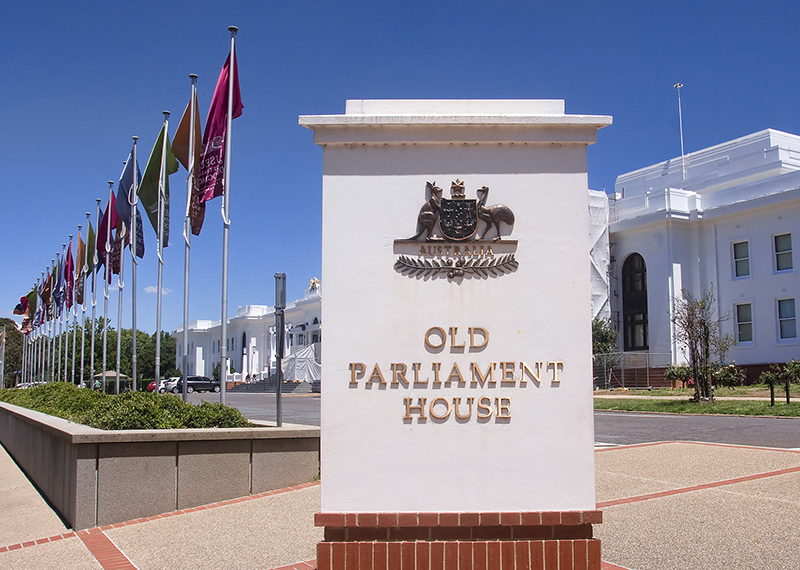
The objective of the audit was to assess the effectiveness of the governance board in Old Parliament House.
Entity
Old Parliament House
Contact
Please direct enquiries through our contact page.
Performance audit (Auditor-General Report No. 38 of 2024–25)

Published: Wednesday 28 May 2025
Published
The audit objective was to assess the effectiveness of the framework in place to have a regulatory Ministerial Statement of Expectations and a responding Statement of Intent in place.
Entity
Across Entities
Contact
Please direct enquiries through our contact page.
Performance audit (Auditor-General Report No. 8 of 2017–18)

Published: Tuesday 19 September 2017
Published
The audit objective was to assess the effectiveness and efficiency of entities’ implementation of the Freedom of Information Act 1982.
Entity
Attorney-General’s Department; Office of the Australian Information Commissioner; Department of Social Services; Department of Veterans' Affairs
Contact
Please direct enquiries relating to reports through our contact page.
Performance audit (Auditor-General Report No. 36 of 2017–18)

Published: Monday 23 April 2018
Published
The audit objective was to assess entities’ progress in implementing the corporate planning requirement under the Public Governance, Performance and Accountability Act 2013 and related PGPA Rule 2014.
Entity
Department of the Treasury; Australian Transaction Reports and Analysis Centre; The Commonwealth Scientific and Industrial Research Organisation; Office of the Commonwealth Ombudsman
Contact
Please direct enquiries through our contact page.
Performance audit (Auditor-General Report No. 53 of 2017–18)

Published: Thursday 28 June 2018
Published
The objective of the audit was to assess the effectiveness of the management of cyber risks by the Department of the Treasury, National Archives of Australia and Geoscience Australia.
Entity
Department of the Treasury; National Archives of Australia; Geoscience Australia
Contact
Please direct enquiries through our contact page.
Performance audit (Auditor-General Report No. 2 of 2016–17)

Published: Wednesday 31 August 2016
Published
The audit objective was to assess the effectiveness of the Australian Taxation Office's External Compliance Assurance Process pilot conducted with large business taxpayers.
Entity
Australian Taxation Office
Contact
Please direct enquiries relating to reports through our contact page.
Performance audit (Auditor-General Report No. 44 of 2016–17)

Published: Monday 27 March 2017
Published
The objective of this audit was to assess the effectiveness of Army’s workforce planning.
Entity
Department of Defence
Contact
Please direct enquiries relating to reports through our contact page.
Performance audit (Auditor-General Report No. 41 of 2017–18)

Published: Monday 21 May 2018
Published
The objective of this audit was to assess the effectiveness of the Efficiency through Contestability Programme in supporting entities to improve the efficient delivery of government functions.
Entity
Across Entities
Contact
Please direct enquiries through our contact page.
Performance audit (Auditor-General Report No. 28 of 2017–18)

Published: Monday 19 February 2018
Published
The audit objective was to assess whether Defence achieves value for money in the procurement of fuels.
Entity
Department of Defence
Contact
Please direct enquiries relating to reports through our contact page.
Performance audit (Auditor-General Report No. 37 of 2015–16)

Published: Thursday 5 May 2016
Published
The audit objective was to assess selected entities’ compliance with the four mandatory ICT security strategies in the Australian Government Information Security Manual (ISM).
Entity
Australian Federal Police (AFP); Australian Transaction Reports and Analysis Centre (AUSTRAC); Department of Agriculture and Water Resources; Department of Industry, Innovation and Science
Contact
Please direct enquiries relating to reports through our contact page.
Performance audit (Auditor-General Report No. 41 of 2018–19)

Published: Wednesday 29 May 2019
Published
The objective of the audit was to assess the effectiveness of the coordination arrangements of key Australian Government entities operating in Torres Strait.
Entity
Across entities
Contact
Please direct enquiries through our contact page.
Performance audit (Auditor-General Report No. 29 of 2016–17)
Published: Wednesday 14 December 2016
Published
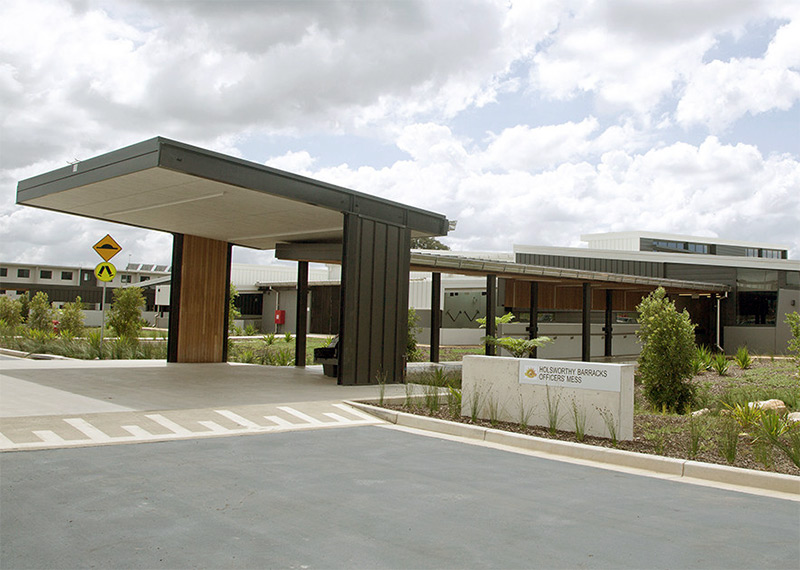
The objective of the audit was to assess the effectiveness of Defence’s design and implementation of the Base Services contracts.
Entity
Department of Defence
Contact
Please direct enquiries relating to reports through our contact page.
Performance audit (Auditor-General Report No. 14 of 2019–20)
Published: Wednesday 27 November 2019
Published
The objective of the audit was to examine the effectiveness of the design and implementation of the clear read principle under the Commonwealth Resource Management Framework.
Entity
Across Entities
Contact
Please direct enquiries through our contact page.
Performance audit (Auditor-General Report No. 26 of 2021–22)
Published: Tuesday 10 May 2022
Published
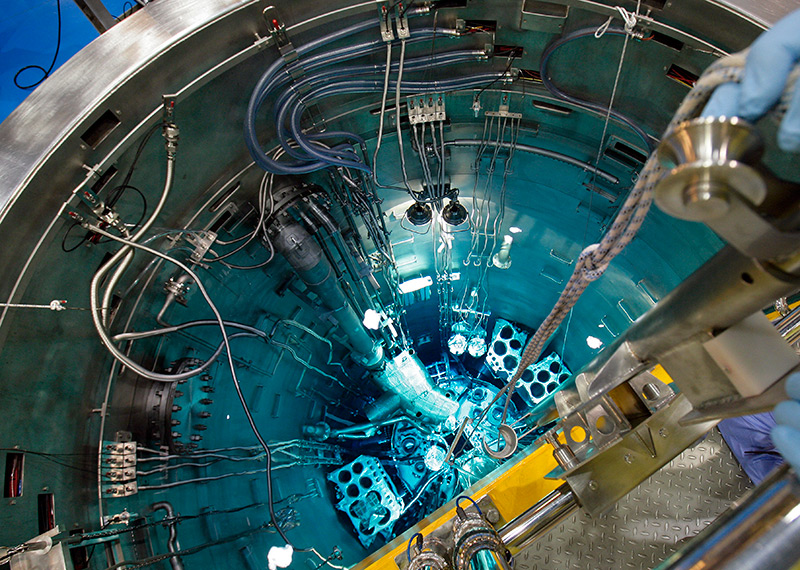
The audit examined the effectiveness of the Australian Nuclear Science and Technology Organisation’s management of assets involved in the manufacture, production and distribution of nuclear medicines.
Entity
Australian Nuclear Science and Technology Organisation
Contact
Please direct enquiries through our contact page.
Performance audit (Auditor-General Report No. 3 of 2016–17)

Published: Wednesday 31 August 2016
Published
The audit objective was to assess the effectiveness of the management of Machinery of Government (MoG) changes by the selected Australian Government entities.
Entity
Department of Finance; Australian Public Service Commission; Department of Health; Department of Social Services; Attorney-General's Department; Department of Infrastructure and Regional Development
Contact
Please direct enquiries relating to reports through our contact page.
Performance audit (Auditor-General Report No. 11 of 2016–17)

Published: Thursday 1 September 2016
Published
The objective of the audit was to examine Defence’s progress since 2007 in introducing into service a fully capable Tiger fleet and cost-effective sustainment arrangements.
Entity
Department of Defence
Contact
Please direct enquiries relating to reports through our contact page.
Performance audit (Auditor-General Report No. 19 of 2024–25)

Published: Tuesday 17 December 2024
Published
The objective of the audit was to assess the effectiveness of the administration of the Pharmaceutical Benefits Scheme.
Entity
Department of Health and Aged Care; Services Australia
Contact
Please direct enquiries through our contact page.
Performance audit (Auditor-General Report No. 47 of 2016–17)

Published: Thursday 27 April 2017
Published
The objective of this audit was to assess the effectiveness to date of the implementation of the Tourism 2020 strategy by the Australian Trade and Investment Commission (Austrade) and Tourism Australia.
Entity
Australian Trade and Investment Commission (Austrade); Tourism Australia
Contact
Please direct enquiries relating to reports through our contact page.
Performance audit (Auditor-General Report No. 12 of 2025–26)

Published: Tuesday 9 December 2025
Published
The objective of the audit was to assess the effectiveness of Services Australia’s management of the privacy of client information.
Entity
Services Australia
Contact
Please direct enquiries through our contact page.
Corporate

Published: Friday 29 July 2016
Published
The Australian National Audit Office (ANAO) 2016-20 Corporate Plan is the primary strategic planning document, and outlines how the ANAO intends to deliver against the purpose over the coming four years.
Contact
Please direct enquiries relating to reports through our contact page.