Browse our range of reports and publications including performance and financial statement audit reports, assurance review reports, information reports and annual reports.
Corporate
Updated: Wednesday 2 May 2018
Updated
The ANAO may collect personal information in the course of undertaking its audit program and for operational purposes not related to its audit work. This policy outlines our personal information handling practices, how we handle specific types of personal information and the information collected online by the ANAO.
Contact
Please direct enquiries about our Privacy Policy through our contact page.
Performance audit (Auditor-General Report No. 19 of 2004–05)
Published: Friday 17 December 2004
Published
The objective of the Australian National Audit Office (ANAO) was to examine how the ATO manages its responsibilities under the Taxpayers' Charter as an important element of its performance. This involved an examination of the ATO's: systems and processes used to develop, maintain and update the Charter; strategic commitment to implementing the principles of the Charter; integration of Charter principles with its business processes; and monitoring and reporting of its performance against commitments in the Charter.
Entity
Australian Taxation Office
Performance audit (Auditor-General Report No. 51 of 2012–13)
Published: Monday 24 June 2013
Published
The objective of the audit was to assess the effectiveness of the Australian Taxation Office’s management of its property portfolio.
Entity
Australian Taxation Office
Contact
Please direct enquiries relating to reports through our contact page.
Performance audit (Auditor-General Report No. 34 of 2007–08)
Published: Wednesday 21 May 2008
Published
The objective of the audit was to determine the effectiveness of DoHA's administration of the MoU between the Government and the pathology profession, including monitoring whether the MoU is achieving its objectives
Entity
Department of Health and Ageing
Performance audit (Auditor-General Report No. 9 of 2025–26)

Published: Monday 24 November 2025
Published
The objective of the audit was to assess the effectiveness of the Department of Social Services' administration of the National Redress Scheme.
Entity
Department of Social Services
Contact
Please direct enquiries through our contact page.
Performance audit (Auditor-General Report No. 41 of 2010–11)
Published: Tuesday 17 May 2011
Published
The objective of the audit was to examine the effectiveness of the management of maintenance of the Defence estate, taking particular account of planning and delivery aspects.
The audit examined: Defence’s policies, procedures, processes and supporting tools related to the planning and delivery of the maintenance of the estate; and services provided to Defence by private sector firms in relation to maintenance activities. The audit did not focus on contract management matters, nor on the systems used by Defence to maintain information related to estate maintenance.
Entity
Department of Defence
Performance audit (Auditor-General Report No. 35 of 2025–26)
New

Published: Friday 29 May 2026
Published
The audit objective was to assess the effectiveness of the Department of Defence’s administration of investigations and inquiries.
Entity
Department of Defence
Contact
Please direct enquiries through our contact page.
Performance audit (Auditor-General Report No. 52 of 2016–17)

Published: Tuesday 23 May 2017
Published
The audit objective was to assess the effectiveness of the management of underperformance in the Australian Public Service (APS) and identify opportunities for improvement.
Entity
Across Entities
Contact
Please direct enquiries relating to reports through our contact page.
Performance audit (Auditor-General Report No. 27 of 2022–23)

Published: Tuesday 30 May 2023
Published
The objective of this audit was to examine the effectiveness of the National Indigenous Australians Agency’s management of provider fraud and non-compliance risks.
Entity
National Indigenous Australians Agency
Contact
Please direct enquiries through our contact page.
Performance audit (Auditor-General Report No. 37 of 2017–18)

Published: Thursday 3 May 2018
Published
The objective of the audit was to assess the effectiveness of the Australian Broadcasting Corporation’s (ABC’s) management of complaints.
Entity
Australian Broadcasting Corporation
Contact
Please direct enquiries relating to potential audits through our contact page.
Performance audit (Auditor-General Report No. 46 of 1998–99)
Published: Thursday 10 June 1999
Published
Members of the Australian Defence Force (ADF) have informal and formal complaint mechanisms available to them to address grievances. Initially, members are advised to seek resolution of their complaint at the lowest possible level, through the normal command channels and administrative arrangements. A member who is not satisfied that a complaint has been resolved in this manner may use the Redress of Grievance (ROG) system to submit a formal complaint to the commanding officer of the member's unit. The objective of this audit was to ascertain whether the ROG system could be refined to improve the efficiency and timeliness of processing of complaints while preserving the equity and transparency the current system provides.The Redress of Grievance system is clearly time-consuming and resource intensive. Some grievances have taken as long as four years to resolve. Some could be resolved by administrative means rather than through recourse to grievance processes. The system contains various inefficiencies that detract from its cost-effectiveness from the viewpoint of the ADF and individual members. In addition many members are unaware of the system or do not have a high level of confidence in its effectiveness.
Entity
Department of Defence
Performance audit (Auditor-General Report No. 41 of 2021–22)

Published: Thursday 23 June 2022
Published
The audit objective was to assess the Office of the Commonwealth Ombudsman's effectiveness in managing complaints.
Entity
Office of the Commonwealth Ombudsman
Contact
Please direct enquiries through our contact page.
Performance audit (Auditor-General Report No. 10 of 2020–21)

Published: Thursday 24 September 2020
Published
The audit objective was to assess whether Services Australia appropriately managed risks to operating the current welfare payment system and appropriately prepared to transition to the future system.
Entity
Services Australia
Contact
Please direct enquiries through our contact page.
Performance audit (Auditor-General Report No. 41 of 2022–23)

Published: Monday 26 June 2023
Published
The objective of this audit was to assess the effectiveness of the administration of grants for the Try, Test and Learn Fund transition projects.
Entity
Department of Social Services
Contact
Please direct enquiries through our contact page.
Performance audit (Auditor-General Report No. 39 of 2014–15)
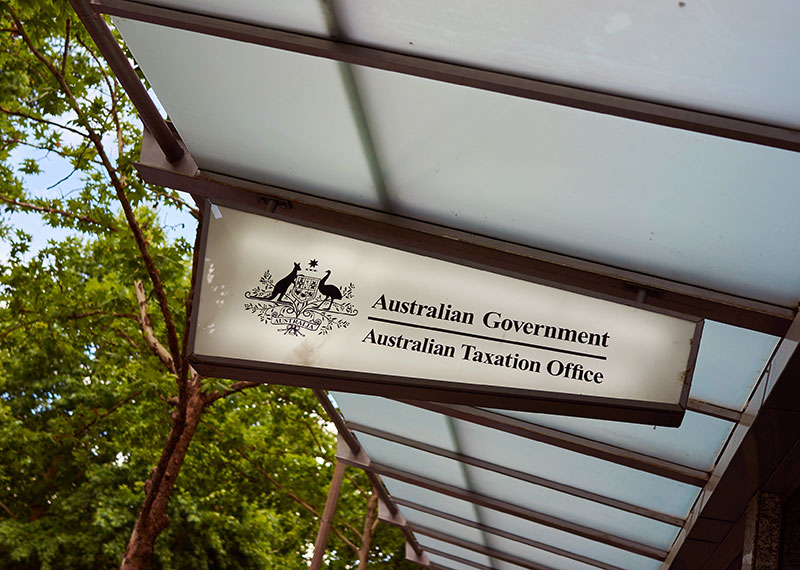
Published: Wednesday 3 June 2015
Published
The objective of the audit was to assess the effectiveness of the Australian Taxation Office's activities to promote employer compliance with Superannuation Guarantee obligations.
Entity
Australian Taxation Office
Contact
Please direct enquiries relating to reports through our contact page.
Performance audit (Auditor-General Report No. 44 of 2019–20)

Published: Tuesday 23 June 2020
Published
The objective of this audit was to assess the effectiveness of the Department of Social Services' fraud control arrangements.
Entity
Department of Social Services
Contact
Please direct enquiries through our contact page.
Performance audit (Auditor-General Report No. 35 of 2003–04)
Published: Wednesday 24 March 2004
Published
This report covers a number of the discretionary compensation and debt relief mechanisms that are available to Commonwealth agencies, where individuals or entities have been disadvantaged by legislation, or actions by agencies or staff, or some other negative circumstances. It deals mainly with two legislative mechanisms, namely, act of grace payments and waivers of debt, and one administrative mechanism, the Compensation for Detriment caused by Defective Administration (CDDA) scheme. This report also briefly covers two other mechanisms, namely ex gratia payments and payments in special circumstances relating to Australian Public Service (APS) employment. The main objective of the audit was to assess whether the management of claims for compensation and debt relief in special circumstances was in accordance with relevant legislative requirements and Commonwealth guidelines, and whether the current administrative policies and procedures were adequate.
Entity
Across Agency
Performance audit (Auditor-General Report No. 28 of 2018–19)

Published: Thursday 21 February 2019
Published
The objective of the audit was to examine the extent to which the Department of Human Services (Human Services) has implemented the recommendations made by the Australian National Audit Office (ANAO) in Auditor-General Report No. 37 of 2014–15 Management of Smart Centres’ Centrelink Telephone Services; as well as Human Services’ performance against call wait time and call blocking metrics.
Entity
Department of Human Services
Contact
Please direct enquiries through our contact page.
Performance audit (Auditor-General Report No. 31 of 2014–15)

Published: Thursday 23 April 2015
Published
The audit objective was to assess the effectiveness of the (former) Department of Industry’s administration of the Australian Apprenticeships Incentives Program.
Entity
Department of Education and Training
Contact
Please direct enquiries relating to reports through our contact page.
Performance audit (Auditor-General Report No. 6 of 1999–2000)
Published: Monday 9 August 1999
Published
This report summarises audit and other related activities of the Australian National Audit Office in the period January to June 1999.
Entity
Audit Activity Report
Performance audit (Auditor-General Report No. 2 of 2014–15)

Published: Thursday 25 September 2014
Published
The objective of the audit is to assess the effectiveness of the Department of the Prime Minister and Cabinet’s implementation of food security initiatives for remote Indigenous communities.
Entity
Department of the Prime Minister and Cabinet
Contact
Please direct enquiries relating to reports through our contact page.
Other report (Auditor-General Report No. 8 of 2024–25)

Published: Thursday 24 October 2024
Published
The ANAO’s performance audit program is one of the main assurance functions of the Auditor-General. The purpose of this information report was to provide analysis of 2023–24 performance audits.
Entity
Across Entities
Contact
Please direct enquiries through our contact page.
Performance audit (Auditor-General Report No. 27 of 2021–22)

Published: Thursday 12 May 2022
Published
The objective of the audit was to assess the effectiveness of administration of physical security in the revised Protective Security Policy Framework.
Entity
Attorney-General’s Department; Services Australia; Department of Social Services
Contact
Please direct enquiries through our contact page.
Speeches and papers
Published: Tuesday 19 May 1998
Published
Mr P.J. Barrett (AM) - Auditor-General for Australia, presented at the Senior Executive Leadership Program - Preparatory day, Hill Station, Canberra
Performance audit (Auditor-General Report No. 15 of 2007–08)
Published: Thursday 29 November 2007
Published
The objective of this follow-up audit is to assess the Tax Office's progress in implementing the recommendations of Audit Report No.59 2002–03, Administration of Australian Business Number Registrations, having regard to any changed circumstances, or new administrative issues, affecting the implementation of those recommendations.
Entity
Australian Taxation Office
Speeches and papers
Published: Sunday 21 February 1999
Published
Mr P.J. Barrett (AM) - Auditor-General for Australia, presented at the 1999 ACPAC Biennial Conference Commercial Confidentiality - Striking the Balance
Speeches and papers
Published: Monday 7 October 2002
Published
Mr P.J. Barrett (AM) - Auditor-General for Australia, presented at the 18th Commonwealth Auditors-General Conference, Malaysia
Performance audit (Auditor-General Report No. 23 of 1995–96)
Published: Friday 17 May 1996
Published
The audit examined whether training services purchased by the Department for labour market programs provided value for money.
Entity
Department of Employment, Education, Training and Youth Affairs
Performance audit (Auditor-General Report No. 48 of 2002–03)
Published: Monday 16 June 2003
Published
In 2000, the ANAO tabled Audit Report No 49 1999-2000, Indigenous Land Corporation operations and performance. The 2000 audit made nine recommendations for improvement. This follow-up audit examined the Indigenous Land Corporation's implementation of the recommendations of the 2000 audit.
Entity
Department of Immigration and Multicultural and Indigenous Affairs
Annual report

Published: Thursday 29 August 2024
Published
This annual report documents the performance of the Australian National Audit Office (ANAO) in the financial year ended 30 June 2024. The report addresses all applicable obligations under the Public Governance, Performance and Accountability Act 2013; the Public Governance, Performance and Accountability Rule 2014; the Auditor-General Act 1997; the performance measures set out in the outcome and programs framework in the ANAO’s Portfolio Budget Statements 2023–24 and in the ANAO Corporate Plan 2023–24; and annual reporting requirements set out in other relevant legislation.
Contact
Please direct enquiries through our contact page.
Performance audit (Auditor-General Report No. 15 of 2000–01)
Published: Thursday 9 November 2000
Published
The objectives of the audit were to examine:
- the effectiveness of agencies' implementation of the current GBEs governance framework;
- the extent to which agencies and GBEs comply with the Governance Arrangements and legislative requirements; and
- whether the GBE monitoring system provides an effective level of accountability to Ministers and to the Parliament.
Entity
Across Agency
Performance audit (Auditor-General Report No. 16 of 1997–98)
Published: Sunday 26 October 1997
Published
The objectives of the audit were to examine the benefits of diversity management in the APS and review the progress made towards equity in employment in the APS, including the EEO Program. It included:
- an assessment of the progress towards achieving equity across the APS and by individual agencies;
- an assessment of the quality of agency EEO programs;
- an assessment of the role of the PSMPC in approving agency EEO programs and monitoring trends across the service;
- a consideration of legal obligations and agencies compliance with these; and
- the possible risks to, and opportunities for, equity under the WRA.
The audit concentrated on evidence of overall progress, the relative performance of individual agencies, and the examination of observed and underlying trends.
Entity
Public Service and Merit Protection Commission and Other Agencies
Speeches and papers
Published: Wednesday 18 March 1998
Published
Mr P.J. Barrett (AM) - Auditor-General for Australia, presented at the Risk Management in the Public Sector Seminar
Performance audit (Auditor-General Report No. 5 of 2000–01)
Published: Wednesday 23 August 2000
Published
The ANAO undertook an audit of the framework and systems that Industry, Science and Resources had in place to prevent, control, monitor, detect and investigate fraud. The objective of the audit was to assess the effectiveness of these arrangements in relation to departmental administrative functions and program operations.
Entity
Department of Industry Science and Resources
Speeches and papers
Published: Tuesday 2 December 1997
Published
Mr P.J. Barrett (AM) - Auditor-General for Australia, presented at the launch of Comcare/ANAO Better Practice Guide
Performance audit (Auditor-General Report No. 30 of 1996–97)
Published: Wednesday 30 April 1997
Published
The objective of the audit was to examine the effectiveness of key elements of the management and control frameworks established by ANU to support administration and the achievement of the ANU's objectives. The audit focused on an analysis of the administrative framework and, in particular, aspects of corporate governance that were identified as being central to good management; such as effective controls, transparent planning, regular reporting, and performance assessment.
Entity
Across Agency
Performance audit (Auditor-General Report No. 34 of 2004–05)
Published: Wednesday 9 March 2005
Published
Given the importance of customer feedback to Centrelink's business, the ANAO considered it timely to conduct a series of performance audits relating to Centrelink's customer feedback systems, particularly in relation to its delivery of the services then provided on behalf of FaCS. The overarching objective of this series of ANAO performance audits of Centrelink's customer feedback systems was to assess whether Centrelink has effective processes and systems for gathering, measuring, reporting and responding effectively to customer feedback, including in relation to customer satisfaction with Centrelink services and processes.
Entity
Centrelink
Performance audit (Auditor-General Report No. 12 of 2025–26)

Published: Tuesday 9 December 2025
Published
The objective of the audit was to assess the effectiveness of Services Australia’s management of the privacy of client information.
Entity
Services Australia
Contact
Please direct enquiries through our contact page.
Performance audit (Auditor-General Report No. 4 of 2014–15)

Published: Wednesday 5 November 2014
Published
The objective of the audit was to assess the adequacy and effectiveness of the Australian Electoral Commission’s implementation of those recommendations made in Report No. 28 2009–10 relating to:
- a more strategic approach to election workforce planning;
- the suitability and accessibility of polling booths and fresh scrutiny premises; and
- the transport and storage of completed ballot papers, in respect to matters not fully addressed in ANAO Audit Report No.31 2013–14.
Entity
Australian Electoral Commission
Contact
Please direct enquiries relating to reports through our contact page.
Performance audit (Auditor-General Report No. 3 of 2002–03)
Published: Wednesday 31 July 2002
Published
HMAS Cerberus is a Navy base situated south-east of Melbourne, Victoria. As a major Navy training establishment, it conducts initial recruit training, and specialist category training in areas such as communications and engineering. The Australian Defence Force (ADF) Schools of Catering and Physical Training are situated there, as is a major health centre for operational and training needs. The health centre and other facilities at HMAS Cerberus were re-developed several years ago. In August 2001, the then Minister for Defence announced that, in response to continuing concern over facilities management at HMAS Cerberus, he had asked the Australian National Audit Office (ANAO) to conduct an independent investigation. The ANAO agreed to review these matters. The objective of the audit was to examine facilities management issues at HMAS Cerberus with a view to clarifying those of concern and ensuring that lessons would be learned from them to assist Defence facilities management generally.
Entity
Department of Defence
Financial statement audit (Auditor-General Report No. 38 of 2019–20)
Published: Thursday 28 May 2020
Published
This report focuses on the results of the interim financial statements audits, including an assessment of entities’ key internal controls, supporting the 2019–20 financial statements audits. This report examines 24 entities, including all departments of state and a number of major Australian government entities. The entities included in the report are selected on the basis of their contribution to the income, expenses, assets and liabilities of the 2018–19 Consolidated Financial Statements (CFS). Significant and moderate findings arising from the interim audits are reported to the responsible Minister(s), and all findings are reported to those charged with governance of each entity.
Contact
Please direct enquiries through our contact page.
Performance audit (Auditor-General Report No. 5 of 1999–2000)
Published: Monday 9 August 1999
Published
The audit reviewed the productivity and client service of IP Australia, a division of the Department of Industry, Science and Resources, which provides intellectual property rights in respect of patents, trade marks and designs. The objective of the audit was to examine the effectiveness of IP Australia's management of productivity and client service.
Entity
Department of Industry, Science and Resources
Performance audit (Auditor-General Report No. 56 of 2002–03)
Published: Wednesday 25 June 2003
Published
The objective of the audit was to report to Parliament on the progress Defence has made since June 2001 in implementing appropriate strategies for recruiting, developing and retaining skilled IT personnel. The audit focused on management of specialist information system skills and did not examine skills needed by users of information systems, although the latter is of obvious importance for overall performance. In June 2001, the Joint Committee of Public Accounts and Audit (JCPAA), after reviewing the ANAO's Audit Report No. 11 Knowledge System Equipment Acquisition Projects in Defence, commented that its major concern about Defence's ability to develop a knowledge edge with adequate coherence, centred on Defence's ability to recruit, develop and retain skilled individuals needed in all parts of the DIE. The JCPAA recommended that the ANAO conduct an audit of Defence's strategies for recruiting, developing and retaining skilled IT personnel.
Entity
Department of Defence
Speeches and papers
Published: Tuesday 26 August 1997
Published
Mr P.J. Barrett (AM) - Auditor-General for Australia, addressed the Institute of Internal Auditors, Canberra
Performance audit (Auditor-General Report No. 9 of 2002–03)
Published: Monday 30 September 2002
Published
The objective of the audit was to assess whether Centrelink's Balanced Scorecard (BSC) was based on key elements of better practice principles and its use assisted Centrelink to understand and communicate its performance against its strategic goals. The audit examined:
- the use of the BSC in setting Centrelink's vision and goals;
- the role of the BSC in planning;
- alignment of the BSC from the top down through the organisation and the interdependencies of scoreboards used by various support units, the definition and use of measures, including target setting and links to goals within the BSC framework; and
- its use in monitoring, reporting and feedback.
Entity
Centrelink
Performance audit (Auditor-General Report No. 20 of 1997–98)
Published: Thursday 4 December 1997
Published
The objective of the audit was to ascertain how efficiently and effectively the ATO administers sales tax collections. The audit excluded an examination of the Australian Customs Service's sales tax administration, although it did examine coordination and liaison arrangements between the ATO and ACS. The audit approach involved analysing the ATO's performance against the five elements of the ATO's established compliance improvement process, namely:
- interpreting and clarifying sales tax law;
- identifying and understanding clients and markets (enabling tax officers to identify and analyse risks of non-compliance);
- providing education and information to clients regarding sales tax obligations, based on identified compliance risks;
- implementing administrative arrangements which ensure and/or assist taxpayers to meet their obligations; and
- detecting non-compliance and taking action to remedy instances of non-compliance.
Entity
Australian Taxation Office
Performance audit (Auditor-General Report No. 49 of 1999–2000)
Published: Thursday 29 June 2000
Published
The objective of the audit was to form an opinion on the adequacy of the Indigenous Land Corporation's (ILC's) operations and performance in: assisting Aboriginal persons and Torres Strait Islanders to acquire land; and assisting Aboriginal persons and Torres Strait Islanders to manage indigenous-held land; so as to provide economic, environmental, social or cultural benefits for Aboriginal persons and Torres Strait Islanders.
Entity
Across Agency
Performance audit (Auditor-General Report No. 51 of 2002–03)
Published: Thursday 19 June 2003
Published
Defence has long provided housing assistance for members of the Australian Defence Force (ADF) and their families. In 1988, this function passed to the Defence Housing Authority (DHA), which was established to provide suitable housing to meet Defence's operational needs. In 2000, Defence and DHA signed a Services Agreement valued at $3.5 billion over 10 years. The objective of the audit was to assess whether Defence's management of its housing and relocation services provided for ADF members meets specified requirements; and to make practical recommendations for more efficient, effective and economical use of public resources provided for this purpose.
Entity
Department of Defence
Performance audit (Auditor-General Report No. 11 of 1997–98)
Published: Thursday 30 October 1997
Published
The objectives of the audit were to:
- review the implementation arrangements in relation to the transfer of the delivery of AUSTUDY to Centrelink and its subsequent inclusion as part of the Youth Allowance; and
- to form an opinion on the efficiency and effectiveness of the front-end processing aspects of AUSTUDY applications.
Entity
Department of Employment, Education, Training and Youth Affairs
Speeches and papers
Published: Friday 9 April 1999
Published
Mr P.J. Barrett (AM) - Auditor-General for Australia, presented at the National Public Sector Accountants Conference, Adelaide
Performance audit (Auditor-General Report No. 11 of 2000–01)
Published: Friday 15 September 2000
Published
The audit reviewed Defence's higher-level management of its knowledge system equipment acquisition projects. These amount to $8.5b. The focus of the audit was on the opportunities for Defence to adopt a much more coherent and integrated approach to knowledge systems management prospectively rather than on emphasising current system compatibility issues.
Entity
Department of Defence
Speeches and papers
Published: Friday 5 November 2004
Published
Mr P.J. Barrett (AM) - Auditor-General for Australia, presented at the 2nd Taipai Corporate Governance Forum
Speeches and papers
Published: Tuesday 3 September 1996
Published
Mr P.J. Barrett (AM) - Auditor-General for Australia, presented at the Challenges and Opportunities Seminar, Conducted by the Department of Finance, Canberra
Speeches and papers
Published: Wednesday 20 November 1996
Published
Mr P.J. Barrett (AM) - Auditor-General for Australia, presented to the PAA National Conference - Reshaping the Old: Charting the New - Public Management in the 1990s - Melbourne
Performance audit (Auditor-General Report No. 52 of 2002–03)
Published: Friday 20 June 2003
Published
The audit reviewed the management of unscheduled absence in 74 APS agencies. The objective of the audit was to assess the extent and cost of unscheduled absence in the APS; to examine whether unscheduled absence in the APS was being managed efficiently and effectively; and to identify opportunities for improvement.
Entity
Across agency
Speeches and papers
Published: Thursday 22 May 2003
Published
Mr P.J. Barrett (AM) - Auditor-General for Australia, presented to the Queensland Commonwealth Regional Heads Forum 15th Annual Government Business Conference
Performance audit (Auditor-General Report No. 45 of 1998–99)
Published: Wednesday 2 June 1999
Published
The audit is a follow-up to Audit Report 12, 1995-96 Risk Management by Commonwealth Consumer Product Safety Regulators. The objectives of this follow-up audit were to determine the extent to which ANZFA had implemented the agreed recommendations contained in the 1995 Audit Report, and to determine the effectiveness of the implemented recommendations in improving food safety regulation.
Entity
Australian New Zealand Food Authority
Performance audit (Auditor-General Report No. 49 of 1997–98)
Published: Monday 29 June 1998
Published
The objectives of the audit were to assist the Department in the timely identification of any deficiencies in the evaluation of responses from suppliers and options for addressing the deficiencies. The objectives were to:
- test the Department's adherence to Commonwealth Procurement Guidelines for open and effective competition and to legislative and other Government specified requirements; and
- provide a report to the Parliament, the Government and other interested parties on the probity of the evaluation process.
The scope of the audit was restricted to considering the processes employed by the Department in the selection of hearing devices for use under the voucher scheme.
Entity
Department of Health and Family Services
Performance audit (Auditor-General Report No. 42 of 1999–2000)
Published: Wednesday 10 May 2000
Published
The audit reviewed the effectiveness and probity of the policy development processes and implementation of improved access to Magnetic Resonance Imaging services. The objective of the audit was to examine and report on the effectiveness and probity of the processes involved in:
(a) the development and announcement of the proposal to improve access to Magnetic Resonance Imaging (MRI) services announced in the 1998 Budget, including negotiation with the diagnostic imaging profession; and
(b) the registration of 'eligible providers' and 'eligible equipment' to enable the payment of claims for MRI services on the Medicare Benefits Schedule
Entity
Across Agency
Performance audit (Auditor-General Report No. 33 of 1998–99)
Published: Tuesday 9 March 1999
Published
This report summarises audit and other related activities of the Australian National Audit Office in the period July to December 1998.
Entity
Audit Activity Report
Speeches and papers
Published: Wednesday 10 March 1999
Published
Mr P.J. Barrett (AM) - Auditor-General for Australia, presented at the Secretaries' Forum
Speeches and papers
Published: Wednesday 4 April 2001
Published
Address by Richard Rundle, Executive Director, Business Assurance Services, at the Security in Government 2001 Conference
Financial statement audit (Auditor-General Report No. 32 of 2021–22)
Published: Thursday 9 June 2022
Published
This report is the first of the two reports and focuses on the results of the interim audits, including an assessment of entities’ key internal controls, supporting the 2021–22 financial statements audits. This report examines 25 entities, including all departments of state and a number of major Australian government entities. The majority of entities included in the report are selected on the basis of their contribution to the income, expenses, assets and liabilities of the 2020–21 Consolidated Financial Statements.
Contact
Please direct enquiries through our contact page.
Speeches and papers
Published: Friday 30 November 2001
Published
Mr P.J. Barrett (AM) - Auditor-General for Australia, presented to the Institute of Public Administration Australia
Speeches and papers
Published: Tuesday 27 March 2001
Published
Mr P.J. Barrett (AM) - Auditor-General for Australia, presented at the Security in Government 2001 SES Seminar
Speeches and papers
Published: Thursday 11 April 2002
Published
Address by Richard Rundle, Executive Director, Business Assurance Services, at the Security in Government 2002 Conference
Speeches and papers
Published: Tuesday 24 July 2001
Published
Mr P.J. Barrett (AM) - Auditor-General for Australia, presented at the Public Service and Merit Protection Commission Senior Executive Service (SES) Breakfast Seminar Series
Performance audit (Auditor-General Report No. 24 of 2001–02)
Published: Monday 10 December 2001
Published
Major capital equipment contributes importantly to the capabilities of the Australian Defence Force (ADF) to achieve the Defence mission, that is, the defence of Australia and its national interests. The Defence Materiel Organisation (DMO) is the relatively new Defence organisation responsible for the acquisition and through-life support of Defence equipment and systems. DMO's stated purpose is to equip and sustain the ADF. In 2001-02, it will spend $2.9 billion on progressing some 270 major capital equipment acquisition projects. This preliminary study for the audit focused on DMO reporting on the status of major equipment acquisition projects.
Entity
Department of Defence
Financial statement audit (Auditor-General Report No. 8 of 2022–23)
Published: Wednesday 14 December 2022
Published
This report complements the Interim Report on Key Financial Controls of Major Entities financial statement audit report published in June 2022. It provides a summary of the final results of the audits of the Consolidated Financial Statements for the Australian Government and the financial statements of Australian Government entities for the period ended 30 June 2022.
Entity
Across Entities
Contact
Please direct enquiries through our contact page.
Performance audit (Auditor-General Report No. 38 of 2002–03)
Published: Thursday 10 April 2003
Published
The audit reviewed the administration of referrals, assessments and approvals processes under the Environment Protection and Biodiversity Conservation Act 1999. The objective of the audit was to examine and report on the quality and timeliness of environmental assessments and approvals under the Act, as well as on Environment Australia's activities to ensure compliance with the Act.
Entity
Across Agency
Performance audit (Auditor-General Report No. 59 of 2002–03)
Published: Friday 27 June 2003
Published
As part of the Government's Taxation Reform Initiatives, the Australian Taxation Office (ATO) was given responsibility for implementing the Australian Business Number (ABN) and Australian Business Register (ABR) initiatives. The objective of the audit was to assess the administrative effectiveness of the ABN registration process and the ATO's implementation and management of the ABR.
Entity
Australian Taxation Office
Performance audit (Auditor-General Report No. 11 of 1996–97)
Published: Thursday 17 October 1996
Published
Grants Scheme in Audit Report No.33 of 1993-94. The major recommendations in that report related to:
- improved quality of claims and control measures;
- optimisation of management planning and control;
- rationalisation of the strategic planning structure;
- improved responsiveness of the scheme; and
- improved accountability to Parliament.
The objective of this follow-up audit was to form an opinion on Austrade's progress with implementing the recommendations of Audit Report No.33 of 1993-94.
Entity
Australian Trade Commission
Financial statement audit (Auditor-General Report No. 25 of 2020–21)
Published: Thursday 17 December 2020
Published
This report complements the Interim Report on Key Financial Controls of Major Entities financial statement audit report published in May 2020. It provides a summary of the final results of the audits of the Consolidated Financial Statements for the Australian Government and the financial statements of Australian Government entities for the period ended 30 June 2020.
Entity
Across Entities
Contact
Please direct enquiries through our contact page.
Performance audit (Auditor-General Report No. 33 of 2000–01)
Published: Monday 7 May 2001
Published
The objective of the ANAO audit was to identify possible areas for improvement in the Australian Defence Force's management of its Reserve forces. The audit focused on major aspects of the Reserves including roles and tasks, force structure, capability, training, individual readiness, equipment, facilities, recruitment, retention, conditions of service and administration. The audit covered the Australian Naval Reserve, the Australian Army Reserve and the Royal Australian Air Force Reserve. However, due to its size and cost, the Army Reserve was a major focus of the audit activity.
Entity
Department of Defence
Speeches and papers
Published: Friday 12 March 2004
Published
Mr P.J. Barrett (AM) - Auditor-General for Australia, presented to the Institute of Chartered Accountants of India
Speeches and papers
Published: Monday 8 October 2001
Published
Mr P.J. Barrett (AM) - Auditor-General for Australia, presented at the Third ACAG Conference, Canberra
Speeches and papers
Published: Wednesday 21 March 2001
Published
Mr P.J. Barrett (AM) - Auditor-General for Australia, presented at the Australian Corporate Lawyers Association, Old Parliament House, Canberra
Speeches and papers
Published: Wednesday 4 March 1998
Published
Mr P.J. Barrett (AM) - Auditor-General for Australia, presented at the Institute of Internal Auditors (IIA) - Australia SOPAC ?98 The IIA - Australia, South Pacific and Asia Conference
Performance audit (Auditor-General Report No. 55 of 2001–02)
Published: Friday 7 June 2002
Published
Although the audit examined broader aspects of the ATO's administration (such as, tobacco excise governance arrangements, intelligence capability and compliance and investigations activities), we placed particular emphasis on the strategies used by the ATO to address the proliferation of chop-chop (Australian grown tobacco sold illicitly in a chopped up form for $80 to $100 per kilogram. In comparison, 50 grams of legal roll-you-own tobacco costs around $16 i.e. $320 per kilogram) in the Australian markets, as it is an area of major risk to tobacco excise revenue.
Entity
Australian Taxation Office
Performance audit (Auditor-General Report No. 32 of 2007–08)
Published: Thursday 8 May 2008
Published
The objective of the audit was to assess the completeness and reliability of the estimates reported in Tax Expenditures Statement 2006 (TES 2006). That is, the audit examined the development and publication of the detailed statement of actual tax expenditures required by Division 2 of Part 5 of the CBH Act. The development and publication of aggregated information on projected tax expenditures included in the Budget Papers pursuant to Division 1 of Part 5 of the CBH Act was not examined.
Entity
Department of Treasury
Performance audit (Auditor-General Report No. 31 of 2000–01)
Published: Thursday 29 March 2001
Published
The audit reviewed the Department of Foreign Affairs and Trade's administration of consular services. It focussed on DFAT's travel advice to alert Australians to potential travel risks; case management systems to record and monitor action on more complex consular cases; performance information for the management of consular services; and contingency planning for major consular incidents. The audit also reviewed action taken by DFAT and other agencies to implement the recommendations of a 1997 Senate Committee report on consular services.
Entity
Department of Foreign Affairs and Trade
Speeches and papers
Published: Monday 27 October 1997
Published
Mr P.J. Barrett (AM) - Auditor-General for Australia, presented to the National Public Sector Accountants Conference; Sydney
Speeches and papers
Published: Wednesday 26 July 2000
Published
Mr P.J. Barrett (AM) - Auditor-General for Australia, presented at the Australian Corporate Lawyers Association and the Australian Institute of Administrative Law Conference on Outsourcing
Performance audit (Auditor-General Report No. 50 of 1999–2000)
Published: Thursday 29 June 2000
Published
The objective of this follow-up audit was to assess whether Defence had taken appropriate action on recommendations made in the ANAO's 1995 audit report on Management Audit Branch (MAB), which is responsible for internal audit in Defence, and to assess whether the internal audit function in Defence could be improved.
Entity
Department of Defence
Performance audit (Auditor-General Report No. 41 of 2000–01)
Published: Tuesday 29 May 2001
Published
Causes and Consequences of Personnel Postings in the Australian Defence Force The audit arose from a Defence Efficiency Review (1997) recommendation that Defence could make savings on the large volume of postings it made every year. The audit examined the posting process and sought to provide assurance that Defence had identified and examined salient postings issues and was addressing them effectively.
Entity
Department of Defence
Performance audit (Auditor-General Report No. 14 of 2004–05)
Published: Friday 5 November 2004
Published
The objectives of the audit were to determine whether: citizenship services were planned based on a risk assessment, especially in relation to fraud; and were monitored and reported on appropriately; decision-making was accurate, consistent and in line with relevent laws and policies and was supported by appropriate training and quality assurance (QA) mechanisms; client and outsourced services were managed effectively; and promotion strategies were effective and have been evaluated appropriately.
Entity
Department of Immigration and Multicultural Affairs
Performance audit (Auditor-General Report No. 23 of 2004–05)
Published: Friday 21 January 2005
Published
The Audit Activity Report: July to December 2004 summarises the activity and outputs of the Australian National Audit Office for the first half of the 2004-05 reporting year. The Report outlines the key findings of performance and financial control audits, and summarises audits tabled and better practice guides during July to December 2004.
Entity
Audit Activity Report
Speeches and papers
Published: Monday 17 May 1999
Published
Mr P.J. Barrett (AM) - Auditor-General for Australia, presented at the Public Seminar Series, Graduate Program in Public Policy, 'Democratic Governance: Improving the Institutions of Accountability', The Australian National University
Performance audit (Auditor-General Report No. 22 of 2000–01)
Published: Thursday 14 December 2000
Published
The objective of this audit was to establish whether Defence has developed sound fraud control arrangements that are consistent with better practice and fulfil its responsibilities for the protection of public property, revenue, expenditure, and rights and privileges from fraudulent exploitation.
Entity
Department of Defence
Performance audit (Auditor-General Report No. 42 of 2004–05)
Published: Tuesday 19 April 2005
Published
The objective of this audit was to assess the extent to which the recommendations and major findings of the ANAO's 1999 audit of Commonwealth Debt Management have been addressed, and the impact of any changes.
Entity
Australian Office of Financial Management
Performance audit (Auditor-General Report No. 17 of 2000–01)
Published: Monday 4 December 2000
Published
The objectives of the audit were to: assess compliance with the Stevedoring Levy (Collection) Act 1998 and Stevedoring Levy (Imposition) Act 1998 and other relevant legislation; assess the effectiveness of the administrative and financial controls regarding the collection of the Stevedoring Levy by DoTRS and the provision of redundancy payments to eligible employees of stevedoring companies and the management of the funding of those payments by way of borrowings by MIFCo; and review the administrative efficiency of the redundancy payment and Stevedoring Levy collection aspects of the waterfront redundancy scheme.
Entity
Department of Transport and Regional Services; Maritime Industry Finance Company Ltd
Performance audit (Auditor-General Report No. 49 of 2009–10)
Published: Thursday 24 June 2010
Published
The objective of the audit was to assess whether Defence is effectively managing the delivery of health services to ADF personnel in Australia (chiefly Garrison Health Services).
Entity
Department of Defence
Speeches and papers
Published: Friday 20 August 2004
Published
Mr P.J. Barrett (AM) - Auditor-General for Australia, presented at the CPA Forum 2004
Speeches and papers
Published: Wednesday 26 June 2002
Published
Mr P.J. Barrett (AM) - Auditor-General for Australia, presented at the International Quality & Productivity Centre Seminar
Performance audit (Auditor-General Report No. 32 of 2000–01)
Published: Friday 6 April 2001
Published
The audit reviewed the Defence Department's management of the Defence Cooperation (DC) Program, through which Australia interacts with and provides assistance to security forces in South East Asia and the South Pacific. The primary aim of the program is to support Australia's defence relationships. Activities conducted through the program include training, study visits, personnel exchanges and combined exercises with elements of the various regional armed forces. The Pacific Patrol Boat Project is part of the program. The objectives of the audit were to:
1) consider how Defence assesses performance in meeting DC objectives;
2) review Defence's development of DC objectives; and
3) identify areas for improvement in managing DC resources.
Entity
Department of Defence
Speeches and papers
Published: Thursday 14 February 2002
Published
Mr P.J. Barrett (AM) - Auditor-General for Australia, presented at the Global Working Group Meeting, Wellington, New Zealand
Performance audit (Auditor-General Report No. 16 of 2001–02)
Published: Friday 5 October 2001
Published
The Government introduced the Defence Reform Program (DRP) in 1997 to enable Defence's resources to be focused more efficiently and effectively on its core functions. The objective of the audit was to assess Defence's management and implementation of DRP and the extent to which it achieved savings for reinvestment in the operational capabilities of the ADF.
Entity
Department of Defence
Performance audit (Auditor-General Report No. 1 of 1997–98)
Published: Tuesday 26 August 1997
Published
This report is an information document summarising the audit activities of the ANAO in the period January to June 1997.
Entity
Audit Activity Report
Performance audit (Auditor-General Report No. 40 of 2007–08)
Published: Wednesday 11 June 2008
Published
The objective of this audit was to assess the Tax Office's implementation of the nine recommendations of Audit Report No.19 2004–05 Taxpayers' Charter, having regard to any changed circumstances affecting the implementation of the recommendations. This involved an examination of the Tax Office's:
- systems and processes used to develop, maintain and update the Charter;
- strategic commitment to implementing the principles of the Charter;
- integration of Charter principles with its business processes;
- systems for resolving disputes according to Charter principles; and
- monitoring and reporting of its performance against commitments in the Charter.
Entity
Australian Taxation Office
Performance audit (Auditor-General Report No. 42 of 1998–99)
Published: Wednesday 26 May 1999
Published
The objective of the audit was to examine the effectiveness and efficiency of the administrative arrangements for the establishment and operation of the Green Corps program. Green Corps is a voluntary program for young Australians between 17 and 20 years old to receive accredited training in a range of skills such as bush regeneration and habitat protection. The program is delivered through a contractual arrangement. It was introduced in 1996 with a program allocation of $41.7 million over three years. The focus of the audit was on the Department of Education, Training and Youth Affair's administration of the program, including the management of the contract.
Entity
Department of Education, Training and Youth Affairs
Annual report
Published: Wednesday 28 September 2005
Published
This annual report documents the performance of the Australian National Audit Office (ANAO) in the financial year ending on 30 June 2005. It includes highlights and areas of focus for the year; a forward by the Auditor-General; an overview of the report; a report on performance; details about management and accountability, and the financial statement for the year.
Speeches and papers
Published: Friday 24 November 1995
Published
Mr P.J. Barrett (AM) - Auditor-General for Australia, presented to the ASCPA Annual Public Sector Accounting Convention, Canberra
Performance audit (Auditor-General Report No. 37 of 1999–2000)
Published: Tuesday 4 April 2000
Published
The audit reviewed the construction of facilities for the Australian Defence Force and the Department of Defence by the Defence Estate Organisation. The objective of the audit was to assess the efficiency and administrative effectiveness of the Organisation's project delivery function, highlighting effective practice and, where appropriate, making practical recommendations to enhance facilities project management. The main projects examined were the facilities required for the Army Presence in the North and the Russell Hill Redevelopment.
Entity
Department of Defence
Performance audit (Auditor-General Report No. 8 of 1999–2000)
Published: Monday 23 August 1999
Published
The objective of this audit was to assess the systems put in place by Centrelink to protect data privacy. The audit reviewed the adequacy of the policies, procedures and the administrative framework associated with data privacy, and the computer systems that are used to store and disseminate data. The ANAO also examined compliance with legislative requirements.
Entity
Centrelink
Performance audit (Auditor-General Report No. 57 of 2002–03)
Published: Wednesday 25 June 2003
Published
The audit reviewed the Australian Taxation Office's administration of the payment of tax by non-residents. The audit objectives were to:
- provide Parliament with assurance about how efficiently and effectively the ATO administers the payment of tax in respect of non-residents;
- identify any scope for more effective and efficient administration of the function; and
- identify any opportunities for the cost-effective collection of additional revenue.
Entity
Australian Taxation Office
Performance audit (Auditor-General Report No. 49 of 1998–99)
Published: Tuesday 29 June 1999
Published
The objective was to assess the extent to which staff reductions have been managed in a sound strategic and cost-effective manner consistent with the Government's guidelines and the ANAO's 1996 better practice guide Managing APS Staff Reductions. The audit focussed on 3 agencies - the Australian Taxation Office, the former Department of Primary Industry and Energy, and the former Department of Transport and Regional Development. The ANAO found that the majority of staff reductions were achieved through retrenchment rather than natural attrition; and that decisions on the number of retrenchments were not always supported by an assessment of the impact of the reductions on the agencies' abilities to conduct their business.
Entity
Public Service and Merit Protection Commission and Other Agencies
Performance audit (Auditor-General Report No. 12 of 2010–11)
Published: Friday 15 October 2010
Published
The objective of this audit was to assess key aspects of the establishment and administration of HIP by DEWHA as well as the transition of the program to DCCEE. All phases of the program were examined with particular emphasis for Phase 2 being given to:
- program design and implementation;
- registration and training of installers;
- payment of rebates; and
- the compliance strategy underpinning the program.
Entity
Department of Climate Change and Energy Efficiency; Department of the Environment, Water, Heritage and the Arts; Medicare Australia
Speeches and papers
Published: Monday 19 May 2003
Published
Mr P.J. Barrett (AM) - Auditor-General for Australia, presented at the 2nd Annual New Directions in Australian Auditing Accounting Standards Conference
Speeches and papers
Published: Thursday 18 October 2001
Published
Mr P.J. Barrett (AM) - Auditor-General for Australia, presented to the Senior Staff of the Board of Audit - Tokyo, Japan
Speeches and papers
Published: Thursday 29 July 1999
Published
Mr P.J. Barrett (AM) - Auditor-General for Australia, presented at the 1999 Department of Employment, Training and Industrial Relations Biennial Risk Management Conference, Brisbane
Performance audit (Auditor-General Report No. 29 of 2002–03)
Published: Friday 7 February 2003
Published
The Audit Activity Report: July-December 2002 summarises performance audit, financial audit and other related activities for the ANAO for the period. The key issues arising from the performance audits are summarised against the ANAO themes. The appendices in the report provide a short summary of each of the audits tabled for this period, the audits in progress as at 1 January 2003 and a list of the presentations and papers given by the Auditor-General and ANAO staff.
Entity
Audit Activity Report
Speeches and papers
Published: Monday 11 June 2001
Published
Mr P.J. Barrett (AM) - Auditor-General for Australia, presented at the INTOSAI Working Group
Performance audit (Auditor-General Report No. 58 of 2001–02)
Published: Monday 17 June 2002
Published
The audit sought to assess the efficiency of Defence property management; provide assurance that probity and compliance requirements are being met; and make practical recommendations for enhancing property operations. It focused on Infrastructure Division's property management, with recognition that other areas manage certain property service contracts, such as those for electricity supply and cleaning.
Entity
Department of Defence
Performance audit (Auditor-General Report No. 31 of 2002–03)
Published: Wednesday 5 March 2003
Published
This audit followed up the ANAO's 2000 performance audit report on retention of military personnel (Audit Report No.35 1999-2000 Retention of Military Personnel), which focused on examining whether ADF personnel management practices to retain personnel were commensurate with the cost of recruiting and training new personnel, or whether more cost- effective steps could be taken to reduce the separation rates of desirable personnel. The objective of the follow-up audit was to assess Defence's implementation of recommendations made in the original audit report and their effectiveness in helping Defence control the flow of trained personnel from the Services.
Entity
Department of Defence
Performance audit (Auditor-General Report No. 9 of 1997–98)
Published: Thursday 23 October 1997
Published
The audit objectives were to report on the efficiency and effectiveness of selected agencies' management of telecommunications services. The specific purpose was to:
- identify the potential for more effective management of telecommunications services;
- consider the appropriateness of Commonwealth agencies' management of telecommunications services to take advantage of technological opportunities; and
- identify the elements of sound administration in the management of telecommunications services.
The audit criteria addressed agencies' performance against benchmarks of sound administrative practice in relation to procurement; planning; business process re-engineering; financial management; and performance management. The audit focussed primarily on telecommunications services, as distinct from capital items and equipment.
Entity
Across Agency
Major projects report (Auditor-General Report No. 16 of 2015–16)

Published: Friday 15 January 2016
Published
The objective of this report is to provide the Auditor-General’s independent assurance over the status of the selected Major Projects, as reflected in the Statement by the Secretary of Defence, and the Project Data Summary Sheets (PDSSs) prepared by Defence, in accordance with the Guidelines endorsed by the Joint Committee of Public Accounts and Audit.
Entity
Department of Defence
Speeches and papers
Published: Thursday 20 November 2003
Published
Mr P.J. Barrett (AM) - Auditor-General for Australia, presented at the CPA Australia National Public Sector Convention, Perth
Performance audit (Auditor-General Report No. 57 of 2003–04)
Published: Thursday 24 June 2004
Published
The audit objectives were to assess: the appropriateness of agencies' policies for dealing with requests for information in accordance with the FOI Act; and assess agencies' compliance with the provisions of the FOI Act, in relation to selected requests for information.
Entity
Australian Federal Police; Attorney-General’s Department; Department of Communications, Information Technology and the Arts; Department of Veterans’ Affairs; Australian Customs Service; Civil Aviation Safety Authority
Performance audit (Auditor-General Report No. 22 of 1996–97)
Published: Friday 13 December 1996
Published
The objective of the audit was to assess the Australian Taxation Office's approach to client service and the provision of particular client services to Individuals Non-Business clients. The INB business line deals primarily with the tax affairs of individual taxpayers. Audit criteria were developed which examined the ATO's:
- commitment to client service and understanding of client needs and expectations;
- client service strategy and delivery of client services and products; and
- measurement and achievement of service quality and client satisfaction.
Entity
Australian Taxation Office
Performance audit (Auditor-General Report No. 10 of 2003–04)
Published: Monday 27 October 2003
Published
As part of its 2001 inquiry into the recruitment and retention of Australian Defence Force (ADF) personnel, the Senate Foreign Affairs, Defence and Trade References Committee reviewed Defence's contract with Manpower Services (Australia) Pty Ltd for trialling the outsourcing of recruiting services to the ADF. In its subsequent report, the Committee commented that the original contractual arrangements deserved further scrutiny by the ANAO. The objective of the audit was to examine Defence's management of the contractual arrangements for the provision of recruiting services to the ADF. In examining the management of the contract, the ANAO looked at the evaluations conducted at the end of each contractual phase, roles and responsibilities associated with ADF recruiting, and Defence's monitoring of contractual performance and management of risks associated with ADF recruiting.
Entity
Department of Defence