Browse our range of reports and publications including performance and financial statement audit reports, assurance review reports, information reports and annual reports.
Performance audit (Auditor-General Report No. 20 of 2023–24)

Published: Wednesday 27 March 2024
Published
The objective of this audit was to assess whether the design and implementation of the Australian Apprenticeships Incentive System by the Department of Employment and Workplace Relations is effective.
Entity
Department of Employment and Workplace Relations
Contact
Please direct enquiries through our contact page.
Performance audit (Auditor-General Report No. 14 of 2000–01)
Published: Thursday 26 October 2000
Published
The general objectives of the audit were to:
- obtain and report quantitative and qualitative benchmarks of performance in the public sector; and
- compare the public sector benchmarks with equivalent international data to identify better practices and highlight opportunities for improvement.
In relation to internal audit, given the three-year duration of the study, these generic objectives have been extended to include an analysis of trends in internal audit over the past three years.
Entity
Across Agency
Performance audit (Auditor-General Report No. 29 of 2020–21)

Published: Monday 22 February 2021
Published
The objective of this audit was to assess whether the National Library of Australia and National Film and Sound Archive (NFSA) have implemented effective collection management practices.
Entity
Department of Infrastructure, Transport, Regional Development and Communications; National Film and Sound Archive; National Library of Australia
Contact
Please direct enquiries through our contact page.
Performance audit (Auditor-General Report No. 39 of 2022–23)

Published: Monday 19 June 2023
Published
The objective of this audit was to assess the effectiveness of the implementation of the government response to the Black Economy Taskforce report.
Entity
Australian Taxation Office; Department of Home Affairs; Department of the Treasury
Contact
Please direct enquiries through our contact page.
Performance audit (Auditor-General Report No. 35 of 2020–21)

Published: Wednesday 5 May 2021
Published
The objective of the audit was to examine whether the design and early delivery of the Australian Government's $443.3 million partnership with the Great Barrier Reef Foundation has been effective.
Entity
Great Barrier Reef Foundation
Contact
Please direct enquiries through our contact page.
Performance audit (Auditor-General Report No. 46 of 2017–18)

Published: Wednesday 13 June 2018
Published
The objective of this audit was to assess whether the National Gallery of Australia (NGA) and the Australian War Memorial (the Memorial) have implemented effective collections management practices.
Entity
Australian War Memorial; National Gallery of Australia
Contact
Please direct enquiries through our contact page.
Performance audit (Auditor-General Report No. 16 of 2000–01)
Published: Wednesday 29 November 2000
Published
The objective of this audit was to assess the administration of internal fraud control arrangements in the ATO and to identify areas with potential for improvement as well as identified better practice. To achieve this objective the ANAO focussed on five key areas. These were:
- the application of the ATO's corporate governance processes to the internal fraud control activities;
- the prevention of internal fraud within the ATO;
- the related use of information technology to minimise fraud risks;
- the detection of internal fraud within the ATO; and
- ATO fraud investigation procedures and practices.
Entity
Australian Taxation Office
Performance audit (Auditor-General Report No. 32 of 1999–2000)
Published: Thursday 17 February 2000
Published
Industry levies play a significant role in the provision of many public services and fund a range of activities undertaken by regulatory bodies such as the Australian Prudential Regulation Authority (APRA), through to financing reform of the Australian waterfront labour force. The objectives of this audit were to assess:
- the coverage, revenue and expenses of non-primary industry levies;
- the effectiveness of selected entities' financial management of non-primary industry levies; and
- areas of better administrative practice relating to the financial management of non-primary industry levies.
Entity
Across Agency
Performance audit (Auditor-General Report No. 41 of 2011–12)
Published: Thursday 14 June 2012
Published
The audit objective was to assess the effectiveness of DEEWR's administration of the National Partnership Agreement on Literacy and Numeracy (LNNP). The three high-level audit criteria used to form a conclusion examined the extent to which DEEWR:
- established sound administrative and payment arrangements consistent with government policy, including through its negotiation of bilateral agreements, implementation plans and reform targets;
- properly managed administrative and payment arrangements; and
- effectively monitored and reported on delivery and outcomes.
Entity
Department of Education, Employment and Workplace Relations
Performance audit (Auditor-General Report No. 41 of 2002–03)
Published: Wednesday 7 May 2003
Published
Since 2000, there has been a requirement under the Environment Protection and Biodiversity Conservation Act 1999 (EPBC Act) for Commonwealth agencies to report annually on their environmental performance as well as their contribution to Ecologically Sustainable Development (ESD). The audit objective was to examine and report on the quality of Commonwealth agencies' annual reports on ESD and environment performance. The audit reviewed current practice in light of legal requirements, and provided examples of better practice.
Entity
Across Agency
Performance audit (Auditor-General Report No. 6 of 2020–21)

Published: Thursday 10 September 2020
Published
The objective of this audit was to assess the effectiveness of the Department of Defence’s design process and implementation to date of the Defence Export Strategy.
Entity
Department of Defence
Contact
Please direct enquiries through our contact page.
Performance audit (Auditor-General Report No. 20 of 2004–05)
Published: Tuesday 21 December 2004
Published
The audit concluded that the ATO has an administratively effective framework for managing the Energy Grants (Credits) Scheme (EGCS), introduced in mid-2003. The planning, monitoring and reporting framework is structured and appropriate, the risk and compliance management framework is generally well-developed and the processes and controls framework is comprehensive. Changes in the Scheme, as foreshadowed in Government's Energy White Paper, Securing Australia's Energy Future, present the opportunity to enhance the transparency of Scheme objectives and develop ways to evaluate performance against these objectives
Entity
Australian Taxation Office
Performance audit (Auditor-General Report No. 31 of 2022–23)

Published: Monday 5 June 2023
Published
The objective of this audit was to assess the effectiveness of the Department of Health’s administration of the Community Health and Hospitals Program.
Entity
Department of Health and Aged Care
Contact
Please direct enquiries through our contact page.
Performance audit (Auditor-General Report No. 8 of 2017–18)

Published: Tuesday 19 September 2017
Published
The audit objective was to assess the effectiveness and efficiency of entities’ implementation of the Freedom of Information Act 1982.
Entity
Attorney-General’s Department; Office of the Australian Information Commissioner; Department of Social Services; Department of Veterans' Affairs
Contact
Please direct enquiries relating to reports through our contact page.
Performance audit (Auditor-General Report No. 34 of 2024–25)

Published: Thursday 22 May 2025
Published
The objective of the audit was to assess the effectiveness of the Department of the Treasury’s design and implementation of the Measuring What Matters framework.
Entity
Department of the Treasury
Contact
Please direct enquiries through our contact page.
Performance audit (Auditor-General Report No. 10 of 2014–15)

Published: Tuesday 9 December 2014
Published
The objective of the audit was to assess the effectiveness of the Department of the Environment’s administration of the Biodiversity Fund program.
Entity
Department of the Environment
Contact
Please direct enquiries relating to reports through our contact page.
Performance audit (Auditor-General Report No. 18 of 2012–13)
Published: Wednesday 30 January 2013
Published
The objective of the audit was to assess the effectiveness of FaHCSIA’s administration of Communities for Children under the Family Support Program.
Entity
Department of Families, Housing, Community Services and Indigenous Affairs
Performance audit (Auditor-General Report No. 37 of 2024–25)

Published: Tuesday 27 May 2025
Published
The audit objective was to assess the effectiveness of the Department of Health, Disability and Ageing’s administration of the Future Fit Program.
Entity
Department of Health, Disability and Ageing
Contact
Please direct enquiries through our contact page.
Performance audit (Auditor-General Report No. 42 of 2010–11)
Published: Wednesday 18 May 2011
Published
The objective of the audit was to assess whether the Council Allocation component of the RLCIP has been effectively designed, implemented and administered. The audit examined each of the three funding rounds, albeit with a focus on the first round (as it was due to be completed by 30 September 2009), with the second round not due to be completed until late in the audit timetable (31 December 2010) and third round funding agreements being signed and payments being made at the time audit work was completed.
Entity
Department of Regional Australia, Regional Development and Local Government
Performance audit (Auditor-General Report No. 16 of 2013–14)
Published: Wednesday 29 January 2014
Published
The objective of the audit was to assess the effectiveness of the administration of the Smart Grid, Smart City Program, including the establishment, implementation and ongoing management of the program.
Entity
Department of the Environment; Department of Industry
Contact
Please direct enquiries relating to reports through our contact page.
Performance audit (Auditor-General Report No. 38 of 2013–14)
Published: Thursday 12 June 2014
Published
The objective of the audit was to assess the establishment of the National Offshore Petroleum Safety and Environmental Management Authority and the effectiveness of its regulatory function.
Entity
National Offshore Petroleum Safety and Environmental Management Authority
Contact
Please direct enquiries relating to reports through our contact page.
Performance audit (Auditor-General Report No. 32 of 2023–24)

Published: Thursday 30 May 2024
Published
The objective of this audit was to assess the effectiveness of the Australian Institute for Teaching and School Leadership’s (AITSL) administration of national standards and frameworks.
Entity
Australian Institute for Teaching and School Leadership
Contact
Please direct enquiries through our contact page.
Performance audit (Auditor-General Report No. 31 of 2016–17)

Published: Tuesday 20 December 2016
Published
The objective of the audit was to assess the effectiveness of the design and administration of the VET FEE-HELP scheme.
Entity
Department of Education and Training; Australian Skills Quality Authority; Australian Competition and Consumer Commission;
Contact
Please direct enquiries relating to reports through our contact page.
Performance audit (Auditor-General Report No. 19 of 2012–13)
Published: Thursday 31 January 2013
Published
The audit objective was to assess the effectiveness of FaHCSIA and DHS’ administration of New Income Management in the Northern Territory.
Entity
Department of Families, Housing, Community Services and Indigenous Affairs; Department of Human Services
Performance audit (Auditor-General Report No. 25 of 2001–02)
Published: Tuesday 11 December 2001
Published
The audit process involved an assessment of the accounts receivable function in eight Commonwealth organisations. The objectives of the audit were to assess whether the processing, collection and overall management of the accounts receivable function was being performed in accordance with applicable legislation, government policy, applicable internal controls, and identify better practices in accounts receivable activities.
Entity
Across Agency
Performance audit (Auditor-General Report No. 24 of 1997–98)
Published: Monday 15 December 1997
Published
The objective of the audit was to review the efficiency, economy and administrative effectiveness of departmental activities leading to the letting of the contract with SPCL and its subsequent administration. This included, among other things, an examination of action taken to protect the Commonwealth's interests and the adequacy of relevant departmental guidelines and processes. A primary aim of the audit was to identify the facts of the particular case, including any administrative inadequacies that led to unnecessary financial exposure for the Commonwealth and less than satisfactory outcomes. In particular, the audit aimed to identify elements of better practice that could be followed under similar circumstances or programs in the future.
Entity
Department of Education, Training and Youth Affairs
Speeches and papers
Published: Thursday 2 November 1995
Published
Mr P.J. Barrett (AM) - Auditor-General for Australia, presented at the Security in Government 95 Conference, Canberra
Performance audit (Auditor-General Report No. 1 of 2009–10)
Published: Tuesday 4 August 2009
Published
In two letters dated 19 and 22 June 2009, the Prime Minister requested a performance audit of a range of matters relating to representations to the Treasury regarding automotive finance arrangements for car dealers. In response to these requests, the Auditor-General decided that ANAO would undertake a performance audit under section 18 of the Auditor-General Act 1997 (Auditor-General Act). The audit objective, based on the matters raised in the Prime Minister's correspondence and in the Parliament, was to examine and report on:
- any representations to the Treasury since October 2008 from all sources regarding automotive finance arrangements for car dealers, including any made in relation to John Grant Motors;
- the nature of these representations;
- the manner in which the representations were responded to by officials, having regard to any relevant standards and procedures; and
- any related administrative matters that came to attention.
Entity
Department of the Treasury; Department of the Prime Minister and Cabinet
Performance audit (Auditor-General Report No. 23 of 2022–23)

Published: Thursday 18 May 2023
Published
The objective of this audit was to assess the effectiveness of the National Recovery and Resilience Agency's administration of the Disaster Recovery Funding Arrangements (DRFA).
Entity
National Emergency Management Agency
Contact
Please direct enquiries through our contact page.
Performance audit (Auditor-General Report No. 11 of 2014–15)

Published: Wednesday 10 December 2014
Published
The audit objective was to assess the effectiveness and equity of the award of funding under the Clean Technology Program in the context of the program objectives and the Commonwealth’s grants administration framework.
Entity
Department of Industry
Contact
Please direct enquiries relating to reports through our contact page.
Performance audit (Auditor-General Report No. 35 of 2005–06)
Published: Tuesday 28 March 2006
Published
The objective of the audit was to assess the ATO's administration of activity statement HRRs. Specifically the audit sought to: examine aspects of ATO governance relevant to its administration of activity statement HRRs. This includes: ATO planning, the integration between Lines to administer HRRs; corporate risk management processes; and performance management; assess the ATO's methodology and practice to identify and, if necessary, correct activity statement HRRs; and identify and assess the Information Technology (IT) and manual systems, processes and controls used by the ATO to process HRRs resulting from the lodgement of activity statements.
Entity
Australian Taxation Office
Performance audit (Auditor-General Report No. 27 of 2021–22)

Published: Thursday 12 May 2022
Published
The objective of the audit was to assess the effectiveness of administration of physical security in the revised Protective Security Policy Framework.
Entity
Attorney-General’s Department; Services Australia; Department of Social Services
Contact
Please direct enquiries through our contact page.
Performance audit (Auditor-General Report No. 1 of 2018–19)

Published: Tuesday 17 July 2018
Published
The objective of the audit was to assess the Department of Social Services’ (Social Services) implementation and evaluation of the Cashless Debit Card trial.
Entity
Department of Social Services
Contact
Please direct enquiries through our contact page.
Performance audit (Auditor-General Report No. 19 of 2001–02)
Published: Thursday 15 November 2001
Published
The audit process involved an assessment of the payroll arrangements in Commonwealth organisations. The objectives of the audit were to determine whether organisations have established internal control frameworks for the management of payroll operations, assess whether payment of salaries and related expenditures is made in accordance with the relevant terms and conditions of employment, and identify better practices in the management and operations of payroll systems.
Entity
Across Agency
Performance audit (Auditor-General Report No. 5 of 2015–16)

Published: Thursday 22 October 2015
Published
The audit objective was to assess the effectiveness of the Department of Veterans’ Affairs monitoring and implementation of ANAO and internal performance audit recommendations.
Entity
Department of Veterans' Affairs
Contact
Please direct enquiries relating to reports through our contact page.
Performance audit (Auditor-General Report No. 42 of 2006–07)
Published: Tuesday 12 June 2007
Published
The objective of the audit is to assess the effectiveness of the ATO's administration of debt collection. Micro-business debt is a particular focus of attention. The three key areas examined are:
- strategies–especially the ATO's initiatives trialled in 2006;
- infrastructure–the IT systems, people, policy and processes and risk management framework supporting the collection of debt; and
- management and governance–planning, monitoring and reporting mechanisms and liaison with stakeholders.
The ANAO focused on the work of the campaigns area within the Debt Line, which has collection responsibility for 90 per cent of collectable debt cases and responsibility for other key, centralised functions such as reporting, quality assurance review, consistency and best practice, and the debt collection initiatives.
Entity
NO-DEPTS-LISTED
Performance audit (Auditor-General Report No. 45 of 2001–02)
Published: Wednesday 1 May 2002
Published
An Assurance and Control Assessment audit of recordkeeping was undertaken across four Commonwealth organisations to assess whether their recordkeeping policies, systems and processes accord with requirements under the Archives Act 1983, with relevant government policies, and with accepted standards and recordkeeping principles; and to identify better practices and recommend improvements. The audit addressed both electronic and traditional records.
Entity
Across Agency
Performance audit (Auditor-General Report No. 28 of 2015–16)

Published: Thursday 28 April 2016
Published
The objective of the audit was to assess the Department of Agriculture and Water Resources' establishment and administration of the Farm Finance and Drought Concessional Loans programs.
Entity
Department of Agriculture and Water Resources
Contact
Please direct enquiries relating to reports through our contact page.
Performance audit (Auditor-General Report No. 24 of 2008–09)
Published: Thursday 5 March 2009
Published
The objective of the audit was to assess the effectiveness of the procurement and contracting associated with:
- the design, development and delivery of government advertising campaigns by Commonwealth departments; and
- the operation of the Central Advertising System (CAS).
Entity
Department of the Prime Minister and Cabinet; Department of Finance and Deregulation; Department of Education, Employment and Workplace Relations; Department of Health and Ageing; Attorney-General's Department
Performance audit (Auditor-General Report No. 34 of 2020–21)

Published: Monday 12 April 2021
Published
The audit objective was to examine whether the Department of Defence implemented a selection of agreed parliamentary committee recommendations and ANAO performance audit recommendations.
Entity
Department of Defence
Contact
Please direct enquiries through our contact page.
Performance audit (Auditor-General Report No. 33 of 2008–09)
Published: Wednesday 20 May 2009
Published
The objective of the audit was to assess the effectiveness of the Tax Office's administration of the PRRT. The Australian National Audit Office (ANAO) identified four key areas for review: general administration; compliance; promoting certainty in administering the PRRT; and governance arrangements.
Entity
Australian Taxation Office
Performance audit (Auditor-General Report No. 1 of 2024–25)

Published: Thursday 11 July 2024
Published
The objective of the audit was to assess the effectiveness of Department of Defence's procurement and implementation of the myClearance system to date.
Entity
Department of Defence
Contact
Please direct enquiries through our contact page.
Performance audit (Auditor-General Report No. 14 of 2022–23)

Published: Thursday 23 February 2023
Published
The objective of this audit was to examine the effectiveness of the Department of Home Affairs’ management of its public communications and media activities.
Entity
Department of Home Affairs
Contact
Please direct enquiries through our contact page.
Performance audit (Auditor-General Report No. 31 of 2007–08)
Published: Tuesday 29 April 2008
Published
The objective of the audit was to assess whether APS agencies had sound approaches to recruitment, to assist in providing the workforce capability to deliver government programs effectively. Sound approaches to recruitment involve agencies:
- establishing and implementing strategic approaches to recruitment to address current and future workforce priorities and goals;
- managing and supporting recruitment activities through the provision of expert advice and support, legislative and procedural guidance material, and training for staff involved in recruitment activities;
- conducting recruitment activities effectively and in compliance with legislative and administrative requirements; and
- systematically monitoring and evaluating the effectiveness and efficiency of recruitment strategies, policies and activities.
Entity
NO-DEPTS-LISTED
Performance audit (Auditor-General Report No. 47 of 1998–99)
Published: Tuesday 15 June 1999
Published
The objectives of the audit were to form an opinion on the management of Commonwealth agencies' compliance with the Commonwealth's energy efficiency requirements and to identify areas for better practice in energy management. The audit focussed on:
- the implementation of the Energy Policy by Commonwealth Agencies; promulgation and coordination of energy use targets;
- energy and associated reporting by Commonwealth agencies;
- identification, examination and analysis of systemic and procedural impediments to achieving the Energy Policy; and
- development and discussion of ways to address these impediments.
Entity
Department of Industry, Science and Resources; Australian Greenhouse Office
Performance audit (Auditor-General Report No. 14 of 2024–25)

Published: Wednesday 20 November 2024
Published
The audit objective was to examine whether the selected entities have implemented a selection of agreed parliamentary committee and Auditor-General recommendations.
Entity
Indigenous Business Australia; National Indigenous Australians Agency
Contact
Please direct enquiries through our contact page.
Performance audit (Auditor-General Report No. 34 of 1997–98)
Published: Tuesday 24 March 1998
Published
The audit reviewed the Defence's $5.05 billion New Submarine Project which commenced in 1982 and involves design and construction of six Collins class submarines and associated supplies and services. The objectives of the audit were to assess project management by the Department's Project Office in the light of accepted better-practice project management techniques. It also aimed to derive lessons learnt and recommendations that could be applied to the Project and to similar Defence projects now and in the future. The audit follows a 1992 audit of the Project by the ANAO and a review by the Joint Committee of Public Accounts in 1995.
Entity
Department of Defence
Performance audit (Auditor-General Report No. 26 of 2014–15)

Published: Tuesday 10 March 2015
Published
The audit objective was to assess the effectiveness of the Department of Health’s administration of the Medical Specialist Training Program.
Entity
Department of Health
Contact
Please direct enquiries relating to reports through our contact page.
Speeches and papers
Published: Wednesday 10 March 1999
Published
Mr P.J. Barrett (AM) - Auditor-General for Australia, presented at the IPAA Conference, Canberra
Performance audit (Auditor-General Report No. 13 of 2010–11)
Published: Thursday 28 October 2010
Published
The Civil Aviation Safety Authority (CASA) is responsible for regulating aviation safety in Australia, the safety of Australian aircraft operating overseas as well as for regulating and administering Australia's airspace. In September 2008, the Senate Committee on Rural and Regional Affairs and Transport presented a report on the Administration of the Civil Aviation Safety Authority and related matters. That report made three recommendations, one of which requested an Australian National Audit Office (ANAO) audit of CASA's implementation and administration of the regulation of aircraft operators' Safety Management Systems (SMS'). ANAO agreed to this request with the objective of the audit being to assess CASA's implementation and administration of an SMS approach to regulating aircraft operators.
An SMS is a systematic approach to managing safety, which encompasses organisational structures, accountabilities, policies and procedures. Amendments to the Convention on International Civil Aviation (commonly referred to as the Chicago Convention) made in 2006 require that contracting states regulate the SMS' of aircraft operators. As a contracting state to the Chicago Convention, Australia is required to mandate that aircraft operators implement an SMS.
Entity
Civil Aviation Safety Authority
Performance audit (Auditor-General Report No. 28 of 2006–07)
Published: Thursday 22 February 2007
Published
The objective of the audit was to assess the effectiveness of the major elements of Centrelink's central, strategic level project management arrangements, as defined in the CPMF. It focused on how well:
- the CPMF supports better management and service delivery in Centrelink;
- the CPMF supports project managers and projects to comply with better project management principles, relevant legislation and guidelines; and
- Centrelink monitors project performance and encouraged the attainment of project objectives.
Entity
Centrelink
Performance audit (Auditor-General Report No. 25 of 2014–15)

Published: Thursday 5 March 2015
Published
The audit objective was to assess the effectiveness of the development and administration of the Fifth Community Pharmacy Agreement (5CPA), and the extent to which the 5CPA has met its objectives.
Entity
Department of Health; Department of Human Services; Department of Veterans' Affairs
Contact
Please direct enquiries relating to reports through our contact page.
Performance audit (Auditor-General Report No. 28 of 2020–21)

Published: Friday 22 January 2021
Published
The audit objective was to assess the effectiveness of the administration of the National Housing Finance and Investment Corporation (NHFIC).
Entity
National Housing Finance and Investment Corporation
Contact
Please direct enquiries through our contact page.
Performance audit (Auditor-General Report No. 62 of 2001–02)
Published: Wednesday 26 June 2002
Published
The objective of this benchmarking study of the finance function was to obtain and report on over time, quantitative and qualitative data, relating to finance function activities as they operate in Commonwealth organisations. Over the three year period of the study, the majority of participating Commonwealth organisations have shown an improvement in their quantitative and/or qualitative benchmark results across the range of finance function activities. The Report does not provide specific reasons for differences in performance. However, it does provide guidance as to some of the better practices that participating organisations, and the wider public sector, may wish to adopt, or adapt in order to achieve improved performance in the activities of the finance function.
Entity
Across Agency
Performance audit (Auditor-General Report No. 40 of 2022–23)

Published: Thursday 22 June 2023
Published
The objective of this audit was to assess the effectiveness of Comcare’s administration of claims for Australian Government entities under its workers’ compensation scheme.
Entity
Comcare
Contact
Please direct enquiries through our contact page.
Performance audit (Auditor-General Report No. 33 of 2017–18)

Published: Wednesday 28 March 2018
Published
The objective of the audit was to continue to examine the progress of the implementation of the annual performance statements requirements under the PGPA Act and the PGPA Rule by the selected entities. The audit was also designed to:
- provide insights to entities more broadly, to encourage improved performance; and
- continue the development of the ANAO’s methodology to support the possible future implementation of annual audits of performance statements.
Entity
Across Entities
Contact
Please direct enquiries through our contact page.
Performance audit (Auditor-General Report No. 18 of 2018–19)

Published: Monday 17 December 2018
Published
The objective of this audit was to assess the effectiveness of the Clean Energy Regulator’s administration of the Renewable Energy Target scheme.
Entity
Clean Energy Regulator
Contact
Please direct enquiries through our contact page.
Performance audit (Auditor-General Report No. 16 of 2005–06)
Published: Thursday 17 November 2005
Published
The audit was conducted at the: Australian Federal Police (AFP) and the Australian Protective Service (PS); Australian Sports Commission (ASC); Department of Communications, Information Technology and the Arts (DoCITA); Department of Family and Community Services (FaCS); and Civil Aviation Safety Authority (CASA). The objectives of the audit were to: determine whether entities had established appropriate arrangements in relation to the management of annual leave For the purposes of this audit the ANAO has used the term ‘annual leave'. However entities refer to this entitlement using other terminology such as recreation leave, planned leave or personal leave. and had effective internal controls over leave processing; assess whether leave had been managed in accordance with the requirements of the respective entity's certified agreement; and identify sound and better practices in the management and processing of leave.
Entity
Across Entities
Performance audit (Auditor-General Report No. 11 of 2020–21)

Published: Monday 28 September 2020
Published
The ANAO conducted separate audits of the Indigenous Advancement Strategy (IAS) Children and Schooling program and the Safety and Wellbeing program, the findings and conclusions of which are presented in this report. The objective of the audits was to assess the effectiveness of the Department of the Prime Minister and Cabinet’s and the National Indigenous Australians Agency’s administration of the IAS Children and Schooling and the Safety and Wellbeing programs.
Entity
National Indigenous Australians Agency
Contact
Please direct enquiries through our contact page.
Performance audit (Auditor-General Report No. 23 of 2006–07)
Published: Tuesday 6 February 2007
Published
The objective of the audit was to assess the application of the outcomes and outputs framework in Australian Government agencies. The audit included a review of:
- the outcomes and outputs of agencies and the integration of the outcomes and outputs framework into agencies' operations;
- the extent to which agencies' performance indicators incorporated better practice characteristics to enable agencies to meet their performance reporting obligations;
- agencies' processes for capturing, monitoring and reporting financial and performance information and the extent to which outcomes and outputs information was used in agency decision-making; and
- the extent that agencies met their external reporting and accountability obligations.
The audit consisted of a survey of 44 agencies subject to the Financial Management and Accountability Act 1997 (FMA Act) undertaken in October 2005 and detailed audit testing in three of those agencies. The purpose of the survey was to provide cross-agency data in relation to agencies' implementation of the framework during the period 2002–03 to 2005–06. The ANAO received responses from all 44 agencies, although not all agencies responded to all questions. The ANAO did not audit the information provided by survey participants and the reported results are based on agencies' responses to the survey.
The agencies at which detailed audit testing was undertaken were:
- Department of Education Science and Training;
- the then Department of the Environment and Heritage; and
- IP Australia.
Entity
NO-DEPTS-LISTED
Performance audit (Auditor-General Report No. 11 of 2018–19)

Published: Monday 12 November 2018
Published
The objective of this audit was to assess the effectiveness of the Department of Education and Training’s design and implementation of the Vocational Education and Training (VET) Student Loans program.
Entity
Department of Education and Training
Contact
Please direct enquiries through our contact page.
Performance audit (Auditor-General Report No. 3 of 2004–05)
Published: Friday 23 July 2004
Published
The objective of the audit was to assess whether selected Commonwealth organisations had utilised better practice principles when establishing the role, and managing the use of their internal audit groups. In order to evaluate internal audit, the Australian National Audit Office (ANAO) first considered the status and accountabilities of internal audit within the overall governance framework of the organisations audited, in particular its accountabilities to the audit committee.
Entity
Department of Defence
Performance audit (Auditor-General Report No. 46 of 2011–12)
Published: Wednesday 20 June 2012
Published
The objective of the audit was to assess the effectiveness of the Department of Agriculture, Fisheries and Forestry’s administration of the Northern Australia Quarantine Strategy. The ANAO examined whether the department had established effective:
- administrative and governance arrangements to support NAQS;
- processes for identifying biosecurity risks and conducting scientific activities to address identified risks;
- arrangements for managing the quarantine aspects of Torres Strait border movements; and
- public awareness activities that reflect identified biosecurity risks and support the program’s objectives.
Entity
Department of Agriculture, Fisheries and Forestry
Insights: Audit lessons
New

Published: Thursday 2 April 2026
Published
Fraud and Corruption Control Arrangements is targeted at Australian Government officials responsible for fraud and corruption control arrangements, and those engaged in program and policy delivery, including in grants administration and regulatory contexts.
Contact
Please direct enquiries through our contact page.
Performance audit (Auditor-General Report No. 15 of 2003–04)
Published: Monday 1 December 2003
Published
On 2 November 2000, the Senate agreed to a resolution that the Auditor-General be requested to review all expenditures and entitlements accruing to Parliamentarians and Ministers in 1999-2000. The resolution requested that the Auditor-General consider a number of specific matters, and report by 30 June 2001. In the course of that audit, examination of issues relating to Parliamentarians' staff was deferred in order to give the Auditor-General a reasonable chance of reporting reasonably close to the Senate's requested reporting timeframe. ANAO Audit Report No.5 2001-02, Parliamentarians' Entitlements: 1999-2000, was tabled in the Parliament in August 2001. A proposed audit of the administration by Finance of the entitlements of staff engaged under the Members of Parliament (Staff) Act 1984 (MOP(S) Act was included in the ANAO Audit Work Program for 2001-02. The objectives of this performance audit were to: review the effectiveness of the internal control structures in the Department of Finance and Administration (Finance) concerning the administration of entitlements for MOP(S) Act staff; review the effectiveness and efficiency of the procurement and support services Finance provides in relation to MOP(S) Act staff: and identify principles of sound administrative practices to facilitate improved administrative arrangements for the future. The audit covered Finance's administration of payments and services to MOP(S) Act staff during the period 1998-99 to 2001-02. Sub-section 15(c) of the Auditor General Act 1997 precludes an audit of persons who are engaged under the MOP(S) Act. Accordingly, the audit scope did not include examination of the responsibilities of MOP(S) Act staff.
Entity
Department of Finance and Administration
Performance audit (Auditor-General Report No. 4 of 2022–23)

Published: Monday 12 September 2022
Published
The objective of the audit was to examine the effectiveness of the Department of Climate Change, Energy, the Environment and Water's implementation of the National Waste Policy Action Plan 2019.
Entity
Department of Climate Change, Energy, the Environment and Water
Contact
Please direct enquiries through our contact page.
Performance audit (Auditor-General Report No. 51 of 2016–17)

Published: Monday 22 May 2017
Published
The audit Administration of ABSTUDY and the audit Administration of Youth Allowance have been combined to table as one report titled Administration of ABSTUDY and Administration of Youth Allowance.
The objective of both audits was to assess the efficiency and effectiveness of the Department of Social Services’ and the Department of Human Services’ program administration.
Entity
Department of Social Services; Department of Human Services
Contact
Please direct enquiries relating to reports through our contact page.
Performance audit (Auditor-General Report No. 4 of 2021–22)

Published: Monday 13 September 2021
Published
The objective of this audit was to examine the effectiveness of the Department of Defence's administration of contractual obligations relating to the Defence Industry Security Program.
Entity
Department of Defence
Contact
Please direct enquiries through our contact page.
Performance audit (Auditor-General Report No. 25 of 2021–22)

Published: Tuesday 3 May 2022
Published
The audit examined whether the Department of Home Affairs implemented all agreed recommendations from parliamentary committee and Auditor-General reports within the scoped timeframe.
Entity
Department of Home Affairs
Contact
Please direct enquiries through our contact page.
Performance audit (Auditor-General Report No. 54 of 2012–13)
Published: Wednesday 26 June 2013
Published
The audit objectives were to assess the effectiveness of:
- selected agencies’ administration in developing advertising campaigns and implementing key processes against the requirements of the Australian Government’s campaign advertising framework, and other key legal and administrative requirements; and
- the ongoing administration of the campaign advertising framework.
Entity
Across Entities
Contact
Please direct enquiries relating to reports through our contact page.
Performance audit (Auditor-General Report No. 13 of 2024–25)

Published: Thursday 14 November 2024
Published
The objective of the audit was to assess the effectiveness of the implementation and award of funding for Round 1 of the Growing Regions Program.
Entity
Department of Infrastructure, Transport, Regional Development, Communication and the Arts; Department of Industry, Science and Resources
Contact
Please direct enquiries through our contact page.
Performance audit (Auditor-General Report No. 6 of 2010–11)
Published: Tuesday 21 September 2010
Published
The objective of the audit was to assess the implementation of the Australian Taxation Office's Client Contact – Work Management – Case Management system (CWC). The audit examined four key areas that included:
- progress of the CWC against the endorsed Change Program business case;
- improvements to the productivity and efficiency of tax administration as a result of the implementation of the CWC;
- improvements to client experiences when dealing with the Tax Office as a result of the implementation of the CWC; and
- effects of the CWC implementation, including additional benefits achievable beyond its current capacity to further improve tax administration.
Entity
Australian Taxation Office
Performance audit (Auditor-General Report No. 34 of 2015–16)

Published: Thursday 5 May 2016
Published
The objective of this audit was to assess the effectiveness of the administration of tobacco excise and excise equivalent goods.
Entity
Australian Taxation Office (ATO); Department of Immigration and Border Protection
Contact
Please direct enquiries relating to reports through our contact page.
Performance audit (Auditor-General Report No. 25 of 2012–13)
Published: Wednesday 27 February 2013
Published
The objective of the audit was to assess the effectiveness of Defence’s monitoring of the implementation of ANAO and internal audit recommendations. The audit also examined a sample of ANAO and internal audit recommendations—reported as being complete by Defence—to assess the extent to which these recommendations had been implemented by Defence.
Entity
Department of Defence; Defence Materiel Organisation
Performance audit (Auditor-General Report No. 10 of 2021–22)

Published: Thursday 25 November 2021
Published
The objective of the audit was to assess the effectiveness of Industry Innovation and Science Australia's, the Department of Industry, Science, Energy and Resources', and the Australian Taxation Office's administration of the Research and Development Tax Incentive program.
Entity
Australian Taxation Office; Industry Innovation and Science Australia; Department of Industry, Science, Energy and Resources
Contact
Please direct enquiries through our contact page.
Performance audit (Auditor-General Report No. 46 of 2020–21)

Published: Monday 28 June 2021
Published
The audit objective was to assess the effectiveness of the Department of the Prime Minister and Cabinet’s administration of the National Bushfire Recovery Agency functions including the National Bushfire Recovery Fund.
Entity
Department of the Prime Minister and Cabinet
Contact
Please direct enquiries through our contact page.
Performance audit (Auditor-General Report No. 6 of 2011–12)
Published: Thursday 15 September 2011
Published
The audit objective was to assess the effectiveness of DEEWR’s administration of FWEIP. The three high level criteria that were used to make this assessment were the appropriateness of DEEWR’s:
- program planning and design;
- selection and engagement of providers; and
- program monitoring, reporting and evaluation.
Entity
Department of Education, Employment and Workplace Relations
Performance audit (Auditor-General Report No. 43 of 2008–09)
Published: Tuesday 23 June 2009
Published
The objective of the audit, in examining the construction of the CIIDC, was to assess:
- the adequacy of the planning and delivery processes for the project;
- the value-for-money achieved in the delivery of the project, including with regard to the suitability of the centre for its intended purpose; and
- the extent to which the Public Works Committee Act.
Entity
Department of Finance and Deregulation
Performance audit (Auditor-General Report No. 8 of 2015–16)

Published: Wednesday 18 November 2015
Published
The objective of the audit was to examine the effectiveness of the Department of Social Services' (DSS) administration of the National Rental Affordability Scheme (NRAS), with a focus on the assessment of applications, and management of reserved allocations.
Entity
Department of Social Services
Contact
Please direct enquiries relating to reports through our contact page.
Speeches and papers
Published: Monday 8 July 2024
Published
The ANAO was invited to prepare a paper for an international conference on the role of supreme audit Institutions in combatting corruption for the advancement of transparency, public integrity, and good governance. The international conference formed part of the celebrations for the 30th anniversary of the establishment of the State Audit Office of Viet Nam and was held from 8-12 July 2024,
Contact
Please direct enquiries through our contact page.
Performance audit (Auditor-General Report No. 38 of 2021–22)

Published: Tuesday 21 June 2022
Published
The audit objective was to assess the effectiveness of the Department of Home Affairs’ administration and regulation of critical infrastructure protection policy.
Entity
Department of Home Affairs
Contact
Please direct enquiries through our contact page.
Performance audit (Auditor-General Report No. 14 of 2017–18)

Published: Tuesday 31 October 2017
Published
The objective of the audit was to assess the effectiveness of the transition of the Remote Jobs and Communities Programme to the Community Development Programme, including whether the Community Development Programme is well designed and administered effectively and efficiently.
Entity
Department of the Prime Minister and Cabinet; Department of Employment; Department of Human Services
Contact
Please direct enquiries relating to reports through our contact page.
Performance audit (Auditor-General Report No. 12 of 1999–2000)
Published: Thursday 14 October 1999
Published
This audit examined the management of contracts for business support processes in eight Commonwealth organisations-six operating under the Financial Management and Accountability Act 1997, and two operating under the Commonwealth Authorities and Companies Act 1997. The objectives of this audit were to:
- provide assurance on the effectiveness of the management of contracted business support processes in selected organisations; and
- identify and disseminate better practices in related contract management.
Entity
Across Agency
Performance audit (Auditor-General Report No. 8 of 2023–24)

Published: Monday 11 December 2023
Published
The objective of the audit was to assess whether the design and early implementation of the Australian Government’s response to Recommendation 86 of the Royal Commission into Aged Care Quality and Safety has been effective.
Entity
Department of Health and Aged Care; Aged Care Quality and Safety Commission
Contact
Please direct enquiries through our contact page.
Performance audit (Auditor-General Report No. 45 of 2014–15)

Published: Tuesday 9 June 2015
Published
The audit objective was to examine whether the Department of Defence provides an efficient and effective security vetting service for Australian Government entities through the Australian Government Security Vetting Agency.
Entity
Department of Defence
Contact
Please direct enquiries relating to reports through our contact page.
Performance audit (Auditor-General Report No. 10 of 2011–12)
Published: Thursday 3 November 2011
Published
The audit objective was to assess the effectiveness of DEEWR‘s administration of the initial phases of the NP ECE. The high-level criteria used to make this assessment were the appropriateness of DEEWR‘s:
- establishment of a sound foundation for implementation, including implementation plans, monitoring arrangements and an Indigenous strategy for universal access; and
- ongoing monitoring and support activities, including assessing progress reports, making payments, maintaining relationships, improving data quality and public reporting.
Entity
Department of Education, Employment and Workplace Relations
Performance audit (Auditor-General Report No. 24 of 2019–20)

Published: Tuesday 28 January 2020
Published
The objective of the audit was to examine the effectiveness and appropriateness of the Department of Defence's management of its public communications and media activities.
Entity
Department of Defence
Contact
Please direct enquiries through our contact page.
Performance audit (Auditor-General Report No. 12 of 2008–09)
Published: Wednesday 10 December 2008
Published
The audit objective was to assess the effectiveness of the implementation and administration of the AASC program by the ASC. The extent to which the ASC is able to determine that the program is achieving its objectives was also examined. Particular emphasis was given to the following areas:
- the implementation and the ongoing management of program; and
- the selection of sites and administration of grants funded under the program.
The elements of the Building a Healthy, Active Australia package undertaken by other agencies were not included in the scope of this audit.
Entity
Australian Sports Commission
Performance audit (Auditor-General Report No. 50 of 2005–06)
Published: Tuesday 27 June 2006
Published
The objective of the audit was to assess the framework being put in place to manage and account for aid funds provided under the AIPRD. In particular, the audit addressed: structures for oversighting the development and delivery of the AIPRD; planning and risk management (including those relating to fraud and corruption); financial management; and arrangements for ongoing monitoring and reporting. The audit focussed on the arrangements being established to monitor, evaluate and report on AIPRD implementation, rather than the management of activities and outcomes achieved. This reflects the fact that the long lead times associated with establishing such a large programme of assistance had meant that only limited activities were underway at the time of audit fieldwork. The ANAO anticipates undertaking an audit in the future of the management of activities and outcomes achieved, when more funds have been expended. It was not the purpose of this audit to examine Australia's immediate emergency and humanitarian response to the tsunami crisis.
Entity
Australian Agency for International Development; Department of Foreign Affairs and Trade
Performance audit (Auditor-General Report No. 48 of 2010–11)
Published: Thursday 16 June 2011
Published
The audit objective was to assess the effectiveness of monitoring arrangements (by the Accreditation Agency) and compliance activities (by DoHA) put in place to achieve residential aged care homes’ compliance with the Accreditation Standards and their other, related, responsibilities under the Act and its associated instruments.
The ANAO’s assessment considered whether:
— a sector-wide compliance strategy was in place and aligned with effective monitoring and compliance activities at the operational level;
— there was a clear articulation of the separat but complementary roles and responsibilities of DoHA and the Accreditation Agency; and
— performance information gathered by both agencies to support public reporting and business improvements was useful and enabled comparison of performance over time.
Entity
Department of Health and Ageing; Aged Care Standards and Accreditation Agency Ltd
Performance audit (Auditor-General Report No. 28 of 2025–26)
New

Published: Wednesday 1 April 2026
Published
The objective of the audit was to assess whether the management of funding under the Settlement Engagement and Transition Support program was effective in achieving the program objectives and consistent with the Commonwealth Grant Rules and Principles.
Entity
Department of Home Affairs; Department of Social Services
Contact
Please direct enquiries through our contact page.
Performance audit (Auditor-General Report No. 23 of 2016–17)

Published: Monday 7 November 2016
Published
The objective of this audit was to examine the effectiveness of the Department of Social Services’ administration of NRAS allocations; processing of market rent valuations, statements of compliance and incentive payments; and the supporting business systems and processes.
Entity
Department of Social Services
Contact
Please direct enquiries relating to reports through our contact page.
Performance audit (Auditor-General Report No. 33 of 2021–22)

Published: Wednesday 15 June 2022
Published
The audit objective was to examine the effectiveness of Snowy Hydro Limited’s governance arrangements for early implementation of Snowy 2.0, the expansion to the Snowy Hydro Scheme.
Entity
Snowy Hydro Limited
Contact
Please direct enquiries through our contact page.
Performance audit (Auditor-General Report No. 12 of 2019–20)

Published: Tuesday 5 November 2019
Published
The objective of the audit was to assess whether the award of funding under the Regional Jobs and Investment Packages program was informed by appropriate departmental advice and that processes complied with the grants administration framework.
Entity
Department of Industry, Innovation and Science; Department of Infrastructure, Transport, Cities and Regional Development
Contact
Please direct enquiries through our contact page.
Performance audit (Auditor-General Report No. 35 of 2016–17)

Published: Friday 3 February 2017
Published
The audit objective was to assess whether the Department of the Prime Minister and Cabinet has effectively established and implemented the Indigenous Advancement Strategy to achieve the outcomes desired by government.
Please note: Aboriginal and Torres Strait Islander people should be aware that this website may contain images of deceased people.
Entity
Department of the Prime Minister and Cabinet
Contact
Please direct enquiries relating to reports through our contact page.
Performance audit (Auditor-General Report No. 20 of 2000–01)
Published: Thursday 30 November 2000
Published
The objectives of the audit were to: assess the extent to which the Government's sale objectives were achieved; assess the effectiveness of the management of the public share offer; and identify principles of sound administrative practice to facilitate improved administrative arrangements for future Commonwealth public share offers.
Entity
Department of Finance and Administration
Performance audit (Auditor-General Report No. 34 of 2014–15)
Published: Thursday 30 April 2015
Published
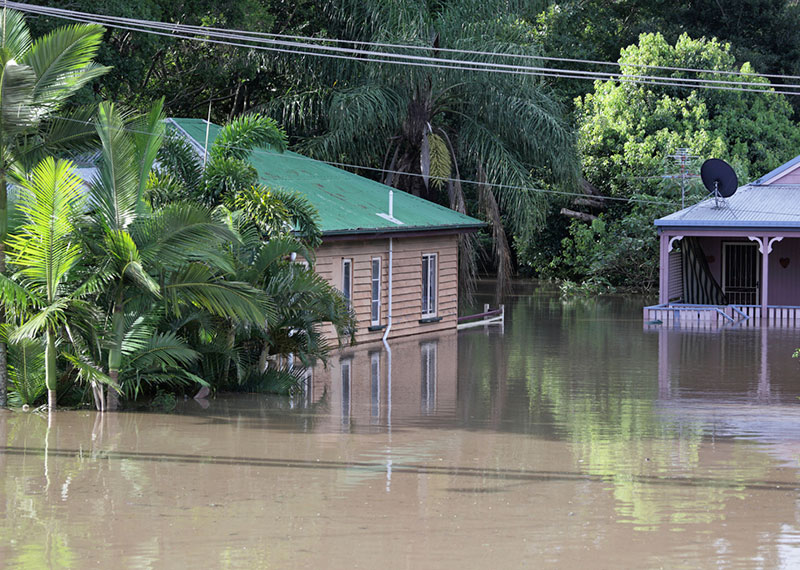
The objective of the audit was to assess the effectiveness of the Attorney-General’s Department’s administration of the terms of the Natural Disaster Relief and Recovery Arrangements Ministerial determination.
Entity
Attorney-General's Department; Emergency Management Australia
Contact
Please direct enquiries relating to reports through our contact page.
Performance audit (Auditor-General Report No. 11 of 2010–11)
Published: Thursday 30 September 2010
Published
The objective of the audit was to assess how well agencies had implemented the CPGs and relevant FMA legislation when undertaking Direct Source procurement.
The audit examined whether selected agencies had developed a sound procurement framework; appropriately classified procurement methods when meeting external reporting requirements; implemented the CPGs and relevant legislation when Direct Sourcing; and established effective procurement monitoring and review arrangements.
The ANAO selected four FMA Act agencies to provide a cross-section of the 104 agencies that reported procurement activity in AusTender in
2008–09. The agencies selected for audit were:
- the Department of Families, Housing, Community Services and Indigenous Affairs (FaHCSIA);
- the Department of Innovation, Industry, Science and Research (Innovation);
- the Department of Veterans' Affairs (DVA); and
- the Australian Crime Commission (ACC).
The ANAO examined a stratified random sample of 645 procurements valued at $10 000 and over, across the four agencies. More detailed testing was undertaken for the 285 Direct Source procurements in the sample.
Entity
Across Agencies
Performance audit (Auditor-General Report No. 1 of 2002–03)
Published: Thursday 18 July 2002
Published
The overall objective of the audit was to determine whether Health's management and operation of selected IT systems:
- met industry better practice;
- met quality and service delivery parameters set by Health and, if applicable, by the Government; and
- operate effectively, efficiently and economically.
The audit applied selected processes from CobiT (Control Objectives for Information and Related Technology) to assist with the assessment of key aspects of Health's management and operation of IT. The audit builds on ANAO's earlier IT audits using CobiT.
Entity
Department of Health and Ageing
Performance audit (Auditor-General Report No. 21 of 2015–16)

Published: Wednesday 10 February 2016
Published
The audit objective was to assess the effectiveness of the administration of the Commonwealth Scientific and Industrial Research Organisation's (CSIRO's) Gift to the Science and Industry Endowment Fund.
Entity
Commonwealth Scientific and Industrial Research Organisation (CSIRO)
Contact
Please direct enquiries relating to reports through our contact page.
Performance audit (Auditor-General Report No. 11 of 1996–97)
Published: Thursday 17 October 1996
Published
Grants Scheme in Audit Report No.33 of 1993-94. The major recommendations in that report related to:
- improved quality of claims and control measures;
- optimisation of management planning and control;
- rationalisation of the strategic planning structure;
- improved responsiveness of the scheme; and
- improved accountability to Parliament.
The objective of this follow-up audit was to form an opinion on Austrade's progress with implementing the recommendations of Audit Report No.33 of 1993-94.
Entity
Australian Trade Commission
Performance audit (Auditor-General Report No. 51 of 2005–06)
Published: Wednesday 28 June 2006
Published
The audit objectives were to report on the implementation status of the parliamentary resolutions and other actions arising out of the six recommendations made in the final PSC Report, Review by the Parliamentary Service Commissioner of Aspects of the Administration of the Parliament. The audit also broadly examined the impact of implementation of the parliamentary resolutions on aspects of: the level of services provided to the Parliament generally following amalgamation of the three former parliamentary departments into the Department of Parliamentary Services; and accommodation space within Parliament House. The designated audit agency was the Department of Parliamentary Services (DPS).
Entity
Department of Parliamentary Services
Performance audit (Auditor-General Report No. 47 of 2020–21)

Published: Monday 28 June 2021
Published
The objective of this audit was to assess the effectiveness of the administration of the commuter car park projects within the Urban Congestion Fund.
Entity
Department of Infrastructure, Transport, Regional Development and Communications
Contact
Please direct enquiries through our contact page.
Performance audit (Auditor-General Report No. 31 of 2014–15)

Published: Thursday 23 April 2015
Published
The audit objective was to assess the effectiveness of the (former) Department of Industry’s administration of the Australian Apprenticeships Incentives Program.
Entity
Department of Education and Training
Contact
Please direct enquiries relating to reports through our contact page.
Performance audit (Auditor-General Report No. 20 of 2025–26)

Published: Tuesday 27 January 2026
Published
The audit objective was to assess the effectiveness of the Department of Social Services’ and Services Australia’s administration of the age pension.
Entity
Services Australia; Department of Social Services
Contact
Please direct enquiries through our contact page.
Performance audit (Auditor-General Report No. 37 of 2023–24)

Published: Thursday 13 June 2024
Published
The objective of this audit was to assess whether the design and administration of the Adult Migrant English Program was effective.
Entity
Department of Home Affairs; Linda Wyse and Associates
Contact
Please direct enquiries through our contact page.
Performance audit (Auditor-General Report No. 9 of 2010–11)
Published: Wednesday 29 September 2010
Published
On 3 February 2010, Senator Christine Milne wrote to the Auditor General raising concerns about DEWHA's administration of the Green Loans program and requesting a performance audit of the program. Issues raised included: uncapped assessor numbers; problems with the delivery of the program; the quality of assessor training and assessments provided to households; the lack of an audit facility within the program; and equitable access to work under the program.
In light of Senator Milne's request and other concerns in relation to the administration of the program, the Auditor-General agreed on 25 February 2010 to conduct a performance audit of the program. The objective of the audit was to examine key aspects of the establishment and administration of the Green Loans program by DEWHA and the program's transition to DCCEE. Particular emphasis was given to the program's three main elements:
- training, registration and contracting of assessors;
- scheduling, conduct, and reporting of home sustainability assessments, and the associated payments to assessors; and
- provision of green loans to householders, and the associated payments to participating financial institutions.
The audit also examined the extent to which steps had been taken by DEWHA and DCCEE to assess whether the Green Loans program was achieving its objectives.
Entity
Department of the Environment, Water, Heritage and the Arts; Department of Climate Change and Energy Efficiency
Performance audit (Auditor-General Report No. 18 of 2004–05)
Published: Thursday 16 December 2004
Published
The Therapeutic Goods Administration (TGA), a division of the Commonwealth Department of Health and Ageing, is responsible for the regulation of the manufacture and supply of therapeutic goods. The objective of the audit was to assess the TGA's regulation of non-prescription medicinal products. In particular, it reviewed the TGA's systems, procedures and resource management processes used to approve new manufacturers, monitor ongoing manufacturer and product compliance with mandated requirements, and manage non-compliance. The audit made 26 recommendations designed to improve the transparency, quality and reliability of regulatory decisions taken by the TGA and improve its accountability mechanisms by enhancing its management information systems.
Entity
Department of Health and Ageing
Performance audit (Auditor-General Report No. 3 of 2012–13)
Published: Wednesday 19 September 2012
Published
The objective of the audit was to assess the effectiveness of Regional Australia’s management of the design and implementation of the first application round of the RDAF program.
The establishment of a new infrastructure program to fund projects identified by Regional Development Australia committees in regional areas was one of the initiatives established to deliver on the Government's September 2010 agreement with the Independent Members for Lyne and New England. The program was to fund projects that support the infrastructure needs and economic and community growth of Australia’s regions.
Entity
Department of Regional Australia, Local Government, Arts and Sport
Performance audit (Auditor-General Report No. 33 of 2005–06)
Published: Thursday 2 March 2006
Published
The objective of this follow-up audit was to examine the ATO's implementation of the 20 recommendations in: The Administration of Petroleum Excise Collections (Audit Report No.17, 2001(02); and The Administration of Tobacco Excise (Audit Report No. 55, 2001(02), having regard to any changed circumstances, or new administrative issues, affecting implementation of those recommendations. The audit also aimed to identify scope for improvement in the ATO's administration of petroleum and tobacco excise. Follow-up audits are recognised as an important element of the accountability processes of Commonwealth administration. The Parliament looks to the Auditor-General to report, from time to time, on the extent to which Commonwealth agencies have implemented recommendations of previous audit reports. Follow-up audits keep the Parliament informed of progressive improvements and current challenges in areas of Commonwealth administration that have previously been subject to scrutiny through performance audits.
Entity
Australian Taxation Office
Performance audit (Auditor-General Report No. 20 of 2008–09)
Published: Thursday 5 February 2009
Published
The second audit, which is the subject of this report, is a broader and more in-depth cross-portfolio audit. Its objective was to assess:
- the planning and delivery of capital works projects by proponent agencies;
- the extent to which projects have delivered on what was intended; and
- the extent to which proponent agencies have complied with the requirements of the Public Works Committee Act 1969 and approved procedures.
Entity
Across Agencies
Performance audit (Auditor-General Report No. 12 of 2023–24)

Published: Wednesday 24 January 2024
Published
The objective of this audit was to assess the effectiveness of the Department of Finance’s administration of the Parliamentary Expenses Management System project.
Entity
Department of Finance
Contact
Please direct enquiries through our contact page.
Performance audit (Auditor-General Report No. 20 of 2014–15)

Published: Thursday 5 February 2015
Published
The objective of the audit was to assess the Australian Customs and Border Protection Service's administration of the Tariff Concession System.
Entity
Australian Customs and Border Protection Service
Contact
Please direct enquiries relating to reports through our contact page.
Speeches and papers
Published: Wednesday 14 February 1996
Published
Mr P.J. Barrett (AM) - Auditor-General for Australia, presented at the FINEST User Network Annual Conference 1996, Leura, NSW
Performance audit (Auditor-General Report No. 29 of 2008–09)
Published: Thursday 23 April 2009
Published
The objective of this performance audit of construction projects on the AusLink National Network was to assess the effectiveness of the administration by DITRDLG in working with the States to deliver the outcomes expected by the Government and the broader community. To inform the audit assessment, the methodology included examination of both Australian Government and State Government records as well as site inspections in relation to 21 projects being delivered in three States (New South Wales (NSW), Queensland and Tasmania). DITRDLG and the respective State road transport authorities were consulted in the selection of projects to be examined in detail.
Entity
Department of Infrastructure, Transport, Regional Development and Local Government
Performance audit (Auditor-General Report No. 49 of 2003–04)
Published: Monday 31 May 2004
Published
The audit objective was to provide independent assurance to the Parliament on the effectiveness of Australian Public Service organisations in the use and management of the HRIS to satisfy mandatory reporting requirements, as well as provide meaningful information to management. The audit also considered the use of employee self service facilities offered by the HRIS, which has the capacity to provide staff with access to their personal information, reduce manual processing and streamline processing.
Entity
Australian Sports Commission; Australian Securities and Investments Commission; Attorney-General’s Department; Department of Education, Science and Training
Performance audit (Auditor-General Report No. 6 of 2016–17)

Published: Wednesday 31 August 2016
Published
The objective of the audit was to assess progress in implementing the corporate plan requirement under the Public Governance, Performance and Accountability Act 2013.
Entity
Across Entities
Contact
Please direct enquiries relating to reports through our contact page.
Performance audit (Auditor-General Report No. 39 of 2011–12)
Published: Thursday 7 June 2012
Published
The objective of the audit was to assess the effectiveness of the design and management of the National Solar Schools Program (NSSP), including demonstrated progress towards achieving the program's objectives.
Entity
NO-DEPTS-LISTED
Performance audit (Auditor-General Report No. 31 of 2024–25)

Published: Tuesday 20 May 2025
Published
The objective of the audit was to examine the effectiveness of the Department of Defence’s administration of contractual obligations to maximise Australian industry participation.
Entity
Department of Defence
Contact
Please direct enquiries through our contact page.
Performance audit (Auditor-General Report No. 22 of 2004–05)
Published: Tuesday 18 January 2005
Published
The objective of the audit was to examine the investment of public funds by selected entities, including: compliance with relevant legislation, delegations and instructions; the value for money of investment strategies; and reporting of investment activities. Six entities were selected for audit, comprising three FMA Act agencies and three Commonwealth authorities. The six entities had aggregrate investments of $1.64 billion as at 30 June 2004 and realised investment earnings of some $80.4 million during 2003/04.
Entity
Across Entities