Browse our range of reports and publications including performance and financial statement audit reports, assurance review reports, information reports and annual reports.
Performance audit (Auditor-General Report No. 4 of 2011–12)
Published: Wednesday 31 August 2011
Published
The audit objective was to assess the effectiveness of DEEWR’s and FaHCSIA’s administration of the Australian Government’s responsibilities under Element 1 of the National Partnership Agreement on Indigenous Economic Participation (including the NT Jobs Package).
Entity
Across Entities
Performance audit (Auditor-General Report No. 8 of 2021–22)

Published: Monday 8 November 2021
Published
The objective of this audit was to assess the effectiveness of the Department of Education, Skills and Employment’s arrangements in administering wage subsidies linked to employment programs.
Entity
Department of Education, Skills and Employment
Contact
Please direct enquiries through our contact page.
Performance audit (Auditor-General Report No. 22 of 2011–12)
Published: Tuesday 7 February 2012
Published
The objective of the audit was to examine the effectiveness of the administration of the Gateway review process by Finance and FMA Act agencies. The audit also examined the extent to which those Gateway reviews that have been conducted have contributed to improvements in the delivery of major projects undertaken by FMA Act agencies.
Entity
Department of Finance and Deregulation
Performance audit (Auditor-General Report No. 39 of 2004–05)
Published: Wednesday 13 April 2005
Published
The objective of the audit was to assess the ATO's administration of the Surcharge. Specifically, the audit sought to: report on the environment into which the Surcharge was introduced, including the legislative intent behind the Surcharge, and the current Surcharge environment; examine and report on aspects of Surcharge governance; assess the systems, processes and controls the ATO uses to: match Member Contributions Statements (MCS) data with income tax return data using Tax File Numbers (TFNs); process Surcharge information; and issue Surcharge liability assessments. assess the mechanisms the ATO uses to assess, classify, manage and rectify existing Surcharge exceptions, and prevent future exceptions from occurring; and examine the mechanisms and strategies the ATO uses to provide assurance that members and holders of contributions are complying with their Surcharge obligations.
Entity
Australian Taxation Office
Performance audit (Auditor-General Report No. 16 of 2008–09)
Published: Monday 22 December 2008
Published
The objective of the audit was to assess the adequacy and effectiveness of the BCM practices and procedures within the Tax Office in preparing for, or responding to, disruptions to ‘business as usual' operations.
Entity
Australian Taxation Office
Performance audit (Auditor-General Report No. 29 of 2012–13)
Published: Tuesday 30 April 2013
Published
The audit objective was to assess the effectiveness of the Department of Veterans’ Affairs (DVA) administration of the veterans’ children education schemes.
Entity
Department of Veterans' Affairs
Performance audit (Auditor-General Report No. 23 of 2005–06)
Published: Thursday 22 December 2005
Published
This audit is a part of the ANAO's protective security audit coverage. The objective of this audit was to determine whether agencies audited had developed and implemented sound IT security management principles and practices supported by an IT security control framework, in accordance with Australian Government policies and guidelines. The audit at each agency examined the framework for the effective management and control of IT security, including the management of IT operational security controls and, where applicable, was based on the Australian Government protective security and information and communications technology (ICT) security guidelines that were current at that time.
Entity
Across Agency
Performance audit (Auditor-General Report No. 36 of 2003–04)
Published: Thursday 25 March 2004
Published
The audit assessed the Commonwealth's administration of the two major elements of the Dairy Industry Adjustment Package; the Dairy Structural Adjustment Program (DSAP) and the supplementary Dairy Assitance Program (SDA). The audit addressed the implementation and delivery of the programs, governance arrangements and the management of the Dairy Structural Adjustment Fund.
Entity
Department of Agriculture Fisheries and Forestry; Dairy Adjustment Package
Performance audit (Auditor-General Report No. 14 of 2010–11)
Published: Thursday 28 October 2010
Published
The objective of the audit was to assess whether entities properly accounted for software assets, and adopted an integrated planning approach to inform software asset investment decisions.
The main focus of the audit was on whether entities accounted for software costs in accordance with relevant accounting standards and the FMOs, paying particular attention to the standard elements of an internal control framework and accounting practices. In addition, in the context of software asset planning, the audit considered whether entities assessed the risks associated with software assets, used life-cycle costing approaches, and aligned ICT and capital management plans, to inform decision-making on software asset investments.
Entity
Australian Bureau of Statistics; Civil Aviation Safety Authority; IP Australia
Performance audit (Auditor-General Report No. 25 of 2011–12)
Published: Thursday 9 February 2012
Published
The objective of the audit was to assess the effectiveness of the Project Wickenby taskforce in making Australia unattractive for international tax fraud and evasion by detecting, deterring and dealing with the abusive use of secrecy havens by Australian taxpayers.
Entity
Australian Taxation Office, Australian Crime Commission and Australian Federal Police
Performance audit (Auditor-General Report No. 30 of 2009–10)
Published: Thursday 22 April 2010
Published
Recent performance audit priority for the Australian National Audit Office (ANAO) in the Infrastructure, Transport, Regional Development and Local Government portfolio has been directed at the administration of funding for land transport. Accordingly, this audit is one of a series ANAO is undertaking of land transport funding programs. Four audits have already been completed, namely:
- ANAO Audit Report No. 31 2005–06, Roads to Recovery;
- ANAO Audit Report No. 45 2006–07, The National Black Spot Program;
- ANAO Audit Report No. 22 2007–08, Administration of Grants to the Australian Rail Track Corporation; and
- ANAO Audit Report No. 29 2008–09, Delivery of Projects on the AusLink National Network.
Entity
Department of Infrastructure, Transport, Regional Development and Local Government
Performance audit (Auditor-General Report No. 17 of 2013–14)
Published: Thursday 30 January 2014
Published
The objective of the audit was to assess the effectiveness of the Department of the Environment’s administration of the Strengthening Basin Communities Program.
Entity
Department of the Environment
Performance audit (Auditor-General Report No. 1 of 1999–2000)
Published: Tuesday 13 July 1999
Published
The audit reviewed the implementation of the purchaser/provider arrangements between the Department of Health and Aged Care and Centrelink. The objective of the audit was to determine the administrative effectiveness of the implementation of the service delivery arrangements between Centrelink and the Department by examining project planning for, and management of, the implementation, and the establishment of on-going purchaser/provider arrangements.
Entity
Centrelink; Department of Health and Aged Care
Performance audit (Auditor-General Report No. 19 of 2006–07)
Published: Thursday 25 January 2007
Published
The objective of this audit was to determine whether Health adequately assessed the State and Territory Governments' compliance with their obligations under the terms of the AHCAs. In conducting the audit, ANAO addressed the following criteria:
- if Health assessed whether the States and Territories were adhering to the AHCAs clause 6 principles that all eligible persons had equitable access to free public health and emergency services on the basis of clinical need within an appropriate period;
- if Health assessed whether the States and Territories were increasing their own source funding at the rate specified in the AHCAs; and
- if Health assessed whether the States and Territories were meeting the performance reporting requirements set out in the AHCAs.
Entity
NO-DEPTS-LISTED
Performance audit (Auditor-General Report No. 17 of 2001–02)
Published: Friday 26 October 2001
Published
The audit's objective was to assess, and report to Parliament on, the ATO's administration of petroleum excise collections. The audit examined whether the ATO had implemented effectively administrative arrangements for the collection of petroleum excise since the transfer of the function from Customs in 1999. Areas that were examined relating to administration of petroleum excise were:
- governance arrangements;
- licensing arrangements;
- compliance management;
- investigations; and
- revenue management.
The audit also reviewed the role of Customs in performing functions directly related to petroleum excise collections and key elements of the management relationship between the ATO and Customs in this area.
Entity
Australian Taxation Office
Performance audit (Auditor-General Report No. 22 of 2013–14)
Published: Thursday 6 March 2014
Published
The objective of the audit was to report on the progress of the current phase of the Air Warfare Destroyer (AWD) Program, which is known as SEA 4000 Phase 3–Build. This phase commenced in June 2007, and covers the finalisation of the detailed design, the signing of the Alliance and Platform System Design contracts, and the construction and delivery of the ships by the Industry Participants to the Defence Materiel Organisation (DMO).
Entity
Department of Defence; Defence Materiel Organisation
Contact
Please direct enquiries relating to reports through our contact page.
Speeches and papers
Published: Thursday 17 August 2006
Published
Mr Ian McPhee - Auditor-General for Australia, presented at the CPA Australia Public Sectore Finance and Management Conference
Performance audit (Auditor-General Report No. 32 of 2020–21)

Published: Friday 19 March 2021
Published
The objective of the audit was to assess the effectiveness of cyber security risk mitigation strategies implemented by selected non-corporate Commonwealth entities to meet mandatory requirements under the Protective Security Policy Framework, and the support provided by the responsible cyber policy and operational entities.
Entity
Across Entities
Contact
Please direct enquiries through our contact page.
Performance audit (Auditor-General Report No. 38 of 2006–07)
Published: Wednesday 23 May 2007
Published
The audit objective was to assess the effectiveness of DoHA's management of CACPs in fulfilling the legislated objectives of the program.
Entity
NO-DEPTS-LISTED
Performance audit (Auditor-General Report No. 29 of 2010–11)
Published: Wednesday 16 February 2011
Published
The objective of the audit was to examine the effectiveness of the AFP's approach to its management of the implementation of NPIs.
Entity
Australian Federal Police
Performance audit (Auditor-General Report No. 17 of 2022–23)

Published: Monday 3 April 2023
Published
The objective of this audit is to assess the effectiveness of the design and implementation of the Department of Agriculture, Water and the Environment’s cultural reform program prior to the July 2022 Machinery of Government changes.
Entity
Department of Agriculture, Fisheries and Forestry
Contact
Please direct enquiries through our contact page.
Performance audit (Auditor-General Report No. 37 of 2005–06)
Published: Wednesday 3 May 2006
Published
The objective of the audit was to assess whether selected Australian Government entities were effectively supporting their business requirements through planning for, and management of, the acquisition, disposal and use of their IPE assets. The audit reviewed each entity's policies and practices against a series of audit criteria across the following components of asset management: control environment; planning; acquisitions; operations; and disposals.
Entity
Across agencies
Performance audit (Auditor-General Report No. 9 of 2021–22)

Published: Wednesday 24 November 2021
Published
The objective of the audit was to examine the Department of Agriculture, Water and the Environment’s effectiveness in implementing the Regional Land Partnerships program.
Entity
Department of Agriculture, Water and the Environment
Contact
Please direct enquiries through our contact page.
Performance audit (Auditor-General Report No. 13 of 2017–18)

Published: Thursday 19 October 2017
Published
The objective of this audit was to assess the effectiveness of controls being implemented and/or developed by the National Disability Insurance Agency (NDIA) to ensure National Disability Insurance Scheme (NDIS) access decisions are consistent with legislative and other requirements.
Entity
National Disability Insurance Agency; Department of Human Services
Contact
Please direct enquiries relating to reports through our contact page.
Performance audit (Auditor-General Report No. 3 of 2021–22)

Published: Thursday 9 September 2021
Published
The audit objective was to assess whether the Department of Health is effectively managing financial assistance under the Medical Research Future Fund.
Entity
Department of Health
Contact
Please direct enquiries through our contact page.
Performance audit (Auditor-General Report No. 31 of 2020–21)

Published: Thursday 18 March 2021
Published
The objective was to examine whether the award of funding under the Supporting Reliable Energy Infrastructure Program was informed by an appropriate assessment process and sound advice that complied with the Commonwealth Grant Rules and Guidelines.
Entity
Department of Industry, Science, Energy and Resources
Contact
Please direct enquiries through our contact page.
Annual report
Published: Thursday 26 August 2021
Published
This annual report documents the performance of the Australian National Audit Office (ANAO) in the financial year ended 30 June 2021. The report addresses all applicable obligations under the Public Governance, Performance and Accountability Act 2013; the Public Governance, Performance and Accountability Rule 2014; the Auditor-General Act 1997; the performance measures set out in the outcome and programs framework in the ANAO’s Portfolio Budget Statements 2020–21 and the ANAO Corporate Plan 2020–21; and annual reporting requirements set out in other relevant legislation.
Contact
Please direct enquiries relating to annual reports through our contact page.
Performance audit (Auditor-General Report No. 20 of 2012–13)
Published: Tuesday 5 February 2013
Published
The objective of the audit was to assess the effectiveness of the Australian Fisheries Management Authority’s administration of its Domestic Fishing Compliance Program.
Entity
Australian Fisheries Management Authority
Performance audit (Auditor-General Report No. 37 of 2006–07)
Published: Thursday 17 May 2007
Published
The audit objective was to assess the effectiveness of DIAC's administration of the health requirement of the Migration Act 1958 (the Act). To achieve this objective, the ANAO examined whether DIAC was setting and implementing the health requirement in accordance with the Act, the Migration Regulations 1994 (the Regulations), and DIAC's own guidelines.
Entity
Department of Health and Ageing
Performance audit (Auditor-General Report No. 14 of 2005–06)
Published: Wednesday 19 October 2005
Published
The audit assessed whether FaCS effectively undertakes its coordination, monitoring and other roles according to the CSTDA. The audit examined all disability services provided for under the CSTDA, except for disability employment services. The ANAO met relevant officers from FaCS' national office and State and Territory offices, and with 22 stakeholder organisations including: advocacy groups; peak national and State bodies representing the interests of disability service providers and people with disabilities; members of national and State Disability Advisory Bodies funded by FaCS; State and Territory governments; relevant Australian Government agencies; In particular, the Department of Health and Ageing and the Australian Institute of Health and Welfare. and local government bodies. Fieldwork for the audit was primarily undertaken during the period September 2004 to February 2005.
Entity
Department of Family and Community Services
Performance audit (Auditor-General Report No. 50 of 2000–01)
Published: Friday 15 June 2001
Published
The ANAO concluded that DHAC's administration of the National Cervical Screening Program is generally sound. The ANAO found that the department has a key role in the Program by providing secretariat services and other support to the NAC, which provides policy advice to AHMAC, and by supporting initiatives to further develop the Program. Some areas of DHAC's administration of the Program provide examples of good practice. Related examples are the early identification of the need to monitor the Program, the early identification of possible data sources for monitoring, and the use of an independent body to provide advice, through the Australian Institute of Health and Welfare, on performance indicators and data sources. A further example is DHAC's administration of the provision of cervical screening funding assistance to the States and Territories through Public Health Outcome Funding Agreements, which complies with the principles for sound Specific Purpose Payments program administration advocated by the Joint Committee of Public Accounts and Audit in their Report 362. On the other hand, the ANAO has identified areas for improvement in quality assurance for the analysis of Pap smears by pathology laboratories.
Entity
Department of Health and Aged Care
Performance audit (Auditor-General Report No. 9 of 2018–19)

Published: Thursday 11 October 2018
Published
The objective of the audit was to assess the Moorebank Intermodal Company’s achievement of value for money and management of probity in its operations and procurement activities.
Entity
Moorebank Intermodal Company Limited (MIC); Department of Finance
Contact
Please direct enquiries through our contact page.
Performance audit (Auditor-General Report No. 51 of 2010–11)
Published: Tuesday 21 June 2011
Published
To examine the effectiveness of the Department of Health and Ageing’s administration of the Access to Allied Psychological Services Program.
Entity
Department of Health and Ageing
Performance audit (Auditor-General Report No. 24 of 2025–26)
New

Published: Thursday 12 March 2026
Published
The objective of the audit was to assess the effectiveness of the Department of Climate Change, Energy, the Environment and Water’s and the Australian Renewable Energy Agency’s delivery of the Community Batteries for Household Solar program.
Entity
Department of Climate Change, Energy, the Environment & Water; Australian Renewable Energy Authority
Contact
Please direct enquiries through our contact page.
Performance audit (Auditor-General Report No. 31 of 2000–01)
Published: Thursday 29 March 2001
Published
The audit reviewed the Department of Foreign Affairs and Trade's administration of consular services. It focussed on DFAT's travel advice to alert Australians to potential travel risks; case management systems to record and monitor action on more complex consular cases; performance information for the management of consular services; and contingency planning for major consular incidents. The audit also reviewed action taken by DFAT and other agencies to implement the recommendations of a 1997 Senate Committee report on consular services.
Entity
Department of Foreign Affairs and Trade
Performance audit (Auditor-General Report No. 42 of 2014–15)

Published: Thursday 4 June 2015
Published
The objective of this audit was to assess the effectiveness of Finance’s administration of travel entitlements provided to Parliamentarians.
Entity
Department of Finance
Contact
Please direct enquiries relating to reports through our contact page.
Performance audit (Auditor-General Report No. 29 of 2024–25)

Published: Monday 31 March 2025
Published
The objective of the audit was to assess the effectiveness of the Department of Finance’s and selected entities’ implementation of the Australian Government’s campaign advertising framework.
Entity
Department of Finance; Australian Electoral Commission; Attorney‐General’s Department; Department of Health and Aged Care
Contact
Please direct enquiries through our contact page.
Performance audit (Auditor-General Report No. 36 of 2013–14)
Published: Thursday 5 June 2014
Published
The audit objective was to assess the effectiveness of the Parliamentary Budget Office in conducting its role since being established in July 2012.
Entity
Parliamentary Budget Office
Contact
Please direct enquiries relating to reports through our contact page.
Performance audit (Auditor-General Report No. 40 of 1997–98)
Published: Friday 17 April 1998
Published
The objectives for the audit were to assess the:
- economy, administrative effectiveness, and accountability of DVA's management of the purchase of hospital services from State and Territory governments; and
- strategies adopted by DVA to manage change associated with its purchase of hospital care services from State and Territory governments.
The twin aims were to provide assurance to stakeholders and to identify any area in which improvements could be made to achieve better results.
Entity
Department of Veterans' Affairs
Performance audit (Auditor-General Report No. 36 of 1996–97)
Published: Thursday 5 June 1997
Published
The audit covered major program elements within the Department of Primary Industries and Energy and Environment Australia that are managed:
- directly by DPIE or Environment Australia;
- through the One-Stop-Shop project assessment process administered by the States/Territories; or
- by non-government organisations.
The purpose of the audit was to examine and benchmark the administrative processes established for these programs. The primary focus of the audit was to draw on the best elements of past practice (particularly in relation to programs involving the One-Stop-Shop) and highlight any shortcomings so that the risks to program effectiveness and accountability could be addressed in the implementation of the Natural Heritage Trust.
Entity
Across Agency
Performance audit (Auditor-General Report No. 33 of 2002–03)
Published: Wednesday 19 March 2003
Published
The objective of the audit was to determine whether DEST has effective governance practices for its IT and e- Business; has adequate systems in place to measure the efficiency and effectiveness of its IT and e-Business; implements and maintains appropriate quality standards within its IT and e-Business systems; and implements proper controls, including risk management, to achieve maximum benefits from its IT and e- Business. The audit examined education and training services provided, or managed, by DEST via IT or the Internet.
Entity
Department of Education Science and Training
Performance audit (Auditor-General Report No. 12 of 2011–12)
Published: Thursday 10 November 2011
Published
The objective of the audit was to assess the effectiveness of the implementation of the NPARIH in the Northern Territory from the perspective of the Australian Government.
Entity
Department of Families, Housing, Community Services and Indigenous Affairs
Performance audit (Auditor-General Report No. 15 of 2013–14)
Published: Thursday 19 December 2013
Published
The objective of the audit was to assess the effectiveness of the Indigenous Land Corporation’s administration of the Land Acquisition Program.
Entity
Indigenous Land Corporation
Contact
Please direct enquiries relating to reports through our contact page.
Performance audit (Auditor-General Report No. 55 of 2011–12)
Published: Thursday 28 June 2012
Published
The objective of the audit was to assess the effectiveness of the Department of Broadband, Communications and the Digital Economy’s administration of the Household Assistance Scheme.
Entity
Department of Broadband, Communications and the Digital Economy, Department of Human Services
Performance audit (Auditor-General Report No. 50 of 2010–11)
Published: Tuesday 21 June 2011
Published
The objective of the audit was to assess the effectiveness of the services delivered through ATO shopfronts to individual and micro enterprise tax clients. Particular emphasis was given to the delivery of services to clients and planning and reporting processes for shopfront services.
Entity
Australian Taxation Office
Performance audit (Auditor-General Report No. 43 of 2017–18)

Published: Tuesday 29 May 2018
Published
The objective of this audit was to examine the extent to which the Department of Infrastructure and Regional Development, now the Department of Home Affairs (the Department) has implemented the recommendations made by the ANAO in Audit Report #5 2016–17, Passenger Security Screening at Domestic Airports.
Entity
Department of Home Affairs
Contact
Please direct enquiries through our contact page.
Speeches and papers
Published: Friday 22 November 2019
Published
The Auditor-General, Grant Hehir, delivered a presentation to the 15th Biennial Australasian Council of Public Accounts Committees (ACPAC) Conference held at Parliament House, Canberra, on 7 November 2019. The presentation was titled Maintaining Trust in the Parliamentary Process — PACs and Officers of the Parliament.
Contact
Please direct enquiries through our contact page.
Performance audit (Auditor-General Report No. 3 of 2017–18)

Published: Wednesday 12 July 2017
Published
The objective of the audit was to assess whether the Office of the Registrar of Indigenous Corporations (ORIC) supports good governance in Indigenous corporations consistent with the Corporations (Aboriginal and Torres Strait Islander) Act 2006 (CATSI).
Entity
Office of the Registrar of Indigenous Corporations; Department of the Prime Minister and Cabinet
Contact
Please direct enquiries relating to reports through our contact page.
Events and seminars
Published: Monday 2 December 2024
Published
The speech delivered by the Acting Deputy Auditor-General and the presentations by ANAO speakers at the Financial and Performance Reporting Forum held on Friday 29 November 2024 are now available.
If you would like a copy of the video recording please contact External.Relations@anao.gov.au
Contact
If you have any questions about the Financial and Performance Reporting Forum please contact External.Relations@anao.gov.au.
Performance audit (Auditor-General Report No. 14 of 2015–16)

Published: Monday 14 December 2015
Published
The objective of the audit was to assess whether appropriate steps were taken to protect the Commonwealth’s interests and obtain value for money in respect to the:
- approval of $1.5 billion in Commonwealth funding for stage one of the East West Link project, and the June 2014 payment of $500 million of this funding; and
- approval of $1.5 billion in Commonwealth funding for stage two of the East West Link project, and the June 2014 payment of $1 billion of this funding.
Entity
Department of Infrastructure and Regional Development; Infrastructure Australia; Department of the Treasury; Department of the Prime Minister and Cabinet; and Department of Finance.
Contact
Please direct enquiries relating to reports through our contact page.
Performance audit (Auditor-General Report No. 48 of 2013–14)
Published: Monday 23 June 2014
Published
The objective of the audit was to assess the effectiveness of the administration of the Australian Business Register.
Entity
Australian Taxation Office, Australian Securities and Investments Commission, Department of Industry
Contact
Please direct enquiries relating to reports through our contact page.
Annual report
Published: Wednesday 14 August 2019
Published
This annual report documents the performance of the Australian National Audit Office (ANAO) in the financial year ended on 30 June 2019. The report addresses all applicable obligations under the Public Governance, Performance and Accountability Act 2013; the Public Governance, Performance and Accountability Rule 2014; the Auditor-General Act 1997; the performance measures set out in the outcome and programs framework in the ANAO’s Portfolio Budget Statements 2018–19 and the ANAO Corporate Plan 2018–19, and annual reporting requirements set out in other relevant legislation.
Contact
Please direct enquiries relating to annual reports through our contact page.
Performance audit (Auditor-General Report No. 13 of 2005–06)
Published: Tuesday 18 October 2005
Published
The objective of the audit was to assess the administrative effectiveness of the ATO's management of GST compliance in the large business market segment. In conducting the audit the ANAO examined three key areas: governance - ILEC's corporate planning and reporting arrangements relevant to the management of GST compliance in the large business market segment; assessing and identifying compliance risks- how ILEC collects information relating to the large business market segment and how it uses this information to support risk identification and assessment; and managing compliance- compliance planning and the products and processes used by ILEC to manage GST compliance in the large business market segment and evaluating compliance outcomes to support future compliance planning and the targeting of GST compliance risks. In undertaking the audit, the ANAO took account of the findings of previous reviews, in particular the LCCP Review.
Entity
Australian Taxation Office
Performance audit (Auditor-General Report No. 34 of 2019–20)

Published: Thursday 23 April 2020
Published
The audit objective was to assess the effectiveness of the administration of Aboriginal and Torres Strait Islander participation targets in intergovernmental funding agreements in achieving policy objectives.
Entity
Department of Infrastructure, Transport, Regional Development and Communications; National Indigenous Australians Agency
Contact
Please direct enquiries through our contact page.
Performance audit (Auditor-General Report No. 3 of 2001–02)
Published: Tuesday 17 July 2001
Published
Taxation rulings are a key mechanism used by the Australian Taxation Office (ATO) to disseminate the Commissioner of Taxation's interpretative advice on Australian taxation law. The objective of the audit was to:
report to Parliament on the operation of the ATO's administration of taxation rulings (public, private and oral rulings); and where appropriate, make recommendations for improvements, having regard to considerations of: efficiency and effectiveness of the ATO's administration of the rulings system, particularly in relation to the achievement of the objectives set by Parliament for the rulings system; the ATO's systems' capacity to deliver consistency and fairness for taxpayers; and good corporate governance, including the control framework.
Entity
Australian Taxation Office
Performance audit (Auditor-General Report No. 30 of 2006–07)
Published: Wednesday 14 March 2007
Published
The objectives of this follow-up audit were to:
- examine the ATO's implementation of the ten recommendations in The Australian Taxation Office's Management of its Relationship with Tax Practitioners (Audit Report No.19, 2002–03), having regard to any changed circumstances, or new administrative issues, affecting implementation of those recommendations; and
- identify scope for improvement in the ATO's management of its relationship with tax practitioners.
Follow up audits are recognised as an important element of the accountability processes of Commonwealth administration. Parliament looks to the Auditor General to report, from time to time, on the extent to which Commonwealth agencies have implemented recommendations of previous audit reports. Follow up audits keep Parliament informed of progressive improvements and current challenges in areas of Commonwealth administration that have previously been subject to scrutiny through performance audits.
Entity
Australian Taxation Office
Performance audit (Auditor-General Report No. 38 of 2011–12)
Published: Tuesday 5 June 2012
Published
The objective of the audit was to assess the effectiveness of DSEWPaC's administration of PIIOP, including the acquisition of water access entitlements and progress towards achieving the program's objectives.
Entity
Department of Sustainability, Environment, Water, Population and Communities
Performance audit (Auditor-General Report No. 18 of 1998–99)
Published: Monday 7 December 1998
Published
Consistent with the ANAO's practices, and in response to a request from AusAID, a follow-up audit was conducted in the period May to November 1998 to assess the extent of implementation of the recommendations of a 1996 audit into the Management of Funding to Non-Government Organisations (NGOs)and whether the implementation of recommendations has effectively improved the management of funding to NGOs. The ANAO examined AusAID's key funding accountability documentation, tested the revised accountability arrangements and consulted a number of key stakeholders, including NGO representatives.
Entity
Australian Agency for International Development (AusAID)
Performance audit (Auditor-General Report No. 22 of 2002–03)
Published: Thursday 12 December 2002
Published
The audit theme was financial management and accountability. The audit concluded that six of the eight organisations had satisfactory payment of accounts processes and that GST administration control frameworks had been implemented. Payment of accounts processes could be improved by greater use of information technology whereas using risk management; formalising the BAS preparation procedures; and increasing monitoring and review procedures could improve GST administration.
Entity
Across Agency
Performance audit (Auditor-General Report No. 44 of 2022–23)

Published: Wednesday 28 June 2023
Published
This audit examined the effectiveness of the National Archives of Australia’s implementation of the Building Trust policy and selected entities’ management of information assets (records, information and data).
Entity
Australian National Maritime Museum; National Archives of Australia; Department of the Prime Minister and Cabinet
Contact
Please direct enquiries through our contact page.
Performance audit (Auditor-General Report No. 48 of 2011–12)
Published: Friday 22 June 2012
Published
The objective of the audit was to examine the effectiveness of DVA's administration of mental health programs and services to support younger veterans.
Entity
Department of Veterans' Affairs
Performance audit (Auditor-General Report No. 16 of 2022–23)

Published: Monday 27 March 2023
Published
The objective of this audit was to assess the effectiveness of the Department of Home Affairs' management of family-related visas.
Entity
Department of Home Affairs
Contact
Please direct enquiries through our contact page.
Performance audit (Auditor-General Report No. 4 of 2016–17)

Published: Wednesday 31 August 2016
Published
The audit objective was to assess the effectiveness of the Department of the Environment and Energy's award of funding under the 20 Million Trees Programme.
Entity
Department of the Environment and Energy
Contact
Please direct enquiries relating to reports through our contact page.
Performance audit (Auditor-General Report No. 23 of 2011–12)
Published: Tuesday 7 February 2012
Published
The objective of the audit was to assess the effectiveness of the Department of Climate Change and Energy Efficiency’s implementation and administration of the National Greenhouse and Energy Reporting Scheme.
Entity
Department of Climate Change and Energy Efficiency
Speeches and papers
Published: Monday 27 October 1997
Published
Mr P.J. Barrett (AM) - Auditor-General for Australia, presented to the National Public Sector Accountants Conference; Sydney
Annual report
Published: Tuesday 14 August 2018
Published
This annual report documents the performance of the Australian National Audit Office (ANAO) in the financial year ending on 30 June 2018. The report addresses all applicable obligations under the Public Governance, Performance and Accountability Act 2013 (PGPA Act); the Public Governance, Performance and Accountability Rule 2014 (PGPA Rule); the Auditor-General Act 1997; the performance measures set out in the outcome and programs framework in the ANAO’s 2017–18 Portfolio Budget Statements (PBS) and the ANAO 2017–18 Corporate Plan and annual reporting requirements set out in other relevant legislation.
Contact
Please direct enquiries relating to annual reports through our contact page.
Performance audit (Auditor-General Report No. 6 of 2002–03)
Published: Thursday 29 August 2002
Published
The ANAO reviewed arrangements for the development of the department's fraud policy, fraud risk assessment and fraud control plan within the core functional areas of the department that are responsible for these activities. The audit also examined the operational procedures and guidelines that were in place to implement the departments' fraud policy. The objective of the audit was to assess whether DVA has implemented appropriate fraud control arrangements in line with the Fraud Control Policy of the Commonwealth and whether these arrangements operate effectively in practice.
Entity
Department of Veterans' Affairs
Performance audit (Auditor-General Report No. 31 of 1999–2000)
Published: Wednesday 16 February 2000
Published
The Australian Taxation Office (ATO) is the Commonwealth's principal revenue collection agency. In 1998-99, the ATO accounted for total tax revenue of $135.3 billion. The objective of this audit was to review the ATO's administration of penalties, with particular emphasis on its corporate governance framework and issues relating to consistency, effectiveness and accountability of penalty administration. In particular, the audit examined the administration of two penalty types, Late Lodgement and Tax Shortfall, as case studies.
Entity
Australian Taxation Office
Annual report
Published: Monday 28 September 2020
Published
This annual report documents the performance of the Australian National Audit Office (ANAO) in the financial year ended 30 June 2020. The report addresses all applicable obligations under the Public Governance, Performance and Accountability Act 2013; the Public Governance, Performance and Accountability Rule 2014; the Auditor-General Act 1997; the performance measures set out in the outcome and programs framework in the ANAO's Portfolio Budget Statements 2019–20 and the ANAO Corporate Plan 2019–20; and annual reporting requirements set out in other relevant legislation.
Contact
Please direct enquiries relating to annual reports through our contact page.
Performance audit (Auditor-General Report No. 26 of 2006–07)
Published: Tuesday 20 February 2007
Published
The Age Pension is Australia's largest social security programme delivering approximately $22 billion to 1.9 million Australians in 2005-06. The Age Pension programme is administered by Centrelink on behalf of its client agency the Department of Families, Community Services and Indigenous Affairs.
The objective of the audit was to examine the effectiveness of Centrelink's administration of complex assessments of customer entitlements for the Age Pension programme, particularly through the use of Complex Assessment Officers.
Entity
Centrelink
Performance audit (Auditor-General Report No. 37 of 2009–10)
Published: Thursday 20 May 2010
Published
The objective of this audit was to review the effectiveness of Defence's and the DMO's management of the acquisition arrangements for JP 2070.
Entity
Department of Defence
Performance audit (Auditor-General Report No. 2 of 1998–99)
Published: Friday 10 July 1998
Published
The Audit reviewed the Commercial Support Program (CSP) within the Department of Defence. The CSP was introduced in 1991 following a review of the report, The Defence Force and the Community. Its objective is to achieve best value for money in the acquisition of support services for the Department of Defence and to give the private sector an opportunity to participate in the provision of those support services. The objective of this audit was to assess whether CSP was meeting its objectives and to identify any areas where it may be possible to improve the timeliness, and therefore cost-effectiveness, with which CSP is implemented and the quality of the process itself to produce better outcomes.
Entity
Department of Defence
Performance audit (Auditor-General Report No. 43 of 2014–15)
Published: Friday 5 June 2015
Published
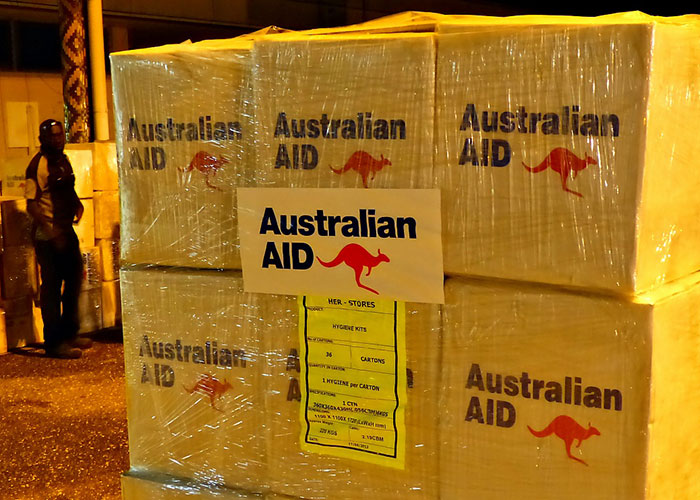
The objective of the audit was to assess the effectiveness of the Department of Foreign Affairs and Trade’s management of Australian aid to Vanuatu.
Entity
Department of Foreign Affairs and Trade
Contact
Please direct enquiries relating to reports through our contact page.
Performance audit (Auditor-General Report No. 41 of 2017–18)

Published: Monday 21 May 2018
Published
The objective of this audit was to assess the effectiveness of the Efficiency through Contestability Programme in supporting entities to improve the efficient delivery of government functions.
Entity
Across Entities
Contact
Please direct enquiries through our contact page.
Performance audit (Auditor-General Report No. 45 of 2018–19)

Published: Thursday 13 June 2019
Published
The objective of this audit was to assess the effectiveness of the Department of Social Services’ role in implementing the National Plan to Reduce Violence Against Women and their Children 2010–2022 (the National Plan).
Entity
Department of Social Services
Contact
Please direct enquiries through our contact page.
Performance audit (Auditor-General Report No. 34 of 2007–08)
Published: Wednesday 21 May 2008
Published
The objective of the audit was to determine the effectiveness of DoHA's administration of the MoU between the Government and the pathology profession, including monitoring whether the MoU is achieving its objectives
Entity
Department of Health and Ageing
Performance audit (Auditor-General Report No. 39 of 2020–21)

Published: Thursday 27 May 2021
Published
The audit examined whether COVID-19 procurements to increase the National Medical Stockpile (NMS) were consistent with the proper use and management of public resources and whether COVID-19 deployments of the NMS were effective.
Entity
Department of Health; Department of Industry, Science, Energy and Resources
Contact
Please direct enquiries through our contact page.
Performance audit (Auditor-General Report No. 48 of 2019–20)

Published: Friday 26 June 2020
Published
The objective of this audit was to examine the effectiveness of the Attorney-General’s Department’s implementation of the recommendations from Auditor-General Report No.27 of 2017–18, Management of the Australian Government’s Register of Lobbyists.
Entity
Attorney-General's Department
Contact
Please direct enquiries through our contact page.
Performance audit (Auditor-General Report No. 54 of 2004–05)
Published: Wednesday 22 June 2005
Published
A Health Care Card (HCC) is one of three types of concession cards issued by Centrelink for the Australian Government. The objectives of the audit were to assess: the effectiveness of whole of government approaches to administering HCCs by FaCS, Centrelink, Health and HIC; the adequacy ofperformance information relating to HCCs, including monitoring the use of the card and its budgetary impact, as well as the cost of administering HCCs; and the effectiveness of controls relating to the issue, maintenance and cancellation of the HCC; and to limit its incorrect or fraudulent use.
Entity
Health Insurance Commission; Department of Health and Ageing; Centrelink; Department of Family and Community Services
Performance audit (Auditor-General Report No. 2 of 2012–13)
Published: Thursday 30 August 2012
Published
To assess the effectiveness of the Department of Broadband, Communications and the Digital Economy’s (DBCDE’s) administration of the Regional Backbone Blackspots Program (RBBP), involving the establishment and ongoing management of the program.
Entity
Department of Broadband and Communications and the Digital Economy
Assurance review (Auditor-General Report No. 40 of 2017–18)
Published: Tuesday 15 May 2018
Published
The objective of this review was to determine whether the establishment and early implementation of the Fair Entitlements Guarantee Recovery Program by the Department of Jobs and Small Business has provided a sound basis for achieving value for money.
Entity
Department of Jobs and Small Business
Contact
Please direct enquiries through our contact page.
Performance audit (Auditor-General Report No. 19 of 2007–08)
Published: Tuesday 22 January 2008
Published
The current audit has focussed on Stage 2 of the Scheme. Its objective was to assess whether ACIS is being administered effectively by DIISR and, as relevant, by Customs. In particular, the audit examined the department's arrangements for:
- assessing the eligibility of participants to receive duty credits;
- calculating duty credits accurately and adhering to the funding limits for the Scheme;
- checking the integrity of participants' claims, which are self-assessed;
- accounting for the duty credits transferred to and used at Customs; and
- measuring and reporting on the performance of ACIS.
The audit also followed up on whether the ANAO's previous recommendations have been addressed.
Entity
Department of Innovation, Industry, Science and Research; Australian Customs Service
Performance audit (Auditor-General Report No. 38 of 2007–08)
Published: Wednesday 4 June 2008
Published
The objective of this audit was to assess the effectiveness of DEEWR's administration of Job Network service fees. The ANAO examined DEEWR's arrangements to:
- specify the nature and level of services to be supplied by JNMs and to communicate this to the JNMS;
- calculate and pay service fees in accordance with the Employment Services Contract (ESC) 2006–2009 it has with JNMs; and
- obtain assurance that JNMs have delivered services in accordance with the contract.
Entity
Department of Education, Employment and Workplace Relations
Speeches and papers
Published: Friday 9 April 1999
Published
Mr P.J. Barrett (AM) - Auditor-General for Australia, presented at the National Public Sector Accountants Conference, Adelaide
Performance audit (Auditor-General Report No. 20 of 2001–02)
Published: Friday 16 November 2001
Published
The ANAO reviewed arrangements for the development of the department's fraud policy, fraud risk assessment and fraud control plan within the core functional areas of the department that are responsible for these activities. The audit also examined the operational procedures and guidelines that were in place to implement the department's fraud policy. The objective of the audit was to assess whether AFFA has implemented appropriate fraud control arrangements in line with the Fraud Control Policy of the Commonwealth and whether these arrangements operate effectively in practice.
Entity
Agriculture Fisheries and Forestry - Australia
Performance audit (Auditor-General Report No. 41 of 2014–15)

Published: Thursday 4 June 2015
Published
The objective of the audit was to assess the effectiveness of the award of funding under the first round of the Safer Streets programme.
Entity
Attorney-General's Department
Contact
Please direct enquiries relating to reports through our contact page.
Speeches and papers
Published: Wednesday 14 October 2009
Published
Mr Ian McPhee - Auditor-General for Australia, presented at the Australian Institute of Company Directors Public Sector Governance Conference
Performance audit (Auditor-General Report No. 35 of 2018–19)

Published: Friday 26 April 2019
Published
The objective of this audit was to examine the effectiveness of the governance arrangements for the Special Broadcasting Service Corporation (SBS).
Entity
Special Broadcasting Service Corporation
Contact
Please direct enquiries through our contact page.
Performance audit (Auditor-General Report No. 36 of 2002–03)
Published: Tuesday 1 April 2003
Published
The objective of the performance audit was to review the progress in the delivery of contractual commitments for Industry Development (ID) for the five contracts awarded under the IT Outsourcing Initiative. In particular, the audit examined the effectiveness of the monitoring by DCITA of achievement against contractual commitments for ID; assessed the impact of changes to the IT outsourcing environment on the management and monitoring of ongoing ID obligations; and identified practices that have improved administrative arrangements.
Entity
Department of Communications, Information Technology and the Arts
Insights: Audit lessons

Published: Wednesday 11 November 2020
Published
This edition of Audit Insights summarises key messages from a series of ANAO performance audits assessing performance evaluation frameworks and success measures. It discusses the importance of both in keeping entities accountable and their performance transparent.
Contact
Please direct enquiries through our contact page.
Performance audit (Auditor-General Report No. 9 of 2000–01)
Published: Wednesday 6 September 2000
Published
The audit reviewed the implementation of the Whole-of-Government Information Technology Infrastructure Consolidation and Outsourcing Initiative (IT Initiative). The objectives of the audit were to examine the administrative and financial effectiveness of the implementation of the IT Initiative, with the focus being on the first four tenders conducted. Accordingly, the audit assessed:
- the effectiveness of the overall planning and implementation of the IT Initiative, taking into account the tendering, contracting and monitoring processes undertaken in respect of Cluster 3, DEETYA/EN, ATO and Group 5;
- the extent to which those latter processes have contributed to the achievement of the objectives of the IT Initiative; and
- the extent to which the Commonwealth's interests have been adequately protected within this context.
Entity
Across Agency
Speeches and papers
Published: Wednesday 18 March 1998
Published
Mr P.J. Barrett (AM) - Auditor-General for Australia, presented at the Risk Management in the Public Sector Seminar
Performance audit (Auditor-General Report No. 61 of 2001–02)
Published: Tuesday 25 June 2002
Published
This benchmarking study across 14 agencies examined how line managers plan for and manage their staff and how the human resource (HR) function supports them to do that. People management was categorised into nine, practice areas, to enable comparisons between the participating agencies. The study also assessed each people management practice area against four criteria: quality, HR integration, effectiveness & efficiency and business contribution.
Entity
Across Agency
Performance audit (Auditor-General Report No. 35 of 2011–12)
Published: Tuesday 29 May 2012
Published
The objective of the audit was to examine the effectiveness of the Department of Health and Ageing’s administration of New Directions. In this respect the ANAO considered whether:
- planning processes were developed to support the program’s objectives and rationale;
- implementation arrangements were clearly defined and aligned to the objectives of the program; and
- robust performance management arrangements had been established and were in use by the department.
Entity
Department of Health and Ageing
Performance audit (Auditor-General Report No. 38 of 2008–09)
Published: Wednesday 27 May 2009
Published
The objective of the ANAO's audit was to examine the effectiveness of DAFF's implementation and administration of the buyback of fishing concessions under the Securing our Fishing Future structural adjustment package.
Entity
Department of Agriculture, Fisheries and Forestry
Performance audit (Auditor-General Report No. 31 of 2012–13)
Published: Thursday 2 May 2013
Published
The objective of this audit was to examine the effectiveness of the Department of Families, Housing, Community Services and Indigenous Affairs’ administration of the National Partnership Agreement on Homelessness (NPAH), including monitoring and reporting of progress against the objective and outcomes of the agreement.
Entity
Department of Families, Housing, Community Services and Indigenous Affairs
Contact
Please direct enquiries relating to reports through our contact page.
Performance audit (Auditor-General Report No. 44 of 2009–10)
Published: Wednesday 16 June 2010
Published
The audit objective was to assess the Tax Office's effectiveness in administering the tax obligations of non-residents.
Entity
Australian Taxation Office
Performance audit (Auditor-General Report No. 3 of 2014–15)

Published: Thursday 30 October 2014
Published
The audit objective was to examine the selected entities’ effectiveness in implementing entity-wide fraud control arrangements, including compliance with the requirements of the 2011 Commonwealth Fraud Control Guidelines (2011 Guidelines), and the overall administration of the fraud control framework by the Attorney-General’s Department.
Entity
Across Entities
Performance audit (Auditor-General Report No. 12 of 2010–11)
Published: Friday 15 October 2010
Published
The objective of this audit was to assess key aspects of the establishment and administration of HIP by DEWHA as well as the transition of the program to DCCEE. All phases of the program were examined with particular emphasis for Phase 2 being given to:
- program design and implementation;
- registration and training of installers;
- payment of rebates; and
- the compliance strategy underpinning the program.
Entity
Department of Climate Change and Energy Efficiency; Department of the Environment, Water, Heritage and the Arts; Medicare Australia
Performance audit (Auditor-General Report No. 47 of 2019–20)

Published: Thursday 25 June 2020
Published
The objective of this audit was to assess the effectiveness of the Department of Agriculture, Water and the Environment’s administration of referrals, assessments and approvals of controlled actions under the Environment Protection and Biodiversity Conservation Act 1999.
Entity
Department of Agriculture, Water and the Environment
Contact
Please direct enquiries through our contact page.
Performance audit (Auditor-General Report No. 17 of 2004–05)
Published: Wednesday 15 December 2004
Published
The objective of the Australian National Audit Office (ANAO) was to examine and report on the planning and corporate governance for the new regional delivery model of the National Action Plan for Salinity and Water Quality (NAP) program, jointly administered by the Department of Agriculture, Fisheries and Forestry and the Department of the Environment and Heritage (the Agencies)
Entity
Department of Agriculture Fisheries and Forestry; Department of the Environment and Heritage
Performance audit (Auditor-General Report No. 10 of 2022–23)

Published: Thursday 19 January 2023
Published
The objective of the audit was to assess whether the Department of Health and Aged Care has effectively managed the expansion of telehealth services during and post the COVID-19 pandemic.
Entity
Department of Health and Aged Care
Contact
Please direct enquiries through our contact page.
Performance audit (Auditor-General Report No. 47 of 2014–15)

Published: Wednesday 10 June 2015
Published
The objective of the audit was to assess the effectiveness of the Department of Immigration and Border Protection’s identity verification arrangements for applicants in the Citizenship Program.
Entity
Department of Immigration and Border Protection
Contact
Please direct enquiries relating to reports through our contact page.
Performance audit (Auditor-General Report No. 40 of 1996–97)
Published: Thursday 26 June 1997
Published
The ANAO's audit aims were to: examine the efficiency and effectiveness of DFAT's human resource management; and identify good practice, which could position the Department, and other APS agencies, to maximise opportunities afforded by the Government's emerging public sector reform agenda. The audit addressed a range of issues including the effectiveness of HR planning and forecasting, staff selection and deployment, performance management, and the fostering of relevant skills and knowledge.
Entity
Department of Foreign Affairs and Trade
Performance audit (Auditor-General Report No. 47 of 2002–03)
Published: Friday 13 June 2003
Published
The audit examined the efficiency and effectiveness of the Department of Employment and Workplace Relations' implementation and subsequent management of the Indigenous Employment Policy. The audit sought to determine whether, in relation to the Indigenous Employment Policy, the department had:
- developed appropriate planning processes and performance measures;
- monitored and reported performance results;
- implemented appropriate evaluation and review mechanisms;
- conducted effective marketing and promotion; and
- identified enhancements and addressed performance issues.
Entity
Department of Employment and Workplace Relations
Performance audit (Auditor-General Report No. 9 of 2025–26)

Published: Monday 24 November 2025
Published
The objective of the audit was to assess the effectiveness of the Department of Social Services' administration of the National Redress Scheme.
Entity
Department of Social Services
Contact
Please direct enquiries through our contact page.
Performance audit (Auditor-General Report No. 3 of 2024–25)

Published: Wednesday 18 September 2024
Published
The objective of this audit is to assess whether the Department of Infrastructure, Transport, Regional Development, Communications and the Arts effectively managed the approval and administration of the Australian Government’s $2.2 billion funding commitment towards Suburban Rail Loop East.
Entity
Department of Infrastructure, Transport, Regional Development, Communications and the Arts; Infrastructure Australia
Contact
Please direct enquiries through our contact page.
Performance audit (Auditor-General Report No. 14 of 2007–08)
Published: Thursday 15 November 2007
Published
The audit objective was to assess whether the Regional Partnerships Programme has been effectively managed by DOTARS, including the processes by which:
- applications are sought, received and assessed;
- Funding Agreements with grant recipients are developed and managed; and
- the achievement of project and programme outcomes is monitored and assessed.
Entity
Department of Transport and Regional Services
Performance audit (Auditor-General Report No. 36 of 1998–99)
Published: Wednesday 28 April 1999
Published
The objective of the audit was to assess key aspects of the Australian Taxation Office's administration of the PAYE system in relation to employers' remittances and to identify opportunities for improvement. The audit focussed on four areas:
- remittance monitoring, especially managing late remittances;
- follow-up action for end of year reconciliation, including discrepancies;
- handling compliance intelligence gained from the public; and
- ATO compliance projects.
Entity
Australian Taxation Office
Annual report

Published: Thursday 29 August 2024
Published
This annual report documents the performance of the Australian National Audit Office (ANAO) in the financial year ended 30 June 2024. The report addresses all applicable obligations under the Public Governance, Performance and Accountability Act 2013; the Public Governance, Performance and Accountability Rule 2014; the Auditor-General Act 1997; the performance measures set out in the outcome and programs framework in the ANAO’s Portfolio Budget Statements 2023–24 and in the ANAO Corporate Plan 2023–24; and annual reporting requirements set out in other relevant legislation.
Contact
Please direct enquiries through our contact page.
Performance audit (Auditor-General Report No. 34 of 2002–03)
Published: Monday 24 March 2003
Published
This audit followed up the ANAO's 1999 performance audit report on the Commonwealth's planning and response mechanisms to deal with exotic and new endemic pest and emergencies in the animal and plant sectors (Audit Report No 9 1999-2000 Managing Pest and Disease Emergencies). The previous audit made nine recommendations to improve planning and response strategies for emergencies; better coordination; diagnostic support; and appropriate monitoring and surveillance. The objective of the follow-up audit was to assess AFFA's implementation of the recommendations, and whether implementation of these recommendations, or appropriate alternative measures, has improved the Commonwealth's planning and response strategies for pest and disease emergencies. The ANAO also observed and assessed relevant parts of the September 2002 foot and mouth disease simulation, Exercise Minotaur.
Entity
Agriculture Fisheries and Forestry - Australia Department of Agriculture
Performance audit (Auditor-General Report No. 32 of 2019–20)

Published: Thursday 16 April 2020
Published
The objective of this audit was to examine the Department of Foreign Affairs and Trade’s (DFAT’s) achievement of value for money objectives in the delivery of Official Development Assistance (aid) through facility arrangements.
Entity
Department of Foreign Affairs and Trade (DFAT)
Contact
Please direct enquiries through our contact page.
Performance audit (Auditor-General Report No. 46 of 2012–13)
Published: Tuesday 18 June 2013
Published
The objective of the audit was to assess the effectiveness of the Department of Veterans’ Affairs’ and the Department of Defence’s administration of the Australian Government’s $55 million support package announced in the May 2010 Budget for former F-111 fuel tank maintenance workers and their families. The audit examined the implementation of the 14 agreed recommendations in the Government Response to the 2009 Parliamentary Inquiry into the F-111 deseal/reseal issues, which formed the basis of the May 2010, F-111 support package.
Entity
Department of Veterans' Affairs; Department of Defence
Contact
Please direct enquiries relating to reports through our contact page.
Performance audit (Auditor-General Report No. 12 of 2014–15)
Published: Thursday 11 December 2014
Published
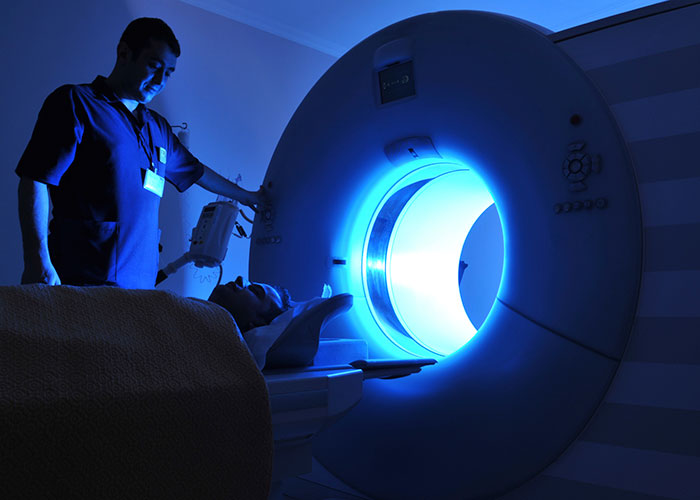
The audit objective was to assess the effectiveness of Health's implementation of the Diagnostic Imaging Review Reform Package, some three years into the five year reform period.
Entity
Department of Health
Contact
Please direct enquiries relating to reports through our contact page.
Performance audit (Auditor-General Report No. 29 of 2011–12)
Published: Tuesday 3 April 2012
Published
The audit objective was to report on the administration of the Australia Network tender process and to identify lessons learned from the conduct of the process to inform future procurement activities.
Entity
Department of Foreign Affairs and Trade, Department of Broadband, Communications and the Digital Economy and Department of the Prime Minister and Cabinet
Performance audit (Auditor-General Report No. 10 of 2023–24)

Published: Monday 15 January 2024
Published
The objective of this audit was to assess the effectiveness of the Department of Climate Change, Energy, the Environment and Water's governance arrangements supporting the implementation of the Australian Government’s climate change commitments.
Entity
Department of Climate Change, Energy, the Environment and Water
Contact
Please direct enquiries through our contact page.
Performance audit (Auditor-General Report No. 57 of 2003–04)
Published: Thursday 24 June 2004
Published
The audit objectives were to assess: the appropriateness of agencies' policies for dealing with requests for information in accordance with the FOI Act; and assess agencies' compliance with the provisions of the FOI Act, in relation to selected requests for information.
Entity
Australian Federal Police; Attorney-General’s Department; Department of Communications, Information Technology and the Arts; Department of Veterans’ Affairs; Australian Customs Service; Civil Aviation Safety Authority
Performance audit (Auditor-General Report No. 19 of 2022–23)

Published: Thursday 6 April 2023
Published
The objective of this audit was to assess the effectiveness of procurement complaints handling by the Australian Communications and Media Authority, the Department of Finance, the Department of Industry, Science and Resources and the Reserve Bank of Australia.
Entity
Across Entities
Contact
Please direct enquiries through our contact page.
Performance audit (Auditor-General Report No. 23 of 2001–02)
Published: Friday 7 December 2001
Published
The audit reviewed the broadcasting planning and licensing operations of the Australian Broadcasting Authority, which is responsible for planning the availability of segments of the broadcasting services bands used by radio and television for analogue and digital broadcasting. The objective was to assess the ABA's management of licence area planning and the subsequent issue of broadcasting licences, focussing on analogue radio planning and identifying improved administrative practices, where possible, together with the main factors that have contributed to the delays to date in achieving the planning timetable.
Entity
Australian Broadcasting Authority
Performance audit (Auditor-General Report No. 44 of 2020–21)

Published: Thursday 17 June 2021
Published
The audit objective was to examine the effectiveness of the Great Barrier Reef Marine Park Authority’s regulation of permits and approvals, including its implementation of recommendations from Auditor-General Report No.3 of 2015–16 Regulation of Great Barrier Reef Marine Park Permits and Approvals.
Entity
Great Barrier Reef Marine Park Authority
Contact
Please direct enquiries through our contact page.