Browse our range of reports and publications including performance and financial statement audit reports, assurance review reports, information reports and annual reports.
Performance audit (Auditor-General Report No. 7 of 2006–07)
Published: Tuesday 17 October 2006
Published
The objective of the audit was to assess whether the WHM programme is administered effectively and in accordance with relevant laws and policies. In particular, the ANAO focused on four key areas: the implementation of eWHM visa; authority for the WHM programme; decision-making for WHM visas; and programme performance information. A feature of the audit was the computer-aided scrutiny of over 300 000 visa application records to test DIMA's decision-making processes.
Entity
Department of Immigration and Multicultural Affairs
Performance audit (Auditor-General Report No. 33 of 2004–05)
Published: Wednesday 9 March 2005
Published
Given the importance of customer feedback to Centrelink's business, the ANAO considered it timely to conduct a series of performance audits relating to Centrelink's customer feedback systems, particularly in relation to its delivery of the services then provided on behalf of FaCS. The overarching objective of this series of ANAO performance audits of Centrelink's customer feedback systems was to assess whether Centrelink has effective processes and systems for gathering, measuring, reporting and responding effectively to customer feedback, including in relation to customer satisfaction with Centrelink services and processes.
Entity
Centrelink
Performance audit (Auditor-General Report No. 17 of 2019–20)

Published: Thursday 12 December 2019
Published
The objective of this audit was to examine whether the Humanitarian Settlement Program (HSP) is being delivered effectively.
Entity
Department of Home Affairs
Contact
Please direct enquiries through our contact page.
Performance audit (Auditor-General Report No. 16 of 2020–21)

Published: Thursday 19 November 2020
Published
The objective of this audit was to assess whether the Australian Bureau of Statistics (ABS) is effectively preparing for the 2021 Census.
Entity
Australian Bureau of Statistics
Contact
Please direct enquiries through our contact page.
Insights: Audit lessons

Published: Thursday 14 January 2021
Published
This edition of Audit Insights summarises key messages for all Australian Government entities from a series of recent Australian National Audit Office (ANAO) performance audits assessing the planning and implementation of regulation activities. It discusses the importance of using available data and intelligence information to develop and execute risk-based regulatory activities targeted in proportion to the impacts of non-compliance.
Contact
Please direct enquiries through our contact page.
Speeches and papers
Published: Friday 22 November 2019
Published
The Auditor-General, Grant Hehir, delivered a presentation to the 15th Biennial Australasian Council of Public Accounts Committees (ACPAC) Conference held at Parliament House, Canberra, on 7 November 2019. The presentation was titled Maintaining Trust in the Parliamentary Process — PACs and Officers of the Parliament.
Contact
Please direct enquiries through our contact page.
Performance audit (Auditor-General Report No. 28 of 2025–26)
New

Published: Wednesday 1 April 2026
Published
The objective of the audit was to assess whether the management of funding under the Settlement Engagement and Transition Support program was effective in achieving the program objectives and consistent with the Commonwealth Grant Rules and Principles.
Entity
Department of Home Affairs; Department of Social Services
Contact
Please direct enquiries through our contact page.
Performance audit (Auditor-General Report No. 3 of 2022–23)

Published: Wednesday 17 August 2022
Published
The objective of the audit was to assess the effectiveness of the planning and implementation of the COVID-19 vaccine rollout.
Entity
Department of Health and Aged Care
Contact
Please direct enquiries through our contact page.
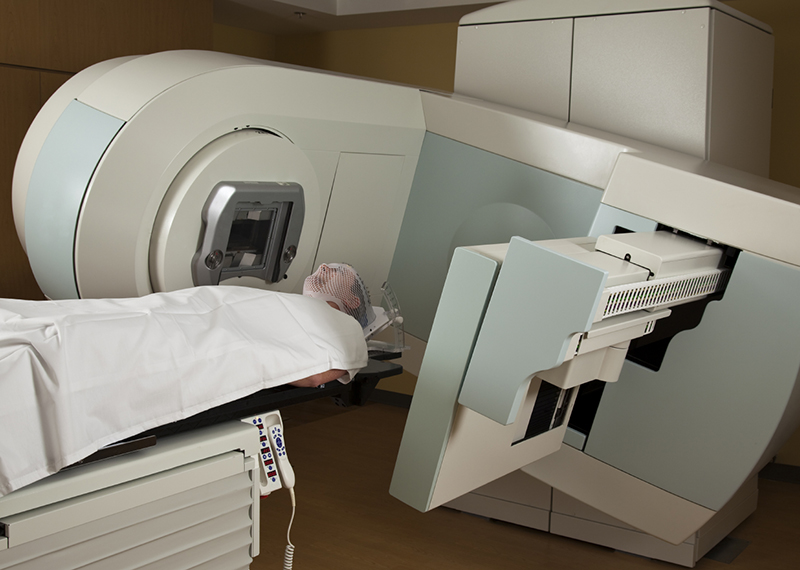
Performance audit (Auditor-General Report No. 35 of 2015–16)
Published: Thursday 5 May 2016
Published
The audit objective was to assess the effectiveness of the Department of Health's and the Department of Human Services' administration of the Radiation Oncology Health Program Grants Scheme.
Entity
Department of Health; Department of Human Services
Contact
Please direct enquiries relating to reports through our contact page.
Performance audit (Auditor-General Report No. 11 of 2016–17)

Published: Thursday 1 September 2016
Published
The objective of the audit was to examine Defence’s progress since 2007 in introducing into service a fully capable Tiger fleet and cost-effective sustainment arrangements.
Entity
Department of Defence
Contact
Please direct enquiries relating to reports through our contact page.
Performance audit (Auditor-General Report No. 8 of 2017–18)

Published: Tuesday 19 September 2017
Published
The audit objective was to assess the effectiveness and efficiency of entities’ implementation of the Freedom of Information Act 1982.
Entity
Attorney-General’s Department; Office of the Australian Information Commissioner; Department of Social Services; Department of Veterans' Affairs
Contact
Please direct enquiries relating to reports through our contact page.
Performance audit (Auditor-General Report No. 32 of 2016–17)

Published: Tuesday 17 January 2017
Published
The audit objective was to assess whether the Department of Immigration and Border Protection adopted sound contract management practices for the delivery of garrison support and welfare services for offshore processing centres in Nauru and Manus Island.
Entity
Department of Immigration and Border Protection
Contact
Please direct enquiries relating to reports through our contact page.
Performance audit (Auditor-General Report No. 1 of 2019–20)

Published: Thursday 4 July 2019
Published
The objective of this audit was to assess the effectiveness of the management of cyber security risks by three government business enterprises or corporate Commonwealth entities. The entities selected for audit are ASC Pty Ltd, the Australian Postal Corporation and the Reserve Bank of Australia.
Entity
ASC Pty Ltd; Australian Postal Corporation; Reserve Bank of Australia
Contact
Please direct enquiries through our contact page.
Performance audit (Auditor-General Report No. 2 of 2014–15)

Published: Thursday 25 September 2014
Published
The objective of the audit is to assess the effectiveness of the Department of the Prime Minister and Cabinet’s implementation of food security initiatives for remote Indigenous communities.
Entity
Department of the Prime Minister and Cabinet
Contact
Please direct enquiries relating to reports through our contact page.
Financial statement audit (Auditor-General Report No. 60 of 2016–17)
Published: Wednesday 28 June 2017
Published
The Australian National Audit Office (ANAO) publishes two reports annually addressing the outcomes of the financial statement audits of Australian government entities and the Consolidated Financial Statements (CFS) of the Australian Government to provide Parliament an independent examination of the financial accounting and reporting of public sector entities. This report focuses on the results of the interim audit phase, including an assessment of entities’ key internal controls, of the 2016–17 financial statements audits of 25 entities including all departments of state and a number of major Australian government entities.
Entity
Across Entities
Contact
Please direct enquiries relating to reports through our contact page.
Performance audit (Auditor-General Report No. 7 of 2017–18)

Published: Tuesday 22 August 2017
Published
The audit objective was to determine whether selected grant programs are being administered efficiently by the Australia Council in relation to suitable comparators. The selected grant programs are collectively known as the Australia Council Grants Program.
Entity
Australia Council; Department of Social Services; National Health and Medical Research Council
Contact
Please direct enquiries relating to reports through our contact page.
Major projects report (Auditor-General Report No. 19 of 2020–21)

Published: Monday 30 November 2020
Published
The objective of this report was to provide the Auditor-General’s independent assurance over the status of the selected major projects. The status of the selected major projects is reported in the Statement by the Secretary of Defence and the Project Data Summary Sheets (PDSSs) prepared by Defence. Assurance from the ANAO’s review is conveyed in the Independent Assurance Report by the Auditor-General.
Entity
Department of Defence
Contact
Please direct enquiries through our contact page.
Performance audit (Auditor-General Report No. 16 of 2017–18)

Published: Tuesday 28 November 2017
Published
The audit objective was to assess whether nbn co limited effectively administered the National Broadband Network Satellite Support Scheme.
Entity
Department of Communications and the Arts; nbn co limited; Department of Finance
Contact
Please direct enquiries relating to reports through our contact page.
Performance audit (Auditor-General Report No. 32 of 2020–21)

Published: Friday 19 March 2021
Published
The objective of the audit was to assess the effectiveness of cyber security risk mitigation strategies implemented by selected non-corporate Commonwealth entities to meet mandatory requirements under the Protective Security Policy Framework, and the support provided by the responsible cyber policy and operational entities.
Entity
Across Entities
Contact
Please direct enquiries through our contact page.
Performance audit (Auditor-General Report No. 25 of 2017–18)

Published: Monday 22 January 2018
Published
The audit objective was to assess whether the Australian Electoral Commission appropriately established and managed the contracts for the transportation of completed ballot papers and the Senate scanning solution for the 2016 Federal Election.
Entity
Australian Electoral Commission
Contact
Please direct enquiries through our contact page.
Performance audit (Auditor-General Report No. 31 of 2017–18)

Published: Wednesday 7 March 2018
Published
The objective of this audit was to examine the effectiveness of the Australian Federal Police in managing employee mental health.
Entity
Australian Federal Police (AFP)
Contact
Please direct enquiries relating to reports through our contact page.
Performance audit (Auditor-General Report No. 28 of 2020–21)

Published: Friday 22 January 2021
Published
The audit objective was to assess the effectiveness of the administration of the National Housing Finance and Investment Corporation (NHFIC).
Entity
National Housing Finance and Investment Corporation
Contact
Please direct enquiries through our contact page.
Financial statement audit (Auditor-General Report No. 47 of 2017–18)
Published: Thursday 14 June 2018
Published
The Australian National Audit Office (ANAO) publishes two reports annually addressing the outcomes of the financial statement audits of Australian government entities and the Consolidated Financial Statements (CFS) of the Australian Government, to provide the Parliament of Australia with an independent examination of the financial accounting and reporting of public sector entities. This report focused on the results of the interim audit phase, including an assessment of entities’ key internal controls, of the 2017–18 financial statements audits of a range of entities including all departments of state and a number of major Australian government entities.
Entity
Across Entities
Contact
Please direct enquiries through our contact page.
Performance audit (Auditor-General Report No. 35 of 2008–09)
Published: Thursday 21 May 2009
Published
The objective of the audit was to assess the effectiveness of DIAC's management of MAL. The scope was confined to DIAC's management and use of the system: it did not examine the work of others with an interest in the system, such as security agencies.
Entity
Department of Immigration and Citizenship
Performance audit (Auditor-General Report No. 33 of 2020–21)

Published: Monday 29 March 2021
Published
The objective of this audit was to assess the efficiency and effectiveness of the Independent Parliamentary Expenses Authority’s administration of parliamentary expenses.
Entity
Independent Parliamentary Expenses Authority
Contact
Please direct enquiries through our contact page.
Performance audit (Auditor-General Report No. 28 of 2023–24)

Published: Wednesday 22 May 2024
Published
The objective of this audit was to assess the effectiveness of the design and award of funding for Round 6 of the Mobile Black Spot Program.
Entity
Department of Infrastructure, Transport, Regional Development, Communications and the Arts
Contact
Please direct enquiries through our contact page.
Performance audit (Auditor-General Report No. 31 of 2016–17)

Published: Tuesday 20 December 2016
Published
The objective of the audit was to assess the effectiveness of the design and administration of the VET FEE-HELP scheme.
Entity
Department of Education and Training; Australian Skills Quality Authority; Australian Competition and Consumer Commission;
Contact
Please direct enquiries relating to reports through our contact page.
Request for audit
Responded: Friday 3 July 2020
Response provided
The Auditor-General responded on 27 February 2020 to correspondence from senators Larissa Waters and Janet Rice dated 14 February 2020, requesting that the Auditor-General conduct an investigation to examine the decision-making process under the Community Development Grants Programme.
The Auditor-General responded on 3 July 2020 to follow-up correspondence from senators Larissa Waters and Janet Rice dated 9 June 2020, requesting that the Auditor-General reconsider including a review of the decision-making process under the Community Development Grants Programme as part of the ANAO 2020-21 Annual Audit Work Program.
Contact
Please direct enquiries relating to requests for audit through our contact page.
Performance audit (Auditor-General Report No. 27 of 2018–19)

Published: Wednesday 20 February 2019
Published
The objective of the audit was to assess the effectiveness of arrangements for monitoring, evaluating and reporting progress towards Closing the Gap in Aboriginal and Torres Strait Islander disadvantage.
Entity
Department of the Prime Minister and Cabinet; Productivity Commission
Contact
Please direct enquiries through our contact page.
Performance audit (Auditor-General Report No. 44 of 2020–21)

Published: Thursday 17 June 2021
Published
The audit objective was to examine the effectiveness of the Great Barrier Reef Marine Park Authority’s regulation of permits and approvals, including its implementation of recommendations from Auditor-General Report No.3 of 2015–16 Regulation of Great Barrier Reef Marine Park Permits and Approvals.
Entity
Great Barrier Reef Marine Park Authority
Contact
Please direct enquiries through our contact page.
Performance audit (Auditor-General Report No. 1 of 2023–24)

Published: Tuesday 15 August 2023
Published
The objective of the audit was to assess the effectiveness of the governance of the Northern Land Council under the Aboriginal Land Rights (Northern Territory) Act 1976, the Native Title Act 1993 and the Public Governance, Performance and Accountability Act 2013.
Entity
Northern Land Council
Contact
Please direct enquiries through our contact page.
Request for audit
Responded: Friday 20 August 2021
Response provided
The Auditor-General responded on 20 August 2021 to correspondence from Mr Julian Hill MP dated 26 July 2021, requesting that the Auditor-General conduct an investigation to examine the efficiency, effectiveness, quality and integrity of partner visa processing by the Department of Home Affairs.
The Auditor-General has received follow-up correspondence from Mr Julian Hill MP dated 27 August 2021.
Contact
Please direct enquiries relating to requests through our contact page.
Performance audit (Auditor-General Report No. 39 of 2021–22)

Published: Tuesday 21 June 2022
Published
The objective of the audit was to assess the effectiveness of the Department of Foreign Affairs and Trade’s overseas crisis management and response arrangements in meeting the government’s objectives for returning Australians from overseas in response to the COVID-19 global pandemic.
Entity
Department of Foreign Affairs and Trade
Contact
Please direct enquiries through our contact page.
Performance audit (Auditor-General Report No. 21 of 2023–24)

Published: Thursday 11 April 2024
Published
The objective of this audit was to assess whether the Australian War Memorial is effectively managing the development project.
Entity
Australian War Memorial
Contact
Please direct enquiries through our contact page.
Performance audit (Auditor-General Report No. 7 of 2022–23)

Published: Tuesday 29 November 2022
Published
The audit objective was to examine the effectiveness of the Department of Defence’s administration of the Integrated Investment Program since 2016.
Entity
Department of Defence, Department of Finance
Contact
Please direct enquiries through our contact page.
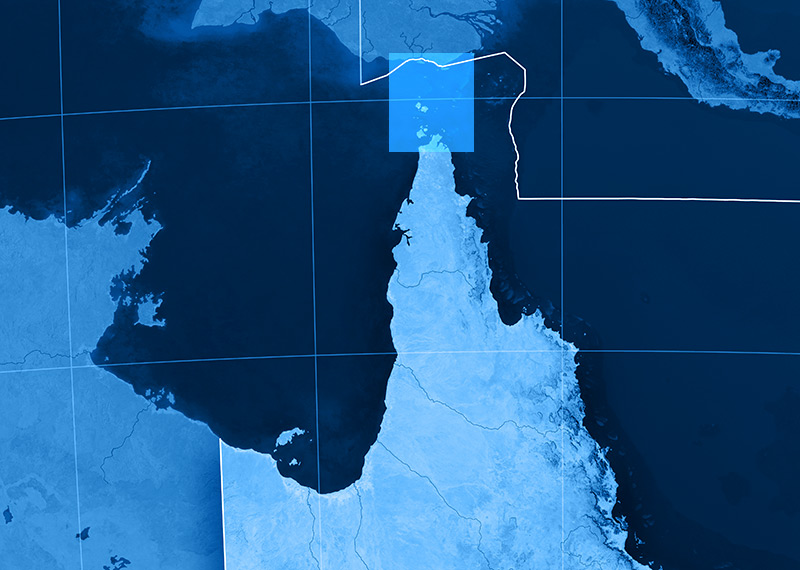
Performance audit (Auditor-General Report No. 41 of 2018–19)
Published: Wednesday 29 May 2019
Published
The objective of the audit was to assess the effectiveness of the coordination arrangements of key Australian Government entities operating in Torres Strait.
Entity
Across entities
Contact
Please direct enquiries through our contact page.
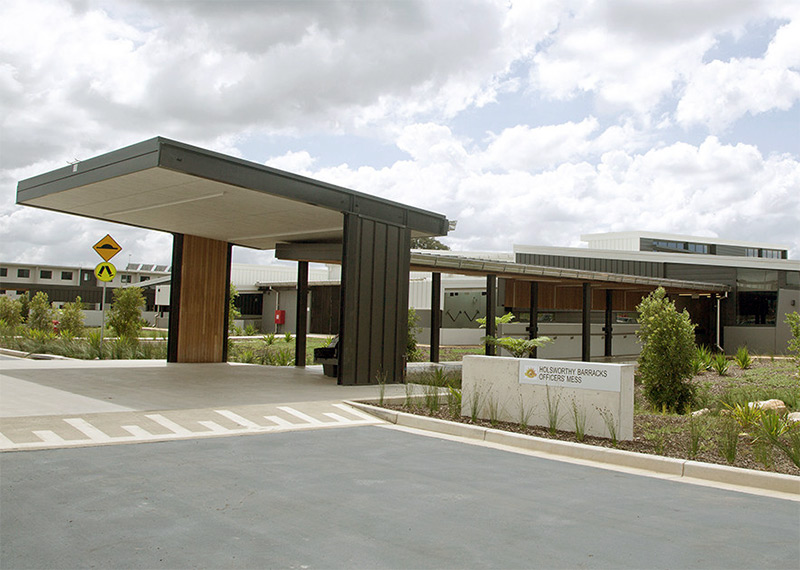
Performance audit (Auditor-General Report No. 29 of 2016–17)
Published: Wednesday 14 December 2016
Published
The objective of the audit was to assess the effectiveness of Defence’s design and implementation of the Base Services contracts.
Entity
Department of Defence
Contact
Please direct enquiries relating to reports through our contact page.
Request for audit
Responded: Thursday 29 July 2021
Response provided
The Auditor-General responded on 29 July 2021 to correspondence from Ms Michelle Rowland MP and Senator Kimberley Kitching dated 9 July 2021, requesting that the Auditor-General conduct an investigation to examine NBN Co Limited executive bonuses for the 2019–2020 financial year and the legitimacy of the underlying targets to which the bonuses were linked.
Contact
Please direct enquiries relating to requests for audit through our contact page.
Performance audit (Auditor-General Report No. 19 of 2016–17)

Published: Tuesday 27 September 2016
Published
The audit objective was to assess the effectiveness of the Department of Parliamentary Services’ arrangements for managing contracts and retail licences, including the extent to which the department has implemented recommendations from the previous ANAO audit.
Entity
Department of Parliamentary Services
Contact
Please direct enquiries relating to reports through our contact page.
Performance audit (Auditor-General Report No. 3 of 2024–25)

Published: Wednesday 18 September 2024
Published
The objective of this audit is to assess whether the Department of Infrastructure, Transport, Regional Development, Communications and the Arts effectively managed the approval and administration of the Australian Government’s $2.2 billion funding commitment towards Suburban Rail Loop East.
Entity
Department of Infrastructure, Transport, Regional Development, Communications and the Arts; Infrastructure Australia
Contact
Please direct enquiries through our contact page.
Performance audit (Auditor-General Report No. 61 of 2016–17)

Published: Thursday 29 June 2017
Published
The objective of the audit was to assess whether the Department of Health effectively procured services to operate a National Cancer Screening Register.
Entity
Department of Health
Contact
Please direct enquiries relating to reports through our contact page.
Request for audit
Responded: Wednesday 23 January 2019
Response provided
The Auditor-General responded on 20 April 2018 to correspondence from the Hon. Dr Mike Kelly MP dated 6 April 2018, requesting an audit of the administration of the Regional Jobs and Investment Packages (RJIP) program, specifically as it relates to the allocation of grant funding between electorates. The Acting Auditor-General followed-up on 23 January 2019 to advise Dr Kelly that an audit of the Regional Jobs and Investment Packages has now commenced.
Contact
Please direct enquiries through our contact page.
Performance audit (Auditor-General Report No. 41 of 2012–13)
Published: Friday 31 May 2013
Published
The objective of the audit was to assess the awarding of funding under the Supported Accommodation Innovation Fund against the requirements of the Commonwealth’s grants administration framework.
Entity
Department of Families, Housing, Community Services and Indigenous Affairs
Contact
Please direct enquiries relating to reports through our contact page.
Performance audit (Auditor-General Report No. 18 of 2009–10)
Published: Friday 18 December 2009
Published
The audit objective was to assess whether the administration of the LPG Vehicle Scheme is effective. To address this objective, the audit considered whether:
- there is a sound framework for the operation of the Scheme;
- grants are promoted, assessed and approved in accordance with relevant guidance and regulations; and
- the Scheme's performance is monitored and reported.
Entity
Department of Innovation, Industry, Science and Research; Medicare Australia; Centrelink
Performance audit (Auditor-General Report No. 2 of 2008–09)
Published: Wednesday 6 August 2008
Published
The objective of this audit was to assess the effectiveness of Tourism Australia's governance arrangements, the management of its marketing contracts, and whether outcomes are being achieved. The audit reviewed Tourism Australia's:
- procurement processes for selecting service providers;
- management of service provider contracts; and
- governance framework including planning, performance management and reporting.
Entity
Tourism Australia
Speeches and papers
Published: Tuesday 5 October 2004
Published
Mr P.J. Barrett (AO) - Auditor-General for Australia, presented at the UN Results Based Management Seminar
Performance audit (Auditor-General Report No. 57 of 2001–02)
Published: Friday 14 June 2002
Published
The objective of the audit was to assess DIMIA's management of offshore measures to prevent and detect unlawful entry, and to identify opportunities for improvement. The audit did not cover the processing arrangements, referred to as the Pacific Strategy, introduced as part of the legislative changes in September 2001. Nor did it cover the range of measures use for prevention and detection at the border and on shore. As DIMIA is the lead agency responsible for the development of immigration policy, the audit focussed in the administrative effectiveness of the governance framework used by the department to implement and to support the achievement of Government strategies to prevent unlawful entry to Australian Territory.
Entity
Department of Immigration and Multicultural and Indigenous Affairs
Performance audit (Auditor-General Report No. 51 of 2001–02)
Published: Thursday 23 May 2002
Published
The objective of this audit was to assess the effectiveness of CSIRO in administering research projects to deliver required results. In particular, the audit examined:
- structures for project management in CSIRO;
- the alignment of project with strategic objectives;
- the adequacy of project planning; and
- CSIRO's approach to assessing project outcomes.
Entity
Commonwealth Scientific and Industrial Research Organisation
Speeches and papers
Published: Thursday 20 November 1997
Published
Mr P.J. Barrett (AM) - Auditor-General for Australia, presented to the PA Congress 1997:'CPAs for Today and Tomorrow', Adelaide
Performance audit (Auditor-General Report No. 27 of 2020–21)

Published: Monday 18 January 2021
Published
The objective of this audit was to assess whether the Australian Maritime Safety Authority is effectively managing the Search and Rescue Aircraft contract.
Entity
Australian Maritime Safety Authority
Contact
Please direct enquiries through our contact page.
Performance audit (Auditor-General Report No. 10 of 2014–15)

Published: Tuesday 9 December 2014
Published
The objective of the audit was to assess the effectiveness of the Department of the Environment’s administration of the Biodiversity Fund program.
Entity
Department of the Environment
Contact
Please direct enquiries relating to reports through our contact page.
Performance audit (Auditor-General Report No. 25 of 2023–24)

Published: Wednesday 1 May 2024
Published
The objective of this audit was to assess the effectiveness of NBN Co Limited’s (NBN Co’s) strategies to manage its transition from building to operating the national broadband network.
Entity
NBN Co Limited
Contact
Please direct enquiries through our contact page.
Performance audit (Auditor-General Report No. 28 of 2021–22)

Published: Thursday 19 May 2022
Published
The objective of this audit was to assess whether the Civil Aviation Safety Authority (CASA) has implemented effective arrangements for the planning and conduct of surveillance activities.
Entity
Civil Aviation Safety Authority
Contact
Please direct enquiries through our contact page.
Request for audit
Responded: Friday 24 August 2018
Response provided
The Auditor-General responded on 24 August 2018 to a request from Mr Ross Vasta MP dated 30 July 2018, asking that the Auditor-General consider correspondence from the Sporting Shooters Association of Australia (Brisbane) dated 12 July 2018. The association is requesting an audit of the Australian Communications and Media Authority (ACMA) Spectrum Management & Analysis Section project that installed radio monitoring infrastructure on Mount Petrie.
Contact
Please direct enquiries relating to requests for audits through our contact page.
Performance audit (Auditor-General Report No. 20 of 2017–18)

Published: Tuesday 12 December 2017
Published
The audit objective was to assess the effectiveness of the Department of Industry, Innovation and Science in administering the low emission technologies for fossil fuels (LETFF) program.
Entity
Department of Industry, Innovation and Science
Contact
Please direct enquiries relating to reports through our contact page.
Performance audit (Auditor-General Report No. 30 of 2020–21)

Published: Tuesday 9 March 2021
Published
The objective of the audit was to examine the effectiveness of the Department of Veterans’ Affairs' (DVA's) planning and management of the Veteran Centric Reform (VCR) program.
Entity
Department of Veterans' Affairs
Contact
Please direct enquiries through our contact page.
Request for audit
Responded: Friday 29 March 2019
Response provided
The Auditor-General responded on 29 March 2019 to the follow-up correspondence from the Hon. Mark Dreyfus QC MP dated 26 March 2019. Mr Dreyfus requested that the Auditor-General extend his investigation to look at the conduct of a range of parties in relation to the announcement of grants. This is in addition to the request to investigate the conduct of a range of parties in relation to the announcement of the grant to the Yankalilla Bowling Club, which was the subject of the original correspondence dated 24 February 2019.
Contact
Please direct enquiries relating to requests through our contact page.
Performance audit (Auditor-General Report No. 1 of 2016–17)

Published: Wednesday 31 August 2016
Published
The audit objective was to examine whether Airservices Australia has effective procurement arrangements in place, with a particular emphasis on whether consultancy contracts entered into with International Centre for Complex Project Management (ICCPM) in association with the OneSKY Australia project were effectively administered.
Entity
Airservices Australia
Contact
Please direct enquiries relating to reports through our contact page.
Performance audit (Auditor-General Report No. 9 of 2017–18)

Published: Wednesday 27 September 2017
Published
The objective of this audit was to examine whether value for money is being delivered by the Australian Rail Track Corporation’s (ARTC’s) management of the Inland Rail pre‑construction program.
Entity
Australian Rail Track Corporation (ARTC); Department of Infrastructure and Regional Development; Department of Finance
Contact
Please direct enquiries relating to reports through our contact page.
Performance audit (Auditor-General Report No. 50 of 2018–19)
Published: Tuesday 25 June 2019
Published
The objective of this audit was to examine the effectiveness of the National Disability Insurance Agency’s (NDIA) fraud control program and its compliance with the Commonwealth Fraud Control Framework.
Entity
National Disability Insurance Agency
Contact
Please direct enquiries through our contact page.
Performance audit (Auditor-General Report No. 13 of 2017–18)

Published: Thursday 19 October 2017
Published
The objective of this audit was to assess the effectiveness of controls being implemented and/or developed by the National Disability Insurance Agency (NDIA) to ensure National Disability Insurance Scheme (NDIS) access decisions are consistent with legislative and other requirements.
Entity
National Disability Insurance Agency; Department of Human Services
Contact
Please direct enquiries relating to reports through our contact page.
Performance audit (Auditor-General Report No. 22 of 2020–21)

Published: Thursday 10 December 2020
Published
The audit examined whether the COVID-19 National Medical Stockpile (NMS) procurement requirement was met through effective planning and governance arrangements.
Entity
Department of Health; Department of Industry, Science, Energy and Resources
Contact
Please direct enquiries through our contact page.
Performance audit (Auditor-General Report No. 52 of 2016–17)

Published: Tuesday 23 May 2017
Published
The audit objective was to assess the effectiveness of the management of underperformance in the Australian Public Service (APS) and identify opportunities for improvement.
Entity
Across Entities
Contact
Please direct enquiries relating to reports through our contact page.
Major projects report (Auditor-General Report No. 16 of 2015–16)

Published: Friday 15 January 2016
Published
The objective of this report is to provide the Auditor-General’s independent assurance over the status of the selected Major Projects, as reflected in the Statement by the Secretary of Defence, and the Project Data Summary Sheets (PDSSs) prepared by Defence, in accordance with the Guidelines endorsed by the Joint Committee of Public Accounts and Audit.
Entity
Department of Defence
Request for audit
Responded: Friday 19 November 2021
Response provided
The Auditor-General responded on 19 November 2021 to correspondence from Senator Malcolm Roberts dated 28 October 2021, requesting that the Auditor-General clarify issues relating to the Disaster Recovery Funding Arrangements.
The Auditor-General received further correspondence about this matter from the Chief Executive Officer of the Queensland Reconstruction Authority, Mr Brendan Moon on 6 June 2022.
Contact
Please direct enquiries through our contact page.
Major projects report (Auditor-General Report No. 16 of 2025–26)

Published: Wednesday 17 December 2025
Published
Increased transparency and accountability on progress with major Defence equipment acquisitions has been a focus of parliamentary interest for some time. Beginning in 2007–08, an annual program has been established in conjunction with the Department of Defence to enable the ANAO to review and report to the Parliament on the status of major Defence acquisition projects, as set out in the major projects report. The review includes information relating to the cost, schedule and progress towards delivery of required capability of individual projects at 30 June each year, and is undertaken at the request of JCPAA.
Entity
Department of Defence
Contact
Please direct enquiries through our contact page.
Performance audit (Auditor-General Report No. 11 of 2001–02)
Published: Wednesday 19 September 2001
Published
In May 1997, the $1 billion Federation Fund was announced as part of the 1997-98 Budget to mark the Centenary of Federation. One component, the Federation Fund Major Projects ($906.8m), was to provide financial assistance to a number of major projects of national significance; by generating jobs in the construction industry and by making a significant and ongoing contribution to Australia and the Australian economy. Projects were expected to be geographically spread around Australia and well advanced, but not necessarily complete, by 2001. Commonwealth monies were intended to fully fund projects; augment existing funding; or match funding from other sources. The objective of the audit was to determine the extent to which the administration of the Federation Fund programme met identified better practice in relation to policy development and programme planning; the process of calling for, assessing, approving and announcing proposals; and ongoing programme and project management.
Entity
Across Agency
Performance audit (Auditor-General Report No. 47 of 2000–01)
Published: Thursday 7 June 2001
Published
Quarantine policies and operations are the responsibility of the Department of Agriculture, Fisheries and Forestry - Australia (AFFA). The objective of this audit was to assess AFFA's management of plant and animal quarantine services, and the implementation and impact of the Government Response (1997) to the Quarantine Review Committee Report. The audit in particular assessed the setting of quarantine priorities through assessing and managing risk; management of the continuum of quarantine operations; and management of Import Risk Analyses to deliver and review quarantine policies. Stakeholder consultation and advisory processes were also assessed in addressing these issues. A key issue examined was the effectiveness of AFFA quarantine operations in international mail and airports preventing the entry of quarantinable material. The ANAO made eight recommendations aimed at improving operational risk based resource allocation; pre-border management of quarantine risk; the effectiveness of quarantine operations at the Australian border; and priority setting and transparency of the IRA process. AFFA agreed to all eight ANAO recommendations.
Entity
Agriculture Fisheries and Forestry - Australia Department of Agriculture
Speeches and papers
Published: Wednesday 7 October 2020
Published
The fifteenth Commonwealth Auditor-General of Australia, Grant Hehir, has prepared a mid-term report reflecting on his first five years in the role. The report presents a description and analysis of the role and impact of audit, as well as analysis of the financial audit and performance audit work of the Australian National Audit Office (ANAO). The report concludes with coverage of ANAO continuous improvement activities across audit quality, better communication, transparency, efficiency and workforce capability.
Contact
Please direct enquiries through our contact page.
Performance audit (Auditor-General Report No. 21 of 2024–25)

Published: Thursday 23 January 2025
Published
The objective of the audit was to assess whether the Bureau of Meteorology is effectively managing assets in its observing network.
Entity
Bureau of Meteorology
Contact
Please direct enquiries through our contact page.
Performance audit (Auditor-General Report No. 10 of 2017–18)

Published: Wednesday 27 September 2017
Published
The audit objective was to assess the effectiveness of the design process and monitoring arrangements for the National Innovation and Science Agenda by the relevant entities.
Entity
Department of the Prime Minister and Cabinet; Department of Industry, Innovation and Science; Innovation and Science Australia
Contact
Please direct enquiries relating to reports through our contact page.
Performance audit (Auditor-General Report No. 49 of 2018–19)

Published: Friday 21 June 2019
Published
The objective of this audit was to assess the effectiveness of the Director of National Parks’ management of Australia’s six Commonwealth national parks.
Entity
Department of the Environment and Energy; Director of National Parks
Contact
Please direct enquiries through our contact page.
Performance audit (Auditor-General Report No. 26 of 2016–17)

Published: Wednesday 23 November 2016
Published
The objective of the audit was to assess the effectiveness of the Australian Prudential Regulation Authority's processes for the prudential regulation of superannuation entities.
Entity
Australian Prudential Regulation Authority
Contact
Please direct enquiries relating to reports through our contact page.
Performance audit (Auditor-General Report No. 33 of 2018–19)

Published: Wednesday 10 April 2019
Published
The objective of the audit was to examine the effectiveness of governance and integrity arrangements for the Northern Australia Infrastructure Facility (NAIF).
Entity
Northern Australia Infrastructure Facility
Contact
Please direct enquiries through our contact page.
Performance audit (Auditor-General Report No. 3 of 2016–17)

Published: Wednesday 31 August 2016
Published
The audit objective was to assess the effectiveness of the management of Machinery of Government (MoG) changes by the selected Australian Government entities.
Entity
Department of Finance; Australian Public Service Commission; Department of Health; Department of Social Services; Attorney-General's Department; Department of Infrastructure and Regional Development
Contact
Please direct enquiries relating to reports through our contact page.
Performance audit (Auditor-General Report No. 51 of 2016–17)

Published: Monday 22 May 2017
Published
The audit Administration of ABSTUDY and the audit Administration of Youth Allowance have been combined to table as one report titled Administration of ABSTUDY and Administration of Youth Allowance.
The objective of both audits was to assess the efficiency and effectiveness of the Department of Social Services’ and the Department of Human Services’ program administration.
Entity
Department of Social Services; Department of Human Services
Contact
Please direct enquiries relating to reports through our contact page.
Performance audit (Auditor-General Report No. 11 of 2014–15)

Published: Wednesday 10 December 2014
Published
The audit objective was to assess the effectiveness and equity of the award of funding under the Clean Technology Program in the context of the program objectives and the Commonwealth’s grants administration framework.
Entity
Department of Industry
Contact
Please direct enquiries relating to reports through our contact page.
Performance audit (Auditor-General Report No. 11 of 2017–18)

Published: Thursday 28 September 2017
Published
The objective of this audit was to examine whether the Australian Postal Corporation (Australia Post) is meetings its Community Service and International obligations efficiently and the effectiveness of Commonwealth shareholders in monitoring value for money.
Entity
Australian Postal Corporation (Australia Post); Department of Finance; Department of Communications and the Arts
Contact
Please direct enquiries relating to reports through our contact page.
Performance audit (Auditor-General Report No. 55 of 2016–17)

Published: Tuesday 20 June 2017
Published
The objective of the audit was to assess the effectiveness of the governance of the Northern Land Council in fulfilling its responsibilities and obligations under the Aboriginal Land Rights (Northern Territory) Act 1976, Native Title Act 1993 and Public Governance, Performance and Accountability Act 2013.
Entity
Department of the Prime Minister and Cabinet; Northern Land Council
Contact
Please direct enquiries relating to reports through our contact page.
Performance audit (Auditor-General Report No. 25 of 2025–26)
New

Published: Wednesday 18 March 2026
Published
The objective of the audit was to determine whether the Department of Foreign Affairs and Trade effectively conducted procurements for the Security Enhancement Program, achieving value for money and complying with the Commonwealth Procurement Rules.
Entity
Department of Foreign Affairs and Trade
Contact
Please direct enquiries through our contact page.
Performance audit (Auditor-General Report No. 25 of 2022–23)

Published: Wednesday 24 May 2023
Published
The objective of this audit was to assess the effectiveness of the governance of the Tiwi Land Council under the Aboriginal Land Rights (Northern Territory) Act 1976 and the Public Governance, Performance and Accountability Act 2013.
Entity
Tiwi Land Council
Contact
Please direct enquiries through our contact page.
Performance audit (Auditor-General Report No. 2 of 2023–24)

Published: Wednesday 23 August 2023
Published
The objective of the audit was to assess the effectiveness of the department’s delivery of the Wildlife and Habitat Bushfire Recovery Program.
Entity
Department of Climate Change, Energy, the Environment and Water
Contact
Please direct enquiries through our contact page.
Performance audit (Auditor-General Report No. 3 of 2017–18)

Published: Wednesday 12 July 2017
Published
The objective of the audit was to assess whether the Office of the Registrar of Indigenous Corporations (ORIC) supports good governance in Indigenous corporations consistent with the Corporations (Aboriginal and Torres Strait Islander) Act 2006 (CATSI).
Entity
Office of the Registrar of Indigenous Corporations; Department of the Prime Minister and Cabinet
Contact
Please direct enquiries relating to reports through our contact page.
Performance audit (Auditor-General Report No. 3 of 2019–20)

Published: Tuesday 23 July 2019
Published
The objective of the audit was to examine the effectiveness of Defence’s quarterly performance report as a mechanism to inform senior stakeholders about risks and issues in the delivery of capability to the Australian Defence Force.
Entity
Department of Defence
Contact
Please direct enquiries through our contact page.
Performance audit (Auditor-General Report No. 21 of 2014–15)

Published: Tuesday 10 February 2015
Published
The objective of the audit was to assess the effectiveness of the Department of Foreign Affairs and Trade’s delivery of services to Australians travelling or residing abroad.
Entity
Department of Foreign Affairs and Trade
Contact
Please direct enquiries relating to reports through our contact page.
Financial statement audit (Auditor-General Report No. 46 of 2018–19)
Published: Thursday 13 June 2019
Published
This report focuses on the results of the interim audits, including an assessment of entities’ key internal controls, supporting the 2018–19 financial statements audits. It examines 26 entities, including all departments of state and a number of major Australian government entities. The entities included in the report are selected on the basis of their contribution to the income, expenses, assets and liabilities of the 2017–18 Consolidated Financial Statements of the Australian Government (CFS). Significant and moderate findings arising from the interim audits are reported to the responsible Minister(s), and all findings are reported to those charged with governance of each entity.
Entity
Across Entities
Contact
Please direct enquiries through our contact page.
Performance audit (Auditor-General Report No. 6 of 2015–16)

Published: Wednesday 4 November 2015
Published
The objective of this audit was to assess the adequacy and effectiveness of the Australian Electoral Commission’s implementation of those recommendations relating to improving the accuracy and completeness of the electoral roll and other matters from Audit Report No.28 2009–10 that have not previously been followed-up by the ANAO.
Entity
Australian Electoral Commission
Contact
Please direct enquiries relating to reports through our contact page.
Performance audit (Auditor-General Report No. 45 of 2020–21)

Published: Wednesday 23 June 2021
Published
The objective of the audit was to assess the effectiveness of the Australian Fisheries Management Authority’s management of Commonwealth fisheries.
Entity
Australian Fisheries Management Authority
Contact
Please direct enquiries through our contact page.
Speeches and papers
Published: Friday 5 November 2004
Published
Mr P.J. Barrett (AM) - Auditor-General for Australia, presented at the 2nd Taipai Corporate Governance Forum
Performance audit (Auditor-General Report No. 18 of 2003–04)
Published: Wednesday 10 December 2003
Published
The Australian National Audit Office (ANAO) completed a performance audit of the ATO's use of AUSTRAC data in August 2000, titled The AustralianTaxation Office's Use of AUSTRAC Data, Audit Report No. 7 2000-2001. It found that the ATO had used AUSTRAC data to achieve a significant improvement in the collection of taxation revenue. The ANAO considered that the ATO could build on this success by using AUSTRAC data more effectively at both the strategic and operational levels. The audit made six recommendations. The ATO agreed with all recommendations. The objective of this follow-up performance audit was to assess the ATO's progress in implementing the recommendations of Audit Report No 7 2000-2001, The Australian Taxation Office's Use of AUSTRAC Data.
Entity
Australian Taxation Office
Speeches and papers
Published: Friday 1 August 1997
Published
Mr P.J. Barrett (AM) - Auditor-General for Australia, addressed the Senior Executive Leadership 20. Canberra.
Request for audit
Responded: Thursday 10 November 2016
Response provided
The Auditor-General responded on 10 November 2016 to correspondence from The Hon Joel Fitzgibbon MP on 13 October 2016 requesting the ANAO include the impact of the Australian Government’s proposed relocation of the Australian Pesticides and Veterinary Authority in its current performance audit of Pesticide and Veterinary Medicine (agvet) Regulatory Reform.
Contact
Please direct enquiries relating to requests for audit through our contact page.
Performance audit (Auditor-General Report No. 48 of 2016–17)

Published: Thursday 27 April 2017
Published
The objective of this audit was to assess the effectiveness of Defence’s design and implementation of arrangements to select a preferred Strategic Partner for the Future Submarines Program.
Entity
Department of Defence
Contact
Please direct enquiries relating to reports through our contact page.
Request for audit
Responded: Friday 24 July 2020
Response provided
The Auditor-General responded on 14 January 2020 to correspondence from the Hon Catherine King MP, requesting that the Auditor-General conduct an investigation to examine programs supporting regional development and jobs growth. The Auditor-General also responded on 2 April 2020 to follow-up correspondence from the Hon Catherine King MP dated 3 March 2020, alerting the Auditor-General to evidence given in Senate estimates that relates to the original correspondence. The Auditor-General provided a follow-up response to the Hon Catherine King MP on 24 July 2020.
Contact
Please direct enquiries relating to requests through our contact page.
Performance audit (Auditor-General Report No. 14 of 2017–18)

Published: Tuesday 31 October 2017
Published
The objective of the audit was to assess the effectiveness of the transition of the Remote Jobs and Communities Programme to the Community Development Programme, including whether the Community Development Programme is well designed and administered effectively and efficiently.
Entity
Department of the Prime Minister and Cabinet; Department of Employment; Department of Human Services
Contact
Please direct enquiries relating to reports through our contact page.
Request for audit
Responded: Wednesday 9 December 2015
Response provided
The Auditor-General responded on 9 December 2015 to correspondence from the Hon Shayne Neumann MP on 7 September 2015 regarding Indigenous Advancement Strategy.
Contact
Please direct enquiries relating to requests for audit through our contact page.
Performance audit (Auditor-General Report No. 4 of 2016–17)

Published: Wednesday 31 August 2016
Published
The audit objective was to assess the effectiveness of the Department of the Environment and Energy's award of funding under the 20 Million Trees Programme.
Entity
Department of the Environment and Energy
Contact
Please direct enquiries relating to reports through our contact page.
Request for audit
Responded: Wednesday 23 September 2015
Response provided
The Auditor-General (A/g) responded on 23 September 2015 to correspondence from Alannah MacTiernan MP on 7 September 2015 regarding the Perth Freight Link Project in Western Australia.
Contact
Please direct enquiries relating to requests for audit through our contact page.
Request for audit
Responded: Wednesday 18 May 2016
Response provided
The Auditor-General (A/g) responded on 18 May 2016 to correspondence from the Hon Anthony Albanese MP on 16 January 2016 regarding the ANAO performance audit of the approval and administration of Commonwealth funding for the WestConnex Project.
Contact
Please direct enquiries relating to requests for audit through our contact page.
Performance audit (Auditor-General Report No. 39 of 2023–24)

Published: Monday 17 June 2024
Published
The objective of this audit was to assess the effectiveness of the evaluation of selected Australian Government pilot programs.
Entity
Department of Health and Aged Care; Department of Veterans’ Affairs; Department of Home Affairs
Contact
Please direct enquiries through our contact page.
Financial statement audit (Auditor-General Report No. 40 of 2020–21)
Published: Wednesday 2 June 2021
Published
This report is the first in the series of reports for the 2020–21 financial year and focuses on the results of the interim audits, including an assessment of entities’ key internal controls, supporting the 2020–21 financial statements audits. This report examines 25 entities, including all departments of state and a number of major Australian government entities. The entities included in the report are selected on the basis of their contribution to the income, expenses, assets and liabilities of the 2019–20 Consolidated Financial Statements.
Contact
Please direct enquiries through our contact page.
Financial statement audit (Auditor-General Report No. 32 of 2021–22)
Published: Thursday 9 June 2022
Published
This report is the first of the two reports and focuses on the results of the interim audits, including an assessment of entities’ key internal controls, supporting the 2021–22 financial statements audits. This report examines 25 entities, including all departments of state and a number of major Australian government entities. The majority of entities included in the report are selected on the basis of their contribution to the income, expenses, assets and liabilities of the 2020–21 Consolidated Financial Statements.
Contact
Please direct enquiries through our contact page.
Performance audit (Auditor-General Report No. 35 of 2022–23)

Published: Wednesday 7 June 2023
Published
The objective of this audit was to assess the effectiveness of the governance of the Northern Land Council under the Aboriginal Land Rights (Northern Territory) Act 1976, Native Title Act 1993 and Public Governance, Performance and Accountability Act 2013.
Entity
Central Land Council
Contact
Please direct enquiries through our contact page.
Performance audit (Auditor-General Report No. 17 of 2014–15)

Published: Thursday 18 December 2014
Published
The objective of the audit was to examine the effectiveness of Navy’s strategy for recruiting and retaining personnel with specialist skills. The effective delivery of Navy capability depends on Navy having available sufficient numbers of skilled personnel to operate and maintain its fleet of sea vessels and aircraft, and conduct wide‑ranging operations in dispersed locations. Without the right personnel, Navy capability is reduced. Navy’s budget for 2014–15 included $1.86 billion in employee expenses.
The audit concluded that, in its strategic planning, Navy had identified its key workforce risks and their implications for Navy capability. To address these risks Navy had continued to adhere to its traditional ‘raise, train and sustain’ workforce strategy; developed a broad range of workforce initiatives that complemented its core approach; and sought to establish contemporary workforce management practices. However, long‑standing personnel shortfalls in a number of ‘critical’ employment categories had persisted, and Navy had largely relied on retention bonuses as a short‑ to medium‑term retention strategy.
Navy had developed a broad range of workforce initiatives, some designed specifically to address workforce shortages in its critical employment categories. To date, Navy had primarily relied on paying retention bonuses and other financial incentives; recruiting personnel with prior military experience to work in employment categories with significant workforce shortfalls; and using Navy Reserves in continuous full time roles. Ongoing work was required for Navy to firmly establish a range of promising workforce management practices, including providing the right training at the right time; more flexible approaches to managing individuals’ careers; and improving workplace culture, leadership and relationships. More flexible and tailored workforce management practices could help address the underlying causes of workforce shortfalls, particularly when the traditional approaches were not gaining sufficient traction.
The ANAO made two recommendations aimed at Navy: drawing on external human resource expertise to inform the development and implementation of its revised workforce plan; and evaluating the impact of retention bonuses on the Navy workforce to determine their future role within its overall workforce strategy.
Entity
Department of Defence
Contact
Please direct enquiries relating to reports through our contact page.
Request for audit
Responded: Friday 24 July 2020
Response provided
The Auditor-General responded on 20 September 2019 to correspondence from Mr Julian Hill MP dated 3 September 2019, requesting that the Auditor-General conduct an investigation to examine aspects of the family migration program. The Auditor-General provided a follow-up response to Mr Hill MP on 24 July 2020.
Contact
Please direct enquiries relating to requests for audit through our contact page.
Performance audit (Auditor-General Report No. 31 of 2023–24)

Published: Wednesday 29 May 2024
Published
The objective of this audit was to assess the effectiveness of the design of the Growing Regions Program.
Entity
Department of Infrastructure, Transport, Regional Development, Communication and the Arts; Department of Industry, Science and Resources
Contact
Please direct enquiries through our contact page.
Performance audit (Auditor-General Report No. 37 of 2011–12)
Published: Thursday 31 May 2012
Published
The objective of the audit was to examine the effectiveness of CSP’s feedback management system. CSP’s performance was assessed against the following criteria:
- CSP has appropriate channels to collect customer feedback;
- CSP effectively manages and resolves complaints; and
- CSP accurately reports on customer feedback, and analyses the information to improve aspects of child support administration.
Entity
Department of Human Services
Performance audit (Auditor-General Report No. 34 of 2004–05)
Published: Wednesday 9 March 2005
Published
Given the importance of customer feedback to Centrelink's business, the ANAO considered it timely to conduct a series of performance audits relating to Centrelink's customer feedback systems, particularly in relation to its delivery of the services then provided on behalf of FaCS. The overarching objective of this series of ANAO performance audits of Centrelink's customer feedback systems was to assess whether Centrelink has effective processes and systems for gathering, measuring, reporting and responding effectively to customer feedback, including in relation to customer satisfaction with Centrelink services and processes.
Entity
Centrelink
Performance audit (Auditor-General Report No. 16 of 2003–04)
Published: Thursday 4 December 2003
Published
The objectives of the follow-up audit were to assess DFAT's implementation of the six recommendations made by the ANAO in the previous audit. It also sought to determine whether implementation of these recommendations, or alternative action, had improved DFAT's administration of consular services. The audit focused on management processes and supporting systems for the delivery of consular services. It also reviewed DFAT's implementation of recommendations of the Senate Foreign Affairs, Defence and Trade References Committee that were outstanding from the previous audit.
Entity
Department of Foreign Affairs and Trade
Performance audit (Auditor-General Report No. 34 of 1998–99)
Published: Wednesday 31 March 1999
Published
The objective of the audit was to ascertain and report to Parliament on the Australian Taxation Office's administration of the Fringe Benefits Tax and to identify opportunities for improvement. The ANAO identified five key issues relevant to the effective administration of FBT:
- knowledge of the taxpayer base;
- education of taxpayers;
- client service - advice handling;
- other enforcement activities - audits and reviews; and
- the systems required to support the administration of FBT, including staff skills and training information systems.
Entity
Australian Taxation Office
Performance audit (Auditor-General Report No. 22 of 1996–97)
Published: Friday 13 December 1996
Published
The objective of the audit was to assess the Australian Taxation Office's approach to client service and the provision of particular client services to Individuals Non-Business clients. The INB business line deals primarily with the tax affairs of individual taxpayers. Audit criteria were developed which examined the ATO's:
- commitment to client service and understanding of client needs and expectations;
- client service strategy and delivery of client services and products; and
- measurement and achievement of service quality and client satisfaction.
Entity
Australian Taxation Office
Performance audit (Auditor-General Report No. 27 of 2015–16)

Published: Tuesday 26 April 2016
Published
The audit objective was to assess the effectiveness of the Australian Taxation Office's (ATO) strategies and activities to address the cash and hidden economy.
Entity
Australian Taxation Office
Contact
Please direct enquiries relating to reports through our contact page.
Performance audit (Auditor-General Report No. 38 of 2016–17)

Published: Tuesday 14 February 2017
Published
The objective of this audit was to assess whether appropriate steps were taken to protect the Commonwealth's interests and obtain value for money in respect to the $3.5 billion in Commonwealth funding committed to the NSW Government for the WestConnex project.
Entity
Department of Infrastructure and Regional Development; Infrastructure Australia
Contact
Please direct enquiries relating to reports through our contact page.
Performance audit (Auditor-General Report No. 39 of 2017–18)

Published: Monday 14 May 2018
Published
The objective of the audit was to assess the effectiveness to date of the Department of Defence's (Defence) planning for the mobilisation of its continuous shipbuilding programs in Australia.
Entity
Department of Defence
Contact
Please direct enquiries through our contact page.
Performance audit (Auditor-General Report No. 9 of 2019–20)

Published: Monday 23 September 2019
Published
The objective of this audit was to assess the effectiveness of the Department of Health’s implementation of the National Ice Action Strategy (NIAS).
Entity
Department of Health
Contact
Please direct enquiries through our contact page.
Performance audit (Auditor-General Report No. 32 of 2019–20)

Published: Thursday 16 April 2020
Published
The objective of this audit was to examine the Department of Foreign Affairs and Trade’s (DFAT’s) achievement of value for money objectives in the delivery of Official Development Assistance (aid) through facility arrangements.
Entity
Department of Foreign Affairs and Trade (DFAT)
Contact
Please direct enquiries through our contact page.
Performance audit (Auditor-General Report No. 4 of 2021–22)

Published: Monday 13 September 2021
Published
The objective of this audit was to examine the effectiveness of the Department of Defence's administration of contractual obligations relating to the Defence Industry Security Program.
Entity
Department of Defence
Contact
Please direct enquiries through our contact page.
Performance audit (Auditor-General Report No. 41 of 2019–20)

Published: Wednesday 17 June 2020
Published
The objective of this audit was to assess the effectiveness of the design and establishment of the Regional Investment Corporation.
Entity
Across Entities
Contact
Please direct enquiries through our contact page.
Performance audit (Auditor-General Report No. 29 of 2022–23)

Published: Wednesday 31 May 2023
Published
The objective of this audit is to assess the effectiveness of the governance of the Anindilyakwa Land Council under the Aboriginal Land Rights (Northern Territory) Act 1976 and the Public Governance, Performance and Accountability Act 2013.
Entity
Anindilyakwa Land Council
Contact
Please direct enquiries through our contact page.
Major projects report (Auditor-General Report No. 20 of 2018–19)

Published: Tuesday 18 December 2018
Published
The objective of this report is to provide the Auditor-General’s independent assurance over the status of the selected Major Projects. The status of the selected Major Projects is reported in the Statement by the Secretary of Defence and the Project Data Summary Sheets (PDSSs) prepared by Defence. Assurance from the ANAO’s review is conveyed in the Independent Assurance Report by the Auditor-General.
Entity
Department of Defence
Contact
Please direct enquiries through our contact page.