Browse our range of reports and publications including performance and financial statement audit reports, assurance review reports, information reports and annual reports.
Performance audit (Auditor-General Report No. 16 of 2022–23)

Published: Monday 27 March 2023
Published
The objective of this audit was to assess the effectiveness of the Department of Home Affairs' management of family-related visas.
Entity
Department of Home Affairs
Contact
Please direct enquiries through our contact page.
Performance audit (Auditor-General Report No. 11 of 2024–25)

Published: Thursday 31 October 2024
Published
The objective of the audit was to examine whether the procurements that Department of Foreign Affairs and Trade conducts through its Australian Passport Office are complying with the Commonwealth Procurement Rules and demonstrating the achievement of value for money.
Entity
Department of Foreign Affairs and Trade
Contact
Please direct enquiries through our contact page.
Financial statement audit (Auditor-General Report No. 8 of 2022–23)
Published: Wednesday 14 December 2022
Published
This report complements the Interim Report on Key Financial Controls of Major Entities financial statement audit report published in June 2022. It provides a summary of the final results of the audits of the Consolidated Financial Statements for the Australian Government and the financial statements of Australian Government entities for the period ended 30 June 2022.
Entity
Across Entities
Contact
Please direct enquiries through our contact page.
Performance audit (Auditor-General Report No. 44 of 2019–20)

Published: Tuesday 23 June 2020
Published
The objective of this audit was to assess the effectiveness of the Department of Social Services' fraud control arrangements.
Entity
Department of Social Services
Contact
Please direct enquiries through our contact page.
Performance audit (Auditor-General Report No. 31 of 2024–25)

Published: Tuesday 20 May 2025
Published
The objective of the audit was to examine the effectiveness of the Department of Defence’s administration of contractual obligations to maximise Australian industry participation.
Entity
Department of Defence
Contact
Please direct enquiries through our contact page.
Performance audit (Auditor-General Report No. 49 of 2014–15)

Published: Wednesday 10 June 2015
Published
The audit objective is to assess the effectiveness of the Department of Agriculture’s administration of the Imported Food Inspection Scheme.
Entity
Department of Agriculture
Contact
Please direct enquiries relating to reports through our contact page.
Request for audit
Responded: Friday 20 August 2021
Response provided
The Auditor-General responded on 20 August 2021 to correspondence from Mr Julian Hill MP dated 26 July 2021, requesting that the Auditor-General conduct an investigation to examine the efficiency, effectiveness, quality and integrity of partner visa processing by the Department of Home Affairs.
The Auditor-General has received follow-up correspondence from Mr Julian Hill MP dated 27 August 2021.
Contact
Please direct enquiries relating to requests through our contact page.
Performance audit (Auditor-General Report No. 4 of 2006–07)
Published: Tuesday 12 September 2006
Published
The objective of the audit was to review the operation of the ATO's Tax Agent and Business Portals. In conducting the audit the ANAO examined three key areas: governance – the governance arrangements supporting ongoing management of the Portals; portals development, user satisfaction and realisation of expected benefits – the ATO's processes for involving users in developing the Tax Agent and Business Portals, assessing user satisfaction, and evaluating business benefits arising from uptake of the Portals; and information technology (IT) security and user access controls – the ATO's IT security environment and user access controls supporting the operation of the Tax Agent and Business Portals.
Entity
Australian Taxation Office
Performance audit (Auditor-General Report No. 6 of 2023–24)

Published: Thursday 28 September 2023
Published
The objective of this audit was to assess the effectiveness of the Department of Defence's planning and administrative arrangements to support the provision of emergency Defence Assistance to the Civil Community (DACC).
Entity
Department of Defence
Contact
Please direct enquiries through our contact page.
Performance audit (Auditor-General Report No. 15 of 2014–15)

Published: Wednesday 17 December 2014
Published
The objective of the audit was to assess the effectiveness of the Australian Trade Commission’s administration of the Export Market Development Grants scheme, in providing incentives to small and medium Australian enterprises for the development of export markets.
Entity
Australian Trade Commission (Austrade)
Contact
Please direct enquiries relating to reports through our contact page.
Performance audit (Auditor-General Report No. 9 of 2025–26)

Published: Monday 24 November 2025
Published
The objective of the audit was to assess the effectiveness of the Department of Social Services' administration of the National Redress Scheme.
Entity
Department of Social Services
Contact
Please direct enquiries through our contact page.
Performance audit (Auditor-General Report No. 16 of 2020–21)

Published: Thursday 19 November 2020
Published
The objective of this audit was to assess whether the Australian Bureau of Statistics (ABS) is effectively preparing for the 2021 Census.
Entity
Australian Bureau of Statistics
Contact
Please direct enquiries through our contact page.
Performance audit (Auditor-General Report No. 30 of 2024–25)

Published: Monday 14 April 2025
Published
The objective of the audit was to assess the effectiveness of the Office of the Fair Work Ombudsman’s exercise of its regulatory functions.
Entity
Office of the Fair Work Ombudsman
Contact
Please direct enquiries through our contact page.
Financial statement audit (Auditor-General Report No. 22 of 2024–25)
Published: Thursday 6 February 2025
Published
This report complements the Interim Report on Key Financial Controls of Major Entities financial statement audit report published in June 2024. It provides a summary of the final results of the audits of the Consolidated Financial Statements for the Australian Government and the financial statements of Australian Government entities for the period ended 30 June 2024.
Entity
Across Entities
Contact
Please direct enquiries through our contact page.
Events and seminars
Published: Friday 3 July 2020
Published
An Audit Committee Chairs Forum was held on Friday, 3 July 2020. The forum was held virtually, keeping in line with COVID-19 social distancing rules.
The forum agenda and slides are available in the related documents sections of this events page. The text on this page is the communique from the forum.
Contact
Please direct enquiries through our contact page.
Performance audit (Auditor-General Report No. 6 of 2014–15)

Published: Thursday 6 November 2014
Published
The objective of the audit was to assess the adequacy of selected Australian Government entities’ practices and procedures to manage business continuity. To conclude against this objective, the ANAO adopted high-level criteria relating to the entities’ establishment, implementation and review of business continuity arrangements.
Entity
Civil Aviation Safety Authority, Department of Finance, Department of Social Services
Contact
Please direct enquiries relating to reports through our contact page.
Performance audit (Auditor-General Report No. 39 of 2016–17)

Published: Monday 27 February 2017
Published
The audit objective was to assess the establishment and administration of the Australian Border Force’s framework to ensure the lawful exercise of powers in accordance with applicable legislation.
Entity
Department of Immigration and Border Protection
Contact
Please direct enquiries relating to reports through our contact page.
Performance audit (Auditor-General Report No. 47 of 2024–25)

Published: Monday 23 June 2025
Published
The objective of the audit was to assess the effectiveness of selected Commonwealth entities’ management of Senior Executive Service conflict of interest requirements.
Entity
Aged Care Quality and Safety Commission; Australian Trade and Investment Commission; Department of Home Affairs
Contact
Please direct enquiries through our contact page.
Financial statement audit (Auditor-General Report No. 38 of 2019–20)
Published: Thursday 28 May 2020
Published
This report focuses on the results of the interim financial statements audits, including an assessment of entities’ key internal controls, supporting the 2019–20 financial statements audits. This report examines 24 entities, including all departments of state and a number of major Australian government entities. The entities included in the report are selected on the basis of their contribution to the income, expenses, assets and liabilities of the 2018–19 Consolidated Financial Statements (CFS). Significant and moderate findings arising from the interim audits are reported to the responsible Minister(s), and all findings are reported to those charged with governance of each entity.
Contact
Please direct enquiries through our contact page.
Performance audit (Auditor-General Report No. 42 of 2019–20)

Published: Friday 19 June 2020
Published
The objective of this audit was to assess the effectiveness of the Department of Foreign Affairs and Trade's fraud control arrangements.
Entity
Department of Foreign Affairs and Trade
Contact
Please direct enquiries through our contact page.
Performance audit (Auditor-General Report No. 19 of 2015–16)
Published: Tuesday 2 February 2016
Published
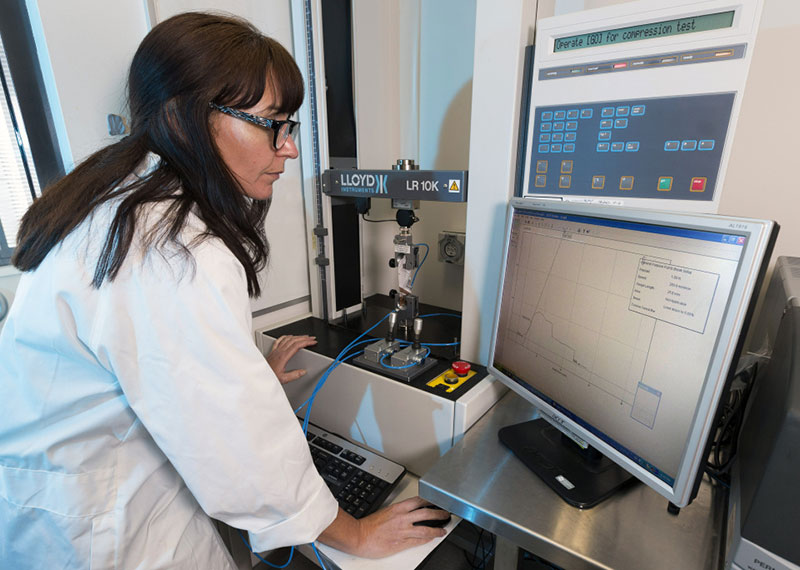
The objective of this audit was to assess how effectively the Defence Science and Technology Group (DSTG) administers the science and technology work it undertakes for the Australian Defence Organisation.
Entity
Department of Defence
Contact
Please direct enquiries relating to reports through our contact page.
Performance audit (Auditor-General Report No. 15 of 2016–17)

Published: Monday 12 September 2016
Published
The objective of the audit was to assess the effectiveness of the Australian Taxation Office in achieving revenue commitments established under specific Budget-funded compliance measures.
Entity
Australian Taxation Office
Contact
Please direct enquiries relating to reports through our contact page.
Performance audit (Auditor-General Report No. 40 of 2010–11)
Published: Tuesday 17 May 2011
Published
The objective of the audit was to assess whether Defence is effectively managing the EO Services Contract.
The audit focused mainly on Defence's contract management framework, including the arrangements to monitor the contractor’s performance in delivering services under the contract. The audit also examined the processes used by Defence to develop the current version of the contract and the extent to which the revised contract, as negotiated in 2006, provides an assurance of better value for money when compared to the original contract signed in 2001.
Entity
Department of Defence
Financial statement audit (Auditor-General Report No. 26 of 2022–23)
Published: Thursday 25 May 2023
Published
This report is the first of two reports each year and focuses on the results of the interim audits, including an assessment of entities’ key internal controls, supporting the 2022–23 financial statements audits. This report examines 27 entities, including all departments of state and a number of major Australian government entities. The majority of entities included in the report are selected on the basis of their contribution to the income, expenses, assets and liabilities of the 2021–22 Consolidated Financial Statements.
Contact
Please direct enquiries through our contact page.
Corporate
Published: Thursday 24 October 2019
Published
This is the second e-newsletter of the Commonwealth Auditors General Group. These e-newsletters are a genuine effort to share experiences, challenges and engage in thought-provoking discussions on topics which are common to the fifty-three member countries of the Commonwealth.
Contact
If you have any thoughts on future technical content which you would like to propose, please contact international@nao.gsi.gov.uk
Performance audit (Auditor-General Report No. 36 of 2016–17)

Published: Tuesday 7 February 2017
Published
The objective of the audit was to assess the extent to which the Department of the Environment and Energy has implemented the recommendations from ANAO Report No. 43 2013–14 and strengthened its framework for the delivery of its regulatory activities.
Entity
Department of the Environment and Energy
Contact
Please direct enquiries relating to reports through our contact page.
Performance audit (Auditor-General Report No. 44 of 2016–17)

Published: Monday 27 March 2017
Published
The objective of this audit was to assess the effectiveness of Army’s workforce planning.
Entity
Department of Defence
Contact
Please direct enquiries relating to reports through our contact page.
Corporate
Published: Friday 3 September 2021
Published
The Australian National Audit Office (ANAO) Corporate Plan is the ANAO’s key strategic planning document. It guides our operating environment and sets out how we will deliver on our purpose.
The Quality Assurance Framework and Plan complements the Corporate Plan. The ANAO Quality Assurance Framework is the system of quality control that the ANAO has established to provide the Auditor-General with reasonable assurance that the ANAO complies with the ANAO standards and applicable legal and regulatory requirements and reports issued by the ANAO are appropriate in the circumstances.
This Audit Quality Report demonstrates the ANAO assessment of the implementation and operating effectiveness of the elements of the ANAO Quality Assurance Framework. The report provides transparency in respect of the processes, policies, and procedures that support each element of the ANAO Quality Assurance Framework, and reports audit quality indicators measuring ANAO performance against target benchmarks.
This report also includes the achievement of the quality assurance strategy and deliverables set out in the Quality Assurance Framework and Plan 2020–21.
Contact
Please direct enquiries through our contact page.
Financial statement audit (Auditor-General Report No. 25 of 2020–21)
Published: Thursday 17 December 2020
Published
This report complements the Interim Report on Key Financial Controls of Major Entities financial statement audit report published in May 2020. It provides a summary of the final results of the audits of the Consolidated Financial Statements for the Australian Government and the financial statements of Australian Government entities for the period ended 30 June 2020.
Entity
Across Entities
Contact
Please direct enquiries through our contact page.
Performance audit (Auditor-General Report No. 33 of 2018–19)

Published: Wednesday 10 April 2019
Published
The objective of the audit was to examine the effectiveness of governance and integrity arrangements for the Northern Australia Infrastructure Facility (NAIF).
Entity
Northern Australia Infrastructure Facility
Contact
Please direct enquiries through our contact page.
Performance audit (Auditor-General Report No. 17 of 2023–24)

Published: Thursday 22 February 2024
Published
The objective of this audit was to examine whether the Department of Finance (Finance) has implemented a selection of agreed parliamentary committee and Auditor-General recommendations.
Entity
Department of Finance
Contact
Please direct enquiries through our contact page.
Financial statement audit (Auditor-General Report No. 17 of 2025–26)

Published: Thursday 18 December 2025
Published
This report complements the Interim Report on Key Financial Controls of Major Entities published in May 2025. It provides a summary of the final results of the audits of the Consolidated Financial Statements for the Australian Government and the financial statements of Australian Government entities for the period ended 30 June 2025.
Entity
Across Entities
Contact
Please direct enquiries through our contact page.
Major projects report (Auditor-General Report No. 9 of 2008–09)

Published: Thursday 27 November 2008
Published
This first Assurance Report on the status of selected Defence equipment acquisition projects, which has the support of the Parliament and the Government, represents a substantial step towards improving transparency and public accountability in major Defence procurement projects. It is the pilot of an annual Defence Materiel Organisation (DMO) Major Projects Report, and was developed in conjunction with the DMO. It covers the cost, schedule and capability progress achieved by nine DMO projects, which had an approved budget totalling $13.535 billion as at 30 June 2008.
This report is organised into three parts. Part 1 comprises an ANAO overview and Auditor–General's Foreword. Part 2 comprises the Major Projects Report prepared by DMO, including an overview reflecting DMO's perspective on their business and on the nine projects included in the. Part 3 incorporates the Auditor-General's Review Report, the statement by the CEO DMO, and the information prepared by DMO in the form of standardised Project Data Summary Sheets covering each of the nine pilot projects.
In the next 12 months, the ANAO will review 15 DMO projects planned for inclusion in the 2008-09 DMO Major Projects Report, with the number of projects rising to 30 projects in subsequent years. The ANAO will also work with DMO to refine the approach adopted for providing assurance on each project's progress toward achieving Final Operational Capability. The ANAO will also consider the inclusion of an analysis of each project's emerging trends, as appropriate, to complement DMO's intention to provide improved analysis of project management performance regarding all projects included in the Major Projects Report.
Entity
Defence Materiel Organisation
Performance audit (Auditor-General Report No. 10 of 2022–23)

Published: Thursday 19 January 2023
Published
The objective of the audit was to assess whether the Department of Health and Aged Care has effectively managed the expansion of telehealth services during and post the COVID-19 pandemic.
Entity
Department of Health and Aged Care
Contact
Please direct enquiries through our contact page.
Performance audit (Auditor-General Report No. 4 of 2019–20)

Published: Wednesday 31 July 2019
Published
The objective of the audit was to assess whether the contract for the acquisition of the Civil Military Air Traffic Management System demonstrably represents value for money.
Entity
Airservices Australia; Department of Defence
Contact
Please direct enquiries through our contact page.
Performance audit (Auditor-General Report No. 3 of 2001–02)
Published: Tuesday 17 July 2001
Published
Taxation rulings are a key mechanism used by the Australian Taxation Office (ATO) to disseminate the Commissioner of Taxation's interpretative advice on Australian taxation law. The objective of the audit was to:
report to Parliament on the operation of the ATO's administration of taxation rulings (public, private and oral rulings); and where appropriate, make recommendations for improvements, having regard to considerations of: efficiency and effectiveness of the ATO's administration of the rulings system, particularly in relation to the achievement of the objectives set by Parliament for the rulings system; the ATO's systems' capacity to deliver consistency and fairness for taxpayers; and good corporate governance, including the control framework.
Entity
Australian Taxation Office
Performance audit (Auditor-General Report No. 7 of 2024–25)

Published: Wednesday 23 October 2024
Published
The objective of the audit was to assess the effectiveness of the Department of Health and Aged Care’s fraud control arrangements, with a specific focus on the Indigenous Australians’ Health Programme.
Entity
Department of Health and Aged Care
Contact
Please direct enquiries through our contact page.
Performance audit (Auditor-General Report No. 37 of 2024–25)

Published: Tuesday 27 May 2025
Published
The audit objective was to assess the effectiveness of the Department of Health, Disability and Ageing’s administration of the Future Fit Program.
Entity
Department of Health, Disability and Ageing
Contact
Please direct enquiries through our contact page.
Performance audit (Auditor-General Report No. 41 of 2014–15)

Published: Thursday 4 June 2015
Published
The objective of the audit was to assess the effectiveness of the award of funding under the first round of the Safer Streets programme.
Entity
Attorney-General's Department
Contact
Please direct enquiries relating to reports through our contact page.
Performance audit (Auditor-General Report No. 45 of 2014–15)

Published: Tuesday 9 June 2015
Published
The audit objective was to examine whether the Department of Defence provides an efficient and effective security vetting service for Australian Government entities through the Australian Government Security Vetting Agency.
Entity
Department of Defence
Contact
Please direct enquiries relating to reports through our contact page.
Performance audit (Auditor-General Report No. 40 of 2018–19)

Published: Thursday 23 May 2019
Published
The objective of the audit was to assess the effectiveness and value for money of Defence’s acquisition of a Battle Management System and a Tactical Communications Network through Land 200 Tranche 2 Work Packages B–D.
Entity
Department of Defence
Contact
Please direct enquiries through our contact page.
Performance audit (Auditor-General Report No. 22 of 2021–22)

Published: Monday 4 April 2022
Published
The objective of the audit was to assess the effectiveness of the Australian Taxation Office's administration of the JobKeeper scheme.
Entity
Department of the Treasury; Australian Taxation Office (ATO)
Contact
Please direct enquiries through our contact page.
Performance audit (Auditor-General Report No. 11 of 2017–18)

Published: Thursday 28 September 2017
Published
The objective of this audit was to examine whether the Australian Postal Corporation (Australia Post) is meetings its Community Service and International obligations efficiently and the effectiveness of Commonwealth shareholders in monitoring value for money.
Entity
Australian Postal Corporation (Australia Post); Department of Finance; Department of Communications and the Arts
Contact
Please direct enquiries relating to reports through our contact page.
Performance audit (Auditor-General Report No. 48 of 2018–19)

Published: Wednesday 19 June 2019
Published
The objective of this audit was to assess the effectiveness of the Australian Reinsurance Pool Corporation’s (ARPC) management of the Terrorism Reinsurance Scheme.
Entity
Australian Reinsurance Pool Corporation
Contact
Please direct enquiries through our contact page.
Performance audit (Auditor-General Report No. 8 of 2020–21)

Published: Thursday 17 September 2020
Published
The objective of this audit was to examine the effectiveness of the Australian Electoral Commission’s management of financial disclosures required under Part XX of the Commonwealth Electoral Act 1918, including the extent to which the AEC is achieving accurate and complete financial disclosures.
Entity
Australian Electoral Commission
Contact
Please direct enquiries through our contact page.
Performance audit (Auditor-General Report No. 26 of 2020–21)

Published: Thursday 17 December 2020
Published
The audit’s objective was to assess the effectiveness of the selection, contracting and ongoing management of investments by the Clean Energy Finance Corporation (CEFC) and the extent to which the CEFC is meeting its legislated objective.
Entity
Clean Energy Finance Corporation
Contact
Please direct enquiries through our contact page.
Performance audit (Auditor-General Report No. 38 of 2022–23)

Published: Thursday 15 June 2023
Published
The objective of this audit was to assess the effectiveness of the Australian Competition and Consumer Commission's probity management.
Entity
Australian Competition and Consumer Commission
Contact
Please direct enquiries through our contact page.
Performance audit (Auditor-General Report No. 19 of 2023–24)

Published: Tuesday 27 February 2024
Published
The objective of this audit was to assess the effectiveness of the Department of Health and Aged Care’s (DHAC) performance management of the Primary Health Network program.
Entity
Department of Health and Aged Care
Contact
Please direct enquiries through our contact page.
Performance audit (Auditor-General Report No. 44 of 2020–21)

Published: Thursday 17 June 2021
Published
The audit objective was to examine the effectiveness of the Great Barrier Reef Marine Park Authority’s regulation of permits and approvals, including its implementation of recommendations from Auditor-General Report No.3 of 2015–16 Regulation of Great Barrier Reef Marine Park Permits and Approvals.
Entity
Great Barrier Reef Marine Park Authority
Contact
Please direct enquiries through our contact page.
Performance audit (Auditor-General Report No. 30 of 2016–17)

Published: Monday 19 December 2016
Published
The audit objective was to assess the effectiveness of the design and implementation of round two of the National Stronger Regions Fund.
Entity
Department of Infrastructure and Regional Development
Contact
Please direct enquiries relating to reports through our contact page.
Financial statement audit (Auditor-General Report No. 40 of 2020–21)
Published: Wednesday 2 June 2021
Published
This report is the first in the series of reports for the 2020–21 financial year and focuses on the results of the interim audits, including an assessment of entities’ key internal controls, supporting the 2020–21 financial statements audits. This report examines 25 entities, including all departments of state and a number of major Australian government entities. The entities included in the report are selected on the basis of their contribution to the income, expenses, assets and liabilities of the 2019–20 Consolidated Financial Statements.
Contact
Please direct enquiries through our contact page.
Performance audit (Auditor-General Report No. 4 of 2020–21)

Published: Monday 31 August 2020
Published
The objective of this audit was to assess the extent to which entities’ establishment and use of ICT related procurement panels and arrangements supported the achievement of value for money outcomes.
Entity
Across Entities
Contact
Please direct enquiries through our contact page.
Performance audit (Auditor-General Report No. 15 of 2022–23)

Published: Wednesday 8 March 2023
Published
The objective of the audit was to assess the effectiveness of the Department of Social Services’ 2020 to 2022 procurement of counselling and support services provided through 1800RESPECT.
Entity
Department of Social Services
Contact
Please direct enquiries through our contact page.
Performance audit (Auditor-General Report No. 18 of 2018–19)

Published: Monday 17 December 2018
Published
The objective of this audit was to assess the effectiveness of the Clean Energy Regulator’s administration of the Renewable Energy Target scheme.
Entity
Clean Energy Regulator
Contact
Please direct enquiries through our contact page.
Performance audit (Auditor-General Report No. 24 of 2004–05)
Published: Thursday 27 January 2005
Published
Medicare is Australia's universal health insurance scheme. Underpinning Medicare is one of Australia's largest and more complex computer databases the Medicare enrolment database. At the end of 2004 the Medicare enrolment database contained information on over 24 million individuals. This audit examines the quality of data stored on that database and how the Health Insurance Commission (HIC) manages the data.
Entity
Health Insurance Commission; Medicare Australia; Human Services
Financial statement audit (Auditor-General Report No. 24 of 2017–18)
Published: Wednesday 20 December 2017
Published
This report complements the Interim Report on Key Financial Controls of Major Entities financial statement audit report published in June 2017. It provides a summary of the final results of the audits of the Consolidated Financial Statements for the Australian Government and the financial statements of Australian Government entities for the period ended 30 June 2017.
Entity
Across Entities
Contact
Please direct enquiries through our contact page.
Performance audit (Auditor-General Report No. 12 of 2021–22)

Published: Wednesday 8 December 2021
Published
The audit objective was to assess the effectiveness of the management of international travel restrictions during the COVID-19 pandemic.
Entity
Across Entities
Contact
Please direct enquiries through our contact page.
Performance audit (Auditor-General Report No. 20 of 2014–15)

Published: Thursday 5 February 2015
Published
The objective of the audit was to assess the Australian Customs and Border Protection Service's administration of the Tariff Concession System.
Entity
Australian Customs and Border Protection Service
Contact
Please direct enquiries relating to reports through our contact page.
Insights: Audit lessons

Published: Thursday 20 March 2025
Published
Audit Lessons — Management of Corporate Credit Cards is intended for officials working in financial management or governance roles with responsibility for the management of corporate credit cards.
Contact
Please direct enquiries through our contact page.
Financial statement audit (Auditor-General Report No. 32 of 2021–22)
Published: Thursday 9 June 2022
Published
This report is the first of the two reports and focuses on the results of the interim audits, including an assessment of entities’ key internal controls, supporting the 2021–22 financial statements audits. This report examines 25 entities, including all departments of state and a number of major Australian government entities. The majority of entities included in the report are selected on the basis of their contribution to the income, expenses, assets and liabilities of the 2020–21 Consolidated Financial Statements.
Contact
Please direct enquiries through our contact page.