Browse our range of reports and publications including performance and financial statement audit reports, assurance review reports, information reports and annual reports.
Audit Matters
Published: Friday 1 May 2026
Published
Welcome to the first edition of Audit Matters for 2026. This edition covers findings from the 2024–25 performance statements audit program, and our series of performance audits on compliance with domestic and international travel requirements. It also outlines key messages from our performance audit examining three outcome areas of the Closing the Gap national agreement — specifically, areas in schooling and early childhood development. You’ll also find updates on our latest insights product and on the development of our upcoming annual audit work program, including the future of the major projects report and auditing in the Defence space.
Across this work, a consistent theme continues to emerge: the importance of getting the basics right. In a constrained environment, our audits continue to identify gaps in foundational practices such as record keeping, procurement and grants administration. These are not new issues, but they remain central to effective public administration and to maintaining trust in the use of public resources, particularly with the public sector’s focus on delivery. Getting the basics right, and knowing that you are, is a key issue to keep an eye on.
Related to this is the importance of lawfulness as a core governance principle. Our audit work continues to highlight that compliance with legislative and policy frameworks is not simply procedural — it underpins integrity, accountability and public confidence in government institutions.
This edition of Audit Matters will be my last as I prepare to retire from the APS on 1 May. I have been privileged to enjoy an expansive career across the public sector — in particular with many outstanding colleagues at the ANAO and beyond — and I wish the next Deputy Auditor-General all the best. Carla Jago will act as Deputy Auditor-General while the Auditor-General makes arrangements to fill the position.
Rona Mellor PSM, Deputy Auditor-General
Contact
Please direct enquiries through our contact page or subscribe to receive the email version of Audit Matters in the future.
Performance audit (Auditor-General Report No. 24 of 2013–14)
Published: Wednesday 16 April 2014
Published
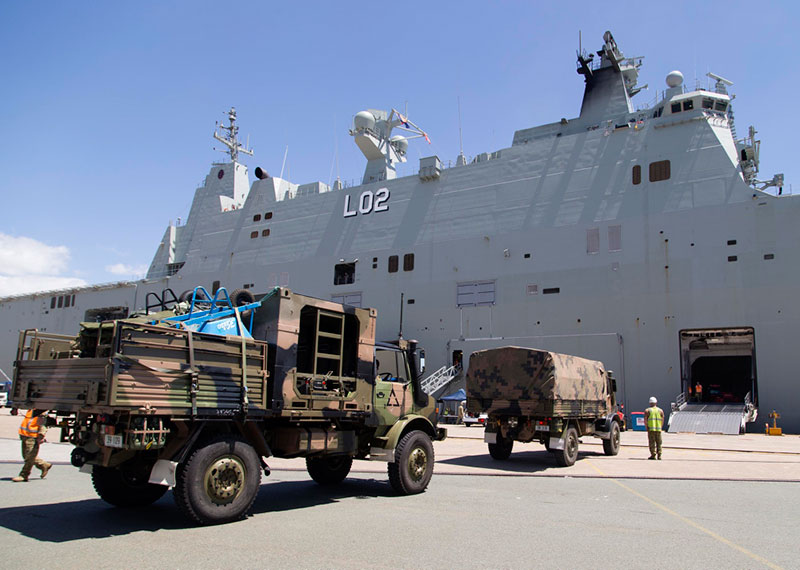
The audit objective was to assess the administrative effectiveness of Defence’s procedures to provide emergency assistance to the civil community.
Entity
Department of Defence
Contact
Please direct enquiries relating to reports through our contact page.
Performance audit (Auditor-General Report No. 24 of 2019–20)

Published: Tuesday 28 January 2020
Published
The objective of the audit was to examine the effectiveness and appropriateness of the Department of Defence's management of its public communications and media activities.
Entity
Department of Defence
Contact
Please direct enquiries through our contact page.
Performance audit (Auditor-General Report No. 6 of 2023–24)

Published: Thursday 28 September 2023
Published
The objective of this audit was to assess the effectiveness of the Department of Defence's planning and administrative arrangements to support the provision of emergency Defence Assistance to the Civil Community (DACC).
Entity
Department of Defence
Contact
Please direct enquiries through our contact page.
Performance audit (Auditor-General Report No. 3 of 2019–20)
Published: Tuesday 23 July 2019
Published
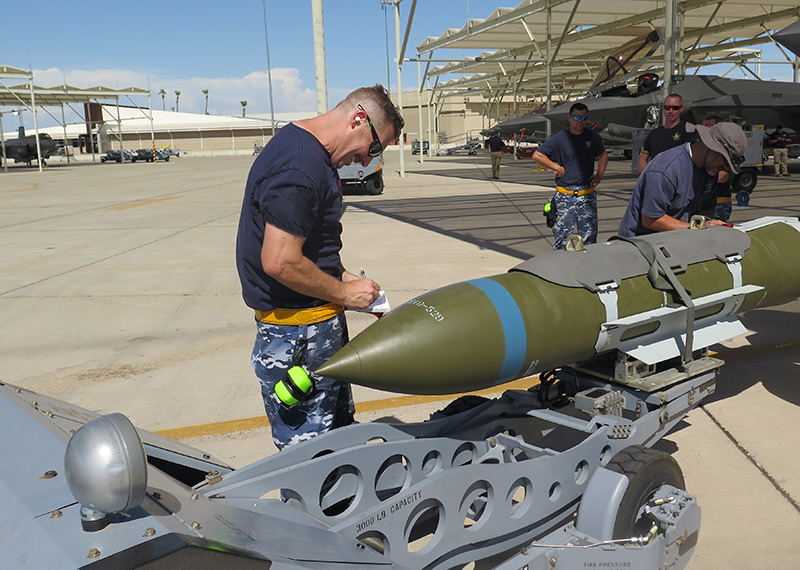
The objective of the audit was to examine the effectiveness of Defence’s quarterly performance report as a mechanism to inform senior stakeholders about risks and issues in the delivery of capability to the Australian Defence Force.
Entity
Department of Defence
Contact
Please direct enquiries through our contact page.
Performance audit (Auditor-General Report No. 57 of 2016–17)

Published: Thursday 22 June 2017
Published
The objective of the audit was to assess the effectiveness of the Department of Health's strategies for managing a communicable disease emergency.
Entity
Department of Health
Contact
Please direct enquiries relating to reports through our contact page.
Major projects report (Auditor-General Report No. 26 of 2017–18)

Published: Tuesday 23 January 2018
Published
The objective of this report is to provide the Auditor‐General’s independent assurance over the status of the selected Major Projects. The status of the selected Major Projects is reported in the Statement by the Secretary of Defence and the Project Data Summary Sheets (PDSSs) prepared by Defence, in accordance with the Guidelines endorsed by the Joint Committee of Public Accounts and Audit (JCPAA).
Entity
Department of Defence
Contact
Please direct enquiries relating to reports through our contact page.
Major projects report (Auditor-General Report No. 16 of 2015–16)

Published: Friday 15 January 2016
Published
The objective of this report is to provide the Auditor-General’s independent assurance over the status of the selected Major Projects, as reflected in the Statement by the Secretary of Defence, and the Project Data Summary Sheets (PDSSs) prepared by Defence, in accordance with the Guidelines endorsed by the Joint Committee of Public Accounts and Audit.
Entity
Department of Defence
Major projects report (Auditor-General Report No. 40 of 2016–17)

Published: Tuesday 28 February 2017
Published
The objective of this report was to provide the Auditor‐General’s independent assurance over the status of the selected Major Projects, as reflected in the Statement by the Secretary of Defence, and the Project Data Summary Sheets (PDSSs) prepared by Defence, in accordance with the Guidelines endorsed by the Joint Committee of Public Accounts and Audit.
Entity
Department of Defence
Major projects report (Auditor-General Report No. 12 of 2022–23)

Published: Thursday 9 February 2023
Published
Increased transparency and accountability on progress with major Defence equipment acquisitions has been a focus of parliamentary interest for some time. Beginning in 2007–08, an annual program has been established in conjunction with the Department of Defence to enable the ANAO to review and report to the Parliament on the status of major Defence acquisition projects, as set out in the Major Projects Report. The review includes information relating to the cost, schedule and progress towards delivery of required capability of individual projects as at 30 June each year, and is undertaken at the request of the Joint Committee of Public Accounts and Audit.
Entity
Department of Defence
Contact
Please direct enquiries through our contact page.
Performance audit (Auditor-General Report No. 34 of 2002–03)
Published: Monday 24 March 2003
Published
This audit followed up the ANAO's 1999 performance audit report on the Commonwealth's planning and response mechanisms to deal with exotic and new endemic pest and emergencies in the animal and plant sectors (Audit Report No 9 1999-2000 Managing Pest and Disease Emergencies). The previous audit made nine recommendations to improve planning and response strategies for emergencies; better coordination; diagnostic support; and appropriate monitoring and surveillance. The objective of the follow-up audit was to assess AFFA's implementation of the recommendations, and whether implementation of these recommendations, or appropriate alternative measures, has improved the Commonwealth's planning and response strategies for pest and disease emergencies. The ANAO also observed and assessed relevant parts of the September 2002 foot and mouth disease simulation, Exercise Minotaur.
Entity
Agriculture Fisheries and Forestry - Australia Department of Agriculture
Major projects report (Auditor-General Report No. 13 of 2021–22)

Published: Monday 13 December 2021
Published
The major projects report (MPR) is an annual review of the Department of Defence’s major defence equipment acquisitions, undertaken at the request of the Parliament’s Joint Committee of Public Accounts and Audit (JCPAA).
The purpose of the MPR is to provide information and assurance to the Parliament on the performance of selected acquisitions as at 30 June 2021. This is the 14th MPR since its commencement in 2007–08.
Entity
Department of Defence
Contact
Please direct enquiries through our contact page.
Performance audit (Auditor-General Report No. 2 of 2019–20)

Published: Monday 22 July 2019
Published
The objective of this audit was to assess the effectiveness of Defence’s administration of allowances and entitlements paid to its Australian Public Service (APS) employees.
Entity
Department of Defence
Contact
Please direct enquiries through our contact page.
Performance audit (Auditor-General Report No. 25 of 2012–13)
Published: Wednesday 27 February 2013
Published
The objective of the audit was to assess the effectiveness of Defence’s monitoring of the implementation of ANAO and internal audit recommendations. The audit also examined a sample of ANAO and internal audit recommendations—reported as being complete by Defence—to assess the extent to which these recommendations had been implemented by Defence.
Entity
Department of Defence; Defence Materiel Organisation
Performance audit (Auditor-General Report No. 28 of 2007–08)
Published: Tuesday 22 April 2008
Published
The objective of the audit was to review selected Defence public works projects submitted in the three year period ending mid 2007 to assess whether they had been submitted in accordance with the Committee's prevailing requirements for notification and review prior to entering into financial commitments for public works. The audit also examined the procedures applied by Defence to refer public works projects to the Committee, and identified administrative practices that may improve adherence with relevant legislative and administrative referral requirements.
Entity
Department of Defence
Major projects report (Auditor-General Report No. 14 of 2023–24)

Published: Friday 9 February 2024
Published
Increased transparency and accountability on progress with major Defence equipment acquisitions has been a focus of parliamentary interest for some time. Beginning in 2007–08, an annual program has been established in conjunction with the Department of Defence to enable the ANAO to review and report to the Parliament on the status of major Defence acquisition projects, as set out in the Major Projects Report. The review includes information relating to the cost, schedule and progress towards delivery of required capability of individual projects as at 30 June each year. The Report is undertaken at the request of the Joint Committee of Public Accounts and Audit.
Entity
Department of Defence
Contact
Please direct enquiries through our contact page.
Major projects report (Auditor-General Report No. 20 of 2024–25)

Published: Wednesday 18 December 2024
Published
Increased transparency and accountability on progress with major Defence equipment acquisitions has been a focus of parliamentary interest for some time. Beginning in 2007–08, an annual program has been established in conjunction with the Department of Defence to enable the ANAO to review and report to the Parliament on the status of major Defence acquisition projects, as set out in the major projects report. The review includes information relating to the cost, schedule and progress towards delivery of required capability of individual projects as at 30 June each year, and is undertaken at the request of the Joint Committee of Public Accounts and Audit.
Entity
Department of Defence
Contact
Please direct enquiries through our contact page.
Performance audit (Auditor-General Report No. 9 of 2015–16)
Published: Tuesday 24 November 2015
Published
The audit objectives were to examine the effectiveness of Defence’s management of the test and evaluation (T&E) aspects of its major capital equipment acquisition program; and to report on Defence’s progress in implementing T&E recommendations made in the Senate Foreign Affairs, Defence and Trade References Committee’s August 2012 report, Procurement procedures for Defence capital projects.
Entity
Department of Defence
Contact
Please direct enquiries relating to reports through our contact page.
Performance audit (Auditor-General Report No. 45 of 2023–24)

Published: Monday 24 June 2024
Published
The audit objective was to assess the effectiveness of the Department of Defence's (Defence) management of advertising campaigns for Australian Defence Force recruitment.
Entity
Department of Defence
Contact
Please direct enquiries through our contact page.
Major projects report (Auditor-General Report No. 19 of 2020–21)
Published: Monday 30 November 2020
Published
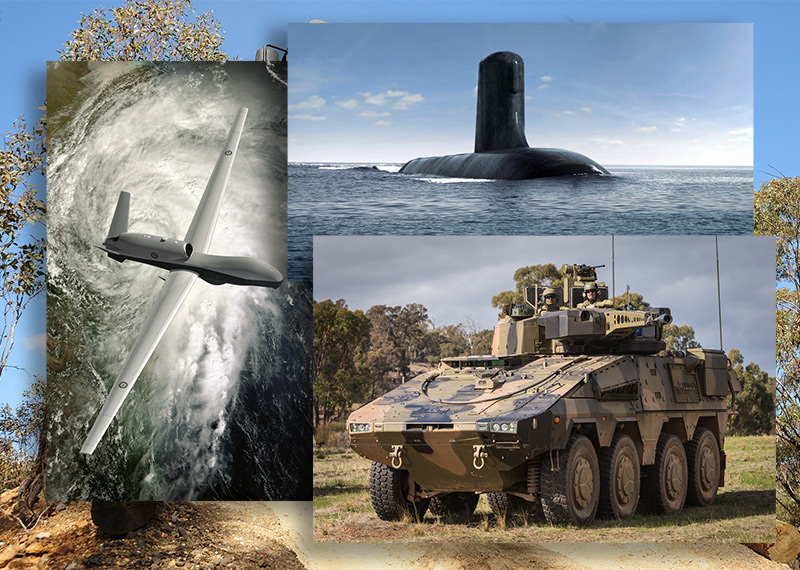
The objective of this report was to provide the Auditor-General’s independent assurance over the status of the selected major projects. The status of the selected major projects is reported in the Statement by the Secretary of Defence and the Project Data Summary Sheets (PDSSs) prepared by Defence. Assurance from the ANAO’s review is conveyed in the Independent Assurance Report by the Auditor-General.
Entity
Department of Defence
Contact
Please direct enquiries through our contact page.
Major projects report (Auditor-General Report No. 19 of 2019–20)

Published: Monday 16 December 2019
Published
The objective of this report is to provide the Auditor-General’s independent assurance over the status of the selected major projects. The status of the selected major projects is reported in the Statement by the Secretary of Defence and the Project Data Summary Sheets (PDSSs) prepared by Defence. Assurance from the ANAO’s review is conveyed in the Independent Assurance Report by the Auditor-General.
Entity
Department of Defence
Contact
Please direct enquiries through our contact page.
Performance audit (Auditor-General Report No. 41 of 1999–2000)
Published: Friday 28 April 2000
Published
The Commonwealth has significant involvement in national emergency management arrangements through its roles in planning, coordination between agencies, operational response, financial support, education and training, public awareness and research activities. The objectives of this performance audit were to identify the Commonwealth's current emergency management arrangements; to provide assurance to Parliament concerning the adequacy of the arrangements; and to highlight areas for improvement.
Entity
Across Agency
Major projects report (Auditor-General Report No. 20 of 2018–19)
Published: Tuesday 18 December 2018
Published
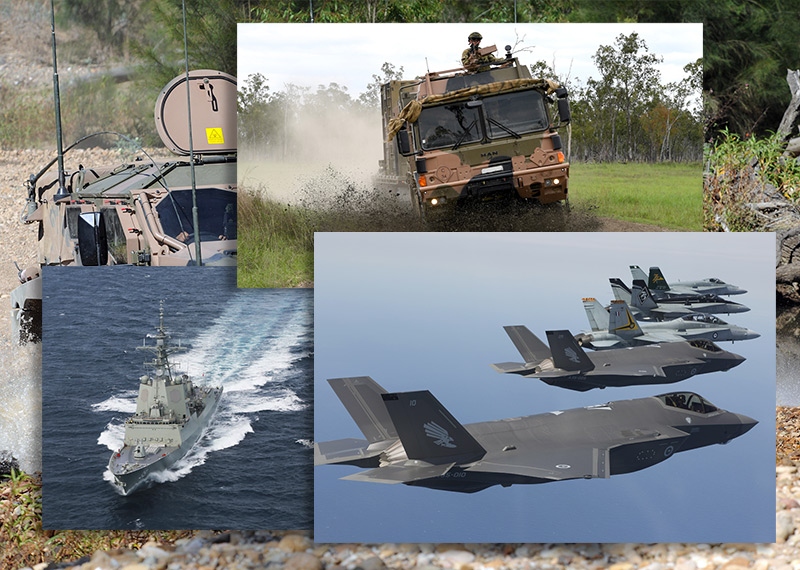
The objective of this report is to provide the Auditor-General’s independent assurance over the status of the selected Major Projects. The status of the selected Major Projects is reported in the Statement by the Secretary of Defence and the Project Data Summary Sheets (PDSSs) prepared by Defence. Assurance from the ANAO’s review is conveyed in the Independent Assurance Report by the Auditor-General.
Entity
Department of Defence
Contact
Please direct enquiries through our contact page.
Performance audit (Auditor-General Report No. 41 of 2010–11)
Published: Tuesday 17 May 2011
Published
The objective of the audit was to examine the effectiveness of the management of maintenance of the Defence estate, taking particular account of planning and delivery aspects.
The audit examined: Defence’s policies, procedures, processes and supporting tools related to the planning and delivery of the maintenance of the estate; and services provided to Defence by private sector firms in relation to maintenance activities. The audit did not focus on contract management matters, nor on the systems used by Defence to maintain information related to estate maintenance.
Entity
Department of Defence
Other report (Auditor-General Report No. 6 of 2024–25)

Published: Tuesday 22 October 2024
Published
The ANAO responded to the emerging sector-wide risks for public administration by developing a strategy for a program of audits examining the delivery of the Australian Government’s COVID-19 pandemic response (COVID-19 audit strategy). The purpose of this information report was to summarise and consolidate the learnings from the audits and reviews conducted by the ANAO under the COVID-19 audit strategy.
Entity
Across Entities
Contact
Please direct enquiries through our contact page.
Major projects report (Auditor-General Report No. 16 of 2025–26)

Published: Wednesday 17 December 2025
Published
Increased transparency and accountability on progress with major Defence equipment acquisitions has been a focus of parliamentary interest for some time. Beginning in 2007–08, an annual program has been established in conjunction with the Department of Defence to enable the ANAO to review and report to the Parliament on the status of major Defence acquisition projects, as set out in the major projects report. The review includes information relating to the cost, schedule and progress towards delivery of required capability of individual projects at 30 June each year, and is undertaken at the request of JCPAA.
Entity
Department of Defence
Contact
Please direct enquiries through our contact page.
Major projects report (Auditor-General Report No. 14 of 2014–15)

Published: Wednesday 17 December 2014
Published
The report objective is to provide the Auditor-General’s independent assurance over the status of 30 selected Major Projects, as reflected in the Statement by the Chief Executive Officer Defence Materiel Organisation (DMO), and the Project Data Summary Sheets prepared by the DMO, in accordance with the Guidelines endorsed by the Joint Committee of Public Accounts and Audit.
Entity
Defence Materiel Organisation
Performance audit (Auditor-General Report No. 7 of 2022–23)
Published: Tuesday 29 November 2022
Published
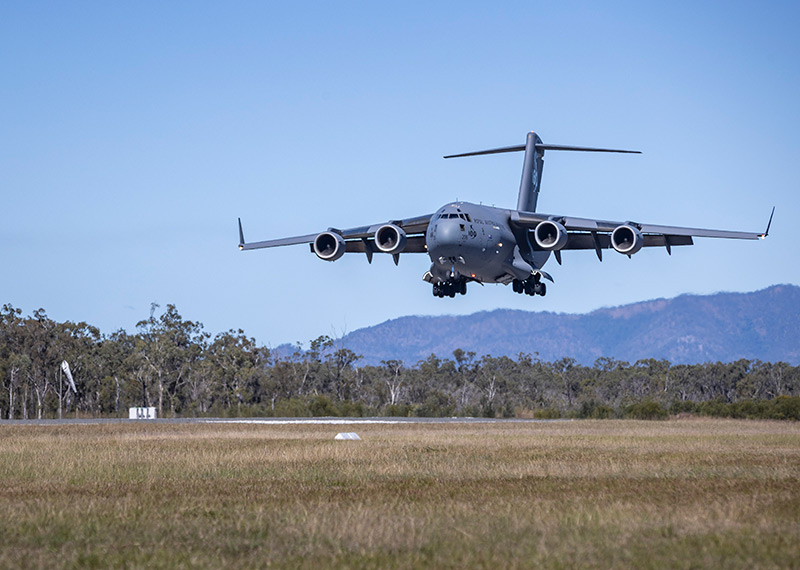
The audit objective was to examine the effectiveness of the Department of Defence’s administration of the Integrated Investment Program since 2016.
Entity
Department of Defence, Department of Finance
Contact
Please direct enquiries through our contact page.
Performance audit (Auditor-General Report No. 24 of 2001–02)
Published: Monday 10 December 2001
Published
Major capital equipment contributes importantly to the capabilities of the Australian Defence Force (ADF) to achieve the Defence mission, that is, the defence of Australia and its national interests. The Defence Materiel Organisation (DMO) is the relatively new Defence organisation responsible for the acquisition and through-life support of Defence equipment and systems. DMO's stated purpose is to equip and sustain the ADF. In 2001-02, it will spend $2.9 billion on progressing some 270 major capital equipment acquisition projects. This preliminary study for the audit focused on DMO reporting on the status of major equipment acquisition projects.
Entity
Department of Defence
Performance audit (Auditor-General Report No. 24 of 2022–23)

Published: Tuesday 23 May 2023
Published
The objective of this audit was to assess whether the Department of Defence (Defence) is managing its Australian Defence Force health services contract to achieve efficient and effective delivery of the contracted services.
Entity
Department of Defence
Contact
Please direct enquiries through our contact page.
Performance audit (Auditor-General Report No. 6 of 2020–21)

Published: Thursday 10 September 2020
Published
The objective of this audit was to assess the effectiveness of the Department of Defence’s design process and implementation to date of the Defence Export Strategy.
Entity
Department of Defence
Contact
Please direct enquiries through our contact page.
Performance audit (Auditor-General Report No. 27 of 2007–08)
Published: Wednesday 16 April 2008
Published
The objective of the audit was to assess how well EMA is meeting its objective of providing national leadership in the development of measures to reduce risk to communities and manage the consequences of disasters.
Entity
Attorney-General's Department
Performance audit (Auditor-General Report No. 9 of 1999–2000)
Published: Wednesday 25 August 1999
Published
The audit reviewed management of the Commonwealth's role in preparing for, and managing, pest and disease emergencies requiring a rapid response. The audit focused on the role of the Department of Agriculture, Fisheries and Forestry -Australia (AFFA), which is the Commonwealth Department with primary portfolio responsibility for coordinating the national and international response to an emergency. The audit did not address preventative measures such as quarantine and border controls; controlled release of exotic diseases or pests; or emergencies associated with previously known endemic diseases, food safety or chemical residue issues.
Entity
Agriculture, Fisheries and Forestry - Australia
Performance audit (Auditor-General Report No. 2 of 2017–18)
Published: Tuesday 11 July 2017
Published
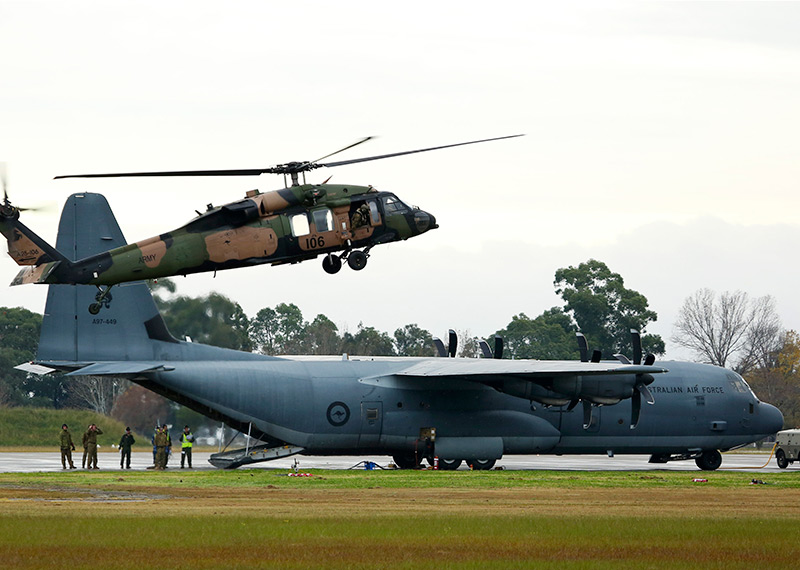
The objective of the audit was to assess whether Defence has a fit-for-purpose framework for the management of materiel sustainment.
Entity
Defence
Contact
Please direct enquiries relating to reports through our contact page.
Performance audit (Auditor-General Report No. 2 of 2024–25)

Published: Wednesday 11 September 2024
Published
The audit objective was to assess the effectiveness of the Department of Defence’s arrangements to manage the security authorisation of its ICT systems.
Entity
Department of Defence
Contact
Please direct enquiries through our contact page.
Performance audit (Auditor-General Report No. 33 of 2015–16)

Published: Thursday 5 May 2016
Published
The audit objective was to assess whether Defence is effectively controlling the use of Commonwealth credit cards for official purposes in accordance with legislative and policy requirements.
Entity
Department of Defence
Contact
Please direct enquiries relating to reports through our contact page.
Performance audit (Auditor-General Report No. 51 of 2000–01)
Published: Friday 15 June 2001
Published
This audit followed up the ANAO's 1997 performance audit report on ADF health services (Audit Report No.34 1996-97 Australian Defence Force Health Services), which focused on the delivery of non-operational health services to entitled members. The objective of the follow-up audit was to assess Defence's implementation of recommendations made in the original audit report and their effectiveness in improving ADF health services.
Entity
Department of Defence
Performance audit (Auditor-General Report No. 4 of 2021–22)

Published: Monday 13 September 2021
Published
The objective of this audit was to examine the effectiveness of the Department of Defence's administration of contractual obligations relating to the Defence Industry Security Program.
Entity
Department of Defence
Contact
Please direct enquiries through our contact page.
Performance audit (Auditor-General Report No. 47 of 2023–24)

Published: Tuesday 25 June 2024
Published
The audit objective was to assess whether the Department of Defence's (Defence's) arrangements for the operation and maintenance of the Mulwala and Benalla facilities beyond June 2020 were established through appropriate processes and in accordance with the Commonwealth Procurement Rules (CPRs).
Entity
Department of Defence
Contact
Please direct enquiries through our contact page.
Performance audit (Auditor-General Report No. 9 of 2003–04)
Published: Wednesday 22 October 2003
Published
The audit assessed whether Centrelink has effective Business Continuity Management and/or associated risk management procedures and plans in place that: minimise the likelihood of a significant business outage; and in the event of such an outage, minimise disruption of critical services to customers. The audit also assessed whether Centrelink services satisfy special community demands in times of emergency.
Entity
Centrelink
Performance audit (Auditor-General Report No. 36 of 2009–10)
Published: Wednesday 19 May 2010
Published
The scope of the audit covered Centrelink's emergency management framework and community recovery assistance operations in general, with a specific focus on the 2009 North Queensland floods and Victorian bushfires. FaHCSIA's role during those disaster events was also considered as it played a key role in establishing the policy parameters of the services Centrelink delivered and addressing issues arising from policy implementation.
Entity
Centrelink; Department of Families, Housing, Community Services and Indigenous Affairs
Performance audit (Auditor-General Report No. 35 of 2025–26)
New

Published: Friday 29 May 2026
Published
The audit objective was to assess the effectiveness of the Department of Defence’s administration of investigations and inquiries.
Entity
Department of Defence
Contact
Please direct enquiries through our contact page.
Performance audit (Auditor-General Report No. 31 of 2018–19)

Published: Tuesday 26 March 2019
Published
The objective of the audit was to assess whether the Department of Defence’s Projects of Concern regime is effective in managing the recovery of underperforming projects.
Entity
Department of Defence
Contact
Please direct enquiries through our contact page.
Annual report
Published: Thursday 29 August 2024
Published
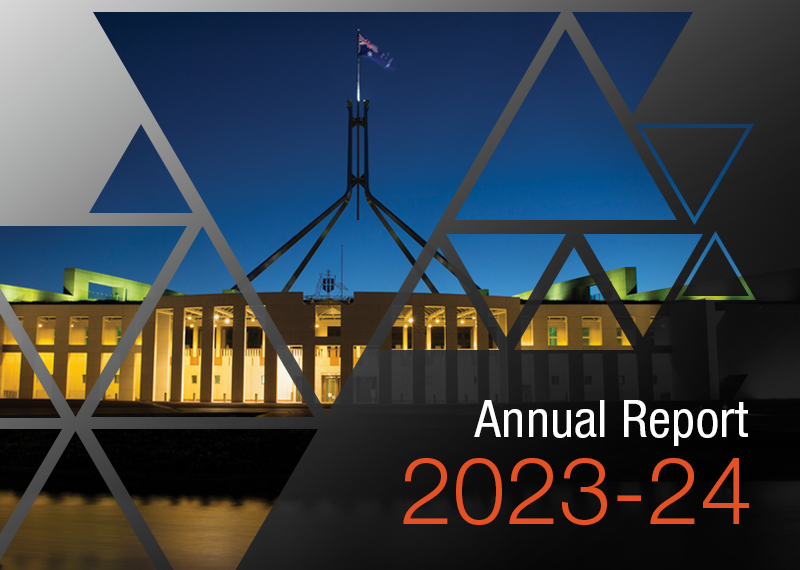
This annual report documents the performance of the Australian National Audit Office (ANAO) in the financial year ended 30 June 2024. The report addresses all applicable obligations under the Public Governance, Performance and Accountability Act 2013; the Public Governance, Performance and Accountability Rule 2014; the Auditor-General Act 1997; the performance measures set out in the outcome and programs framework in the ANAO’s Portfolio Budget Statements 2023–24 and in the ANAO Corporate Plan 2023–24; and annual reporting requirements set out in other relevant legislation.
Contact
Please direct enquiries through our contact page.
Major projects report (Auditor-General Report No. 9 of 2008–09)
Published: Thursday 27 November 2008
Published
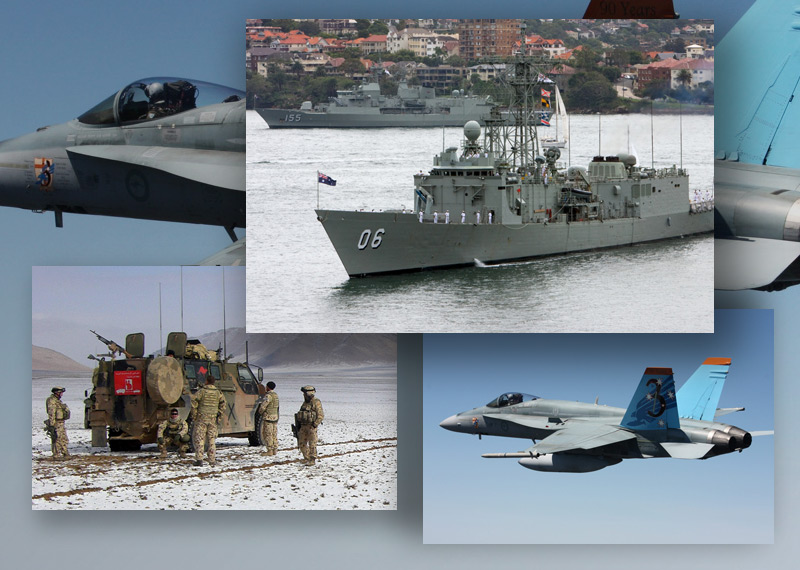
This first Assurance Report on the status of selected Defence equipment acquisition projects, which has the support of the Parliament and the Government, represents a substantial step towards improving transparency and public accountability in major Defence procurement projects. It is the pilot of an annual Defence Materiel Organisation (DMO) Major Projects Report, and was developed in conjunction with the DMO. It covers the cost, schedule and capability progress achieved by nine DMO projects, which had an approved budget totalling $13.535 billion as at 30 June 2008.
This report is organised into three parts. Part 1 comprises an ANAO overview and Auditor–General's Foreword. Part 2 comprises the Major Projects Report prepared by DMO, including an overview reflecting DMO's perspective on their business and on the nine projects included in the. Part 3 incorporates the Auditor-General's Review Report, the statement by the CEO DMO, and the information prepared by DMO in the form of standardised Project Data Summary Sheets covering each of the nine pilot projects.
In the next 12 months, the ANAO will review 15 DMO projects planned for inclusion in the 2008-09 DMO Major Projects Report, with the number of projects rising to 30 projects in subsequent years. The ANAO will also work with DMO to refine the approach adopted for providing assurance on each project's progress toward achieving Final Operational Capability. The ANAO will also consider the inclusion of an analysis of each project's emerging trends, as appropriate, to complement DMO's intention to provide improved analysis of project management performance regarding all projects included in the Major Projects Report.
Entity
Defence Materiel Organisation
Speeches and papers
Published: Wednesday 8 August 2018
Published
Grant Hehir, Auditor-General for Australia, attended the Institute of Internal Auditors-Australia ‘Public Sector Internal Audit Conference’ on 31 July 2018, and presented an opening keynote session titled Strategic governance of risk: Lessons learnt from public sector audit. The accompanying paper to the speech, which was delivered against a conference theme of ‘internal auditor as a trusted advisor’, is available here.
Contact
Please direct enquiries through our contact page.
Annual report
Published: Tuesday 23 September 2025
Published
This annual report documents the performance of the Australian National Audit Office (ANAO) in the financial year ended 30 June 2025. The report addresses all applicable obligations under the Public Governance, Performance and Accountability Act 2013; the Public Governance, Performance and Accountability Rule 2014; the Auditor-General Act 1997; the performance measures set out in the outcome and programs framework in the ANAO’s Portfolio Budget Statements 2024–25 and in the ANAO Corporate Plan 2024–25; and annual reporting requirements set out in other relevant legislation.
Contact
Please direct enquiries through our contact page.
Performance audit (Auditor-General Report No. 10 of 2003–04)
Published: Monday 27 October 2003
Published
As part of its 2001 inquiry into the recruitment and retention of Australian Defence Force (ADF) personnel, the Senate Foreign Affairs, Defence and Trade References Committee reviewed Defence's contract with Manpower Services (Australia) Pty Ltd for trialling the outsourcing of recruiting services to the ADF. In its subsequent report, the Committee commented that the original contractual arrangements deserved further scrutiny by the ANAO. The objective of the audit was to examine Defence's management of the contractual arrangements for the provision of recruiting services to the ADF. In examining the management of the contract, the ANAO looked at the evaluations conducted at the end of each contractual phase, roles and responsibilities associated with ADF recruiting, and Defence's monitoring of contractual performance and management of risks associated with ADF recruiting.
Entity
Department of Defence
Performance audit (Auditor-General Report No. 31 of 2019–20)
Published: Thursday 9 April 2020
Published
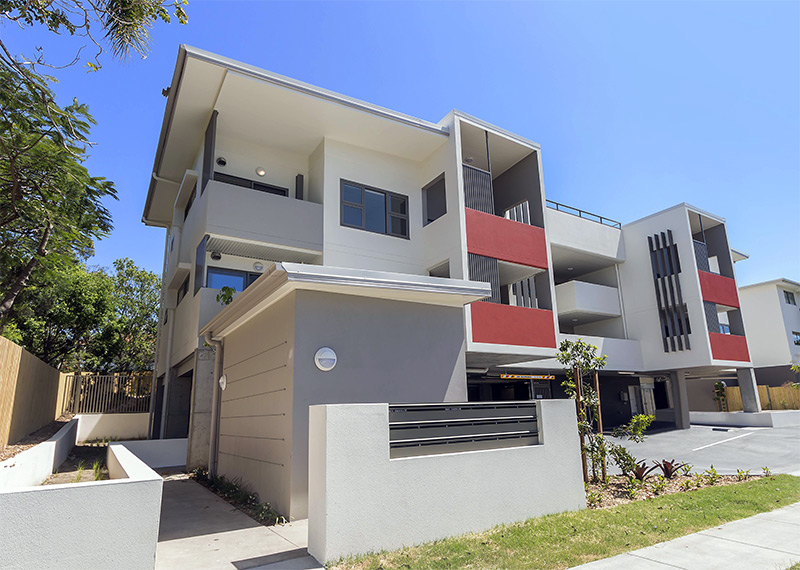
The objective of the audit was to assess whether Defence Housing Australia administers its functions efficiently and effectively, and in accordance with the Government Business Enterprise guidelines.
Entity
Defence Housing Australia; Department of Defence; Department of Finance
Contact
Please direct enquiries through our contact page.
Performance audit (Auditor-General Report No. 20 of 2015–16)

Published: Wednesday 3 February 2016
Published
The audit objective was to assess the effectiveness of Defence’s administration of industry support and skill development programs.
Entity
Department of Defence
Contact
Please direct enquiries relating to reports through our contact page.
Annual report
Published: Thursday 26 August 2021
Published
This annual report documents the performance of the Australian National Audit Office (ANAO) in the financial year ended 30 June 2021. The report addresses all applicable obligations under the Public Governance, Performance and Accountability Act 2013; the Public Governance, Performance and Accountability Rule 2014; the Auditor-General Act 1997; the performance measures set out in the outcome and programs framework in the ANAO’s Portfolio Budget Statements 2020–21 and the ANAO Corporate Plan 2020–21; and annual reporting requirements set out in other relevant legislation.
Contact
Please direct enquiries relating to annual reports through our contact page.
Performance audit (Auditor-General Report No. 21 of 2022–23)

Published: Wednesday 10 May 2023
Published
The objective of the audit was to assess the effectiveness of the Department of Defence’s procurement of Hunter class frigates and the achievement of value for money to date.
Entity
Department of Defence
Contact
Please direct enquiries through our contact page.
Performance audit (Auditor-General Report No. 1 of 2024–25)

Published: Thursday 11 July 2024
Published
The objective of the audit was to assess the effectiveness of Department of Defence's procurement and implementation of the myClearance system to date.
Entity
Department of Defence
Contact
Please direct enquiries through our contact page.
Performance audit (Auditor-General Report No. 49 of 2009–10)
Published: Thursday 24 June 2010
Published
The objective of the audit was to assess whether Defence is effectively managing the delivery of health services to ADF personnel in Australia (chiefly Garrison Health Services).
Entity
Department of Defence
Annual report
Published: Monday 28 September 2020
Published
This annual report documents the performance of the Australian National Audit Office (ANAO) in the financial year ended 30 June 2020. The report addresses all applicable obligations under the Public Governance, Performance and Accountability Act 2013; the Public Governance, Performance and Accountability Rule 2014; the Auditor-General Act 1997; the performance measures set out in the outcome and programs framework in the ANAO's Portfolio Budget Statements 2019–20 and the ANAO Corporate Plan 2019–20; and annual reporting requirements set out in other relevant legislation.
Contact
Please direct enquiries relating to annual reports through our contact page.
Performance audit (Auditor-General Report No. 43 of 2021–22)

Published: Wednesday 29 June 2022
Published
The objective of the audit was to examine the effectiveness of the Department of Defence’s arrangements for the management of contractors.
Entity
Department of Defence
Contact
Please direct enquiries through our contact page.
Performance audit (Auditor-General Report No. 1 of 2021–22)

Published: Monday 16 August 2021
Published
The audit objective was to examine the effectiveness to date of the Department of Defence’s administration of the Enterprise Resource Planning (ERP) program, with a focus on ERP Tranche 1 activities.
Entity
Department of Defence
Contact
Please direct enquiries through our contact page.
Annual report
Published: Thursday 24 August 2023
Published
This annual report documents the performance of the Australian National Audit Office (ANAO) in the financial year ended 30 June 2023. The report addresses all applicable obligations under the Public Governance, Performance and Accountability Act 2013; the Public Governance, Performance and Accountability Rule 2014; the Auditor-General Act 1997; the performance measures set out in the outcome and programs framework in the ANAO’s Portfolio Budget Statements 2022–23 and in the ANAO Corporate Plan 2022–23; and annual reporting requirements set out in other relevant legislation.
Contact
Please direct enquiries through our contact page.
Other report (Auditor-General Report No. 27 of 2019–20)

Published: Wednesday 11 March 2020
Published
This information report seeks to provide greater transparency on procurement activity in the Australian public sector. This information report is neither an audit nor an assurance review and presents no conclusions or opinions. The report is presented in a variety of ways, including tables and figures, publicly available data from public sector procurement activity recorded in AusTender.
Entity
Across Entities
Contact
Please direct enquiries through our contact page.
Work program
Updated: Friday 6 February 2026
Updated
The intent of performance statements audits is to drive improvements in the transparency and quality of entities’ performance reporting and, in turn, increase entities’ accountability to the Parliament and public.
Contact
Please direct enquiries through our contact page.