Browse our range of reports and publications including performance and financial statement audit reports, assurance review reports, information reports and annual reports.
Performance audit (Auditor-General Report No. 36 of 2022–23)

Published: Tuesday 13 June 2023
Published
The objective of this audit was to assess the effectiveness of the Australian Securities and Investments Commission's probity management.
Entity
Australian Securities and Investments Commission
Contact
Please direct enquiries through our contact page.
Performance audit (Auditor-General Report No. 41 of 2002–03)
Published: Wednesday 7 May 2003
Published
Since 2000, there has been a requirement under the Environment Protection and Biodiversity Conservation Act 1999 (EPBC Act) for Commonwealth agencies to report annually on their environmental performance as well as their contribution to Ecologically Sustainable Development (ESD). The audit objective was to examine and report on the quality of Commonwealth agencies' annual reports on ESD and environment performance. The audit reviewed current practice in light of legal requirements, and provided examples of better practice.
Entity
Across Agency
Insights: Audit lessons

Published: Friday 28 May 2021
Published
This edition of Audit Insights summarises key messages for all Australian Government entities from a series of recent Australian National Audit Office (ANAO) performance audits assessing the delivery of key components of the Australian Government’s response to the COVID-19 pandemic. It discusses the importance of planning, good governance and sound risk management in managing an emergency such as the COVID-19 pandemic.
Contact
Please direct enquiries through our contact page.
Performance audit (Auditor-General Report No. 33 of 2019–20)

Published: Thursday 16 April 2020
Published
The objective of this audit was to assess the effectiveness of the Tertiary Education Quality and Standards Agency’s (TEQSA’s) regulation of higher education.
Entity
Tertiary Education Quality and Standards Agency
Contact
Please direct enquiries through our contact page.
Performance audit (Auditor-General Report No. 30 of 2022–23)

Published: Thursday 1 June 2023
Published
The objective of this audit was to assess the effectiveness of the Australian Prudential Regulation Authority's probity management.
Entity
Australian Prudential Regulation Authority
Contact
Please direct enquiries through our contact page.
Performance audit (Auditor-General Report No. 14 of 2019–20)
Published: Wednesday 27 November 2019
Published
The objective of the audit was to examine the effectiveness of the design and implementation of the clear read principle under the Commonwealth Resource Management Framework.
Entity
Across Entities
Contact
Please direct enquiries through our contact page.
Performance audit (Auditor-General Report No. 45 of 1999–2000)
Published: Wednesday 31 May 2000
Published
The Commonwealth has significant foreign exchange risk exposures including $A8.4 billion of foreign currency transactions with the Reserve Bank of Australia in 1998-99. Under the Financial Management and Accountability Act and its associated Regulations, all agencies are required to assess and, where possible, manage, foreign exchange risk. The audit reviewed four agencies that have substantial foreign currency payment exposures namely:
- the Department of Defence;
- the Australian Agency for International Development;
- the Department of Foreign Affairs and Trade; and
- the Department of Finance and Administration.
The objective of the audit was to identify and assess the efficiency and cost effectiveness of the management of foreign exchange risk across the selected agencies, also to identify opportunities to improve the management of foreign exchange risk, including any associated potential financial savings that could accrue to the Commonwealth.
Entity
Department of Defence; Australian Agency for International Development; Department of Foreign Affairs and Trade; Department of Finance and Administration
Performance audit (Auditor-General Report No. 19 of 2003–04)
Published: Wednesday 17 December 2003
Published
The objective of the audit was to assess whether the property management function, including the management of leases, was being performed efficiently and was providing an effective level of support for the delivery of the organisation's services (outputs). The audit evaluated property management policies and practices across the following dimensions:
- planning and control;
- business processes and practices; and
- information and performance management.
Within each of these areas, a series of desirable proceses and controls (described as the evaluation criteria) were developed to assist in the assessment of each organisation's performance.
Entity
Australian Communications Authority; Australian Film, Television and Radio School; Civil Aviation Safety Authority; Department of Employment and Workplace Relations; National Library of Australia; Department of Finance and Administration
Performance audit (Auditor-General Report No. 45 of 2001–02)
Published: Wednesday 1 May 2002
Published
An Assurance and Control Assessment audit of recordkeeping was undertaken across four Commonwealth organisations to assess whether their recordkeeping policies, systems and processes accord with requirements under the Archives Act 1983, with relevant government policies, and with accepted standards and recordkeeping principles; and to identify better practices and recommend improvements. The audit addressed both electronic and traditional records.
Entity
Across Agency
Performance audit (Auditor-General Report No. 32 of 2024–25)

Published: Wednesday 21 May 2025
Published
The objective of the audit was to assess the effectiveness of the Department of Agriculture, Fisheries and Forestry’s management of the biosecurity workforce.
Entity
Department of Agriculture, Fisheries and Forestry
Contact
Please direct enquiries through our contact page.
Performance audit (Auditor-General Report No. 40 of 2001–02)
Published: Monday 8 April 2002
Published
The audit was undertaken following advice from the Joint Committee of Public Accounts and Audit (JCPAA) to the Auditor-General that assurance that ABC programming adequately reflects the ABC's Charter was an audit priority of Parliament. The objective of the audit is to provide Parliament with this assurance. The focus of the audit was on the governance arrangements of the ABC Board and management that enable the ABC to demonstrate the extent to which it is achieving its' Charter obligations, and other related statutory requirements, efficiently and effectively. The scope of the audit was as follows:
- Review the ABC's corporate governance framework against better practice models. The ANAO had regard to the ABC's unique role as a national public broadcaster established as a budget funded Commonwealth statutory authority subject to the Commonwealth Authorities and Companies Act 1997.
- Examine the ABC Board's approach to the interpretation of the Charter requirements of the ABC and the setting of strategic directions, and management's administrative arrangements for implementing the strategic directions established by the Board.
- Examine the ABC's performance information framework, the development, documentation and use of performance measures in relation to targets and/or objectives, the monitoring and reporting of performance and its' inter-relationship with the corporate planning and budgetary processes, particularly in relation to the strategic directions set by the Board.
The audit did not examine the overall management of the ABC. In keeping with the audit scope, the audit examined ways in which the ABC aligns its' strategic directions with its' Charter requirements for programs broadcast on radio, television and on-line and assures itself, and Parliament, about the achievement of its' Charter obligations. Further, the audit did not examine the operations of ABC Enterprises or symphony orchestras that operate as ABC-owned subsidiary companies.
Entity
Australian Broadcasting Corporation
Performance audit (Auditor-General Report No. 19 of 2001–02)
Published: Thursday 15 November 2001
Published
The audit process involved an assessment of the payroll arrangements in Commonwealth organisations. The objectives of the audit were to determine whether organisations have established internal control frameworks for the management of payroll operations, assess whether payment of salaries and related expenditures is made in accordance with the relevant terms and conditions of employment, and identify better practices in the management and operations of payroll systems.
Entity
Across Agency
Performance audit (Auditor-General Report No. 1 of 2025–26)

Published: Monday 11 August 2025
Published
The objective of the audit was to examine the effectiveness of the implementation of frameworks to support ethical behaviours within the Department of Employment and Workplace Relations.
Entity
Department of Employment and Workplace Relations
Contact
Please direct enquiries through our contact page.
Performance audit (Auditor-General Report No. 16 of 2000–01)
Published: Wednesday 29 November 2000
Published
The objective of this audit was to assess the administration of internal fraud control arrangements in the ATO and to identify areas with potential for improvement as well as identified better practice. To achieve this objective the ANAO focussed on five key areas. These were:
- the application of the ATO's corporate governance processes to the internal fraud control activities;
- the prevention of internal fraud within the ATO;
- the related use of information technology to minimise fraud risks;
- the detection of internal fraud within the ATO; and
- ATO fraud investigation procedures and practices.
Entity
Australian Taxation Office
Performance audit (Auditor-General Report No. 39 of 2005–06)
Published: Thursday 11 May 2006
Published
The objectives of the audit were to provide assurance that Artbank was effectively meeting its charter of: acquiring art by contemporary artists; expanding the number of public places that Artbank's collection is rented and displayed; and managing its collection and rental scheme. The audit also examined Artbank's governance arrangements, and its programmes for marketing, client development, performance management, budgeting, debt management and also sought client feedback on Artbank's operations via a survey.
Entity
Agriculture Fisheries and Forestry Australia; Department of Communications Information Technology and the Arts
Performance audit (Auditor-General Report No. 31 of 2000–01)
Published: Thursday 29 March 2001
Published
The audit reviewed the Department of Foreign Affairs and Trade's administration of consular services. It focussed on DFAT's travel advice to alert Australians to potential travel risks; case management systems to record and monitor action on more complex consular cases; performance information for the management of consular services; and contingency planning for major consular incidents. The audit also reviewed action taken by DFAT and other agencies to implement the recommendations of a 1997 Senate Committee report on consular services.
Entity
Department of Foreign Affairs and Trade
Performance audit (Auditor-General Report No. 28 of 2014–15)

Published: Wednesday 15 April 2015
Published
The audit objective was to assess the effectiveness of the Department of Immigration and Border Protection in delivering high quality interpreting services to its clients.
Entity
Department of Immigration and Border Protection; Department of Social Services
Contact
Please direct enquiries relating to reports through our contact page.
Performance audit (Auditor-General Report No. 12 of 1999–2000)
Published: Thursday 14 October 1999
Published
This audit examined the management of contracts for business support processes in eight Commonwealth organisations-six operating under the Financial Management and Accountability Act 1997, and two operating under the Commonwealth Authorities and Companies Act 1997. The objectives of this audit were to:
- provide assurance on the effectiveness of the management of contracted business support processes in selected organisations; and
- identify and disseminate better practices in related contract management.
Entity
Across Agency
Performance audit (Auditor-General Report No. 33 of 2018–19)

Published: Wednesday 10 April 2019
Published
The objective of the audit was to examine the effectiveness of governance and integrity arrangements for the Northern Australia Infrastructure Facility (NAIF).
Entity
Northern Australia Infrastructure Facility
Contact
Please direct enquiries through our contact page.
Performance audit (Auditor-General Report No. 46 of 2011–12)
Published: Wednesday 20 June 2012
Published
The objective of the audit was to assess the effectiveness of the Department of Agriculture, Fisheries and Forestry’s administration of the Northern Australia Quarantine Strategy. The ANAO examined whether the department had established effective:
- administrative and governance arrangements to support NAQS;
- processes for identifying biosecurity risks and conducting scientific activities to address identified risks;
- arrangements for managing the quarantine aspects of Torres Strait border movements; and
- public awareness activities that reflect identified biosecurity risks and support the program’s objectives.
Entity
Department of Agriculture, Fisheries and Forestry
Performance audit (Auditor-General Report No. 22 of 2015–16)

Published: Monday 22 February 2016
Published
The objective of the audit was to assess the effectiveness of the arrangements established by the Australian Antarctic Division (AAD), a division of the Department of the Environment, to support Australia’s Antarctic Program.
Entity
Department of the Environment
Contact
Please direct enquiries relating to reports through our contact page.
Performance audit (Auditor-General Report No. 7 of 2015–16)

Published: Tuesday 10 November 2015
Published
The audit objective was to assess the effectiveness of the Department of the Environment’s and the Australian Customs and Border Protection Service’s management of compliance with the wildlife trade regulations under Part 13A of the Environment Protection and Biodiversity Conservation Act 1999.
Entity
Department of the Environment; Department of Immigration and Border Protection
Contact
Please direct enquiries relating to reports through our contact page.
Performance audit (Auditor-General Report No. 14 of 2009–10)
Published: Wednesday 25 November 2009
Published
The audit objective was to assess the effectiveness of agencies' contract management by determining if they had sound practices and systematic approaches to this activity. Particular attention was given to each agency's:
- day-to-day management of individual contracts; and
- approach to managing its contract population.
Entity
Australian Federal Police; Austrade; Department of Foreign Affairs and Trade
Performance audit (Auditor-General Report No. 42 of 2020–21)

Published: Monday 7 June 2021
Published
The objective of the audit was to assess the Department of Agriculture, Water and the Environment’s effectiveness in responding to non-compliance with plant and animal biosecurity requirements.
Entity
Department of Agriculture, Water and the Environment
Contact
Please direct enquiries through our contact page.
Performance audit (Auditor-General Report No. 21 of 2006–07)
Published: Wednesday 31 January 2007
Published
The objective of the audit was to:
- assess, in a selection of FMA Act and CAC Act agencies, how well the revised Commonwealth Procurement Guidelines had been implemented; and
- identify any better practice or common problem areas to assist other agencies in their future procurement activities.
The audit focused on procurement requirements that had changed as a result of the revised CPGs, rather than being a more general audit of compliance with all procurement requirements.
The audit was conducted in the following entities:
- Australian Federal Police;
- Bureau of Meteorology;
- Commonwealth Scientific and Industrial Research Organisation (CSIRO);
- Department of Defence;
- Department of Education, Science & Training;
- Family Court of Australia; and
- National Museum of Australia.
Entity
NO-DEPTS-LISTED
Performance audit (Auditor-General Report No. 57 of 2016–17)

Published: Thursday 22 June 2017
Published
The objective of the audit was to assess the effectiveness of the Department of Health's strategies for managing a communicable disease emergency.
Entity
Department of Health
Contact
Please direct enquiries relating to reports through our contact page.
Performance audit (Auditor-General Report No. 30 of 1999–2000)
Published: Thursday 3 February 2000
Published
The examined the $1 billion Federation Fund program, which was established by the Government to mark the Centenary of Federation. The objectives of the examination were to assess the:
- extent to which the administration of the FCHP program complied with better practice in the assessment of applications, especially in relation to the transparency and rigour of the decision-making process;
- equity of the geographic spread of grants to States and electorates; and
- process for the announcement of the results of grant applications.
Entity
Across Agency
Performance audit (Auditor-General Report No. 15 of 2003–04)
Published: Monday 1 December 2003
Published
On 2 November 2000, the Senate agreed to a resolution that the Auditor-General be requested to review all expenditures and entitlements accruing to Parliamentarians and Ministers in 1999-2000. The resolution requested that the Auditor-General consider a number of specific matters, and report by 30 June 2001. In the course of that audit, examination of issues relating to Parliamentarians' staff was deferred in order to give the Auditor-General a reasonable chance of reporting reasonably close to the Senate's requested reporting timeframe. ANAO Audit Report No.5 2001-02, Parliamentarians' Entitlements: 1999-2000, was tabled in the Parliament in August 2001. A proposed audit of the administration by Finance of the entitlements of staff engaged under the Members of Parliament (Staff) Act 1984 (MOP(S) Act was included in the ANAO Audit Work Program for 2001-02. The objectives of this performance audit were to: review the effectiveness of the internal control structures in the Department of Finance and Administration (Finance) concerning the administration of entitlements for MOP(S) Act staff; review the effectiveness and efficiency of the procurement and support services Finance provides in relation to MOP(S) Act staff: and identify principles of sound administrative practices to facilitate improved administrative arrangements for the future. The audit covered Finance's administration of payments and services to MOP(S) Act staff during the period 1998-99 to 2001-02. Sub-section 15(c) of the Auditor General Act 1997 precludes an audit of persons who are engaged under the MOP(S) Act. Accordingly, the audit scope did not include examination of the responsibilities of MOP(S) Act staff.
Entity
Department of Finance and Administration
Performance audit (Auditor-General Report No. 3 of 2004–05)
Published: Friday 23 July 2004
Published
The objective of the audit was to assess whether selected Commonwealth organisations had utilised better practice principles when establishing the role, and managing the use of their internal audit groups. In order to evaluate internal audit, the Australian National Audit Office (ANAO) first considered the status and accountabilities of internal audit within the overall governance framework of the organisations audited, in particular its accountabilities to the audit committee.
Entity
Department of Defence
Performance audit (Auditor-General Report No. 44 of 2023–24)

Published: Monday 24 June 2024
Published
The objective of the audit was to assess whether the Department of the Treasury (Treasury) had complied with gifts, benefits and hospitality requirements.
Entity
Department of the Treasury
Contact
Please direct enquiries through our contact page.
Performance audit (Auditor-General Report No. 47 of 1997–98)
Published: Tuesday 23 June 1998
Published
The objectives of this audit were to assess, with respect to guarantees, indemnities and letters of comfort:
- changes in the size and nature of the Commonwealth's reported exposure since 30 June 1995;
- the extent of improvement in agencies' management and monitoring of the Commonwealth's exposure to these instruments;
- the approach of agencies to effective risk management and control of Commonwealth exposures to these instruments; and
- whether current reporting practices provide a sufficiently comprehensive coverage for public accountability purposes, at both the agency and whole of government levels.
Entity
Across Agency
Performance audit (Auditor-General Report No. 51 of 2002–03)
Published: Thursday 19 June 2003
Published
Defence has long provided housing assistance for members of the Australian Defence Force (ADF) and their families. In 1988, this function passed to the Defence Housing Authority (DHA), which was established to provide suitable housing to meet Defence's operational needs. In 2000, Defence and DHA signed a Services Agreement valued at $3.5 billion over 10 years. The objective of the audit was to assess whether Defence's management of its housing and relocation services provided for ADF members meets specified requirements; and to make practical recommendations for more efficient, effective and economical use of public resources provided for this purpose.
Entity
Department of Defence
Performance audit (Auditor-General Report No. 7 of 2017–18)

Published: Tuesday 22 August 2017
Published
The audit objective was to determine whether selected grant programs are being administered efficiently by the Australia Council in relation to suitable comparators. The selected grant programs are collectively known as the Australia Council Grants Program.
Entity
Australia Council; Department of Social Services; National Health and Medical Research Council
Contact
Please direct enquiries relating to reports through our contact page.
Corporate

Published: Thursday 28 March 2024
Published
The Australian National Audit Office Enterprise Agreement 2024–2027 was approved by the Fair Work Commission (FWC) on 22 March 2024 and operates from 29 March 2024. The agreement will nominally expire on 28 February 2027. The signatories page of this agreement is available on the FWC website.
Contact
Please direct enquiries through our contact page.
Performance audit (Auditor-General Report No. 40 of 2010–11)
Published: Tuesday 17 May 2011
Published
The objective of the audit was to assess whether Defence is effectively managing the EO Services Contract.
The audit focused mainly on Defence's contract management framework, including the arrangements to monitor the contractor’s performance in delivering services under the contract. The audit also examined the processes used by Defence to develop the current version of the contract and the extent to which the revised contract, as negotiated in 2006, provides an assurance of better value for money when compared to the original contract signed in 2001.
Entity
Department of Defence
Performance audit (Auditor-General Report No. 11 of 2024–25)

Published: Thursday 31 October 2024
Published
The objective of the audit was to examine whether the procurements that Department of Foreign Affairs and Trade conducts through its Australian Passport Office are complying with the Commonwealth Procurement Rules and demonstrating the achievement of value for money.
Entity
Department of Foreign Affairs and Trade
Contact
Please direct enquiries through our contact page.
Performance audit (Auditor-General Report No. 40 of 2004–05)
Published: Thursday 14 April 2005
Published
The objectives of the audit were to determine whether FaCS and Centrelink had: a valid Business Case for the Edge project, as revised from time to time, including estimated costs, actual costs, and expected benefits; effective governance of the project, including reviews at critical points in the project and subsequent decisions to continue or, in the final analysis, to discontinue; an appropriate contract with SoftLaw, which was adequately managed; delivered appropriate advice on progress, project viability, and acceptable solutions to technical issues to Executive of FaCS and Centrelink during the project; and valid reasons for discontinuing the project. The ANAO began this audit in March 2004, four months after the Edge project was terminated, following the Auditor-General's agreement to a suggestion by the Joint Committee of Public Accounts and Audit that the project was a suitable subject for audit.
Entity
Department of Family and Community Services; Centrelink
Performance audit (Auditor-General Report No. 18 of 2024–25)

Published: Monday 16 December 2024
Published
The audit objective was to assess whether Tourism Australia’s procurement and contract management activities are complying with the Commonwealth Procurement Rules and demonstrating the achievement of value for money.
Entity
Tourism Australia
Contact
Please direct enquiries through our contact page.
Performance audit (Auditor-General Report No. 46 of 1997–98)
Published: Thursday 28 May 1998
Published
The objectives of this audit were to:
- provide assurance to the Parliament on the effectiveness of internal audit operations; and
- determine whether internal audit generally operates at, or near, recognised better practice.
The criteria used to measure internal audit effectiveness were based on four principles developed as part of the audit. These principles and criteria deal with the level of management support and authority; the use of a risk-focus to address client needs; the appropriate balance of skills and knowledge; and the use made of continuous improvement processes and measurement of performance effectiveness.
Entity
Across Agency
Other report (Auditor-General Report No. 36 of 2025–26)
New

Published: Thursday 4 June 2026
Published
This report, tabled under section 25 of the Auditor-General Act 1997, consolidates independent analysis that provides transparency to the Parliament with respect to ANU’s financial management, and makes findings and recommendations where appropriate.
Entity
Australian National University
Contact
Please direct enquiries through our contact page.
Performance audit (Auditor-General Report No. 43 of 2014–15)
Published: Friday 5 June 2015
Published
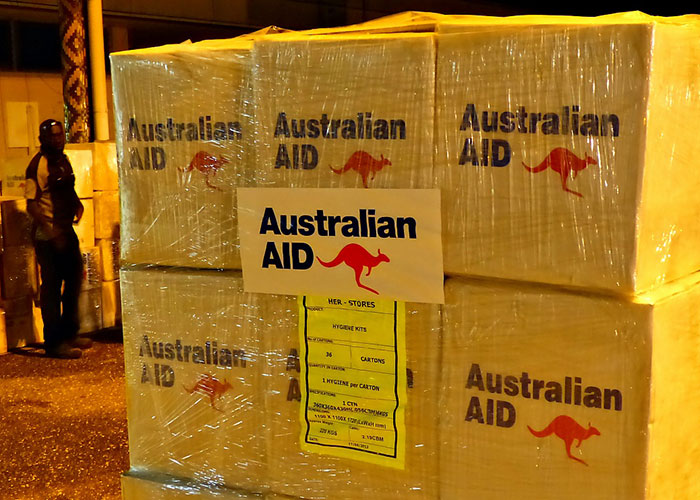
The objective of the audit was to assess the effectiveness of the Department of Foreign Affairs and Trade’s management of Australian aid to Vanuatu.
Entity
Department of Foreign Affairs and Trade
Contact
Please direct enquiries relating to reports through our contact page.
Performance audit (Auditor-General Report No. 16 of 2005–06)
Published: Thursday 17 November 2005
Published
The audit was conducted at the: Australian Federal Police (AFP) and the Australian Protective Service (PS); Australian Sports Commission (ASC); Department of Communications, Information Technology and the Arts (DoCITA); Department of Family and Community Services (FaCS); and Civil Aviation Safety Authority (CASA). The objectives of the audit were to: determine whether entities had established appropriate arrangements in relation to the management of annual leave For the purposes of this audit the ANAO has used the term ‘annual leave'. However entities refer to this entitlement using other terminology such as recreation leave, planned leave or personal leave. and had effective internal controls over leave processing; assess whether leave had been managed in accordance with the requirements of the respective entity's certified agreement; and identify sound and better practices in the management and processing of leave.
Entity
Across Entities
Performance audit (Auditor-General Report No. 50 of 2000–01)
Published: Friday 15 June 2001
Published
The ANAO concluded that DHAC's administration of the National Cervical Screening Program is generally sound. The ANAO found that the department has a key role in the Program by providing secretariat services and other support to the NAC, which provides policy advice to AHMAC, and by supporting initiatives to further develop the Program. Some areas of DHAC's administration of the Program provide examples of good practice. Related examples are the early identification of the need to monitor the Program, the early identification of possible data sources for monitoring, and the use of an independent body to provide advice, through the Australian Institute of Health and Welfare, on performance indicators and data sources. A further example is DHAC's administration of the provision of cervical screening funding assistance to the States and Territories through Public Health Outcome Funding Agreements, which complies with the principles for sound Specific Purpose Payments program administration advocated by the Joint Committee of Public Accounts and Audit in their Report 362. On the other hand, the ANAO has identified areas for improvement in quality assurance for the analysis of Pap smears by pathology laboratories.
Entity
Department of Health and Aged Care
Performance audit (Auditor-General Report No. 38 of 2022–23)

Published: Thursday 15 June 2023
Published
The objective of this audit was to assess the effectiveness of the Australian Competition and Consumer Commission's probity management.
Entity
Australian Competition and Consumer Commission
Contact
Please direct enquiries through our contact page.
Performance audit (Auditor-General Report No. 36 of 2018–19)

Published: Tuesday 30 April 2019
Published
The objective of the audit was to assess the effectiveness of the governance board in the Australian Institute of Marine Science.
Entity
Australian Institute of Marine Science
Contact
Please direct enquiries through our contact page.
Performance audit (Auditor-General Report No. 45 of 2004–05)
Published: Friday 27 May 2005
Published
The audit focuses on DMO's equipment acquisition and support, at the system program management level. The objective of the audit was to assess the adequacy of Defence's capital equipment project definition, approval, acquisition and logistics support management. The SPOs subject to audit are:Aerospace Systems Division's Tactical Fighter Systems Program Office (TFSPO), which is responsible for acquisition and logistics support management of the Air Force's F/A-18 and Hawk 127 fleets and associated equipment. TFSPO is located at Williamtown, NSW; Land Systems Division's Track Manoeuvre Systems Program Office (TMSPO), which is responsible for the acquisition and logistics support management of Army's Leopard Tanks and M113 Armed Personnel Carrier fleets. TMSPO is located in Melbourne;Electronic and Weapon Systems Division's Over-the-Horizon Radar Systems Program Office (OTHRSPO), which is responsible for acquisition and logistics support management of the Jindalee Operational Radar Network (JORN) and Jindalee OTHR systems. OTHRSPO is located within the Defence Science and Technology Organisation (DSTO) precinct at Edinburgh, South Australia; and Maritime Systems Division's Fast Frigate Guided System Program Office (FFGSPO), which is responsible for the support and upgrade of the Navy's FFG fleet. FFGSPO is located at Garden Island, Sydney.In view of the significant role that DMO's SPOs play in managing major capital equipment acquisition projects, the audit includes a case study of the $1.448 billion Fast Frigate Guided (FFG) Upgrade Project. A high level of audit assurance is not able to be provided on the FFG Upgrade Project given deficiencies in the FFGSPO information management systems and deficiencies in the level of design and development disclosure provided to SPO personnel by the FFG Upgrade Prime Contractor. The ANAO was unable to access appropriate audit evidence on the financial expenditure associated with the FFG Upgrade Project, and the Project's approved Equipment Acquisition Strategy.
Entity
Department of Defence
Performance audit (Auditor-General Report No. 41 of 2005–06)
Published: Wednesday 24 May 2006
Published
The audit objective was to assess Health's administration of primary care funding, with a focus on the administrative practices of the Primary Care Division and Health's State and Territory Offices. In forming an opinion on the audit objective, the ANAO reviewed 41 agreements, with a combined value of $252 million. The ANAO also reviewed relevant documentation and files, interviewed programme officers and met with a number of stakeholders. The audit comments on a range of issues, including the utility of funding agreements, monitoring, payments, and support for administrators.
Entity
Department of Health and Ageing
Performance audit (Auditor-General Report No. 34 of 2020–21)

Published: Monday 12 April 2021
Published
The audit objective was to examine whether the Department of Defence implemented a selection of agreed parliamentary committee recommendations and ANAO performance audit recommendations.
Entity
Department of Defence
Contact
Please direct enquiries through our contact page.
Performance audit (Auditor-General Report No. 19 of 2016–17)

Published: Tuesday 27 September 2016
Published
The audit objective was to assess the effectiveness of the Department of Parliamentary Services’ arrangements for managing contracts and retail licences, including the extent to which the department has implemented recommendations from the previous ANAO audit.
Entity
Department of Parliamentary Services
Contact
Please direct enquiries relating to reports through our contact page.
Performance audit (Auditor-General Report No. 32 of 2022–23)

Published: Tuesday 6 June 2023
Published
The objective of this audit was to examine whether Australian Wool Innovation (AWI) is effectively meeting the requirements of the Statutory Funding Agreement (SFA).
Entity
Australian Wool Innovation
Contact
Please direct enquiries through our contact page.
Performance audit (Auditor-General Report No. 25 of 2016–17)

Published: Wednesday 9 November 2016
Published
The audit objective was to assess the effectiveness of the Department of Employment and the Department of Education and Training's administration of the Shared Services Centre to achieve efficiencies and deliver value to its customers.
Entity
Department of Employment; Department of Education and Training
Contact
Please direct enquiries relating to reports through our contact page.
Performance audit (Auditor-General Report No. 2 of 2000–01)
Published: Tuesday 25 July 2000
Published
The follow-up audit, Drug Evaluation by the Therapeutic Goods Administration [TGA], reviewed the extent to which TGA had implemented recommendations made by the ANAO in 1996 on the efficiency, effectiveness and accountability of TGA's evaluation and approval of prescription drugs for public use. This follow-up audit was conducted because of the importance of effective drug evaluation processes to public health.
Entity
Department of Health and Aged Care; Therapeutic Goods Administration
Performance audit (Auditor-General Report No. 4 of 2003–04)
Published: Thursday 28 August 2003
Published
The audit reviewed the efficiency and effectiveness of the Department of Health and Ageing's (Health's) planning and conduct of the review undertaken to determine the recommendation to the Government on whether or not to exercise the extension option available to the Commonwealth under the Plasma Fractionation Agreement with CSL Limited. The audit was undertaken in response to a recommendation of the Joint Committee of Public Accounts and Audit.
Entity
Department of Health and Ageing
Performance audit (Auditor-General Report No. 28 of 2021–22)

Published: Thursday 19 May 2022
Published
The objective of this audit was to assess whether the Civil Aviation Safety Authority (CASA) has implemented effective arrangements for the planning and conduct of surveillance activities.
Entity
Civil Aviation Safety Authority
Contact
Please direct enquiries through our contact page.
Performance audit (Auditor-General Report No. 36 of 2015–16)

Published: Thursday 5 May 2016
Published
The audit objective was to assess the effectiveness of the Department of Human Services' administration of the Financial Information Service.
Entity
Department of Human Services
Contact
Please direct enquiries relating to reports through our contact page.
Performance audit (Auditor-General Report No. 48 of 2018–19)

Published: Wednesday 19 June 2019
Published
The objective of this audit was to assess the effectiveness of the Australian Reinsurance Pool Corporation’s (ARPC) management of the Terrorism Reinsurance Scheme.
Entity
Australian Reinsurance Pool Corporation
Contact
Please direct enquiries through our contact page.
Performance audit (Auditor-General Report No. 1 of 2002–03)
Published: Thursday 18 July 2002
Published
The overall objective of the audit was to determine whether Health's management and operation of selected IT systems:
- met industry better practice;
- met quality and service delivery parameters set by Health and, if applicable, by the Government; and
- operate effectively, efficiently and economically.
The audit applied selected processes from CobiT (Control Objectives for Information and Related Technology) to assist with the assessment of key aspects of Health's management and operation of IT. The audit builds on ANAO's earlier IT audits using CobiT.
Entity
Department of Health and Ageing
Performance audit (Auditor-General Report No. 24 of 1997–98)
Published: Monday 15 December 1997
Published
The objective of the audit was to review the efficiency, economy and administrative effectiveness of departmental activities leading to the letting of the contract with SPCL and its subsequent administration. This included, among other things, an examination of action taken to protect the Commonwealth's interests and the adequacy of relevant departmental guidelines and processes. A primary aim of the audit was to identify the facts of the particular case, including any administrative inadequacies that led to unnecessary financial exposure for the Commonwealth and less than satisfactory outcomes. In particular, the audit aimed to identify elements of better practice that could be followed under similar circumstances or programs in the future.
Entity
Department of Education, Training and Youth Affairs
Performance audit (Auditor-General Report No. 47 of 2020–21)

Published: Monday 28 June 2021
Published
The objective of this audit was to assess the effectiveness of the administration of the commuter car park projects within the Urban Congestion Fund.
Entity
Department of Infrastructure, Transport, Regional Development and Communications
Contact
Please direct enquiries through our contact page.
Speeches and papers
Published: Wednesday 14 February 1996
Published
Mr P.J. Barrett (AM) - Auditor-General for Australia, presented at the FINEST User Network Annual Conference 1996, Leura, NSW
Audit manual
Updated: Tuesday 9 September 2025
Updated
The Performance Audit Services Group (PASG) volume of the ANAO Audit Manual applies to the performance audit activity performed by PASG in collaboration with the Systems Assurance and Data Analytics (SADA) group. Relevant policies and guidance from the PASG volume are also applied to assurance reviews performed by PASG. Policies and guidance in the PASG volume address the planning, execution and reporting stages of the performance audit process.
Contact
Please direct enquiries through our contact page.
Corporate
Published: Thursday 24 October 2019
Published
This is the second e-newsletter of the Commonwealth Auditors General Group. These e-newsletters are a genuine effort to share experiences, challenges and engage in thought-provoking discussions on topics which are common to the fifty-three member countries of the Commonwealth.
Contact
If you have any thoughts on future technical content which you would like to propose, please contact international@nao.gsi.gov.uk
Performance audit (Auditor-General Report No. 34 of 2018–19)
Published: Thursday 18 April 2019
Published
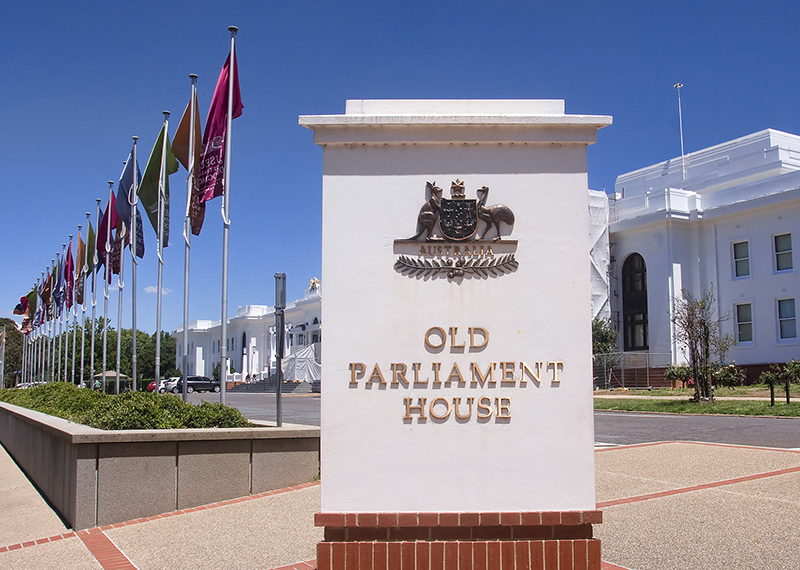
The objective of the audit was to assess the effectiveness of the governance board in Old Parliament House.
Entity
Old Parliament House
Contact
Please direct enquiries through our contact page.
Performance audit (Auditor-General Report No. 27 of 2024–25)

Published: Monday 3 March 2025
Published
The purpose of the audit was to assess the effectiveness of Sport Integrity Australia’s management of the National Anti-doping Scheme.
Entity
Sport Integrity Australia
Contact
Please direct enquiries through our contact page.
Performance audit (Auditor-General Report No. 47 of 1998–99)
Published: Tuesday 15 June 1999
Published
The objectives of the audit were to form an opinion on the management of Commonwealth agencies' compliance with the Commonwealth's energy efficiency requirements and to identify areas for better practice in energy management. The audit focussed on:
- the implementation of the Energy Policy by Commonwealth Agencies; promulgation and coordination of energy use targets;
- energy and associated reporting by Commonwealth agencies;
- identification, examination and analysis of systemic and procedural impediments to achieving the Energy Policy; and
- development and discussion of ways to address these impediments.
Entity
Department of Industry, Science and Resources; Australian Greenhouse Office
Insights: Audit lessons

Published: Thursday 20 March 2025
Published
Audit Lessons — Management of Corporate Credit Cards is intended for officials working in financial management or governance roles with responsibility for the management of corporate credit cards.
Contact
Please direct enquiries through our contact page.
Performance audit (Auditor-General Report No. 35 of 1997–98)
Published: Monday 2 March 1998
Published
The objective of the audit was to examine the operations of DEETYA International Services with a view to identifying the administrative issues and difficulties experienced by DEETYA in establishing a commercial entity and its subsequent operation within the framework of the Australian Public Service.
Entity
Department of Employment, Education, Training and Youth Affairs
Performance audit (Auditor-General Report No. 24 of 2002–03)
Published: Friday 20 December 2002
Published
The ANAO assessed agencies' progress in implementing the seven recommendations of Audit Report No.47 of 1998-99, Energy Efficiency in Commonwealth Operations. The Objectives of the follow-up audit were to
(i) asses the extent to which selected Commonwealth agencies have implemented the recommendations of Report No. 47 of 1998-1999, taking account of any changed circumstances or new administrative issues identified as impacting upon implementation of these recommendations; and
(ii) offer continued assurance to the Parliament on the management of Commonwealth agencies' compliance with the Commonwealth energy efficiency requirements, and to identify areas of better practice in energy management by those agencies.
Entity
Across Agency
Performance audit (Auditor-General Report No. 12 of 2024–25)

Published: Monday 11 November 2024
Published
The objective of the audit was to assess the effectiveness of the operations of the boards of four corporate Commonwealth entities in managing conflicts of interest.
Entity
Across entities
Contact
Please direct enquiries through our contact page.
Performance audit (Auditor-General Report No. 2 of 2017–18)

Published: Tuesday 11 July 2017
Published
The objective of the audit was to assess whether Defence has a fit-for-purpose framework for the management of materiel sustainment.
Entity
Defence
Contact
Please direct enquiries relating to reports through our contact page.
Performance audit (Auditor-General Report No. 23 of 2007–08)
Published: Thursday 21 February 2008
Published
The objective of the audit was to assess whether selected regulatory agencies have cost recovery procedures and practices which comply with the Government's guidelines. To address this objective, the audit assessed the management of cost recovery against the following criteria:
- regulatory agencies have clear and consistent cost recovery procedures to identify their activities and costs, and set fees and levies;
- regulatory agencies have effectively implemented their cost recovery procedures;
- regulatory agencies regularly monitor and review their cost recovery activities; and
- regulatory agencies regularly report on their cost recovery.
Entity
NO-DEPTS-LISTED
Performance audit (Auditor-General Report No. 3 of 2022–23)

Published: Wednesday 17 August 2022
Published
The objective of the audit was to assess the effectiveness of the planning and implementation of the COVID-19 vaccine rollout.
Entity
Department of Health and Aged Care
Contact
Please direct enquiries through our contact page.
Performance audit (Auditor-General Report No. 41 of 2006–07)
Published: Thursday 31 May 2007
Published
The objective of the audit was to assess the efficiency and the effectiveness of DEWR's administrative oversight for the WfD programme. The components of administration examined included whether:
- the operation of the WfD programme was guided by sound business planning including risk assessment;
- DEWR effectively and efficiently managed, monitored and reported the performance of CWCs in meeting contractual obligations;
- adequate support was provided to DEWR contract managers and account managers to assist in the delivery of WfD outcomes;
- there was evaluation of the performance of CWCs in delivering WfD objectives on behalf of the department;
- DEWR measures the effectiveness of WfD against programme objectives; and
- DEWR had implemented agreed recommendations from the previous WfD audit, where current and relevant.
Entity
NO-DEPTS-LISTED
Performance audit (Auditor-General Report No. 10 of 2017–18)

Published: Wednesday 27 September 2017
Published
The audit objective was to assess the effectiveness of the design process and monitoring arrangements for the National Innovation and Science Agenda by the relevant entities.
Entity
Department of the Prime Minister and Cabinet; Department of Industry, Innovation and Science; Innovation and Science Australia
Contact
Please direct enquiries relating to reports through our contact page.
Performance audit (Auditor-General Report No. 27 of 2021–22)

Published: Thursday 12 May 2022
Published
The objective of the audit was to assess the effectiveness of administration of physical security in the revised Protective Security Policy Framework.
Entity
Attorney-General’s Department; Services Australia; Department of Social Services
Contact
Please direct enquiries through our contact page.
Performance audit (Auditor-General Report No. 37 of 2024–25)

Published: Tuesday 27 May 2025
Published
The audit objective was to assess the effectiveness of the Department of Health, Disability and Ageing’s administration of the Future Fit Program.
Entity
Department of Health, Disability and Ageing
Contact
Please direct enquiries through our contact page.
Performance audit (Auditor-General Report No. 5 of 2016–17)

Published: Wednesday 31 August 2016
Published
The audit objective was to assess the effectiveness of the Department of Infrastructure and Regional Development's regulation of passenger security screening at Australian domestic airports.
Entity
Department of Infrastructure and Regional Development
Contact
Please direct enquiries relating to reports through our contact page.
Performance audit (Auditor-General Report No. 32 of 2019–20)

Published: Thursday 16 April 2020
Published
The objective of this audit was to examine the Department of Foreign Affairs and Trade’s (DFAT’s) achievement of value for money objectives in the delivery of Official Development Assistance (aid) through facility arrangements.
Entity
Department of Foreign Affairs and Trade (DFAT)
Contact
Please direct enquiries through our contact page.
Performance audit (Auditor-General Report No. 24 of 2020–21)

Published: Monday 14 December 2020
Published
The objective of the audit was to assess whether the Australian Taxation Office (ATO) has effectively managed risks related to the rapid implementation of COVID-19 economic response measures.
Entity
Australian Taxation Office
Contact
Please direct enquiries through our contact page.
Performance audit (Auditor-General Report No. 43 of 2017–18)

Published: Tuesday 29 May 2018
Published
The objective of this audit was to examine the extent to which the Department of Infrastructure and Regional Development, now the Department of Home Affairs (the Department) has implemented the recommendations made by the ANAO in Audit Report #5 2016–17, Passenger Security Screening at Domestic Airports.
Entity
Department of Home Affairs
Contact
Please direct enquiries through our contact page.
Performance audit (Auditor-General Report No. 5 of 2024–25)

Published: Monday 21 October 2024
Published
The audit objective was to assess whether the Australian Government has established an appropriate framework for responding to crises.
Entity
Department of the Prime Minister and Cabinet; National Emergency Management Agency
Contact
Please direct enquiries through our contact page.
Performance audit (Auditor-General Report No. 2 of 2014–15)

Published: Thursday 25 September 2014
Published
The objective of the audit is to assess the effectiveness of the Department of the Prime Minister and Cabinet’s implementation of food security initiatives for remote Indigenous communities.
Entity
Department of the Prime Minister and Cabinet
Contact
Please direct enquiries relating to reports through our contact page.
Performance audit (Auditor-General Report No. 47 of 2014–15)

Published: Wednesday 10 June 2015
Published
The objective of the audit was to assess the effectiveness of the Department of Immigration and Border Protection’s identity verification arrangements for applicants in the Citizenship Program.
Entity
Department of Immigration and Border Protection
Contact
Please direct enquiries relating to reports through our contact page.
Performance audit (Auditor-General Report No. 13 of 2015–16)

Published: Thursday 10 December 2015
Published
The objective of the audit was to assess the effectiveness of the Department of Immigration and Border Protection’s (DIBP) management of compliance with visa conditions. To form a conclusion against this objective, the ANAO assessed whether DIBP:
- effectively manages risk and intelligence related to visa holders’ non-compliance with their visa conditions;
- promotes voluntary compliance through targeted campaigns and services that are appropriate and accessible to the community;
- conducts onshore compliance activities that are effective and appropriately targeted; and
- has effective administrative arrangements to support visa holders’ compliance with their visa conditions.
Entity
Department of Immigration and Border Protection
Contact
Please direct enquiries relating to reports through our contact page.
Performance audit (Auditor-General Report No. 35 of 2020–21)

Published: Wednesday 5 May 2021
Published
The objective of the audit was to examine whether the design and early delivery of the Australian Government's $443.3 million partnership with the Great Barrier Reef Foundation has been effective.
Entity
Great Barrier Reef Foundation
Contact
Please direct enquiries through our contact page.
Performance audit (Auditor-General Report No. 37 of 2023–24)

Published: Thursday 13 June 2024
Published
The objective of this audit was to assess whether the design and administration of the Adult Migrant English Program was effective.
Entity
Department of Home Affairs; Linda Wyse and Associates
Contact
Please direct enquiries through our contact page.
Performance audit (Auditor-General Report No. 18 of 2021–22)

Published: Tuesday 22 February 2022
Published
The objective of this audit was to assess the effectiveness of the National Indigenous Australians Agency’s administration of funding for remote housing in the Northern Territory.
Entity
National Indigenous Australians Agency
Contact
Please direct enquiries through our contact page.
Performance audit (Auditor-General Report No. 30 of 2014–15)

Published: Tuesday 21 April 2015
Published
The audit objective was to examine Defence’s administration of Materiel Sustainment Agreements (MSAs) and the contribution made by MSAs to the effective sustainment of specialist military equipment.
Entity
Department of Defence; Defence Materiel Organisation
Contact
Please direct enquiries relating to reports through our contact page.
Performance audit (Auditor-General Report No. 30 of 2007–08)
Published: Thursday 24 April 2008
Published
The objective of the audit was to evaluate the Tax Office's corporate management of data matching, including analytics.
The ANAO examined the Tax Office's strategic goals and governance arrangements for data matching and analytics, its compliance with privacy requirements and whether the Tax Office is achieving intended results, which include revenue collection, optimised compliance and provision of improved services to taxpayers.
Tax Office executives have been increasingly drawing on the interrelationships and conceptual commonalities of Tax Office data matching and analytics activity. Accordingly, the audit included these relationships and conceptual commonalities within the scope of the audit. The audit was guided, therefore, by a broader definition of ‘data matching': meaning ‘finding relationships and patterns in large volumes of data'. This includes the more traditional idea of data matching as ‘bringing together data from different sources and comparing it'.
Entity
Australian Taxation Office
Performance audit (Auditor-General Report No. 16 of 2022–23)

Published: Monday 27 March 2023
Published
The objective of this audit was to assess the effectiveness of the Department of Home Affairs' management of family-related visas.
Entity
Department of Home Affairs
Contact
Please direct enquiries through our contact page.
Performance audit (Auditor-General Report No. 7 of 2024–25)

Published: Wednesday 23 October 2024
Published
The objective of the audit was to assess the effectiveness of the Department of Health and Aged Care’s fraud control arrangements, with a specific focus on the Indigenous Australians’ Health Programme.
Entity
Department of Health and Aged Care
Contact
Please direct enquiries through our contact page.
Performance audit (Auditor-General Report No. 40 of 2022–23)

Published: Thursday 22 June 2023
Published
The objective of this audit was to assess the effectiveness of Comcare’s administration of claims for Australian Government entities under its workers’ compensation scheme.
Entity
Comcare
Contact
Please direct enquiries through our contact page.
Performance audit (Auditor-General Report No. 9 of 2002–03)
Published: Monday 30 September 2002
Published
The objective of the audit was to assess whether Centrelink's Balanced Scorecard (BSC) was based on key elements of better practice principles and its use assisted Centrelink to understand and communicate its performance against its strategic goals. The audit examined:
- the use of the BSC in setting Centrelink's vision and goals;
- the role of the BSC in planning;
- alignment of the BSC from the top down through the organisation and the interdependencies of scoreboards used by various support units, the definition and use of measures, including target setting and links to goals within the BSC framework; and
- its use in monitoring, reporting and feedback.
Entity
Centrelink
Performance audit (Auditor-General Report No. 25 of 2019–20)

Published: Thursday 20 February 2020
Published
The objective of this audit was to assess the effectiveness of the administration of the mandatory minimum requirements for Aboriginal and Torres Strait Islander participation in major government procurements in achieving policy objectives.
Entity
Across Entities
Contact
Please direct enquiries through our contact page.
Performance audit (Auditor-General Report No. 6 of 2020–21)

Published: Thursday 10 September 2020
Published
The objective of this audit was to assess the effectiveness of the Department of Defence’s design process and implementation to date of the Defence Export Strategy.
Entity
Department of Defence
Contact
Please direct enquiries through our contact page.
Performance audit (Auditor-General Report No. 43 of 2007–08)
Published: Tuesday 24 June 2008
Published
The objectives for the audit of the third tranche sale of Telstra shares were to:
- assess the extent to which the Government's sale objectives were achieved, including maximising overall value for money;
- assess the effectiveness of the management of the sale; and
- identify principles of sound administrative practice to facilitate potential improvements in any future asset sales.
Entity
Department of Finance and Deregulation
Performance audit (Auditor-General Report No. 38 of 2024–25)

Published: Wednesday 28 May 2025
Published
The audit objective was to assess the effectiveness of the framework in place to have a regulatory Ministerial Statement of Expectations and a responding Statement of Intent in place.
Entity
Across Entities
Contact
Please direct enquiries through our contact page.
Performance audit (Auditor-General Report No. 27 of 2025–26)

Published: Tuesday 31 March 2026
Published
The audit objective was to assess the design and implementation of the Safer Local Roads and Infrastructure Program (SLRIP).
Entity
Department of Infrastructure, Transport, Regional Development, Communications, Sport and the Arts
Contact
Please direct enquiries through our contact page.
Performance audit (Auditor-General Report No. 59 of 2004–05)
Published: Thursday 30 June 2005
Published
The objectives of this performance audit were to provide assurance that there were effective measures in place to safeguard the national collections and that institutions had processes in place to provide access to them. The ANAO also examined the extent to which the national cultural institutions have implemented the eleven recommendations from the previous report, Safeguarding Our National Collections (Audit Report No.8 1998-99).
Entity
Department of Communications, Technology and the Arts
Performance audit (Auditor-General Report No. 11 of 2021–22)

Published: Monday 29 November 2021
Published
The audit objective was to assess the effectiveness of the Australian National University’s governance and control framework.
Entity
Australian National University
Contact
Please direct enquiries through our contact page.
Performance audit (Auditor-General Report No. 47 of 2024–25)

Published: Monday 23 June 2025
Published
The objective of the audit was to assess the effectiveness of selected Commonwealth entities’ management of Senior Executive Service conflict of interest requirements.
Entity
Aged Care Quality and Safety Commission; Australian Trade and Investment Commission; Department of Home Affairs
Contact
Please direct enquiries through our contact page.
Performance audit (Auditor-General Report No. 18 of 2008–09)
Published: Tuesday 3 February 2009
Published
The Australian Political Parties for Democracy Programme is administered by Finance. The programme aims to strengthen democracy internationally by providing support for the international activities of Australia's major political parties. Funding of up to $1 million is provided annually under the programme to each of the Australian Labor Party and to the Liberal Party of Australia. Guidelines for the programme provide for the parties to re-apply for funding each year and set out the criteria against which applications for funding are assessed. The proposed audit would examine the administration of the program by Finance, including the adequacy of assessment of acquittal documentation and requests to roll over funding.
Entity
Department of Finance and Deregulation
Performance audit (Auditor-General Report No. 24 of 2024–25)

Published: Monday 17 February 2025
Published
The objective of this audit was to assess the efficiency and effectiveness of Australian Human Rights Commission’s handling of complaints.
Entity
Australian Human Rights Commission
Contact
Please direct enquiries through our contact page.
Performance audit (Auditor-General Report No. 18 of 2022–23)

Published: Thursday 6 April 2023
Published
The audit objective was to examine the appropriateness of the Department of Infrastructure, Transport, Regional Development, Communications and the Arts’ approach to acquiring, managing, and leasing Australian contemporary art in the Artbank collection.
Entity
Department of Infrastructure, Transport, Regional Development, Communications and the Arts
Contact
Please direct enquiries through our contact page.
Performance audit (Auditor-General Report No. 50 of 2011–12)
Published: Monday 25 June 2012
Published
The objective of the audit was to assess the effectiveness of Customs and Border Protection's risk-based management of end-to-end processing of incoming international air passengers in achieving border security and passenger facilitation outcomes.
Entity
Australian Customs and Border Protection Service
Performance audit (Auditor-General Report No. 43 of 2021–22)

Published: Wednesday 29 June 2022
Published
The objective of the audit was to examine the effectiveness of the Department of Defence’s arrangements for the management of contractors.
Entity
Department of Defence
Contact
Please direct enquiries through our contact page.
Performance audit (Auditor-General Report No. 10 of 2022–23)

Published: Thursday 19 January 2023
Published
The objective of the audit was to assess whether the Department of Health and Aged Care has effectively managed the expansion of telehealth services during and post the COVID-19 pandemic.
Entity
Department of Health and Aged Care
Contact
Please direct enquiries through our contact page.
Performance audit (Auditor-General Report No. 41 of 2024–25)

Published: Tuesday 10 June 2025
Published
The objective of the audit was to assess the effectiveness of the governance of the Board of the National Disability Insurance Agency.
Entity
National Disability Insurance Agency
Contact
Please direct enquiries through our contact page.
Performance audit (Auditor-General Report No. 10 of 2006–07)
Published: Tuesday 31 October 2006
Published
The objective of the report is to review the effectiveness of remediation activities put in place by Defence and the DMO to improve the performance of SDSS following the delivery in July 2003 of the SDSS Upgrade Project, with specific attention to the SDSS Get Well Programme. The audit reviewed the outcomes of the Get Well Programme, and assessed how effectively a segment of the Defence supply chain (of which SDSS is one key component) was meeting selected maritime end user capability and reporting requirements. In order to achieve this, the audit reviewed three key maritime combatant forces: COLLINS Class submarines; Adelaide Class Guided Missile Frigates (FFGs); and ANZAC Class Frigates. The ANAO notes that these three capabilities account for some 50 per cent of the Navy's total forecast expenditure for 2006–07.
Entity
Department of Defence; Defence Materiel Organisation
Performance audit (Auditor-General Report No. 53 of 2016–17)

Published: Wednesday 31 May 2017
Published
The objective of the audit was to assess the effectiveness of Australian Government-funded aged care services delivered to Aboriginal and Torres Strait Islander people.
Please note: Aboriginal and Torres Strait Islander people should be aware that this website may contain images of deceased people.
Entity
Department of Health; Australian Aged Care Quality Agency
Contact
Please direct enquiries relating to reports through our contact page.
Performance audit (Auditor-General Report No. 2 of 2025–26)

Published: Wednesday 3 September 2025
Published
The objective of the audit was to assess the effectiveness of the NDIS Commission in exercising its regulatory functions.
Entity
NDIS Quality and Safeguards Commission
Contact
Please direct enquiries through our contact page.
Performance audit (Auditor-General Report No. 29 of 2015–16)

Published: Wednesday 4 May 2016
Published
The audit objective was to assess the effectiveness of selected departments’ implementation of deregulation initiatives.
Entity
Department of the Prime Minister and Cabinet; Department of Communications and the Arts; Department of Health; Department of Industry, Innovation and Science
Contact
Please direct enquiries relating to reports through our contact page.
Performance audit (Auditor-General Report No. 43 of 2018–19)

Published: Friday 31 May 2019
Published
The objective of the audit was to assess whether the Department of Infrastructure, Regional Development and Cities had designed and implemented appropriate governance and administration arrangements for the transition and delivery of sustainable reforms to services on Norfolk Island.
Entity
Department of Infrastructure, Regional Development and Cities
Contact
Please direct enquiries through our contact page.
Performance audit (Auditor-General Report No. 19 of 2006–07)
Published: Thursday 25 January 2007
Published
The objective of this audit was to determine whether Health adequately assessed the State and Territory Governments' compliance with their obligations under the terms of the AHCAs. In conducting the audit, ANAO addressed the following criteria:
- if Health assessed whether the States and Territories were adhering to the AHCAs clause 6 principles that all eligible persons had equitable access to free public health and emergency services on the basis of clinical need within an appropriate period;
- if Health assessed whether the States and Territories were increasing their own source funding at the rate specified in the AHCAs; and
- if Health assessed whether the States and Territories were meeting the performance reporting requirements set out in the AHCAs.
Entity
NO-DEPTS-LISTED
Performance audit (Auditor-General Report No. 22 of 2005–06)
Published: Thursday 22 December 2005
Published
The objective of the audit was to assess and report on the progress being made by agencies subject to the Financial Management & Accountability Act 1997 and entities subject to the Commonwealth Authorities & Companies Act 1997: in realising value for money from the procurement process, with a specific focus on buildings, services and products using whole of life cycle assessments; and in the consideration and management of environmental impacts in specifications and contracts. The emphasis of the audit was on green office procurement and sustainable business practices and the value for money within this context. As such, the audit report provides a status report on the implementation of ESD within the office environment of the Australian Government. The audit used a survey approach in conjunction with selected audit investigations to obtain information across 71 agencies and entities selected on the basis of materiality in procurement and coverage across large, medium and small organisations. The agencies selected represented approximately 35 per cent of all government bodies and over 95 per cent of all procurement spending noted on the Department of Finance and Administration (Finance) database on contracts.
Entity
across agency
Performance audit (Auditor-General Report No. 17 of 2021–22)

Published: Thursday 17 February 2022
Published
The objective of this audit was to assess the effectiveness of the Department of Finance and selected entities’ implementation of the Australian Government’s campaign advertising framework.
Entity
Across Entities
Contact
Please direct enquiries through our contact page.
Performance audit (Auditor-General Report No. 20 of 2013–14)
Published: Thursday 20 February 2014
Published
The objective of the audit was to assess the effectiveness of the Department of Immigration and Border Protection's (DIBP’s) management of the Central Movement Alert List (CMAL) system, having particular regard to the recommendations contained in Audit Report No. 35 of 2008–09.
Entity
Department of Immigration and Border Protection
Contact
Please direct enquiries relating to reports through our contact page.
Performance audit (Auditor-General Report No. 8 of 2018–19)

Published: Tuesday 9 October 2018
Published
The objective of the audit was to assess whether effective arrangements have been established by Finance to achieve value for money outcomes for Commonwealth leased office property.
Entity
Department of Finance
Contact
Please direct enquiries through our contact page.
Other report (Auditor-General Report No. 8 of 2024–25)

Published: Thursday 24 October 2024
Published
The ANAO’s performance audit program is one of the main assurance functions of the Auditor-General. The purpose of this information report was to provide analysis of 2023–24 performance audits.
Entity
Across Entities
Contact
Please direct enquiries through our contact page.
Performance audit (Auditor-General Report No. 3 of 2009–10)
Published: Tuesday 8 September 2009
Published
The focus of this audit was on those entitlements administered by Finance. Similar to the 2001-02 Audit Report, the audit scope did not include entitlements provided to persons employed under the Members of Parliament (Staff) Act 1984 (MOP(S) Act). It also did not examine the administration of entitlements provided through other agencies (such as Parliamentarians' salary and electorate allowance, which are paid by the Chamber Departments, and entitlements provided to Ministers by their home department).
Entity
Department of Finance and Deregulation