Browse our range of reports and publications including performance and financial statement audit reports, assurance review reports, information reports and annual reports.
Performance audit (Auditor-General Report No. 41 of 2011–12)
Published: Thursday 14 June 2012
Published
The audit objective was to assess the effectiveness of DEEWR's administration of the National Partnership Agreement on Literacy and Numeracy (LNNP). The three high-level audit criteria used to form a conclusion examined the extent to which DEEWR:
- established sound administrative and payment arrangements consistent with government policy, including through its negotiation of bilateral agreements, implementation plans and reform targets;
- properly managed administrative and payment arrangements; and
- effectively monitored and reported on delivery and outcomes.
Entity
Department of Education, Employment and Workplace Relations
Performance audit (Auditor-General Report No. 35 of 2006–07)
Published: Wednesday 2 May 2007
Published
The audit objective was to assess whether the early stages of DIAC's preparations for the re-tendering of the detention and health services contracts were consistent with sound practice. The audit focused on governance arrangements, in particular the recordkeeping arrangements, roles and responsibilities of personnel, expert advisors and the probity auditor—matters raised in the previous audit report. The audit did not examine the RFT, which is not due to be issued until April 2007.
Entity
NO-DEPTS-LISTED
Performance audit (Auditor-General Report No. 34 of 2020–21)

Published: Monday 12 April 2021
Published
The audit objective was to examine whether the Department of Defence implemented a selection of agreed parliamentary committee recommendations and ANAO performance audit recommendations.
Entity
Department of Defence
Contact
Please direct enquiries through our contact page.
Performance audit (Auditor-General Report No. 11 of 2010–11)
Published: Thursday 30 September 2010
Published
The objective of the audit was to assess how well agencies had implemented the CPGs and relevant FMA legislation when undertaking Direct Source procurement.
The audit examined whether selected agencies had developed a sound procurement framework; appropriately classified procurement methods when meeting external reporting requirements; implemented the CPGs and relevant legislation when Direct Sourcing; and established effective procurement monitoring and review arrangements.
The ANAO selected four FMA Act agencies to provide a cross-section of the 104 agencies that reported procurement activity in AusTender in
2008–09. The agencies selected for audit were:
- the Department of Families, Housing, Community Services and Indigenous Affairs (FaHCSIA);
- the Department of Innovation, Industry, Science and Research (Innovation);
- the Department of Veterans' Affairs (DVA); and
- the Australian Crime Commission (ACC).
The ANAO examined a stratified random sample of 645 procurements valued at $10 000 and over, across the four agencies. More detailed testing was undertaken for the 285 Direct Source procurements in the sample.
Entity
Across Agencies
Performance audit (Auditor-General Report No. 14 of 1999–2000)
Published: Tuesday 12 October 1999
Published
The audit reviewed Commonwealth debt management procedures. The audit objectives were to:
- review, and consider opportunities to improve, the reporting and disclosure of the Commonwealth's public debt;
- assess the effectiveness of the raising, management and retirement of Commonwealth debt, consistent with an acceptable degree of risk exposure; and
- determine whether there are opportunities to improve the Commonwealth's approach to the raising, management and retirement of Commonwealth debt.
Entity
Across Agency
Insights: Audit lessons

Published: Friday 28 May 2021
Published
This edition of Audit Insights summarises key messages for all Australian Government entities from a series of recent Australian National Audit Office (ANAO) performance audits assessing the delivery of key components of the Australian Government’s response to the COVID-19 pandemic. It discusses the importance of planning, good governance and sound risk management in managing an emergency such as the COVID-19 pandemic.
Contact
Please direct enquiries through our contact page.
Performance audit (Auditor-General Report No. 24 of 2015–16)

Published: Tuesday 1 March 2016
Published
The audit objective was to assess the effectiveness of the Department of Social Services' administration of Early Intervention Services for Children with Disability.
Entity
Department of Social Services
Contact
Please direct enquiries relating to reports through our contact page.
About

Updated: Friday 23 May 2025
Updated
The ANAO’s governance structure and practices support the Auditor-General in the oversight of the organisation, management of its resources and the delivery of quality audit products. The corporate governance framework, processes and related organisational capability supports the delivery of the ANAO’s purpose, and meets public and community expectations of probity, accountability and transparency.
Contact
Please direct enquiries through our contact page.
Request for audit
Responded: Friday 22 April 2022
Response provided
The Auditor-General responded on 22 April 2022 to correspondence from Senator the Hon Eric Abetz dated 28 March 2022, requesting that the ABC’s defamation case payment be included as a topic in the ANAO’s Annual Audit Work Program 2022–23.
Contact
Please direct enquiries relating to requests for audit through our contact page.
Performance audit (Auditor-General Report No. 35 of 2005–06)
Published: Tuesday 28 March 2006
Published
The objective of the audit was to assess the ATO's administration of activity statement HRRs. Specifically the audit sought to: examine aspects of ATO governance relevant to its administration of activity statement HRRs. This includes: ATO planning, the integration between Lines to administer HRRs; corporate risk management processes; and performance management; assess the ATO's methodology and practice to identify and, if necessary, correct activity statement HRRs; and identify and assess the Information Technology (IT) and manual systems, processes and controls used by the ATO to process HRRs resulting from the lodgement of activity statements.
Entity
Australian Taxation Office
Performance audit (Auditor-General Report No. 63 of 2001–02)
Published: Thursday 27 June 2002
Published
The objectives of the audit were to assess the administrative and financial effectiveness of the Department of Finance and Administration's (Finance's) management of the Commonwealth's exposure under the DASFLEET Tied Contract; assess the effectiveness of Finance's monitoring of performance of the DASFLEET Tied Contract with Macquarie Fleet; and review the action taken by Finance in response to a recommendation of Audit Report No. 25 1998-99, Sale of DASFLEET.
Entity
Across Agency
Performance audit (Auditor-General Report No. 14 of 2004–05)
Published: Friday 5 November 2004
Published
The objectives of the audit were to determine whether: citizenship services were planned based on a risk assessment, especially in relation to fraud; and were monitored and reported on appropriately; decision-making was accurate, consistent and in line with relevent laws and policies and was supported by appropriate training and quality assurance (QA) mechanisms; client and outsourced services were managed effectively; and promotion strategies were effective and have been evaluated appropriately.
Entity
Department of Immigration and Multicultural Affairs
Performance audit (Auditor-General Report No. 39 of 2020–21)

Published: Thursday 27 May 2021
Published
The audit examined whether COVID-19 procurements to increase the National Medical Stockpile (NMS) were consistent with the proper use and management of public resources and whether COVID-19 deployments of the NMS were effective.
Entity
Department of Health; Department of Industry, Science, Energy and Resources
Contact
Please direct enquiries through our contact page.
Performance audit (Auditor-General Report No. 53 of 2006–07)
Published: Friday 29 June 2007
Published
The objective of the audit is to examine and report on the efficiency and effectiveness of AFP's administration and management of its overseas deployments. The audit specifically examines two deployments and focuses on strategic and operational planning and logistics. The audit examines a planned, long-term overseas deployment (as part of the Participating Police Force (PPF) within the Regional Assistance Mission to Solomon Islands (RAMSI)) and a crisis-driven deployment in response to a specific event (Disaster Victim Identification (DVI) assistance to Thailand following the Indian Ocean Tsunamis of 26 December 2004).
Entity
Australian Federal Police
Performance audit (Auditor-General Report No. 14 of 1998–99)
Published: Thursday 12 November 1998
Published
The objective of the audit was to ascertain and report to the Parliament on the ATO's administration of PPS and to identify opportunities for improvement. Four key compliance issues were identified: reporting PPS income, claiming PPS credits, remitting PPS income, claiming PPS credits, remitting PPS deductions, and managing PPS exemptions and variations. In addition, the following key aspects were considered: PPS risk assessments, coordination of PPS administration between the Small Business Income and Withholding & Indirect Taxes business lines, and PPS compliance project performance information.
Entity
Australian Taxation Office
Performance audit (Auditor-General Report No. 45 of 2016–17)

Published: Thursday 30 March 2017
Published
The objective of the audit was to assess whether the procurement by the Department of the Environment and Energy of a replacement Antarctic icebreaking vessel will provide value with public resources.
Entity
Department of the Environment and Energy
Contact
Please direct enquiries relating to reports through our contact page.
Performance audit (Auditor-General Report No. 46 of 2016–17)

Published: Monday 10 April 2017
Published
The objective of this audit was to assess whether the OneSKY tender was conducted so as to provide value with public resources and achieve required timeframes for the effective replacement of the existing air traffic management platforms.
Entity
Airservices Australia; Department of Defence
Contact
Please direct enquiries relating to reports through our contact page.
Performance audit (Auditor-General Report No. 13 of 2007–08)
Published: Thursday 1 November 2007
Published
This second audit report relating to SMSFs examines the effectiveness of the Tax Office's approach to managing SMSF compliance risks. Specifically the ANAO examined the processes the Tax Office uses to:
- identify the risks relevant to SMSFs not complying with their obligations under the SISA, including members accessing their superannuation early;
- mitigate SMSF compliance risks; and
- administer fund wind-ups.
Entity
Australian Taxation Office
Performance audit (Auditor-General Report No. 26 of 2009–10)
Published: Tuesday 20 April 2010
Published
The objective of this audit was to assess the effectiveness of the administration of specific climate change programs by the departments of the Environment, Water, Heritage and the Arts and Resources, Energy and Tourism. In undertaking this audit, particular emphasis was given to the implementation of good administrative practice and the extent to which the program objectives were being met. The audit followed four lines of inquiry:
- development of program objectives and assessment of program risks;
- assessment and approval of competitive grant applications;
- assessment and approval of rebate applications; and
- measurement and reporting of program outcomes.
Entity
Department of the Environment, Water, Heritage and the Arts; Department of Climate Change and Energy Efficiency; Department of Resources, Energy and Tourism
Performance audit (Auditor-General Report No. 5 of 2002–03)
Published: Friday 23 August 2002
Published
The audit examined the administrative effectiveness of arrangements between Health and HIC, in relation to the management and administration of the Medicare Benefits Scheme and the Pharmaceutical Benefits Scheme. Health predominantly exercises a policy and leadership role within the health portfolio - HIC delivers a range of health services directly to the public and members of the health industry. Both agencies have stated that they recognise the importance of working together, as partners in their respective roles, to maximise their performance in the achievement of health portfolio outcomes and to discharge their respective responsibilities. This joint commitment is embodied in a written agreement - called the Strategic Partnership Agreement (SPA).
Entity
Department of Health and Aged Care; Health Insurance Commission
Speeches and papers
Published: Tuesday 30 September 2003
Published
Mr P.J. Barrett (AM) - Auditor-General for Australia, presented at the Committee for Economic Development of Australia, Sydney, 30 Sept
Corporate
Published: Friday 4 May 2018
Published
This first e-newsletter of the Commonwealth Auditors General Group was produced by Sir Amyas Morse, UK Comptroller and Auditor General as guest editor, along with the editorial team of the Auditors General of Australia, Fiji, Jamaica and Tanzania. Cybersecurity is the theme for this newsletter, with articles from the Supreme Audit Institutions (SAIs) of Australia, Malta and the UK.
One of the main purposes of the e-newsletter is to share experiences and establish a dialogue based on the discussions that were started at the 23rd Conference of Commonwealth Auditors General in Delhi. For this edition the conversation is around ‘leveraging technology in public audit’, and it draws on international peers experiences and learnings from conducting cybersecurity audits.
Contact
If you have any thoughts on future technical content which you would like to propose, please contact international@nao.gsi.gov.uk
Speeches and papers
Published: Tuesday 27 March 2001
Published
Mr P.J. Barrett (AM) - Auditor-General for Australia, presented at the Security in Government 2001 SES Seminar
Speeches and papers
Published: Thursday 2 November 1995
Published
Mr P.J. Barrett (AM) - Auditor-General for Australia, presented at the Security in Government 95 Conference, Canberra
Performance audit (Auditor-General Report No. 24 of 2006–07)
Published: Wednesday 7 February 2007
Published
The objectives of the audit were to:
- examine Customs' management of the CMR project; and
- determine whether the ICS and CCF met:
- project and operational objectives; and
- user capability and functionality requirements.
Particular emphasis was given to the following areas:
- the project management framework that supported the CMR project;
- implementation arrangements for the ICS; and
- ongoing operational arrangements.
After this audit commenced, Customs engaged Booz Allen Hamilton to undertake a separate review of the ICS. The purpose of that review was to provide Customs with a forward looking report on the lessons to be learned from the implementation of the ICS, its current status and the opportunities to enhance benefits for both Government and industry. The ANAO consulted closely with the Booz Allen Hamilton team and is supportive of the recommendations in their report, which was released in May 2006. The review made thirteen recommendations relating to the ongoing management and governance of the Cargo Management Re-engineering Program at both strategic and tactical levels.
Entity
Australian Customs Service
Performance audit (Auditor-General Report No. 31 of 2010–11)
Published: Thursday 24 February 2011
Published
The objective of the audit was to examine the Tax Office's administration of the Lost Members Register. In particular, the audit examined the Tax Office's governance arrangements for the LMR; its strategies for managing data quality; and its provision of access to LMR data. The audit also considered how the Tax Office's administration of the LMR has responded to recommendations made in the ANAO's earlier review (Audit Report No.17, 2005–06 Administration of the Superannuation Lost Members Register), relevant changes in funding and legislation supporting the LMR, as well as the Change Program.
Entity
Australian Taxation Office
Insights: Audit lessons

Published: Friday 28 June 2024
Published
This edition of Audit Lessons is targeted at those responsible for administering or overseeing grants programs. The aim of Audit Lessons is to communicate lessons from our audit work and to make it easier for people working within the Australian public sector to apply those lessons.
Contact
Please direct enquiries through our contact page.
Speeches and papers
Published: Thursday 21 August 1997
Published
Mr P.J. Barrett (AM) - Auditor-General for Australia, presented to the Conference on 'Surviving the Year 2000 Computer Crisis' Canberra
Performance audit (Auditor-General Report No. 9 of 1997–98)
Published: Thursday 23 October 1997
Published
The audit objectives were to report on the efficiency and effectiveness of selected agencies' management of telecommunications services. The specific purpose was to:
- identify the potential for more effective management of telecommunications services;
- consider the appropriateness of Commonwealth agencies' management of telecommunications services to take advantage of technological opportunities; and
- identify the elements of sound administration in the management of telecommunications services.
The audit criteria addressed agencies' performance against benchmarks of sound administrative practice in relation to procurement; planning; business process re-engineering; financial management; and performance management. The audit focussed primarily on telecommunications services, as distinct from capital items and equipment.
Entity
Across Agency
Performance audit (Auditor-General Report No. 11 of 2004–05)
Published: Thursday 14 October 2004
Published
This audit focused on the implementation of the Revised Government Foreign Exchange Risk Management Policy. Overall, the audit found the implementation of the Revised Policy with all CAC Act entities was not complete and important elements of the Revised Policy have not been adequately implemented. ANAO made five recommendations aimed at improving the compliance of GGS entities with the revised Policy, central agency consideration of entities' requests for exemption and enhancing the reporting made to Government. Finance and other entities agreed with all the recommendations.
Entity
Department of Finance and Administration
Insights: Audit lessons

Published: Monday 29 June 2020
Published
This edition of Audit Insights summarises key messages from Australian National Audit Office (ANAO) performance audits about the management of conflicts of interest by Australian Government entities in relation to procurement activity and grants programs.
Contact
Please direct enquiries about audit insights through our contact page.
Performance audit (Auditor-General Report No. 33 of 1996–97)
Published: Thursday 15 May 1997
Published
The objectives of the audit were to examine and evaluate the efficiency, economy and administrative effectiveness of the non-judicial activities of the Family Court of Australia. A major aim of the audit was to identify administrative better practices that could be promulgated throughout the Court. The criteria for the audit address the following issues: corporate planning; performance measurement; organisational structure; human resource management; human resource development; management information and reporting systems; and operational processes and procedures.
Entity
Across Agency
Speeches and papers
Published: Tuesday 16 May 2000
Published
Mr P.J. Barrett (AM) - Auditor-General for Australia, presented at the Medibank Private Executive Seminar Breakfast, Perth
Performance audit (Auditor-General Report No. 11 of 2002–03)
Published: Thursday 3 October 2002
Published
The audit reviewed the effectiveness of HIC's approach to customer service delivery to the Australian public as customers of Medicare. The primary issues examined were whether: . HIC manages its customer service delivery performance effectively;
- HIC's approach to people management adequately supports customer service delivery;
- HIC obtains adequate information from customers on their needs, expectations, and perceptions of HIC's service delivery; and
- HIC provides adequate information to customers on its services and on the service standards that customers should expect.
Entity
Health Insurance Commission
Speeches and papers
Published: Friday 5 November 2004
Published
Mr P.J. Barrett (AM) - Auditor-General for Australia, presented at the 2nd Taipai Corporate Governance Forum
Performance audit (Auditor-General Report No. 34 of 2003–04)
Published: Friday 5 March 2004
Published
In 1997, and subsequently in 1999, the Australian Government introduced two major spending packages with a total value of almost $1 billion. These spending packages were designed to address the challenges posed by the issue of climate change and to meet Australia's domestic and international commitments. Since its inception in 1998, the Australian Greenhouse Office has been responsible for the implementation of greenhouse related programs from these two major spending packages. The objective of the audit was to examine and report on the administrative efficiency and effectiveness of seven major programs administered by the Australian Greenhouse Office.
Entity
Australian Greenhouse Office
Performance audit (Auditor-General Report No. 16 of 2010–11)
Published: Thursday 25 November 2010
Published
The objective of the audit was to assess whether, in relation to appeals to the SSAT and the AAT, Centrelink undertakes its role effectively, so as to support the timely implementation of the Tribunals' decisions about customers' entitlements. In assessing Centrelink's performance, the ANAO examined whether:
- the information provided by Centrelink, in relation to appeals to the SSAT and the AAT, effectively supported customers' and Tribunals' decision-making;
- the relationships and administrative arrangements between Centrelink, DEEWR and FaHCSIA supported the effective management of the appeal process and the capture of issues that may have broader implications for legislation, policy and service delivery; and
- Centrelink implemented SSAT and AAT decisions in an effective and timely manner.
The audit focused on the external review and appeal mechanisms and completes the cycle of audits on Centrelink's review and appeal system. The audit examined those appeals where an implementation action was required and did not consider SSAT and AAT appeals that were dismissed, withdrawn or were not within the Tribunals' jurisdiction.
Entity
Centrelink; Department of Education, Employment and Workplace Relations; Department of Families, Housing, Community Services and Indigenous Affairs
Performance audit (Auditor-General Report No. 10 of 2010–11)
Published: Thursday 30 September 2010
Published
The objective of the audit was to examine the effectiveness of Centrelink's approach to investigating and responding to external fraud. The ANAO's assessment was based on four key criteria. In particular, the ANAO assessed whether Centrelink:
- had established a management framework, business systems and guidelines, that support the investigation, prosecution and reporting of fraud;
- had implemented appropriate case selection strategies and controls to ensure resources are targeted to the cases of highest priority;
- complied with relevant external and internal requirements when investigating fraud and referring cases for consideration of prosecution; and
- had implemented an effective training program that supports high quality investigations and prosecution referrals.
Entity
Centrelink
Insights: Audit lessons

Published: Wednesday 29 June 2022
Published
The Australian Public Service Commission's Delivering for Tomorrow: APS Workforce Strategy 2025 states that the Australian Public Service (APS) will continue to deploy a flexible approach to resourcing that strikes a balance between a core workforce of permanent public servants and the selective use of external expertise. This will mean a continuing mixed workforce approach, where APS employees and non-APS workers are used to deliver outcomes within agencies. In this context, the strategy highlights the value of ensuring that agencies take a structured approach to the use of non-APS employees.
In a series of three performance audits, the ANAO has examined the arrangements established by Services Australia, the Department of Veterans' Affairs and the Department of Defence for the use, engagement and management of contractors against the same audit objective and criteria.
Contact
Please direct enquiries through our contact page.
Performance audit (Auditor-General Report No. 8 of 1995–96)
Published: Wednesday 15 November 1995
Published
Audit Report No.5 1993-94, Explosive Ordnance, Department of Defence, was tabled in the Parliament in September 1993. The report was structured in three parts. The first part covered explosive ordnance (EO) issues common to all three Services; the second part focused on the management of explosive ordnance by the Navy; and the third part was a follow-up of the 1987 audit report on Air Force explosive ordnance. The report made 39 recommendations. Defence agreed to implement most of them.
It was considered timely to undertake a follow-up audit into key issues of the recommendations contained in the audit report, given the elapsed time since the report was tabled and the issues associated with public safety.
Entity
Department of Defence
Performance audit (Auditor-General Report No. 1 of 2003–04)
Published: Thursday 31 July 2003
Published
The audit objective was to assess the adequacy of the Commonwealth's administration of three key components of the Agriculture - Advancing Australia package: the FarmBis II program, the Farm Help program and the Farm Management Deposits scheme. Broadly, the audit examined the areas of strategic management, managing compliance, program promotion, performance monitoring and evaluation, and performance results.
Entity
Department of Agriculture, Fisheries and Forestry; Centrelink; Australian Taxation Office
Performance audit (Auditor-General Report No. 35 of 2010–11)
Published: Wednesday 30 March 2011
Published
The objective of the audit was to assess the effectiveness of DFAT's management of the overseas leased estate. In particular, the audit examined whether DFAT:
- has effective governance, reporting and funding arrangements in place to support the sound management and oversight of the overseas leased estate;
- effectively manages overseas leased chancery and residential property on a day-to-day basis; and
- manages relationships with landlords and attached agencies effectively and adequately consults with stakeholders.
Entity
Department of Foreign Affairs and Trade
Performance audit (Auditor-General Report No. 37 of 2020–21)

Published: Wednesday 12 May 2021
Published
The objective of the audit was to assess the department’s: effectiveness in administering school funding; and implementation of recommendations made in Auditor-General Report No.18 2017–18 Monitoring the Impact of Australian Government School Funding and JCPAA Report 476: Australian Government Funding.
Entity
Department of Education, Skills and Employment
Contact
Please direct enquiries through our contact page.
Performance audit (Auditor-General Report No. 1 of 2000–01)
Published: Monday 24 July 2000
Published
The audit was structured to provide an overview of the administration of Commonwealth assistance to the agrifood industry. In particular, the ANAO sought to form a view on the extent to which four key agencies (Agriculture, Fisheries and Forestry-Australia, the Department of Foreign Affairs and Trade, the Department of Transport and Regional Services and Austrade) are able to demonstrate their success in achieving the Government's objectives for the Australian agrifood industry by assessing agencies' agrifood-related: planned outcomes; performance information; and reporting.
Entity
Agriculture Fisheries and Forestry - Australia; Australian Trade Commission; Department of Foreign Affairs and Trade; Department of Transport and Regional Services
Performance audit (Auditor-General Report No. 49 of 2002–03)
Published: Tuesday 17 June 2003
Published
The audit reviewed the Australian Maritime Safety Authority's management of the navigation aids network, which is an important factor in shipping safety. The objectives of the audit were to determine whether AMSA's management of the network provides for the strategic needs of marine navigation in Australian waters, and whether AMSA's management was efficient and effective. The audit focused on AMSA's strategic planning, the management of revenue and expenditure to support the network, its contract management practices, and its accountability and performance reporting arrangements.
Entity
Australian Maritime Safety Authority
Speeches and papers
Published: Monday 4 September 1995
Published
Mr P.J. Barrett (AM) - Auditor-General for Australia, presented to the Australian Society of CPAs, Canberra
Performance audit (Auditor-General Report No. 10 of 2008–09)
Published: Tuesday 2 December 2008
Published
The objective of this audit was to assess whether the Scheme is being administered effectively by the department. The ANAO focussed on Program Year 1 of the Scheme, 2005–06, and examined DIISR's arrangements for:
- assessing the eligibility of entities to receive grants;
- assessing entities' claims for eligible expenditure;
- adhering to the funding limits for the Scheme when calculating and paying claims, and managing any debts that arise;
- and evaluating and reporting on whether the statutory objective of the Scheme is being met.
The audit did not examine the other components of the 2005–2015 industry assistance package; nor did it examine any of the programs delivered under the previous assistance package (2000–2005).
Entity
Department of Innovation, Industry, Science and Research
Performance audit (Auditor-General Report No. 31 of 2000–01)
Published: Thursday 29 March 2001
Published
The audit reviewed the Department of Foreign Affairs and Trade's administration of consular services. It focussed on DFAT's travel advice to alert Australians to potential travel risks; case management systems to record and monitor action on more complex consular cases; performance information for the management of consular services; and contingency planning for major consular incidents. The audit also reviewed action taken by DFAT and other agencies to implement the recommendations of a 1997 Senate Committee report on consular services.
Entity
Department of Foreign Affairs and Trade
Corporate
Published: Friday 28 June 2024
Published
The Australian National Audit Office (ANAO) has zero tolerance for fraud and corruption. This means the ANAO will take all reasonable steps necessary to prevent, detect and respond to fraud and corruption. This strategy defines the ANAO’s principles of effective fraud and corruption control, key roles and responsibilities and how the ANAO expects to mitigate and manage risks. The strategy informs staff how they can report fraud and corruption.
Contact
Please direct enquiries through our contact page.
Performance audit (Auditor-General Report No. 27 of 2006–07)
Published: Wednesday 21 February 2007
Published
This audit focuses on the Australian Defence Force's (ADF) Air Combat fleet's logistics support, regular maintenance and structural refurbishment. These activities are collectively referred to as fleet in-service support. The current Defence White Paper states that Air Combat is the most important single capability for the defence of Australia.
The audit objective was to assess the effectiveness of the Air Combat fleet's in-service support arrangements to provide capability for air combat operations. Capital equipment acquisition projects covered by this report are limited to the Hornet and F-111 structural refurbishment projects, which aim to ensure these aircraft remain serviceable until their withdrawal from service.
Entity
Department of Defence; Defence Materiel Organisation
Performance audit (Auditor-General Report No. 7 of 2005–06)
Published: Thursday 25 August 2005
Published
The audit focussed on the systems and processes OGTR has established for both receiving and assessing applications under the Act, and also for ensuring compliance with the statutory requirements through monitoring and inspection. The audit objective was to form an opinion on the discharge by OGTR of selected functions entrusted to it under the Act. The audit assessed the practices of OGTR against the following principal criteria: Assessment of applications under the Act: Whether OGTR has established systems and procedures for the management and assessment of applications under the Act. Ensuring compliance—monitoring, inspection and enforcement activities: Whether OGTR has established systems and procedures for ensuring compliance with the requirements of the Act. Performance management: Whether OGTR manages selected aspects of its work efficiently and effectively. The audit did not seek to form an opinion on the appropriateness of the chosen structure of the regime for regulating gene technology or the merit of the scientific judgments involved. The audit methodology included discussions with representatives from agencies that co-ordinate aspects of the co-operative regulatory regime for gene technology across Australian jurisdictions, with various other stakeholders and users of the regime, as well as with officers of OGTR, along with examination of OGTR documents and files.
Entity
Department of Health and Ageing
Performance audit (Auditor-General Report No. 21 of 2009–10)
Published: Thursday 4 February 2010
Published
The objective of this audit was to assess whether the WSA program has been administered effectively by the NWC/DEWHA, as relevant, and is achieving its stated program objective. Specifically, the ANAO examined whether:
- funding proposals have been assessed and approved in a fair, consistent manner and in accordance with applicable criteria, program guidelines and better practice;
- appropriate funding arrangements have been established with proponents, having regard to the size of the grant, the type of entity involved and the nature of the project; and
- DEWHA (and previously the NWC) is actively monitoring whether proponents are complying with their obligations, and grant payments are made only in accordance with funding agreements.
More broadly, the audit examined DEWHA's strategy for evaluating and reporting on the long-term benefits of the program.
Entity
Department of the Environment, Water, Heritage and the Arts; National Water Commission
Performance audit (Auditor-General Report No. 13 of 2005–06)
Published: Tuesday 18 October 2005
Published
The objective of the audit was to assess the administrative effectiveness of the ATO's management of GST compliance in the large business market segment. In conducting the audit the ANAO examined three key areas: governance - ILEC's corporate planning and reporting arrangements relevant to the management of GST compliance in the large business market segment; assessing and identifying compliance risks- how ILEC collects information relating to the large business market segment and how it uses this information to support risk identification and assessment; and managing compliance- compliance planning and the products and processes used by ILEC to manage GST compliance in the large business market segment and evaluating compliance outcomes to support future compliance planning and the targeting of GST compliance risks. In undertaking the audit, the ANAO took account of the findings of previous reviews, in particular the LCCP Review.
Entity
Australian Taxation Office
Performance audit (Auditor-General Report No. 30 of 2025–26)
Recent

Published: Wednesday 6 May 2026
Published
The objective of this audit was to assess the effectiveness of the Department of Education’s administration of National Collaborative Research Infrastructure Strategy in achieving the outcomes of the program.
Entity
Department of Education
Contact
Please direct enquiries through our contact page.
Performance audit (Auditor-General Report No. 18 of 2016–17)

Published: Tuesday 27 September 2016
Published
The objective of the audit was to assess the appropriateness of the use and reporting of confidentiality provisions in a sample of Australian Government contracts.
Entity
Department of Defence; Department of Foreign Affairs and Trade; Department of Agriculture and Water Resources; Department of Health
Contact
Please direct enquiries relating to reports through our contact page.
Performance audit (Auditor-General Report No. 32 of 2017–18)

Published: Monday 19 March 2018
Published
The audit objective was to assess the effectiveness of the Department of the Environment and Energy’s design of the Threatened Species Prospectus.
Entity
Department of the Environment and Energy
Contact
Please direct enquiries through our contact page.
Performance audit (Auditor-General Report No. 22 of 1999–2000)
Published: Wednesday 22 December 1999
Published
The audit reviewed the operations of the Bureau of Meteorology. The Bureau's functions include the taking and recording of meteorological observations and other observations required for the purposes of meteorology; the forecasting of weather and of the state of the atmosphere; the issue of warnings of weather conditions likely to endanger life or property; the supply, publication and promotion of meteorological information; and cooperation with international meteorological agencies in relation to the functions just listed. The objectives of the audit were to:
- use national and international benchmarks to evaluate the Bureau's performance in terms of timeliness, cost and quality of weather services to meet the needs of clients; and
- assess how well the Bureau is placed in measuring its outputs/outcomes within the context of the Accrual Budgeting Framework.
Entity
Department of the Environment and Heritage
Performance audit (Auditor-General Report No. 49 of 2017–18)

Published: Monday 25 June 2018
Published
The objective of this audit was to assess the appropriateness of the use and reporting of confidentiality provisions in a sample of Australian Government contracts.
Entity
Australian Electoral Commission (AEC); Great Barrier Reef Marine Park Authority (GBRMPA); Department of Home Affairs; Department of Infrastructure, Regional Development and Cities;
Contact
Please direct enquiries through our contact page.
Performance audit (Auditor-General Report No. 34 of 2011–12)
Published: Thursday 24 May 2012
Published
The objective of the audit was to assess the progress of the M113 Upgrade Project (Defence Project: Land 106), including progress in the development of operational capability resulting from the introduction of the upgraded vehicles into service. The high-level audit criteria used to assess the project’s progress and Defence’s effectiveness in administering the M113 Upgrade Project were:
- the degree to which the schedule for the production and delivery of upgraded M113 vehicles to Defence had been recovered in accordance with Defence’s response to the 2008–09 audit report and contractual requirements, as negotiated over the life of the contract;
- Defence’s measurement and allocation of the total cost of the upgrade project; and
- the development of capability arising from the upgrade project.
Entity
Department of Defence, Defence Materiel Organisation
Performance audit (Auditor-General Report No. 18 of 1998–99)
Published: Monday 7 December 1998
Published
Consistent with the ANAO's practices, and in response to a request from AusAID, a follow-up audit was conducted in the period May to November 1998 to assess the extent of implementation of the recommendations of a 1996 audit into the Management of Funding to Non-Government Organisations (NGOs)and whether the implementation of recommendations has effectively improved the management of funding to NGOs. The ANAO examined AusAID's key funding accountability documentation, tested the revised accountability arrangements and consulted a number of key stakeholders, including NGO representatives.
Entity
Australian Agency for International Development (AusAID)
Events and seminars
Published: Friday 4 March 2016
Published
On 23 February 2016 the ANAO held its first CFO Forum - The Results of the 2014-15 Financial Statement audits. The Forum presented an opportunity to provide an overview of the end of year report tabled in Parliament in December 2015, the issues which arose during 2014-15, and the focus areas for the ANAO’s reporting to Parliament in 2015-16.
Contact
Please direct enquiries relating to our chief financial officer forum through our contact page.
Performance audit (Auditor-General Report No. 3 of 2001–02)
Published: Tuesday 17 July 2001
Published
Taxation rulings are a key mechanism used by the Australian Taxation Office (ATO) to disseminate the Commissioner of Taxation's interpretative advice on Australian taxation law. The objective of the audit was to:
report to Parliament on the operation of the ATO's administration of taxation rulings (public, private and oral rulings); and where appropriate, make recommendations for improvements, having regard to considerations of: efficiency and effectiveness of the ATO's administration of the rulings system, particularly in relation to the achievement of the objectives set by Parliament for the rulings system; the ATO's systems' capacity to deliver consistency and fairness for taxpayers; and good corporate governance, including the control framework.
Entity
Australian Taxation Office
Insights: Audit practice

Published: Wednesday 25 October 2017
Published
Effective, engaging and accessible communication remains an ongoing focus for the Australian National Audit Office (ANAO), given the important role that we play in providing assurance to the Parliament of Australia, and improving public sector administration.
In this edition of audit insights we discuss our external communication and engagement activities including website email subscriptions, our draft annual audit work program, contribute to an audit, our transparency and accountability initiatives, and social media.
Contact
Please direct enquiries relating to Audit insights through our contact page.
Performance audit (Auditor-General Report No. 23 of 2007–08)
Published: Thursday 21 February 2008
Published
The objective of the audit was to assess whether selected regulatory agencies have cost recovery procedures and practices which comply with the Government's guidelines. To address this objective, the audit assessed the management of cost recovery against the following criteria:
- regulatory agencies have clear and consistent cost recovery procedures to identify their activities and costs, and set fees and levies;
- regulatory agencies have effectively implemented their cost recovery procedures;
- regulatory agencies regularly monitor and review their cost recovery activities; and
- regulatory agencies regularly report on their cost recovery.
Entity
NO-DEPTS-LISTED
Performance audit (Auditor-General Report No. 28 of 2015–16)

Published: Thursday 28 April 2016
Published
The objective of the audit was to assess the Department of Agriculture and Water Resources' establishment and administration of the Farm Finance and Drought Concessional Loans programs.
Entity
Department of Agriculture and Water Resources
Contact
Please direct enquiries relating to reports through our contact page.
Performance audit (Auditor-General Report No. 15 of 2002–03)
Published: Tuesday 29 October 2002
Published
The audit reviewed the extent to which the Department of Health and Ageing (Health) had implemented the recommendations of Audit Report No. 13 of 1998-1999, Aboriginal and Torres Strait Islander Health Program, taking account of any changed circumstances or new administrative issues identified as impacting the implementation of these recommendations.
Entity
Department of Health and Ageing; Aboriginal and Torres Strait Islander Commission
Performance audit (Auditor-General Report No. 9 of 2015–16)

Published: Tuesday 24 November 2015
Published
The audit objectives were to examine the effectiveness of Defence’s management of the test and evaluation (T&E) aspects of its major capital equipment acquisition program; and to report on Defence’s progress in implementing T&E recommendations made in the Senate Foreign Affairs, Defence and Trade References Committee’s August 2012 report, Procurement procedures for Defence capital projects.
Entity
Department of Defence
Contact
Please direct enquiries relating to reports through our contact page.
Corporate
Updated: Tuesday 13 August 2024
Updated
The objective of the Risk Framework and associated programs of risk management activities is to support effective risk management across all ANAO operations.
The 2025–27 version of this publication is available here.
Contact
Any queries about risk management in the ANAO should be directed to the Senior Executive Director, Corporate Management Group through our contact page.
Performance audit (Auditor-General Report No. 54 of 2001–02)
Published: Thursday 6 June 2002
Published
The objective of the audit was to assess the administrative effectiveness of Australian Customs Services (Customs) drug detection strategies for air and containerised sea cargo and small craft activity. Within the scope of the audit, the following areas were examined :
- intelligence and law enforcement cooperation;
- air and containerised sea cargo;
- cargo examinations and technology;
- small craft activities;
- Customs funding arrangements (including funding for NIDS initiatives): and
- governance, including performance reporting.
Entity
Australian Customs Service
Performance audit (Auditor-General Report No. 12 of 1998–99)
Published: Thursday 29 October 1998
Published
The issues examined by the ANAO were considered on two levels. First, legal and ethical processes that focus on whether there are any impediments to the Government and public service implementing the CEIP in the way they have. The public interest issues turn largely on the question of whether the CEIP was for Government or party-political purposes. The other level on which these issues were considered is that of public accountability and the way in which decisions to spend public money are made. In turn, these issues raise questions about the relationship between, and authority of, the Government and Parliament. They may also involve consideration of what might be regarded as proper or responsible conduct by governments and the public service.
Entity
Department of Finance and Administration; Department of the Treasury
Performance audit (Auditor-General Report No. 27 of 2011–12)
Published: Tuesday 20 March 2012
Published
The objective of this audit was to assess the efficiency1 and effectiveness of the establishment, implementation and administration of the bike paths component of the Local Jobs stream of the Jobs Fund. A particular focus was on the establishment of program objectives and the extent to which approved grants have demonstrably contributed to the cost-effective achievement of those objectives. The audit approach has been influenced by recent audits of grants administration which have emphasised the importance of transparent and accountable grant decision-making processes to the cost effective achievement of stated program objectives, and having regard for recent government decisions to enhance the framework applying to the administration of grants.
As an economic stimulus program, efficiency was assessed with particular attention to whether the application, assessment, decision-making and funding agreement processes were undertaken in a timely manner. This emphasis was consistent with the criterion adopted by the Government for the design of the stimulus packages established in response to the global financial crisis (see further at paragraph 4.20 of the audit report).
Entity
Department of Regional Australia, Local Government, Arts and Sport and Department of Infrastructure and Transport
Performance audit (Auditor-General Report No. 16 of 2006–07)
Published: Wednesday 20 December 2006
Published
The objective of the audit was to assess the ATO's administration of CGT compliance in the individuals market segment. The focus of the audit was the ATO's administration of compliance by individuals with respect to the two most common CGT events: real property and share disposals. The Australian National Audit Office (ANAO) identified three key areas for review:
- governance – the corporate planning and reporting arrangements relevant to the administration of CGT compliance in the individuals market segment, including how these are integrated with the ATO's overall approach to managing CGT;
- identifying and assessing compliance risks – the mechanisms and strategies used to identify and assess CGT compliance risks in the individuals market segment; and
- compliance activities – the products and processes used to manage CGT compliance in the individuals market segment.
Entity
Australian Taxation Office
Performance audit (Auditor-General Report No. 27 of 2017–18)

Published: Wednesday 14 February 2018
Published
The objective of the audit was to assess the effectiveness of the Department of the Prime Minister and Cabinet’s management of the Australian Government’s Register of Lobbyists.
Entity
Department of the Prime Minister and Cabinet
Contact
Please direct enquiries through our contact page.
Performance audit (Auditor-General Report No. 20 of 2000–01)
Published: Thursday 30 November 2000
Published
The objectives of the audit were to: assess the extent to which the Government's sale objectives were achieved; assess the effectiveness of the management of the public share offer; and identify principles of sound administrative practice to facilitate improved administrative arrangements for future Commonwealth public share offers.
Entity
Department of Finance and Administration
Performance audit (Auditor-General Report No. 49 of 2004–05)
Published: Thursday 2 June 2005
Published
The objectives of the audit were to:determine whether entities had established effective internal control frameworks and processes to mitigate the risks associated with FBT obligations and transactions;assess whether the internal control frameworks and processes supported the payment of FBT and the reporting of reportable fringe benefit amounts (RFBAs) on employee payment summaries in accordance with the legislation;identify sound and better practices in the administration, management and operation of systems for collecting, collating, calculating, reporting and remitting FBT; and as necessary, recommend improvements in the controls and practices relating to the administration of FBT in the audited entities.
Entity
Commonwealth Scientific and Industrial Research Organisation; Department of Defence; Australian Taxation Office
Performance audit (Auditor-General Report No. 27 of 2016–17)

Published: Thursday 24 November 2016
Published
The objective of the audit was to assess the effectiveness of the Department of the Environment and Energy's design and implementation of the Reef Trust.
Entity
Department of the Environment and Energy
Contact
Please direct enquiries relating to reports through our contact page.
Performance audit (Auditor-General Report No. 2 of 1997–98)
Published: Wednesday 24 September 1997
Published
The audit reviewed the application by the Department of Finance and the portfolio departments of the 1993 Accountability and Ministerial Oversight Arrangements for Government Business Enterprises and any statutory monitoring and reporting requirements applying to the selected GBEs provided under their own establishing legislation. The objectives of the audit were to examine:
- the effectiveness of the GBE monitoring arrangements in providing appropriate performance information to the Government;
- the extent to which agencies and the selected GBEs comply with the monitoring arrangements and legislative requirements; and
- whether the GBE monitoring system provides an effective level of accountability to Ministers and to the Parliament.
Entity
Across Agency
Performance audit (Auditor-General Report No. 2 of 1995–96)
Published: Tuesday 22 August 1995
Published
This report has been prepared in response to a resolution of the Senate on 8 December 1994 which referred certain matters relating to the possible sale of ANL Ltd to the Senate Finance and Public Administration References Committee. The resolution directed the Committee to consider a report from the Auditor-General and drew the Auditor-General's attention to a range of specific issues and questions.
Entity
Across Agency
Performance audit (Auditor-General Report No. 36 of 2015–16)

Published: Thursday 5 May 2016
Published
The audit objective was to assess the effectiveness of the Department of Human Services' administration of the Financial Information Service.
Entity
Department of Human Services
Contact
Please direct enquiries relating to reports through our contact page.
Performance audit (Auditor-General Report No. 43 of 2016–17)

Published: Wednesday 22 March 2017
Published
The objective of this audit was to examine the effectiveness of the Australian Federal Police’s, the Australian Financial Security Authority’s and the Attorney-General’s Department’s administration of property and funds under the Proceeds of Crime Act 2002.
Entity
Australian Financial Security Authority; Australian Federal Police; Attorney-General’s Department
Contact
Please direct enquiries relating to reports through our contact page.
Performance audit (Auditor-General Report No. 25 of 2021–22)

Published: Tuesday 3 May 2022
Published
The audit examined whether the Department of Home Affairs implemented all agreed recommendations from parliamentary committee and Auditor-General reports within the scoped timeframe.
Entity
Department of Home Affairs
Contact
Please direct enquiries through our contact page.
Performance audit (Auditor-General Report No. 49 of 2018–19)

Published: Friday 21 June 2019
Published
The objective of this audit was to assess the effectiveness of the Director of National Parks’ management of Australia’s six Commonwealth national parks.
Entity
Department of the Environment and Energy; Director of National Parks
Contact
Please direct enquiries through our contact page.
Performance audit (Auditor-General Report No. 50 of 2024–25)

Published: Friday 27 June 2025
Published
The audit objective was to examine the effectiveness of Defence’s sustainment arrangements for Navy’s Canberra class fleet of amphibious assault ships (or LHDs).
Entity
Department of Defence
Contact
Please direct enquiries through our contact page.
Insights: Audit lessons

Published: Friday 17 May 2019
Published
This edition of audit insights outlines key messages from a series of recent audits examining the effectiveness of governance boards in four corporate Commonwealth entities. The audit observations from this series of audits relate primarily to the ‘soft’ attributes of effective governance such as relationships, behaviours and culture, while also recognising the important interplay with the ‘hard’ attributes of governance such as board composition, appointment processes and independence. The key messages may be relevant for the operations of other Commonwealth boards as well as broader governance arrangements in Commonwealth entities.
Contact
Please direct enquiries through our contact page.
Performance audit (Auditor-General Report No. 5 of 2019–20)

Published: Thursday 1 August 2019
Published
The objective of this audit was to assess the effectiveness of the Australian Research Council’s (ARC’s) administration of the National Competitive Grants Program (NCGP).
Entity
Australian Research Council
Contact
Please direct enquiries through our contact page.
Performance audit (Auditor-General Report No. 3 of 2025–26)

Published: Wednesday 8 October 2025
Published
The objective of the audit was to assess the effectiveness of the implementation of procurement reforms by the DTA and Finance following on from Auditor-General Report No.5 2022–23 Digital Transformation Agency’s Procurement of ICT-related services.
Entity
Digital Transformation Agency; Department of Finance
Contact
Please direct enquiries through our contact page.
Performance audit (Auditor-General Report No. 3 of 2017–18)

Published: Wednesday 12 July 2017
Published
The objective of the audit was to assess whether the Office of the Registrar of Indigenous Corporations (ORIC) supports good governance in Indigenous corporations consistent with the Corporations (Aboriginal and Torres Strait Islander) Act 2006 (CATSI).
Entity
Office of the Registrar of Indigenous Corporations; Department of the Prime Minister and Cabinet
Contact
Please direct enquiries relating to reports through our contact page.
Performance audit (Auditor-General Report No. 22 of 2022–23)

Published: Tuesday 16 May 2023
Published
The objective of this audit was to examine whether the selected entities within the Attorney-General’s portfolio have implemented all agreed recommendations from parliamentary committee and Auditor-General reports within the scoped timeframe.
Entity
Australian Federal Police; Attorney-General’s Department; Commonwealth Director of Public Prosecutions
Contact
Please direct enquiries through our contact page.
Request for audit
Responded: Thursday 23 February 2023
Response provided
The Acting Auditor-General responded on 23 February 2023 to correspondence from Hon Mark Dreyfus KC, MP dated 3 February 2023, requesting that the Auditor-General undertake a performance audit of the Expensive Commonwealth Criminal Cases Fund.
Contact
Please direct enquiries relating to requests for audit through our contact page.
Performance audit (Auditor-General Report No. 26 of 2020–21)

Published: Thursday 17 December 2020
Published
The audit’s objective was to assess the effectiveness of the selection, contracting and ongoing management of investments by the Clean Energy Finance Corporation (CEFC) and the extent to which the CEFC is meeting its legislated objective.
Entity
Clean Energy Finance Corporation
Contact
Please direct enquiries through our contact page.
Performance audit (Auditor-General Report No. 43 of 2018–19)

Published: Friday 31 May 2019
Published
The objective of the audit was to assess whether the Department of Infrastructure, Regional Development and Cities had designed and implemented appropriate governance and administration arrangements for the transition and delivery of sustainable reforms to services on Norfolk Island.
Entity
Department of Infrastructure, Regional Development and Cities
Contact
Please direct enquiries through our contact page.
Performance audit (Auditor-General Report No. 39 of 2018–19)

Published: Wednesday 22 May 2019
Published
The audit’s objective was to determine if the Bureau of Meteorology’s processes support the delivery of effective extreme weather services.
Entity
Bureau of Meteorology
Contact
Please direct enquiries through our contact page.
Request for audit (under consideration)
New
Received: Monday 18 May 2026
Under consideration
The Auditor-General has received correspondence from Dr Monique Ryan MP dated 18 May 2026, requesting that the Auditor-General include a performance audit on Commonwealth procurement in the 2026–27 Annual Audit Work Program, with a particular focus on the use of paragraph 2.6 exemptions under the Commonwealth Procurement Rules. This request is under consideration and the response will be published here.
Contact
Please direct enquiries through our contact page.
Performance audit (Auditor-General Report No. 40 of 2024–25)

Published: Tuesday 3 June 2025
Published
The audit objective was to assess whether selected entities effectively implemented agreed recommendations from Auditor-General Report No. 25 2019–20 Aboriginal and Torres Strait Islander Participation Targets in Major Procurements.
Entity
Across Entities
Contact
Please direct enquiries through our contact page.
Performance audit (Auditor-General Report No. 23 of 2022–23)

Published: Thursday 18 May 2023
Published
The objective of this audit was to assess the effectiveness of the National Recovery and Resilience Agency's administration of the Disaster Recovery Funding Arrangements (DRFA).
Entity
National Emergency Management Agency
Contact
Please direct enquiries through our contact page.
Performance audit (Auditor-General Report No. 17 of 2001–02)
Published: Friday 26 October 2001
Published
The audit's objective was to assess, and report to Parliament on, the ATO's administration of petroleum excise collections. The audit examined whether the ATO had implemented effectively administrative arrangements for the collection of petroleum excise since the transfer of the function from Customs in 1999. Areas that were examined relating to administration of petroleum excise were:
- governance arrangements;
- licensing arrangements;
- compliance management;
- investigations; and
- revenue management.
The audit also reviewed the role of Customs in performing functions directly related to petroleum excise collections and key elements of the management relationship between the ATO and Customs in this area.
Entity
Australian Taxation Office
Performance audit (Auditor-General Report No. 9 of 2002–03)
Published: Monday 30 September 2002
Published
The objective of the audit was to assess whether Centrelink's Balanced Scorecard (BSC) was based on key elements of better practice principles and its use assisted Centrelink to understand and communicate its performance against its strategic goals. The audit examined:
- the use of the BSC in setting Centrelink's vision and goals;
- the role of the BSC in planning;
- alignment of the BSC from the top down through the organisation and the interdependencies of scoreboards used by various support units, the definition and use of measures, including target setting and links to goals within the BSC framework; and
- its use in monitoring, reporting and feedback.
Entity
Centrelink
Performance audit (Auditor-General Report No. 40 of 2022–23)

Published: Thursday 22 June 2023
Published
The objective of this audit was to assess the effectiveness of Comcare’s administration of claims for Australian Government entities under its workers’ compensation scheme.
Entity
Comcare
Contact
Please direct enquiries through our contact page.
Speeches and papers
Published: Wednesday 14 February 1996
Published
Mr P.J. Barrett (AM) - Auditor-General for Australia, presented at the FINEST User Network Annual Conference 1996, Leura, NSW
Performance audit (Auditor-General Report No. 25 of 2015–16)

Published: Tuesday 15 March 2016
Published
The audit objective was to assess the effectiveness of the selected entities:
- management of the delivery of projects awarded funding under four programmes where ANAO has previously audited the application assessment and selection processes; and
- development and implementation of evaluation strategies for each of those programmes.
Entity
Department of Infrastructure and Regional Development; Department of Industry and Science; Department of Social Services
Contact
Please direct enquiries relating to reports through our contact page.
Performance audit (Auditor-General Report No. 48 of 1999–2000)
Published: Monday 19 June 2000
Published
The objective of the follow-up audit was to review the effectiveness of the DETYA International Services (DIS) cost recovery operational model. The initial audit of DIS was undertaken in 1997-98 (Audit Report No.35).
Entity
Department of Education, Training and Youth Affairs
Performance audit (Auditor-General Report No. 9 of 2021–22)

Published: Wednesday 24 November 2021
Published
The objective of the audit was to examine the Department of Agriculture, Water and the Environment’s effectiveness in implementing the Regional Land Partnerships program.
Entity
Department of Agriculture, Water and the Environment
Contact
Please direct enquiries through our contact page.
Performance audit (Auditor-General Report No. 9 of 2025–26)

Published: Monday 24 November 2025
Published
The objective of the audit was to assess the effectiveness of the Department of Social Services' administration of the National Redress Scheme.
Entity
Department of Social Services
Contact
Please direct enquiries through our contact page.
Request for audit
Responded: Wednesday 14 April 2021
Response provided
The Auditor-General responded on 10 March 2021 to correspondence from Senator the Hon Kristina Keneally dated 11 February 2021, requesting that the Auditor-General consider conducting a performance audit of the Safer Communities Fund and the awarding of discretionary grants from the proceeds of crime.
The Auditor-General provided a follow-up response to Senator Keneally on 14 April 2021.
Contact
Please direct enquiries relating to requests for audit through our contact page.
Performance audit (Auditor-General Report No. 44 of 2020–21)

Published: Thursday 17 June 2021
Published
The audit objective was to examine the effectiveness of the Great Barrier Reef Marine Park Authority’s regulation of permits and approvals, including its implementation of recommendations from Auditor-General Report No.3 of 2015–16 Regulation of Great Barrier Reef Marine Park Permits and Approvals.
Entity
Great Barrier Reef Marine Park Authority
Contact
Please direct enquiries through our contact page.
Assurance review (Auditor-General Report No. 17 of 2017–18)
Published: Tuesday 28 November 2017
Published
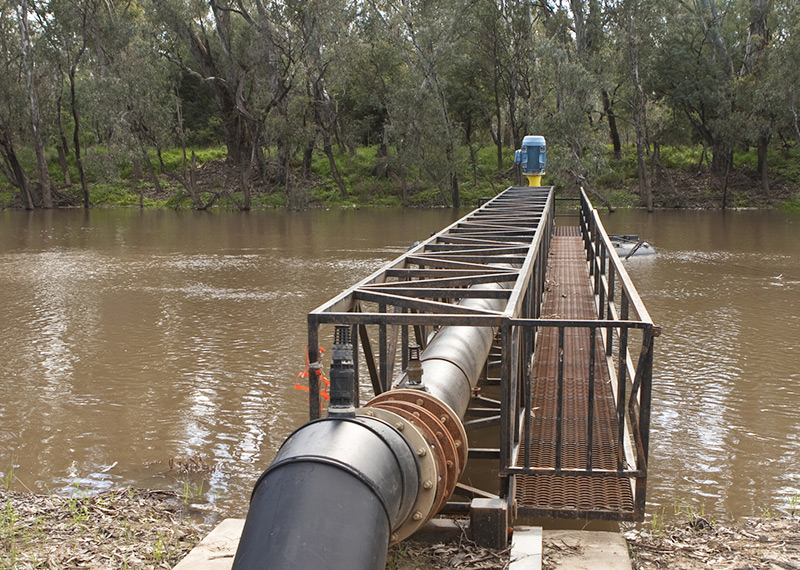
The Auditor-General undertook a limited assurance review of the Department of Agriculture and Water Resources’ assessment of the performance of New South Wales under the National Partnership Agreement on Implementing Water Reform in the Murray-Darling Basin relevant to the protection and use of environmental water for the 2014–15 and 2015–16 financial years.
Entity
Department of Agriculture and Water Resources
Contact
Please direct enquiries through our contact page.
Performance audit (Auditor-General Report No. 30 of 2018–19)

Published: Monday 18 March 2019
Published
The audit objective was to examine whether the Department of Defence has effective and efficient sustainment arrangements for the Royal Australian Navy’s fleet of eight ANZAC class frigates.
Entity
Department of Defence
Contact
Please direct enquiries through our contact page.
Performance audit (Auditor-General Report No. 29 of 2015–16)

Published: Wednesday 4 May 2016
Published
The audit objective was to assess the effectiveness of selected departments’ implementation of deregulation initiatives.
Entity
Department of the Prime Minister and Cabinet; Department of Communications and the Arts; Department of Health; Department of Industry, Innovation and Science
Contact
Please direct enquiries relating to reports through our contact page.
Performance audit (Auditor-General Report No. 6 of 2022–23)

Published: Tuesday 18 October 2022
Published
The objective of the audit was to assess the effectiveness of the implementation of the revised export control legislative framework by the Department of Agriculture, Fisheries and Forestry.
Entity
Department of Agriculture, Fisheries and Forestry
Contact
Please direct enquiries through our contact page.
Insights: Audit lessons

Published: Monday 24 June 2024
Published
The aim of Audit Lessons is to communicate lessons from our audit work and to make it easier for people working within the Australian public sector to apply those lessons.
This edition is targeted at security, information communications technology (ICT) and human resources officials responsible for managing ICT system access and the offboarding process for employees and contractors separating from an entity.
Contact
Please direct enquiries through our contact page.
Performance audit (Auditor-General Report No. 28 of 2022–23)

Published: Wednesday 31 May 2023
Published
The objective of this audit was to assess the effectiveness of Services Australia's management of social security and welfare debt.
Entity
Services Australia
Contact
Please direct enquiries through our contact page.
Request for audit
Responded: Thursday 1 July 2021
Response provided
The Auditor-General responded on 1 July 2021 to correspondence from the Hon Brendan O'Connor MP and Mr Tim Watts MP dated 5 June 2021, requesting that the Auditor-General consider initiating a performance audit into the use of provisional ICT accreditation within Defence.
Contact
Please direct enquiries relating to requests through our contact page.
Performance audit (Auditor-General Report No. 37 of 2019–20)

Published: Thursday 28 May 2020
Published
The audit objective was to assess whether the Department of Homes Affairs has appropriately managed the procurement of garrison support and welfare services for offshore processing centres in Nauru and PNG (Manus Island).
Entity
Department of Home Affairs
Contact
Please direct enquiries through our contact page.
Performance audit (Auditor-General Report No. 35 of 1996–97)
Published: Tuesday 3 June 1997
Published
The objectives of the audit were to examine the Australian Bureau of Statistics' management of the procedures and processes associated with the planning and operational aspects of the 1996 Census to ascertain: whether the results of the 1991 Census evaluations were used to improve the 1996 Census; whether the Census could be undertaken more efficiently while still yielding data of the required quality; and how privacy concerns were being satisfied by the processes employed. The scope of the audit was limited to reporting on the efficiency and effectiveness of the management by the ABS of the development, collection and initiation of the processing phases of the 1996 Census. The ANAO conducted an assessment of the procedures and processes used in the 1996 Census against the ABS performance indicators and by an examination of ABS documentation. The audit did not seek to review the ABS statistical methodology.
Entity
Australian Bureau of Statistics
Performance audit (Auditor-General Report No. 59 of 2003–04)
Published: Wednesday 30 June 2004
Published
The objective of this audit was to provide an independent assurance on the effectiveness of Defence's management of the acqusition of armoured infantry mobility vehicles (IMV) for the Australian Defence Force (ADF). The audit sought to identify the initial capability requirements; analyse the tendering and evaluation process; and examine the management of the project by Defence. As such, this was not an audit of contractor performance, but of the formation and contract management of the aquisition project by Defence.
Entity
Department of Defence
Performance audit (Auditor-General Report No. 40 of 2014–15)

Published: Wednesday 3 June 2015
Published
The audit objective was to assess the effectiveness of the Department of Veterans’ Affairs administration of the Repatriation Transport Scheme.
Entity
Department of Veterans' Affairs
Contact
Please direct enquiries relating to reports through our contact page.
Performance audit (Auditor-General Report No. 51 of 2016–17)

Published: Monday 22 May 2017
Published
The audit Administration of ABSTUDY and the audit Administration of Youth Allowance have been combined to table as one report titled Administration of ABSTUDY and Administration of Youth Allowance.
The objective of both audits was to assess the efficiency and effectiveness of the Department of Social Services’ and the Department of Human Services’ program administration.
Entity
Department of Social Services; Department of Human Services
Contact
Please direct enquiries relating to reports through our contact page.
Performance audit (Auditor-General Report No. 1 of 2004–05)
Published: Thursday 8 July 2004
Published
The audit examined the process of identifying the ADC Weston Creek property for sale and leaseback and the management of the sale process. The objective of the performance audit was to examine the efficiency and effectiveness of the management of the sale process by Defence, including assessing whether the sale and long term leaseback arrangements adequately protect the Commonwealth's interests.
Entity
Department of Defence
Performance audit (Auditor-General Report No. 10 of 2021–22)

Published: Thursday 25 November 2021
Published
The objective of the audit was to assess the effectiveness of Industry Innovation and Science Australia's, the Department of Industry, Science, Energy and Resources', and the Australian Taxation Office's administration of the Research and Development Tax Incentive program.
Entity
Australian Taxation Office; Industry Innovation and Science Australia; Department of Industry, Science, Energy and Resources
Contact
Please direct enquiries through our contact page.
Performance audit (Auditor-General Report No. 8 of 2017–18)

Published: Tuesday 19 September 2017
Published
The audit objective was to assess the effectiveness and efficiency of entities’ implementation of the Freedom of Information Act 1982.
Entity
Attorney-General’s Department; Office of the Australian Information Commissioner; Department of Social Services; Department of Veterans' Affairs
Contact
Please direct enquiries relating to reports through our contact page.