Browse our range of reports and publications including performance and financial statement audit reports, assurance review reports, information reports and annual reports.
Performance audit (Auditor-General Report No. 31 of 2006–07)
Published: Thursday 29 March 2007
Published
The objective of the audit was to assess and report on the administration of the Act by the department in terms of protecting and conserving threatened species and threatened ecological communities in Australia.
Entity
Department of the Environment and Water Resources
Performance audit (Auditor-General Report No. 14 of 2011–12)
Published: Wednesday 23 November 2011
Published
The audit objective was to assess the effectiveness of SEWPaC’s management of the IPA program in relation to the two primary targets of the IPA program under the Caring for our Country initiative (2008–13) which are to:
- expand the contribution of the IPA program to the NRS by between eight and 16 million hectares (an increase of at least 40 per cent), of which 1.8 million hectares are to be in northern and remote Australia; and
- ensure the continued use, support and reinvigoration of traditional ecological knowledge to underpin biodiversity conservation in the Plans of Management of 32 newly initiated projects.
Entity
Department of Sustainability, Environment, Water, Population and Communities
Performance audit (Auditor-General Report No. 17 of 2004–05)
Published: Wednesday 15 December 2004
Published
The objective of the Australian National Audit Office (ANAO) was to examine and report on the planning and corporate governance for the new regional delivery model of the National Action Plan for Salinity and Water Quality (NAP) program, jointly administered by the Department of Agriculture, Fisheries and Forestry and the Department of the Environment and Heritage (the Agencies)
Entity
Department of Agriculture Fisheries and Forestry; Department of the Environment and Heritage
Performance audit (Auditor-General Report No. 41 of 2010–11)
Published: Tuesday 17 May 2011
Published
The objective of the audit was to examine the effectiveness of the management of maintenance of the Defence estate, taking particular account of planning and delivery aspects.
The audit examined: Defence’s policies, procedures, processes and supporting tools related to the planning and delivery of the maintenance of the estate; and services provided to Defence by private sector firms in relation to maintenance activities. The audit did not focus on contract management matters, nor on the systems used by Defence to maintain information related to estate maintenance.
Entity
Department of Defence
Performance audit (Auditor-General Report No. 11 of 2013–14)
Published: Thursday 12 December 2013
Published
The objective of the audit was to assess the effectiveness of the delivery of the first and second funding rounds of the Filling the Research Gap program by the Department of Agriculture.
Entity
Department of Agriculture
Contact
Please direct enquiries relating to reports through our contact page.
Performance audit (Auditor-General Report No. 47 of 2008–09)
Published: Thursday 25 June 2009
Published
The objective of the audit was to examine if AFMA is effectively undertaking its regulatory compliance responsibilities in respect of domestic fishing in Commonwealth fisheries. Particular emphasis was
given to:
- the licensing of fishers and related transaction processing;
- the management of fishing quota by concession holders and AFMA; AFMA's domestic compliance monitoring and
- enforcement activities; and the governance arrangement for domestic fishing compliance.
Entity
Australian Fisheries Management Authority
Performance audit (Auditor-General Report No. 20 of 2012–13)
Published: Tuesday 5 February 2013
Published
The objective of the audit was to assess the effectiveness of the Australian Fisheries Management Authority’s administration of its Domestic Fishing Compliance Program.
Entity
Australian Fisheries Management Authority
Performance audit (Auditor-General Report No. 38 of 2013–14)
Published: Thursday 12 June 2014
Published
The objective of the audit was to assess the establishment of the National Offshore Petroleum Safety and Environmental Management Authority and the effectiveness of its regulatory function.
Entity
National Offshore Petroleum Safety and Environmental Management Authority
Contact
Please direct enquiries relating to reports through our contact page.
Performance audit (Auditor-General Report No. 37 of 2003–04)
Published: Tuesday 30 March 2004
Published
The Australian Customs Service (Customs) is responsible for managing the integrity of Australia's border. The Australian maritime border is the 200 nautical mile Exclusive Economic Zone (EEZ) around Australia's 37 000 kilometre coastline. The National Marine Unit (NMU) contributes to customs' Civil Maritime Surveillance and Response program. It has eight 35 - metre Bay Class vessels (known as Australian Customs Vessels or ACVs) that are capable of maintaining a strategic presence around the Australian coast. The audit examined the administrative effectiveness of the NMU's surveillance and response operations. Particular emphasis was given to the following areas:
- strategic and tactical taskings;
- crew operations;
- crew training;
- asset management; and
- governance arrangements.
Entity
Australian Customs Service
Performance audit (Auditor-General Report No. 27 of 2010–11)
Published: Thursday 10 February 2011
Published
The audit examined key aspects of the first four tenders for the RtB program. These tenders provided coverage across the Basin and resulted in expenditure in excess of $1 billion. The 2008–09 tenders included the largest single purchase under the program—$303 million to Twynam Agricultural Group. The audit also examined the Commonwealth's contribution to the purchase of Toorale station, the only purchase outside a tender process.
Entity
Department of Sustainability, Environment, Water, Population and Communities
Performance audit (Auditor-General Report No. 10 of 2014–15)

Published: Tuesday 9 December 2014
Published
The objective of the audit was to assess the effectiveness of the Department of the Environment’s administration of the Biodiversity Fund program.
Entity
Department of the Environment
Contact
Please direct enquiries relating to reports through our contact page.
Speeches and papers

Published: Friday 31 March 2017
Published
Grant Hehir, Auditor-General for Australia, attended the XXIII Commonwealth Auditors-General Conference in New Delhi, India, and presented a keynote speech on 22 March 2017 titled Environmental Audit: A Commonwealth Perspective.
Contact
Please direct enquiries relating to speeches through our contact page.
Speeches and papers

Published: Wednesday 8 August 2018
Published
Grant Hehir, Auditor-General for Australia, attended the 18th Meeting of INTOSAI Working Group on Environmental Auditing in Bundung Indonesia in July 2018, and presented a keynote address titled Sharing experience on auditing urban environmental management. The accompanying paper to the speech is available here.
Contact
Please direct enquiries through our contact page.
Performance audit (Auditor-General Report No. 2 of 2023–24)

Published: Wednesday 23 August 2023
Published
The objective of the audit was to assess the effectiveness of the department’s delivery of the Wildlife and Habitat Bushfire Recovery Program.
Entity
Department of Climate Change, Energy, the Environment and Water
Contact
Please direct enquiries through our contact page.
Performance audit (Auditor-General Report No. 32 of 2017–18)
Published: Monday 19 March 2018
Published
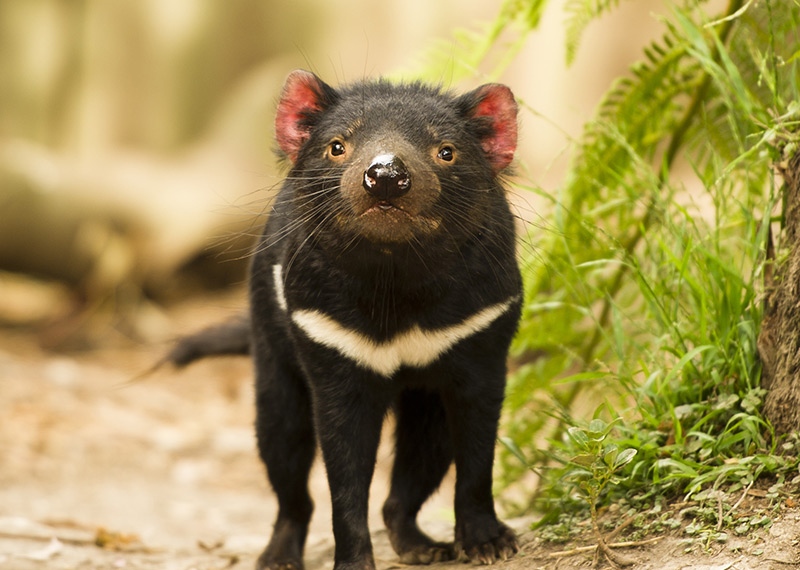
The audit objective was to assess the effectiveness of the Department of the Environment and Energy’s design of the Threatened Species Prospectus.
Entity
Department of the Environment and Energy
Contact
Please direct enquiries through our contact page.
Performance audit (Auditor-General Report No. 19 of 2021–22)

Published: Thursday 17 March 2022
Published
The audit objective was to assess the effectiveness and efficiency of the management of threatened species and ecological communities under the Environment Protection and Biodiversity Conservation Act 1999.
Entity
Department of Agriculture, Water and the Environment
Contact
Please direct enquiries through our contact page.
Performance audit (Auditor-General Report No. 27 of 2016–17)

Published: Thursday 24 November 2016
Published
The objective of the audit was to assess the effectiveness of the Department of the Environment and Energy's design and implementation of the Reef Trust.
Entity
Department of the Environment and Energy
Contact
Please direct enquiries relating to reports through our contact page.
Performance audit (Auditor-General Report No. 47 of 2019–20)

Published: Thursday 25 June 2020
Published
The objective of this audit was to assess the effectiveness of the Department of Agriculture, Water and the Environment’s administration of referrals, assessments and approvals of controlled actions under the Environment Protection and Biodiversity Conservation Act 1999.
Entity
Department of Agriculture, Water and the Environment
Contact
Please direct enquiries through our contact page.
Performance audit (Auditor-General Report No. 49 of 2018–19)

Published: Friday 21 June 2019
Published
The objective of this audit was to assess the effectiveness of the Director of National Parks’ management of Australia’s six Commonwealth national parks.
Entity
Department of the Environment and Energy; Director of National Parks
Contact
Please direct enquiries through our contact page.
Performance audit (Auditor-General Report No. 9 of 2021–22)
Published: Wednesday 24 November 2021
Published
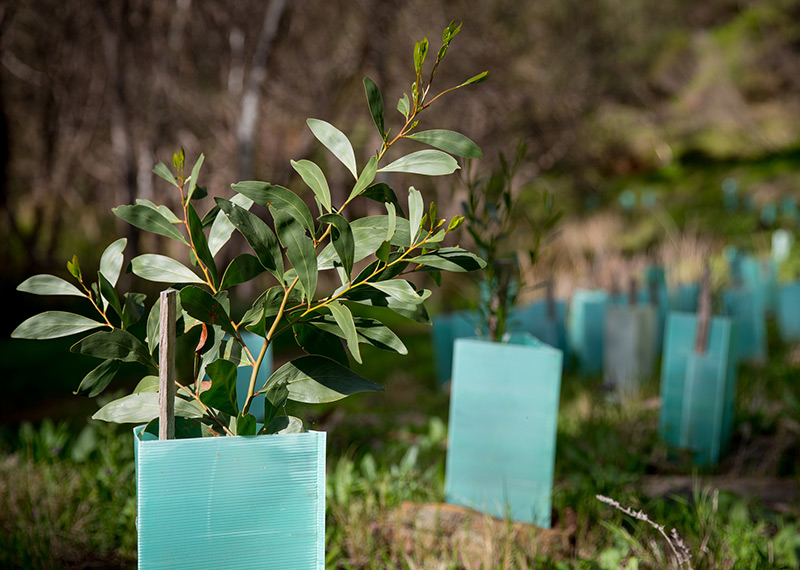
The objective of the audit was to examine the Department of Agriculture, Water and the Environment’s effectiveness in implementing the Regional Land Partnerships program.
Entity
Department of Agriculture, Water and the Environment
Contact
Please direct enquiries through our contact page.
Corporate
Published: Thursday 24 October 2019
Published
This is the second e-newsletter of the Commonwealth Auditors General Group. These e-newsletters are a genuine effort to share experiences, challenges and engage in thought-provoking discussions on topics which are common to the fifty-three member countries of the Commonwealth.
Contact
If you have any thoughts on future technical content which you would like to propose, please contact international@nao.gsi.gov.uk
Performance audit (Auditor-General Report No. 27 of 2023–24)

Published: Monday 20 May 2024
Published
The objective of this audit was to examine the effectiveness of the design and early implementation of the National Soil Strategy and the supporting National Soil Action Plan.
Entity
Department of Agriculture, Fisheries and Forestry
Contact
Please direct enquiries through our contact page.
Performance audit (Auditor-General Report No. 4 of 2016–17)

Published: Wednesday 31 August 2016
Published
The audit objective was to assess the effectiveness of the Department of the Environment and Energy's award of funding under the 20 Million Trees Programme.
Entity
Department of the Environment and Energy
Contact
Please direct enquiries relating to reports through our contact page.
Performance audit (Auditor-General Report No. 7 of 2015–16)
Published: Tuesday 10 November 2015
Published
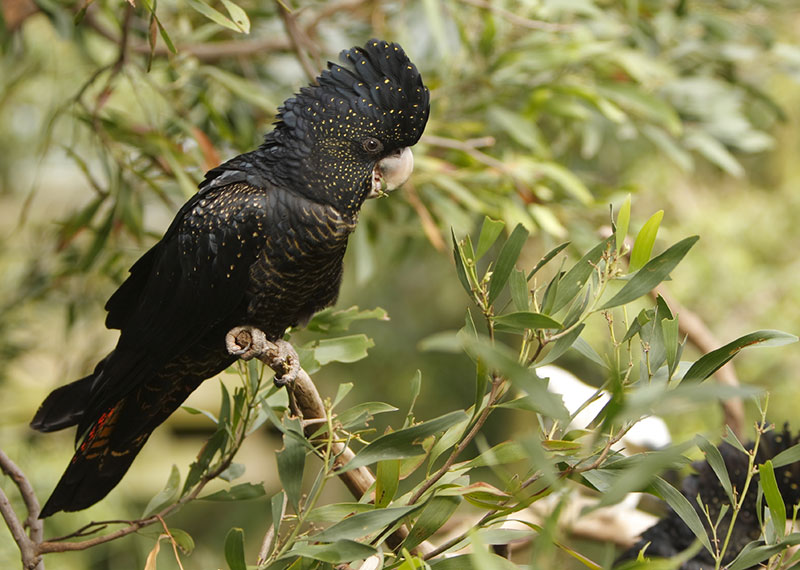
The audit objective was to assess the effectiveness of the Department of the Environment’s and the Australian Customs and Border Protection Service’s management of compliance with the wildlife trade regulations under Part 13A of the Environment Protection and Biodiversity Conservation Act 1999.
Entity
Department of the Environment; Department of Immigration and Border Protection
Contact
Please direct enquiries relating to reports through our contact page.
Performance audit (Auditor-General Report No. 5 of 2025–26)

Published: Monday 10 November 2025
Published
The audit objective was to assess the effectiveness of the Office’s management of official residences and other assets.
Entity
Office of the Official Secretary to the Governor-General
Contact
Please direct enquiries through our contact page.
Performance audit (Auditor-General Report No. 33 of 2017–18)

Published: Wednesday 28 March 2018
Published
The objective of the audit was to continue to examine the progress of the implementation of the annual performance statements requirements under the PGPA Act and the PGPA Rule by the selected entities. The audit was also designed to:
- provide insights to entities more broadly, to encourage improved performance; and
- continue the development of the ANAO’s methodology to support the possible future implementation of annual audits of performance statements.
Entity
Across Entities
Contact
Please direct enquiries through our contact page.
Performance audit (Auditor-General Report No. 44 of 2020–21)

Published: Thursday 17 June 2021
Published
The audit objective was to examine the effectiveness of the Great Barrier Reef Marine Park Authority’s regulation of permits and approvals, including its implementation of recommendations from Auditor-General Report No.3 of 2015–16 Regulation of Great Barrier Reef Marine Park Permits and Approvals.
Entity
Great Barrier Reef Marine Park Authority
Contact
Please direct enquiries through our contact page.
Performance audit (Auditor-General Report No. 3 of 2015–16)
Published: Thursday 13 August 2015
Published
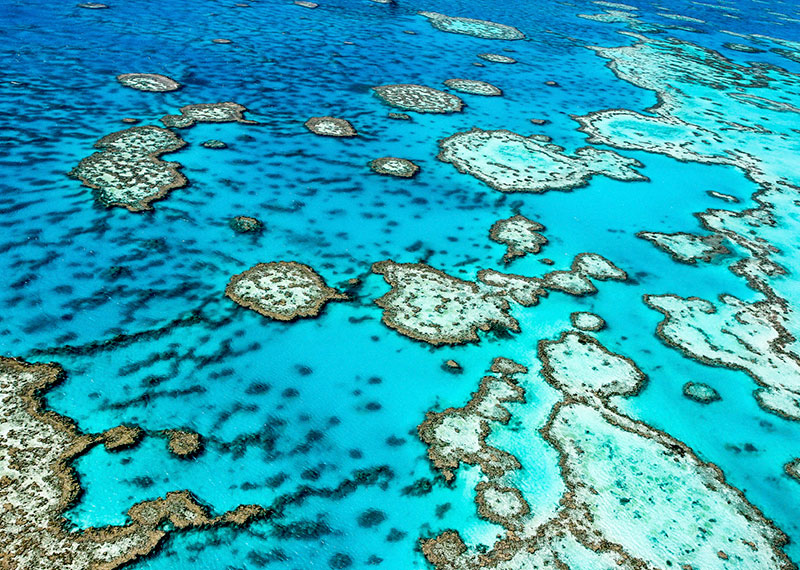
The objective of this audit was to assess the effectiveness of the Great Barrier Reef Marine Park Authority’s regulation of permits and approvals within the Great Barrier Reef Marine Park.
Entity
Great Barrier Reef Marine Park Authority
Contact
Please direct enquiries relating to reports through our contact page.
Annual report
Published: Thursday 26 August 2021
Published
This annual report documents the performance of the Australian National Audit Office (ANAO) in the financial year ended 30 June 2021. The report addresses all applicable obligations under the Public Governance, Performance and Accountability Act 2013; the Public Governance, Performance and Accountability Rule 2014; the Auditor-General Act 1997; the performance measures set out in the outcome and programs framework in the ANAO’s Portfolio Budget Statements 2020–21 and the ANAO Corporate Plan 2020–21; and annual reporting requirements set out in other relevant legislation.
Contact
Please direct enquiries relating to annual reports through our contact page.
Performance audit (Auditor-General Report No. 17 of 2022–23)

Published: Monday 3 April 2023
Published
The objective of this audit is to assess the effectiveness of the design and implementation of the Department of Agriculture, Water and the Environment’s cultural reform program prior to the July 2022 Machinery of Government changes.
Entity
Department of Agriculture, Fisheries and Forestry
Contact
Please direct enquiries through our contact page.
Performance audit (Auditor-General Report No. 22 of 2018–19)
Published: Wednesday 16 January 2019
Published
The objective of the audit was to assess whether the award of a $443.3 million grant to the Great Barrier Reef Foundation was informed by appropriate departmental advice and through processes that complied with the grants administration framework.
Entity
Department of the Environment and Energy
Contact
Please direct enquiries through our contact page.
Annual report
Published: Monday 4 September 2017
Published
This annual report documents the performance of the Australian National Audit Office (ANAO) in the financial year ending on 30 June 2017. The report addresses all applicable obligations under the Public Governance, Performance and Accountability Act 2013 (PGPA Act); the Public Governance, Performance and Accountability Rule 2014 (PGPA Rule); the Auditor-General Act 1997; the performance measures set out in the outcome and programs framework in the ANAO’s 2016–17 Portfolio Budget Statements (PBS) and the ANAO 2016–20 Corporate Plan and annual reporting requirements set out in other relevant legislation.
Contact
Please direct enquiries relating to annual reports through our contact page.
Performance audit (Auditor-General Report No. 39 of 2016–17)

Published: Monday 27 February 2017
Published
The audit objective was to assess the establishment and administration of the Australian Border Force’s framework to ensure the lawful exercise of powers in accordance with applicable legislation.
Entity
Department of Immigration and Border Protection
Contact
Please direct enquiries relating to reports through our contact page.
Annual report
Published: Wednesday 14 September 2016
Published
This annual report documents the performance of the Australian National Audit Office (ANAO) in the financial year ending 30 June 2016. It addresses all applicable obligations under the Public Governance, Performance and Accountability Act 2013 and the Auditor-General Act 1997, the performance measures set out in the outcome and programs framework in the ANAO’s 2015–16 Portfolio Budget Statements and the ANAO’s 2015–19 Corporate Plan and annual reporting requirements set out in other legislation.
Contact
Please direct enquiries relating to annual reports through our contact page.
Annual report
Published: Wednesday 14 August 2019
Published
This annual report documents the performance of the Australian National Audit Office (ANAO) in the financial year ended on 30 June 2019. The report addresses all applicable obligations under the Public Governance, Performance and Accountability Act 2013; the Public Governance, Performance and Accountability Rule 2014; the Auditor-General Act 1997; the performance measures set out in the outcome and programs framework in the ANAO’s Portfolio Budget Statements 2018–19 and the ANAO Corporate Plan 2018–19, and annual reporting requirements set out in other relevant legislation.
Contact
Please direct enquiries relating to annual reports through our contact page.
Performance audit (Auditor-General Report No. 6 of 2025–26)

Published: Wednesday 19 November 2025
Published
The objective of the audit was to assess whether the Department of Climate Change, Energy, the Environment and Water is effectively managing the delivery of the program to achieve program outcomes.
Entity
Department of Climate Change, Energy, the Environment and Water
Contact
Please direct enquiries through our contact page.
Annual report
Published: Tuesday 14 August 2018
Published
This annual report documents the performance of the Australian National Audit Office (ANAO) in the financial year ending on 30 June 2018. The report addresses all applicable obligations under the Public Governance, Performance and Accountability Act 2013 (PGPA Act); the Public Governance, Performance and Accountability Rule 2014 (PGPA Rule); the Auditor-General Act 1997; the performance measures set out in the outcome and programs framework in the ANAO’s 2017–18 Portfolio Budget Statements (PBS) and the ANAO 2017–18 Corporate Plan and annual reporting requirements set out in other relevant legislation.
Contact
Please direct enquiries relating to annual reports through our contact page.
Performance audit (Auditor-General Report No. 38 of 2002–03)
Published: Thursday 10 April 2003
Published
The audit reviewed the administration of referrals, assessments and approvals processes under the Environment Protection and Biodiversity Conservation Act 1999. The objective of the audit was to examine and report on the quality and timeliness of environmental assessments and approvals under the Act, as well as on Environment Australia's activities to ensure compliance with the Act.
Entity
Across Agency
Performance audit (Auditor-General Report No. 36 of 1996–97)
Published: Thursday 5 June 1997
Published
The audit covered major program elements within the Department of Primary Industries and Energy and Environment Australia that are managed:
- directly by DPIE or Environment Australia;
- through the One-Stop-Shop project assessment process administered by the States/Territories; or
- by non-government organisations.
The purpose of the audit was to examine and benchmark the administrative processes established for these programs. The primary focus of the audit was to draw on the best elements of past practice (particularly in relation to programs involving the One-Stop-Shop) and highlight any shortcomings so that the risks to program effectiveness and accountability could be addressed in the implementation of the Natural Heritage Trust.
Entity
Across Agency
Performance audit (Auditor-General Report No. 43 of 2000–01)
Published: Friday 1 June 2001
Published
The audit examined the design, management and reporting of performance information for the Natural Heritage Trust (NHT) which is administered by the Commonwealth Departments of Environment and Heritage, and Agriculture, Fisheries and Forestry. The objective of the audit was to examine and report on the performance information used to support the administration of $1.5 billion in Commonwealth financial assistance; and compliance with legislative requirements for performance monitoring and reporting.
Entity
Agriculture Fisheries and Forestry - Australia; Department of the Environment and Heritage; Department of Agriculture
Performance audit (Auditor-General Report No. 21 of 2007–08)
Published: Thursday 7 February 2008
Published
The objective of this audit was to assess and report on the administration of the regional delivery of NHT 2 and the NAP.
The scope of the audit encompassed both Environment and DAFF, including the Joint Team of staff from both departments working together under a common management structure for the delivery of both programs. The audit focused on:
- the implementation of the regional delivery arrangements;
- governance and financial management for regional delivery; and
- monitoring, evaluation and reporting on the programs' performance.
Entity
Department of the Environment, Water, Heritage and the Arts; Department of Agriculture, Fisheries and Forestry
Performance audit (Auditor-General Report No. 49 of 2001–02)
Published: Monday 13 May 2002
Published
The audit reviewed Commonwealth National Parks involving total assets of $105 million with net operating costs of $41.77 million. Nineteen Commonwealth reserves are declared comprising six terrestrial national parks, one botanic garden and twelve marine parks and reserves totalling some 23 million hectares across Australia, its external territories and Commonwealth marine areas. The objective of the audit was to examine and report on the adequacy of the planning, management and reporting systems which support the Director of National Parks in the achievement of required functions under relevant legislation and agreed outputs and outcomes.
Entity
Department of the Environment and Heritage
Performance audit (Auditor-General Report No. 43 of 2013–14)
Published: Wednesday 18 June 2014
Published
The objective of the audit was to assess the effectiveness of the Department of the Environment’s regulation of proponents’ compliance with Part 9 of the Environment Protection and Biodiversity Conservation Act 1999.
Entity
Department of the Environment
Contact
Please direct enquiries relating to reports through our contact page.
Performance audit (Auditor-General Report No. 29 of 2020–21)

Published: Monday 22 February 2021
Published
The objective of this audit was to assess whether the National Library of Australia and National Film and Sound Archive (NFSA) have implemented effective collection management practices.
Entity
Department of Infrastructure, Transport, Regional Development and Communications; National Film and Sound Archive; National Library of Australia
Contact
Please direct enquiries through our contact page.
Performance audit (Auditor-General Report No. 8 of 2003–04)
Published: Monday 20 October 2003
Published
The audit is a follow-up of ANAO Audit Report No.33 of 1997-98, which assessed the effectiveness and efficiency of the Commonwealth's management of the Great Barrier Reef and made seven recommendations for improvement. The objective of the follow-up audit was to assess the extent to which the Great Barrier Reef Marine Park Authority, which is responsible for advising the Commonwealth on the care and developement of the Marine Park, has implemented the recommendations of the earlier audit.
Entity
The Great Barrier Reef Marine Park Authority
Performance audit (Auditor-General Report No. 38 of 2024–25)

Published: Wednesday 28 May 2025
Published
The audit objective was to assess the effectiveness of the framework in place to have a regulatory Ministerial Statement of Expectations and a responding Statement of Intent in place.
Entity
Across Entities
Contact
Please direct enquiries through our contact page.
Annual report
Published: Wednesday 19 September 2007
Published
This annual report documents the performance of the Australian National Audit Office (ANAO) in the financial year ending on 30 June 2007. It includes highlights and areas of focus for the coming year; a forward by the Auditor-General; an overview of the report; a report on performance; details about management and accountability, and the financial statement for the year.
Annual report
Published: Wednesday 30 September 2015
Published
This annual report documents the performance of the Australian National Audit Office (ANAO) in the financial year ending on 30 June 2015. It addresses the Requirements for Annual Reports for Departments, Executive Agencies and Other Non‑corporate Commonwealth Entities approved by the Joint Committee of Public Accounts and Audit in June 2015; the performance measures set out in the outcome and programs framework in the 2014–15 Portfolio Budget Statements; section 28 of the Auditor‑General Act 1997; and other annual reporting requirements set out in legislation.
Performance audit (Auditor-General Report No. 41 of 2002–03)
Published: Wednesday 7 May 2003
Published
Since 2000, there has been a requirement under the Environment Protection and Biodiversity Conservation Act 1999 (EPBC Act) for Commonwealth agencies to report annually on their environmental performance as well as their contribution to Ecologically Sustainable Development (ESD). The audit objective was to examine and report on the quality of Commonwealth agencies' annual reports on ESD and environment performance. The audit reviewed current practice in light of legal requirements, and provided examples of better practice.
Entity
Across Agency
Performance audit (Auditor-General Report No. 25 of 2008–09)
Published: Wednesday 11 March 2009
Published
The objective of this audit was to assess and report on the progress being made by Government agencies in achieving better practice in green office procurement and sustainable office management. The scope of the audit included agencies incorporated under the Financial Management and Accountability Act 1997 as well as a sample of bodies incorporated under the Commonwealth Authorities and Companies Act 1997. Sixty-three agencies were included in an audit survey. Detailed validation was carried out in nine of these agencies.
Entity
Across Entities
Performance audit (Auditor-General Report No. 15 of 2008–09)
Published: Thursday 18 December 2008
Published
The objective of the audit was to assess the effectiveness of AIMS administration of its co investment research program.
Entity
Australian Institute of Marine Science
Annual report
Published: Monday 28 September 2020
Published
This annual report documents the performance of the Australian National Audit Office (ANAO) in the financial year ended 30 June 2020. The report addresses all applicable obligations under the Public Governance, Performance and Accountability Act 2013; the Public Governance, Performance and Accountability Rule 2014; the Auditor-General Act 1997; the performance measures set out in the outcome and programs framework in the ANAO's Portfolio Budget Statements 2019–20 and the ANAO Corporate Plan 2019–20; and annual reporting requirements set out in other relevant legislation.
Contact
Please direct enquiries relating to annual reports through our contact page.
Financial statement audit (Auditor-General Report No. 44 of 2014–15)

Published: Friday 5 June 2015
Published
This report outlines the ANAO’s assessment of the internal controls of major entities, including governance arrangements, information systems and control procedures. The findings summarised in this report are the results of the interim phase of the financial statement audits of 23 major General Government Sector entities that represent some 95 per cent of total General Government Sector revenues and expenses.
Entity
Across Entities
Contact
Please direct enquiries relating to reports through our contact page.
Performance audit (Auditor-General Report No. 38 of 2016–17)

Published: Tuesday 14 February 2017
Published
The objective of this audit was to assess whether appropriate steps were taken to protect the Commonwealth's interests and obtain value for money in respect to the $3.5 billion in Commonwealth funding committed to the NSW Government for the WestConnex project.
Entity
Department of Infrastructure and Regional Development; Infrastructure Australia
Contact
Please direct enquiries relating to reports through our contact page.
Annual report
Published: Tuesday 7 October 2003
Published
This annual report documents the performance of the Australian National Audit Office (ANAO) in the financial year ending on 30 June 2003. It includes a comment by the Auditor-General; an overview of the report; a report on performance; details about management and accountability, and the financial statement for the year.
Performance audit (Auditor-General Report No. 6 of 2001–02)
Published: Thursday 9 August 2001
Published
This follow-up audit reviewed the operations of the Australian Fisheries Management Authority (AFMA) which is responsible for ensuring the sustainable use and efficient management of Commonwealth fisheries resources. The objective of this follow-up audit was to assess the extent to which AFMA addressed the issues that gave rise to the recommendations of ANAO Report No.32 1995-96, and the related recommendations of the House of Representatives Standing Committee Report 1997, that were supported by the Government.
The follow-up audit focussed on the key issues identified in the recommendations and grouped these in the themes of:
- strategic and performance management;
- management of the advisory process;
- implementation of fisheries management methods;
- managing AFMA's environmental responsibilities as they relate to Commonwealth fisheries
management; - compliance, monitoring and enforcement responsibilities; and
- management of information and research.
Entity
Australian Fisheries and Management Authority
Performance audit (Auditor-General Report No. 42 of 1997–98)
Published: Monday 11 May 1998
Published
In the light of the concerns raised by the Leader of the Opposition and some other Members of Parliament about the allocation of financial assistance approved under the NHT, it was decided to undertake preliminary inquiries. The inquiries focussed on the transparency and rigour of the decision-making process for projects approved for NHT funding.
Entity
Across Agency
Annual report
Published: Tuesday 30 September 2014
Published
This annual report documents the performance of the Australian National Audit Office (ANAO) in the financial year ending on 30 June 2014. It addresses the Requirements for Annual Reports for Departments, Executive Agencies and FMA Act Bodies approved by the Joint Committee of Public Accounts and Audit in May 2014; the performance measures set out in the outcome and programs framework in the 2013–14 Portfolio Budget Statements; section 28 of the Auditor-General Act 1997; and other annual reporting requirements provided for in legislation.
Performance audit (Auditor-General Report No. 14 of 2016–17)
Published: Monday 12 September 2016
Published
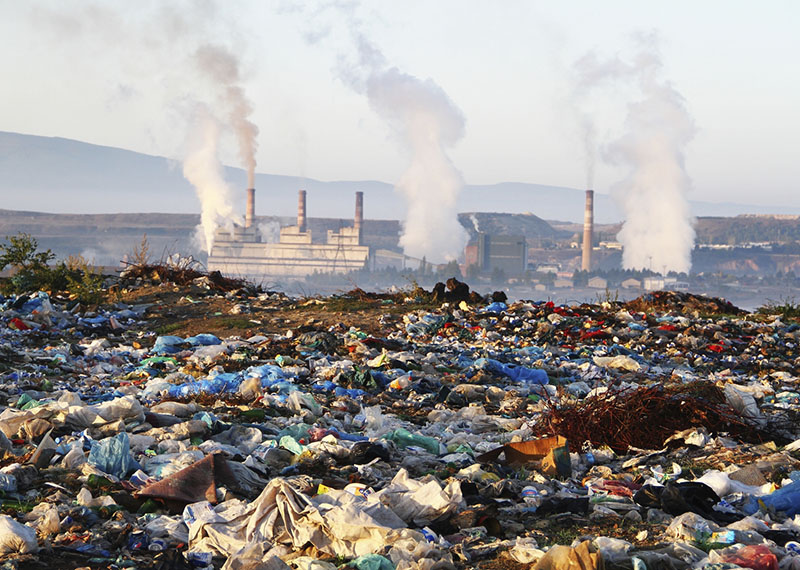
The objective of the audit was to assess the effectiveness of the Clean Energy Regulator’s crediting and selection of carbon abatement to purchase under the Emissions Reduction Fund.
Entity
Clean Energy Regulator
Contact
Please direct enquiries relating to reports through our contact page.
Performance audit (Auditor-General Report No. 22 of 2005–06)
Published: Thursday 22 December 2005
Published
The objective of the audit was to assess and report on the progress being made by agencies subject to the Financial Management & Accountability Act 1997 and entities subject to the Commonwealth Authorities & Companies Act 1997: in realising value for money from the procurement process, with a specific focus on buildings, services and products using whole of life cycle assessments; and in the consideration and management of environmental impacts in specifications and contracts. The emphasis of the audit was on green office procurement and sustainable business practices and the value for money within this context. As such, the audit report provides a status report on the implementation of ESD within the office environment of the Australian Government. The audit used a survey approach in conjunction with selected audit investigations to obtain information across 71 agencies and entities selected on the basis of materiality in procurement and coverage across large, medium and small organisations. The agencies selected represented approximately 35 per cent of all government bodies and over 95 per cent of all procurement spending noted on the Department of Finance and Administration (Finance) database on contracts.
Entity
across agency