Browse our range of reports and publications including performance and financial statement audit reports, assurance review reports, information reports and annual reports.
Speeches and papers
Published: Monday 26 March 2001
Published
Mr P.J. Barrett (AM) - Auditor-General for Australia, presented at the Institute of Internal Auditors Australia. South Pacific and Asia Conference SOPAC 2001, Melbourne
Annual report
Published: Thursday 25 August 2022
Published
This annual report documents the performance of the Australian National Audit Office (ANAO) in the financial year ended 30 June 2022. The report addresses all applicable obligations under the Public Governance, Performance and Accountability Act 2013; the Public Governance, Performance and Accountability Rule 2014; the Auditor-General Act 1997; the performance measures set out in the outcome and programs framework in the ANAO’s Portfolio Budget Statements 2021–22 and the ANAO Corporate Plan 2021–22; and annual reporting requirements set out in other relevant legislation.
Contact
Please direct enquiries through our contact page.
Performance audit (Auditor-General Report No. 7 of 2017–18)

Published: Tuesday 22 August 2017
Published
The audit objective was to determine whether selected grant programs are being administered efficiently by the Australia Council in relation to suitable comparators. The selected grant programs are collectively known as the Australia Council Grants Program.
Entity
Australia Council; Department of Social Services; National Health and Medical Research Council
Contact
Please direct enquiries relating to reports through our contact page.
Speeches and papers
Published: Thursday 14 February 2002
Published
Mr P.J. Barrett (AM) - Auditor-General for Australia, presented at the Global Working Group Meeting, Wellington, New Zealand
Performance audit (Auditor-General Report No. 14 of 2007–08)
Published: Thursday 15 November 2007
Published
The audit objective was to assess whether the Regional Partnerships Programme has been effectively managed by DOTARS, including the processes by which:
- applications are sought, received and assessed;
- Funding Agreements with grant recipients are developed and managed; and
- the achievement of project and programme outcomes is monitored and assessed.
Entity
Department of Transport and Regional Services
Speeches and papers
Published: Friday 13 October 1995
Published
Mr P.J. Barrett (AM) - Auditor-General for Australia, presented to the International Consortium on Governmental Financial Management - Washington
Speeches and papers
Published: Thursday 18 October 2001
Published
Mr P.J. Barrett (AM) - Auditor-General for Australia, presented to the Senior Staff of the Board of Audit - Tokyo, Japan
Speeches and papers
Published: Monday 2 August 2004
Published
Mr P.J. Barrett (AM) - Auditor-General for Australia, address presented at the Australian National University
Speeches and papers
Published: Thursday 11 January 2001
Published
Mr P.J. Barrett (AM) - Auditor-General for Australia, presented at the Global Working Group Meeting, Washington
Corporate
Published: Friday 1 December 2023
Published
The ANAO regards integrity as a core value of the organisation — critical in sustaining the confidence of Parliament, strengthening public trust in government and delivering quality audit products. Maintaining strong institutional integrity is critical to the operations and reputation of the ANAO.
The ANAO Integrity Framework provides an overarching structure to the integrity control system, supporting our institution’s integrity. The framework serves to assist in ethical decision making and risk, fraud and misconduct management.
Beyond its control system, the ANAO maintains an enduring focus on promoting integrity as a value that is embedded in our work and culture. The ANAO recognises that integrity demands quality not only in our products but also in the behaviours of our people.
The ANAO Integrity Advisor supports the effective and ongoing application of the Integrity Framework by providing advice to staff regarding integrity matters. The Integrity Advisor is responsible for increasing integrity awareness across the organisation and for reporting annually to the ANAO Executive Board of Management on actions taken under the Framework. The Auditor-General has published the ANAO Integrity Framework and Report for 2022–23 to provide increased transparency of the measures we undertake to maintain a high-integrity culture in the ANAO.
Contact
Please direct enquiries through our contact page.
Performance audit (Auditor-General Report No. 38 of 2006–07)
Published: Wednesday 23 May 2007
Published
The audit objective was to assess the effectiveness of DoHA's management of CACPs in fulfilling the legislated objectives of the program.
Entity
NO-DEPTS-LISTED
Financial statement audit (Auditor-General Report No. 26 of 2022–23)
Published: Thursday 25 May 2023
Published
This report is the first of two reports each year and focuses on the results of the interim audits, including an assessment of entities’ key internal controls, supporting the 2022–23 financial statements audits. This report examines 27 entities, including all departments of state and a number of major Australian government entities. The majority of entities included in the report are selected on the basis of their contribution to the income, expenses, assets and liabilities of the 2021–22 Consolidated Financial Statements.
Contact
Please direct enquiries through our contact page.
Performance audit (Auditor-General Report No. 10 of 2007–08)
Published: Wednesday 17 October 2007
Published
The audit objective was to assess how four key departments: Education, Science and Training (DEST); Employment and Workplace Relations (DEWR); Families, Community Services and Indigenous Affairs (FaCSIA); and Health and Ageing (DoHA) are implementing the Government's policy objective for Indigenous service delivery.
Entity
NO-DEPTS-LISTED
Performance audit (Auditor-General Report No. 9 of 2022–23)

Published: Wednesday 14 December 2022
Published
The objective of this audit was to examine the effectiveness of selected non-corporate Commonwealth entities' arrangements for managing cyber security risks within their procurements and specific contracted providers under the Protective Security Policy Framework (PSPF).
Entity
Australian Federal Police; Australian Taxation Office; Department of Foreign Affairs and Trade
Contact
Please direct enquiries through our contact page.
Performance audit (Auditor-General Report No. 40 of 1998–99)
Published: Monday 24 May 1999
Published
The Pharmaceutical Industry Investment Program (PIIP) is a scheme that was introduced to compensate the pharmaceutical industry, in part, for the impact of the Government exercising its monopsony power under the Pharmaceutical Benefits Scheme. The ANAO undertook an audit of the probity of the methodology and procedures applied by the Department in assessment of applicants for PIIP funding. The objectives of the audit were to assist the Department, at its request, in the timely identification of deficiencies in assessing responses from applicants and options for addressing any such deficiencies.
Entity
Department of Industry, Science and Resources
Performance audit (Auditor-General Report No. 35 of 2017–18)

Published: Tuesday 17 April 2018
Published
The audit objective was to examine entity compliance with regulatory requirements for the establishment and ongoing management of special appropriations.
Entity
Department of Finance; Department of Social Services; Department of Industry, Innovation and Science; Department of Human Services
Contact
Please direct enquiries through our contact page.
Performance audit (Auditor-General Report No. 21 of 2007–08)
Published: Thursday 7 February 2008
Published
The objective of this audit was to assess and report on the administration of the regional delivery of NHT 2 and the NAP.
The scope of the audit encompassed both Environment and DAFF, including the Joint Team of staff from both departments working together under a common management structure for the delivery of both programs. The audit focused on:
- the implementation of the regional delivery arrangements;
- governance and financial management for regional delivery; and
- monitoring, evaluation and reporting on the programs' performance.
Entity
Department of the Environment, Water, Heritage and the Arts; Department of Agriculture, Fisheries and Forestry
Performance audit (Auditor-General Report No. 35 of 2024–25)
Published: Monday 26 May 2025
Published
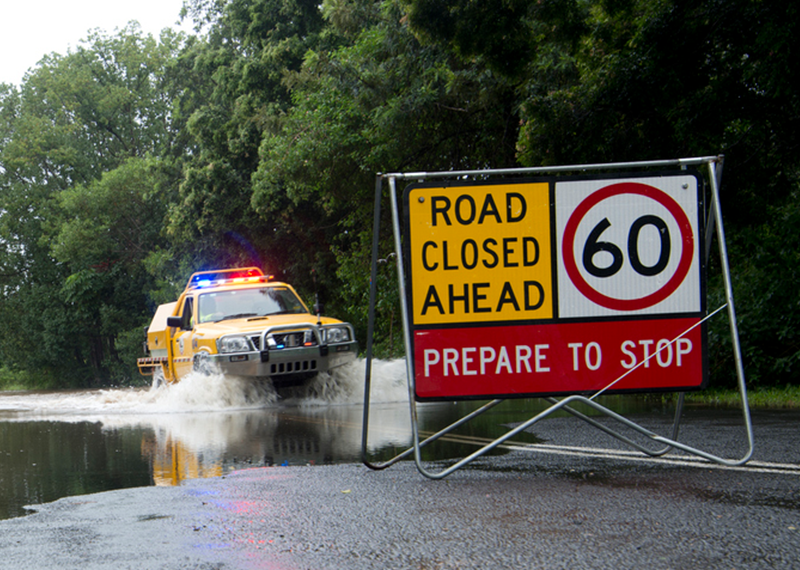
The objective of this audit was to assess whether the award of funding under the Disaster Ready Fund was effective and consistent with the published guidelines.
Entity
National Emergency Management Agency
Contact
Please direct enquiries through our contact page.
Performance audit (Auditor-General Report No. 40 of 2007–08)
Published: Wednesday 11 June 2008
Published
The objective of this audit was to assess the Tax Office's implementation of the nine recommendations of Audit Report No.19 2004–05 Taxpayers' Charter, having regard to any changed circumstances affecting the implementation of the recommendations. This involved an examination of the Tax Office's:
- systems and processes used to develop, maintain and update the Charter;
- strategic commitment to implementing the principles of the Charter;
- integration of Charter principles with its business processes;
- systems for resolving disputes according to Charter principles; and
- monitoring and reporting of its performance against commitments in the Charter.
Entity
Australian Taxation Office
Performance audit (Auditor-General Report No. 8 of 2010–11)
Published: Thursday 23 September 2010
Published
The audit examined the effectiveness of DEEWR's administrative arrangements supporting the delivery of Indigenous childcare services through MACS and crèches, including the approaches DEEWR uses to monitor the achievement of the BBF sub-program objective.
In conducting the audit, the Australian National Audit Office (ANAO) reviewed three key areas:
- program administration—DEEWR's administrative systems and processes supporting the delivery of Indigenous childcare services through MACS and crèches and the broader BBF sub-program;
- management of service provider funding agreements—DEEWR's systems and processes for managing MACS and crèche service providers' funding agreements; and
- monitoring and reporting performance—the effectiveness of DEEWR's processes for monitoring the performance of service providers, and the achievement of the outputs and outcomes of the BBF sub-program.
The ANAO sought not to duplicate the work of DEEWR's Internal Audit function, and in doing so referred to the findings of the recent internal audit review of the CCSSP, where these were relevant and appropriate.
Entity
Department of Education, Employment and Workplace Relations
Performance audit (Auditor-General Report No. 18 of 2012–13)
Published: Wednesday 30 January 2013
Published
The objective of the audit was to assess the effectiveness of FaHCSIA’s administration of Communities for Children under the Family Support Program.
Entity
Department of Families, Housing, Community Services and Indigenous Affairs
Performance audit (Auditor-General Report No. 42 of 2019–20)

Published: Friday 19 June 2020
Published
The objective of this audit was to assess the effectiveness of the Department of Foreign Affairs and Trade's fraud control arrangements.
Entity
Department of Foreign Affairs and Trade
Contact
Please direct enquiries through our contact page.
Performance audit (Auditor-General Report No. 44 of 2019–20)

Published: Tuesday 23 June 2020
Published
The objective of this audit was to assess the effectiveness of the Department of Social Services' fraud control arrangements.
Entity
Department of Social Services
Contact
Please direct enquiries through our contact page.
Performance audit (Auditor-General Report No. 7 of 2002–03)
Published: Monday 16 September 2002
Published
In 1997-98, the ANAO audited the Child Support Agency (CSA), making 12 recommendations to improve its operational performance. A related report by the Joint Committee of Public Accounts and Audit supported the general findings of the ANAO audit and reinforced three ANAO recommendations in its own report. The audit examined client service in the CSA by following-up the CSA's implementation of the recommendations contained in these two previous reports and more broadly assessing whether the CSA had improved the management and delivery of its client service sine the previous ANAO audit.
Entity
Department of Family and Community Services
Performance audit (Auditor-General Report No. 43 of 2010–11)
Published: Wednesday 25 May 2011
Published
The objective of the audit was to examine whether the UP and CPP services provided by the Australian Federal Police Protection Service are being managed effectively. In particular, the audit examined:
- whether the Protection function has been effectively integrated into the AFP, and sound arrangements are in place to strategically plan Protection services and manage risks;
- whether Protection staff have access to appropriate training and guidance; and
- the management arrangements for UP and CPP services.
Entity
Australian Federal Police
Performance audit (Auditor-General Report No. 43 of 2019–20)

Published: Monday 22 June 2020
Published
The objective of this audit was to assess the effectiveness of the Department of Home Affairs' fraud control arrangements.
Entity
Department of Home Affairs
Contact
Please direct enquiries through our contact page.
Performance audit (Auditor-General Report No. 28 of 2003–04)
Published: Thursday 12 February 2004
Published
The report summarises performance audit, financial statement audit and other related activities for the ANAO for the period July to December 2003. The key issues arising from performance audits tabled in this period are summarised against the ANAO themes. The report also summarises financial audits and other financial audit activities conducted by the ANAO during the period July to December 2003. It discusses significant issues such as the: consolidated financial statements and the final budget outcome; harmonisation of Australian Generally accepted accounting practices and Government Finance Statistics; adoption of International Financial Reporting Standards; timing for Financial Statements Preparation; and the audit of the CFS 2002-03.
Entity
ANAO
Performance audit (Auditor-General Report No. 16 of 2021–22)

Published: Monday 14 February 2022
Published
The objective of this audit was to assess whether the award of funding under the Safer Communities Fund was effective and consistent with the Commonwealth Grant Rules and Guidelines.
Entity
Department of Home Affairs; Department of Industry, Science, Energy and Resources
Contact
Please direct enquiries through our contact page.
Performance audit (Auditor-General Report No. 7 of 2024–25)

Published: Wednesday 23 October 2024
Published
The objective of the audit was to assess the effectiveness of the Department of Health and Aged Care’s fraud control arrangements, with a specific focus on the Indigenous Australians’ Health Programme.
Entity
Department of Health and Aged Care
Contact
Please direct enquiries through our contact page.
Performance audit (Auditor-General Report No. 28 of 2010–11)
Published: Tuesday 15 February 2011
Published
The objective of the audit was to assess if DBCDE had effectively managed the ABG program, and the extent to which the program was achieving its stated objectives. The audit examined DBCDE's activities supporting the planning, implementation, monitoring and performance reporting for the ABG program from its commencement in April 2007 to June 2010.
Entity
Department of Broadband, Communications and the Digital Economy
Financial statement audit (Auditor-General Report No. 38 of 2019–20)
Published: Thursday 28 May 2020
Published
This report focuses on the results of the interim financial statements audits, including an assessment of entities’ key internal controls, supporting the 2019–20 financial statements audits. This report examines 24 entities, including all departments of state and a number of major Australian government entities. The entities included in the report are selected on the basis of their contribution to the income, expenses, assets and liabilities of the 2018–19 Consolidated Financial Statements (CFS). Significant and moderate findings arising from the interim audits are reported to the responsible Minister(s), and all findings are reported to those charged with governance of each entity.
Contact
Please direct enquiries through our contact page.
Performance audit (Auditor-General Report No. 1 of 2016–17)

Published: Wednesday 31 August 2016
Published
The audit objective was to examine whether Airservices Australia has effective procurement arrangements in place, with a particular emphasis on whether consultancy contracts entered into with International Centre for Complex Project Management (ICCPM) in association with the OneSKY Australia project were effectively administered.
Entity
Airservices Australia
Contact
Please direct enquiries relating to reports through our contact page.
Performance audit (Auditor-General Report No. 18 of 2005–06)
Published: Wednesday 30 November 2005
Published
The objective of the audit was to assess the administrative effectiveness of the CCAS. The audit focused on the following key areas: targeting non-compliance; real time compliance activity; post transaction compliance activity; and planning and performance evaluation. As the imports phase of the Integrated Cargo System (ICS) was only introduced in October 2005, this system was not reviewed as part of the audit. Our audit programme for 2005–06 includes ICS as a potential audit topic.
Entity
Australian Customs Service
Speeches and papers
Published: Thursday 11 April 2002
Published
Address by Richard Rundle, Executive Director, Business Assurance Services, at the Security in Government 2002 Conference
Performance audit (Auditor-General Report No. 12 of 2025–26)

Published: Tuesday 9 December 2025
Published
The objective of the audit was to assess the effectiveness of Services Australia’s management of the privacy of client information.
Entity
Services Australia
Contact
Please direct enquiries through our contact page.
Performance audit (Auditor-General Report No. 51 of 2010–11)
Published: Tuesday 21 June 2011
Published
To examine the effectiveness of the Department of Health and Ageing’s administration of the Access to Allied Psychological Services Program.
Entity
Department of Health and Ageing
Performance audit (Auditor-General Report No. 32 of 2020–21)

Published: Friday 19 March 2021
Published
The objective of the audit was to assess the effectiveness of cyber security risk mitigation strategies implemented by selected non-corporate Commonwealth entities to meet mandatory requirements under the Protective Security Policy Framework, and the support provided by the responsible cyber policy and operational entities.
Entity
Across Entities
Contact
Please direct enquiries through our contact page.
Speeches and papers
Published: Friday 24 November 1995
Published
Mr P.J. Barrett (AM) - Auditor-General for Australia, presented to the ASCPA Annual Public Sector Accounting Convention, Canberra
Performance audit (Auditor-General Report No. 17 of 2018–19)

Published: Monday 17 December 2018
Published
The objective of the audit was to continue to examine the progress of the implementation of the annual performance statements requirements under the Public Governance, Performance and Accountability Act 2013 (PGPA Act) and the Public Governance, Performance and Accountability Rule 2014 (PGPA Rule) by selected entities.
Entity
Across Entities
Contact
Please direct enquiries through our contact page.
Performance audit (Auditor-General Report No. 20 of 2012–13)
Published: Tuesday 5 February 2013
Published
The objective of the audit was to assess the effectiveness of the Australian Fisheries Management Authority’s administration of its Domestic Fishing Compliance Program.
Entity
Australian Fisheries Management Authority
Performance audit (Auditor-General Report No. 45 of 2012–13)
Published: Monday 17 June 2013
Published
The audit objective was to assess the administrative effectiveness of the Department of Education, Employment and Workplace Relations(DEEWR), Department of Human Services (DHS) partnership arrangement in supporting the delivery of employment programs.
Entity
Department of Education, Employment and Workplace Relations; Department of Human Services
Contact
Please direct enquiries relating to reports through our contact page.
Performance audit (Auditor-General Report No. 24 of 2010–11)
Published: Thursday 27 January 2011
Published
The objective of the audit was to assess whether the Better Regions Program has been effectively designed and administered. The audit scope included examination of all 106 Better Regions projects.
Entity
Department of Regional Australia, Regional Development and Local Government
Performance audit (Auditor-General Report No. 3 of 2014–15)

Published: Thursday 30 October 2014
Published
The audit objective was to examine the selected entities’ effectiveness in implementing entity-wide fraud control arrangements, including compliance with the requirements of the 2011 Commonwealth Fraud Control Guidelines (2011 Guidelines), and the overall administration of the fraud control framework by the Attorney-General’s Department.
Entity
Across Entities
Performance audit (Auditor-General Report No. 3 of 2016–17)

Published: Wednesday 31 August 2016
Published
The audit objective was to assess the effectiveness of the management of Machinery of Government (MoG) changes by the selected Australian Government entities.
Entity
Department of Finance; Australian Public Service Commission; Department of Health; Department of Social Services; Attorney-General's Department; Department of Infrastructure and Regional Development
Contact
Please direct enquiries relating to reports through our contact page.
Performance audit (Auditor-General Report No. 10 of 2024–25)

Published: Wednesday 30 October 2024
Published
The objective of the audit was to assess the effectiveness of Australian Skills Quality Authority’s fraud control arrangements as the national regulator of the vocational education and training sector.
Entity
Australian Skills Quality Authority
Contact
Please direct enquiries through our contact page.
Performance audit (Auditor-General Report No. 9 of 2024–25)

Published: Tuesday 29 October 2024
Published
The objective of the audit was to assess the effectiveness of the National Health and Medical Research Council’s fraud control arrangements.
Entity
National Health and Medical Research Council
Contact
Please direct enquiries through our contact page.
Performance audit (Auditor-General Report No. 31 of 2019–20)

Published: Thursday 9 April 2020
Published
The objective of the audit was to assess whether Defence Housing Australia administers its functions efficiently and effectively, and in accordance with the Government Business Enterprise guidelines.
Entity
Defence Housing Australia; Department of Defence; Department of Finance
Contact
Please direct enquiries through our contact page.
Performance audit (Auditor-General Report No. 31 of 2005–06)
Published: Wednesday 1 March 2006
Published
The audit scope covered development of the R2R Program, management of the initial R2R Program and changes made to the Program funding conditions and administrative guidance for Auslink Roads to Recovery. The scope did not include management of Auslink Roads to Recovery. The audit objectives were to: · assess the efficiency and effectiveness of the management of the initial R2R Program; and · identify any opportunities for improvements to management of the Program.
Entity
Department of Transport and Regional Services
Performance audit (Auditor-General Report No. 15 of 2023–24)

Published: Monday 12 February 2024
Published
The objective of this audit was to assess the effectiveness of the Australian Taxation Office’s management and oversight of fraud control arrangements for the administration of the Goods and Services Tax (GST).
Entity
Australian Taxation Office
Contact
Please direct enquiries through our contact page.
Performance audit (Auditor-General Report No. 38 of 2017–18)

Published: Friday 11 May 2018
Published
The objective of the audit was to assess the effectiveness of the Australian Government’s personnel security arrangements for mitigating insider threats.
Entity
Across Entities
Contact
Please direct enquiries through our contact page.
Performance audit (Auditor-General Report No. 11 of 2010–11)
Published: Thursday 30 September 2010
Published
The objective of the audit was to assess how well agencies had implemented the CPGs and relevant FMA legislation when undertaking Direct Source procurement.
The audit examined whether selected agencies had developed a sound procurement framework; appropriately classified procurement methods when meeting external reporting requirements; implemented the CPGs and relevant legislation when Direct Sourcing; and established effective procurement monitoring and review arrangements.
The ANAO selected four FMA Act agencies to provide a cross-section of the 104 agencies that reported procurement activity in AusTender in
2008–09. The agencies selected for audit were:
- the Department of Families, Housing, Community Services and Indigenous Affairs (FaHCSIA);
- the Department of Innovation, Industry, Science and Research (Innovation);
- the Department of Veterans' Affairs (DVA); and
- the Australian Crime Commission (ACC).
The ANAO examined a stratified random sample of 645 procurements valued at $10 000 and over, across the four agencies. More detailed testing was undertaken for the 285 Direct Source procurements in the sample.
Entity
Across Agencies
Financial statement audit (Auditor-General Report No. 46 of 2018–19)
Published: Thursday 13 June 2019
Published
This report focuses on the results of the interim audits, including an assessment of entities’ key internal controls, supporting the 2018–19 financial statements audits. It examines 26 entities, including all departments of state and a number of major Australian government entities. The entities included in the report are selected on the basis of their contribution to the income, expenses, assets and liabilities of the 2017–18 Consolidated Financial Statements of the Australian Government (CFS). Significant and moderate findings arising from the interim audits are reported to the responsible Minister(s), and all findings are reported to those charged with governance of each entity.
Entity
Across Entities
Contact
Please direct enquiries through our contact page.
Performance audit (Auditor-General Report No. 37 of 2003–04)
Published: Tuesday 30 March 2004
Published
The Australian Customs Service (Customs) is responsible for managing the integrity of Australia's border. The Australian maritime border is the 200 nautical mile Exclusive Economic Zone (EEZ) around Australia's 37 000 kilometre coastline. The National Marine Unit (NMU) contributes to customs' Civil Maritime Surveillance and Response program. It has eight 35 - metre Bay Class vessels (known as Australian Customs Vessels or ACVs) that are capable of maintaining a strategic presence around the Australian coast. The audit examined the administrative effectiveness of the NMU's surveillance and response operations. Particular emphasis was given to the following areas:
- strategic and tactical taskings;
- crew operations;
- crew training;
- asset management; and
- governance arrangements.
Entity
Australian Customs Service
Performance audit (Auditor-General Report No. 42 of 2007–08)
Published: Thursday 19 June 2008
Published
The objective of this follow-up audit was to examine Centrelink's progress in implementing the recommendations of the 2004–05 audit and the subsequent JCPAA inquiry.
Entity
Centrelink; Department of Employment, and Workplace Relations; Department of Families, Housing and Community Services and Indigenous Affairs
Performance audit (Auditor-General Report No. 15 of 2009–10)
Published: Thursday 26 November 2009
Published
The objective of this audit is to assess whether AusAID's management of the expanding aid program supports delivery of effective aid. The audit focuses on progress of AusAID's internal reforms to achieve this objective.
Entity
AusAID
Performance audit (Auditor-General Report No. 11 of 2019–20)

Published: Thursday 31 October 2019
Published
The objective of this audit was to examine the extent to which Australian Government entities have implemented the Digital Continuity 2020 policy, and how effectively the National Archives of Australia is monitoring, assisting, and encouraging entities to meet the specified targets of the policy.
Entity
Across Entities
Contact
Please direct enquiries through our contact page.
Financial statement audit (Auditor-General Report No. 32 of 2021–22)
Published: Thursday 9 June 2022
Published
This report is the first of the two reports and focuses on the results of the interim audits, including an assessment of entities’ key internal controls, supporting the 2021–22 financial statements audits. This report examines 25 entities, including all departments of state and a number of major Australian government entities. The majority of entities included in the report are selected on the basis of their contribution to the income, expenses, assets and liabilities of the 2020–21 Consolidated Financial Statements.
Contact
Please direct enquiries through our contact page.
Corporate
Published: Thursday 30 November 2017
Published
The Australian National Audit Office provided a submission on 10 November 2017 to the statutory review of the Public Governance, Performance and Accountability Act 2013 (PGPA Act) and Public Governance, Performance and Accountability Rule 2014 (PGPA Rule).
Contact
Please direct enquiries through our contact page.
Performance audit (Auditor-General Report No. 33 of 2007–08)
Published: Thursday 15 May 2008
Published
The objective of the audit was to assess the effectiveness of the NCA's management of its asset portfolio. This included examining its asset management systems and the management of selected contracts that the NCA has in place to maintain specific assets.
Entity
National Capital Authority
Performance audit (Auditor-General Report No. 39 of 2003–04)
Published: Tuesday 6 April 2004
Published
The objective of this audit was to determine the progress made by the AEC in implementing the ANAO's recommendations, taking into account any changed circumstances, or new administrative issues, affecting implementation of those recommendations.
Entity
Australian Electoral Commission