Browse our range of reports and publications including performance and financial statement audit reports, assurance review reports, information reports and annual reports.
Corporate
Published: Thursday 31 July 2025
Published
Quality in the delivery of the ANAO’s audit services is critical in supporting the integrity of our audit reports and maintaining the confidence of the Parliament and public sector entities. The ANAO Corporate Plan 2025–26 is the ANAO's primary planning document. It outlines our purpose; the dynamic environment in which we operate; our commitment to building capability; and the activities and performance measures by which we will be held to account.
This Quality Management Framework and Plan complements the Corporate Plan. It describes the ANAO’s system of quality management and reflects the ANAO's responses to quality risks for the coming year.
The ANAO Quality Management Framework is the ANAO’s established system of quality management to provide the Auditor-General with reasonable assurance that the ANAO complies with the ANAO Auditing Standards and applicable legal and regulatory requirements, and reports issued by the ANAO are appropriate in the circumstances.
The Quality Management Strategy and Plan component of this document identifies the ANAO’s quality objectives and key responses to address identified quality risks and to provide the Auditor-General with confidence that those responses are implemented and operating effectively.
The ANAO reports on the audit quality indicators that measure the ANAO’s performance against target benchmarks in the annual Audit Quality Report published on the ANAO website. The Audit Quality Report also provides transparency with respect to the implementation and operation of the responses to address quality risks for each component of the ANAO’s system of quality management.
Contact
Please direct enquiries through our contact page.
Corporate
Published: Wednesday 10 July 2024
Published
Quality in the delivery of the ANAO’s audit services is critical in supporting the integrity of our audit reports and maintaining the confidence of the Parliament and public sector entities. The ANAO Corporate Plan 2024–25 is the ANAO's primary planning document. It outlines our purpose; the dynamic environment in which we operate; our commitment to building capability; and the activities and performance measures by which we will be held to account. This Quality Management Framework and Plan complements the Corporate Plan. It describes the ANAO’s system of quality management and reflects the ANAO's responses to quality risks for the coming year.
The ANAO Quality Management Framework is the ANAO’s established system of quality management to provide the Auditor-General with reasonable assurance that the ANAO complies with the ANAO Auditing Standards and applicable legal and regulatory requirements, and reports issued by the ANAO are appropriate in the circumstances.
The Quality Management Strategy and Plan component of this document identifies the ANAO’s quality objectives and key responses to address identified quality risks and to provide the Auditor-General with confidence that those responses are implemented and operating effectively.
The ANAO reports on the audit quality indicators that measure the ANAO’s performance against target benchmarks in the annual Audit Quality Report published on the ANAO website. The Audit Quality Report also provides transparency with respect to the implementation and operation of the responses to address quality risks for each component of the ANAO’s system of quality management.
Contact
Please direct enquiries through our contact page.
Corporate
Published: Monday 19 October 2020
Published
The ANAO Quality Assurance Framework is the system of quality control that the ANAO has established to provide the Auditor-General with reasonable assurance that the ANAO complies with the ANAO standards and applicable legal and regulatory requirements and reports issued by the ANAO are appropriate in the circumstances.
The Audit Quality Report demonstrates the ANAO assessment of the implementation and operating effectiveness of the elements of the ANAO Quality Assurance Framework. The report provides transparency in respect of the processes, policies, and procedures that support each element of the ANAO Quality Assurance Framework, and reports audit quality indicators measuring ANAO performance against target benchmarks.
This report also includes the achievement of the quality assurance strategy and deliverables set out in the ANAO Quality Assurance Framework and Plan 2019–20.
Contact
Please direct enquiries through our contact page.
Performance audit (Auditor-General Report No. 30 of 2009–10)
Published: Thursday 22 April 2010
Published
Recent performance audit priority for the Australian National Audit Office (ANAO) in the Infrastructure, Transport, Regional Development and Local Government portfolio has been directed at the administration of funding for land transport. Accordingly, this audit is one of a series ANAO is undertaking of land transport funding programs. Four audits have already been completed, namely:
- ANAO Audit Report No. 31 2005–06, Roads to Recovery;
- ANAO Audit Report No. 45 2006–07, The National Black Spot Program;
- ANAO Audit Report No. 22 2007–08, Administration of Grants to the Australian Rail Track Corporation; and
- ANAO Audit Report No. 29 2008–09, Delivery of Projects on the AusLink National Network.
Entity
Department of Infrastructure, Transport, Regional Development and Local Government
Financial statement audit (Auditor-General Report No. 39 of 2024–25)
Published: Thursday 29 May 2025
Published
The ANAO prepares two reports annually that provide insights at a point in time to the financial statements risks, governance arrangements and internal control frameworks of Commonwealth entities, drawing on information collected during our audits.
This report is the first of the two reports and focuses on the results of the interim financial statements audits, including an assessment of entities’ key internal controls, supporting the 2024–25 financial statements audits. This report examines 27 of the largest Australian Government entities, including all: departments of state; the Department of Parliamentary Services; and other Commonwealth entities that significantly contribute to the revenues, expenses, assets and liabilities within the 2023–24 Australian Government Consolidated Financial Statements (CFS). The National Indigenous Australians Agency is also included in this report given the role it plays working across government with indigenous communities and stakeholders.
Entity
Across Entities
Contact
Please direct enquiries through our contact page.
Performance audit (Auditor-General Report No. 15 of 2014–15)

Published: Wednesday 17 December 2014
Published
The objective of the audit was to assess the effectiveness of the Australian Trade Commission’s administration of the Export Market Development Grants scheme, in providing incentives to small and medium Australian enterprises for the development of export markets.
Entity
Australian Trade Commission (Austrade)
Contact
Please direct enquiries relating to reports through our contact page.
Insights: Audit practice

Published: Tuesday 30 June 2026
Published
Audit Practice: Information-gathering, confidentiality and reporting is intended for officials within government entities responsible for activity that may be the subject of an ANAO audit. It outlines the operation of legislative provisions relating to information-gathering, access and confidentiality. It also explains the ANAO’s reporting processes.
Contact
Please direct enquiries through our contact page.
Performance audit (Auditor-General Report No. 43 of 2022–23)

Published: Wednesday 28 June 2023
Published
The objective of the audit was to assess the effectiveness of the NDIA’s management of assistance with daily life supports.
Entity
National Disability Insurance Agency
Contact
Please direct enquiries through our contact page.
Performance audit (Auditor-General Report No. 40 of 2023–24)

Published: Tuesday 18 June 2024
Published
The objective of this audit was to assess whether the Federal Court of Australia is effectively managing the use of corporate credit cards for official purposes in accordance with legislative and entity requirements.
Entity
Federal Court of Australia
Contact
Please direct enquiries through our contact page.
Performance audit (Auditor-General Report No. 42 of 2017–18)

Published: Thursday 24 May 2018
Published
The objective of the audit was to examine the effectiveness of monitoring and payment arrangements under National Partnership Agreements.
Entity
Across Entities
Contact
Please direct enquiries through our contact page.
Performance audit (Auditor-General Report No. 28 of 2017–18)

Published: Monday 19 February 2018
Published
The audit objective was to assess whether Defence achieves value for money in the procurement of fuels.
Entity
Department of Defence
Contact
Please direct enquiries relating to reports through our contact page.
Performance audit (Auditor-General Report No. 42 of 2014–15)

Published: Thursday 4 June 2015
Published
The objective of this audit was to assess the effectiveness of Finance’s administration of travel entitlements provided to Parliamentarians.
Entity
Department of Finance
Contact
Please direct enquiries relating to reports through our contact page.
Performance audit (Auditor-General Report No. 18 of 2024–25)

Published: Monday 16 December 2024
Published
The audit objective was to assess whether Tourism Australia’s procurement and contract management activities are complying with the Commonwealth Procurement Rules and demonstrating the achievement of value for money.
Entity
Tourism Australia
Contact
Please direct enquiries through our contact page.
Performance audit (Auditor-General Report No. 28 of 2016–17)

Published: Monday 28 November 2016
Published
The audit objective was to assess whether the Department of Industry, Innovation and Science has effectively and efficiently administered the collection of North West Shelf royalty revenues.
Entity
Department of Industry, Innovation and Science
Contact
Please direct enquiries relating to reports through our contact page.
Performance audit (Auditor-General Report No. 41 of 2021–22)

Published: Thursday 23 June 2022
Published
The audit objective was to assess the Office of the Commonwealth Ombudsman's effectiveness in managing complaints.
Entity
Office of the Commonwealth Ombudsman
Contact
Please direct enquiries through our contact page.
Performance audit (Auditor-General Report No. 42 of 2019–20)

Published: Friday 19 June 2020
Published
The objective of this audit was to assess the effectiveness of the Department of Foreign Affairs and Trade's fraud control arrangements.
Entity
Department of Foreign Affairs and Trade
Contact
Please direct enquiries through our contact page.
Performance audit (Auditor-General Report No. 26 of 2015–16)
Published: Tuesday 15 March 2016
Published
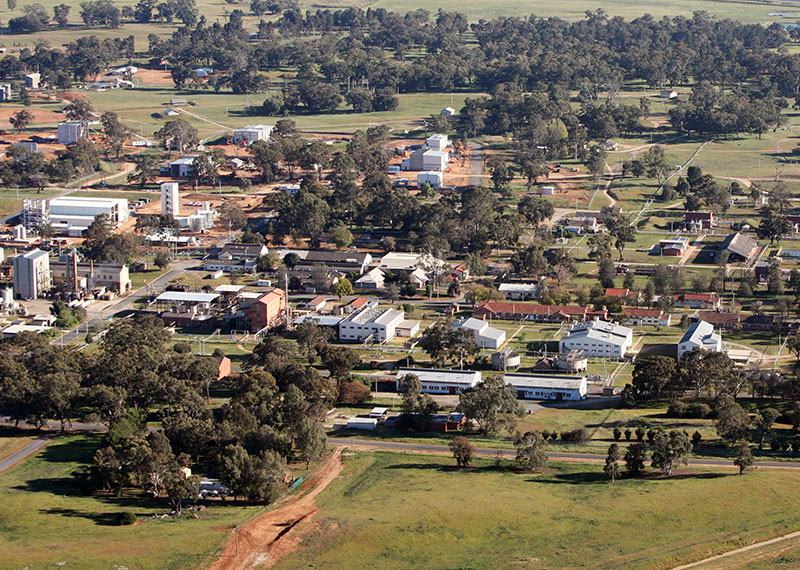
The audit objective is to assess the effectiveness of the Department of Defence's management of the Mulwala Redevelopment Project.
Entity
Department of Defence
Contact
Please direct enquiries relating to reports through our contact page.
Performance audit (Auditor-General Report No. 30 of 2015–16)

Published: Thursday 5 May 2016
Published
The audit objective was to assess the effectiveness of the Australian Federal Police's management of its use of force regime.
Entity
Australian Federal Police (AFP)
Contact
Please direct enquiries relating to reports through our contact page.
Corporate

Published: Wednesday 22 July 2026
Published
The ANAO regards integrity as a core value of the organisation — critical in sustaining the confidence of Parliament, strengthening public trust in government and delivering quality audit products. Maintaining strong institutional integrity is critical to the operations and reputation of the ANAO.
The ANAO Integrity Framework provides an overarching structure to the integrity control system, supporting our institution’s integrity. The framework serves to assist in ethical decision-making and risk, fraud and misconduct management.
Beyond its control system, the ANAO maintains an enduring focus on promoting integrity as a value that is embedded in our work and culture. The ANAO recognises that integrity demands quality not only in our products, but also in the behaviours of our people and those we contract to deliver work.
The ANAO Integrity Advisor supports the effective and ongoing application of the Integrity Framework by providing advice to staff regarding integrity matters. The Integrity Advisor is responsible for increasing integrity awareness across the organisation and for reporting annually to the ANAO Executive Board of Management on actions taken under the Framework.
The Auditor-General publishes the ANAO Integrity Framework and an annual Integrity Report to provide increased transparency of the measures we undertake to maintain a high-integrity culture in the ANAO.
Contact
Please direct enquiries through our contact page.
Financial statement audit (Auditor-General Report No. 8 of 2022–23)
Published: Wednesday 14 December 2022
Published
This report complements the Interim Report on Key Financial Controls of Major Entities financial statement audit report published in June 2022. It provides a summary of the final results of the audits of the Consolidated Financial Statements for the Australian Government and the financial statements of Australian Government entities for the period ended 30 June 2022.
Entity
Across Entities
Contact
Please direct enquiries through our contact page.
Corporate
Published: Wednesday 22 July 2026
Published
Quality in the delivery of the ANAO’s audit services is critical in supporting the integrity of our audit reports and maintaining the confidence of the Parliament and public sector entities. The ANAO Corporate Plan 2026–27 is the ANAO’s primary planning document. It outlines our purpose; the dynamic environment in which we operate; our commitment to building capability; and the activities and performance measures by which we will be held to account.
This Quality Management Framework and Plan complements the Corporate Plan. It describes the ANAO’s system of quality management and reflects the ANAO’s responses to quality risks for the coming year.
The ANAO Quality Management Framework is the ANAO’s established system of quality management to provide the Auditor-General with:
- reasonable assurance that the ANAO complies with the ANAO Auditing Standards and applicable legal and regulatory requirements, and
- reports issued by the ANAO are appropriate in the circumstances.
The Quality Management Strategy and Deliverables component of this document identifies the ANAO’s quality objectives and key responses to quality risks. It also supports the Auditor-General’s confidence that those responses are implemented and operating effectively.
The ANAO reports on the audit quality indicators that measure the ANAO’s performance against target benchmarks in the annual Audit Quality Report published on the ANAO website. The Audit Quality Report provides transparency about the implementation and operation of the responses to address quality risks for each component of the ANAO’s system of quality management.
Contact
Please direct enquiries through our contact page.
Financial statement audit (Auditor-General Report No. 14 of 2021–22)
Published: Tuesday 14 December 2021
Published
This report complements the Interim Report on Key Financial Controls of Major Entities financial statement audit report published in June 2021. It provides a summary of the final results of the audits of the Consolidated Financial Statements for the Australian Government and the financial statements of Australian Government entities for the period ended 30 June 2021.
Entity
Across Entities
Contact
Please direct enquiries through our contact page.
Performance audit (Auditor-General Report No. 18 of 2023–24)

Published: Thursday 22 February 2024
Published
The objective of this audit was to assess the effectiveness of the Australian Office of Financial Management’s (AOFM) management of the Australian Government’s debt.
Entity
Australian Office of Financial Management
Contact
Please direct enquiries through our contact page.
Performance audit in-progress

Due to table: January 2027
Report preparation
The objective of this audit is to examine whether the National Anti-Corruption Commission (NACC) effectively conducts procurement activities, demonstrating the achievement of value for money and complying with the Commonwealth Procurement Rules (CPRs).
Entity
National Anti-Corruption Commission
Contact
Please direct enquiries through our contact page.
Performance audit (Auditor-General Report No. 35 of 2025–26)

Published: Friday 29 May 2026
Published
The audit objective was to assess the effectiveness of the Department of Defence’s administration of investigations and inquiries.
Entity
Department of Defence
Contact
Please direct enquiries through our contact page.
Performance audit (Auditor-General Report No. 3 of 2014–15)

Published: Thursday 30 October 2014
Published
The audit objective was to examine the selected entities’ effectiveness in implementing entity-wide fraud control arrangements, including compliance with the requirements of the 2011 Commonwealth Fraud Control Guidelines (2011 Guidelines), and the overall administration of the fraud control framework by the Attorney-General’s Department.
Entity
Across Entities
Performance audit (Auditor-General Report No. 44 of 2025–26)

Published: Monday 29 June 2026
Published
The objective of the audit was to assess the effectiveness of the design and delivery of the Urban Rivers and Catchments Program in support of achievement of program outcomes.
Entity
Department of Climate Change, Energy, the Environment and Water
Contact
Please direct enquiries through our contact page.
Performance audit (Auditor-General Report No. 44 of 2018–19)

Published: Thursday 6 June 2019
Published
The objective of this audit was to assess the effectiveness of the Export Finance and Insurance Corporation (Efic).
Entity
Export Finance and Insurance Corporation
Contact
Please direct enquiries through our contact page.
Request for audit
Responded: Monday 29 September 2025
Response provided
The Auditor-General wrote to the Minister for Finance on 3 September 2025 regarding the 2025-26 annual performance statements audit program and other matters. The Auditor-General proposed to consolidate the important progress made by both auditees and the ANAO in the program to date by continuing to audit the 21 entities that were part of the program in 2024–25. The Minister for Finance responded on 29 September 2025 supporting the proposal. The Minister for Finance's response is provided below.
Contact
Please direct enquiries through our contact page.
Audit manual
Updated: Thursday 20 August 2026
Updated
The shared content volume of the ANAO Audit Manual applies to all assurance activity performed by the ANAO, including financial statements and performance auditing. The shared volume addresses key matters affecting compliance with the Auditor-General Act 1997 and other aspects of the ANAO’s legislative framework. It sets out the main requirements of the ANAO’s overall system of quality control in accordance with ASQC1 Quality Control for Firms that Perform Audits and Reviews of Financial Reports and Other Financial Information, Other Assurance Engagements and Related Services Engagements.
Contact
Please direct enquiries through our contact page.
Performance audit (Auditor-General Report No. 20 of 2025–26)

Published: Tuesday 27 January 2026
Published
The audit objective was to assess the effectiveness of the Department of Social Services’ and Services Australia’s administration of the age pension.
Entity
Services Australia; Department of Social Services
Contact
Please direct enquiries through our contact page.
Performance audit (Auditor-General Report No. 50 of 2024–25)

Published: Friday 27 June 2025
Published
The audit objective was to examine the effectiveness of Defence’s sustainment arrangements for Navy’s Canberra class fleet of amphibious assault ships (or LHDs).
Entity
Department of Defence
Contact
Please direct enquiries through our contact page.
Performance audit (Auditor-General Report No. 8 of 2013–14)
Published: Wednesday 6 November 2013
Published
The objective of the audit was to examine the effectiveness of the Australian Government Reconstruction Inspectorate, supported by the National Disaster Recovery Taskforce, in providing assurance that value for money is being achieved in respect to Queensland reconstruction projects.
Entity
Department of Infrastructure and Regional Development
Contact
Please direct enquiries relating to reports through our contact page.
Performance audit (Auditor-General Report No. 42 of 2022–23)

Published: Tuesday 27 June 2023
Published
The objective of this audit was to assess the effectiveness of the Department of Education’s design and implementation of programs and initiatives to improve the access and participation of regional and remote students to higher education.
Entity
Department of Education
Contact
Please direct enquiries through our contact page.
Performance audit (Auditor-General Report No. 29 of 2021–22)

Published: Thursday 2 June 2022
Published
The objective of the audit was to examine the effectiveness of the Department of Social Services' administration of the Cashless Debit Card program, including implementation of the recommendations made in Auditor-General Report No.1 2018–19, The Implementation and Performance of the Cashless Debit Card Trial.
Entity
Services Australia; Department of Social Services
Contact
Please direct enquiries through our contact page.
Performance audit (Auditor-General Report No. 5 of 2019–20)

Published: Thursday 1 August 2019
Published
The objective of this audit was to assess the effectiveness of the Australian Research Council’s (ARC’s) administration of the National Competitive Grants Program (NCGP).
Entity
Australian Research Council
Contact
Please direct enquiries through our contact page.
Performance audit (Auditor-General Report No. 18 of 2022–23)

Published: Thursday 6 April 2023
Published
The audit objective was to examine the appropriateness of the Department of Infrastructure, Transport, Regional Development, Communications and the Arts’ approach to acquiring, managing, and leasing Australian contemporary art in the Artbank collection.
Entity
Department of Infrastructure, Transport, Regional Development, Communications and the Arts
Contact
Please direct enquiries through our contact page.
Performance audit (Auditor-General Report No. 45 of 2023–24)

Published: Monday 24 June 2024
Published
The audit objective was to assess the effectiveness of the Department of Defence's (Defence) management of advertising campaigns for Australian Defence Force recruitment.
Entity
Department of Defence
Contact
Please direct enquiries through our contact page.
Performance audit (Auditor-General Report No. 14 of 2016–17)

Published: Monday 12 September 2016
Published
The objective of the audit was to assess the effectiveness of the Clean Energy Regulator’s crediting and selection of carbon abatement to purchase under the Emissions Reduction Fund.
Entity
Clean Energy Regulator
Contact
Please direct enquiries relating to reports through our contact page.
Performance audit (Auditor-General Report No. 12 of 2021–22)

Published: Wednesday 8 December 2021
Published
The audit objective was to assess the effectiveness of the management of international travel restrictions during the COVID-19 pandemic.
Entity
Across Entities
Contact
Please direct enquiries through our contact page.
Performance audit (Auditor-General Report No. 18 of 2020–21)

Published: Thursday 26 November 2020
Published
The objective of the audit was to assess the effectiveness and value for money to date of the Department of Defence’s acquisition of combat reconnaissance vehicles under project Land 400 Phase 2.
Entity
Department of Defence
Contact
Please direct enquiries through our contact page.
Financial statement audit (Auditor-General Report No. 17 of 2025–26)
Published: Thursday 18 December 2025
Published
This report complements the Interim Report on Key Financial Controls of Major Entities published in May 2025. It provides a summary of the final results of the audits of the Consolidated Financial Statements for the Australian Government and the financial statements of Australian Government entities for the period ended 30 June 2025.
Entity
Across Entities
Contact
Please direct enquiries through our contact page.
Financial statement audit (Auditor-General Report No. 40 of 2020–21)
Published: Wednesday 2 June 2021
Published
This report is the first in the series of reports for the 2020–21 financial year and focuses on the results of the interim audits, including an assessment of entities’ key internal controls, supporting the 2020–21 financial statements audits. This report examines 25 entities, including all departments of state and a number of major Australian government entities. The entities included in the report are selected on the basis of their contribution to the income, expenses, assets and liabilities of the 2019–20 Consolidated Financial Statements.
Contact
Please direct enquiries through our contact page.
Financial statement audit (Auditor-General Report No. 22 of 2024–25)
Published: Thursday 6 February 2025
Published
This report complements the Interim Report on Key Financial Controls of Major Entities financial statement audit report published in June 2024. It provides a summary of the final results of the audits of the Consolidated Financial Statements for the Australian Government and the financial statements of Australian Government entities for the period ended 30 June 2024.
Entity
Across Entities
Contact
Please direct enquiries through our contact page.
Financial statement audit (Auditor-General Report No. 15 of 2006–07)

Published: Tuesday 19 December 2006
Published
The focus of this report is on the year end results of the financial statement audits of all general purpose reporting entities for the 2005–06 financial year. Financial management issues (where relevant) arising out of the audits and their relationship to internal control structures are also included in this report.
Entity
NO-DEPTS-LISTED
Performance audit (Auditor-General Report No. 41 of 2008–09)
Published: Wednesday 17 June 2009
Published
Given the significant expenditure associated with the Super Seasprites, and the problems that the Project had encountered over some time, the ANAO had commenced this performance audit prior to the Government's decision to cancel the Project. The focus of the audit was on Defence's and DMO's administration of the Project. In light of the Government's decision to cancel the Project, the objective of the audit was revised to place greater emphasis on those issues that resulted in the failure of the Project to provide the required capability, and highlighting project management lessons for major Defence acquisitions going forward.Accordingly the audit objective was to:
- identify those factors that contributed to the on-going poor performance of the Project;
- outline measures taken by Defence and DMO in seeking to overcome issues encountered by the Project, and key lessons arising from this project for the benefit of major acquisitions projects generally; and
- determine the capability and cost implications of a project that failed to deliver to expectations.
Entity
Department of Defence
Performance audit (Auditor-General Report No. 36 of 2014–15)

Published: Wednesday 6 May 2015
Published
The audit objective was to assess the effectiveness of the Department of Human Services’ administration of the Assistance for Isolated Children Scheme.
Entity
Department of Human Services
Contact
Please direct enquiries relating to reports through our contact page.
Performance audit (Auditor-General Report No. 11 of 2016–17)

Published: Thursday 1 September 2016
Published
The objective of the audit was to examine Defence’s progress since 2007 in introducing into service a fully capable Tiger fleet and cost-effective sustainment arrangements.
Entity
Department of Defence
Contact
Please direct enquiries relating to reports through our contact page.
Performance audit (Auditor-General Report No. 2 of 2019–20)

Published: Monday 22 July 2019
Published
The objective of this audit was to assess the effectiveness of Defence’s administration of allowances and entitlements paid to its Australian Public Service (APS) employees.
Entity
Department of Defence
Contact
Please direct enquiries through our contact page.
Performance audit (Auditor-General Report No. 8 of 2025–26)

Published: Monday 24 November 2025
Published
The objective of the audit was to assess whether the Department of Agriculture, Fisheries and Forestry has effective arrangements to comply with domestic and international travel requirements.
Entity
Department of Agriculture, Fisheries and Forestry
Contact
Please direct enquiries through our contact page.
Performance audit (Auditor-General Report No. 12 of 2024–25)

Published: Monday 11 November 2024
Published
The objective of the audit was to assess the effectiveness of the operations of the boards of four corporate Commonwealth entities in managing conflicts of interest.
Entity
Across entities
Contact
Please direct enquiries through our contact page.
Performance audit (Auditor-General Report No. 9 of 2015–16)

Published: Tuesday 24 November 2015
Published
The audit objectives were to examine the effectiveness of Defence’s management of the test and evaluation (T&E) aspects of its major capital equipment acquisition program; and to report on Defence’s progress in implementing T&E recommendations made in the Senate Foreign Affairs, Defence and Trade References Committee’s August 2012 report, Procurement procedures for Defence capital projects.
Entity
Department of Defence
Contact
Please direct enquiries relating to reports through our contact page.
Performance audit (Auditor-General Report No. 26 of 2023–24)

Published: Wednesday 8 May 2024
Published
The objective of this audit was to assess the effectiveness of the Department of Home Affairs’ regulation of migration agents.
Entity
Department of Home Affairs
Contact
Please direct enquiries through our contact page.
Performance audit (Auditor-General Report No. 55 of 2016–17)

Published: Tuesday 20 June 2017
Published
The objective of the audit was to assess the effectiveness of the governance of the Northern Land Council in fulfilling its responsibilities and obligations under the Aboriginal Land Rights (Northern Territory) Act 1976, Native Title Act 1993 and Public Governance, Performance and Accountability Act 2013.
Entity
Department of the Prime Minister and Cabinet; Northern Land Council
Contact
Please direct enquiries relating to reports through our contact page.
Performance audit (Auditor-General Report No. 39 of 2006–07)
Published: Thursday 24 May 2007
Published
The objectives of the audit were to assess:
- whether FaCSIA has effectively administered the distribution of funding for the Local Answers, VSEG, Reconnect and Minor Capital Upgrade programmes, including promoting the relevant schemes to potential applicants, developing application forms, handling and appraising applications, selecting recipients and making grant announcements;
- the pattern of approvals of grants to States/Territories and to electorates held by the Government and Opposition parties under the Local Answers and VSEG programmes; and
- whether FaCSIA administered eight one-off grants to community organisations provided as a result of Government commitments during the 2004 Federal Election campaign in line with relevant legislation and guidelines.
Entity
NO-DEPTS-LISTED
Request for audit
Responded: Thursday 13 May 2021
Response provided
The Auditor-General responded on 13 May 2021 to correspondence from Senator Janet Rice dated 16 April 2021, requesting that the Auditor-General conduct an investigation to examine the Commonwealth’s responsibilities in relation to Regional Forest Agreements, including monitoring implementation, coordinating annual reports and conducting reviews.
Contact
Please direct enquiries relating to requests for audit through our contact page.
Performance audit (Auditor-General Report No. 47 of 2020–21)

Published: Monday 28 June 2021
Published
The objective of this audit was to assess the effectiveness of the administration of the commuter car park projects within the Urban Congestion Fund.
Entity
Department of Infrastructure, Transport, Regional Development and Communications
Contact
Please direct enquiries through our contact page.
Performance audit (Auditor-General Report No. 32 of 2016–17)

Published: Tuesday 17 January 2017
Published
The audit objective was to assess whether the Department of Immigration and Border Protection adopted sound contract management practices for the delivery of garrison support and welfare services for offshore processing centres in Nauru and Manus Island.
Entity
Department of Immigration and Border Protection
Contact
Please direct enquiries relating to reports through our contact page.
Performance audit (Auditor-General Report No. 37 of 2025–26)

Published: Tuesday 9 June 2026
Published
The objective of the audit was to assess whether Indigenous corporations are being effectively supported and regulated under the Corporations (Aboriginal and Torres Strait Islander) Act 2006 (CATSI Act).
Entity
National Indigenous Australians Agency; Registrar of Aboriginal and Torres Strait Islander Corporations
Contact
Please direct enquiries through our contact page.
Performance audit (Auditor-General Report No. 37 of 2017–18)

Published: Thursday 3 May 2018
Published
The objective of the audit was to assess the effectiveness of the Australian Broadcasting Corporation’s (ABC’s) management of complaints.
Entity
Australian Broadcasting Corporation
Contact
Please direct enquiries relating to potential audits through our contact page.