Browse our range of reports and publications including performance and financial statement audit reports, assurance review reports, information reports and annual reports.
Performance audit (Auditor-General Report No. 61 of 2016–17)

Published: Thursday 29 June 2017
Published
The objective of the audit was to assess whether the Department of Health effectively procured services to operate a National Cancer Screening Register.
Entity
Department of Health
Contact
Please direct enquiries relating to reports through our contact page.
Performance audit (Auditor-General Report No. 9 of 2013–14)
Published: Thursday 7 November 2013
Published
The objective of the audit was to assess the effectiveness of the administration of the Australian Prudential Regulation Authority (APRA) financial industry levies.
Entity
Australian Prudential Regulation Authority; Department of the Treasury
Contact
Please direct enquiries relating to reports through our contact page.
Performance audit (Auditor-General Report No. 7 of 2019–20)

Published: Monday 26 August 2019
Published
The objective of this audit is to assess the effectiveness of the Department of Finance’s and selected entities’ implementation of the Australian Government’s campaign advertising framework.
Entity
Across Entities
Contact
Please direct enquiries through our contact page.
Performance audit (Auditor-General Report No. 29 of 2015–16)

Published: Wednesday 4 May 2016
Published
The audit objective was to assess the effectiveness of selected departments’ implementation of deregulation initiatives.
Entity
Department of the Prime Minister and Cabinet; Department of Communications and the Arts; Department of Health; Department of Industry, Innovation and Science
Contact
Please direct enquiries relating to reports through our contact page.
Performance audit (Auditor-General Report No. 41 of 2016–17)

Published: Tuesday 28 February 2017
Published
The objective of the audit was to assess the Department of Human Services' and the Department of Social Services’ management of selected fraud prevention and compliance Budget measures.
Entity
Department of Human Services; Department of Social Services
Contact
Please direct enquiries relating to reports through our contact page.
Performance audit (Auditor-General Report No. 4 of 2015–16)

Published: Wednesday 30 September 2015
Published
The objective of the audit was to assess the appropriateness of the use and reporting of confidentiality provisions in a sample of Australian Government contracts.
Entity
Department of Finance; Department of the Prime Minister and Cabinet; Department of Social Services; Department of Veterans' Affairs
Contact
Please direct enquiries relating to reports through our contact page.
Performance audit (Auditor-General Report No. 9 of 2022–23)

Published: Wednesday 14 December 2022
Published
The objective of this audit was to examine the effectiveness of selected non-corporate Commonwealth entities' arrangements for managing cyber security risks within their procurements and specific contracted providers under the Protective Security Policy Framework (PSPF).
Entity
Australian Federal Police; Australian Taxation Office; Department of Foreign Affairs and Trade
Contact
Please direct enquiries through our contact page.
Performance audit (Auditor-General Report No. 3 of 2014–15)

Published: Thursday 30 October 2014
Published
The audit objective was to examine the selected entities’ effectiveness in implementing entity-wide fraud control arrangements, including compliance with the requirements of the 2011 Commonwealth Fraud Control Guidelines (2011 Guidelines), and the overall administration of the fraud control framework by the Attorney-General’s Department.
Entity
Across Entities
Performance audit (Auditor-General Report No. 30 of 2004–05)
Published: Wednesday 2 March 2005
Published
The objective of this audit was to assess ARPANSA's management of the regulation of Commonwealth radiation and nuclear activities to ensure the safety of their radiation facilities and sources.
Entity
Australian Radiation Proctection and Nuclear Safety Agency
Performance audit (Auditor-General Report No. 39 of 2019–20)

Published: Thursday 4 June 2020
Published
The objective of this audit was to assess whether the Commonwealth Scientific and Industrial Research Organisation (CSIRO) designed and is implementing its property investment strategy in a way that is delivering the intended benefits, and how any lessons learned are being reflected in a new strategy that is being developed.
Entity
Commonwealth Scientific and Industrial Research Organisation (CSIRO)
Contact
Please direct enquiries through our contact page.
Request for audit
Responded: Friday 26 March 2021
Response provided
The Auditor-General responded on 23 December 2020 to correspondence from the Hon Dr Andrew Leigh MP dated 8 December 2020, requesting that the Auditor-General conduct an investigation to examine the JobKeeper scheme. The Auditor-General provided a follow-up response on 8 February 2021, advising the Hon Dr Andrew Leigh MP that a performance audit Administration of the JobKeeper Scheme has commenced.
The Auditor-General responded on 26 March 2021 to follow-up correspondence from the Hon Dr Andrew Leigh MP dated 2 March 2021, requesting that the Auditor-General explore specific aspects of the JobKeeper scheme.
Contact
Please direct enquiries relating to request for audit through our contact page.
Performance audit (Auditor-General Report No. 15 of 2021–22)

Published: Thursday 16 December 2021
Published
The objective of the audit was to assess the effectiveness to date of the Department of Defence’s procurement of six evolved Cape class patrol boats.
Entity
Department of Defence
Contact
Please direct enquiries through our contact page.
Performance audit (Auditor-General Report No. 37 of 2012–13)
Published: Wednesday 22 May 2013
Published
The audit objective was to assess the effectiveness of the Department of Industry, Innovation, Science, Research and Tertiary Education’s (DIISRTE’s) administration of the Education Investment Fund grants program.
(DIISRTE was the department that had responsibility for the administration of the EIF grants program during the course of the audit. The recommendations and suggestions for improvement are, however, directed to the Department of Industry, Innovation, Climate Change, Science, Research and Tertiary Education because this department now has responsibility for the administration of the program).
Entity
Department of Industry, Innovation, Climate Change, Science, Research and Tertiary Education; Department of Education, Employment and Workplace Relations
Contact
Please direct enquiries relating to reports through our contact page.
Corporate

Published: Wednesday 19 July 2017
Published
The ANAO 2017–18 Corporate Plan is the ANAO's key strategic planning document. It guides our operating environment and sets out how we will deliver on our purpose. The corporate plan is complemented by the annual audit work program which reflects the ANAO's strategy and deliverables for the coming year.
Contact
Please direct enquiries about our corporate plan through our contact page.
Speeches and papers
Published: Wednesday 13 December 2017
Published
Grant Hehir, Auditor-General for Australia, presented at the Australian National Centre for Audit & Assurance Research (ANCAAR) 15th ANCAAR Audit Research Forum on 1 December 2017.
Contact
Please direct enquiries through our contact page.
Performance audit (Auditor-General Report No. 30 of 2016–17)

Published: Monday 19 December 2016
Published
The audit objective was to assess the effectiveness of the design and implementation of round two of the National Stronger Regions Fund.
Entity
Department of Infrastructure and Regional Development
Contact
Please direct enquiries relating to reports through our contact page.
Performance audit (Auditor-General Report No. 33 of 2014–15)

Published: Wednesday 29 April 2015
Published
The audit objective was to assess the effectiveness of the Australian Organ and Tissue Donation and Transplantation Authority's administration of community awareness, professional education and donor family support activities intended to increase organ an
Entity
Australian Organ and Tissue Donation and Transplantation Authority
Contact
Please direct enquiries relating to reports through our contact page.
Performance audit (Auditor-General Report No. 39 of 2014–15)
Published: Wednesday 3 June 2015
Published
The objective of the audit was to assess the effectiveness of the Australian Taxation Office's activities to promote employer compliance with Superannuation Guarantee obligations.
Entity
Australian Taxation Office
Contact
Please direct enquiries relating to reports through our contact page.
Performance audit (Auditor-General Report No. 12 of 2018–19)

Published: Tuesday 20 November 2018
Published
The objective of the audit was to assess whether the Royal Australian Mint’s strategies for addressing the impacts of declining demand for Australian circulating coins are appropriate and effective.
Entity
Royal Australian Mint
Contact
Please direct enquiries through our contact page.
Performance audit (Auditor-General Report No. 34 of 2014–15)
Published: Thursday 30 April 2015
Published
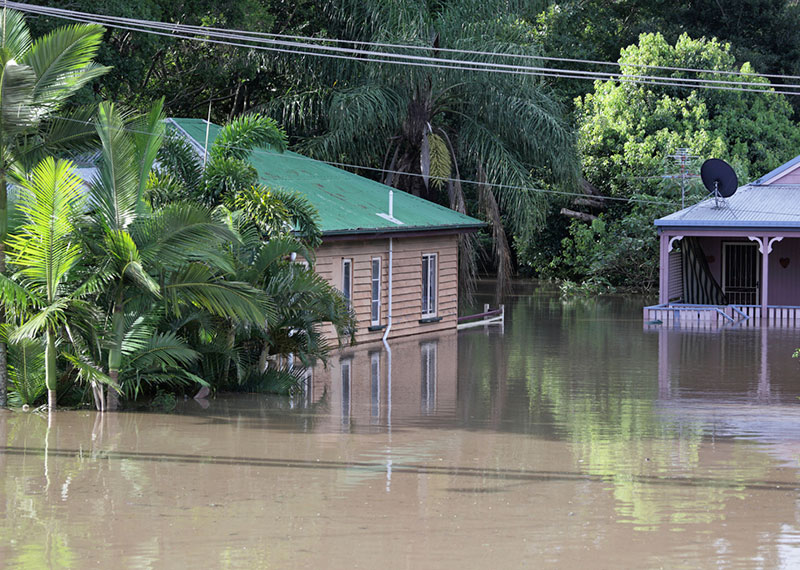
The objective of the audit was to assess the effectiveness of the Attorney-General’s Department’s administration of the terms of the Natural Disaster Relief and Recovery Arrangements Ministerial determination.
Entity
Attorney-General's Department; Emergency Management Australia
Contact
Please direct enquiries relating to reports through our contact page.
Performance audit (Auditor-General Report No. 41 of 2019–20)

Published: Wednesday 17 June 2020
Published
The objective of this audit was to assess the effectiveness of the design and establishment of the Regional Investment Corporation.
Entity
Across Entities
Contact
Please direct enquiries through our contact page.
Performance audit (Auditor-General Report No. 31 of 2024–25)

Published: Tuesday 20 May 2025
Published
The objective of the audit was to examine the effectiveness of the Department of Defence’s administration of contractual obligations to maximise Australian industry participation.
Entity
Department of Defence
Contact
Please direct enquiries through our contact page.
Performance audit (Auditor-General Report No. 40 of 2005–06)
Published: Wednesday 17 May 2006
Published
The objective of the audit was to examine processes used by Defence and the DMO to procure explosive ordnance for the ADF, with an emphasis on Army requirements. The audit reviewed the extent to which the DMO effectively translated the explosive ordnance requirements of the ADF, and particularly of Army, into procurement and through life support arrangements.
Entity
Department of Defence; Defence Materiel Organisation
Performance audit (Auditor-General Report No. 1 of 2009–10)
Published: Tuesday 4 August 2009
Published
In two letters dated 19 and 22 June 2009, the Prime Minister requested a performance audit of a range of matters relating to representations to the Treasury regarding automotive finance arrangements for car dealers. In response to these requests, the Auditor-General decided that ANAO would undertake a performance audit under section 18 of the Auditor-General Act 1997 (Auditor-General Act). The audit objective, based on the matters raised in the Prime Minister's correspondence and in the Parliament, was to examine and report on:
- any representations to the Treasury since October 2008 from all sources regarding automotive finance arrangements for car dealers, including any made in relation to John Grant Motors;
- the nature of these representations;
- the manner in which the representations were responded to by officials, having regard to any relevant standards and procedures; and
- any related administrative matters that came to attention.
Entity
Department of the Treasury; Department of the Prime Minister and Cabinet
Performance audit (Auditor-General Report No. 51 of 2005–06)
Published: Wednesday 28 June 2006
Published
The audit objectives were to report on the implementation status of the parliamentary resolutions and other actions arising out of the six recommendations made in the final PSC Report, Review by the Parliamentary Service Commissioner of Aspects of the Administration of the Parliament. The audit also broadly examined the impact of implementation of the parliamentary resolutions on aspects of: the level of services provided to the Parliament generally following amalgamation of the three former parliamentary departments into the Department of Parliamentary Services; and accommodation space within Parliament House. The designated audit agency was the Department of Parliamentary Services (DPS).
Entity
Department of Parliamentary Services
Performance audit (Auditor-General Report No. 27 of 2017–18)

Published: Wednesday 14 February 2018
Published
The objective of the audit was to assess the effectiveness of the Department of the Prime Minister and Cabinet’s management of the Australian Government’s Register of Lobbyists.
Entity
Department of the Prime Minister and Cabinet
Contact
Please direct enquiries through our contact page.
Performance audit (Auditor-General Report No. 43 of 2016–17)

Published: Wednesday 22 March 2017
Published
The objective of this audit was to examine the effectiveness of the Australian Federal Police’s, the Australian Financial Security Authority’s and the Attorney-General’s Department’s administration of property and funds under the Proceeds of Crime Act 2002.
Entity
Australian Financial Security Authority; Australian Federal Police; Attorney-General’s Department
Contact
Please direct enquiries relating to reports through our contact page.
Performance audit (Auditor-General Report No. 8 of 1999–2000)
Published: Monday 23 August 1999
Published
The objective of this audit was to assess the systems put in place by Centrelink to protect data privacy. The audit reviewed the adequacy of the policies, procedures and the administrative framework associated with data privacy, and the computer systems that are used to store and disseminate data. The ANAO also examined compliance with legislative requirements.
Entity
Centrelink
Performance audit (Auditor-General Report No. 37 of 2019–20)

Published: Thursday 28 May 2020
Published
The audit objective was to assess whether the Department of Homes Affairs has appropriately managed the procurement of garrison support and welfare services for offshore processing centres in Nauru and PNG (Manus Island).
Entity
Department of Home Affairs
Contact
Please direct enquiries through our contact page.
Performance audit (Auditor-General Report No. 32 of 2017–18)

Published: Monday 19 March 2018
Published
The audit objective was to assess the effectiveness of the Department of the Environment and Energy’s design of the Threatened Species Prospectus.
Entity
Department of the Environment and Energy
Contact
Please direct enquiries through our contact page.
Performance audit (Auditor-General Report No. 36 of 2013–14)
Published: Thursday 5 June 2014
Published
The audit objective was to assess the effectiveness of the Parliamentary Budget Office in conducting its role since being established in July 2012.
Entity
Parliamentary Budget Office
Contact
Please direct enquiries relating to reports through our contact page.
Request for audit
Responded: Friday 24 July 2020
Response provided
The Auditor-General responded on 11 March 2020 to follow-up correspondence from Senator Sarah Hanson-Young, requesting an audit into the Federal and South Australian governments’ agreement to reduce SA’s Murray-Darling river water allocation by 100GL and Commonwealth funding provided to increase the use of the state’s desalination plant to replace the water. The Auditor-General responded to the original correspondence from Senator Hanson-Young on 19 December 2019. The Auditor-General provided a follow-up response to Senator Hanson-Young on 24 July 2020.
Contact
Please direct enquiries relating to requests for audit through our contact page.
Performance audit (Auditor-General Report No. 6 of 2011–12)
Published: Thursday 15 September 2011
Published
The audit objective was to assess the effectiveness of DEEWR’s administration of FWEIP. The three high level criteria that were used to make this assessment were the appropriateness of DEEWR’s:
- program planning and design;
- selection and engagement of providers; and
- program monitoring, reporting and evaluation.
Entity
Department of Education, Employment and Workplace Relations
Performance audit (Auditor-General Report No. 12 of 2014–15)
Published: Thursday 11 December 2014
Published
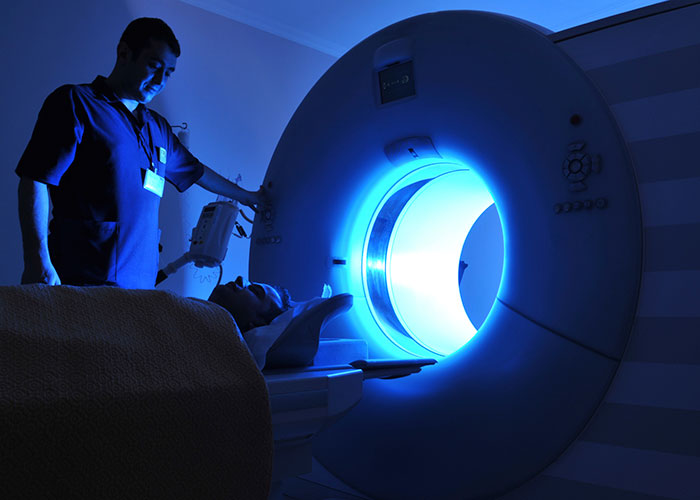
The audit objective was to assess the effectiveness of Health's implementation of the Diagnostic Imaging Review Reform Package, some three years into the five year reform period.
Entity
Department of Health
Contact
Please direct enquiries relating to reports through our contact page.
Performance audit (Auditor-General Report No. 37 of 2020–21)

Published: Wednesday 12 May 2021
Published
The objective of the audit was to assess the department’s: effectiveness in administering school funding; and implementation of recommendations made in Auditor-General Report No.18 2017–18 Monitoring the Impact of Australian Government School Funding and JCPAA Report 476: Australian Government Funding.
Entity
Department of Education, Skills and Employment
Contact
Please direct enquiries through our contact page.
Performance audit (Auditor-General Report No. 20 of 2025–26)

Published: Tuesday 27 January 2026
Published
The audit objective was to assess the effectiveness of the Department of Social Services’ and Services Australia’s administration of the age pension.
Entity
Services Australia; Department of Social Services
Contact
Please direct enquiries through our contact page.
Performance audit (Auditor-General Report No. 17 of 2016–17)

Published: Tuesday 20 September 2016
Published
The objective of the audit was to assess the effectiveness of the design process for the Rural Research and Development for Profit Programme, including performance measurement and reporting arrangements.
Entity
Department of Agriculture and Water Resources; Department of the Prime Minister and Cabinet
Contact
Please direct enquiries relating to reports through our contact page.
Performance audit (Auditor-General Report No. 18 of 2015–16)

Published: Thursday 21 January 2016
Published
The audit objective was to assess the Department of Social Services and the Department of Human Services’ administration of Disability Support Pension eligibility and review processes.
Entity
Department of Social Services; Department of Human Services
Contact
Please direct enquiries relating to reports through our contact page.
Performance audit (Auditor-General Report No. 9 of 2018–19)

Published: Thursday 11 October 2018
Published
The objective of the audit was to assess the Moorebank Intermodal Company’s achievement of value for money and management of probity in its operations and procurement activities.
Entity
Moorebank Intermodal Company Limited (MIC); Department of Finance
Contact
Please direct enquiries through our contact page.
Performance audit (Auditor-General Report No. 32 of 2010–11)
Published: Tuesday 1 March 2011
Published
The objective of the audit was to assess the administrative effectiveness of AGD's management of the Northern Territory Night Patrols Program.
Entity
Attorney-General's Department
Performance audit (Auditor-General Report No. 51 of 2018–19)

Published: Wednesday 26 June 2019
Published
The objective of the audit was to assess whether the Australian Taxation Office and the Department of Agriculture have effectively administered the Farm Management Deposits (FMD) Scheme.
Entity
Department of Agriculture; Australian Taxation Office (ATO); Department of the Treasury
Contact
Please direct enquiries through our contact page.
Performance audit (Auditor-General Report No. 25 of 2023–24)

Published: Wednesday 1 May 2024
Published
The objective of this audit was to assess the effectiveness of NBN Co Limited’s (NBN Co’s) strategies to manage its transition from building to operating the national broadband network.
Entity
NBN Co Limited
Contact
Please direct enquiries through our contact page.
Performance audit (Auditor-General Report No. 41 of 2021–22)

Published: Thursday 23 June 2022
Published
The audit objective was to assess the Office of the Commonwealth Ombudsman's effectiveness in managing complaints.
Entity
Office of the Commonwealth Ombudsman
Contact
Please direct enquiries through our contact page.
Performance audit (Auditor-General Report No. 2 of 2001–02)
Published: Tuesday 10 July 2001
Published
Allegations were made to the Senate Economics References Committee that the Australian Taxation Office and Australian Customs Service (Customs) had failed to pursue several cases of detected sales tax fraud. The Committee believed that this alleged failure may have stemmed from coordination problems between the two agencies. The Committee requested the Auditor-General to investigate this matter and report his findings to the Parliament.
Entity
Australian Customs Service; Australian Taxation Office
Performance audit (Auditor-General Report No. 33 of 1999–2000)
Published: Monday 13 March 2000
Published
The objective of the performance audit was to assess the administrative effectiveness of DIMA's business entry program against the background of the Business and Temporary Entry program objective, with particular regard to whether:
- the existing performance management mechanisms and compliance monitoring strategies support the achievement of program outcomes and outputs;
- the quality of decision-making;
- business processes facilitate prompt visa decision-making consistent with program objectives; and
- decision-making support mechanisms promote robust and timely decision-making.
Entity
Department of Immigration and Multicultural Affairs
Request for audit
Responded: Friday 17 December 2021
Response provided
The Auditor-General responded on 17 June 2021 to correspondence from the Hon Mark Dreyfus QC, MP dated 21 May 2021, requesting that the Auditor-General conduct an investigation to examine how part-time members of the Social Services and Child Support Division and “sessional part-time members” in the Migration and Refugee Division of the Administrative Appeals Tribunal are being remunerated.
The Auditor-General provided a follow-up response to the Hon Mark Dreyfus QC, MP on 17 December 2021.
Contact
Please direct enquiries relating to requests for audit through our contact page.
Performance audit (Auditor-General Report No. 48 of 2018–19)

Published: Wednesday 19 June 2019
Published
The objective of this audit was to assess the effectiveness of the Australian Reinsurance Pool Corporation’s (ARPC) management of the Terrorism Reinsurance Scheme.
Entity
Australian Reinsurance Pool Corporation
Contact
Please direct enquiries through our contact page.
Request for audit
Responded: Friday 20 August 2021
Response provided
The Auditor-General responded on 20 August 2021 to correspondence from Mr Julian Hill MP dated 26 July 2021, requesting that the Auditor-General conduct an investigation to examine the efficiency, effectiveness, quality and integrity of partner visa processing by the Department of Home Affairs.
The Auditor-General has received follow-up correspondence from Mr Julian Hill MP dated 27 August 2021.
Contact
Please direct enquiries relating to requests through our contact page.
Performance audit (Auditor-General Report No. 29 of 2018–19)

Published: Thursday 14 March 2019
Published
The objective of this audit was to examine the efficiency of the Australian Transport Safety Bureau’s (ATSB’s) investigation of transport accidents and safety occurrences.
Entity
Australian Transport Safety Bureau
Contact
Please direct enquiries through our contact page.
Performance audit (Auditor-General Report No. 16 of 2024–25)

Published: Wednesday 11 December 2024
Published
The objective of this audit was to assess the effectiveness of the design process for the Energy Price Relief Plan.
Entity
Department of the Treasury; Department of Climate Change, Energy, the Environment and Water
Contact
Please direct enquiries through our contact page.
Performance audit (Auditor-General Report No. 36 of 2022–23)

Published: Tuesday 13 June 2023
Published
The objective of this audit was to assess the effectiveness of the Australian Securities and Investments Commission's probity management.
Entity
Australian Securities and Investments Commission
Contact
Please direct enquiries through our contact page.
Performance audit (Auditor-General Report No. 43 of 2019–20)

Published: Monday 22 June 2020
Published
The objective of this audit was to assess the effectiveness of the Department of Home Affairs' fraud control arrangements.
Entity
Department of Home Affairs
Contact
Please direct enquiries through our contact page.
Performance audit (Auditor-General Report No. 33 of 2009–10)
Published: Wednesday 5 May 2010
Published
The audit objective was to examine the effectiveness of the department's establishment of the P21 element of the BER program. The focus of the audit was on: the establishment of administrative arrangements for BER P21 in accordance with government policy; the assessment and approval of funding allocations; and the arrangements to monitor and report BER P21 progress and achievement of broader program outcomes. An examination of individual BER P21 projects was outside the scope of the audit.
Entity
Department of Education, Employment and Workplace Relations
Performance audit (Auditor-General Report No. 24 of 2021–22)

Published: Thursday 28 April 2022
Published
The objective of the audit was to assess the effectiveness of the Australian Taxation Office's activities in addressing Superannuation Guarantee non-compliance.
Entity
Australian Taxation Office
Contact
Please direct enquiries through our contact page.
Performance audit (Auditor-General Report No. 2 of 2020–21)

Published: Thursday 16 July 2020
Published
The objective of the audit was to examine whether strategic water procurements by the Department of Agriculture, Water and the Environment were conducted consistent with government policy, were supported by appropriate program design, were planned and executed appropriately, and achieved value for money.
Entity
Department of Agriculture, Water and the Environment
Contact
Please direct enquiries through our contact page.
Performance audit (Auditor-General Report No. 9 of 2019–20)

Published: Monday 23 September 2019
Published
The objective of this audit was to assess the effectiveness of the Department of Health’s implementation of the National Ice Action Strategy (NIAS).
Entity
Department of Health
Contact
Please direct enquiries through our contact page.
Performance audit (Auditor-General Report No. 26 of 2007–08)
Published: Thursday 28 February 2008
Published
The objective of the audit was to assess DAFF's implementation and administration of the three forest industry assistance programs under the TCFA. Particular emphasis was given to the:
- implementation of the programs and ongoing governance arrangements;
- promotion of the program and the development of program guidelines;
- assessment of applications and approval of funding; and
- management of funding agreements.
Entity
Department of Agriculture Fisheries and Forestry
Performance audit (Auditor-General Report No. 1 of 2014–15)

Published: Thursday 18 September 2014
Published
The objective of the audit was to assess the appropriateness of the use and reporting of confidentiality provisions in a sample of Australian Government contracts.
Entity
Across Entities
Contact
Please direct enquiries relating to reports through our contact page.
Performance audit (Auditor-General Report No. 6 of 2020–21)

Published: Thursday 10 September 2020
Published
The objective of this audit was to assess the effectiveness of the Department of Defence’s design process and implementation to date of the Defence Export Strategy.
Entity
Department of Defence
Contact
Please direct enquiries through our contact page.
Performance audit (Auditor-General Report No. 18 of 2021–22)

Published: Tuesday 22 February 2022
Published
The objective of this audit was to assess the effectiveness of the National Indigenous Australians Agency’s administration of funding for remote housing in the Northern Territory.
Entity
National Indigenous Australians Agency
Contact
Please direct enquiries through our contact page.
Performance audit (Auditor-General Report No. 17 of 2023–24)

Published: Thursday 22 February 2024
Published
The objective of this audit was to examine whether the Department of Finance (Finance) has implemented a selection of agreed parliamentary committee and Auditor-General recommendations.
Entity
Department of Finance
Contact
Please direct enquiries through our contact page.
Performance audit (Auditor-General Report No. 49 of 2024–25)

Published: Thursday 26 June 2025
Published
The objective of this audit was to assess the effectiveness of the design and establishment of the National Reconstruction Fund Corporation.
Entity
National Reconstruction Fund Corporation; Department of Industry, Science and Resources; Department of Finance
Contact
Please direct enquiries through our contact page.
Performance audit (Auditor-General Report No. 30 of 2024–25)

Published: Monday 14 April 2025
Published
The objective of the audit was to assess the effectiveness of the Office of the Fair Work Ombudsman’s exercise of its regulatory functions.
Entity
Office of the Fair Work Ombudsman
Contact
Please direct enquiries through our contact page.
Performance audit (Auditor-General Report No. 23 of 2014–15)

Published: Tuesday 17 February 2015
Published
The audit objective was to assess the effectiveness of the establishment, implementation and operation of the Early Years Quality Fund against the requirements of the Early Years Quality Fund Special Account Act 2013 and the Commonwealth grants administration framework.
Entity
Department of Education and Training; Department of Finance; Department of the Prime Minister and Cabinet
Contact
Please direct enquiries relating to reports through our contact page.
Performance audit (Auditor-General Report No. 46 of 2020–21)

Published: Monday 28 June 2021
Published
The audit objective was to assess the effectiveness of the Department of the Prime Minister and Cabinet’s administration of the National Bushfire Recovery Agency functions including the National Bushfire Recovery Fund.
Entity
Department of the Prime Minister and Cabinet
Contact
Please direct enquiries through our contact page.
Performance audit (Auditor-General Report No. 14 of 2006–07)
Published: Thursday 7 December 2006
Published
The objective of the audit was to assess whether the APVMA is performing its key regulatory functions effectively. In particular, the audit examined the APVMA's arrangements for:
- planning and overseeing the delivery of regulatory functions;
- registering pesticides and veterinary medicines in a timely manner;
- obtaining external scientific advice to support the registration function;
- monitoring the quality of pesticides and veterinary medicines approved for sale in Australia; and
- administering its cost recovery framework.
Entity
Australian Pesticides and Veterinary Medicines Authority
Performance audit (Auditor-General Report No. 26 of 2015–16)
Published: Tuesday 15 March 2016
Published
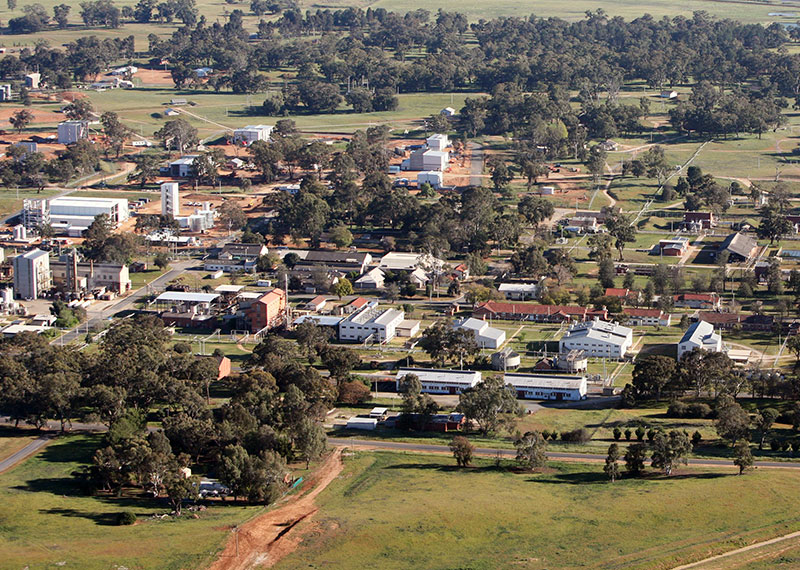
The audit objective is to assess the effectiveness of the Department of Defence's management of the Mulwala Redevelopment Project.
Entity
Department of Defence
Contact
Please direct enquiries relating to reports through our contact page.
Performance audit (Auditor-General Report No. 23 of 2020–21)

Published: Thursday 10 December 2020
Published
The objective of the audit was to assess whether Services Australia had effectively managed risks related to the rapid preparation for and delivery of COVID-19 economic response measures.
Entity
Services Australia
Contact
Please direct enquiries through our contact page.
Performance audit (Auditor-General Report No. 34 of 2000–01)
Published: Thursday 17 May 2001
Published
The Age Pension is a social security income support payment available to Australian residents and eligible Australians residing overseas who have reached Age Pension age and whose income and assets are under certain limits. In 1999-2000, approximately $14 billion was paid to approximately 1.7 million Age Pension recipients. Payment of Age Pension is made under the Social Security Law and in accordance with the Guide to the Social Security Law prepared by the Department of Family and Community Services (FaCS). FaCS has contracted Centrelink under a Business Partnership Agreement (BPA) to administer the payment of Age Pension to eligible customers. The objective of the audit was to assess the extent to which new claims for Age Pension had been assessed in compliance with the legislation and other relevant guidelines developed by Centrelink, and whether Centrelink employed appropriate mechanisms to help ensure such compliance. In particular, the ANAO sought evidence with respect to: payment at the right rate, from the right date, to the right person with the right product, for new claims assessed during the audit sample period (that is, in accordance with the working definition of accuracy within Centrelink); the accuracy of Centrelink?s own reporting on compliance, as reported to FaCS under the BPA; and the application of appropriate mechanisms to help ensure such compliance.
Entity
Centrelink
Performance audit (Auditor-General Report No. 42 of 2019–20)

Published: Friday 19 June 2020
Published
The objective of this audit was to assess the effectiveness of the Department of Foreign Affairs and Trade's fraud control arrangements.
Entity
Department of Foreign Affairs and Trade
Contact
Please direct enquiries through our contact page.
Performance audit (Auditor-General Report No. 26 of 2001–02)
Published: Friday 14 December 2001
Published
This audit is one of a series of fraud control audits undertaken by the ANAO. The audit focussed on Centrelink's arrangements for the prevention, detection and treatment of incorrect payments to its customers. The objective of the audit was to assess whether Centrelink had implemented appropriate fraud control arrangements in line with the Fraud Control Policy of the Commonwealth.
Entity
Centrelink
Performance audit (Auditor-General Report No. 40 of 1996–97)
Published: Thursday 26 June 1997
Published
The ANAO's audit aims were to: examine the efficiency and effectiveness of DFAT's human resource management; and identify good practice, which could position the Department, and other APS agencies, to maximise opportunities afforded by the Government's emerging public sector reform agenda. The audit addressed a range of issues including the effectiveness of HR planning and forecasting, staff selection and deployment, performance management, and the fostering of relevant skills and knowledge.
Entity
Department of Foreign Affairs and Trade
Performance audit (Auditor-General Report No. 8 of 2017–18)

Published: Tuesday 19 September 2017
Published
The audit objective was to assess the effectiveness and efficiency of entities’ implementation of the Freedom of Information Act 1982.
Entity
Attorney-General’s Department; Office of the Australian Information Commissioner; Department of Social Services; Department of Veterans' Affairs
Contact
Please direct enquiries relating to reports through our contact page.
Performance audit (Auditor-General Report No. 44 of 2018–19)

Published: Thursday 6 June 2019
Published
The objective of this audit was to assess the effectiveness of the Export Finance and Insurance Corporation (Efic).
Entity
Export Finance and Insurance Corporation
Contact
Please direct enquiries through our contact page.
Performance audit (Auditor-General Report No. 16 of 2016–17)

Published: Tuesday 13 September 2016
Published
The objective of the audit was to assess whether the Department of Immigration and Border Protection (DIBP) had appropriately managed the procurement of garrison support and welfare services at offshore processing centres in Nauru and Papua New Guinea (Manus Island); and whether the processes adopted met the requirements of the Commonwealth Procurement Rules (CPRs) including consideration and achievement of value for money.
Entity
Department of Immigration and Border Protection
Contact
Please direct enquiries relating to reports through our contact page.
Financial statement audit (Auditor-General Report No. 42 of 2023–24)
Published: Thursday 20 June 2024
Published
The ANAO prepares two reports annually that provide insights at a point in time to the financial statements risks, governance arrangements and internal control frameworks of Commonwealth entities, drawing on information collected during our audits.
This report is the first of the two reports and focuses on the results of the interim financial statements audits, including an assessment of entities’ key internal controls, supporting the 2023–24 financial statements audits. This report examines 27 entities, including all: departments of state; the Department of Parliamentary Services; and other Commonwealth entities that significantly contribute to the revenues, expenses, assets and liabilities within the 2022–23 Australian Government Consolidated Financial Statements (CFS). The National Indigenous Australians Agency is also included in this report given the role it plays working across government with indigenous communities and stakeholders.
Entity
Across Entities
Contact
Please direct enquiries through our contact page.
Request for audit
Responded: Friday 9 September 2016
Response provided
Response completed as a limited scope assurance review.
The Auditor-General responded on 9 September 2016 to correspondence from the Hon Brendan O’Connor MP on 15 June 2016 regarding the appropriateness of arrangements concerning the Liberal Party of Australia entity Parakeelia Pty Ltd.
Contact
Please direct enquiries relating to requests for audit through our contact page.
Performance audit (Auditor-General Report No. 16 of 2000–01)
Published: Wednesday 29 November 2000
Published
The objective of this audit was to assess the administration of internal fraud control arrangements in the ATO and to identify areas with potential for improvement as well as identified better practice. To achieve this objective the ANAO focussed on five key areas. These were:
- the application of the ATO's corporate governance processes to the internal fraud control activities;
- the prevention of internal fraud within the ATO;
- the related use of information technology to minimise fraud risks;
- the detection of internal fraud within the ATO; and
- ATO fraud investigation procedures and practices.
Entity
Australian Taxation Office
Performance audit (Auditor-General Report No. 22 of 2002–03)
Published: Thursday 12 December 2002
Published
The audit theme was financial management and accountability. The audit concluded that six of the eight organisations had satisfactory payment of accounts processes and that GST administration control frameworks had been implemented. Payment of accounts processes could be improved by greater use of information technology whereas using risk management; formalising the BAS preparation procedures; and increasing monitoring and review procedures could improve GST administration.
Entity
Across Agency
Performance audit (Auditor-General Report No. 28 of 1996–97)
Published: Thursday 6 March 1997
Published
This follow-up audit examined the actions taken by the Department of Veterans' Affairs to address the ANAO's recommendations made in Audit Report No.28 1993-94 regarding the use of private hospitals on behalf of the Repatriation Commission. The recommendations from that audit were aimed at improving the basis and consistency of contracts with the private sector for the use of private hospitals and providing added assurance that quality care was available to the veteran community.
Entity
Department of Veterans' Affairs
Assurance review (Auditor-General Report No. 17 of 2017–18)
Published: Tuesday 28 November 2017
Published
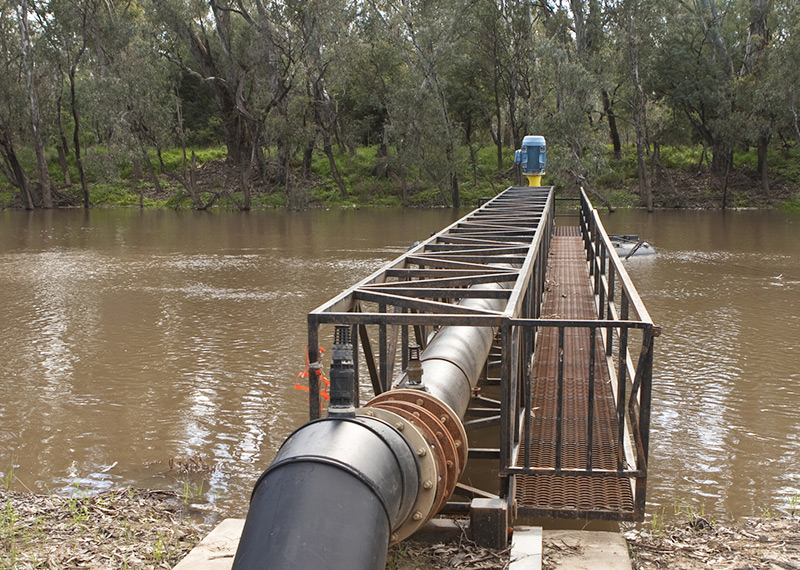
The Auditor-General undertook a limited assurance review of the Department of Agriculture and Water Resources’ assessment of the performance of New South Wales under the National Partnership Agreement on Implementing Water Reform in the Murray-Darling Basin relevant to the protection and use of environmental water for the 2014–15 and 2015–16 financial years.
Entity
Department of Agriculture and Water Resources
Contact
Please direct enquiries through our contact page.
Performance audit (Auditor-General Report No. 48 of 2004–05)
Published: Thursday 2 June 2005
Published
The objective of the audit was to assess the administrative effectiveness of DEST's support for the Australian education and training export industry, including its regulatory and associated roles, and how it monitors and reports on its performance in undertaking these roles.
Entity
Department of Education Science and Training
Performance audit (Auditor-General Report No. 41 of 2001–02)
Published: Monday 15 April 2002
Published
New transactional banking arrangements for FMA agencies came into effect on 1 July 1999. The audit reviewed selected agencies' implementation and ongoing management of contractual banking arrangements; agencies' tendering for the procurement of banking services; and identified practises that have improved administrative arrangements. The audit examined Finance's role in planning and implementing the new arrangements as well as implementation in the Australian Customs Service (Customs) the Department of Transport and Regional Services (DTRS), the Department of Education, Science and Training (DEST), and the Department of Immigration and Multicultural and Indigenous Affairs (DIMIA).
Entity
Department of Finance and Administration
Performance audit (Auditor-General Report No. 37 of 1996–97)
Published: Wednesday 18 June 1997
Published
The objective of the audit was to provide assurance about the Australian Taxation Office's risk management approach and to add value to its administration by analysing the economy, efficiency, administrative effectiveness, equity and accountability of the related processes employed within the organisation. The ANAO reviewed the formal risk management process that the ATO uses to deal with all sources of risk for the organisation.
Entity
Australian Taxation Office
Performance audit (Auditor-General Report No. 32 of 2011–12)
Published: Thursday 3 May 2012
Published
The audit objective was to assess the effectiveness of the Department of Veterans’ Affairs management of complaints and other feedback to support service delivery. The audit criteria were that DVA has:
- a well-designed framework for managing complaints and other feedback;
- effective processes and practices to manage complaints; and
- appropriately analysed complaints to inform service delivery.
Entity
Department of Veterans' Affairs
Performance audit (Auditor-General Report No. 25 of 2005–06)
Published: Tuesday 24 January 2006
Published
The audit objective was to examine the effectiveness and efficiency of ASIC's implementation of Australian financial services licences. In particular, the audit examined ASIC's planning for the introduction of financial services licences; the roles of the Department of the Treasury (Treasury) and ASIC in defining the effective scope of licensing; ASIC's assessment and processing of licence applications; and ASIC's supervision of licensees.
Entity
Australian Securities and Investment Commission
Performance audit (Auditor-General Report No. 12 of 2009–10)
Published: Thursday 19 November 2009
Published
The audit objective was to assess the effectiveness of administrative arrangements for YA, including service delivery. The ANAO assessed DEEWR's and Centrelink's performance against three main criteria:
- objectives and strategies for the ongoing management and performance measures for YA provide a firm basis for measurement against outcomes (Chapters 2 and 3);
- YA services delivered are consistent with legislative and policy requirements, (Chapter 4); and
- monitoring arrangements provide appropriate information for assessing service delivery performance (Chapter 5).
Entity
Department of Education, Employment and Workplace Relations; Centrelink
Performance audit (Auditor-General Report No. 30 of 2022–23)

Published: Thursday 1 June 2023
Published
The objective of this audit was to assess the effectiveness of the Australian Prudential Regulation Authority's probity management.
Entity
Australian Prudential Regulation Authority
Contact
Please direct enquiries through our contact page.
Performance audit (Auditor-General Report No. 44 of 2019–20)

Published: Tuesday 23 June 2020
Published
The objective of this audit was to assess the effectiveness of the Department of Social Services' fraud control arrangements.
Entity
Department of Social Services
Contact
Please direct enquiries through our contact page.
Performance audit (Auditor-General Report No. 24 of 2019–20)

Published: Tuesday 28 January 2020
Published
The objective of the audit was to examine the effectiveness and appropriateness of the Department of Defence's management of its public communications and media activities.
Entity
Department of Defence
Contact
Please direct enquiries through our contact page.
Performance audit (Auditor-General Report No. 28 of 2015–16)

Published: Thursday 28 April 2016
Published
The objective of the audit was to assess the Department of Agriculture and Water Resources' establishment and administration of the Farm Finance and Drought Concessional Loans programs.
Entity
Department of Agriculture and Water Resources
Contact
Please direct enquiries relating to reports through our contact page.
Performance audit (Auditor-General Report No. 43 of 2023–24)

Published: Friday 21 June 2024
Published
The objective of this audit was to assess the effectiveness of the Australian Public Service Commission's (APSC) administration of statutory functions relating to upholding high standards of integrity and ethical conduct in the Australian Public Service (APS).
Entity
Australian Public Service Commission
Contact
Please direct enquiries through our contact page.
Performance audit (Auditor-General Report No. 12 of 2024–25)

Published: Monday 11 November 2024
Published
The objective of the audit was to assess the effectiveness of the operations of the boards of four corporate Commonwealth entities in managing conflicts of interest.
Entity
Across entities
Contact
Please direct enquiries through our contact page.
Performance audit (Auditor-General Report No. 25 of 1996–97)
Published: Friday 20 December 1996
Published
The purpose of this audit was to assess the Department of Social Security's approach to customer service against a recognised good practice methodology, and to identify opportunities for DSS to improve the quality of its customer service, its administrative effectiveness and its overall performance. The ANAO's intention was to identify opportunities to improve customer focus, particularly for those aspects of DSS's administration impacting on customer service. The audit criteria included: customer service environment; human resource management practices; communication with customers; customer-friendly approaches; and systematic approaches to continuous improvement.
Entity
Department of Social Security
Performance audit (Auditor-General Report No. 45 of 2024–25)

Published: Thursday 19 June 2025
Published
The objective of the audit was to assess the effectiveness of Creative Australia’s fraud and corruption control arrangements.
Entity
Creative Australia
Contact
Please direct enquiries through our contact page.
Performance audit (Auditor-General Report No. 1 of 2018–19)

Published: Tuesday 17 July 2018
Published
The objective of the audit was to assess the Department of Social Services’ (Social Services) implementation and evaluation of the Cashless Debit Card trial.
Entity
Department of Social Services
Contact
Please direct enquiries through our contact page.
Insights: Audit lessons

Published: Friday 20 June 2025
Published
Records Management is targeted at all Australian Government officials. It also benefits those in information management roles.
Contact
Please direct enquiries through our contact page.
Performance audit (Auditor-General Report No. 32 of 2000–01)
Published: Friday 6 April 2001
Published
The audit reviewed the Defence Department's management of the Defence Cooperation (DC) Program, through which Australia interacts with and provides assistance to security forces in South East Asia and the South Pacific. The primary aim of the program is to support Australia's defence relationships. Activities conducted through the program include training, study visits, personnel exchanges and combined exercises with elements of the various regional armed forces. The Pacific Patrol Boat Project is part of the program. The objectives of the audit were to:
1) consider how Defence assesses performance in meeting DC objectives;
2) review Defence's development of DC objectives; and
3) identify areas for improvement in managing DC resources.
Entity
Department of Defence
Performance audit (Auditor-General Report No. 4 of 2022–23)

Published: Monday 12 September 2022
Published
The objective of the audit was to examine the effectiveness of the Department of Climate Change, Energy, the Environment and Water's implementation of the National Waste Policy Action Plan 2019.
Entity
Department of Climate Change, Energy, the Environment and Water
Contact
Please direct enquiries through our contact page.
Performance audit (Auditor-General Report No. 41 of 2020–21)

Published: Thursday 3 June 2021
Published
The audit objective was to assess the effectiveness of the National Blood Authority’s management of the manufacture and supply of domestic fractionated blood plasma products.
Entity
National Blood Authority
Contact
Please direct enquiries through our contact page.
Performance audit (Auditor-General Report No. 50 of 2005–06)
Published: Tuesday 27 June 2006
Published
The objective of the audit was to assess the framework being put in place to manage and account for aid funds provided under the AIPRD. In particular, the audit addressed: structures for oversighting the development and delivery of the AIPRD; planning and risk management (including those relating to fraud and corruption); financial management; and arrangements for ongoing monitoring and reporting. The audit focussed on the arrangements being established to monitor, evaluate and report on AIPRD implementation, rather than the management of activities and outcomes achieved. This reflects the fact that the long lead times associated with establishing such a large programme of assistance had meant that only limited activities were underway at the time of audit fieldwork. The ANAO anticipates undertaking an audit in the future of the management of activities and outcomes achieved, when more funds have been expended. It was not the purpose of this audit to examine Australia's immediate emergency and humanitarian response to the tsunami crisis.
Entity
Australian Agency for International Development; Department of Foreign Affairs and Trade
Performance audit (Auditor-General Report No. 38 of 1996–97)
Published: Tuesday 24 June 1997
Published
The objective of this audit was to assess the effectiveness of the action taken by the Australian Institute of Marine Science in response to the recommendations contained in 'External Funds Generation', Audit Report No.48, 1991-92.
Entity
Australian Institute of Marine Science
Performance audit (Auditor-General Report No. 2 of 2016–17)

Published: Wednesday 31 August 2016
Published
The audit objective was to assess the effectiveness of the Australian Taxation Office's External Compliance Assurance Process pilot conducted with large business taxpayers.
Entity
Australian Taxation Office
Contact
Please direct enquiries relating to reports through our contact page.
Performance audit (Auditor-General Report No. 37 of 2014–15)

Published: Tuesday 19 May 2015
Published
The audit objective was to assess the effectiveness and efficiency of the Department of Human Services’ management of Smart Centres’ Centrelink telephone services.
Entity
Department of Human Services
Contact
Please direct enquiries relating to reports through our contact page.
Performance audit (Auditor-General Report No. 39 of 2008–09)
Published: Wednesday 27 May 2009
Published
The objective of the audit was to examine the effectiveness of DAFF's implementation and administration of the Securing our Fishing Future structural adjustment package industry and community assistance programs.
Entity
Department of Agriculture, Fisheries and Forestry
Performance audit (Auditor-General Report No. 54 of 2000–01)
Published: Friday 29 June 2001
Published
The audit reviewed the process of engaging consultants in four Commonwealth agencies. The objective of the audit was to provide assurance to Parliament that Commonwealth agencies comply with relevant procurement policies and procedures that have been developed to ensure value for money in government procurement.
Entity
Across Agency
Performance audit (Auditor-General Report No. 49 of 2010–11)
Published: Tuesday 21 June 2011
Published
The objective of the audit was to assess the effectiveness of the ATO’s administration of the Fuel Tax Credits Scheme. Particular emphasis was given to the Fuel Scheme’s governance and reporting arrangements, risk management strategies and compliance management program.
Entity
Australian Taxation Office
Performance audit (Auditor-General Report No. 6 of 2003–04)
Published: Monday 15 September 2003
Published
The audit reviewed APRA's regulation of approved Trustees and superannuation funds registered under the Superannuation Industry (Supervision) Act 1993. The audit evaluated APRA's superannuation supervisory activities: and assessed the effectiveness of its supervision of superannuation entities. Particular attention was paid to the supervisory framework and the risk-based supervisory methodologies of APRA's frontline supervisory divisions.
Entity
Australian Prudential Regulation Authority
Performance audit (Auditor-General Report No. 2 of 1996–97)
Published: Thursday 8 August 1996
Published
The objective of the audit was to examine the effectiveness of the management and control framework established by the Australian National Training Authority to assist its administration and achievement of its objectives. The ANAO's investigation was limited to an analysis of ANTA's internal administrative framework. The audit work focused on key components of the framework: planning, monitoring, and financial and control frameworks.
Entity
Across Agency
Performance audit (Auditor-General Report No. 34 of 2024–25)

Published: Thursday 22 May 2025
Published
The objective of the audit was to assess the effectiveness of the Department of the Treasury’s design and implementation of the Measuring What Matters framework.
Entity
Department of the Treasury
Contact
Please direct enquiries through our contact page.
Performance audit (Auditor-General Report No. 39 of 2023–24)

Published: Monday 17 June 2024
Published
The objective of this audit was to assess the effectiveness of the evaluation of selected Australian Government pilot programs.
Entity
Department of Health and Aged Care; Department of Veterans’ Affairs; Department of Home Affairs
Contact
Please direct enquiries through our contact page.
Performance audit (Auditor-General Report No. 20 of 2017–18)

Published: Tuesday 12 December 2017
Published
The audit objective was to assess the effectiveness of the Department of Industry, Innovation and Science in administering the low emission technologies for fossil fuels (LETFF) program.
Entity
Department of Industry, Innovation and Science
Contact
Please direct enquiries relating to reports through our contact page.
Performance audit (Auditor-General Report No. 37 of 1997–98)
Published: Friday 20 March 1998
Published
The purpose of this follow-up audit was to report on action taken by the Department of Social Security and Centrelink in addressing the recommendations of Audit Report No.23 1993-94 Protection of Confidential Client Information from Unauthorised Disclosure. The objectives were to:
- ascertain the extent to which the recommendations of the original audit have been implemented;
- identify other changes made in relation to data confidentiality within the Social Security portfolio since 1993;
- assess the impact of the changes made; and
- identify any scope for further improvement.
Entity
Centrelink; Department of Social Security
Performance audit (Auditor-General Report No. 36 of 1996–97)
Published: Thursday 5 June 1997
Published
The audit covered major program elements within the Department of Primary Industries and Energy and Environment Australia that are managed:
- directly by DPIE or Environment Australia;
- through the One-Stop-Shop project assessment process administered by the States/Territories; or
- by non-government organisations.
The purpose of the audit was to examine and benchmark the administrative processes established for these programs. The primary focus of the audit was to draw on the best elements of past practice (particularly in relation to programs involving the One-Stop-Shop) and highlight any shortcomings so that the risks to program effectiveness and accountability could be addressed in the implementation of the Natural Heritage Trust.
Entity
Across Agency
Performance audit (Auditor-General Report No. 38 of 2022–23)

Published: Thursday 15 June 2023
Published
The objective of this audit was to assess the effectiveness of the Australian Competition and Consumer Commission's probity management.
Entity
Australian Competition and Consumer Commission
Contact
Please direct enquiries through our contact page.
Performance audit (Auditor-General Report No. 28 of 2024–25)

Published: Wednesday 5 March 2025
Published
The audit objective was to assess the Australian Taxation Office’s effectiveness in managing complaints.
Entity
Australian Taxation Office
Contact
Please direct enquiries through our contact page.
Performance audit (Auditor-General Report No. 24 of 1999–2000)
Published: Wednesday 22 December 1999
Published
The audit reviewed the Commonwealth management and regulation of plasma fractionation. The audit objectives were to:
- assess the administrative and financial effectiveness of the Department of Health and Aged Care's contract management of the PFA;
- assess whether the TGA's implementation of post sale regulatory arrangements adequately protects the community's interests; and
- assess the extent to which agencies have implemented the recommendations made in Audit Report No.14 1995-96 concerning funding of plasma products and regulation of plasma products manufactured under the PFA.
Entity
Department of Health and Aged Care
Performance audit (Auditor-General Report No. 13 of 1996–97)
Published: Monday 18 November 1996
Published
The purpose of the audit was to examine how efficiently and effectively the ATO managed its collection of outstanding tax debt. A framework for analysing the ATO's approach to collecting outstanding debt was established by the ANAO. This framework reflected five key criteria in the collection process as they apply to managing outstanding debt, namely:
- initiatives to promote timely payment;
- identification of outstanding debt;
- setting priorities for collecting outstanding debt;
- management of collection practices; and
- collection results.
Entity
Australian Taxation Office
Performance audit (Auditor-General Report No. 20 of 1999–2000)
Published: Monday 22 November 1999
Published
Special Benefit is a social security income support payment for people who are unable to support themselves or their dependents, and who are not otherwise entitled to any other income support payment. Its objective is to ensure that such people have adequate levels of income. The objective of the audit was to assess the extent to which new claims for Special Benefit had been determined in compliance with the Social Security Act, the Guide to the Act and other relevant guidelines, and whether Centrelink and FaCS had appropriate procedures to help ensure such compliance.
Entity
Centrelink; Department of Family and Community Services
Performance audit (Auditor-General Report No. 6 of 1996–97)
Published: Thursday 12 September 1996
Published
The objectives for the audit were to examine Commonwealth guarantees, indemnities and letters of comfort in relation to:
- the potential size of the Commonwealth's exposure to these instruments;
- the extent to which the overall exposures of the Commonwealth are managed and monitored;
- the adequacy of administrative reporting arrangements;
- areas of better administrative practice relating to their management; and
- to raise agencies' awareness of appropriate risk management and accountability practices in relation to these instruments.
The audit set out to quantify the Commonwealth's exposure to guarantees, indemnities and letters of comfort.
Entity
Across Agency