Browse our range of reports and publications including performance and financial statement audit reports, assurance review reports, information reports and annual reports.
Performance audit (Auditor-General Report No. 23 of 2004–05)
Published: Friday 21 January 2005
Published
The Audit Activity Report: July to December 2004 summarises the activity and outputs of the Australian National Audit Office for the first half of the 2004-05 reporting year. The Report outlines the key findings of performance and financial control audits, and summarises audits tabled and better practice guides during July to December 2004.
Entity
Audit Activity Report
Performance audit (Auditor-General Report No. 15 of 2002–03)
Published: Tuesday 29 October 2002
Published
The audit reviewed the extent to which the Department of Health and Ageing (Health) had implemented the recommendations of Audit Report No. 13 of 1998-1999, Aboriginal and Torres Strait Islander Health Program, taking account of any changed circumstances or new administrative issues identified as impacting the implementation of these recommendations.
Entity
Department of Health and Ageing; Aboriginal and Torres Strait Islander Commission
Performance audit (Auditor-General Report No. 11 of 2002–03)
Published: Thursday 3 October 2002
Published
The audit reviewed the effectiveness of HIC's approach to customer service delivery to the Australian public as customers of Medicare. The primary issues examined were whether: . HIC manages its customer service delivery performance effectively;
- HIC's approach to people management adequately supports customer service delivery;
- HIC obtains adequate information from customers on their needs, expectations, and perceptions of HIC's service delivery; and
- HIC provides adequate information to customers on its services and on the service standards that customers should expect.
Entity
Health Insurance Commission
Performance audit (Auditor-General Report No. 22 of 2000–01)
Published: Thursday 14 December 2000
Published
The objective of this audit was to establish whether Defence has developed sound fraud control arrangements that are consistent with better practice and fulfil its responsibilities for the protection of public property, revenue, expenditure, and rights and privileges from fraudulent exploitation.
Entity
Department of Defence
Performance audit (Auditor-General Report No. 36 of 1998–99)
Published: Wednesday 28 April 1999
Published
The objective of the audit was to assess key aspects of the Australian Taxation Office's administration of the PAYE system in relation to employers' remittances and to identify opportunities for improvement. The audit focussed on four areas:
- remittance monitoring, especially managing late remittances;
- follow-up action for end of year reconciliation, including discrepancies;
- handling compliance intelligence gained from the public; and
- ATO compliance projects.
Entity
Australian Taxation Office
Performance audit (Auditor-General Report No. 38 of 1996–97)
Published: Tuesday 24 June 1997
Published
The objective of this audit was to assess the effectiveness of the action taken by the Australian Institute of Marine Science in response to the recommendations contained in 'External Funds Generation', Audit Report No.48, 1991-92.
Entity
Australian Institute of Marine Science
Performance audit (Auditor-General Report No. 39 of 2019–20)

Published: Thursday 4 June 2020
Published
The objective of this audit was to assess whether the Commonwealth Scientific and Industrial Research Organisation (CSIRO) designed and is implementing its property investment strategy in a way that is delivering the intended benefits, and how any lessons learned are being reflected in a new strategy that is being developed.
Entity
Commonwealth Scientific and Industrial Research Organisation (CSIRO)
Contact
Please direct enquiries through our contact page.
Speeches and papers
Published: Thursday 12 February 2015
Published
Mr Mr Ian McPhee, AO PSM - Auditor-General for Australia, presented an Australian Country Paper at the 6th ASOSAI Symposium in Kuala Lumpur, Malaysia
Performance audit (Auditor-General Report No. 33 of 2008–09)
Published: Wednesday 20 May 2009
Published
The objective of the audit was to assess the effectiveness of the Tax Office's administration of the PRRT. The Australian National Audit Office (ANAO) identified four key areas for review: general administration; compliance; promoting certainty in administering the PRRT; and governance arrangements.
Entity
Australian Taxation Office
Performance audit (Auditor-General Report No. 30 of 2008–09)
Published: Wednesday 29 April 2009
Published
The objective of the audit was to assess the arrangements for oversighting the Action Plan and whether the Plan's new measures have been administered effectively to deliver the intended results.
Entity
Attorney-General's Department; Department of Immigration and Citizenship; Australian Federal Police; Department of Families, Housing, Community Services and Indigenous Affairs
Performance audit (Auditor-General Report No. 22 of 2008–09)
Published: Tuesday 17 February 2009
Published
The objective of the audit was to review the effectiveness and efficiency of Centrelink's customer feedback system and the progress Centrelink had made in implementing the recommendations of the 2004–05 audit and the subsequent JCPAA inquiry.
Entity
Centrelink
Performance audit (Auditor-General Report No. 35 of 1999–2000)
Published: Monday 3 April 2000
Published
The audit reviewed the retention of military personnel that are managed by the Australian Defence Force which comprises the three Services. The objective of the audit was to review the management of personnel retention within the ADF with a view to evaluating the measures Defence has in place to monitor and control the flow of trained personnel from the Services
Entity
Department of Defence
Performance audit (Auditor-General Report No. 9 of 1999–2000)
Published: Wednesday 25 August 1999
Published
The audit reviewed management of the Commonwealth's role in preparing for, and managing, pest and disease emergencies requiring a rapid response. The audit focused on the role of the Department of Agriculture, Fisheries and Forestry -Australia (AFFA), which is the Commonwealth Department with primary portfolio responsibility for coordinating the national and international response to an emergency. The audit did not address preventative measures such as quarantine and border controls; controlled release of exotic diseases or pests; or emergencies associated with previously known endemic diseases, food safety or chemical residue issues.
Entity
Agriculture, Fisheries and Forestry - Australia
Performance audit (Auditor-General Report No. 2 of 1998–99)
Published: Friday 10 July 1998
Published
The Audit reviewed the Commercial Support Program (CSP) within the Department of Defence. The CSP was introduced in 1991 following a review of the report, The Defence Force and the Community. Its objective is to achieve best value for money in the acquisition of support services for the Department of Defence and to give the private sector an opportunity to participate in the provision of those support services. The objective of this audit was to assess whether CSP was meeting its objectives and to identify any areas where it may be possible to improve the timeliness, and therefore cost-effectiveness, with which CSP is implemented and the quality of the process itself to produce better outcomes.
Entity
Department of Defence
About
Updated: Wednesday 2 October 2024
Updated
The Auditor-General Act establishes the position of the Independent Auditor, who may conduct a performance audit of the ANAO at any time. The ANAO is also committed to increasing external oversight and scrutiny over the ANAO Quality Framework, including external reviews of the quality framework and completed audits, as considered appropriate.
Contact
Please direct enquiries through our contact page.
Performance audit (Auditor-General Report No. 35 of 2014–15)
Published: Tuesday 5 May 2015
Published
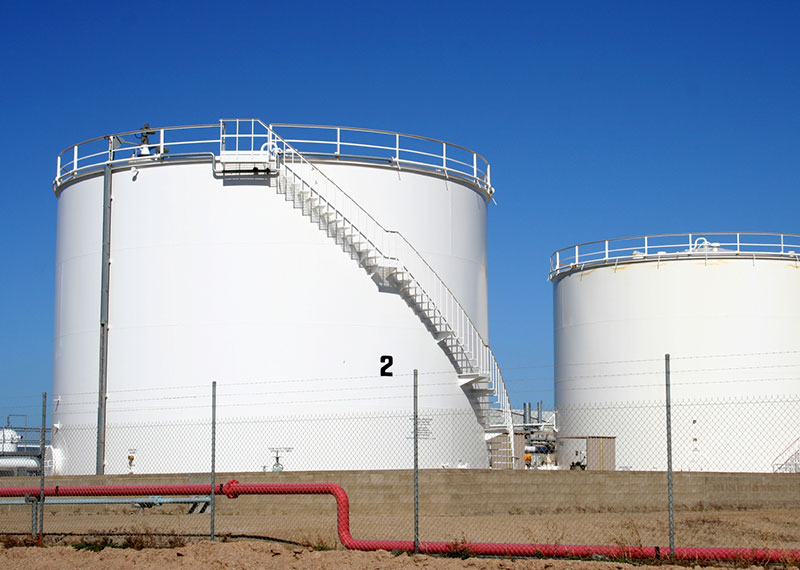
The objective of the audit was to assess the effectiveness of the Department of the Prime Minister and Cabinet’s management of initiatives to supply low aromatic fuel to Indigenous communities.
Entity
Department of the Prime Minister and Cabinet
Contact
Please direct enquiries relating to reports through our contact page.
Performance audit (Auditor-General Report No. 47 of 2020–21)

Published: Monday 28 June 2021
Published
The objective of this audit was to assess the effectiveness of the administration of the commuter car park projects within the Urban Congestion Fund.
Entity
Department of Infrastructure, Transport, Regional Development and Communications
Contact
Please direct enquiries through our contact page.
Performance audit (Auditor-General Report No. 48 of 2008–09)
Published: Tuesday 30 June 2009
Published
The objective of this audit was to assess whether the strengthened two–pass approval process for major capital equipment projects is being implemented effectively.
Entity
Department of Defence
Performance audit (Auditor-General Report No. 30 of 2019–20)

Published: Thursday 2 April 2020
Published
The objective of this audit was to examine the effectiveness of bilateral agreement arrangements between Services Australia and other entities.
Entity
Across Entities
Contact
Please direct enquiries through our contact page.
Performance audit (Auditor-General Report No. 1 of 2018–19)

Published: Tuesday 17 July 2018
Published
The objective of the audit was to assess the Department of Social Services’ (Social Services) implementation and evaluation of the Cashless Debit Card trial.
Entity
Department of Social Services
Contact
Please direct enquiries through our contact page.
Speeches and papers
Published: Wednesday 21 April 2010
Published
Mr Ian McPhee - Auditor-General for Australia, presented at the CPA Australia - CFO Public Sector Lunch
Performance audit (Auditor-General Report No. 27 of 2021–22)

Published: Thursday 12 May 2022
Published
The objective of the audit was to assess the effectiveness of administration of physical security in the revised Protective Security Policy Framework.
Entity
Attorney-General’s Department; Services Australia; Department of Social Services
Contact
Please direct enquiries through our contact page.
Assurance review (Auditor-General Report No. 62 of 2016–17)
Published: Friday 30 June 2017
Published
The Auditor-General undertook a limited assurance engagement of the Department of Finance’s management of the lease between the Commonwealth of Australia and the New South Wales Rifle Association over the Malabar Headland. The limited assurance engagement examined whether the management was, in all material respects, in accordance with the Commonwealth Property Management Framework.
Entity
Department of Finance; Department of the Environment and Energy
Contact
Please direct enquiries through our contact page.
Performance audit (Auditor-General Report No. 29 of 2014–15)

Published: Tuesday 21 April 2015
Published
The objective of the audit was to assess the effectiveness of the arrangements established by the Department of the Environment for the funding and management of the Nimmie-Caira System Enhanced Environmental Water Delivery Project.
Entity
Department of the Environment
Contact
Please direct enquiries relating to reports through our contact page.
Performance audit (Auditor-General Report No. 52 of 2013–14)
Published: Wednesday 25 June 2014
Published
The audit objective was to assess the Department of Defence’s progress in delivering Multi-Role Helicopters (MRH90 aircraft) to the ADF through AIR 9000 Phases 2, 4 and 6, within approved cost, schedule and performance parameters.
Entity
Department of Defence; Defence Materiel Organisation
Contact
Please direct enquiries relating to reports through our contact page.
Speeches and papers
Published: Friday 20 August 2004
Published
Mr P.J. Barrett (AM) - Auditor-General for Australia, presented at the CPA Forum 2004
Speeches and papers
Published: Wednesday 18 April 2001
Published
Mr P.J. Barrett (AM) - Auditor-General for Australia, presented at the MinterEllison Seminar Series
Performance audit (Auditor-General Report No. 5 of 1999–2000)
Published: Monday 9 August 1999
Published
The audit reviewed the productivity and client service of IP Australia, a division of the Department of Industry, Science and Resources, which provides intellectual property rights in respect of patents, trade marks and designs. The objective of the audit was to examine the effectiveness of IP Australia's management of productivity and client service.
Entity
Department of Industry, Science and Resources
Performance audit (Auditor-General Report No. 9 of 1998–99)
Published: Monday 28 September 1998
Published
The audit reviewed the accountability framework and performance information of the Australian Sports Commission (ASC). The objective of the audit was to form an opinion on the efficiency and effectiveness of the ASC: accountability arrangements, focussing on key stakeholders such as the Minister and the Parliament; and management information systems, focussing on performance information, in particular key performance indicators; and its use in resource allocation decision-making.
Entity
Australian Sports Commission
Performance audit (Auditor-General Report No. 46 of 2019–20)

Published: Thursday 25 June 2020
Published
Implementation of ANAO and Parliamentary Committee Recommendations — Education and Health Portfolios
The audit objective was to examine whether selected entities in the Health and Education portfolios implemented the Joint Committee of Public Accounts and Audit and other parliamentary inquiry report recommendations and agreed ANAO performance audit recommendations.
Entity
Across Entities
Contact
Please direct enquiries through our contact page.
Events and seminars

Published: Tuesday 28 August 2018
Published
The Australian National Audit Office (ANAO) is hosting the 21st Pacific Association of Supreme Audit Institutions (PASAI) Congress 28–30 August 2018.
Insights: Audit lessons
Published: Friday 17 May 2019
Published
This edition of audit insights outlines key messages from a series of recent audits examining the effectiveness of governance boards in four corporate Commonwealth entities. The audit observations from this series of audits relate primarily to the ‘soft’ attributes of effective governance such as relationships, behaviours and culture, while also recognising the important interplay with the ‘hard’ attributes of governance such as board composition, appointment processes and independence. The key messages may be relevant for the operations of other Commonwealth boards as well as broader governance arrangements in Commonwealth entities.
Contact
Please direct enquiries through our contact page.
Performance audit (Auditor-General Report No. 33 of 2024–25)

Published: Wednesday 21 May 2025
Published
The audit objective was to assess the effectiveness of the Department of the Prime Minister and Cabinet’s administration of the IA framework to enable well-informed and transparent Australian Government decision-making.
Entity
Department of the Prime Minister and Cabinet
Contact
Please direct enquiries through our contact page.
Financial statement audit (Auditor-General Report No. 31 of 1997–98)
Published: Monday 1 December 1997
Published
This report is the aggregate financial statement for the Commonwealth prepared by the Minister for Finance.
Entity
Across Agency
Insights: Audit lessons

Published: Friday 28 May 2021
Published
This edition of Audit Insights summarises key messages for all Australian Government entities from a series of recent Australian National Audit Office (ANAO) performance audits assessing the delivery of key components of the Australian Government’s response to the COVID-19 pandemic. It discusses the importance of planning, good governance and sound risk management in managing an emergency such as the COVID-19 pandemic.
Contact
Please direct enquiries through our contact page.
Performance audit (Auditor-General Report No. 49 of 2024–25)

Published: Thursday 26 June 2025
Published
The objective of this audit was to assess the effectiveness of the design and establishment of the National Reconstruction Fund Corporation.
Entity
National Reconstruction Fund Corporation; Department of Industry, Science and Resources; Department of Finance
Contact
Please direct enquiries through our contact page.
Performance audit (Auditor-General Report No. 23 of 2017–18)

Published: Tuesday 19 December 2017
Published
The objective of the audit was to assess whether the contractual arrangements that have been put in place for the delivery of the Moorebank Intermodal Terminal (MIT) will provide value for money and achieve the Australian Government’s policy objectives for the project.
Entity
Moorebank Intermodal Company Limited; Department of Infrastructure and Regional Development; Department of Finance
Contact
Please direct enquiries relating to reports through our contact page.
Performance audit (Auditor-General Report No. 28 of 2017–18)

Published: Monday 19 February 2018
Published
The audit objective was to assess whether Defence achieves value for money in the procurement of fuels.
Entity
Department of Defence
Contact
Please direct enquiries relating to reports through our contact page.
Performance audit (Auditor-General Report No. 54 of 2016–17)

Published: Thursday 1 June 2017
Published
The objective of the audit was to assess the selected entities’ progress in implementing the corporate planning requirements under the Public Governance, Performance and Accountability Act 2013 and related PGPA Rule 2014.
This audit assessed corporate plans for the 2016–17 reporting period, and complements the report published in August 2016 which assessed corporate plans for the 2015–16 reporting period.
Entity
Comcare; Department of Education and Training; Department of the Prime Minister and Cabinet; National Library of Australia
Contact
Please direct enquiries relating to reports through our contact page.
Performance audit (Auditor-General Report No. 21 of 2019–20)

Published: Wednesday 18 December 2019
Published
The audit assessed the effectiveness of the rural research and development corporations’ management of probity.
Entity
Across Entities
Contact
Please direct enquiries through our contact page.
Annual report
Published: Thursday 30 September 2010
Published
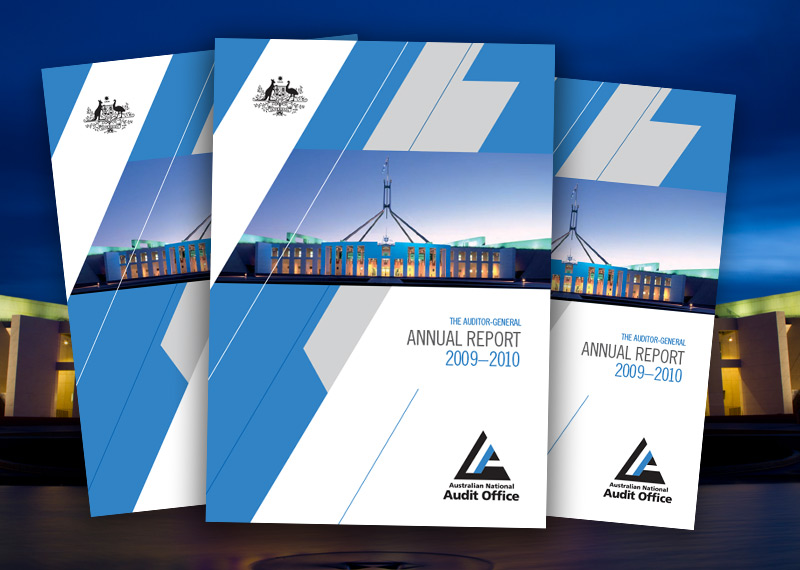
This annual report documents the performance of the Australian National Audit Office (ANAO) in the financial year ending on 30 June 2010. It includes a foreword by the Auditor-General, an overview including the role and responsibilities and vision of the Office, a report on performance, details about management and accountability, and the financial results.
Information report (Auditor-General Report No. 19 of 2017–18)

Published: Wednesday 6 December 2017
Published
Procurement is a significant public sector activity worth $47.4 billion in 2016–17. This information report seeks to provide greater transparency on procurement activity in the Australian public sector. This information report is neither an audit nor an assurance review and presents no conclusions or opinions. The report presents in a variety of ways, including tables and figures, publicly available data from public sector procurement activity.
Contact
Please direct enquiries through our contact page.
Performance audit (Auditor-General Report No. 2 of 2021–22)

Published: Wednesday 8 September 2021
Published
The audit objective was to assess the effectiveness of the Australian Security Intelligence Organisation's workforce planning to support key activities.
Entity
Australian Security Intelligence Organisation
Contact
Please direct enquiries through our contact page.
Performance audit (Auditor-General Report No. 36 of 2017–18)

Published: Monday 23 April 2018
Published
The audit objective was to assess entities’ progress in implementing the corporate planning requirement under the Public Governance, Performance and Accountability Act 2013 and related PGPA Rule 2014.
Entity
Department of the Treasury; Australian Transaction Reports and Analysis Centre; The Commonwealth Scientific and Industrial Research Organisation; Office of the Commonwealth Ombudsman
Contact
Please direct enquiries through our contact page.
Insights: Audit lessons

Published: Wednesday 30 June 2021
Published
This edition of Audit Insights considers the approaches entities are taking to implement parliamentary and ANAO recommendations to improve public administration practices and outcomes. It updates and replaces the edition published in November 2019 and draws on audit reports released since then.
Parliamentary committee inquiries and ANAO performance audits identify risks to the successful delivery of outcomes and generally provide recommendations to address them. Tabling an agreed response to a parliamentary committee recommendation formalises government or entity commitment to the Parliament to implement the agreed action. Similarly, ANAO performance audit reports are prepared for presentation to Parliament and agreement to implement a recommendation made in an ANAO report is therefore a commitment to the Parliament.
Contact
Please direct enquiries through our contact page.
Insights: Audit lessons

Published: Wednesday 11 November 2020
Published
This edition of Audit Insights summarises key messages from a series of ANAO performance audits assessing performance evaluation frameworks and success measures. It discusses the importance of both in keeping entities accountable and their performance transparent.
Contact
Please direct enquiries through our contact page.
Performance audit (Auditor-General Report No. 8 of 2012–13)
Published: Wednesday 24 October 2012
Published
The objective of the audit was to assess the effectiveness of FaHCSIA‘s performance of its lead agency role in coordinating whole-of-government commitments to closing the gap in Indigenous disadvantage.
Entity
Department of Families, Housing, Community Services and Indigenous Affairs
Performance audit (Auditor-General Report No. 16 of 2011–12)
Published: Thursday 8 December 2011
Published
The objective of the audit was to assess the effectiveness of the ATO’s compliance management approach in the SME market.
Entity
Australian Taxation Office
Performance audit (Auditor-General Report No. 5 of 2009–10)
Published: Thursday 17 September 2009
Published
The audit objective was to assess DoHA's administration of prudential arrangements for the protection of residential aged care accommodation bonds.
Entity
Department of Health and Ageing
Performance audit (Auditor-General Report No. 30 of 2002–03)
Published: Thursday 27 February 2003
Published
The Service Chiefs of Navy, Army and Air Force are accountable to the Chief of the Defence Force for the way that equipment is used by their Service. They are also accountable for the safety, fitness for service and environmental compliance of the equipment. The audit report deals with the way that the Service Chiefs are assured of the safety and suitability for service of the Australian Defence Force's (ADF's) ordnance systems. Ordnance systems include munitions such as missiles, shells and mines, and the auxiliary material necessary to aim, launch and guide munitions.
Entity
Department of Defence
Performance audit (Auditor-General Report No. 41 of 1998–99)
Published: Monday 24 May 1999
Published
The objective of the audit was to assess the effectiveness of, and to identify possible areas for improvement in, Defence management of the general service fleet.
Entity
Department of Defence
Performance audit (Auditor-General Report No. 22 of 1998–99)
Published: Tuesday 15 December 1998
Published
The audit reviewed six budget-funded agencies (Australian Customs Service, Australian Taxation Office, Centrelink, Department of Defence, Department of Education, Training and Youth Affairs, and Department of Immigration and Multicultural Affairs) and two off-budget entities (Airservices Australia and Reserve Bank of Australia). The ANAO also examined the Office for Government Online's (OGO, formerly the Office of Government Information Technology, or OGIT) whole-of-government coordination of the Commonwealth's Year 2000 efforts.
Entity
Australian Customs Service; Australian Taxation Office; Centrelink; Department of Defence; Department of Education, Training and Youth Affairs; Department of Immigration and Multicultural Affairs
Performance audit (Auditor-General Report No. 25 of 1996–97)
Published: Friday 20 December 1996
Published
The purpose of this audit was to assess the Department of Social Security's approach to customer service against a recognised good practice methodology, and to identify opportunities for DSS to improve the quality of its customer service, its administrative effectiveness and its overall performance. The ANAO's intention was to identify opportunities to improve customer focus, particularly for those aspects of DSS's administration impacting on customer service. The audit criteria included: customer service environment; human resource management practices; communication with customers; customer-friendly approaches; and systematic approaches to continuous improvement.
Entity
Department of Social Security
Performance audit (Auditor-General Report No. 24 of 2016–17)

Published: Wednesday 9 November 2016
Published
The audit objective was to assess the effectiveness to date of the management of the approach to transition the disability services market to the National Disability Insurance Scheme (NDIS) market arrangements.
Entity
Department of Social Services; National Disability Insurance Agency
Contact
Please direct enquiries relating to reports through our contact page.
Speeches and papers
Published: Friday 26 February 2010
Published
Mr Ian McPhee - Auditor-General for Australia, presented at the Canberra Evaluation Forum, The Lobby, Canberra
Performance audit (Auditor-General Report No. 28 of 2014–15)

Published: Wednesday 15 April 2015
Published
The audit objective was to assess the effectiveness of the Department of Immigration and Border Protection in delivering high quality interpreting services to its clients.
Entity
Department of Immigration and Border Protection; Department of Social Services
Contact
Please direct enquiries relating to reports through our contact page.
Performance audit (Auditor-General Report No. 2 of 2025–26)

Published: Wednesday 3 September 2025
Published
The objective of the audit was to assess the effectiveness of the NDIS Commission in exercising its regulatory functions.
Entity
NDIS Quality and Safeguards Commission
Contact
Please direct enquiries through our contact page.
Corporate
Published: Friday 4 May 2018
Published
This first e-newsletter of the Commonwealth Auditors General Group was produced by Sir Amyas Morse, UK Comptroller and Auditor General as guest editor, along with the editorial team of the Auditors General of Australia, Fiji, Jamaica and Tanzania. Cybersecurity is the theme for this newsletter, with articles from the Supreme Audit Institutions (SAIs) of Australia, Malta and the UK.
One of the main purposes of the e-newsletter is to share experiences and establish a dialogue based on the discussions that were started at the 23rd Conference of Commonwealth Auditors General in Delhi. For this edition the conversation is around ‘leveraging technology in public audit’, and it draws on international peers experiences and learnings from conducting cybersecurity audits.
Contact
If you have any thoughts on future technical content which you would like to propose, please contact international@nao.gsi.gov.uk
Performance audit (Auditor-General Report No. 6 of 2016–17)

Published: Wednesday 31 August 2016
Published
The objective of the audit was to assess progress in implementing the corporate plan requirement under the Public Governance, Performance and Accountability Act 2013.
Entity
Across Entities
Contact
Please direct enquiries relating to reports through our contact page.
Performance audit (Auditor-General Report No. 13 of 2004–05)
Published: Thursday 28 October 2004
Published
This audit is the first time that the ANAO has looked at superannuation payments to independent contractors. The audit examined whether Commonwealth organisations were identifying contracts that were wholly or principally for the labour of the contractor and meeting statutory superannuation obligations under the Superannuation (Productivity Benefit) Act 1988.
Entity
Across Entities
Performance audit (Auditor-General Report No. 63 of 2002–03)
Published: Monday 30 June 2003
Published
The objective of the audit was to assess the Commonwealth's administration of the Automotive Competitiveness and Investment Scheme (ACIS) . The audit reviewed program governance, scheme promotion and registration, management of credit allocations, and compliance processes.
Entity
Department of Industry Tourism and Resources; Australian Customs Service
Performance audit (Auditor-General Report No. 48 of 2002–03)
Published: Monday 16 June 2003
Published
In 2000, the ANAO tabled Audit Report No 49 1999-2000, Indigenous Land Corporation operations and performance. The 2000 audit made nine recommendations for improvement. This follow-up audit examined the Indigenous Land Corporation's implementation of the recommendations of the 2000 audit.
Entity
Department of Immigration and Multicultural and Indigenous Affairs
Performance audit (Auditor-General Report No. 35 of 2001–02)
Published: Monday 11 March 2002
Published
The Australian Taxation Office (ATO) established a task force in 1996 to develop a greater understanding of the factors involved and to devise a coordinated approach in dealing with the cash economy. The objective of the performance audit was to report to Parliament on the ATO's progress in addressing the cash economy, including its monitoring and reporting of outcomes. The audit focused on the ATO's implementation of its Cash Economy Task Force recommendations in the light of the tax reform that has taken place over the last two years.
Entity
Australian Taxation Office
Performance audit (Auditor-General Report No. 4 of 2000–01)
Published: Monday 14 August 2000
Published
This report summarises audit and other related activities of the Australian National Audit Office in the period January to June 2000.
Entity
Audit Activity Report
Performance audit (Auditor-General Report No. 36 of 2020–21)

Published: Friday 7 May 2021
Published
The objective of this audit was to assess the effectiveness and efficiency of Indigenous Business Australia’s (IBA's) management of its business support and investment activities.
Entity
Indigenous Business Australia
Contact
Please direct enquiries through our contact page.
Request for audit
Responded: Wednesday 26 April 2023
Response provided
The Auditor-General responded on 26 April 2023 to correspondence from the Hon David Coleman MP dated 29 March 2023 and 12 April 2023, requesting that the Auditor-General conduct a full investigation into the design and administration of Round 6 of the Mobile Black Spot Program.
Contact
Please direct enquiries relating to requests for audit through our contact page.
Performance audit (Auditor-General Report No. 8 of 2023–24)

Published: Monday 11 December 2023
Published
The objective of the audit was to assess whether the design and early implementation of the Australian Government’s response to Recommendation 86 of the Royal Commission into Aged Care Quality and Safety has been effective.
Entity
Department of Health and Aged Care; Aged Care Quality and Safety Commission
Contact
Please direct enquiries through our contact page.
Performance audit (Auditor-General Report No. 7 of 2023–24)

Published: Monday 27 November 2023
Published
The objective of the audit was to assess the effectiveness of the establishment of the Workforce Australia Services panel.
Entity
Department of Employment and Workplace Relations
Contact
Please direct enquiries through our contact page.
Performance audit (Auditor-General Report No. 4 of 2017–18)

Published: Wednesday 12 July 2017
Published
The audit objective was to assess whether the Department of Employment effectively designed and monitors the progress of the jobactive program.
Entity
Department of Employment
Contact
Please direct enquiries relating to reports through our contact page.
Performance audit (Auditor-General Report No. 9 of 2020–21)

Published: Monday 21 September 2020
Published
The objective of this audit was to examine whether the Department of Infrastructure, Transport, Regional Development and Communications exercised appropriate due diligence in its acquisition of the ‘Leppington Triangle’ land for the future development of the Western Sydney Airport.
Entity
Department of Infrastructure, Transport, Regional Development and Communications
Contact
Please direct enquiries through our contact page.
Performance audit (Auditor-General Report No. 26 of 2021–22)
Published: Tuesday 10 May 2022
Published
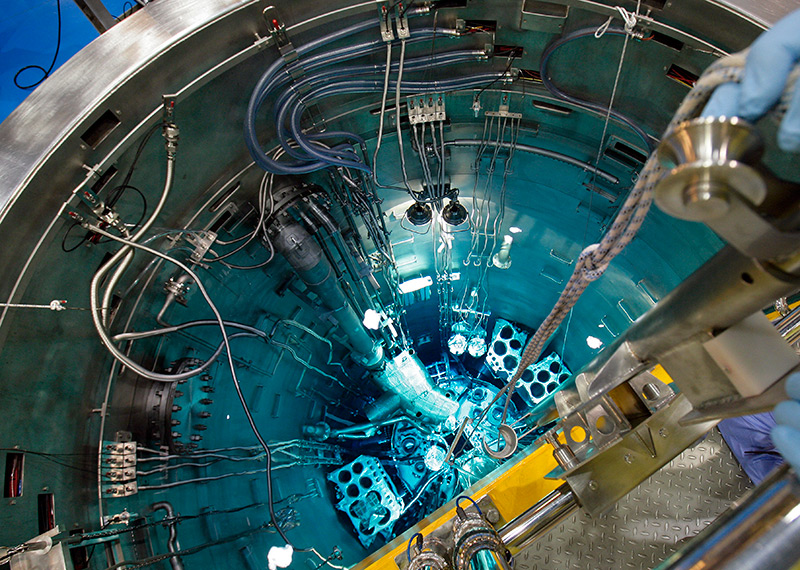
The audit examined the effectiveness of the Australian Nuclear Science and Technology Organisation’s management of assets involved in the manufacture, production and distribution of nuclear medicines.
Entity
Australian Nuclear Science and Technology Organisation
Contact
Please direct enquiries through our contact page.
Insights: Audit lessons

Published: Tuesday 25 January 2022
Published
This edition of Audit Insights summarises key messages for all Australian government entities from a series of Australian National Audit Office (ANAO) performance audits that have examined service delivery through other entities. It discusses the importance of establishing appropriate service delivery governance arrangements between entities, understanding risk tolerances and managing service delivery risks, and establishing performance monitoring and measurement arrangements.
Contact
Please direct enquiries through our contact page.
Performance audit (Auditor-General Report No. 37 of 2019–20)

Published: Thursday 28 May 2020
Published
The audit objective was to assess whether the Department of Homes Affairs has appropriately managed the procurement of garrison support and welfare services for offshore processing centres in Nauru and PNG (Manus Island).
Entity
Department of Home Affairs
Contact
Please direct enquiries through our contact page.
Performance audit (Auditor-General Report No. 32 of 2024–25)

Published: Wednesday 21 May 2025
Published
The objective of the audit was to assess the effectiveness of the Department of Agriculture, Fisheries and Forestry’s management of the biosecurity workforce.
Entity
Department of Agriculture, Fisheries and Forestry
Contact
Please direct enquiries through our contact page.
Performance audit (Auditor-General Report No. 42 of 2016–17)

Published: Wednesday 15 March 2017
Published
The audit objective was to re-assess the three entities' compliance with the 'Top Four' mandatory strategies in the Australian Government Information Security Manual (ISM). The audit also aims to examine the typical challenges faced by entities to achieve and maintain their desired ICT security posture.
Entity
Australian Taxation Office; Department of Human Services; Department of Immigration and Border Protection
Contact
Please direct enquiries relating to reports through our contact page.
Performance audit (Auditor-General Report No. 28 of 2018–19)

Published: Thursday 21 February 2019
Published
The objective of the audit was to examine the extent to which the Department of Human Services (Human Services) has implemented the recommendations made by the Australian National Audit Office (ANAO) in Auditor-General Report No. 37 of 2014–15 Management of Smart Centres’ Centrelink Telephone Services; as well as Human Services’ performance against call wait time and call blocking metrics.
Entity
Department of Human Services
Contact
Please direct enquiries through our contact page.
Performance audit (Auditor-General Report No. 23 of 2015–16)

Published: Thursday 25 February 2016
Published
The objective of the audit was to assess the effectiveness of the Australian Competition and Consumer Commission in managing compliance with fair trading obligations.
Entity
Australian Competition and Consumer Commission (ACCC)
Contact
Please direct enquiries relating to reports through our contact page.
Performance audit (Auditor-General Report No. 11 of 2020–21)

Published: Monday 28 September 2020
Published
The ANAO conducted separate audits of the Indigenous Advancement Strategy (IAS) Children and Schooling program and the Safety and Wellbeing program, the findings and conclusions of which are presented in this report. The objective of the audits was to assess the effectiveness of the Department of the Prime Minister and Cabinet’s and the National Indigenous Australians Agency’s administration of the IAS Children and Schooling and the Safety and Wellbeing programs.
Entity
National Indigenous Australians Agency
Contact
Please direct enquiries through our contact page.
Performance audit (Auditor-General Report No. 7 of 2024–25)

Published: Wednesday 23 October 2024
Published
The objective of the audit was to assess the effectiveness of the Department of Health and Aged Care’s fraud control arrangements, with a specific focus on the Indigenous Australians’ Health Programme.
Entity
Department of Health and Aged Care
Contact
Please direct enquiries through our contact page.
Corporate

Published: Wednesday 19 July 2017
Published
The ANAO 2017–18 Corporate Plan is the ANAO's key strategic planning document. It guides our operating environment and sets out how we will deliver on our purpose. The corporate plan is complemented by the annual audit work program which reflects the ANAO's strategy and deliverables for the coming year.
Contact
Please direct enquiries about our corporate plan through our contact page.
Performance audit (Auditor-General Report No. 45 of 2019–20)

Published: Wednesday 24 June 2020
Published
The audit objective was to assess the effectiveness of the Department of Social Services’ arrangements for managing Disability Employment Services provider agreements.
Entity
Department of Social Services
Contact
Please direct enquiries through our contact page.
Performance audit (Auditor-General Report No. 48 of 2020–21)

Published: Tuesday 29 June 2021
Published
The audit objective was to examine the effectiveness of the Australian Skills Quality Authority’s planning and implementation of reform to the regulation of the vocational education and training sector.
Entity
Australian Skills Quality Authority
Contact
Please direct enquiries through our contact page.
Insights: Audit lessons

Published: Wednesday 24 June 2020
Published
This edition of audit insights outlines key messages from a series of performance audits which examined the effectiveness of fraud control arrangements in three Australian Government departments. In addition to assessing compliance with the mandatory requirements of the 2017 Commonwealth Fraud Control Framework, the audits examined the application of the government’s better practice fraud guidance, and steps taken by the entities to promote a fraud aware culture. The key messages may be relevant for the operations of other Commonwealth entities, as fraud control is a key responsibility in Australian Government administration.
Contact
Please direct enquiries through our contact page.
Corporate
Published: Thursday 24 October 2019
Published
This is the second e-newsletter of the Commonwealth Auditors General Group. These e-newsletters are a genuine effort to share experiences, challenges and engage in thought-provoking discussions on topics which are common to the fifty-three member countries of the Commonwealth.
Contact
If you have any thoughts on future technical content which you would like to propose, please contact international@nao.gsi.gov.uk
Performance audit (Auditor-General Report No. 12 of 2017–18)

Published: Friday 29 September 2017
Published
The audit objective was to assess the effectiveness of the Department of Communications and the Arts’ contract management of selected telephone universal service obligations.
Entity
Department of Communications and the Arts
Contact
Please direct enquiries relating to reports through our contact page.
Performance audit (Auditor-General Report No. 9 of 2024–25)

Published: Tuesday 29 October 2024
Published
The objective of the audit was to assess the effectiveness of the National Health and Medical Research Council’s fraud control arrangements.
Entity
National Health and Medical Research Council
Contact
Please direct enquiries through our contact page.
Performance audit (Auditor-General Report No. 34 of 2024–25)

Published: Thursday 22 May 2025
Published
The objective of the audit was to assess the effectiveness of the Department of the Treasury’s design and implementation of the Measuring What Matters framework.
Entity
Department of the Treasury
Contact
Please direct enquiries through our contact page.
Major projects report (Auditor-General Report No. 13 of 2021–22)

Published: Monday 13 December 2021
Published
The major projects report (MPR) is an annual review of the Department of Defence’s major defence equipment acquisitions, undertaken at the request of the Parliament’s Joint Committee of Public Accounts and Audit (JCPAA).
The purpose of the MPR is to provide information and assurance to the Parliament on the performance of selected acquisitions as at 30 June 2021. This is the 14th MPR since its commencement in 2007–08.
Entity
Department of Defence
Contact
Please direct enquiries through our contact page.
Performance audit (Auditor-General Report No. 27 of 2024–25)

Published: Monday 3 March 2025
Published
The purpose of the audit was to assess the effectiveness of Sport Integrity Australia’s management of the National Anti-doping Scheme.
Entity
Sport Integrity Australia
Contact
Please direct enquiries through our contact page.
Request for audit
Responded: Thursday 12 April 2018
Response provided
The Auditor-General responded on 23 November 2017 to correspondence from Senators Abetz, Paterson and Reynolds dated 27 October 2017, requesting that the Auditor-General undertake an examination of the administration and governance arrangements relating to the Student Services and Amenities Fee (SSAF). Following a request from Senator Abetz on 17 January 2018 for a more detailed response, the Auditor-General followed-up on 5 April 2018.
Contact
Please direct enquiries relating to requests for audit through our contact page.
Performance audit (Auditor-General Report No. 21 of 2021–22)

Published: Thursday 31 March 2022
Published
The audit assessed whether the Streamlining Government Grants Administration Program improved the effective and efficient delivery of grants administration.
Entity
Department of Finance; Department of Industry, Science, Energy and Resources; Department of Social Services
Contact
Please direct enquiries through our contact page.
Performance audit (Auditor-General Report No. 10 of 2024–25)

Published: Wednesday 30 October 2024
Published
The objective of the audit was to assess the effectiveness of Australian Skills Quality Authority’s fraud control arrangements as the national regulator of the vocational education and training sector.
Entity
Australian Skills Quality Authority
Contact
Please direct enquiries through our contact page.
Performance audit (Auditor-General Report No. 31 of 2015–16)

Published: Thursday 5 May 2016
Published
The audit objective was to assess the effectiveness of the administration of the Higher Education Loan Program (HELP) debts and repayments.
Entity
Australian Taxation Office (ATO); Department of Education and Training
Contact
Please direct enquiries relating to reports through our contact page.
Performance audit (Auditor-General Report No. 10 of 2016–17)
Published: Thursday 1 September 2016
Published
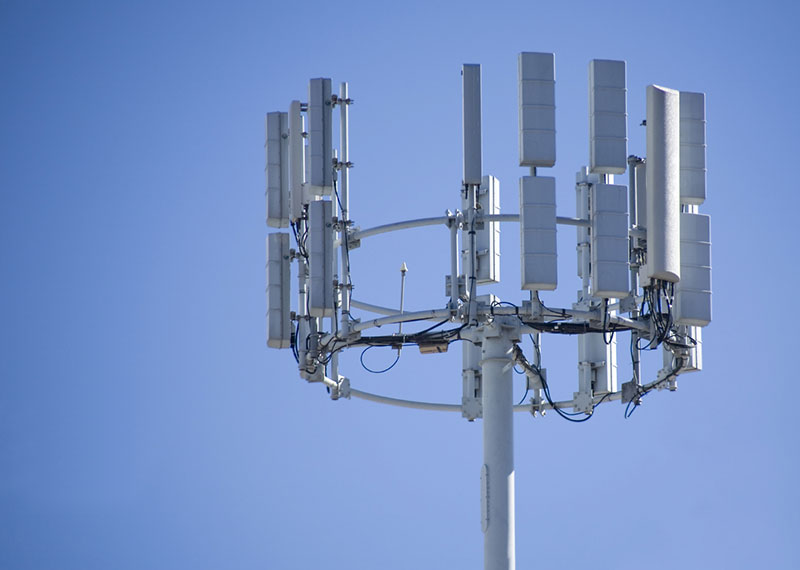
The objective of this audit was to assess the effectiveness of the Department of Communications and the Arts’ assessment and selection of base stations for funding under the first round of the Mobile Black Spot Programme.
Entity
Department of Communications and the Arts
Contact
Please direct enquiries relating to reports through our contact page.
Performance audit (Auditor-General Report No. 13 of 2016–17)

Published: Thursday 1 September 2016
Published
The objective of this audit was to assess the effectiveness of the Department of Immigration and Border Protection’s administration of health services in onshore immigration detention.
Entity
Department of Immigration and Border Protection
Contact
Please direct enquiries relating to reports through our contact page.
Performance audit (Auditor-General Report No. 29 of 2020–21)

Published: Monday 22 February 2021
Published
The objective of this audit was to assess whether the National Library of Australia and National Film and Sound Archive (NFSA) have implemented effective collection management practices.
Entity
Department of Infrastructure, Transport, Regional Development and Communications; National Film and Sound Archive; National Library of Australia
Contact
Please direct enquiries through our contact page.
Performance audit (Auditor-General Report No. 29 of 1996–97)
Published: Wednesday 26 March 1997
Published
The overall objective of the preliminary study was to determine whether a performance audit of the management of corporate sponsorship was warranted. Specifically, the areas canvassed during the preliminary study were:
- policies and guidelines for the management of corporate sponsorship;
- integration of corporate sponsorship into agency planning;
- contractual arrangements;
- evaluation of corporate sponsorship within the agency;
- valuation and reporting of corporate sponsorship; and
- costs and benefits associated with corporate sponsorship.
The preliminary study findings did not warrant proceeding to a full performance audit. However, because corporate sponsorship is likely to be a growing area of importance for the Commonwealth, the ANAO concluded that there was value in producing a better practice guide in addition to the audit report.
Entity
Across Agency
Performance audit (Auditor-General Report No. 21 of 1996–97)
Published: Wednesday 11 December 1996
Published
The objective of the audit was to review the Department of Veterans' Affairs' management of the outsourcing of its data centre in Sydney from February 1992, specifically with respect to the management of its contractual arrangements. The audit sought to identify the extent to which DVA achieved its objectives of outsourcing and the effectiveness of its management of the arrangement with the supplier.
Entity
Department of Veterans' Affairs
Performance audit (Auditor-General Report No. 12 of 2018–19)

Published: Tuesday 20 November 2018
Published
The objective of the audit was to assess whether the Royal Australian Mint’s strategies for addressing the impacts of declining demand for Australian circulating coins are appropriate and effective.
Entity
Royal Australian Mint
Contact
Please direct enquiries through our contact page.
Performance audit (Auditor-General Report No. 29 of 2021–22)

Published: Thursday 2 June 2022
Published
The objective of the audit was to examine the effectiveness of the Department of Social Services' administration of the Cashless Debit Card program, including implementation of the recommendations made in Auditor-General Report No.1 2018–19, The Implementation and Performance of the Cashless Debit Card Trial.
Entity
Services Australia; Department of Social Services
Contact
Please direct enquiries through our contact page.
Request for audit

Responded: Tuesday 1 December 2015
Response provided
The Auditor-General responded on 1 December 2015 to correspondence from Senator Nick Xenophon of 29 October and 5 November 2015, on the advertising campaign promoting Free Trade Agreements in Asia.
Contact
Please direct enquiries relating to requests for audit through our contact page.
Major projects report (Auditor-General Report No. 19 of 2019–20)

Published: Monday 16 December 2019
Published
The objective of this report is to provide the Auditor-General’s independent assurance over the status of the selected major projects. The status of the selected major projects is reported in the Statement by the Secretary of Defence and the Project Data Summary Sheets (PDSSs) prepared by Defence. Assurance from the ANAO’s review is conveyed in the Independent Assurance Report by the Auditor-General.
Entity
Department of Defence
Contact
Please direct enquiries through our contact page.
Performance audit (Auditor-General Report No. 4 of 2019–20)

Published: Wednesday 31 July 2019
Published
The objective of the audit was to assess whether the contract for the acquisition of the Civil Military Air Traffic Management System demonstrably represents value for money.
Entity
Airservices Australia; Department of Defence
Contact
Please direct enquiries through our contact page.
Corporate

Published: Friday 29 July 2016
Published
The Australian National Audit Office (ANAO) 2016-20 Corporate Plan is the primary strategic planning document, and outlines how the ANAO intends to deliver against the purpose over the coming four years.
Contact
Please direct enquiries relating to reports through our contact page.
Request for audit

Responded: Tuesday 20 January 2015
Response provided
The Auditor-General responded on 20 January 2015 to correspondence from Senator Nick Xenophon of 9 December 2014 and Senator the Hon Kim Carr of 15 January 2015, on the advertising campaign on higher education issues.
Contact
Please direct enquiries relating to requests for audit through our contact page.
Performance audit (Auditor-General Report No. 3 of 2015–16)

Published: Thursday 13 August 2015
Published
The objective of this audit was to assess the effectiveness of the Great Barrier Reef Marine Park Authority’s regulation of permits and approvals within the Great Barrier Reef Marine Park.
Entity
Great Barrier Reef Marine Park Authority
Contact
Please direct enquiries relating to reports through our contact page.
Performance audit (Auditor-General Report No. 19 of 2025–26)

Published: Wednesday 21 January 2026
Published
The objective of the audit was to assess the effectiveness of partnership arrangements, funding design activities and measurement of progress for schooling and early childhood development commitments under the National Agreement on Closing the Gap.
Entity
Across Entities
Contact
Please direct enquiries through our contact page.
Performance audit (Auditor-General Report No. 33 of 2021–22)

Published: Wednesday 15 June 2022
Published
The audit objective was to examine the effectiveness of Snowy Hydro Limited’s governance arrangements for early implementation of Snowy 2.0, the expansion to the Snowy Hydro Scheme.
Entity
Snowy Hydro Limited
Contact
Please direct enquiries through our contact page.
Performance audit (Auditor-General Report No. 41 of 2017–18)

Published: Monday 21 May 2018
Published
The objective of this audit was to assess the effectiveness of the Efficiency through Contestability Programme in supporting entities to improve the efficient delivery of government functions.
Entity
Across Entities
Contact
Please direct enquiries through our contact page.
Performance audit (Auditor-General Report No. 14 of 2006–07)
Published: Thursday 7 December 2006
Published
The objective of the audit was to assess whether the APVMA is performing its key regulatory functions effectively. In particular, the audit examined the APVMA's arrangements for:
- planning and overseeing the delivery of regulatory functions;
- registering pesticides and veterinary medicines in a timely manner;
- obtaining external scientific advice to support the registration function;
- monitoring the quality of pesticides and veterinary medicines approved for sale in Australia; and
- administering its cost recovery framework.
Entity
Australian Pesticides and Veterinary Medicines Authority
Performance audit (Auditor-General Report No. 9 of 2002–03)
Published: Monday 30 September 2002
Published
The objective of the audit was to assess whether Centrelink's Balanced Scorecard (BSC) was based on key elements of better practice principles and its use assisted Centrelink to understand and communicate its performance against its strategic goals. The audit examined:
- the use of the BSC in setting Centrelink's vision and goals;
- the role of the BSC in planning;
- alignment of the BSC from the top down through the organisation and the interdependencies of scoreboards used by various support units, the definition and use of measures, including target setting and links to goals within the BSC framework; and
- its use in monitoring, reporting and feedback.
Entity
Centrelink
Performance audit (Auditor-General Report No. 6 of 2002–03)
Published: Thursday 29 August 2002
Published
The ANAO reviewed arrangements for the development of the department's fraud policy, fraud risk assessment and fraud control plan within the core functional areas of the department that are responsible for these activities. The audit also examined the operational procedures and guidelines that were in place to implement the departments' fraud policy. The objective of the audit was to assess whether DVA has implemented appropriate fraud control arrangements in line with the Fraud Control Policy of the Commonwealth and whether these arrangements operate effectively in practice.
Entity
Department of Veterans' Affairs
Performance audit (Auditor-General Report No. 19 of 2000–01)
Published: Monday 4 December 2000
Published
The objective of this follow-up audit was to provide assurance to the Parliament on the cost-effectiveness of public sector travel by:
- ascertaining the degree of acceptance, and the extent of implementation, of the previous audit recommendations and better practice principles; and
- establishing whether organisations were managing travel effectively, taking into consideration recommendations and findings detailed in the above Audit Reports and the Better Practice Guide Public Sector Travel.
Entity
Across Agency
Performance audit (Auditor-General Report No. 7 of 2000–01)
Published: Tuesday 29 August 2000
Published
The audit objective was to examine the administrative effectiveness of the ATO's use of AUSTRAC data. The audit reviewed the use of AUSTRAC data across three of the ATO Business Service Lines (BSLs) namely, Large Business and International (LB&I), Small Business (SB) and Individuals Non Business (INB). These are the most significant BSLs in terms of revenue collection. The audit focussed on the ATO's use of AUSTRAC data at the strategic and operational levels and its management of AUSTRAC data. Aspects examined include the ATO's relationship with AUSTRAC as well as training, data quality, data privacy and security issues.
Entity
Australian Taxation Office
Performance audit (Auditor-General Report No. 8 of 1999–2000)
Published: Monday 23 August 1999
Published
The objective of this audit was to assess the systems put in place by Centrelink to protect data privacy. The audit reviewed the adequacy of the policies, procedures and the administrative framework associated with data privacy, and the computer systems that are used to store and disseminate data. The ANAO also examined compliance with legislative requirements.
Entity
Centrelink
Performance audit (Auditor-General Report No. 40 of 1997–98)
Published: Friday 17 April 1998
Published
The objectives for the audit were to assess the:
- economy, administrative effectiveness, and accountability of DVA's management of the purchase of hospital services from State and Territory governments; and
- strategies adopted by DVA to manage change associated with its purchase of hospital care services from State and Territory governments.
The twin aims were to provide assurance to stakeholders and to identify any area in which improvements could be made to achieve better results.
Entity
Department of Veterans' Affairs
Major projects report (Auditor-General Report No. 26 of 2017–18)

Published: Tuesday 23 January 2018
Published
The objective of this report is to provide the Auditor‐General’s independent assurance over the status of the selected Major Projects. The status of the selected Major Projects is reported in the Statement by the Secretary of Defence and the Project Data Summary Sheets (PDSSs) prepared by Defence, in accordance with the Guidelines endorsed by the Joint Committee of Public Accounts and Audit (JCPAA).
Entity
Department of Defence
Contact
Please direct enquiries relating to reports through our contact page.
Performance audit (Auditor-General Report No. 6 of 2012–13)
Published: Thursday 27 September 2012
Published
The audit objective was to assess the progress of the AIR 6000—New Air Combat Capability project in delivering the required combat aircraft within approved cost, schedule and performance parameters.
Entity
Department of Defence, Defence Materiel Organisation
Performance audit (Auditor-General Report No. 16 of 2016–17)

Published: Tuesday 13 September 2016
Published
The objective of the audit was to assess whether the Department of Immigration and Border Protection (DIBP) had appropriately managed the procurement of garrison support and welfare services at offshore processing centres in Nauru and Papua New Guinea (Manus Island); and whether the processes adopted met the requirements of the Commonwealth Procurement Rules (CPRs) including consideration and achievement of value for money.
Entity
Department of Immigration and Border Protection
Contact
Please direct enquiries relating to reports through our contact page.
Performance audit (Auditor-General Report No. 21 of 2007–08)
Published: Thursday 7 February 2008
Published
The objective of this audit was to assess and report on the administration of the regional delivery of NHT 2 and the NAP.
The scope of the audit encompassed both Environment and DAFF, including the Joint Team of staff from both departments working together under a common management structure for the delivery of both programs. The audit focused on:
- the implementation of the regional delivery arrangements;
- governance and financial management for regional delivery; and
- monitoring, evaluation and reporting on the programs' performance.
Entity
Department of the Environment, Water, Heritage and the Arts; Department of Agriculture, Fisheries and Forestry