Browse our range of reports and publications including performance and financial statement audit reports, assurance review reports, information reports and annual reports.
Performance audit (Auditor-General Report No. 3 of 2017–18)

Published: Wednesday 12 July 2017
Published
The objective of the audit was to assess whether the Office of the Registrar of Indigenous Corporations (ORIC) supports good governance in Indigenous corporations consistent with the Corporations (Aboriginal and Torres Strait Islander) Act 2006 (CATSI).
Entity
Office of the Registrar of Indigenous Corporations; Department of the Prime Minister and Cabinet
Contact
Please direct enquiries relating to reports through our contact page.
Corporate

Published: Wednesday 19 July 2017
Published
The ANAO 2017–18 Corporate Plan is the ANAO's key strategic planning document. It guides our operating environment and sets out how we will deliver on our purpose. The corporate plan is complemented by the annual audit work program which reflects the ANAO's strategy and deliverables for the coming year.
Contact
Please direct enquiries about our corporate plan through our contact page.
Performance audit (Auditor-General Report No. 44 of 2024–25)

Published: Wednesday 18 June 2025
Published
The audit objective was to assess whether the Attorney-General’s Department’s conduct of the procurements relating to two of the new child sexual abuse-related national services employed open and effective competition and achieved value for money, consistent with the Commonwealth Procurement Rules (CPRs).
Entity
Attorney-General’s Department
Contact
Please direct enquiries through our contact page.
Performance audit (Auditor-General Report No. 45 of 2024–25)

Published: Thursday 19 June 2025
Published
The objective of the audit was to assess the effectiveness of Creative Australia’s fraud and corruption control arrangements.
Entity
Creative Australia
Contact
Please direct enquiries through our contact page.
Performance audit (Auditor-General Report No. 51 of 2014–15)

Published: Thursday 25 June 2015
Published
The objective of the audit was to assess the effectiveness of the Australian Taxation Office’s administration of capital gains tax for individual and small business taxpayers.
Entity
Australian Taxation Office
Contact
Please direct enquiries relating to reports through our contact page.
Performance audit (Auditor-General Report No. 8 of 2021–22)

Published: Monday 8 November 2021
Published
The objective of this audit was to assess the effectiveness of the Department of Education, Skills and Employment’s arrangements in administering wage subsidies linked to employment programs.
Entity
Department of Education, Skills and Employment
Contact
Please direct enquiries through our contact page.
Performance audit (Auditor-General Report No. 49 of 2024–25)

Published: Thursday 26 June 2025
Published
The objective of this audit was to assess the effectiveness of the design and establishment of the National Reconstruction Fund Corporation.
Entity
National Reconstruction Fund Corporation; Department of Industry, Science and Resources; Department of Finance
Contact
Please direct enquiries through our contact page.
Corporate
Published: Friday 7 July 2023
Published
Quality in the delivery of the ANAO’s audit services is critical in supporting the integrity of our audit reports and maintaining the confidence of the Parliament and public sector entities. The ANAO Corporate Plan 2023–24 is the ANAO’s primary planning document. It outlines our purpose; the dynamic environment in which we operate; our commitment to building capability; and the priorities, activities and performance measures by which we will be held to account. This quality management framework and plan complements the corporate plan. It describes the ANAO’s system of quality management and reflects the ANAO’s responses to quality risks for the coming year.
The ANAO Quality Management Framework is the ANAO’s established system of quality management to provide the Auditor-General with reasonable assurance that the ANAO complies with the ANAO Auditing Standards and applicable legal and regulatory requirements, and reports issued by the ANAO are appropriate in the circumstances.
The quality management framework and plan component of this document identifies the ANAO’s quality objectives and key responses to address identified quality risks and to provide the Auditor-General with confidence that those responses are implemented and operating effectively.
The ANAO reports on the audit quality indicators that measure the ANAO’s performance against target benchmarks in the annual audit quality report published on the ANAO website. The audit quality report also provides transparency with respect to the implementation and operation of the responses to address quality risks for each component of the ANAO’s system of quality management.
Contact
Please direct enquiries through our contact page.
Performance audit (Auditor-General Report No. 30 of 2015–16)

Published: Thursday 5 May 2016
Published
The audit objective was to assess the effectiveness of the Australian Federal Police's management of its use of force regime.
Entity
Australian Federal Police (AFP)
Contact
Please direct enquiries relating to reports through our contact page.
Major projects report (Auditor-General Report No. 16 of 2015–16)

Published: Friday 15 January 2016
Published
The objective of this report is to provide the Auditor-General’s independent assurance over the status of the selected Major Projects, as reflected in the Statement by the Secretary of Defence, and the Project Data Summary Sheets (PDSSs) prepared by Defence, in accordance with the Guidelines endorsed by the Joint Committee of Public Accounts and Audit.
Entity
Department of Defence
Major projects report (Auditor-General Report No. 14 of 2014–15)

Published: Wednesday 17 December 2014
Published
The report objective is to provide the Auditor-General’s independent assurance over the status of 30 selected Major Projects, as reflected in the Statement by the Chief Executive Officer Defence Materiel Organisation (DMO), and the Project Data Summary Sheets prepared by the DMO, in accordance with the Guidelines endorsed by the Joint Committee of Public Accounts and Audit.
Entity
Defence Materiel Organisation
Performance audit (Auditor-General Report No. 48 of 2009–10)
Published: Wednesday 23 June 2010
Published
The objective of the audit was to assess the effectiveness of the management of community intelligence by the Tax Office.
Entity
Australian Taxation Office
Performance audit (Auditor-General Report No. 31 of 2017–18)

Published: Wednesday 7 March 2018
Published
The objective of this audit was to examine the effectiveness of the Australian Federal Police in managing employee mental health.
Entity
Australian Federal Police (AFP)
Contact
Please direct enquiries relating to reports through our contact page.
Performance audit (Auditor-General Report No. 47 of 2014–15)

Published: Wednesday 10 June 2015
Published
The objective of the audit was to assess the effectiveness of the Department of Immigration and Border Protection’s identity verification arrangements for applicants in the Citizenship Program.
Entity
Department of Immigration and Border Protection
Contact
Please direct enquiries relating to reports through our contact page.
Assurance review (Auditor-General Report No. 17 of 2017–18)
Published: Tuesday 28 November 2017
Published
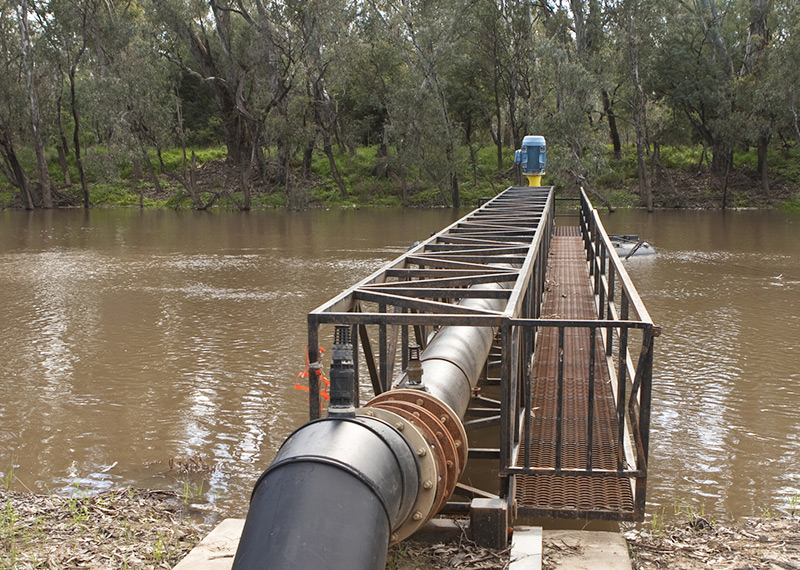
The Auditor-General undertook a limited assurance review of the Department of Agriculture and Water Resources’ assessment of the performance of New South Wales under the National Partnership Agreement on Implementing Water Reform in the Murray-Darling Basin relevant to the protection and use of environmental water for the 2014–15 and 2015–16 financial years.
Entity
Department of Agriculture and Water Resources
Contact
Please direct enquiries through our contact page.
Performance audit (Auditor-General Report No. 5 of 2021–22)

Published: Wednesday 22 September 2021
Published
The audit objective was to assess the effectiveness of the Department of Health’s approach to improving and monitoring immunisation coverage.
Entity
Department of Health
Contact
Please direct enquiries through our contact page.
Request for audit
Responded: Thursday 28 September 2023
Response provided
The Auditor-General responded on 28 September 2023 to correspondence from Senator the Hon Michaelia Cash dated 5 September 2023, requesting that the Auditor-General conduct an investigation to assess the adequacy of data collection, performance monitoring and other governance arrangements under the National Legal Assistance Partnership (NLAP) in the Attorney-General’s portfolio.
Contact
Please direct enquiries relating to requests for audit through our contact page.
Corporate
Published: Thursday 31 July 2025
Published
Quality in the delivery of the ANAO’s audit services is critical in supporting the integrity of our audit reports and maintaining the confidence of the Parliament and public sector entities. The ANAO Corporate Plan 2025–26 is the ANAO's primary planning document. It outlines our purpose; the dynamic environment in which we operate; our commitment to building capability; and the activities and performance measures by which we will be held to account.
This Quality Management Framework and Plan complements the Corporate Plan. It describes the ANAO’s system of quality management and reflects the ANAO's responses to quality risks for the coming year.
The ANAO Quality Management Framework is the ANAO’s established system of quality management to provide the Auditor-General with reasonable assurance that the ANAO complies with the ANAO Auditing Standards and applicable legal and regulatory requirements, and reports issued by the ANAO are appropriate in the circumstances.
The Quality Management Strategy and Plan component of this document identifies the ANAO’s quality objectives and key responses to address identified quality risks and to provide the Auditor-General with confidence that those responses are implemented and operating effectively.
The ANAO reports on the audit quality indicators that measure the ANAO’s performance against target benchmarks in the annual Audit Quality Report published on the ANAO website. The Audit Quality Report also provides transparency with respect to the implementation and operation of the responses to address quality risks for each component of the ANAO’s system of quality management.
Contact
Please direct enquiries through our contact page.
Performance audit (Auditor-General Report No. 25 of 2025–26)
New

Published: Wednesday 18 March 2026
Published
The objective of the audit was to determine whether the Department of Foreign Affairs and Trade effectively conducted procurements for the Security Enhancement Program, achieving value for money and complying with the Commonwealth Procurement Rules.
Entity
Department of Foreign Affairs and Trade
Contact
Please direct enquiries through our contact page.
Performance audit (Auditor-General Report No. 1 of 2017–18)

Published: Monday 10 July 2017
Published
The objective of the audit was to assess the effectiveness of the Department of the Environment and Energy’s arrangements for the preparation and reporting of Australia’s greenhouse gas emissions estimates and projections.
Entity
Department of the Environment and Energy
Contact
Please direct enquiries relating to reports through our contact page.
Financial statement audit (Auditor-General Report No. 24 of 2017–18)
Published: Wednesday 20 December 2017
Published
This report complements the Interim Report on Key Financial Controls of Major Entities financial statement audit report published in June 2017. It provides a summary of the final results of the audits of the Consolidated Financial Statements for the Australian Government and the financial statements of Australian Government entities for the period ended 30 June 2017.
Entity
Across Entities
Contact
Please direct enquiries through our contact page.
Performance audit (Auditor-General Report No. 45 of 2017–18)

Published: Wednesday 6 June 2018
Published
The objective of the audit was to examine the effectiveness of the integration of the Department of Immigration and Border Protection (DIBP) and the Australian Customs and Border Protection Service.
Entity
Department of Home Affairs
Contact
Please direct enquiries through our contact page.
Corporate
Published: Wednesday 10 July 2024
Published
Quality in the delivery of the ANAO’s audit services is critical in supporting the integrity of our audit reports and maintaining the confidence of the Parliament and public sector entities. The ANAO Corporate Plan 2024–25 is the ANAO's primary planning document. It outlines our purpose; the dynamic environment in which we operate; our commitment to building capability; and the activities and performance measures by which we will be held to account. This Quality Management Framework and Plan complements the Corporate Plan. It describes the ANAO’s system of quality management and reflects the ANAO's responses to quality risks for the coming year.
The ANAO Quality Management Framework is the ANAO’s established system of quality management to provide the Auditor-General with reasonable assurance that the ANAO complies with the ANAO Auditing Standards and applicable legal and regulatory requirements, and reports issued by the ANAO are appropriate in the circumstances.
The Quality Management Strategy and Plan component of this document identifies the ANAO’s quality objectives and key responses to address identified quality risks and to provide the Auditor-General with confidence that those responses are implemented and operating effectively.
The ANAO reports on the audit quality indicators that measure the ANAO’s performance against target benchmarks in the annual Audit Quality Report published on the ANAO website. The Audit Quality Report also provides transparency with respect to the implementation and operation of the responses to address quality risks for each component of the ANAO’s system of quality management.
Contact
Please direct enquiries through our contact page.
Performance audit (Auditor-General Report No. 26 of 2019–20)

Published: Thursday 27 February 2020
Published
The objective of the audit was to examine the effectiveness of spectrum reallocation to support the deployment of 5G services.
Entity
Department of Infrastructure, Transport, Regional Development and Communications; Australian Communications and Media Authority
Contact
Please direct enquiries through our contact page.
Performance audit (Auditor-General Report No. 45 of 2022–23)

Published: Thursday 29 June 2023
Published
The objective of this audit was to examine the effectiveness of the Department of Defence’s development and implementation of Australia’s approach to providing military assistance to the Government of Ukraine.
Entity
Department of Defence
Contact
Please direct enquiries through our contact page.
Performance audit (Auditor-General Report No. 2 of 2022–23)

Published: Monday 15 August 2022
Published
The objective of the audit was to assess the effectiveness of the Australian Taxation Office’s engagement with tax practitioners in achieving efficient and effective taxation and superannuation systems.
Entity
Australian Taxation Office
Contact
Please direct enquiries through our contact page.
Major projects report (Auditor-General Report No. 12 of 2022–23)

Published: Thursday 9 February 2023
Published
Increased transparency and accountability on progress with major Defence equipment acquisitions has been a focus of parliamentary interest for some time. Beginning in 2007–08, an annual program has been established in conjunction with the Department of Defence to enable the ANAO to review and report to the Parliament on the status of major Defence acquisition projects, as set out in the Major Projects Report. The review includes information relating to the cost, schedule and progress towards delivery of required capability of individual projects as at 30 June each year, and is undertaken at the request of the Joint Committee of Public Accounts and Audit.
Entity
Department of Defence
Contact
Please direct enquiries through our contact page.
Performance audit (Auditor-General Report No. 9 of 2017–18)

Published: Wednesday 27 September 2017
Published
The objective of this audit was to examine whether value for money is being delivered by the Australian Rail Track Corporation’s (ARTC’s) management of the Inland Rail pre‑construction program.
Entity
Australian Rail Track Corporation (ARTC); Department of Infrastructure and Regional Development; Department of Finance
Contact
Please direct enquiries relating to reports through our contact page.
Major projects report (Auditor-General Report No. 20 of 2024–25)

Published: Wednesday 18 December 2024
Published
Increased transparency and accountability on progress with major Defence equipment acquisitions has been a focus of parliamentary interest for some time. Beginning in 2007–08, an annual program has been established in conjunction with the Department of Defence to enable the ANAO to review and report to the Parliament on the status of major Defence acquisition projects, as set out in the major projects report. The review includes information relating to the cost, schedule and progress towards delivery of required capability of individual projects as at 30 June each year, and is undertaken at the request of the Joint Committee of Public Accounts and Audit.
Entity
Department of Defence
Contact
Please direct enquiries through our contact page.
Annual report
Published: Thursday 25 August 2022
Published
This annual report documents the performance of the Australian National Audit Office (ANAO) in the financial year ended 30 June 2022. The report addresses all applicable obligations under the Public Governance, Performance and Accountability Act 2013; the Public Governance, Performance and Accountability Rule 2014; the Auditor-General Act 1997; the performance measures set out in the outcome and programs framework in the ANAO’s Portfolio Budget Statements 2021–22 and the ANAO Corporate Plan 2021–22; and annual reporting requirements set out in other relevant legislation.
Contact
Please direct enquiries through our contact page.
Performance audit (Auditor-General Report No. 40 of 2014–15)

Published: Wednesday 3 June 2015
Published
The audit objective was to assess the effectiveness of the Department of Veterans’ Affairs administration of the Repatriation Transport Scheme.
Entity
Department of Veterans' Affairs
Contact
Please direct enquiries relating to reports through our contact page.
Performance audit (Auditor-General Report No. 2 of 2017–18)

Published: Tuesday 11 July 2017
Published
The objective of the audit was to assess whether Defence has a fit-for-purpose framework for the management of materiel sustainment.
Entity
Defence
Contact
Please direct enquiries relating to reports through our contact page.
Performance audit (Auditor-General Report No. 18 of 2015–16)

Published: Thursday 21 January 2016
Published
The audit objective was to assess the Department of Social Services and the Department of Human Services’ administration of Disability Support Pension eligibility and review processes.
Entity
Department of Social Services; Department of Human Services
Contact
Please direct enquiries relating to reports through our contact page.
Performance audit (Auditor-General Report No. 52 of 2016–17)

Published: Tuesday 23 May 2017
Published
The audit objective was to assess the effectiveness of the management of underperformance in the Australian Public Service (APS) and identify opportunities for improvement.
Entity
Across Entities
Contact
Please direct enquiries relating to reports through our contact page.
Performance audit (Auditor-General Report No. 50 of 2024–25)

Published: Friday 27 June 2025
Published
The audit objective was to examine the effectiveness of Defence’s sustainment arrangements for Navy’s Canberra class fleet of amphibious assault ships (or LHDs).
Entity
Department of Defence
Contact
Please direct enquiries through our contact page.
Corporate
Published: Wednesday 1 July 2020
Published
The corporate plan is the ANAO’s primary planning document. Our strategic planning process allows us to continually improve practices and capabilities to demonstrate value in the delivery of services to the Parliament. The corporate plan is complemented by the annual audit work program, which reflects the ANAO’s audit strategy for the coming year.
Contact
Please direct enquiries about our corporate plan through our contact page.
Corporate
Published: Monday 1 July 2019
Published
The corporate plan is the ANAO’s primary planning document. Our strategic planning process allows us to continually improve practices and capabilities to demonstrate value in the delivery of services to the Parliament. The corporate plan is complemented by the annual audit work program, which reflects the ANAO’s audit strategy for the coming year.
Contact
Please direct enquiries about our corporate plan through our contact page.
Performance audit (Auditor-General Report No. 38 of 2014–15)

Published: Tuesday 2 June 2015
Published
The objective of the audit was to assess the effectiveness of the Australian Securities and Investments Commission’s administration of enforceable undertakings.
Entity
Australian Securities and Investments Commission
Contact
Please direct enquiries relating to reports through our contact page.
Performance audit (Auditor-General Report No. 35 of 2021–22)

Published: Friday 17 June 2022
Published
The objective of the audit was to assess the effectiveness of the governance board in the Commonwealth Superannuation Corporation.
Entity
Commonwealth Superannuation Corporation
Contact
Please direct enquiries through our contact page.
Performance audit (Auditor-General Report No. 12 of 2021–22)

Published: Wednesday 8 December 2021
Published
The audit objective was to assess the effectiveness of the management of international travel restrictions during the COVID-19 pandemic.
Entity
Across Entities
Contact
Please direct enquiries through our contact page.
Financial statement audit (Auditor-General Report No. 19 of 2018–19)
Published: Monday 17 December 2018
Published
This report complements the Interim Report on Key Financial Controls of Major Entities financial statement audit report published in June 2018. It provides a summary of the final results of the audits of the Consolidated Financial Statements for the Australian Government and the financial statements of Australian Government entities for the period ended 30 June 2018.
Contact
Please direct enquiries through our contact page.
Request for audit
Responded: Friday 19 November 2021
Response provided
The Auditor-General responded on 19 November 2021 to correspondence from Senator Malcolm Roberts dated 28 October 2021, requesting that the Auditor-General clarify issues relating to the Disaster Recovery Funding Arrangements.
The Auditor-General received further correspondence about this matter from the Chief Executive Officer of the Queensland Reconstruction Authority, Mr Brendan Moon on 6 June 2022.
Contact
Please direct enquiries through our contact page.
Performance audit (Auditor-General Report No. 19 of 2015–16)
Published: Tuesday 2 February 2016
Published
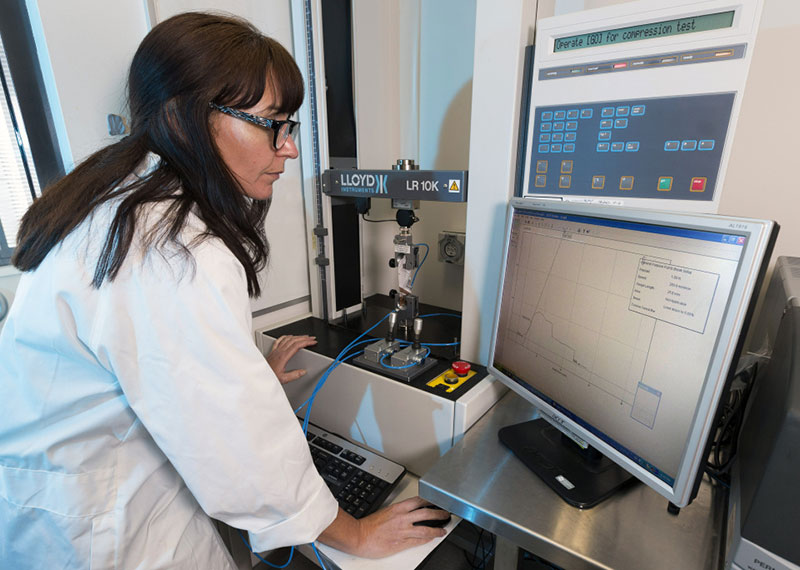
The objective of this audit was to assess how effectively the Defence Science and Technology Group (DSTG) administers the science and technology work it undertakes for the Australian Defence Organisation.
Entity
Department of Defence
Contact
Please direct enquiries relating to reports through our contact page.
Performance audit (Auditor-General Report No. 27 of 2015–16)

Published: Tuesday 26 April 2016
Published
The audit objective was to assess the effectiveness of the Australian Taxation Office's (ATO) strategies and activities to address the cash and hidden economy.
Entity
Australian Taxation Office
Contact
Please direct enquiries relating to reports through our contact page.
Performance audit (Auditor-General Report No. 44 of 2017–18)

Published: Tuesday 29 May 2018
Published
The audit objective was to review the effectiveness of the Department of Defence’s (Defence) arrangements for delivering selected non-platform sustainment.
Entity
Department of Defence
Contact
Please direct enquiries relating to reports through our contact page.
Performance audit (Auditor-General Report No. 17 of 2014–15)

Published: Thursday 18 December 2014
Published
The objective of the audit was to examine the effectiveness of Navy’s strategy for recruiting and retaining personnel with specialist skills. The effective delivery of Navy capability depends on Navy having available sufficient numbers of skilled personnel to operate and maintain its fleet of sea vessels and aircraft, and conduct wide‑ranging operations in dispersed locations. Without the right personnel, Navy capability is reduced. Navy’s budget for 2014–15 included $1.86 billion in employee expenses.
The audit concluded that, in its strategic planning, Navy had identified its key workforce risks and their implications for Navy capability. To address these risks Navy had continued to adhere to its traditional ‘raise, train and sustain’ workforce strategy; developed a broad range of workforce initiatives that complemented its core approach; and sought to establish contemporary workforce management practices. However, long‑standing personnel shortfalls in a number of ‘critical’ employment categories had persisted, and Navy had largely relied on retention bonuses as a short‑ to medium‑term retention strategy.
Navy had developed a broad range of workforce initiatives, some designed specifically to address workforce shortages in its critical employment categories. To date, Navy had primarily relied on paying retention bonuses and other financial incentives; recruiting personnel with prior military experience to work in employment categories with significant workforce shortfalls; and using Navy Reserves in continuous full time roles. Ongoing work was required for Navy to firmly establish a range of promising workforce management practices, including providing the right training at the right time; more flexible approaches to managing individuals’ careers; and improving workplace culture, leadership and relationships. More flexible and tailored workforce management practices could help address the underlying causes of workforce shortfalls, particularly when the traditional approaches were not gaining sufficient traction.
The ANAO made two recommendations aimed at Navy: drawing on external human resource expertise to inform the development and implementation of its revised workforce plan; and evaluating the impact of retention bonuses on the Navy workforce to determine their future role within its overall workforce strategy.
Entity
Department of Defence
Contact
Please direct enquiries relating to reports through our contact page.
Performance audit (Auditor-General Report No. 22 of 2015–16)

Published: Monday 22 February 2016
Published
The objective of the audit was to assess the effectiveness of the arrangements established by the Australian Antarctic Division (AAD), a division of the Department of the Environment, to support Australia’s Antarctic Program.
Entity
Department of the Environment
Contact
Please direct enquiries relating to reports through our contact page.
Insights: Audit lessons

Published: Wednesday 24 June 2020
Published
This edition of audit insights outlines key messages from a series of performance audits which examined the effectiveness of fraud control arrangements in three Australian Government departments. In addition to assessing compliance with the mandatory requirements of the 2017 Commonwealth Fraud Control Framework, the audits examined the application of the government’s better practice fraud guidance, and steps taken by the entities to promote a fraud aware culture. The key messages may be relevant for the operations of other Commonwealth entities, as fraud control is a key responsibility in Australian Government administration.
Contact
Please direct enquiries through our contact page.
Performance audit (Auditor-General Report No. 37 of 2018–19)

Published: Thursday 2 May 2019
Published
The objective of the audit was to assess the effectiveness of the governance board in the Sydney Harbour Federation Trust.
Entity
Sydney Harbour Federation Trust
Contact
Please direct enquiries through our contact page.
Performance audit (Auditor-General Report No. 50 of 2017–18)

Published: Tuesday 26 June 2018
Published
The audit objective was to assess the effectiveness of the Department of Health's design, implementation and administration of primary healthcare under the Indigenous Australians' Health Program (IAHP).
Entity
Department of Health
Contact
Please direct enquiries through our contact page.
Performance audit (Auditor-General Report No. 35 of 2014–15)
Published: Tuesday 5 May 2015
Published
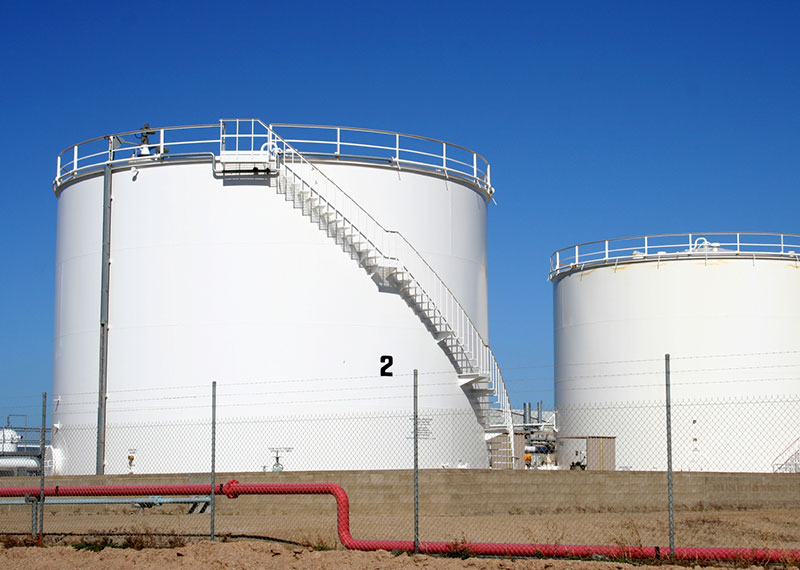
The objective of the audit was to assess the effectiveness of the Department of the Prime Minister and Cabinet’s management of initiatives to supply low aromatic fuel to Indigenous communities.
Entity
Department of the Prime Minister and Cabinet
Contact
Please direct enquiries relating to reports through our contact page.
Performance audit (Auditor-General Report No. 13 of 2016–17)

Published: Thursday 1 September 2016
Published
The objective of this audit was to assess the effectiveness of the Department of Immigration and Border Protection’s administration of health services in onshore immigration detention.
Entity
Department of Immigration and Border Protection
Contact
Please direct enquiries relating to reports through our contact page.
Performance audit (Auditor-General Report No. 17 of 2020–21)

Published: Monday 23 November 2020
Published
The objective of this audit was to assess the effectiveness of the Department of Health’s approach to health provider compliance.
Entity
Department of Health
Contact
Please direct enquiries through our contact page.
Performance audit (Auditor-General Report No. 7 of 2023–24)

Published: Monday 27 November 2023
Published
The objective of the audit was to assess the effectiveness of the establishment of the Workforce Australia Services panel.
Entity
Department of Employment and Workplace Relations
Contact
Please direct enquiries through our contact page.
Request for audit
Responded: Thursday 31 October 2024
Response provided
The Auditor-General responded on Thursday 13 July 2023 to correspondence from Senator Jacqui Lambie dated 16 June 2023, requesting that the Auditor-General consider an audit of the Inspector-General of the Australian Defence Force. The Auditor-General provided a follow-up response to Senator Lambie on 4 October 2023.
The Auditor-General received further correspondence from Senator Lambie on 6 October 2023 and 3 November 2023. The Auditor-General provided a follow-up response to Senator Lambie on 15 November 2023.
The Auditor-General received further follow-up correspondence from Senator Lambie on 18 October 2024. The Auditor-General provided a follow-up response to Senator Lambie on 31 October 2024.
Contact
Please direct enquiries relating to requests through our contact page.
Financial statement audit (Auditor-General Report No. 15 of 2015–16)

Published: Thursday 17 December 2015
Published
This report complements the interim phase report published in June 2015, and provides a summary of the final audit results of the audits of the Consolidated Financial Statements for the Australian Government and the financial statements of 253 Australian Government entities.
Entity
Across Entities
Performance audit (Auditor-General Report No. 23 of 2017–18)

Published: Tuesday 19 December 2017
Published
The objective of the audit was to assess whether the contractual arrangements that have been put in place for the delivery of the Moorebank Intermodal Terminal (MIT) will provide value for money and achieve the Australian Government’s policy objectives for the project.
Entity
Moorebank Intermodal Company Limited; Department of Infrastructure and Regional Development; Department of Finance
Contact
Please direct enquiries relating to reports through our contact page.
Performance audit (Auditor-General Report No. 28 of 2020–21)

Published: Friday 22 January 2021
Published
The audit objective was to assess the effectiveness of the administration of the National Housing Finance and Investment Corporation (NHFIC).
Entity
National Housing Finance and Investment Corporation
Contact
Please direct enquiries through our contact page.
Performance audit (Auditor-General Report No. 1 of 2021–22)

Published: Monday 16 August 2021
Published
The audit objective was to examine the effectiveness to date of the Department of Defence’s administration of the Enterprise Resource Planning (ERP) program, with a focus on ERP Tranche 1 activities.
Entity
Department of Defence
Contact
Please direct enquiries through our contact page.
Performance audit (Auditor-General Report No. 5 of 2014–15)

Published: Wednesday 5 November 2014
Published
The objective of the audit was to assess the effectiveness of the Australian Taxation Office’s administration of annual compliance arrangements with large corporate taxpayers.
Entity
Australian Taxation Office
Contact
Please direct enquiries relating to reports through our contact page.
Major projects report (Auditor-General Report No. 14 of 2023–24)

Published: Friday 9 February 2024
Published
Increased transparency and accountability on progress with major Defence equipment acquisitions has been a focus of parliamentary interest for some time. Beginning in 2007–08, an annual program has been established in conjunction with the Department of Defence to enable the ANAO to review and report to the Parliament on the status of major Defence acquisition projects, as set out in the Major Projects Report. The review includes information relating to the cost, schedule and progress towards delivery of required capability of individual projects as at 30 June each year. The Report is undertaken at the request of the Joint Committee of Public Accounts and Audit.
Entity
Department of Defence
Contact
Please direct enquiries through our contact page.
Performance audit (Auditor-General Report No. 36 of 2015–16)

Published: Thursday 5 May 2016
Published
The audit objective was to assess the effectiveness of the Department of Human Services' administration of the Financial Information Service.
Entity
Department of Human Services
Contact
Please direct enquiries relating to reports through our contact page.
Performance audit (Auditor-General Report No. 15 of 2016–17)

Published: Monday 12 September 2016
Published
The objective of the audit was to assess the effectiveness of the Australian Taxation Office in achieving revenue commitments established under specific Budget-funded compliance measures.
Entity
Australian Taxation Office
Contact
Please direct enquiries relating to reports through our contact page.
Performance audit (Auditor-General Report No. 25 of 2023–24)

Published: Wednesday 1 May 2024
Published
The objective of this audit was to assess the effectiveness of NBN Co Limited’s (NBN Co’s) strategies to manage its transition from building to operating the national broadband network.
Entity
NBN Co Limited
Contact
Please direct enquiries through our contact page.
Request for audit
Responded: Wednesday 9 September 2020
Response provided
The Auditor-General responded on 9 September 2020 to correspondence from Ms Zali Steggall OAM, MP dated 24 August 2020, requesting that the Auditor-General consider an audit of the decisions and processes supporting the Commonwealth’s selection of 15 ‘major projects’ to fast-track under the Environment Protection and Biodiversity Conservation Act 1999.
Contact
Please direct enquiries relating to requests through our contact page.
Performance audit (Auditor-General Report No. 20 of 2023–24)

Published: Wednesday 27 March 2024
Published
The objective of this audit was to assess whether the design and implementation of the Australian Apprenticeships Incentive System by the Department of Employment and Workplace Relations is effective.
Entity
Department of Employment and Workplace Relations
Contact
Please direct enquiries through our contact page.
Performance audit (Auditor-General Report No. 23 of 2024–25)

Published: Wednesday 12 February 2025
Published
The audit objective was to assess the effectiveness of the department’s strategic procurement of water entitlements to meet the Bridging the Gap target under the Basin Plan.
Entity
Department of Climate Change, Energy, the Environment and Water
Contact
Please direct enquiries through our contact page.
Performance audit (Auditor-General Report No. 14 of 2017–18)

Published: Tuesday 31 October 2017
Published
The objective of the audit was to assess the effectiveness of the transition of the Remote Jobs and Communities Programme to the Community Development Programme, including whether the Community Development Programme is well designed and administered effectively and efficiently.
Entity
Department of the Prime Minister and Cabinet; Department of Employment; Department of Human Services
Contact
Please direct enquiries relating to reports through our contact page.
Insights: Audit lessons

Published: Thursday 20 March 2025
Published
Audit Lessons — Management of Corporate Credit Cards is intended for officials working in financial management or governance roles with responsibility for the management of corporate credit cards.
Contact
Please direct enquiries through our contact page.
Corporate
Published: Thursday 6 July 2023
Published
The ANAO Corporate Plan 2023–24 outlines how we intend to deliver against our purpose over the next four years (2023–24 to 2026–27). The corporate plan is the ANAO’s primary planning document – it outlines our purpose; the dynamic environment in which we operate; our commitment to building capability; and the priorities, activities and performance measures by which we will be held to account. The corporate plan is complemented by the annual audit work program, which reflects the ANAO’s audit strategy for the coming year.
This corporate plan was updated on 26 March 2024:
- organisational structure changes — ‘Professional Services and Relationships Group’ to ‘Professional Services Group’
- Measure 3 — change type from ‘Efficiency / Qualitative’ to ‘Efficiency / Quantitative’
- Measure 15, reporting mechanism 4 — replaced text to reflect updated JCPAA feedback process
- Measure 16, reporting mechanism 3 — replaced references to ‘insights’ with ‘lessons’
Contact
Please direct enquiries through our contact page.
Performance audit (Auditor-General Report No. 31 of 2021–22)

Published: Wednesday 8 June 2022
Published
The objective of the audit was to assess the effectiveness of the Department of Education, Skills and Employment in managing the integrity of payments to employment service providers.
Entity
Department of Education, Skills and Employment
Contact
Please direct enquiries through our contact page.
Performance audit (Auditor-General Report No. 31 of 2014–15)

Published: Thursday 23 April 2015
Published
The audit objective was to assess the effectiveness of the (former) Department of Industry’s administration of the Australian Apprenticeships Incentives Program.
Entity
Department of Education and Training
Contact
Please direct enquiries relating to reports through our contact page.
Performance audit (Auditor-General Report No. 30 of 2018–19)

Published: Monday 18 March 2019
Published
The audit objective was to examine whether the Department of Defence has effective and efficient sustainment arrangements for the Royal Australian Navy’s fleet of eight ANZAC class frigates.
Entity
Department of Defence
Contact
Please direct enquiries through our contact page.
Performance audit (Auditor-General Report No. 31 of 2024–25)

Published: Tuesday 20 May 2025
Published
The objective of the audit was to examine the effectiveness of the Department of Defence’s administration of contractual obligations to maximise Australian industry participation.
Entity
Department of Defence
Contact
Please direct enquiries through our contact page.
Performance audit (Auditor-General Report No. 12 of 2019–20)

Published: Tuesday 5 November 2019
Published
The objective of the audit was to assess whether the award of funding under the Regional Jobs and Investment Packages program was informed by appropriate departmental advice and that processes complied with the grants administration framework.
Entity
Department of Industry, Innovation and Science; Department of Infrastructure, Transport, Cities and Regional Development
Contact
Please direct enquiries through our contact page.
Performance audit (Auditor-General Report No. 31 of 2020–21)

Published: Thursday 18 March 2021
Published
The objective was to examine whether the award of funding under the Supporting Reliable Energy Infrastructure Program was informed by an appropriate assessment process and sound advice that complied with the Commonwealth Grant Rules and Guidelines.
Entity
Department of Industry, Science, Energy and Resources
Contact
Please direct enquiries through our contact page.
Performance audit (Auditor-General Report No. 18 of 2019–20)

Published: Monday 16 December 2019
Published
The objective of the audit was to assess the Australian Taxation Office's effectiveness in meeting its revenue and resourcing commitments for the Tax Avoidance Taskforce.
Entity
Australian Taxation Office (ATO)
Contact
Please direct enquiries through our contact page.
Performance audit (Auditor-General Report No. 28 of 2016–17)

Published: Monday 28 November 2016
Published
The audit objective was to assess whether the Department of Industry, Innovation and Science has effectively and efficiently administered the collection of North West Shelf royalty revenues.
Entity
Department of Industry, Innovation and Science
Contact
Please direct enquiries relating to reports through our contact page.
Performance audit (Auditor-General Report No. 51 of 2016–17)

Published: Monday 22 May 2017
Published
The audit Administration of ABSTUDY and the audit Administration of Youth Allowance have been combined to table as one report titled Administration of ABSTUDY and Administration of Youth Allowance.
The objective of both audits was to assess the efficiency and effectiveness of the Department of Social Services’ and the Department of Human Services’ program administration.
Entity
Department of Social Services; Department of Human Services
Contact
Please direct enquiries relating to reports through our contact page.
Performance audit (Auditor-General Report No. 35 of 2015–16)
Published: Thursday 5 May 2016
Published
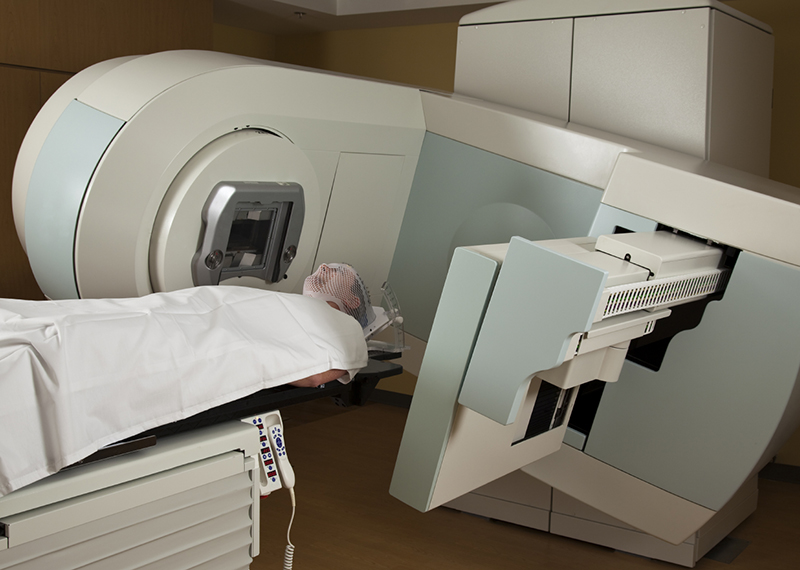
The audit objective was to assess the effectiveness of the Department of Health's and the Department of Human Services' administration of the Radiation Oncology Health Program Grants Scheme.
Entity
Department of Health; Department of Human Services
Contact
Please direct enquiries relating to reports through our contact page.
Performance audit (Auditor-General Report No. 19 of 2021–22)

Published: Thursday 17 March 2022
Published
The audit objective was to assess the effectiveness and efficiency of the management of threatened species and ecological communities under the Environment Protection and Biodiversity Conservation Act 1999.
Entity
Department of Agriculture, Water and the Environment
Contact
Please direct enquiries through our contact page.
Performance audit (Auditor-General Report No. 13 of 2024–25)

Published: Thursday 14 November 2024
Published
The objective of the audit was to assess the effectiveness of the implementation and award of funding for Round 1 of the Growing Regions Program.
Entity
Department of Infrastructure, Transport, Regional Development, Communication and the Arts; Department of Industry, Science and Resources
Contact
Please direct enquiries through our contact page.
Request for audit
Responded: Wednesday 19 August 2020
Response provided
The Auditor-General responded on Thursday 27 February 2020 to correspondence from Mr Andrew Giles MP dated 4 February 2020, requesting that the Auditor-General undertake a performance audit of the Urban Congestion Fund. The fund is administered by the Department of Infrastructure, Transport, Regional Development and Communications. The Auditor-General provided follow-up responses to Mr Giles MP on 24 July 2020 and 19 August 2020.
Contact
Please direct enquiries relating to requests for audit through our contact page.
Performance audit (Auditor-General Report No. 23 of 2016–17)

Published: Monday 7 November 2016
Published
The objective of this audit was to examine the effectiveness of the Department of Social Services’ administration of NRAS allocations; processing of market rent valuations, statements of compliance and incentive payments; and the supporting business systems and processes.
Entity
Department of Social Services
Contact
Please direct enquiries relating to reports through our contact page.
Performance audit (Auditor-General Report No. 51 of 2018–19)

Published: Wednesday 26 June 2019
Published
The objective of the audit was to assess whether the Australian Taxation Office and the Department of Agriculture have effectively administered the Farm Management Deposits (FMD) Scheme.
Entity
Department of Agriculture; Australian Taxation Office (ATO); Department of the Treasury
Contact
Please direct enquiries through our contact page.
Performance audit (Auditor-General Report No. 15 of 2019–20)

Published: Thursday 28 November 2019
Published
The objective of this audit was to assess the effectiveness of NBN Co’s service continuity operations relating to the migration of telecommunication services to the National Broadband Network (NBN).
Entity
NBN Co Limited
Contact
Please direct enquiries through our contact page.
Performance audit (Auditor-General Report No. 58 of 2016–17)

Published: Monday 26 June 2017
Published
The objective of the audit was to examine the implementation of the annual performance statements requirements under the Public Governance, Performance and Accountability Act 2013 and the enhanced Commonwealth performance framework.
Entity
Department of Agriculture and Water Resources; Australian Federal Police; Department of Finance
Contact
Please direct enquiries relating to reports through our contact page.
Corporate
Published: Tuesday 6 July 2021
Published
The ANAO corporate plan is the ANAO's primary planning document. It outlines our purpose; the dynamic environment in which we operate; our commitment to building capability; and the priorities, activities and performance measures by which we are held to account. This Quality Assurance Framework and Plan 2021–22 complements the corporate plan. It describes the ANAO Quality Assurance Framework and reflects the ANAO's quality assurance strategy and deliverables for the coming year.
The ANAO Quality Assurance Framework is the ANAO’s established system of quality control to provide the Auditor-General with reasonable assurance that the ANAO complies with the ANAO Auditing Standards and applicable legal and regulatory requirements and reports issued by the ANAO are appropriate in the circumstances.
The Quality Assurance Strategy and Plan component of this document identifies the key activities that the ANAO conducts to provide the Auditor-General with comfort that the controls established within the Quality Assurance Framework are implemented and operating effectively.
The ANAO reports on the audit quality indicators that measure the ANAO performance against target benchmarks in the annual Audit Quality Report published on the ANAO website. The Audit Quality Report also provides transparency with respect to the processes, policies and procedures that support each element of the ANAO Quality Assurance Framework and the achievement of the quality assurance strategy and deliverables set out in the Quality Assurance Framework and Plan.
Contact
Please direct enquiries through our contact page.
Performance audit (Auditor-General Report No. 1 of 2022–23)

Published: Thursday 28 July 2022
Published
The objective of the audit was to assess whether the award of funding under the Building Better Regions Fund was effective as well as being consistent with the Commonwealth Grant Rules and Guidelines.
Entity
Department of Industry, Science and Resources; Department of Infrastructure, Transport, Regional Development, Communications and the Arts
Contact
Please direct enquiries through our contact page.
Performance audit (Auditor-General Report No. 44 of 2016–17)

Published: Monday 27 March 2017
Published
The objective of this audit was to assess the effectiveness of Army’s workforce planning.
Entity
Department of Defence
Contact
Please direct enquiries relating to reports through our contact page.
Insights: Audit lessons

Published: Friday 28 June 2024
Published
This edition of Audit Lessons is targeted at those responsible for administering or overseeing grants programs. The aim of Audit Lessons is to communicate lessons from our audit work and to make it easier for people working within the Australian public sector to apply those lessons.
Contact
Please direct enquiries through our contact page.
Performance audit (Auditor-General Report No. 26 of 2023–24)

Published: Wednesday 8 May 2024
Published
The objective of this audit was to assess the effectiveness of the Department of Home Affairs’ regulation of migration agents.
Entity
Department of Home Affairs
Contact
Please direct enquiries through our contact page.
Work program

Updated: Friday 11 July 2025
Updated
Provides an overview of the annual audit work program including the purpose and key features, and how the program is developed and delivered. Information about the development of the annual audit work program includes details of environmental scanning, topic development, coverage review, consultation, final review and audit selection.
Contact
Please direct enquiries relating to the annual audit work program (AAWP) through our contact page.
Performance audit (Auditor-General Report No. 2 of 2014–15)

Published: Thursday 25 September 2014
Published
The objective of the audit is to assess the effectiveness of the Department of the Prime Minister and Cabinet’s implementation of food security initiatives for remote Indigenous communities.
Entity
Department of the Prime Minister and Cabinet
Contact
Please direct enquiries relating to reports through our contact page.
Performance audit (Auditor-General Report No. 16 of 2021–22)

Published: Monday 14 February 2022
Published
The objective of this audit was to assess whether the award of funding under the Safer Communities Fund was effective and consistent with the Commonwealth Grant Rules and Guidelines.
Entity
Department of Home Affairs; Department of Industry, Science, Energy and Resources
Contact
Please direct enquiries through our contact page.
Corporate

Published: Thursday 28 March 2024
Published
The Australian National Audit Office Enterprise Agreement 2024–2027 was approved by the Fair Work Commission (FWC) on 22 March 2024 and operates from 29 March 2024. The agreement will nominally expire on 28 February 2027. The signatories page of this agreement is available on the FWC website.
Contact
Please direct enquiries through our contact page.
Performance audit (Auditor-General Report No. 45 of 2016–17)

Published: Thursday 30 March 2017
Published
The objective of the audit was to assess whether the procurement by the Department of the Environment and Energy of a replacement Antarctic icebreaking vessel will provide value with public resources.
Entity
Department of the Environment and Energy
Contact
Please direct enquiries relating to reports through our contact page.
Performance audit (Auditor-General Report No. 41 of 2016–17)

Published: Tuesday 28 February 2017
Published
The objective of the audit was to assess the Department of Human Services' and the Department of Social Services’ management of selected fraud prevention and compliance Budget measures.
Entity
Department of Human Services; Department of Social Services
Contact
Please direct enquiries relating to reports through our contact page.
Performance audit (Auditor-General Report No. 18 of 2020–21)

Published: Thursday 26 November 2020
Published
The objective of the audit was to assess the effectiveness and value for money to date of the Department of Defence’s acquisition of combat reconnaissance vehicles under project Land 400 Phase 2.
Entity
Department of Defence
Contact
Please direct enquiries through our contact page.
Performance audit (Auditor-General Report No. 27 of 2014–15)

Published: Tuesday 10 March 2015
Published
The objective of the audit was to examine the effectiveness of the Department of Defence’s planning, budgeting and implementation of an electronic health records solution for Defence personnel.
Entity
Department of Defence
Contact
Please direct enquiries relating to reports through our contact page.
Performance audit (Auditor-General Report No. 9 of 2018–19)

Published: Thursday 11 October 2018
Published
The objective of the audit was to assess the Moorebank Intermodal Company’s achievement of value for money and management of probity in its operations and procurement activities.
Entity
Moorebank Intermodal Company Limited (MIC); Department of Finance
Contact
Please direct enquiries through our contact page.
Performance audit (Auditor-General Report No. 22 of 2023–24)

Published: Wednesday 17 April 2024
Published
The objective of this audit was to assess the effectiveness of the Australian Taxation Office’s (ATO) management of transfer pricing for related party debt.
Entity
Australian Taxation Office
Contact
Please direct enquiries through our contact page.
Performance audit (Auditor-General Report No. 6 of 2018–19)

Published: Tuesday 11 September 2018
Published
The objective of the audit was to assess the effectiveness and value for money of Defence’s acquisition of light protected vehicles, under Defence project Land 121 Phase 4.
Entity
Department of Defence
Contact
Please direct enquiries through our contact page.
Performance audit (Auditor-General Report No. 4 of 2017–18)

Published: Wednesday 12 July 2017
Published
The audit objective was to assess whether the Department of Employment effectively designed and monitors the progress of the jobactive program.
Entity
Department of Employment
Contact
Please direct enquiries relating to reports through our contact page.
Performance audit (Auditor-General Report No. 6 of 2021–22)

Published: Monday 11 October 2021
Published
The audit objective was to assess whether the Department of Home Affairs is effectively managing the Civil Maritime Surveillance Services contract.
Entity
Department of Home Affairs/Australian Border Force
Contact
Please direct enquiries through our contact page.
Performance audit (Auditor-General Report No. 48 of 2017–18)

Published: Tuesday 19 June 2018
Published
The objective of this audit was to assess the effectiveness of the Australian Taxation Office’s (ATO) and Treasury’s management of compliance with foreign investment obligations for residential real estate.
Entity
Treasury; Australian Taxation Office
Contact
Please direct enquiries through our contact page.
Performance audit (Auditor-General Report No. 14 of 2018–19)

Published: Wednesday 5 December 2018
Published
The objective of the audit was to assess the effectiveness of the Department of Defence’s preparations for the introduction of the Joint Strike Fighter into Australian service and its subsequent sustainment.
Entity
Department of Defence
Contact
Please direct enquiries through our contact page.
Performance audit (Auditor-General Report No. 2 of 2020–21)

Published: Thursday 16 July 2020
Published
The objective of the audit was to examine whether strategic water procurements by the Department of Agriculture, Water and the Environment were conducted consistent with government policy, were supported by appropriate program design, were planned and executed appropriately, and achieved value for money.
Entity
Department of Agriculture, Water and the Environment
Contact
Please direct enquiries through our contact page.
Insights: Audit lessons

Published: Tuesday 29 October 2024
Published
This edition is targeted at those responsible for implementing internal policies and controls on the receipt of gifts, benefits and hospitality in Australian Government entities. The aim of Audit Lessons is to communicate lessons from our audit work and to make it easier for people working within the Australian public sector to apply those lessons.
Contact
Please direct enquiries through our contact page.
Performance audit (Auditor-General Report No. 27 of 2020–21)

Published: Monday 18 January 2021
Published
The objective of this audit was to assess whether the Australian Maritime Safety Authority is effectively managing the Search and Rescue Aircraft contract.
Entity
Australian Maritime Safety Authority
Contact
Please direct enquiries through our contact page.
Major projects report (Auditor-General Report No. 20 of 2018–19)

Published: Tuesday 18 December 2018
Published
The objective of this report is to provide the Auditor-General’s independent assurance over the status of the selected Major Projects. The status of the selected Major Projects is reported in the Statement by the Secretary of Defence and the Project Data Summary Sheets (PDSSs) prepared by Defence. Assurance from the ANAO’s review is conveyed in the Independent Assurance Report by the Auditor-General.
Entity
Department of Defence
Contact
Please direct enquiries through our contact page.
Performance audit (Auditor-General Report No. 21 of 2022–23)

Published: Wednesday 10 May 2023
Published
The objective of the audit was to assess the effectiveness of the Department of Defence’s procurement of Hunter class frigates and the achievement of value for money to date.
Entity
Department of Defence
Contact
Please direct enquiries through our contact page.
Major projects report (Auditor-General Report No. 26 of 2017–18)

Published: Tuesday 23 January 2018
Published
The objective of this report is to provide the Auditor‐General’s independent assurance over the status of the selected Major Projects. The status of the selected Major Projects is reported in the Statement by the Secretary of Defence and the Project Data Summary Sheets (PDSSs) prepared by Defence, in accordance with the Guidelines endorsed by the Joint Committee of Public Accounts and Audit (JCPAA).
Entity
Department of Defence
Contact
Please direct enquiries relating to reports through our contact page.
Performance audit (Auditor-General Report No. 26 of 2025–26)
New

Published: Monday 30 March 2026
Published
The objective of the audit was to assess the effectiveness to date of Defence’s procurement of infantry fighting vehicles under Land 400 Phase 3.
Entity
Department of Defence
Contact
Please direct enquiries through our contact page.
Insights: Audit lessons

Published: Tuesday 9 January 2024
Published
The aim of Insights: Audit Lessons is to communicate lessons from our audit work and to make it easier for people working within the Australian public sector to apply those lessons.
This edition of Insights: Audit Lessons is targeted at risk practitioners and officials responsible for government operations, projects, programs, services and regulatory activities. It would also be useful for accountable authorities, their senior executives and audit and risk committees.
Contact
Please direct enquiries through our contact page.
Performance audit (Auditor-General Report No. 38 of 2016–17)

Published: Tuesday 14 February 2017
Published
The objective of this audit was to assess whether appropriate steps were taken to protect the Commonwealth's interests and obtain value for money in respect to the $3.5 billion in Commonwealth funding committed to the NSW Government for the WestConnex project.
Entity
Department of Infrastructure and Regional Development; Infrastructure Australia
Contact
Please direct enquiries relating to reports through our contact page.
Major projects report (Auditor-General Report No. 16 of 2025–26)

Published: Wednesday 17 December 2025
Published
Increased transparency and accountability on progress with major Defence equipment acquisitions has been a focus of parliamentary interest for some time. Beginning in 2007–08, an annual program has been established in conjunction with the Department of Defence to enable the ANAO to review and report to the Parliament on the status of major Defence acquisition projects, as set out in the major projects report. The review includes information relating to the cost, schedule and progress towards delivery of required capability of individual projects at 30 June each year, and is undertaken at the request of JCPAA.
Entity
Department of Defence
Contact
Please direct enquiries through our contact page.
Performance audit (Auditor-General Report No. 40 of 2018–19)

Published: Thursday 23 May 2019
Published
The objective of the audit was to assess the effectiveness and value for money of Defence’s acquisition of a Battle Management System and a Tactical Communications Network through Land 200 Tranche 2 Work Packages B–D.
Entity
Department of Defence
Contact
Please direct enquiries through our contact page.
Information report (Auditor-General Report No. 7 of 2021–22)

Published: Tuesday 19 October 2021
Published
The objectives of this information report are to provide transparency of, and insights on, government grants expense and Commonwealth entities’ self-reporting of grants on GrantConnect.
Entity
Department of Finance
Contact
Please direct enquiries through our contact page.
Performance audit (Auditor-General Report No. 8 of 2015–16)

Published: Wednesday 18 November 2015
Published
The objective of the audit was to examine the effectiveness of the Department of Social Services' (DSS) administration of the National Rental Affordability Scheme (NRAS), with a focus on the assessment of applications, and management of reserved allocations.
Entity
Department of Social Services
Contact
Please direct enquiries relating to reports through our contact page.