Browse our range of reports and publications including performance and financial statement audit reports, assurance review reports, information reports and annual reports.
Performance audit (Auditor-General Report No. 37 of 2018–19)

Published: Thursday 2 May 2019
Published
The objective of the audit was to assess the effectiveness of the governance board in the Sydney Harbour Federation Trust.
Entity
Sydney Harbour Federation Trust
Contact
Please direct enquiries through our contact page.
Performance audit (Auditor-General Report No. 36 of 2015–16)

Published: Thursday 5 May 2016
Published
The audit objective was to assess the effectiveness of the Department of Human Services' administration of the Financial Information Service.
Entity
Department of Human Services
Contact
Please direct enquiries relating to reports through our contact page.
Performance audit (Auditor-General Report No. 45 of 2017–18)

Published: Wednesday 6 June 2018
Published
The objective of the audit was to examine the effectiveness of the integration of the Department of Immigration and Border Protection (DIBP) and the Australian Customs and Border Protection Service.
Entity
Department of Home Affairs
Contact
Please direct enquiries through our contact page.
Performance audit (Auditor-General Report No. 24 of 2025–26)

Published: Thursday 12 March 2026
Published
The objective of the audit was to assess the effectiveness of the Department of Climate Change, Energy, the Environment and Water’s and the Australian Renewable Energy Agency’s delivery of the Community Batteries for Household Solar program.
Entity
Department of Climate Change, Energy, the Environment & Water; Australian Renewable Energy Authority
Contact
Please direct enquiries through our contact page.
Speeches and papers
Published: Monday 2 August 2004
Published
Mr P.J. Barrett (AM) - Auditor-General for Australia, address presented at the Australian National University
Corporate

Published: Friday 29 July 2016
Published
The Australian National Audit Office (ANAO) 2016-20 Corporate Plan is the primary strategic planning document, and outlines how the ANAO intends to deliver against the purpose over the coming four years.
Contact
Please direct enquiries relating to reports through our contact page.
Speeches and papers
Published: Tuesday 5 February 2002
Published
Mr P.J. Barrett (AM) - Auditor-General for Australia, Closing Address for the Institute of Chartered Accountants
Performance audit (Auditor-General Report No. 45 of 2007–08)
Published: Thursday 26 June 2008
Published
The audit objective was to assess the effectiveness of the department's administration of general recurrent grants paid to the States and Territories for government schools. To achieve this, the ANAO assessed whether the department:
- paid the correct amount of general recurrent grants to the States and Territories;
- effectively managed the agreements with the States and Territories; and
- monitored progress towards achieving the National Goals for Schooling in the Twenty-First Century.
Entity
Department of Education, Employment and Workplace Relations
Performance audit (Auditor-General Report No. 22 of 2016–17)

Published: Wednesday 19 October 2016
Published
The objectives of the audit were to:
- assess the effectiveness of the ongoing administration of the Australian Government’s campaign advertising framework; and
- assess the effectiveness of the selected entities’ administration in developing advertising campaigns and implementing key processes against the requirements of the campaign advertising framework applying at the time, and relevant legal and government policy requirements.
Entity
Department of Finance; Department of the Treasury; Department of Education and Training; Department of Immigration and Border Protection
Contact
Please direct enquiries relating to reports through our contact page.
Performance audit (Auditor-General Report No. 18 of 1997–98)
Published: Thursday 4 December 1997
Published
The objective of the audit was to determine the extent to which the new Commonwealth services delivery arrangements were implemented efficiently and effectively. The audit focussed on the establishment of Centrelink to deliver services on behalf of purchaser departments and the development of associated purchaser/provider arrangements.
Entity
Centrelink
Performance audit (Auditor-General Report No. 22 of 2017–18)

Published: Tuesday 19 December 2017
Published
The objective of the audit was to assess the effectiveness of Medicare electronic claiming arrangements, including an assessment of the extent to which claiming and processing efficiencies for the Government, health professionals and Medicare customers have been achieved.
Entity
Department of Human Services
Contact
Please direct enquiries relating to reports through our contact page.
Performance audit (Auditor-General Report No. 13 of 2017–18)

Published: Thursday 19 October 2017
Published
The objective of this audit was to assess the effectiveness of controls being implemented and/or developed by the National Disability Insurance Agency (NDIA) to ensure National Disability Insurance Scheme (NDIS) access decisions are consistent with legislative and other requirements.
Entity
National Disability Insurance Agency; Department of Human Services
Contact
Please direct enquiries relating to reports through our contact page.
Performance audit (Auditor-General Report No. 41 of 2018–19)
Published: Wednesday 29 May 2019
Published
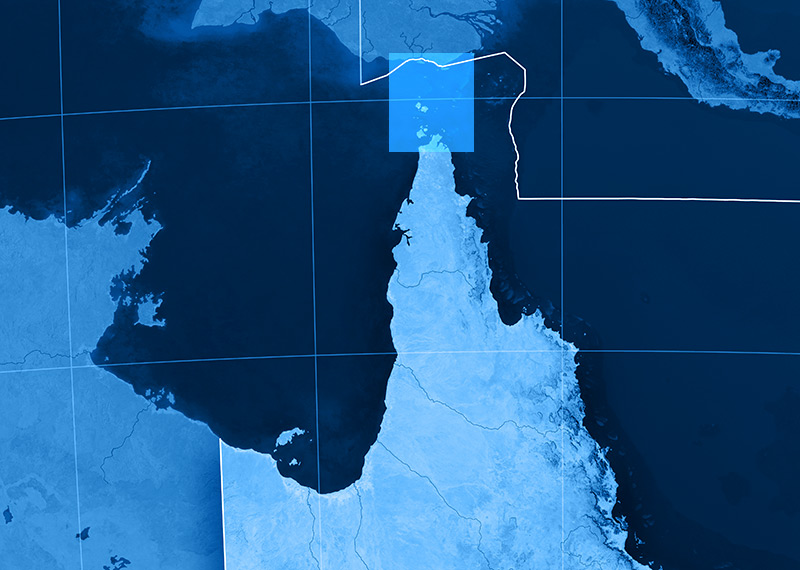
The objective of the audit was to assess the effectiveness of the coordination arrangements of key Australian Government entities operating in Torres Strait.
Entity
Across entities
Contact
Please direct enquiries through our contact page.
Performance audit (Auditor-General Report No. 35 of 2014–15)
Published: Tuesday 5 May 2015
Published
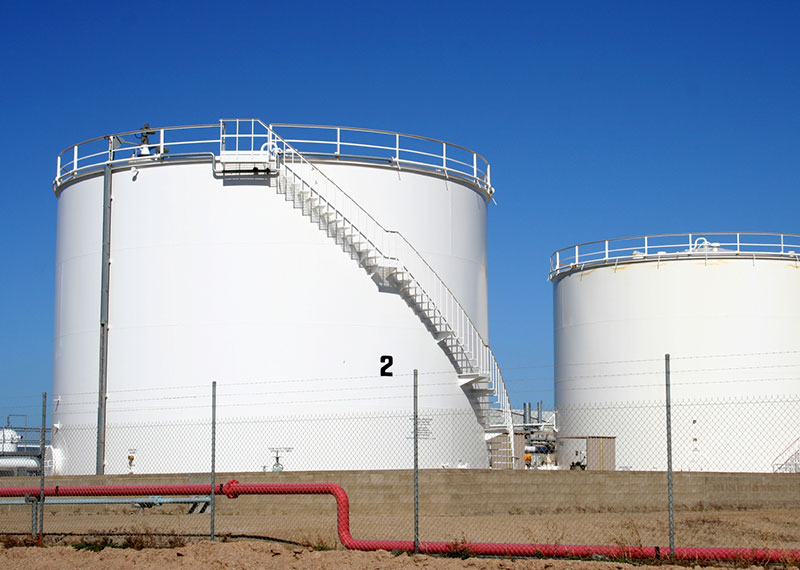
The objective of the audit was to assess the effectiveness of the Department of the Prime Minister and Cabinet’s management of initiatives to supply low aromatic fuel to Indigenous communities.
Entity
Department of the Prime Minister and Cabinet
Contact
Please direct enquiries relating to reports through our contact page.
Speeches and papers
Published: Wednesday 10 March 1999
Published
Mr P.J. Barrett (AM) - Auditor-General for Australia, presented at the IPAA Conference, Canberra
Corporate

Published: Thursday 28 March 2024
Published
The Australian National Audit Office Enterprise Agreement 2024–2027 was approved by the Fair Work Commission (FWC) on 22 March 2024 and operates from 29 March 2024. The agreement will nominally expire on 28 February 2027. The signatories page of this agreement is available on the FWC website.
Contact
Please direct enquiries through our contact page.
Performance audit (Auditor-General Report No. 47 of 2005–06)
Published: Wednesday 21 June 2006
Published
The objective of the audit was to assess whether FaCSIA administers grants effectively, according to better practice guidelines, and consistently across geographic areas and the range of programmes included in the scope of the audit. The scope of the audit included grants administered by FaCSIA between 1 July 2002 and 30 June 2005, relating to programmes falling within four of the five groups of programmes providing funding for families and communities namely: Community Support; Family Assistance; Childcare Support; and Youth and Student Support. In total, these groups involved total expenditure of some $533 million in 2004–05.
Entity
Department of Families Community Services and Indigenous Affairs
Performance audit (Auditor-General Report No. 45 of 2014–15)

Published: Tuesday 9 June 2015
Published
The audit objective was to examine whether the Department of Defence provides an efficient and effective security vetting service for Australian Government entities through the Australian Government Security Vetting Agency.
Entity
Department of Defence
Contact
Please direct enquiries relating to reports through our contact page.
Performance audit (Auditor-General Report No. 5 of 2014–15)

Published: Wednesday 5 November 2014
Published
The objective of the audit was to assess the effectiveness of the Australian Taxation Office’s administration of annual compliance arrangements with large corporate taxpayers.
Entity
Australian Taxation Office
Contact
Please direct enquiries relating to reports through our contact page.
Performance audit (Auditor-General Report No. 1 of 2025–26)

Published: Monday 11 August 2025
Published
The objective of the audit was to examine the effectiveness of the implementation of frameworks to support ethical behaviours within the Department of Employment and Workplace Relations.
Entity
Department of Employment and Workplace Relations
Contact
Please direct enquiries through our contact page.
Speeches and papers
Published: Monday 15 April 2013
Published
Mr Mr Ian McPhee - Auditor-General for Australia, presentation to the Global Working Group of Auditors-General
Performance audit (Auditor-General Report No. 1 of 2007–08)
Published: Tuesday 17 July 2007
Published
The objective of the audit was to assess the effectiveness of management of the procurement of a major, replacement capability for the Australian Defence Force (ADF) by the DMO, and Defence. The audit reviewed the initial capability requirements and approval process; analysed the acquisition agreements for elements of the project; and examined the interim through-life support arrangements being put in place to support the capability.
Entity
Department of Defence; Defence Materiel Organisation
Performance audit (Auditor-General Report No. 14 of 2010–11)
Published: Thursday 28 October 2010
Published
The objective of the audit was to assess whether entities properly accounted for software assets, and adopted an integrated planning approach to inform software asset investment decisions.
The main focus of the audit was on whether entities accounted for software costs in accordance with relevant accounting standards and the FMOs, paying particular attention to the standard elements of an internal control framework and accounting practices. In addition, in the context of software asset planning, the audit considered whether entities assessed the risks associated with software assets, used life-cycle costing approaches, and aligned ICT and capital management plans, to inform decision-making on software asset investments.
Entity
Australian Bureau of Statistics; Civil Aviation Safety Authority; IP Australia
Performance audit (Auditor-General Report No. 56 of 2016–17)

Published: Thursday 22 June 2017
Published
The objective of the audit was to assess the effectiveness of the Australian Pesticides and Veterinary Medicines Authority’s (APVMA’s) implementation of reforms to agvet regulation and the extent to which the authority has achieved operational efficiencies and reduced the cost burden on regulated entities.
Entity
Australian Pesticides and Veterinary Medicines Authority
Contact
Please direct enquiries relating to reports through our contact page.
Performance audit (Auditor-General Report No. 21 of 2003–04)
Published: Monday 22 December 2003
Published
Directly after the collapse of Ansett in September 2001, most of its estimated 15 000 employees faced the possibility of retrenchment The Government immediately announced the introduction of the Special Employee Entitlements Scheme for Ansett group employees (SEESA) to address two risks facing the employees:
- the risk-to a certain limit - of a shortfall in their payments of accrued employee entitlements from Ansett and,
- the risk of delay in their being paid.
The objective of the audit was to determine how efficiently and effectively the two key elements of SEESA were managed: DEWR's management of the mechanism for making SEESA payments and DOTARS' management of the associated Air Passenger Ticket Levy.
Entity
Department of Employment and Workplace Relations; Department of Transport and Regional Services
Performance audit (Auditor-General Report No. 7 of 2009–10)
Published: Tuesday 20 October 2009
Published
The audit objective was to form an opinion on the effectiveness of the NHMRC's grant administration. To meet this objective the NHMRC was assessed against four criteria:
- the NHMRC's governance arrangements provide appropriate accountability that it is meeting its objectives and obligations to Government (Chapter 2);
- there are strategic and systematic processes for developing and implementing grant programs (Chapter 3);
- the NHMRC manages grants post-award effectively, and complies with legislative requirements and program directives (Chapters 4 and 5); and
- the NHMRC monitors and evaluates its business to demonstrate that outcomes are being met (Chapter 6).
Entity
National Health and Medical Research Council
Performance audit (Auditor-General Report No. 32 of 2004–05)
Published: Wednesday 9 March 2005
Published
Given the importance of customer feedback to Centrelink's business, the ANAO considered it timely to conduct a series of performance audits relating to Centrelink's customer feedback systems, particularly in relation to its delivery of the services then provided on behalf of FaCS. The overarching objective of this series of ANAO performance audits of Centrelink's customer feedback systems was to assess whether Centrelink has effective processes and systems for gathering, measuring, reporting and responding effectively to customer feedback, including in relation to customer satisfaction with Centrelink services and processes.
Entity
Centrelink
Performance audit (Auditor-General Report No. 6 of 2020–21)

Published: Thursday 10 September 2020
Published
The objective of this audit was to assess the effectiveness of the Department of Defence’s design process and implementation to date of the Defence Export Strategy.
Entity
Department of Defence
Contact
Please direct enquiries through our contact page.
Performance audit (Auditor-General Report No. 34 of 2018–19)
Published: Thursday 18 April 2019
Published
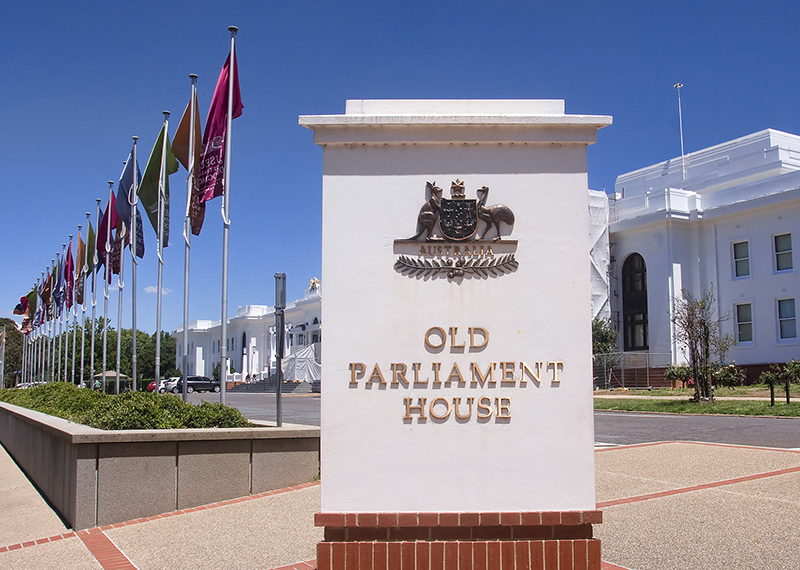
The objective of the audit was to assess the effectiveness of the governance board in Old Parliament House.
Entity
Old Parliament House
Contact
Please direct enquiries through our contact page.
Performance audit (Auditor-General Report No. 5 of 2022–23)

Published: Wednesday 21 September 2022
Published
The objective of the audit was to assess the effectiveness of the Digital Transformation Agency’s procurement of ICT-related services.
Entity
Digital Transformation Agency
Contact
Please direct enquiries through our contact page.
Speeches and papers
Published: Thursday 14 February 2002
Published
Mr P.J. Barrett (AM) - Auditor-General for Australia, presented at the Global Working Group Meeting, Wellington, New Zealand
Performance audit (Auditor-General Report No. 9 of 2021–22)

Published: Wednesday 24 November 2021
Published
The objective of the audit was to examine the Department of Agriculture, Water and the Environment’s effectiveness in implementing the Regional Land Partnerships program.
Entity
Department of Agriculture, Water and the Environment
Contact
Please direct enquiries through our contact page.
Performance audit (Auditor-General Report No. 22 of 2019–20)

Published: Tuesday 14 January 2020
Published
The audit objective was to examine the effectiveness of the Department of Defence's administration of the Future Submarine Program to date.
Entity
Department of Defence
Contact
Please direct enquiries through our contact page.
Speeches and papers
Published: Monday 7 July 2008
Published
Mr Ian McPhee - Auditor-General for Australia, presented at the 20th Commonwealth Auditors-General Conference
Performance audit (Auditor-General Report No. 14 of 2020–21)

Published: Thursday 29 October 2020
Published
The objective of this audit was to assess whether the National Disability Insurance Agency has appropriate controls to ensure supports in participant plans are ‘reasonable and necessary’.
Entity
National Disability Insurance Agency
Contact
Please direct enquiries through our contact page.
Performance audit (Auditor-General Report No. 36 of 2018–19)

Published: Tuesday 30 April 2019
Published
The objective of the audit was to assess the effectiveness of the governance board in the Australian Institute of Marine Science.
Entity
Australian Institute of Marine Science
Contact
Please direct enquiries through our contact page.
Performance audit (Auditor-General Report No. 20 of 2005–06)
Published: Tuesday 6 December 2005
Published
The objective of this audit was to assess the Private Health Insurance Administration Council's (PHIAC's) administrative effectiveness as a regulator of private health insurance. In making this assessment, the Australian National Audit Office (ANAO) addressed the following criteria: whether PHIAC monitored compliance with its legislative requirements and analysed related data; whether PHIAC addressed and managed non-compliance with its legislative requirements; and whether PHIAC's governance and organisation supported the performance of its legislative functions. Although the Department of Health and Ageing (Health) also has a role in the regulation of the private health insurance industry under the National Health Act 1953 (Health Act), Health's regulatory activities were outside the scope of this audit.
Entity
Private Health Insurance Administration Council
Performance audit (Auditor-General Report No. 13 of 2016–17)

Published: Thursday 1 September 2016
Published
The objective of this audit was to assess the effectiveness of the Department of Immigration and Border Protection’s administration of health services in onshore immigration detention.
Entity
Department of Immigration and Border Protection
Contact
Please direct enquiries relating to reports through our contact page.
Performance audit (Auditor-General Report No. 24 of 2023–24)

Published: Tuesday 30 April 2024
Published
The objective of this audit was to assess the effectiveness of the Clean Energy Regulator’s (CER) issuing, compliance and contracting activities related to Australian Carbon Credit Units.
Entity
Clean Energy Regulator
Contact
Please direct enquiries through our contact page.
Performance audit (Auditor-General Report No. 20 of 2022–23)

Published: Thursday 13 April 2023
Published
The objective of the audit was to assess the effectiveness of the Australian Taxation Office’s arrangements for identifying and reducing the income tax gap for individuals not in business.
Entity
Australian Taxation Office
Contact
Please direct enquiries through our contact page.
Performance audit (Auditor-General Report No. 43 of 2007–08)
Published: Tuesday 24 June 2008
Published
The objectives for the audit of the third tranche sale of Telstra shares were to:
- assess the extent to which the Government's sale objectives were achieved, including maximising overall value for money;
- assess the effectiveness of the management of the sale; and
- identify principles of sound administrative practice to facilitate potential improvements in any future asset sales.
Entity
Department of Finance and Deregulation
Performance audit (Auditor-General Report No. 35 of 2016–17)

Published: Friday 3 February 2017
Published
The audit objective was to assess whether the Department of the Prime Minister and Cabinet has effectively established and implemented the Indigenous Advancement Strategy to achieve the outcomes desired by government.
Please note: Aboriginal and Torres Strait Islander people should be aware that this website may contain images of deceased people.
Entity
Department of the Prime Minister and Cabinet
Contact
Please direct enquiries relating to reports through our contact page.
Speeches and papers
Published: Friday 10 July 2009
Published
Mr Ian McPhee - Auditor-General for Australia, presented to the Global Working Group 10th Annual Meeting, Norway
Performance audit (Auditor-General Report No. 34 of 2024–25)

Published: Thursday 22 May 2025
Published
The objective of the audit was to assess the effectiveness of the Department of the Treasury’s design and implementation of the Measuring What Matters framework.
Entity
Department of the Treasury
Contact
Please direct enquiries through our contact page.
Performance audit (Auditor-General Report No. 33 of 2019–20)

Published: Thursday 16 April 2020
Published
The objective of this audit was to assess the effectiveness of the Tertiary Education Quality and Standards Agency’s (TEQSA’s) regulation of higher education.
Entity
Tertiary Education Quality and Standards Agency
Contact
Please direct enquiries through our contact page.
Speeches and papers
Published: Friday 14 October 2011
Published
Mr Ian McPhee, PSM - Auditor-General for Australia, presented to the Senate Occasional Lecture, Parliament House Canberra
Performance audit (Auditor-General Report No. 34 of 2004–05)
Published: Wednesday 9 March 2005
Published
Given the importance of customer feedback to Centrelink's business, the ANAO considered it timely to conduct a series of performance audits relating to Centrelink's customer feedback systems, particularly in relation to its delivery of the services then provided on behalf of FaCS. The overarching objective of this series of ANAO performance audits of Centrelink's customer feedback systems was to assess whether Centrelink has effective processes and systems for gathering, measuring, reporting and responding effectively to customer feedback, including in relation to customer satisfaction with Centrelink services and processes.
Entity
Centrelink
Performance audit (Auditor-General Report No. 29 of 2018–19)
Published: Thursday 14 March 2019
Published
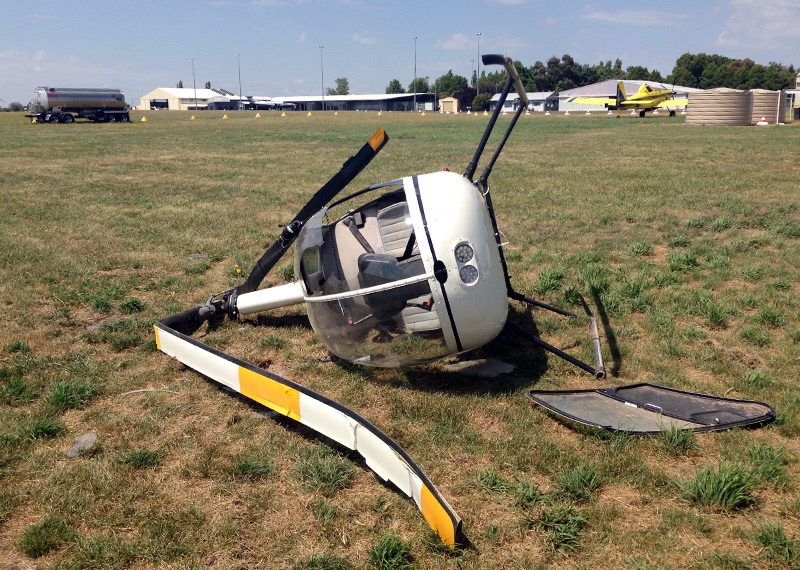
The objective of this audit was to examine the efficiency of the Australian Transport Safety Bureau’s (ATSB’s) investigation of transport accidents and safety occurrences.
Entity
Australian Transport Safety Bureau
Contact
Please direct enquiries through our contact page.
Request for audit
Responded: Friday 24 July 2020
Response provided
The Auditor-General responded on 29 October 2019 to correspondence from the Hon Joel Fitzgibbon MP dated 1 October 2019, requesting that the Auditor-General conduct an examination of Federal Government drought funding measures. The Auditor-General provided a follow-up response to the Hon Joel Fitzgibbon MP on 24 July 2020.
Contact
Please direct enquiries relating to requests for audit through our contact page.
Performance audit (Auditor-General Report No. 2 of 2022–23)

Published: Monday 15 August 2022
Published
The objective of the audit was to assess the effectiveness of the Australian Taxation Office’s engagement with tax practitioners in achieving efficient and effective taxation and superannuation systems.
Entity
Australian Taxation Office
Contact
Please direct enquiries through our contact page.
Performance audit (Auditor-General Report No. 11 of 2021–22)

Published: Monday 29 November 2021
Published
The audit objective was to assess the effectiveness of the Australian National University’s governance and control framework.
Entity
Australian National University
Contact
Please direct enquiries through our contact page.
Speeches and papers
Published: Thursday 14 November 1996
Published
Mr P.J. Barrett (AM) - Auditor-General for Australia, presented t the Australian Society of Certified Practising Accountants Annual Research Lecture - Canberra
Speeches and papers
Published: Friday 26 August 2011
Published
Mr Ian McPhee, PSM - Auditor?General for Australia, presented at the IPAA National Conference, Hobart
Performance audit (Auditor-General Report No. 26 of 2000–01)
Published: Friday 22 December 2000
Published
The Defence Estate comprises the land, buildings and other facilities that Defence uses across Australia. These facilities are vital to achieving the Defence mission - to prevent or defeat the use of armed force against Australia and its interests. The Estate has a gross replacement value of $14.8 billion. Defence Estate Organisation's (DEO's) Facilities Operations (FACOPS) Program delivers general maintenance and minor new works to Defence facilities on a regional basis across the country. DEO's Estate Operations and Planning Branch and its nine Regional Estate Centres are responsible for the FACOPS Program. Resources available for the Program have been reduced in recent years. The total DEO budget for 2000-01, which includes funds for capital works, facilities operations and property management, is $2.6 billion. Of this total, the FACOPS Program has a cash allocation of $213 million and an additional $15.6 million for employee expenses associated with the Program's 283 staff. The objective of the audit was to assess the efficiency and effectiveness of selected Defence facilities operations, including tendering and contracting, with a view to adding value with practical recommendations for enhancing operations.
Entity
Department of Defence
Performance audit (Auditor-General Report No. 42 of 2010–11)
Published: Wednesday 18 May 2011
Published
The objective of the audit was to assess whether the Council Allocation component of the RLCIP has been effectively designed, implemented and administered. The audit examined each of the three funding rounds, albeit with a focus on the first round (as it was due to be completed by 30 September 2009), with the second round not due to be completed until late in the audit timetable (31 December 2010) and third round funding agreements being signed and payments being made at the time audit work was completed.
Entity
Department of Regional Australia, Regional Development and Local Government
Events and seminars

Published: Tuesday 28 August 2018
Published
The Australian National Audit Office (ANAO) is hosting the 21st Pacific Association of Supreme Audit Institutions (PASAI) Congress 28–30 August 2018.
Performance audit (Auditor-General Report No. 36 of 2004–05)
Published: Wednesday 9 March 2005
Published
Given the importance of customer feedback to Centrelink's business, the ANAO considered it timely to conduct a series of performance audits relating to Centrelink's customer feedback systems, particularly in relation to its delivery of the services then provided on behalf of FaCS. The overarching objective of this series of ANAO performance audits of Centrelink's customer feedback systems was to assess whether Centrelink has effective processes and systems for gathering, measuring, reporting and responding effectively to customer feedback, including in relation to customer satisfaction with Centrelink services and processes.
Entity
Centrelink
Performance audit (Auditor-General Report No. 49 of 2014–15)

Published: Wednesday 10 June 2015
Published
The audit objective is to assess the effectiveness of the Department of Agriculture’s administration of the Imported Food Inspection Scheme.
Entity
Department of Agriculture
Contact
Please direct enquiries relating to reports through our contact page.
Performance audit (Auditor-General Report No. 20 of 2023–24)

Published: Wednesday 27 March 2024
Published
The objective of this audit was to assess whether the design and implementation of the Australian Apprenticeships Incentive System by the Department of Employment and Workplace Relations is effective.
Entity
Department of Employment and Workplace Relations
Contact
Please direct enquiries through our contact page.
Speeches and papers
Published: Friday 31 May 2002
Published
Mr P.J. Barrett (AM) - Auditor-General for Australia, presented at the IPAA ACT Division, Half day seminar
Performance audit (Auditor-General Report No. 39 of 2019–20)

Published: Thursday 4 June 2020
Published
The objective of this audit was to assess whether the Commonwealth Scientific and Industrial Research Organisation (CSIRO) designed and is implementing its property investment strategy in a way that is delivering the intended benefits, and how any lessons learned are being reflected in a new strategy that is being developed.
Entity
Commonwealth Scientific and Industrial Research Organisation (CSIRO)
Contact
Please direct enquiries through our contact page.
Performance audit (Auditor-General Report No. 5 of 2021–22)

Published: Wednesday 22 September 2021
Published
The audit objective was to assess the effectiveness of the Department of Health’s approach to improving and monitoring immunisation coverage.
Entity
Department of Health
Contact
Please direct enquiries through our contact page.
Performance audit (Auditor-General Report No. 51 of 2010–11)
Published: Tuesday 21 June 2011
Published
To examine the effectiveness of the Department of Health and Ageing’s administration of the Access to Allied Psychological Services Program.
Entity
Department of Health and Ageing
Speeches and papers
Published: Monday 13 September 1999
Published
Mr P.J. Barrett (AM) - Auditor-General for Australia, presented at the Defence and Strategic Studies Course, Australian Defence College, Canberra
Corporate

Published: Thursday 5 July 2018
Published
The ANAO Corporate Plan 2018–19 is the ANAO's key strategic planning document. It guides our operating environment and sets out how we will deliver on our purpose. The corporate plan is complemented by the annual audit work program which reflects the ANAO's audit strategy and deliverables for the coming year.
Contact
Please direct enquiries about our corporate plan through our contact page.
Performance audit (Auditor-General Report No. 10 of 2016–17)
Published: Thursday 1 September 2016
Published
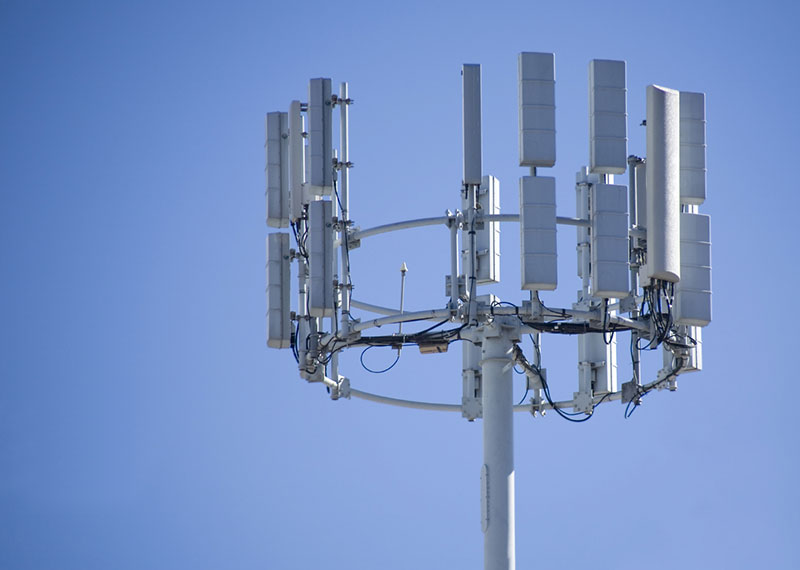
The objective of this audit was to assess the effectiveness of the Department of Communications and the Arts’ assessment and selection of base stations for funding under the first round of the Mobile Black Spot Programme.
Entity
Department of Communications and the Arts
Contact
Please direct enquiries relating to reports through our contact page.
Performance audit (Auditor-General Report No. 22 of 2021–22)

Published: Monday 4 April 2022
Published
The objective of the audit was to assess the effectiveness of the Australian Taxation Office's administration of the JobKeeper scheme.
Entity
Department of the Treasury; Australian Taxation Office (ATO)
Contact
Please direct enquiries through our contact page.
Speeches and papers
Published: Monday 27 August 2007
Published
Mr Ian McPhee - Auditor-General for Australia, presented at the Australian Corporate Lawyers Association (ACT Division) Conference
Performance audit (Auditor-General Report No. 15 of 2018–19)
Published: Thursday 6 December 2018
Published
The objective of this audit was to assess whether Human Services has an effective high-level compliance strategy for administered payments made under the Centrelink and Medicare programs.
Entity
Department of Human Services
Contact
Please direct enquiries through our contact page.
Performance audit (Auditor-General Report No. 15 of 2021–22)

Published: Thursday 16 December 2021
Published
The objective of the audit was to assess the effectiveness to date of the Department of Defence’s procurement of six evolved Cape class patrol boats.
Entity
Department of Defence
Contact
Please direct enquiries through our contact page.
Performance audit (Auditor-General Report No. 12 of 2018–19)

Published: Tuesday 20 November 2018
Published
The objective of the audit was to assess whether the Royal Australian Mint’s strategies for addressing the impacts of declining demand for Australian circulating coins are appropriate and effective.
Entity
Royal Australian Mint
Contact
Please direct enquiries through our contact page.
Performance audit (Auditor-General Report No. 30 of 2017–18)

Published: Wednesday 28 February 2018
Published
The objective of the audit was to examine the effectiveness of the design and governance of the National Water Infrastructure Development Fund.
Entity
Department of Agriculture and Water Resources; Department of Infrastructure, Regional Development and Cities; Department of the Prime Minister and Cabinet
Contact
Please direct enquiries relating to audits through our contact page.
Performance audit (Auditor-General Report No. 18 of 2021–22)

Published: Tuesday 22 February 2022
Published
The objective of this audit was to assess the effectiveness of the National Indigenous Australians Agency’s administration of funding for remote housing in the Northern Territory.
Entity
National Indigenous Australians Agency
Contact
Please direct enquiries through our contact page.
Performance audit (Auditor-General Report No. 32 of 2002–03)
Published: Wednesday 5 March 2003
Published
This is the third audit report undertaken by the ANAO in response to a request made by the Senate in the Senate Order for Departmental and Agency Contracts, which requires all Financial Management and Accountability Act 1997 (FMA Act) agencies to place on the Internet, lists of contracts of $100 000 and more by the tenth day of the Spring and Autumn sittings of Parliament. It relates to the audit of the contract information to be listed on the Internet by the tenth day of the Autumn 2002 sitting. The audit involved a desktop review of all FMA Act agencies' Internet listings; and a detailed review in six selected agencies, of the process for making the Internet listings, and the policies and practices for determining and identifying whether contracts contained either confidential provisions and other requirements of confidentiality.
Entity
Across Agency
Speeches and papers
Published: Wednesday 10 March 1999
Published
Mr P.J. Barrett (AM) - Auditor-General for Australia, presented at the Secretaries' Forum
Corporate

Published: Friday 11 July 2025
Published
The ANAO Corporate Plan 2025–26 updates the previous corporate plan and outlines how we intend to deliver against our purpose over the next four years (2025–26 to 2028–29). The corporate plan is the ANAO’s primary planning document — it outlines our purpose; our strategic priorities; our operating context; and the priorities, activities and performance measures by which we will be held to account.
Contact
Please direct enquiries through our contact page.
Speeches and papers
Published: Tuesday 3 December 2002
Published
Mr P.J. Barrett (AM) - Auditor-General for Australia, presented at the Department of Finance and Administration's Learning Centre Lecture Series
Speeches and papers
Published: Friday 1 August 1997
Published
Mr P.J. Barrett (AM) - Auditor-General for Australia, addressed the Senior Executive Leadership 20. Canberra.
Performance audit (Auditor-General Report No. 18 of 2020–21)

Published: Thursday 26 November 2020
Published
The objective of the audit was to assess the effectiveness and value for money to date of the Department of Defence’s acquisition of combat reconnaissance vehicles under project Land 400 Phase 2.
Entity
Department of Defence
Contact
Please direct enquiries through our contact page.
Performance audit (Auditor-General Report No. 29 of 2023–24)

Published: Tuesday 28 May 2024
Published
The objective of this audit was to assess the effectiveness of the National Indigenous Australians Agency’s (NIAA’s) processes to design and transition to a new remote employment program.
Entity
National Indigenous Australians Agency
Contact
Please direct enquiries through our contact page.
Request for audit
Responded: Thursday 1 July 2021
Response provided
The Auditor-General responded on 1 July 2021 to correspondence from the Hon Brendan O'Connor MP and Mr Tim Watts MP dated 5 June 2021, requesting that the Auditor-General consider initiating a performance audit into the use of provisional ICT accreditation within Defence.
Contact
Please direct enquiries relating to requests through our contact page.
Performance audit (Auditor-General Report No. 5 of 2020–21)

Published: Thursday 3 September 2020
Published
The objective of this audit was to assess the effectiveness of the Australian Energy Regulator’s regulation of energy markets.
Entity
Australian Energy Regulator
Contact
Please direct enquiries through our contact page.
Performance audit (Auditor-General Report No. 58 of 2004–05)
Published: Wednesday 29 June 2005
Published
The objective of the audit was to assess the effectiveness of Health's administration of the National Respite for Carers Program.
Entity
Department of Health and Ageing
Performance audit (Auditor-General Report No. 8 of 1996–97)
Published: Tuesday 8 October 1996
Published
The purpose of the audit was to examine the efficiency, effectiveness and accountability of the Therapeutic Goods Administration's performance in evaluating and approving prescription drugs for public use. In particular the audit focused on analysing elements of the regulatory process associated with the evaluation of prescription drugs. In this context the audit reviewed the administrative operations performed within the Department's Drug Safety and Evaluation Branch, the Australian Drug Evaluation Committee and the Business and Services Branch of the TGA, rather than any processes preceding or succeeding those activities.
Entity
Department of Health and Family Services
Performance audit (Auditor-General Report No. 45 of 2010–11)
Published: Tuesday 31 May 2011
Published
The objective of the audit was to assess the effectiveness of the Tax Office’s administration of the LCT, including aspects of the tax administered by Customs on behalf of the Tax Office.
Entity
Australian Taxation Office
Performance audit (Auditor-General Report No. 12 of 2009–10)
Published: Thursday 19 November 2009
Published
The audit objective was to assess the effectiveness of administrative arrangements for YA, including service delivery. The ANAO assessed DEEWR's and Centrelink's performance against three main criteria:
- objectives and strategies for the ongoing management and performance measures for YA provide a firm basis for measurement against outcomes (Chapters 2 and 3);
- YA services delivered are consistent with legislative and policy requirements, (Chapter 4); and
- monitoring arrangements provide appropriate information for assessing service delivery performance (Chapter 5).
Entity
Department of Education, Employment and Workplace Relations; Centrelink
Performance audit (Auditor-General Report No. 22 of 1999–2000)
Published: Wednesday 22 December 1999
Published
The audit reviewed the operations of the Bureau of Meteorology. The Bureau's functions include the taking and recording of meteorological observations and other observations required for the purposes of meteorology; the forecasting of weather and of the state of the atmosphere; the issue of warnings of weather conditions likely to endanger life or property; the supply, publication and promotion of meteorological information; and cooperation with international meteorological agencies in relation to the functions just listed. The objectives of the audit were to:
- use national and international benchmarks to evaluate the Bureau's performance in terms of timeliness, cost and quality of weather services to meet the needs of clients; and
- assess how well the Bureau is placed in measuring its outputs/outcomes within the context of the Accrual Budgeting Framework.
Entity
Department of the Environment and Heritage
Performance audit (Auditor-General Report No. 35 of 2018–19)

Published: Friday 26 April 2019
Published
The objective of this audit was to examine the effectiveness of the governance arrangements for the Special Broadcasting Service Corporation (SBS).
Entity
Special Broadcasting Service Corporation
Contact
Please direct enquiries through our contact page.
Performance audit (Auditor-General Report No. 4 of 2006–07)
Published: Tuesday 12 September 2006
Published
The objective of the audit was to review the operation of the ATO's Tax Agent and Business Portals. In conducting the audit the ANAO examined three key areas: governance – the governance arrangements supporting ongoing management of the Portals; portals development, user satisfaction and realisation of expected benefits – the ATO's processes for involving users in developing the Tax Agent and Business Portals, assessing user satisfaction, and evaluating business benefits arising from uptake of the Portals; and information technology (IT) security and user access controls – the ATO's IT security environment and user access controls supporting the operation of the Tax Agent and Business Portals.
Entity
Australian Taxation Office
Performance audit (Auditor-General Report No. 27 of 2014–15)

Published: Tuesday 10 March 2015
Published
The objective of the audit was to examine the effectiveness of the Department of Defence’s planning, budgeting and implementation of an electronic health records solution for Defence personnel.
Entity
Department of Defence
Contact
Please direct enquiries relating to reports through our contact page.
Speeches and papers
Published: Tuesday 18 May 1999
Published
Mr P.J. Barrett (AM) - Auditor-General for Australia, presented at the Institute of Internal Auditors National Annual General Meeting Sydney, 18 May 1999
Performance audit (Auditor-General Report No. 14 of 2003–04)
Published: Friday 28 November 2003
Published
The Survey of Fraud Control Arrangements in APS agencies was conducted to identify improvements made by agencies since the 1999 survey, and in response to the revised Commonwealth Fraud Control Guidelines released in May 2002. Its objective was to assess the key aspects of fraud control arrangements in place across the APS against the Commonwealth Fraud Control Guidelines 2002.
Entity
Across Entities
Performance audit (Auditor-General Report No. 37 of 1997–98)
Published: Friday 20 March 1998
Published
The purpose of this follow-up audit was to report on action taken by the Department of Social Security and Centrelink in addressing the recommendations of Audit Report No.23 1993-94 Protection of Confidential Client Information from Unauthorised Disclosure. The objectives were to:
- ascertain the extent to which the recommendations of the original audit have been implemented;
- identify other changes made in relation to data confidentiality within the Social Security portfolio since 1993;
- assess the impact of the changes made; and
- identify any scope for further improvement.
Entity
Centrelink; Department of Social Security
Performance audit (Auditor-General Report No. 8 of 2000–01)
Published: Thursday 7 September 2000
Published
The audit reviewed the Amphibious Transport Ship Project, involving the acquisition and modification of two second-hand US Navy ships . The objective of the audit was to assess the efficiency and effectiveness of Defence's management of the project, focusing on the capability development process, costs and schedule issues, contract issues, the management of project risks and project review processes.
Entity
Department of Defence
Performance audit (Auditor-General Report No. 28 of 2023–24)

Published: Wednesday 22 May 2024
Published
The objective of this audit was to assess the effectiveness of the design and award of funding for Round 6 of the Mobile Black Spot Program.
Entity
Department of Infrastructure, Transport, Regional Development, Communications and the Arts
Contact
Please direct enquiries through our contact page.
Speeches and papers
Published: Monday 7 October 2002
Published
Mr P.J. Barrett (AM) - Auditor-General for Australia, presented at the 18th Commonwealth Auditors-General Conference, Malaysia
Request for audit
Responded: Friday 24 July 2020
Response provided
The Auditor-General responded on 14 January 2020 to correspondence from the Hon Catherine King MP, requesting that the Auditor-General conduct an investigation to examine programs supporting regional development and jobs growth. The Auditor-General also responded on 2 April 2020 to follow-up correspondence from the Hon Catherine King MP dated 3 March 2020, alerting the Auditor-General to evidence given in Senate estimates that relates to the original correspondence. The Auditor-General provided a follow-up response to the Hon Catherine King MP on 24 July 2020.
Contact
Please direct enquiries relating to requests through our contact page.
Performance audit (Auditor-General Report No. 35 of 2001–02)
Published: Monday 11 March 2002
Published
The Australian Taxation Office (ATO) established a task force in 1996 to develop a greater understanding of the factors involved and to devise a coordinated approach in dealing with the cash economy. The objective of the performance audit was to report to Parliament on the ATO's progress in addressing the cash economy, including its monitoring and reporting of outcomes. The audit focused on the ATO's implementation of its Cash Economy Task Force recommendations in the light of the tax reform that has taken place over the last two years.
Entity
Australian Taxation Office
Performance audit (Auditor-General Report No. 7 of 2014–15)

Published: Wednesday 26 November 2014
Published
The objective of the audit was to assess how effectively and efficiently the Australian Taxation Office managed contact centres as part of its overall service delivery.
Entity
Australian Taxation Office
Contact
Please direct enquiries relating to reports through our contact page.
Performance audit (Auditor-General Report No. 9 of 2010–11)
Published: Wednesday 29 September 2010
Published
On 3 February 2010, Senator Christine Milne wrote to the Auditor General raising concerns about DEWHA's administration of the Green Loans program and requesting a performance audit of the program. Issues raised included: uncapped assessor numbers; problems with the delivery of the program; the quality of assessor training and assessments provided to households; the lack of an audit facility within the program; and equitable access to work under the program.
In light of Senator Milne's request and other concerns in relation to the administration of the program, the Auditor-General agreed on 25 February 2010 to conduct a performance audit of the program. The objective of the audit was to examine key aspects of the establishment and administration of the Green Loans program by DEWHA and the program's transition to DCCEE. Particular emphasis was given to the program's three main elements:
- training, registration and contracting of assessors;
- scheduling, conduct, and reporting of home sustainability assessments, and the associated payments to assessors; and
- provision of green loans to householders, and the associated payments to participating financial institutions.
The audit also examined the extent to which steps had been taken by DEWHA and DCCEE to assess whether the Green Loans program was achieving its objectives.
Entity
Department of the Environment, Water, Heritage and the Arts; Department of Climate Change and Energy Efficiency
Performance audit (Auditor-General Report No. 24 of 2021–22)

Published: Thursday 28 April 2022
Published
The objective of the audit was to assess the effectiveness of the Australian Taxation Office's activities in addressing Superannuation Guarantee non-compliance.
Entity
Australian Taxation Office
Contact
Please direct enquiries through our contact page.
Performance audit (Auditor-General Report No. 33 of 2004–05)
Published: Wednesday 9 March 2005
Published
Given the importance of customer feedback to Centrelink's business, the ANAO considered it timely to conduct a series of performance audits relating to Centrelink's customer feedback systems, particularly in relation to its delivery of the services then provided on behalf of FaCS. The overarching objective of this series of ANAO performance audits of Centrelink's customer feedback systems was to assess whether Centrelink has effective processes and systems for gathering, measuring, reporting and responding effectively to customer feedback, including in relation to customer satisfaction with Centrelink services and processes.
Entity
Centrelink
Performance audit (Auditor-General Report No. 32 of 2019–20)

Published: Thursday 16 April 2020
Published
The objective of this audit was to examine the Department of Foreign Affairs and Trade’s (DFAT’s) achievement of value for money objectives in the delivery of Official Development Assistance (aid) through facility arrangements.
Entity
Department of Foreign Affairs and Trade (DFAT)
Contact
Please direct enquiries through our contact page.
Performance audit (Auditor-General Report No. 47 of 2019–20)

Published: Thursday 25 June 2020
Published
The objective of this audit was to assess the effectiveness of the Department of Agriculture, Water and the Environment’s administration of referrals, assessments and approvals of controlled actions under the Environment Protection and Biodiversity Conservation Act 1999.
Entity
Department of Agriculture, Water and the Environment
Contact
Please direct enquiries through our contact page.
Performance audit (Auditor-General Report No. 34 of 2019–20)

Published: Thursday 23 April 2020
Published
The audit objective was to assess the effectiveness of the administration of Aboriginal and Torres Strait Islander participation targets in intergovernmental funding agreements in achieving policy objectives.
Entity
Department of Infrastructure, Transport, Regional Development and Communications; National Indigenous Australians Agency
Contact
Please direct enquiries through our contact page.
Performance audit (Auditor-General Report No. 6 of 2018–19)

Published: Tuesday 11 September 2018
Published
The objective of the audit was to assess the effectiveness and value for money of Defence’s acquisition of light protected vehicles, under Defence project Land 121 Phase 4.
Entity
Department of Defence
Contact
Please direct enquiries through our contact page.
Performance audit (Auditor-General Report No. 25 of 2018–19)
Published: Monday 11 February 2019
Published
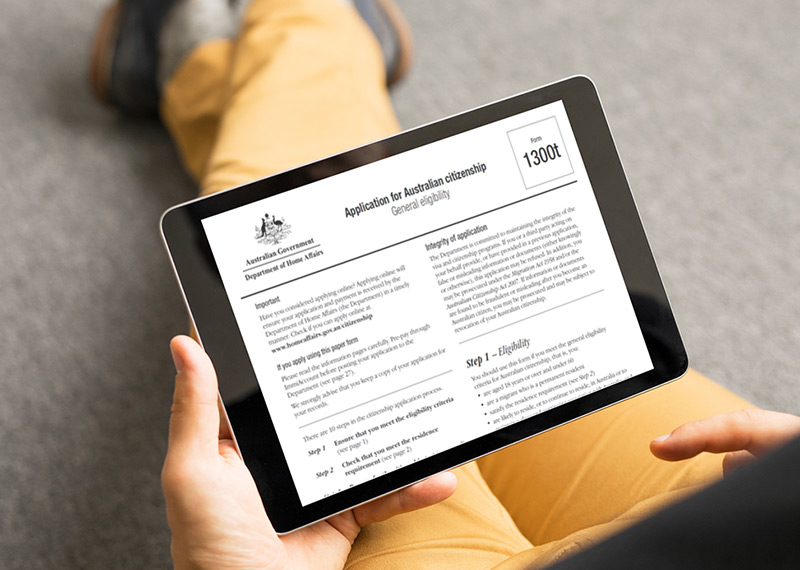
The objective of the audit was to examine the efficiency of the processing of applications for citizenship by conferral by the Department of Home Affairs.
Entity
Department of Home Affairs
Contact
Please direct enquiries through our contact page.
Performance audit (Auditor-General Report No. 1 of 2024–25)

Published: Thursday 11 July 2024
Published
The objective of the audit was to assess the effectiveness of Department of Defence's procurement and implementation of the myClearance system to date.
Entity
Department of Defence
Contact
Please direct enquiries through our contact page.
Performance audit (Auditor-General Report No. 42 of 1999–2000)
Published: Wednesday 10 May 2000
Published
The audit reviewed the effectiveness and probity of the policy development processes and implementation of improved access to Magnetic Resonance Imaging services. The objective of the audit was to examine and report on the effectiveness and probity of the processes involved in:
(a) the development and announcement of the proposal to improve access to Magnetic Resonance Imaging (MRI) services announced in the 1998 Budget, including negotiation with the diagnostic imaging profession; and
(b) the registration of 'eligible providers' and 'eligible equipment' to enable the payment of claims for MRI services on the Medicare Benefits Schedule
Entity
Across Agency
Performance audit (Auditor-General Report No. 39 of 2002–03)
Published: Thursday 17 April 2003
Published
The Navy Operational Readiness audit examined the systems that Navy uses to manage readiness and concludes coverage of Navy: readiness organisation and management structures (as well as the interface between these systems and Defence enabling operations); management and maintenance of operational readiness (covering personnel, collective training and other components of operational readiness); and readiness performance information processes. The objective of the audit was to provide assurance to Parliament concerning the progress that Navy has made in the development of operational readiness management and evaluation systems and to identify areas for improvement in these systems.
Entity
Department of Defence
Request for audit
Responded: Friday 19 November 2021
Response provided
The Auditor-General responded on 19 November 2021 to correspondence from Senator Malcolm Roberts dated 28 October 2021, requesting that the Auditor-General clarify issues relating to the Disaster Recovery Funding Arrangements.
The Auditor-General received further correspondence about this matter from the Chief Executive Officer of the Queensland Reconstruction Authority, Mr Brendan Moon on 6 June 2022.
Contact
Please direct enquiries through our contact page.
Performance audit (Auditor-General Report No. 18 of 2014–15)
Published: Wednesday 28 January 2015
Published
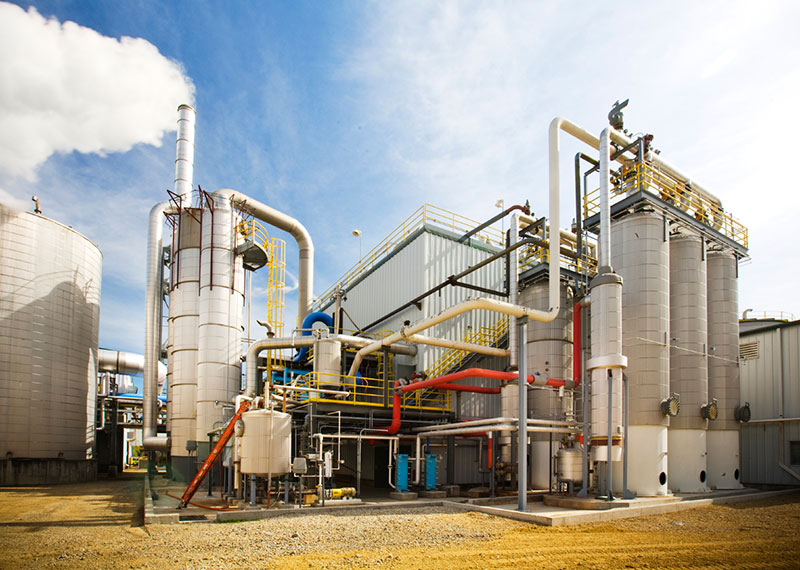
The objective of the audit was to examine the effectiveness of Industry’s administration of the Ethanol Production Grants Program, including relevant advice on policy development.
Entity
Department of Industry and Science
Performance audit (Auditor-General Report No. 40 of 2013–14)
Published: Monday 16 June 2014
Published
The audit objective was to assess the effectiveness of the Department of Human Services’ management of the trials of intensive service delivery for customers with complex needs.
Entity
Department of Human Services
Contact
Please direct enquiries relating to reports through our contact page.
Performance audit (Auditor-General Report No. 29 of 2017–18)

Published: Tuesday 20 February 2018
Published
The objective of the audit was to assess whether the Australian Taxation Office (ATO) has effectively responded to recent unscheduled information technology (IT) system outages.
Entity
Australian Taxation Office
Contact
Please direct enquiries through our contact page.
Performance audit (Auditor-General Report No. 2 of 2015–16)

Published: Tuesday 14 July 2015
Published
The objective of the audit was to assess the effectiveness of the Australian Communications and Media Authority’s regulation of unsolicited communications.
Entity
Australian Communications and Media Authority
Contact
Please direct enquiries relating to reports through our contact page.
Performance audit (Auditor-General Report No. 52 of 2014–15)

Published: Thursday 25 June 2015
Published
The audit objective was to assess the effectiveness of Defence’s management of the acquisition of medium and heavy vehicles, associated modules and trailers for the Australian Defence Force.
Entity
Department of Defence; Defence Materiel Organisation
Contact
Please direct enquiries relating to reports through our contact page.
Performance audit (Auditor-General Report No. 17 of 2015–16)
Published: Wednesday 20 January 2016
Published
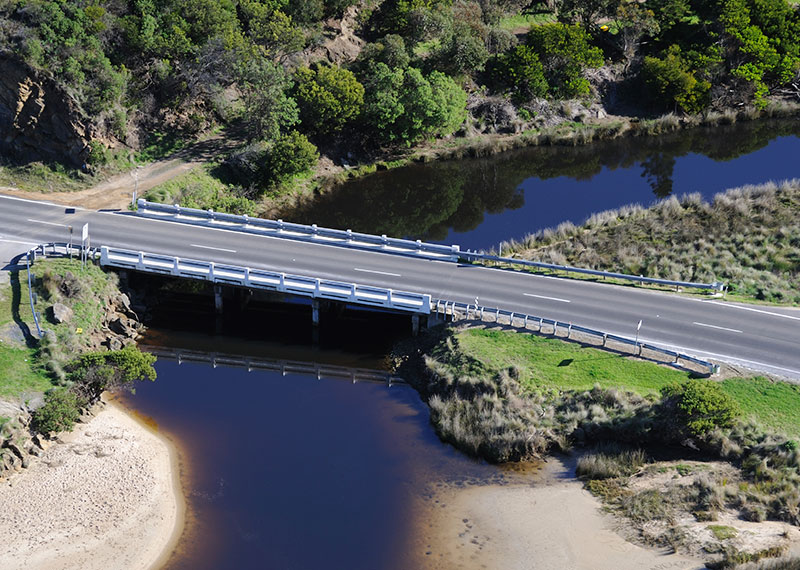
The objective of the audit was to assess the effectiveness of the Department of Infrastructure and Regional Development’s design and implementation of the first funding round of the Bridges Renewal Programme.
Entity
Department of Infrastructure and Regional Development
Contact
Please direct enquiries relating to reports through our contact page.
Performance audit (Auditor-General Report No. 3 of 2015–16)

Published: Thursday 13 August 2015
Published
The objective of this audit was to assess the effectiveness of the Great Barrier Reef Marine Park Authority’s regulation of permits and approvals within the Great Barrier Reef Marine Park.
Entity
Great Barrier Reef Marine Park Authority
Contact
Please direct enquiries relating to reports through our contact page.
Request for audit
Responded: Friday 24 July 2020
Response provided
The Auditor-General responded on 20 September 2019 to correspondence from Mr Julian Hill MP dated 3 September 2019, requesting that the Auditor-General conduct an investigation to examine aspects of the family migration program. The Auditor-General provided a follow-up response to Mr Hill MP on 24 July 2020.
Contact
Please direct enquiries relating to requests for audit through our contact page.
Performance audit (Auditor-General Report No. 10 of 2014–15)

Published: Tuesday 9 December 2014
Published
The objective of the audit was to assess the effectiveness of the Department of the Environment’s administration of the Biodiversity Fund program.
Entity
Department of the Environment
Contact
Please direct enquiries relating to reports through our contact page.