Browse our range of reports and publications including performance and financial statement audit reports, assurance review reports, information reports and annual reports.
Performance audit (Auditor-General Report No. 29 of 2005–06)
Published: Wednesday 15 February 2006
Published
The audit examined aspects of the integrity and management of customer data stored on ISIS. In particular, the audit considered measures of data accuracy, completeness and reliability. The scope of the audit also extended to aspects of Centrelink's IT control environment - in particular, controls over data entry.
Entity
Centrelink
Performance audit (Auditor-General Report No. 22 of 2016–17)

Published: Wednesday 19 October 2016
Published
The objectives of the audit were to:
- assess the effectiveness of the ongoing administration of the Australian Government’s campaign advertising framework; and
- assess the effectiveness of the selected entities’ administration in developing advertising campaigns and implementing key processes against the requirements of the campaign advertising framework applying at the time, and relevant legal and government policy requirements.
Entity
Department of Finance; Department of the Treasury; Department of Education and Training; Department of Immigration and Border Protection
Contact
Please direct enquiries relating to reports through our contact page.
Performance audit (Auditor-General Report No. 59 of 2001–02)
Published: Thursday 20 June 2002
Published
The overall objective of the audit was to assess AusAID's management of commercial contracts to deliver Australia's overseas aid program. To this end, the audit examined whether:
- there are sound supporting structures for contract management;
- AusAid effectively manages risks;
- contracts clearly define deliverables;
- services are delivered and payments are made in accordance with the contract;
- there are appropriate arrangements to manage contractor performance;
- strategies appropriately assess and allocate risk between AusAid and contractors; and
- contracts deliver the desired aid outcomes.
Entity
Australian Agency for International Development (AusAID)
Performance audit (Auditor-General Report No. 17 of 2014–15)

Published: Thursday 18 December 2014
Published
The objective of the audit was to examine the effectiveness of Navy’s strategy for recruiting and retaining personnel with specialist skills. The effective delivery of Navy capability depends on Navy having available sufficient numbers of skilled personnel to operate and maintain its fleet of sea vessels and aircraft, and conduct wide‑ranging operations in dispersed locations. Without the right personnel, Navy capability is reduced. Navy’s budget for 2014–15 included $1.86 billion in employee expenses.
The audit concluded that, in its strategic planning, Navy had identified its key workforce risks and their implications for Navy capability. To address these risks Navy had continued to adhere to its traditional ‘raise, train and sustain’ workforce strategy; developed a broad range of workforce initiatives that complemented its core approach; and sought to establish contemporary workforce management practices. However, long‑standing personnel shortfalls in a number of ‘critical’ employment categories had persisted, and Navy had largely relied on retention bonuses as a short‑ to medium‑term retention strategy.
Navy had developed a broad range of workforce initiatives, some designed specifically to address workforce shortages in its critical employment categories. To date, Navy had primarily relied on paying retention bonuses and other financial incentives; recruiting personnel with prior military experience to work in employment categories with significant workforce shortfalls; and using Navy Reserves in continuous full time roles. Ongoing work was required for Navy to firmly establish a range of promising workforce management practices, including providing the right training at the right time; more flexible approaches to managing individuals’ careers; and improving workplace culture, leadership and relationships. More flexible and tailored workforce management practices could help address the underlying causes of workforce shortfalls, particularly when the traditional approaches were not gaining sufficient traction.
The ANAO made two recommendations aimed at Navy: drawing on external human resource expertise to inform the development and implementation of its revised workforce plan; and evaluating the impact of retention bonuses on the Navy workforce to determine their future role within its overall workforce strategy.
Entity
Department of Defence
Contact
Please direct enquiries relating to reports through our contact page.
Performance audit (Auditor-General Report No. 43 of 1997–98)
Published: Tuesday 12 May 1998
Published
The objective of the audit was to report on whether Defence applies Life-cycle Costing appropriately in support of decisions throughout the acquisition and management of its capital assets, and to make recommendations for any improvement. Criteria were established against each of the issues considered by the audit, namely LCC policy and coordination, use of LCC in investment decisions, use of LCC to support budgeting, data to support LCC and LCC training and education.
Entity
Department of Defence
Performance audit (Auditor-General Report No. 10 of 1996–97)
Published: Wednesday 16 October 1996
Published
This audit considered the action taken in relation to the recommendations of Audit Report No.47, 1991-92, Energy Management of Commonwealth Buildings. The objective of this follow-up audit was to assess whether the Department of Primary Industries and Energy, the Department of Administrative Services, and the Department of Finance had taken appropriate action in relation to the recommendations. The audit criteria were the extent to which the original recommendations agreed by the agencies had been implemented and what had been achieved.
Entity
Department of Administrative Services; Department of Primary Industries and Energy
Performance audit (Auditor-General Report No. 52 of 2000–01)
Published: Monday 18 June 2001
Published
The audit reviewed the operation of the payment of accounts function in 8 Commonwealth organisations against their internal control framework. The main objectives of the audit were to determine whether organisations had implemented appropriate risk management strategies for the processing of accounts and whether payment for goods ans services had been properly authorised. The audit also reviewed progress since the payment of accounts audit undertaken in 1996 ( Audit Report No. 16, 1996-97, Financial Control and Administration Audit, Payment of Accounts).
Entity
Across Agency
Performance audit (Auditor-General Report No. 44 of 2002–03)
Published: Friday 23 May 2003
Published
The objective of the audit was to determine whether the controls and measures employed by FaCS and Centrelink to deliver Parenting Payment Single (PPS) payments were effective and efficient. To achieve this, the audit focused on four key areas. These were:
- the quality of performance measures used by FaCS and Centrelink;
- the effectiveness of FaCS' methodology for estimating the levels of risk of incorrect payment to PPS customers and the impact of these incorrect payments on the integrity of program outlays;
- the correctness of Centrelink's processing of reassessments; and
- the improvements to preventive controls such as training, guidance material, and the Quality On-Line system.
Entity
Department of Family and Community Services; Centrelink
Performance audit (Auditor-General Report No. 4 of 1996–97)
Published: Thursday 22 August 1996
Published
The focus of this audit was to ascertain how the Family Court had spent Justice Statement monies and to form an opinion on the current and projected financial position of the Court. The ANAO undertook the review of the Family Court in a two-stage process. The first stage, the findings of which appear in this report, to allow consideration in the Budget context, was undertaken as a project audit and had the objective of addressing the issues of immediate concern to the Attorney-General.
Entity
Family Court of Australia
Performance audit (Auditor-General Report No. 32 of 2000–01)
Published: Friday 6 April 2001
Published
The audit reviewed the Defence Department's management of the Defence Cooperation (DC) Program, through which Australia interacts with and provides assistance to security forces in South East Asia and the South Pacific. The primary aim of the program is to support Australia's defence relationships. Activities conducted through the program include training, study visits, personnel exchanges and combined exercises with elements of the various regional armed forces. The Pacific Patrol Boat Project is part of the program. The objectives of the audit were to:
1) consider how Defence assesses performance in meeting DC objectives;
2) review Defence's development of DC objectives; and
3) identify areas for improvement in managing DC resources.
Entity
Department of Defence
Performance audit (Auditor-General Report No. 34 of 2015–16)

Published: Thursday 5 May 2016
Published
The objective of this audit was to assess the effectiveness of the administration of tobacco excise and excise equivalent goods.
Entity
Australian Taxation Office (ATO); Department of Immigration and Border Protection
Contact
Please direct enquiries relating to reports through our contact page.
Performance audit (Auditor-General Report No. 39 of 2010–11)
Published: Thursday 5 May 2011
Published
The objective of the audit was to assess the effectiveness of Department of Infrastructure and Transport’s and the Attorney‐General’s Department’s management of the Aviation and Maritime Security Identification Card (ASIC and MSIC) schemes.
Entity
Attorney General's Department; Department of Infrastructure and Transport
Performance audit (Auditor-General Report No. 54 of 2002–03)
Published: Monday 23 June 2003
Published
The audit examined the management of computer software assets at four Commonwealth bodies. It focused on the capitalisation of software for the purposes of annual financial reporting. The specific objectives were to: determine whether the selected bodies had established effective internal control frameworks for the capitalisation of externally acquired and internally developed software; and assess whether software costs were capitalised in accordance with organisational policy, accounting standards and relevant legislation.
Entity
Across Agency
Performance audit (Auditor-General Report No. 15 of 2011–12)
Published: Wednesday 30 November 2011
Published
The objective of the audit was to assess Customs and Border Protection’s use of risk management to assist in the processing of sea and air cargo imports.
Entity
Australian Customs and Border Protection Service
Performance audit (Auditor-General Report No. 20 of 2015–16)

Published: Wednesday 3 February 2016
Published
The audit objective was to assess the effectiveness of Defence’s administration of industry support and skill development programs.
Entity
Department of Defence
Contact
Please direct enquiries relating to reports through our contact page.
Performance audit (Auditor-General Report No. 42 of 1999–2000)
Published: Wednesday 10 May 2000
Published
The audit reviewed the effectiveness and probity of the policy development processes and implementation of improved access to Magnetic Resonance Imaging services. The objective of the audit was to examine and report on the effectiveness and probity of the processes involved in:
(a) the development and announcement of the proposal to improve access to Magnetic Resonance Imaging (MRI) services announced in the 1998 Budget, including negotiation with the diagnostic imaging profession; and
(b) the registration of 'eligible providers' and 'eligible equipment' to enable the payment of claims for MRI services on the Medicare Benefits Schedule
Entity
Across Agency
Performance audit (Auditor-General Report No. 40 of 2005–06)
Published: Wednesday 17 May 2006
Published
The objective of the audit was to examine processes used by Defence and the DMO to procure explosive ordnance for the ADF, with an emphasis on Army requirements. The audit reviewed the extent to which the DMO effectively translated the explosive ordnance requirements of the ADF, and particularly of Army, into procurement and through life support arrangements.
Entity
Department of Defence; Defence Materiel Organisation
Performance audit (Auditor-General Report No. 30 of 2011–12)
Published: Thursday 19 April 2012
Published
The objective of the audit was to assess the effectiveness of the AFP’s administration of the Fighting Terrorism at its Source (FTAS) initiative and related measures.
Entity
Australian Federal Police
Performance audit (Auditor-General Report No. 27 of 2002–03)
Published: Thursday 30 January 2003
Published
The audit reviewed the management and recording of guarentees, warranties, indemnities and letters of comfort issued by the Commonwealth and also assessed action taken in the relation to the recommendations from ANAO Audit Report No. 47 1997-98. The objectives of the audit were to assess the extent of:
- improvement in agencies' management and monitoring of the Commonwealth's exposure to these instruments;
- changes in the size and nature of the exposure since 30 June 1997; and
- the approach of agencies to effective risk management and control of Commonwealth exposures to these instruments.
Entity
Across Agency
Performance audit (Auditor-General Report No. 28 of 1997–98)
Published: Tuesday 23 December 1997
Published
The objectives for the audit were to report on the efficiency and cost effectiveness of selected agencies' procurement of air travel services. Specifically the audit was to:
- identify the potential for more cost effective procurement in agencies' contracting for air travel services;
- produce estimates of potential savings in expenditure by improved contracting arrangements in agencies where possible; and
- outline any improvements to procurement management practices, including improvement in Commonwealth coordination activities.
Entity
Across Agency
Request for audit
Responded: Wednesday 18 May 2016
Response provided
The Auditor-General (A/g) responded on 18 May 2016 to correspondence from the Hon Anthony Albanese MP on 16 January 2016 regarding the ANAO performance audit of the approval and administration of Commonwealth funding for the WestConnex Project.
Contact
Please direct enquiries relating to requests for audit through our contact page.
Performance audit (Auditor-General Report No. 50 of 2014–15)

Published: Wednesday 10 June 2015
Published
The objective of the audit was to assess the effectiveness of the administration of the Defence Home Ownership Assistance Scheme by the Department of Defence and the Department of Veterans’ Affairs.
Entity
Department of Defence; Department of Veterans' Affairs
Contact
Please direct enquiries relating to reports through our contact page.
Performance audit (Auditor-General Report No. 47 of 2009–10)
Published: Wednesday 23 June 2010
Published
The audit objective was to examine how effectively the Department of Agriculture, Fisheries and Forestry (DAFF) manages the importation of live animals into Australia.
Entity
Department of Agriculture, Fisheries and Forestry
Performance audit (Auditor-General Report No. 52 of 2012–13)
Published: Tuesday 25 June 2013
Published
The objective of the audit was to assess the effectiveness of the Australian Taxation Office’s administration of debt relief arrangements.
Entity
Australian Taxation Office
Contact
Please direct enquiries relating to reports through our contact page.
Performance audit (Auditor-General Report No. 11 of 2014–15)

Published: Wednesday 10 December 2014
Published
The audit objective was to assess the effectiveness and equity of the award of funding under the Clean Technology Program in the context of the program objectives and the Commonwealth’s grants administration framework.
Entity
Department of Industry
Contact
Please direct enquiries relating to reports through our contact page.
Performance audit (Auditor-General Report No. 5 of 2012–13)
Published: Thursday 27 September 2012
Published
To assess the upgrade and sustainment of the F/A-18A/B Hornet fleet, and the sustainment of the newly acquired F/A-18F Super Hornet fleet.
Entity
Department of Defence, Defence Materiel Organisation
Performance audit (Auditor-General Report No. 30 of 2002–03)
Published: Thursday 27 February 2003
Published
The Service Chiefs of Navy, Army and Air Force are accountable to the Chief of the Defence Force for the way that equipment is used by their Service. They are also accountable for the safety, fitness for service and environmental compliance of the equipment. The audit report deals with the way that the Service Chiefs are assured of the safety and suitability for service of the Australian Defence Force's (ADF's) ordnance systems. Ordnance systems include munitions such as missiles, shells and mines, and the auxiliary material necessary to aim, launch and guide munitions.
Entity
Department of Defence
Performance audit (Auditor-General Report No. 34 of 1998–99)
Published: Wednesday 31 March 1999
Published
The objective of the audit was to ascertain and report to Parliament on the Australian Taxation Office's administration of the Fringe Benefits Tax and to identify opportunities for improvement. The ANAO identified five key issues relevant to the effective administration of FBT:
- knowledge of the taxpayer base;
- education of taxpayers;
- client service - advice handling;
- other enforcement activities - audits and reviews; and
- the systems required to support the administration of FBT, including staff skills and training information systems.
Entity
Australian Taxation Office
Performance audit (Auditor-General Report No. 12 of 2006–07)
Published: Tuesday 28 November 2006
Published
The audit examined the effectiveness and efficiency of the FAO's management of overpayments, within the FTB Programme. In particular, the ANAO considered the FAO's activities in relation to FTB debt prevention, identification, raising and recovery. The audit also compared the FAO's policy documentation and guidance material for staff, against relevant sections of Family Assistance legislation.
Entity
NO-DEPTS-LISTED
Performance audit (Auditor-General Report No. 47 of 1998–99)
Published: Tuesday 15 June 1999
Published
The objectives of the audit were to form an opinion on the management of Commonwealth agencies' compliance with the Commonwealth's energy efficiency requirements and to identify areas for better practice in energy management. The audit focussed on:
- the implementation of the Energy Policy by Commonwealth Agencies; promulgation and coordination of energy use targets;
- energy and associated reporting by Commonwealth agencies;
- identification, examination and analysis of systemic and procedural impediments to achieving the Energy Policy; and
- development and discussion of ways to address these impediments.
Entity
Department of Industry, Science and Resources; Australian Greenhouse Office
Performance audit (Auditor-General Report No. 8 of 2002–03)
Published: Wednesday 18 September 2002
Published
This is the second audit report under the Senate Order, which requires all Financial Management and Accountability Act 1997 (FMA Act) agencies to place on the Internet, lists of contracts of $100 000 and more by the tenth day of the Spring and Autumn sittings of Parliament. It relates to the audit of the contract information to be listed on the Internet by the tenth day of the Autumn 2002 sitting. The audit involved a desktop review of all FMA Act agencies' Internet listings; and a detailed review at six selected agencies, of the process for making the Internet listings, and the policies and practices for determining confidentiality provisions in contracts.
Entity
Across Agency
Performance audit (Auditor-General Report No. 49 of 1997–98)
Published: Monday 29 June 1998
Published
The objectives of the audit were to assist the Department in the timely identification of any deficiencies in the evaluation of responses from suppliers and options for addressing the deficiencies. The objectives were to:
- test the Department's adherence to Commonwealth Procurement Guidelines for open and effective competition and to legislative and other Government specified requirements; and
- provide a report to the Parliament, the Government and other interested parties on the probity of the evaluation process.
The scope of the audit was restricted to considering the processes employed by the Department in the selection of hearing devices for use under the voucher scheme.
Entity
Department of Health and Family Services
Performance audit (Auditor-General Report No. 10 of 2001–02)
Published: Monday 17 September 2001
Published
The objectives of the audit were to determine whether agencies have implemented appropriate risk management strategies for the new banking arrangements, which came into operation on 1 July 1999 and whether cash funds are being managed in accordance with the appropriate legislation, the Commonwealth's agency banking guidance and generally accepted accounting practices. The scope of the audit was restricted to the departmental cash funds management and focused on risk management processes and management accounting controls adopted in the forecasting of cash flows, operation of bank accounts and placement of funds. The audit examined seven agencies, which are not named in the report.
Entity
Across Agency
Performance audit (Auditor-General Report No. 12 of 1997–98)
Published: Thursday 13 November 1997
Published
The objective of the audit was to evaluate the Department's performance in pursuit of selected PBS program objectives and outcomes, including to investigate and evaluate the economy, efficiency, administrative effectiveness and accountability of the management of the listing process as a significant element of the program. This involved a review of the developments in the listing process over recent years including: the establishment of a comprehensive database of major applications for PBS listing between 1991 and 1996, which facilitated a detailed analysis of the time taken to list drugs on the PBS schedule; a technical consultancy into the DHFS' Guidelines to industry for preparation of applications for PBS listing, and into the use of the economic analysis in assessing proposals for PBS listing; and a review of the selection process including the operations of the PBS advisory committees.
Entity
Department of Health and Family Services
Performance audit (Auditor-General Report No. 24 of 1999–2000)
Published: Wednesday 22 December 1999
Published
The audit reviewed the Commonwealth management and regulation of plasma fractionation. The audit objectives were to:
- assess the administrative and financial effectiveness of the Department of Health and Aged Care's contract management of the PFA;
- assess whether the TGA's implementation of post sale regulatory arrangements adequately protects the community's interests; and
- assess the extent to which agencies have implemented the recommendations made in Audit Report No.14 1995-96 concerning funding of plasma products and regulation of plasma products manufactured under the PFA.
Entity
Department of Health and Aged Care
Performance audit (Auditor-General Report No. 28 of 2008–09)
Published: Wednesday 22 April 2009
Published
The objective of the audit was to examine the quality and integrity of DVA's income support records and to report on the effectiveness of the department's management of the data and how it impacts on service delivery.
Entity
Department of Veterans' Affairs
Performance audit (Auditor-General Report No. 17 of 1999–2000)
Published: Monday 15 November 1999
Published
The audit reviewed the Commonwealth-State Housing Agreement (CSHA). CSHA is a joint arrangement between the Commonwealth and the States under which both the Commonwealth and the States contribute funding in the form of grants, which are used by State Housing Authorities to provide a variety of housing assistance programs to households on low incomes and those with special needs. The overall objective of the audit was to assess and report to Parliament on how effectively the Department of Family and Community Services (FaCS - formerly the Department of Social Security) administered the CSHA and to identify any areas where improvements could be made.
Entity
Department of Family and Community Services
Performance audit (Auditor-General Report No. 4 of 2020–21)

Published: Monday 31 August 2020
Published
The objective of this audit was to assess the extent to which entities’ establishment and use of ICT related procurement panels and arrangements supported the achievement of value for money outcomes.
Entity
Across Entities
Contact
Please direct enquiries through our contact page.
Performance audit (Auditor-General Report No. 7 of 2014–15)

Published: Wednesday 26 November 2014
Published
The objective of the audit was to assess how effectively and efficiently the Australian Taxation Office managed contact centres as part of its overall service delivery.
Entity
Australian Taxation Office
Contact
Please direct enquiries relating to reports through our contact page.
Performance audit (Auditor-General Report No. 2 of 1998–99)
Published: Friday 10 July 1998
Published
The Audit reviewed the Commercial Support Program (CSP) within the Department of Defence. The CSP was introduced in 1991 following a review of the report, The Defence Force and the Community. Its objective is to achieve best value for money in the acquisition of support services for the Department of Defence and to give the private sector an opportunity to participate in the provision of those support services. The objective of this audit was to assess whether CSP was meeting its objectives and to identify any areas where it may be possible to improve the timeliness, and therefore cost-effectiveness, with which CSP is implemented and the quality of the process itself to produce better outcomes.
Entity
Department of Defence
Performance audit (Auditor-General Report No. 6 of 1996–97)
Published: Thursday 12 September 1996
Published
The objectives for the audit were to examine Commonwealth guarantees, indemnities and letters of comfort in relation to:
- the potential size of the Commonwealth's exposure to these instruments;
- the extent to which the overall exposures of the Commonwealth are managed and monitored;
- the adequacy of administrative reporting arrangements;
- areas of better administrative practice relating to their management; and
- to raise agencies' awareness of appropriate risk management and accountability practices in relation to these instruments.
The audit set out to quantify the Commonwealth's exposure to guarantees, indemnities and letters of comfort.
Entity
Across Agency
Performance audit (Auditor-General Report No. 6 of 2000–01)
Published: Wednesday 23 August 2000
Published
The objective of the audit was to assess the framework and systems that DHAC has in place to prevent, control, monitor, detect and investigate fraud. The ANAO concluded that DHAC had taken appropriate steps to protect Commonwealth resources under its administration from fraudulent misappropriation by developing a sound fraud control framework, the effectiveness of which is illustrated by the relatively low incidence of reported fraud in the department over the last few years. The framework also includes key elements for preventing and dealing with fraud in line with the Commonwealth's Fraud Control Policy.
Entity
Department of Health and Aged Care
Performance audit (Auditor-General Report No. 34 of 2000–01)
Published: Thursday 17 May 2001
Published
The Age Pension is a social security income support payment available to Australian residents and eligible Australians residing overseas who have reached Age Pension age and whose income and assets are under certain limits. In 1999-2000, approximately $14 billion was paid to approximately 1.7 million Age Pension recipients. Payment of Age Pension is made under the Social Security Law and in accordance with the Guide to the Social Security Law prepared by the Department of Family and Community Services (FaCS). FaCS has contracted Centrelink under a Business Partnership Agreement (BPA) to administer the payment of Age Pension to eligible customers. The objective of the audit was to assess the extent to which new claims for Age Pension had been assessed in compliance with the legislation and other relevant guidelines developed by Centrelink, and whether Centrelink employed appropriate mechanisms to help ensure such compliance. In particular, the ANAO sought evidence with respect to: payment at the right rate, from the right date, to the right person with the right product, for new claims assessed during the audit sample period (that is, in accordance with the working definition of accuracy within Centrelink); the accuracy of Centrelink?s own reporting on compliance, as reported to FaCS under the BPA; and the application of appropriate mechanisms to help ensure such compliance.
Entity
Centrelink
Performance audit (Auditor-General Report No. 21 of 1997–98)
Published: Thursday 4 December 1997
Published
The main objectives of the audit were to assess the management and administration of protective security across Commonwealth agencies and to identify, recommend and report better practice in security management. Particular attention was paid to:
- compliance with Government policy, standards and guidelines;
- the role of management in protective security; and
- the operation of security systems and practices.
The audit criteria and procedures to assess the management and administration of the individual organisations examined were largely based on the overall control framework of an organisation and the guidance provided in the current Commonwealth Protective Security Manual.
Entity
Across Agency
Corporate

Published: Thursday 28 March 2024
Published
The Australian National Audit Office Enterprise Agreement 2024–2027 was approved by the Fair Work Commission (FWC) on 22 March 2024 and operates from 29 March 2024. The agreement will nominally expire on 28 February 2027. The signatories page of this agreement is available on the FWC website.
Contact
Please direct enquiries through our contact page.
Performance audit (Auditor-General Report No. 2 of 2001–02)
Published: Tuesday 10 July 2001
Published
Allegations were made to the Senate Economics References Committee that the Australian Taxation Office and Australian Customs Service (Customs) had failed to pursue several cases of detected sales tax fraud. The Committee believed that this alleged failure may have stemmed from coordination problems between the two agencies. The Committee requested the Auditor-General to investigate this matter and report his findings to the Parliament.
Entity
Australian Customs Service; Australian Taxation Office
Performance audit (Auditor-General Report No. 21 of 2000–01)
Published: Thursday 8 February 2001
Published
ANAO found that the actions taken by the Department during the course of the audit to update and improve the Notes on Administration and administrative processes, by commissioning various specialist studies and reviewing governance issues, has established a sound basis for ongoing effective management of the National Highway System. The Department advised ANAO that changes to the Notes on Administration reflect joint work done with the ANAO to identify where improvements could be made and incorporate not only suggestions and recommendations that the ANAO has made in the final report but also during the audit. ANAO considers that the comprehensive revision of the Notes on Administration undertaken by the Department should foster marked improvements in the management of the National Highway System.
Entity
Department of Transport and Regional Services
Performance audit (Auditor-General Report No. 20 of 1997–98)
Published: Thursday 4 December 1997
Published
The objective of the audit was to ascertain how efficiently and effectively the ATO administers sales tax collections. The audit excluded an examination of the Australian Customs Service's sales tax administration, although it did examine coordination and liaison arrangements between the ATO and ACS. The audit approach involved analysing the ATO's performance against the five elements of the ATO's established compliance improvement process, namely:
- interpreting and clarifying sales tax law;
- identifying and understanding clients and markets (enabling tax officers to identify and analyse risks of non-compliance);
- providing education and information to clients regarding sales tax obligations, based on identified compliance risks;
- implementing administrative arrangements which ensure and/or assist taxpayers to meet their obligations; and
- detecting non-compliance and taking action to remedy instances of non-compliance.
Entity
Australian Taxation Office
Performance audit (Auditor-General Report No. 41 of 1997–98)
Published: Wednesday 15 April 1998
Published
The ANAO first examined asset management in the general government sector in 1995. The outcome of that review was presented in Audit Report No. 27, 1995-96, Asset Management. The primary objectives of the current review were to:
- ascertain the degree of acceptance of the previous audit recommendations;
- establish the extent to which organisations were managing their assets in accordance with the asset management principles espoused in the Asset Management Handbook; and
- examine any central coordination initiatives in asset management.
Meeting these objectives permits the ANAO to express an updated opinion on the state of asset management in the general government sector other than for specialised military equipment.
Entity
Across Agency
Performance audit (Auditor-General Report No. 32 of 2002–03)
Published: Wednesday 5 March 2003
Published
This is the third audit report undertaken by the ANAO in response to a request made by the Senate in the Senate Order for Departmental and Agency Contracts, which requires all Financial Management and Accountability Act 1997 (FMA Act) agencies to place on the Internet, lists of contracts of $100 000 and more by the tenth day of the Spring and Autumn sittings of Parliament. It relates to the audit of the contract information to be listed on the Internet by the tenth day of the Autumn 2002 sitting. The audit involved a desktop review of all FMA Act agencies' Internet listings; and a detailed review in six selected agencies, of the process for making the Internet listings, and the policies and practices for determining and identifying whether contracts contained either confidential provisions and other requirements of confidentiality.
Entity
Across Agency
Performance audit (Auditor-General Report No. 5 of 1996–97)
Published: Thursday 29 August 1996
Published
The objective of the audit was to review AusAID's management of funding to Non-Government Organisations, to assess whether:
- the objectives of overseas development programs to be delivered by NGOs were clearly established;
- funding mechanisms for the delivery of aid programs by NGOs were clearly defined, consistently applied, and in compliance with the law; and
- whether AusAID could provide assurances that NGOs delivering development projects using Commonwealth monies are accountable for: proper expenditure of Commonwealth monies; the achievement of stated objectives; and the achievement of value for money.
The ANAO examined AusAID documentation on overseas development programs delivered by NGOs, looking particularly for clear objectives, performance measures, and evaluation mechanisms. Three levels of documentation were examined:
- government programs;
- grants schemes; and
- individual projects.
Entity
Australian Agency for International Development (AusAID)
Performance audit (Auditor-General Report No. 27 of 2015–16)

Published: Tuesday 26 April 2016
Published
The audit objective was to assess the effectiveness of the Australian Taxation Office's (ATO) strategies and activities to address the cash and hidden economy.
Entity
Australian Taxation Office
Contact
Please direct enquiries relating to reports through our contact page.
Performance audit (Auditor-General Report No. 19 of 2015–16)

Published: Tuesday 2 February 2016
Published
The objective of this audit was to assess how effectively the Defence Science and Technology Group (DSTG) administers the science and technology work it undertakes for the Australian Defence Organisation.
Entity
Department of Defence
Contact
Please direct enquiries relating to reports through our contact page.
Performance audit (Auditor-General Report No. 2 of 2021–22)

Published: Wednesday 8 September 2021
Published
The audit objective was to assess the effectiveness of the Australian Security Intelligence Organisation's workforce planning to support key activities.
Entity
Australian Security Intelligence Organisation
Contact
Please direct enquiries through our contact page.
Performance audit (Auditor-General Report No. 19 of 2016–17)

Published: Tuesday 27 September 2016
Published
The audit objective was to assess the effectiveness of the Department of Parliamentary Services’ arrangements for managing contracts and retail licences, including the extent to which the department has implemented recommendations from the previous ANAO audit.
Entity
Department of Parliamentary Services
Contact
Please direct enquiries relating to reports through our contact page.
Performance audit (Auditor-General Report No. 14 of 2019–20)
Published: Wednesday 27 November 2019
Published
The objective of the audit was to examine the effectiveness of the design and implementation of the clear read principle under the Commonwealth Resource Management Framework.
Entity
Across Entities
Contact
Please direct enquiries through our contact page.
Performance audit (Auditor-General Report No. 34 of 2018–19)
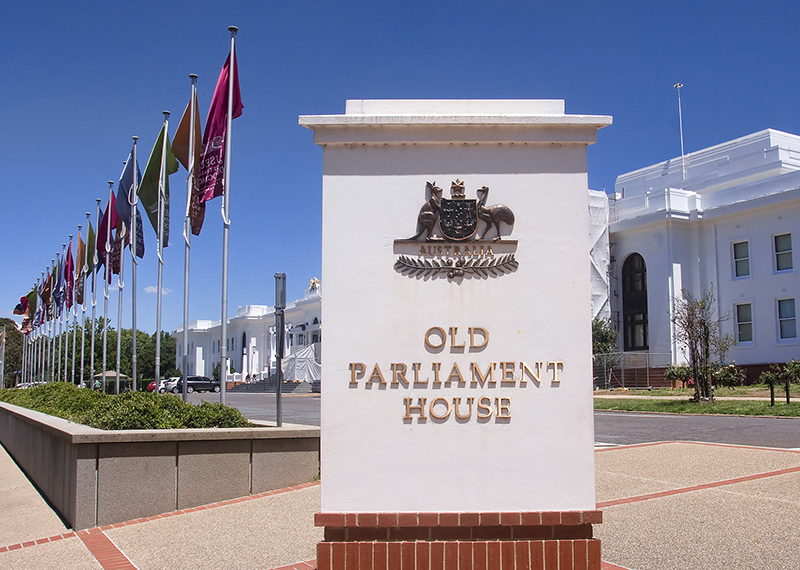
Published: Thursday 18 April 2019
Published
The objective of the audit was to assess the effectiveness of the governance board in Old Parliament House.
Entity
Old Parliament House
Contact
Please direct enquiries through our contact page.
Performance audit (Auditor-General Report No. 44 of 2021–22)

Published: Wednesday 29 June 2022
Published
The objective of the audit was to examine the effectiveness of Services Australia’s arrangements for the management of contractors.
Entity
Services Australia
Contact
Please direct enquiries through our contact page.
Performance audit (Auditor-General Report No. 37 of 2018–19)

Published: Thursday 2 May 2019
Published
The objective of the audit was to assess the effectiveness of the governance board in the Sydney Harbour Federation Trust.
Entity
Sydney Harbour Federation Trust
Contact
Please direct enquiries through our contact page.
Performance audit (Auditor-General Report No. 36 of 2018–19)

Published: Tuesday 30 April 2019
Published
The objective of the audit was to assess the effectiveness of the governance board in the Australian Institute of Marine Science.
Entity
Australian Institute of Marine Science
Contact
Please direct enquiries through our contact page.
Performance audit (Auditor-General Report No. 43 of 2021–22)

Published: Wednesday 29 June 2022
Published
The objective of the audit was to examine the effectiveness of the Department of Defence’s arrangements for the management of contractors.
Entity
Department of Defence
Contact
Please direct enquiries through our contact page.
Performance audit (Auditor-General Report No. 45 of 2021–22)

Published: Wednesday 29 June 2022
Published
The objective of the audit was to examine the effectiveness of the Department of Veterans’ Affairs’ arrangements for the management of contractors.
Entity
Department of Veterans’ Affairs
Contact
Please direct enquiries through our contact page.
Performance audit (Auditor-General Report No. 29 of 2024–25)

Published: Monday 31 March 2025
Published
The objective of the audit was to assess the effectiveness of the Department of Finance’s and selected entities’ implementation of the Australian Government’s campaign advertising framework.
Entity
Department of Finance; Australian Electoral Commission; Attorney‐General’s Department; Department of Health and Aged Care
Contact
Please direct enquiries through our contact page.
Performance audit (Auditor-General Report No. 11 of 2021–22)

Published: Monday 29 November 2021
Published
The audit objective was to assess the effectiveness of the Australian National University’s governance and control framework.
Entity
Australian National University
Contact
Please direct enquiries through our contact page.
Performance audit (Auditor-General Report No. 33 of 2018–19)

Published: Wednesday 10 April 2019
Published
The objective of the audit was to examine the effectiveness of governance and integrity arrangements for the Northern Australia Infrastructure Facility (NAIF).
Entity
Northern Australia Infrastructure Facility
Contact
Please direct enquiries through our contact page.
Performance audit (Auditor-General Report No. 17 of 2021–22)

Published: Thursday 17 February 2022
Published
The objective of this audit was to assess the effectiveness of the Department of Finance and selected entities’ implementation of the Australian Government’s campaign advertising framework.
Entity
Across Entities
Contact
Please direct enquiries through our contact page.
Performance audit (Auditor-General Report No. 17 of 2023–24)

Published: Thursday 22 February 2024
Published
The objective of this audit was to examine whether the Department of Finance (Finance) has implemented a selection of agreed parliamentary committee and Auditor-General recommendations.
Entity
Department of Finance
Contact
Please direct enquiries through our contact page.
Performance audit (Auditor-General Report No. 29 of 2025–26)
Recent

Published: Thursday 30 April 2026
Published
The audit objective was to examine whether the Department of Industry, Science and Resources (DISR) implemented a selection of agreed Auditor-General recommendations.
Entity
Department of Industry, Science and Resources
Contact
Please direct enquiries through our contact page.
Performance audit (Auditor-General Report No. 23 of 2025–26)

Published: Thursday 5 March 2026
Published
The audit objective was to assess whether Department of Health and Aged Care effectively developed and monitored suicide prevention measures.
Entity
Department of Health, Disability and Ageing
Contact
Please direct enquiries through our contact page.
Performance audit (Auditor-General Report No. 18 of 2023–24)

Published: Thursday 22 February 2024
Published
The objective of this audit was to assess the effectiveness of the Australian Office of Financial Management’s (AOFM) management of the Australian Government’s debt.
Entity
Australian Office of Financial Management
Contact
Please direct enquiries through our contact page.
Performance audit (Auditor-General Report No. 49 of 2024–25)

Published: Thursday 26 June 2025
Published
The objective of this audit was to assess the effectiveness of the design and establishment of the National Reconstruction Fund Corporation.
Entity
National Reconstruction Fund Corporation; Department of Industry, Science and Resources; Department of Finance
Contact
Please direct enquiries through our contact page.
Performance audit (Auditor-General Report No. 29 of 2019–20)

Published: Tuesday 31 March 2020
Published
The objective of the audit was to assess the effectiveness of the Australian Charities and Not-for-profits Commission’s (ACNC’s) regulation of charities.
Entity
Australian Charities and Not-for-profits Commission; Australian Taxation Office
Contact
Please direct enquiries through our contact page.
Performance audit (Auditor-General Report No. 37 of 2016–17)
Published: Thursday 9 February 2017
Published
The audit objective was to examine the effectiveness of the Australian Taxation Office's monitoring and implementation of recommendations about its administration made by the ANAO and parliamentary committees
Entity
Australian Taxation Office
Contact
Please direct enquiries relating to reports through our contact page.
Performance audit (Auditor-General Report No. 41 of 2021–22)

Published: Thursday 23 June 2022
Published
The audit objective was to assess the Office of the Commonwealth Ombudsman's effectiveness in managing complaints.
Entity
Office of the Commonwealth Ombudsman
Contact
Please direct enquiries through our contact page.
Performance audit (Auditor-General Report No. 2 of 2025–26)

Published: Wednesday 3 September 2025
Published
The objective of the audit was to assess the effectiveness of the NDIS Commission in exercising its regulatory functions.
Entity
NDIS Quality and Safeguards Commission
Contact
Please direct enquiries through our contact page.
Performance audit (Auditor-General Report No. 35 of 2018–19)

Published: Friday 26 April 2019
Published
The objective of this audit was to examine the effectiveness of the governance arrangements for the Special Broadcasting Service Corporation (SBS).
Entity
Special Broadcasting Service Corporation
Contact
Please direct enquiries through our contact page.
Performance audit (Auditor-General Report No. 44 of 2023–24)

Published: Monday 24 June 2024
Published
The objective of the audit was to assess whether the Department of the Treasury (Treasury) had complied with gifts, benefits and hospitality requirements.
Entity
Department of the Treasury
Contact
Please direct enquiries through our contact page.
Performance audit (Auditor-General Report No. 7 of 2019–20)

Published: Monday 26 August 2019
Published
The objective of this audit is to assess the effectiveness of the Department of Finance’s and selected entities’ implementation of the Australian Government’s campaign advertising framework.
Entity
Across Entities
Contact
Please direct enquiries through our contact page.
Performance audit (Auditor-General Report No. 27 of 2021–22)

Published: Thursday 12 May 2022
Published
The objective of the audit was to assess the effectiveness of administration of physical security in the revised Protective Security Policy Framework.
Entity
Attorney-General’s Department; Services Australia; Department of Social Services
Contact
Please direct enquiries through our contact page.
Performance audit (Auditor-General Report No. 14 of 2024–25)

Published: Wednesday 20 November 2024
Published
The audit objective was to examine whether the selected entities have implemented a selection of agreed parliamentary committee and Auditor-General recommendations.
Entity
Indigenous Business Australia; National Indigenous Australians Agency
Contact
Please direct enquiries through our contact page.
Performance audit (Auditor-General Report No. 32 of 2019–20)

Published: Thursday 16 April 2020
Published
The objective of this audit was to examine the Department of Foreign Affairs and Trade’s (DFAT’s) achievement of value for money objectives in the delivery of Official Development Assistance (aid) through facility arrangements.
Entity
Department of Foreign Affairs and Trade (DFAT)
Contact
Please direct enquiries through our contact page.
Performance audit (Auditor-General Report No. 2 of 2022–23)

Published: Monday 15 August 2022
Published
The objective of the audit was to assess the effectiveness of the Australian Taxation Office’s engagement with tax practitioners in achieving efficient and effective taxation and superannuation systems.
Entity
Australian Taxation Office
Contact
Please direct enquiries through our contact page.
Performance audit (Auditor-General Report No. 31 of 2022–23)

Published: Monday 5 June 2023
Published
The objective of this audit was to assess the effectiveness of the Department of Health’s administration of the Community Health and Hospitals Program.
Entity
Department of Health and Aged Care
Contact
Please direct enquiries through our contact page.
Performance audit (Auditor-General Report No. 5 of 2020–21)

Published: Thursday 3 September 2020
Published
The objective of this audit was to assess the effectiveness of the Australian Energy Regulator’s regulation of energy markets.
Entity
Australian Energy Regulator
Contact
Please direct enquiries through our contact page.
Performance audit (Auditor-General Report No. 31 of 2023–24)

Published: Wednesday 29 May 2024
Published
The objective of this audit was to assess the effectiveness of the design of the Growing Regions Program.
Entity
Department of Infrastructure, Transport, Regional Development, Communication and the Arts; Department of Industry, Science and Resources
Contact
Please direct enquiries through our contact page.
Performance audit (Auditor-General Report No. 5 of 2022–23)

Published: Wednesday 21 September 2022
Published
The objective of the audit was to assess the effectiveness of the Digital Transformation Agency’s procurement of ICT-related services.
Entity
Digital Transformation Agency
Contact
Please direct enquiries through our contact page.
Performance audit (Auditor-General Report No. 43 of 2024–25)

Published: Tuesday 17 June 2025
Published
The objective of the audit was to assess the effectiveness of the department’s regulation of appliance and equipment energy efficiency standards.
Entity
Department of Climate Change, Energy, the Environment and Water
Contact
Please direct enquiries through our contact page.
Performance audit (Auditor-General Report No. 4 of 2024–25)

Published: Monday 23 September 2024
Published
The objective of the audit was to assess the effectiveness of Australian Financial Security Authority’s (AFSA) management of conflicts of interest.
Entity
Australian Financial Security Authority
Contact
Please direct enquiries through our contact page.
Performance audit (Auditor-General Report No. 17 of 2020–21)

Published: Monday 23 November 2020
Published
The objective of this audit was to assess the effectiveness of the Department of Health’s approach to health provider compliance.
Entity
Department of Health
Contact
Please direct enquiries through our contact page.
Performance audit (Auditor-General Report No. 38 of 2024–25)

Published: Wednesday 28 May 2025
Published
The audit objective was to assess the effectiveness of the framework in place to have a regulatory Ministerial Statement of Expectations and a responding Statement of Intent in place.
Entity
Across Entities
Contact
Please direct enquiries through our contact page.
Request for audit

Responded: Tuesday 26 April 2016
Response provided
Response completed as a limited scope assurance review.
The Auditor-General responded on 26 April 2016 to correspondence from Mr Pat Conroy MP on 16 February 2016 regarding the government advertising campaign Welcome to the Ideas Boom.
Contact
Please direct enquiries relating to requests for audit through our contact page.
Performance audit (Auditor-General Report No. 45 of 2023–24)

Published: Monday 24 June 2024
Published
The audit objective was to assess the effectiveness of the Department of Defence's (Defence) management of advertising campaigns for Australian Defence Force recruitment.
Entity
Department of Defence
Contact
Please direct enquiries through our contact page.
Performance audit (Auditor-General Report No. 4 of 2018–19)

Published: Tuesday 28 August 2018
Published
The objective of this audit was to examine the efficiency of the Australian Commission for Law Enforcement Integrity (ACLEI) in detecting, investigating and preventing corrupt conduct.
Entity
Australian Commission for Law Enforcement Integrity
Contact
Please direct enquiries through our contact page.
Performance audit (Auditor-General Report No. 15 of 2018–19)
Published: Thursday 6 December 2018
Published
The objective of this audit was to assess whether Human Services has an effective high-level compliance strategy for administered payments made under the Centrelink and Medicare programs.
Entity
Department of Human Services
Contact
Please direct enquiries through our contact page.
Performance audit (Auditor-General Report No. 34 of 2023–24)

Published: Monday 3 June 2024
Published
The objective of this audit was to assess the effectiveness of the Australian Maritime Safety Authority’s (AMSA) management of the Aids to Navigation maintenance procurement.
Entity
Australian Maritime Safety Authority
Contact
Please direct enquiries through our contact page.
Performance audit (Auditor-General Report No. 33 of 2022–23)

Published: Wednesday 7 June 2023
Published
The objective of this audit was to examine the efficiency and economy of the Department of Defence’s management of its general stores inventory.
Entity
Department of Defence
Contact
Please direct enquiries through our contact page.
Performance audit (Auditor-General Report No. 38 of 2021–22)

Published: Tuesday 21 June 2022
Published
The audit objective was to assess the effectiveness of the Department of Home Affairs’ administration and regulation of critical infrastructure protection policy.
Entity
Department of Home Affairs
Contact
Please direct enquiries through our contact page.
Performance audit (Auditor-General Report No. 45 of 2024–25)

Published: Thursday 19 June 2025
Published
The objective of the audit was to assess the effectiveness of Creative Australia’s fraud and corruption control arrangements.
Entity
Creative Australia
Contact
Please direct enquiries through our contact page.
Performance audit (Auditor-General Report No. 16 of 2020–21)

Published: Thursday 19 November 2020
Published
The objective of this audit was to assess whether the Australian Bureau of Statistics (ABS) is effectively preparing for the 2021 Census.
Entity
Australian Bureau of Statistics
Contact
Please direct enquiries through our contact page.
Performance audit (Auditor-General Report No. 3 of 2023–24)

Published: Monday 28 August 2023
Published
The objective of the audit was to assess the effectiveness of the department’s management of non-compliance with the Therapeutic Goods Act 1989 for unapproved therapeutic goods.
Entity
Department of Health and Aged Care
Contact
Please direct enquiries through our contact page.
Performance audit (Auditor-General Report No. 25 of 2016–17)

Published: Wednesday 9 November 2016
Published
The audit objective was to assess the effectiveness of the Department of Employment and the Department of Education and Training's administration of the Shared Services Centre to achieve efficiencies and deliver value to its customers.
Entity
Department of Employment; Department of Education and Training
Contact
Please direct enquiries relating to reports through our contact page.
Performance audit (Auditor-General Report No. 27 of 2022–23)

Published: Tuesday 30 May 2023
Published
The objective of this audit was to examine the effectiveness of the National Indigenous Australians Agency’s management of provider fraud and non-compliance risks.
Entity
National Indigenous Australians Agency
Contact
Please direct enquiries through our contact page.
Performance audit (Auditor-General Report No. 19 of 2024–25)

Published: Tuesday 17 December 2024
Published
The objective of the audit was to assess the effectiveness of the administration of the Pharmaceutical Benefits Scheme.
Entity
Department of Health and Aged Care; Services Australia
Contact
Please direct enquiries through our contact page.
Performance audit (Auditor-General Report No. 48 of 2018–19)

Published: Wednesday 19 June 2019
Published
The objective of this audit was to assess the effectiveness of the Australian Reinsurance Pool Corporation’s (ARPC) management of the Terrorism Reinsurance Scheme.
Entity
Australian Reinsurance Pool Corporation
Contact
Please direct enquiries through our contact page.
Performance audit (Auditor-General Report No. 9 of 1995–96)
Published: Tuesday 21 November 1995
Published
The purpose of the audit was to determine:
- whether the planning and implementation of the DSS Teleservice project has been adequate to ensure successful operations;
- the efficiency and administrative effectiveness of Teleservice Centre management practices;
- whether Teleservice Centres have been successful in delivering the anticipated improvements to client service; and
- what opportunities might be available for improvement in the operation of the Centres.
An important aim of the audit was to ascertain with DSS what value could be added by identifying more administratively effective and efficient means of managing and operating their Teleservice Centre network. In addition, the ANAO considered that the experience gained and lessons learned from the introduction of Teleservice operations by DSS could improve the planning and implementation of major technology-based operational and client service initiatives in the future, both in DSS and the Australian Public Service (APS) generally.
In carrying out the audit, the ANAO undertook an extensive examination of the Teleservice environment including:
- examining the experience and practices of private sector call centre operations;
- reviewing the DSS Teleservice network, involving detailed discussions with departmental officers, examining files and data and observing Teleservice Centre operations; as well as
- consulting a range of community groups and government agencies familiar with DSS's Teleservice Centre services.
Entity
Department of Social Security
Performance audit (Auditor-General Report No. 13 of 2023–24)

Published: Wednesday 7 February 2024
Published
The objective of this audit was to assess the efficiency of the Department of Foreign Affairs and Trade’s delivery of passport services through the Australian Passport Office.
Entity
Australian Trade and Investment Commission; Department of Finance; Department of Foreign Affairs and Trade
Contact
Please direct enquiries through our contact page.
Performance audit (Auditor-General Report No. 29 of 2020–21)

Published: Monday 22 February 2021
Published
The objective of this audit was to assess whether the National Library of Australia and National Film and Sound Archive (NFSA) have implemented effective collection management practices.
Entity
Department of Infrastructure, Transport, Regional Development and Communications; National Film and Sound Archive; National Library of Australia
Contact
Please direct enquiries through our contact page.
Performance audit (Auditor-General Report No. 49 of 2020–21)

Published: Tuesday 29 June 2021
Published
The objective of the audit was to examine the effectiveness of planning and delivery of the security upgrade capital works program at Parliament House by the Department of Parliamentary Services.
Entity
Department of Parliamentary Services
Contact
Please direct enquiries through our contact page.
Performance audit (Auditor-General Report No. 1 of 2019–20)

Published: Thursday 4 July 2019
Published
The objective of this audit was to assess the effectiveness of the management of cyber security risks by three government business enterprises or corporate Commonwealth entities. The entities selected for audit are ASC Pty Ltd, the Australian Postal Corporation and the Reserve Bank of Australia.
Entity
ASC Pty Ltd; Australian Postal Corporation; Reserve Bank of Australia
Contact
Please direct enquiries through our contact page.
Performance audit (Auditor-General Report No. 48 of 2023–24)

Published: Wednesday 26 June 2024
Published
The objective of the audit was to assess the effectiveness of the transitional arrangements from the Cashless Debit Card (CDC) program to the Enhanced Income Management program.
Entity
Department of Social Services; Services Australia
Contact
Please direct enquiries through our contact page.
Performance audit (Auditor-General Report No. 27 of 2025–26)

Published: Tuesday 31 March 2026
Published
The audit objective was to assess the design and implementation of the Safer Local Roads and Infrastructure Program (SLRIP).
Entity
Department of Infrastructure, Transport, Regional Development, Communications, Sport and the Arts
Contact
Please direct enquiries through our contact page.
Performance audit (Auditor-General Report No. 46 of 2023–24)

Published: Tuesday 25 June 2024
Published
The objective of the audit was to assess whether the Australian Communications and Media Authority (ACMA) had complied with gifts, benefits and hospitality requirements.
Entity
Australian Communications and Media Authority
Contact
Please direct enquiries through our contact page.
Performance audit (Auditor-General Report No. 37 of 2024–25)

Published: Tuesday 27 May 2025
Published
The audit objective was to assess the effectiveness of the Department of Health, Disability and Ageing’s administration of the Future Fit Program.
Entity
Department of Health, Disability and Ageing
Contact
Please direct enquiries through our contact page.
Performance audit (Auditor-General Report No. 21 of 2023–24)

Published: Thursday 11 April 2024
Published
The objective of this audit was to assess whether the Australian War Memorial is effectively managing the development project.
Entity
Australian War Memorial
Contact
Please direct enquiries through our contact page.
Performance audit (Auditor-General Report No. 44 of 2022–23)

Published: Wednesday 28 June 2023
Published
This audit examined the effectiveness of the National Archives of Australia’s implementation of the Building Trust policy and selected entities’ management of information assets (records, information and data).
Entity
Australian National Maritime Museum; National Archives of Australia; Department of the Prime Minister and Cabinet
Contact
Please direct enquiries through our contact page.
Performance audit (Auditor-General Report No. 12 of 2024–25)

Published: Monday 11 November 2024
Published
The objective of the audit was to assess the effectiveness of the operations of the boards of four corporate Commonwealth entities in managing conflicts of interest.
Entity
Across entities
Contact
Please direct enquiries through our contact page.
Performance audit (Auditor-General Report No. 34 of 2024–25)

Published: Thursday 22 May 2025
Published
The objective of the audit was to assess the effectiveness of the Department of the Treasury’s design and implementation of the Measuring What Matters framework.
Entity
Department of the Treasury
Contact
Please direct enquiries through our contact page.
Performance audit (Auditor-General Report No. 18 of 2022–23)

Published: Thursday 6 April 2023
Published
The audit objective was to examine the appropriateness of the Department of Infrastructure, Transport, Regional Development, Communications and the Arts’ approach to acquiring, managing, and leasing Australian contemporary art in the Artbank collection.
Entity
Department of Infrastructure, Transport, Regional Development, Communications and the Arts
Contact
Please direct enquiries through our contact page.
Performance audit (Auditor-General Report No. 9 of 2019–20)

Published: Monday 23 September 2019
Published
The objective of this audit was to assess the effectiveness of the Department of Health’s implementation of the National Ice Action Strategy (NIAS).
Entity
Department of Health
Contact
Please direct enquiries through our contact page.
Performance audit (Auditor-General Report No. 18 of 2021–22)

Published: Tuesday 22 February 2022
Published
The objective of this audit was to assess the effectiveness of the National Indigenous Australians Agency’s administration of funding for remote housing in the Northern Territory.
Entity
National Indigenous Australians Agency
Contact
Please direct enquiries through our contact page.