Browse our range of reports and publications including performance and financial statement audit reports, assurance review reports, information reports and annual reports.
Performance audit (Auditor-General Report No. 48 of 2016–17)

Published: Thursday 27 April 2017
Published
The objective of this audit was to assess the effectiveness of Defence’s design and implementation of arrangements to select a preferred Strategic Partner for the Future Submarines Program.
Entity
Department of Defence
Contact
Please direct enquiries relating to reports through our contact page.
Performance audit (Auditor-General Report No. 9 of 2016–17)

Published: Wednesday 31 August 2016
Published
The audit objective was to assess the adequacy and effectiveness of the Department of Health’s implementation of the recommendations made in the ANAO Report No.25 2014–15 Administration of the Fifth Community Pharmacy Agreement.
Entity
Department of Health
Contact
Please direct enquiries relating to reports through our contact page.
Information report (Auditor-General Report No. 11 of 2022–23)

Published: Thursday 2 February 2023
Published
The purpose of this information report is to provide transparency of, and insights on, Commonwealth entities’ self-reporting of procurement contracts on AusTender. This information report is neither an audit or assurance review and presents no conclusions or opinions. The report is presented in a variety of ways, including tables, figures, and publicly available data from public sector procurement activity recorded in AusTender.
Entity
Across Entities
Contact
Please direct enquiries through our contact page.
Performance audit (Auditor-General Report No. 6 of 2012–13)
Published: Thursday 27 September 2012
Published
The audit objective was to assess the progress of the AIR 6000—New Air Combat Capability project in delivering the required combat aircraft within approved cost, schedule and performance parameters.
Entity
Department of Defence, Defence Materiel Organisation
Performance audit (Auditor-General Report No. 42 of 2022–23)

Published: Tuesday 27 June 2023
Published
The objective of this audit was to assess the effectiveness of the Department of Education’s design and implementation of programs and initiatives to improve the access and participation of regional and remote students to higher education.
Entity
Department of Education
Contact
Please direct enquiries through our contact page.
Insights: Audit lessons

Published: Monday 3 April 2023
Published
This edition of Audit Insights is targeted at Australian Government officials who have responsibility for overseeing or conducting procurements, including those who only do procurement occasionally. The aim is to communicate lessons from our audit work to make it easier for people working within the Australian public sector to apply those lessons. It is drawn from audit reports tabled in 2020–21, 2021–22 and 2022–23 into Australian Government procurements.
Contact
Please direct enquiries through our contact page.
Performance audit (Auditor-General Report No. 4 of 2022–23)

Published: Monday 12 September 2022
Published
The objective of the audit was to examine the effectiveness of the Department of Climate Change, Energy, the Environment and Water's implementation of the National Waste Policy Action Plan 2019.
Entity
Department of Climate Change, Energy, the Environment and Water
Contact
Please direct enquiries through our contact page.
Performance audit (Auditor-General Report No. 44 of 2017–18)

Published: Tuesday 29 May 2018
Published
The audit objective was to review the effectiveness of the Department of Defence’s (Defence) arrangements for delivering selected non-platform sustainment.
Entity
Department of Defence
Contact
Please direct enquiries relating to reports through our contact page.
Performance audit (Auditor-General Report No. 15 of 2017–18)

Published: Wednesday 22 November 2017
Published
The audit objective was to assess the effectiveness of the Australian Taxation Office's processes for estimating and monitoring the costs, savings and benefits associated with the Reinventing the ATO program.
Entity
Australian Taxation Office (ATO)
Contact
Please direct enquiries relating to reports through our contact page.
Performance audit (Auditor-General Report No. 28 of 2021–22)

Published: Thursday 19 May 2022
Published
The objective of this audit was to assess whether the Civil Aviation Safety Authority (CASA) has implemented effective arrangements for the planning and conduct of surveillance activities.
Entity
Civil Aviation Safety Authority
Contact
Please direct enquiries through our contact page.
Performance audit (Auditor-General Report No. 5 of 2011–12)
Published: Thursday 8 September 2011
Published
The objective of this audit was to assess how effectively entities had developed and implemented appropriate KPIs to support stated program objectives.
Entity
Australian Customs and Border Protection Service; National Film and Sound Archive; Fair Work Australia; Department of Resources, Energy and Tourism
Performance audit (Auditor-General Report No. 43 of 2010–11)
Published: Wednesday 25 May 2011
Published
The objective of the audit was to examine whether the UP and CPP services provided by the Australian Federal Police Protection Service are being managed effectively. In particular, the audit examined:
- whether the Protection function has been effectively integrated into the AFP, and sound arrangements are in place to strategically plan Protection services and manage risks;
- whether Protection staff have access to appropriate training and guidance; and
- the management arrangements for UP and CPP services.
Entity
Australian Federal Police
Performance audit (Auditor-General Report No. 42 of 2007–08)
Published: Thursday 19 June 2008
Published
The objective of this follow-up audit was to examine Centrelink's progress in implementing the recommendations of the 2004–05 audit and the subsequent JCPAA inquiry.
Entity
Centrelink; Department of Employment, and Workplace Relations; Department of Families, Housing and Community Services and Indigenous Affairs
Speeches and papers
Published: Saturday 26 June 2004
Published
Mr P.J. Barrett (AO) - Auditor-General for Australia, an Occasional Paper
Performance audit (Auditor-General Report No. 4 of 2003–04)
Published: Thursday 28 August 2003
Published
The audit reviewed the efficiency and effectiveness of the Department of Health and Ageing's (Health's) planning and conduct of the review undertaken to determine the recommendation to the Government on whether or not to exercise the extension option available to the Commonwealth under the Plasma Fractionation Agreement with CSL Limited. The audit was undertaken in response to a recommendation of the Joint Committee of Public Accounts and Audit.
Entity
Department of Health and Ageing
Performance audit (Auditor-General Report No. 36 of 2002–03)
Published: Tuesday 1 April 2003
Published
The objective of the performance audit was to review the progress in the delivery of contractual commitments for Industry Development (ID) for the five contracts awarded under the IT Outsourcing Initiative. In particular, the audit examined the effectiveness of the monitoring by DCITA of achievement against contractual commitments for ID; assessed the impact of changes to the IT outsourcing environment on the management and monitoring of ongoing ID obligations; and identified practices that have improved administrative arrangements.
Entity
Department of Communications, Information Technology and the Arts
Performance audit (Auditor-General Report No. 9 of 2001–02)
Published: Thursday 16 August 2001
Published
The audit examined some key aspects of HRD in relation to Centrelink's Customer Service Officers (CSOs). The objective of the audit was to determine whether Centrelink had appropriate systems and strategies in place to ensure that its CSOs had access to the skills and knowledge necessary to meet expected levels of performance and customer service.
Entity
Centrelink
Performance audit (Auditor-General Report No. 47 of 2023–24)

Published: Tuesday 25 June 2024
Published
The audit objective was to assess whether the Department of Defence's (Defence's) arrangements for the operation and maintenance of the Mulwala and Benalla facilities beyond June 2020 were established through appropriate processes and in accordance with the Commonwealth Procurement Rules (CPRs).
Entity
Department of Defence
Contact
Please direct enquiries through our contact page.
Financial statement audit (Auditor-General Report No. 24 of 2017–18)
Published: Wednesday 20 December 2017
Published
This report complements the Interim Report on Key Financial Controls of Major Entities financial statement audit report published in June 2017. It provides a summary of the final results of the audits of the Consolidated Financial Statements for the Australian Government and the financial statements of Australian Government entities for the period ended 30 June 2017.
Entity
Across Entities
Contact
Please direct enquiries through our contact page.
Performance audit (Auditor-General Report No. 14 of 2025–26)

Published: Thursday 11 December 2025
Published
The objective of the audit was to assess whether Civil Aviation Safety Authority has effective arrangements to comply with domestic and international travel legislative and entity requirements.
Entity
Civil Aviation Safety Authority
Contact
Please direct enquiries through our contact page.
Performance audit (Auditor-General Report No. 46 of 2024–25)

Published: Friday 20 June 2025
Published
The objective of the audit was to assess the effectiveness of Airservices’ contract management for the OneSKY program.
Entity
Airservices Australia; Department of Defence
Contact
Please direct enquiries through our contact page.
Performance audit (Auditor-General Report No. 17 of 2022–23)

Published: Monday 3 April 2023
Published
The objective of this audit is to assess the effectiveness of the design and implementation of the Department of Agriculture, Water and the Environment’s cultural reform program prior to the July 2022 Machinery of Government changes.
Entity
Department of Agriculture, Fisheries and Forestry
Contact
Please direct enquiries through our contact page.
Information report (Auditor-General Report No. 7 of 2021–22)

Published: Tuesday 19 October 2021
Published
The objectives of this information report are to provide transparency of, and insights on, government grants expense and Commonwealth entities’ self-reporting of grants on GrantConnect.
Entity
Department of Finance
Contact
Please direct enquiries through our contact page.
Performance audit (Auditor-General Report No. 33 of 2021–22)

Published: Wednesday 15 June 2022
Published
The audit objective was to examine the effectiveness of Snowy Hydro Limited’s governance arrangements for early implementation of Snowy 2.0, the expansion to the Snowy Hydro Scheme.
Entity
Snowy Hydro Limited
Contact
Please direct enquiries through our contact page.
Financial statement audit (Auditor-General Report No. 60 of 2016–17)
Published: Wednesday 28 June 2017
Published
The Australian National Audit Office (ANAO) publishes two reports annually addressing the outcomes of the financial statement audits of Australian government entities and the Consolidated Financial Statements (CFS) of the Australian Government to provide Parliament an independent examination of the financial accounting and reporting of public sector entities. This report focuses on the results of the interim audit phase, including an assessment of entities’ key internal controls, of the 2016–17 financial statements audits of 25 entities including all departments of state and a number of major Australian government entities.
Entity
Across Entities
Contact
Please direct enquiries relating to reports through our contact page.
Performance audit (Auditor-General Report No. 3 of 2013–14)
Published: Thursday 15 August 2013
Published
The objective of the audit was to assess the adequacy of Defence’s processes, including compliance with the Financial Management and Accountability Act 1997 (FMA Act), the Financial Management and Accountability Regulations 1997 (FMA Regulations), and relevant Commonwealth and Defence procurement requirements, to select the capability solution recommended to the Government to satisfy the requirements of AIR 8000 Phase 2.
Entity
Department of Defence
Contact
Please direct enquiries relating to reports through our contact page.
Performance audit (Auditor-General Report No. 9 of 2011–12)
Published: Thursday 20 October 2011
Published
The audit objective was to assess the extent to which DEEWR and FaHCSIA have effectively managed the planning and consultation phases for the IBF program and the IBHP program. The audit scope included consideration of the issues likely to affect the ongoing operation and sustainability of the facilities.
Entity
Department of Education, Employment and Workplace Relations; Department of Families, Housing, Community Services and Indigenous Affairs; Aboriginal Hostels Limited; Northern Territory Department of Education and Training
Performance audit (Auditor-General Report No. 4 of 2011–12)
Published: Wednesday 31 August 2011
Published
The audit objective was to assess the effectiveness of DEEWR’s and FaHCSIA’s administration of the Australian Government’s responsibilities under Element 1 of the National Partnership Agreement on Indigenous Economic Participation (including the NT Jobs Package).
Entity
Across Entities
Performance audit (Auditor-General Report No. 43 of 2009–10)
Published: Wednesday 16 June 2010
Published
The objective of this audit was to examine whether Army effectively administers the Army Individual Readiness Notice to support the achievement of its purpose.
Entity
Department of Defence
Performance audit (Auditor-General Report No. 43 of 2007–08)
Published: Tuesday 24 June 2008
Published
The objectives for the audit of the third tranche sale of Telstra shares were to:
- assess the extent to which the Government's sale objectives were achieved, including maximising overall value for money;
- assess the effectiveness of the management of the sale; and
- identify principles of sound administrative practice to facilitate potential improvements in any future asset sales.
Entity
Department of Finance and Deregulation
Performance audit (Auditor-General Report No. 5 of 2005–06)
Published: Thursday 11 August 2005
Published
The audit objective was to examine whether Health's financial management framework and processes adequately support Health's Secretary, Executive and managers to make informed decisions on the use of Commonwealth resources.
Entity
Department of Health and Ageing
Performance audit (Auditor-General Report No. 55 of 2002–03)
Published: Tuesday 24 June 2003
Published
The audit reviewed the Australian Taxation Office's fraud prevention and contol arrangements in relation to the Goods and Services Tax. The audit objective was to assess whether the ATO has implemented administratively effective GST fraud control arrangements, consistent with the Commonwealth Fraud Control Guidelines.
Entity
Australian Taxation Office
Performance audit (Auditor-General Report No. 47 of 2001–02)
Published: Tuesday 7 May 2002
Published
The 30 per cent Private Health Insurance Rebate is a financial incentive for individuals to purchase health insurance cover. The rebate provides for a reimbursement or discount of 30 per cent of the cost of private health insurance. It is available to all Australians who are eligible for Medicare and have private health insurance. The objective of the audit was to determine the effectiveness of Commonwealth Government agencies administration of the rebate.
Entity
Australian Taxation Office; Department of Finance and Administration; Department of Health and Aged Care; Department of the Treasury; Health Insurance Commission
Performance audit (Auditor-General Report No. 41 of 2001–02)
Published: Monday 15 April 2002
Published
New transactional banking arrangements for FMA agencies came into effect on 1 July 1999. The audit reviewed selected agencies' implementation and ongoing management of contractual banking arrangements; agencies' tendering for the procurement of banking services; and identified practises that have improved administrative arrangements. The audit examined Finance's role in planning and implementing the new arrangements as well as implementation in the Australian Customs Service (Customs) the Department of Transport and Regional Services (DTRS), the Department of Education, Science and Training (DEST), and the Department of Immigration and Multicultural and Indigenous Affairs (DIMIA).
Entity
Department of Finance and Administration
Performance audit (Auditor-General Report No. 26 of 2000–01)
Published: Friday 22 December 2000
Published
The Defence Estate comprises the land, buildings and other facilities that Defence uses across Australia. These facilities are vital to achieving the Defence mission - to prevent or defeat the use of armed force against Australia and its interests. The Estate has a gross replacement value of $14.8 billion. Defence Estate Organisation's (DEO's) Facilities Operations (FACOPS) Program delivers general maintenance and minor new works to Defence facilities on a regional basis across the country. DEO's Estate Operations and Planning Branch and its nine Regional Estate Centres are responsible for the FACOPS Program. Resources available for the Program have been reduced in recent years. The total DEO budget for 2000-01, which includes funds for capital works, facilities operations and property management, is $2.6 billion. Of this total, the FACOPS Program has a cash allocation of $213 million and an additional $15.6 million for employee expenses associated with the Program's 283 staff. The objective of the audit was to assess the efficiency and effectiveness of selected Defence facilities operations, including tendering and contracting, with a view to adding value with practical recommendations for enhancing operations.
Entity
Department of Defence
Performance audit (Auditor-General Report No. 9 of 1999–2000)
Published: Wednesday 25 August 1999
Published
The audit reviewed management of the Commonwealth's role in preparing for, and managing, pest and disease emergencies requiring a rapid response. The audit focused on the role of the Department of Agriculture, Fisheries and Forestry -Australia (AFFA), which is the Commonwealth Department with primary portfolio responsibility for coordinating the national and international response to an emergency. The audit did not address preventative measures such as quarantine and border controls; controlled release of exotic diseases or pests; or emergencies associated with previously known endemic diseases, food safety or chemical residue issues.
Entity
Agriculture, Fisheries and Forestry - Australia
Corporate

Published: Friday 11 July 2025
Published
The ANAO Corporate Plan 2025–26 updates the previous corporate plan and outlines how we intend to deliver against our purpose over the next four years (2025–26 to 2028–29). The corporate plan is the ANAO’s primary planning document — it outlines our purpose; our strategic priorities; our operating context; and the priorities, activities and performance measures by which we will be held to account.
Contact
Please direct enquiries through our contact page.
Performance audit (Auditor-General Report No. 24 of 2016–17)

Published: Wednesday 9 November 2016
Published
The audit objective was to assess the effectiveness to date of the management of the approach to transition the disability services market to the National Disability Insurance Scheme (NDIS) market arrangements.
Entity
Department of Social Services; National Disability Insurance Agency
Contact
Please direct enquiries relating to reports through our contact page.
Performance audit (Auditor-General Report No. 6 of 2020–21)

Published: Thursday 10 September 2020
Published
The objective of this audit was to assess the effectiveness of the Department of Defence’s design process and implementation to date of the Defence Export Strategy.
Entity
Department of Defence
Contact
Please direct enquiries through our contact page.
Performance audit (Auditor-General Report No. 4 of 2018–19)

Published: Tuesday 28 August 2018
Published
The objective of this audit was to examine the efficiency of the Australian Commission for Law Enforcement Integrity (ACLEI) in detecting, investigating and preventing corrupt conduct.
Entity
Australian Commission for Law Enforcement Integrity
Contact
Please direct enquiries through our contact page.
Performance audit (Auditor-General Report No. 44 of 2012–13)
Published: Thursday 13 June 2013
Published
The objective of the audit was to assess the effectiveness of the Australian Taxation Office's (ATO) management and reporting of selected information relating to the goods and services tax and the fringe benefits tax.
Entity
Australian Taxation Office
Contact
Please direct enquiries relating to reports through our contact page.
Performance audit (Auditor-General Report No. 32 of 2012–13)
Published: Tuesday 7 May 2013
Published
The objective of the audit was to assess the awarding of funding for the construction of the Adelaide Desalination Plant (ADP) against the requirements of the Commonwealth's grants administration framework, which includes the Government’s policy requirements for the approval of grants, with a particular focus on the assessments undertaken of each proposed grant in terms of the guidelines for the National Urban Water and Desalination Plan (NUWDP); and identify any potential improvements in grants administration practices.
Entity
Department of Sustainability, Environment, Water, Population and Communities; Department of Finance and Deregulation; Department of the Prime Minister and Cabinet
Contact
Please direct enquiries relating to reports through our contact page.
Performance audit (Auditor-General Report No. 33 of 2017–18)

Published: Wednesday 28 March 2018
Published
The objective of the audit was to continue to examine the progress of the implementation of the annual performance statements requirements under the PGPA Act and the PGPA Rule by the selected entities. The audit was also designed to:
- provide insights to entities more broadly, to encourage improved performance; and
- continue the development of the ANAO’s methodology to support the possible future implementation of annual audits of performance statements.
Entity
Across Entities
Contact
Please direct enquiries through our contact page.
Performance audit (Auditor-General Report No. 28 of 2016–17)

Published: Monday 28 November 2016
Published
The audit objective was to assess whether the Department of Industry, Innovation and Science has effectively and efficiently administered the collection of North West Shelf royalty revenues.
Entity
Department of Industry, Innovation and Science
Contact
Please direct enquiries relating to reports through our contact page.
Performance audit (Auditor-General Report No. 19 of 2016–17)

Published: Tuesday 27 September 2016
Published
The audit objective was to assess the effectiveness of the Department of Parliamentary Services’ arrangements for managing contracts and retail licences, including the extent to which the department has implemented recommendations from the previous ANAO audit.
Entity
Department of Parliamentary Services
Contact
Please direct enquiries relating to reports through our contact page.
Performance audit (Auditor-General Report No. 17 of 2018–19)

Published: Monday 17 December 2018
Published
The objective of the audit was to continue to examine the progress of the implementation of the annual performance statements requirements under the Public Governance, Performance and Accountability Act 2013 (PGPA Act) and the Public Governance, Performance and Accountability Rule 2014 (PGPA Rule) by selected entities.
Entity
Across Entities
Contact
Please direct enquiries through our contact page.
Performance audit (Auditor-General Report No. 32 of 2007–08)
Published: Thursday 8 May 2008
Published
The objective of the audit was to assess the completeness and reliability of the estimates reported in Tax Expenditures Statement 2006 (TES 2006). That is, the audit examined the development and publication of the detailed statement of actual tax expenditures required by Division 2 of Part 5 of the CBH Act. The development and publication of aggregated information on projected tax expenditures included in the Budget Papers pursuant to Division 1 of Part 5 of the CBH Act was not examined.
Entity
Department of Treasury
Performance audit (Auditor-General Report No. 16 of 2000–01)
Published: Wednesday 29 November 2000
Published
The objective of this audit was to assess the administration of internal fraud control arrangements in the ATO and to identify areas with potential for improvement as well as identified better practice. To achieve this objective the ANAO focussed on five key areas. These were:
- the application of the ATO's corporate governance processes to the internal fraud control activities;
- the prevention of internal fraud within the ATO;
- the related use of information technology to minimise fraud risks;
- the detection of internal fraud within the ATO; and
- ATO fraud investigation procedures and practices.
Entity
Australian Taxation Office
Corporate

Published: Monday 8 July 2024
Published
The ANAO Corporate Plan 2024–25 updates the previous corporate plan and outlines how we intend to deliver against our purpose over the next four years (2024–25 to 2027–28). The corporate plan is the ANAO’s primary planning document — it outlines our purpose; the dynamic environment in which we operate; our commitment to building capability; and the priorities, activities and performance measures by which we will be held to account.
Contact
Please direct enquiries through our contact page.
Performance audit (Auditor-General Report No. 14 of 2024–25)

Published: Wednesday 20 November 2024
Published
The audit objective was to examine whether the selected entities have implemented a selection of agreed parliamentary committee and Auditor-General recommendations.
Entity
Indigenous Business Australia; National Indigenous Australians Agency
Contact
Please direct enquiries through our contact page.
Performance audit (Auditor-General Report No. 21 of 2023–24)

Published: Thursday 11 April 2024
Published
The objective of this audit was to assess whether the Australian War Memorial is effectively managing the development project.
Entity
Australian War Memorial
Contact
Please direct enquiries through our contact page.
Performance audit (Auditor-General Report No. 6 of 2023–24)

Published: Thursday 28 September 2023
Published
The objective of this audit was to assess the effectiveness of the Department of Defence's planning and administrative arrangements to support the provision of emergency Defence Assistance to the Civil Community (DACC).
Entity
Department of Defence
Contact
Please direct enquiries through our contact page.
Performance audit (Auditor-General Report No. 31 of 2022–23)

Published: Monday 5 June 2023
Published
The objective of this audit was to assess the effectiveness of the Department of Health’s administration of the Community Health and Hospitals Program.
Entity
Department of Health and Aged Care
Contact
Please direct enquiries through our contact page.
Performance audit (Auditor-General Report No. 43 of 2021–22)

Published: Wednesday 29 June 2022
Published
The objective of the audit was to examine the effectiveness of the Department of Defence’s arrangements for the management of contractors.
Entity
Department of Defence
Contact
Please direct enquiries through our contact page.
Performance audit (Auditor-General Report No. 57 of 2010–11)
Published: Tuesday 28 June 2011
Published
The objective of the audit was to report on the effectiveness of Defence’s approach to the acceptance into service of Navy capability, and to identify where better practice may be used by CDG, DMO and Navy.
Entity
Department of Defence; Defence Materiel Organisation
Financial statement audit (Auditor-General Report No. 19 of 2018–19)
Published: Monday 17 December 2018
Published
This report complements the Interim Report on Key Financial Controls of Major Entities financial statement audit report published in June 2018. It provides a summary of the final results of the audits of the Consolidated Financial Statements for the Australian Government and the financial statements of Australian Government entities for the period ended 30 June 2018.
Contact
Please direct enquiries through our contact page.
Performance audit (Auditor-General Report No. 26 of 2001–02)
Published: Friday 14 December 2001
Published
This audit is one of a series of fraud control audits undertaken by the ANAO. The audit focussed on Centrelink's arrangements for the prevention, detection and treatment of incorrect payments to its customers. The objective of the audit was to assess whether Centrelink had implemented appropriate fraud control arrangements in line with the Fraud Control Policy of the Commonwealth.
Entity
Centrelink
Performance audit (Auditor-General Report No. 12 of 2017–18)

Published: Friday 29 September 2017
Published
The audit objective was to assess the effectiveness of the Department of Communications and the Arts’ contract management of selected telephone universal service obligations.
Entity
Department of Communications and the Arts
Contact
Please direct enquiries relating to reports through our contact page.
Performance audit (Auditor-General Report No. 41 of 2023–24)

Published: Tuesday 18 June 2024
Published
The objective of this audit was to assess whether the Productivity Commission is effectively managing the use of corporate credit cards for official purposes in accordance with legislative and entity requirements.
Entity
Productivity Commission
Contact
Please direct enquiries through our contact page.
Performance audit (Auditor-General Report No. 40 of 2023–24)

Published: Tuesday 18 June 2024
Published
The objective of this audit was to assess whether the Federal Court of Australia is effectively managing the use of corporate credit cards for official purposes in accordance with legislative and entity requirements.
Entity
Federal Court of Australia
Contact
Please direct enquiries through our contact page.
Performance audit (Auditor-General Report No. 34 of 2023–24)

Published: Monday 3 June 2024
Published
The objective of this audit was to assess the effectiveness of the Australian Maritime Safety Authority’s (AMSA) management of the Aids to Navigation maintenance procurement.
Entity
Australian Maritime Safety Authority
Contact
Please direct enquiries through our contact page.
Performance audit (Auditor-General Report No. 15 of 2022–23)

Published: Wednesday 8 March 2023
Published
The objective of the audit was to assess the effectiveness of the Department of Social Services’ 2020 to 2022 procurement of counselling and support services provided through 1800RESPECT.
Entity
Department of Social Services
Contact
Please direct enquiries through our contact page.
Performance audit (Auditor-General Report No. 45 of 2017–18)

Published: Wednesday 6 June 2018
Published
The objective of the audit was to examine the effectiveness of the integration of the Department of Immigration and Border Protection (DIBP) and the Australian Customs and Border Protection Service.
Entity
Department of Home Affairs
Contact
Please direct enquiries through our contact page.
Performance audit (Auditor-General Report No. 34 of 2018–19)
Published: Thursday 18 April 2019
Published
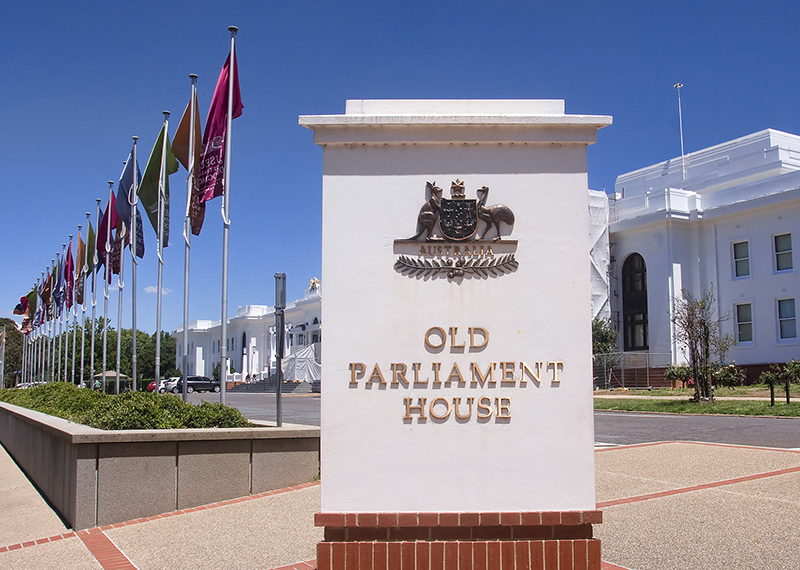
The objective of the audit was to assess the effectiveness of the governance board in Old Parliament House.
Entity
Old Parliament House
Contact
Please direct enquiries through our contact page.
Performance audit (Auditor-General Report No. 35 of 2015–16)
Published: Thursday 5 May 2016
Published
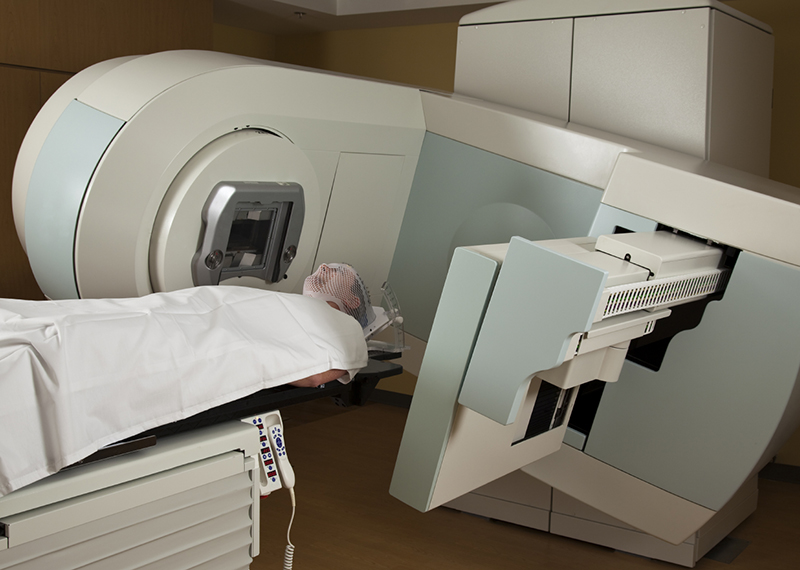
The audit objective was to assess the effectiveness of the Department of Health's and the Department of Human Services' administration of the Radiation Oncology Health Program Grants Scheme.
Entity
Department of Health; Department of Human Services
Contact
Please direct enquiries relating to reports through our contact page.
Performance audit (Auditor-General Report No. 35 of 2017–18)

Published: Tuesday 17 April 2018
Published
The audit objective was to examine entity compliance with regulatory requirements for the establishment and ongoing management of special appropriations.
Entity
Department of Finance; Department of Social Services; Department of Industry, Innovation and Science; Department of Human Services
Contact
Please direct enquiries through our contact page.
Performance audit (Auditor-General Report No. 50 of 2017–18)

Published: Tuesday 26 June 2018
Published
The audit objective was to assess the effectiveness of the Department of Health's design, implementation and administration of primary healthcare under the Indigenous Australians' Health Program (IAHP).
Entity
Department of Health
Contact
Please direct enquiries through our contact page.
Performance audit (Auditor-General Report No. 24 of 2018–19)

Published: Monday 21 January 2019
Published
The objective of this audit was to assess the effectiveness of the Australian Criminal Intelligence Commission’s administration of the Biometric Identification Service project.
Entity
Australian Criminal Intelligence Commission
Contact
Please direct enquiries through our contact page.
Performance audit (Auditor-General Report No. 36 of 2018–19)

Published: Tuesday 30 April 2019
Published
The objective of the audit was to assess the effectiveness of the governance board in the Australian Institute of Marine Science.
Entity
Australian Institute of Marine Science
Contact
Please direct enquiries through our contact page.
Performance audit (Auditor-General Report No. 18 of 2019–20)

Published: Monday 16 December 2019
Published
The objective of the audit was to assess the Australian Taxation Office's effectiveness in meeting its revenue and resourcing commitments for the Tax Avoidance Taskforce.
Entity
Australian Taxation Office (ATO)
Contact
Please direct enquiries through our contact page.
Performance audit (Auditor-General Report No. 31 of 2020–21)

Published: Thursday 18 March 2021
Published
The objective was to examine whether the award of funding under the Supporting Reliable Energy Infrastructure Program was informed by an appropriate assessment process and sound advice that complied with the Commonwealth Grant Rules and Guidelines.
Entity
Department of Industry, Science, Energy and Resources
Contact
Please direct enquiries through our contact page.
Performance audit (Auditor-General Report No. 17 of 2020–21)

Published: Monday 23 November 2020
Published
The objective of this audit was to assess the effectiveness of the Department of Health’s approach to health provider compliance.
Entity
Department of Health
Contact
Please direct enquiries through our contact page.
Performance audit (Auditor-General Report No. 25 of 2021–22)

Published: Tuesday 3 May 2022
Published
The audit examined whether the Department of Home Affairs implemented all agreed recommendations from parliamentary committee and Auditor-General reports within the scoped timeframe.
Entity
Department of Home Affairs
Contact
Please direct enquiries through our contact page.
Performance audit (Auditor-General Report No. 54 of 2001–02)
Published: Thursday 6 June 2002
Published
The objective of the audit was to assess the administrative effectiveness of Australian Customs Services (Customs) drug detection strategies for air and containerised sea cargo and small craft activity. Within the scope of the audit, the following areas were examined :
- intelligence and law enforcement cooperation;
- air and containerised sea cargo;
- cargo examinations and technology;
- small craft activities;
- Customs funding arrangements (including funding for NIDS initiatives): and
- governance, including performance reporting.
Entity
Australian Customs Service
Performance audit (Auditor-General Report No. 31 of 2025–26)
New

Published: Thursday 14 May 2026
Published
The audit objective was to examine the effectiveness of the Commonwealth Home Support Program.
Entity
Department of Health and Aged Care
Contact
Please direct enquiries through our contact page.
Performance audit (Auditor-General Report No. 10 of 2010–11)
Published: Thursday 30 September 2010
Published
The objective of the audit was to examine the effectiveness of Centrelink's approach to investigating and responding to external fraud. The ANAO's assessment was based on four key criteria. In particular, the ANAO assessed whether Centrelink:
- had established a management framework, business systems and guidelines, that support the investigation, prosecution and reporting of fraud;
- had implemented appropriate case selection strategies and controls to ensure resources are targeted to the cases of highest priority;
- complied with relevant external and internal requirements when investigating fraud and referring cases for consideration of prosecution; and
- had implemented an effective training program that supports high quality investigations and prosecution referrals.
Entity
Centrelink
Performance audit (Auditor-General Report No. 39 of 2002–03)
Published: Thursday 17 April 2003
Published
The Navy Operational Readiness audit examined the systems that Navy uses to manage readiness and concludes coverage of Navy: readiness organisation and management structures (as well as the interface between these systems and Defence enabling operations); management and maintenance of operational readiness (covering personnel, collective training and other components of operational readiness); and readiness performance information processes. The objective of the audit was to provide assurance to Parliament concerning the progress that Navy has made in the development of operational readiness management and evaluation systems and to identify areas for improvement in these systems.
Entity
Department of Defence
Performance audit (Auditor-General Report No. 42 of 1999–2000)
Published: Wednesday 10 May 2000
Published
The audit reviewed the effectiveness and probity of the policy development processes and implementation of improved access to Magnetic Resonance Imaging services. The objective of the audit was to examine and report on the effectiveness and probity of the processes involved in:
(a) the development and announcement of the proposal to improve access to Magnetic Resonance Imaging (MRI) services announced in the 1998 Budget, including negotiation with the diagnostic imaging profession; and
(b) the registration of 'eligible providers' and 'eligible equipment' to enable the payment of claims for MRI services on the Medicare Benefits Schedule
Entity
Across Agency
Insights: Audit practice

Published: Tuesday 24 June 2025
Published
Audit Practice: Auditing Regulatory Activities is intended for senior management and those responsible for managing internal audit within Australian Government entities that have a regulatory function.
Contact
Please direct enquiries through our contact page.
Performance audit (Auditor-General Report No. 49 of 2023–24)

Published: Thursday 27 June 2024
Published
The objective of this audit was to assess the effectiveness of the Australian Research Council’s (ARC) management of corporate credit cards.
Entity
Australian Research Council
Contact
Please direct enquiries through our contact page.
Performance audit (Auditor-General Report No. 20 of 2023–24)

Published: Wednesday 27 March 2024
Published
The objective of this audit was to assess whether the design and implementation of the Australian Apprenticeships Incentive System by the Department of Employment and Workplace Relations is effective.
Entity
Department of Employment and Workplace Relations
Contact
Please direct enquiries through our contact page.
Performance audit (Auditor-General Report No. 25 of 2016–17)

Published: Wednesday 9 November 2016
Published
The audit objective was to assess the effectiveness of the Department of Employment and the Department of Education and Training's administration of the Shared Services Centre to achieve efficiencies and deliver value to its customers.
Entity
Department of Employment; Department of Education and Training
Contact
Please direct enquiries relating to reports through our contact page.
Performance audit (Auditor-General Report No. 12 of 2019–20)

Published: Tuesday 5 November 2019
Published
The objective of the audit was to assess whether the award of funding under the Regional Jobs and Investment Packages program was informed by appropriate departmental advice and that processes complied with the grants administration framework.
Entity
Department of Industry, Innovation and Science; Department of Infrastructure, Transport, Cities and Regional Development
Contact
Please direct enquiries through our contact page.
Performance audit (Auditor-General Report No. 41 of 2014–15)

Published: Thursday 4 June 2015
Published
The objective of the audit was to assess the effectiveness of the award of funding under the first round of the Safer Streets programme.
Entity
Attorney-General's Department
Contact
Please direct enquiries relating to reports through our contact page.
Information report (Auditor-General Report No. 37 of 2021–22)

Published: Monday 20 June 2022
Published
The objective of this information report is to provide transparency and insights on the governing boards of Commonwealth entities and companies and the membership of these boards.
Entity
Across Entities
Contact
Please direct enquiries through our contact page.
Performance audit (Auditor-General Report No. 8 of 2025–26)

Published: Monday 24 November 2025
Published
The objective of the audit was to assess whether the Department of Agriculture, Fisheries and Forestry has effective arrangements to comply with domestic and international travel requirements.
Entity
Department of Agriculture, Fisheries and Forestry
Contact
Please direct enquiries through our contact page.
Performance audit (Auditor-General Report No. 13 of 2024–25)

Published: Thursday 14 November 2024
Published
The objective of the audit was to assess the effectiveness of the implementation and award of funding for Round 1 of the Growing Regions Program.
Entity
Department of Infrastructure, Transport, Regional Development, Communication and the Arts; Department of Industry, Science and Resources
Contact
Please direct enquiries through our contact page.
Performance audit (Auditor-General Report No. 8 of 2019–20)

Published: Monday 9 September 2019
Published
The objective of this audit was to examine whether the Tourist Refund Scheme (TRS) is being effectively administered, with the appropriate management of risks.
Entity
Department of Home Affairs; Department of the Treasury; Australian Taxation Office (ATO)
Contact
Please direct enquiries through our contact page.
Performance audit (Auditor-General Report No. 6 of 2019–20)

Published: Monday 5 August 2019
Published
The objective of the audit was to examine whether selected entities implemented agreed ANAO performance audit, the Joint Committee of Public Accounts and Audit, and other parliamentary committee recommendations.
Entity
Across Entities
Contact
Please direct enquiries through our contact page.
Performance audit (Auditor-General Report No. 24 of 2020–21)

Published: Monday 14 December 2020
Published
The objective of the audit was to assess whether the Australian Taxation Office (ATO) has effectively managed risks related to the rapid implementation of COVID-19 economic response measures.
Entity
Australian Taxation Office
Contact
Please direct enquiries through our contact page.
Performance audit (Auditor-General Report No. 28 of 2020–21)

Published: Friday 22 January 2021
Published
The audit objective was to assess the effectiveness of the administration of the National Housing Finance and Investment Corporation (NHFIC).
Entity
National Housing Finance and Investment Corporation
Contact
Please direct enquiries through our contact page.
Performance audit (Auditor-General Report No. 2 of 2014–15)

Published: Thursday 25 September 2014
Published
The objective of the audit is to assess the effectiveness of the Department of the Prime Minister and Cabinet’s implementation of food security initiatives for remote Indigenous communities.
Entity
Department of the Prime Minister and Cabinet
Contact
Please direct enquiries relating to reports through our contact page.
Major projects report (Auditor-General Report No. 17 of 2010–11)

Published: Tuesday 30 November 2010
Published
The objective of this report is to provide comprehensive information on the status of projects as reflected in the Project Data Summary Sheets (PDSSs) prepared by DMO, and a review by the ANAO.
Entity
Defence Materiel Organisation
Corporate
Updated: Wednesday 2 May 2018
Updated
The ANAO may collect personal information in the course of undertaking its audit program and for operational purposes not related to its audit work. This policy outlines our personal information handling practices, how we handle specific types of personal information and the information collected online by the ANAO.
Contact
Please direct enquiries about our Privacy Policy through our contact page.
Major projects report (Auditor-General Report No. 12 of 2013–14)

Published: Tuesday 17 December 2013
Published
The objective of this report is to provide the Auditor-General’s independent assurance over the status of selected Major Projects, as reflected in the Project Data Summary Sheets (PDSSs) prepared by the DMO, and the Statement by the Chief Executive Officer (CEO) DMO. Assurance from the ANAO’s review of the preparation of the PDSSs by the Defence Materiel Organisation (DMO) is conveyed in the Auditor-General’s Independent Review Report, prepared pursuant to the endorsed Guidelines, contained in Part 3.
Entity
Defence Materiel Organisation
Contact
Michael White, Executive Director, Phone: (02) 6203 7393
Major projects report (Auditor-General Report No. 15 of 2012–13)

Published: Wednesday 19 December 2012
Published
The objective of this report is to provide comprehensive information on the status of selected Major Projects, as reflected in the Project Data Summary Sheets prepared by the DMO, and the Statement by the Chief Executive Officer (CEO) of the DMO, and including the ANAO’s review of the preparation of the PDSSs by the DMO.
Entity
Defence Materiel Organisation
Performance audit (Auditor-General Report No. 48 of 2023–24)

Published: Wednesday 26 June 2024
Published
The objective of the audit was to assess the effectiveness of the transitional arrangements from the Cashless Debit Card (CDC) program to the Enhanced Income Management program.
Entity
Department of Social Services; Services Australia
Contact
Please direct enquiries through our contact page.
Performance audit (Auditor-General Report No. 17 of 2023–24)

Published: Thursday 22 February 2024
Published
The objective of this audit was to examine whether the Department of Finance (Finance) has implemented a selection of agreed parliamentary committee and Auditor-General recommendations.
Entity
Department of Finance
Contact
Please direct enquiries through our contact page.
Performance audit (Auditor-General Report No. 23 of 2017–18)

Published: Tuesday 19 December 2017
Published
The objective of the audit was to assess whether the contractual arrangements that have been put in place for the delivery of the Moorebank Intermodal Terminal (MIT) will provide value for money and achieve the Australian Government’s policy objectives for the project.
Entity
Moorebank Intermodal Company Limited; Department of Infrastructure and Regional Development; Department of Finance
Contact
Please direct enquiries relating to reports through our contact page.
Performance audit (Auditor-General Report No. 6 of 2017–18)

Published: Tuesday 15 August 2017
Published
The audit objective was to assess how effectively the selected public sector entities manage risk.
Entity
Department of Employment; Department of Health; Australian Communications and Media Authority; Australian Fisheries Management Authority
Contact
Please direct enquiries relating to reports through our contact page.
Performance audit (Auditor-General Report No. 9 of 2020–21)

Published: Monday 21 September 2020
Published
The objective of this audit was to examine whether the Department of Infrastructure, Transport, Regional Development and Communications exercised appropriate due diligence in its acquisition of the ‘Leppington Triangle’ land for the future development of the Western Sydney Airport.
Entity
Department of Infrastructure, Transport, Regional Development and Communications
Contact
Please direct enquiries through our contact page.
Major projects report (Auditor-General Report No. 9 of 2008–09)

Published: Thursday 27 November 2008
Published
This first Assurance Report on the status of selected Defence equipment acquisition projects, which has the support of the Parliament and the Government, represents a substantial step towards improving transparency and public accountability in major Defence procurement projects. It is the pilot of an annual Defence Materiel Organisation (DMO) Major Projects Report, and was developed in conjunction with the DMO. It covers the cost, schedule and capability progress achieved by nine DMO projects, which had an approved budget totalling $13.535 billion as at 30 June 2008.
This report is organised into three parts. Part 1 comprises an ANAO overview and Auditor–General's Foreword. Part 2 comprises the Major Projects Report prepared by DMO, including an overview reflecting DMO's perspective on their business and on the nine projects included in the. Part 3 incorporates the Auditor-General's Review Report, the statement by the CEO DMO, and the information prepared by DMO in the form of standardised Project Data Summary Sheets covering each of the nine pilot projects.
In the next 12 months, the ANAO will review 15 DMO projects planned for inclusion in the 2008-09 DMO Major Projects Report, with the number of projects rising to 30 projects in subsequent years. The ANAO will also work with DMO to refine the approach adopted for providing assurance on each project's progress toward achieving Final Operational Capability. The ANAO will also consider the inclusion of an analysis of each project's emerging trends, as appropriate, to complement DMO's intention to provide improved analysis of project management performance regarding all projects included in the Major Projects Report.
Entity
Defence Materiel Organisation
Performance audit (Auditor-General Report No. 11 of 2017–18)

Published: Thursday 28 September 2017
Published
The objective of this audit was to examine whether the Australian Postal Corporation (Australia Post) is meetings its Community Service and International obligations efficiently and the effectiveness of Commonwealth shareholders in monitoring value for money.
Entity
Australian Postal Corporation (Australia Post); Department of Finance; Department of Communications and the Arts
Contact
Please direct enquiries relating to reports through our contact page.
Performance audit (Auditor-General Report No. 47 of 2014–15)

Published: Wednesday 10 June 2015
Published
The objective of the audit was to assess the effectiveness of the Department of Immigration and Border Protection’s identity verification arrangements for applicants in the Citizenship Program.
Entity
Department of Immigration and Border Protection
Contact
Please direct enquiries relating to reports through our contact page.
Performance audit (Auditor-General Report No. 52 of 2017–18)

Published: Wednesday 27 June 2018
Published
The objective of this audit was to assess whether the Department of Veterans’ Affairs is efficiently delivering services to veterans and their dependents.
Entity
Department of Veterans' Affairs
Contact
Please direct enquiries through our contact page.
Performance audit (Auditor-General Report No. 6 of 2014–15)

Published: Thursday 6 November 2014
Published
The objective of the audit was to assess the adequacy of selected Australian Government entities’ practices and procedures to manage business continuity. To conclude against this objective, the ANAO adopted high-level criteria relating to the entities’ establishment, implementation and review of business continuity arrangements.
Entity
Civil Aviation Safety Authority, Department of Finance, Department of Social Services
Contact
Please direct enquiries relating to reports through our contact page.
Performance audit (Auditor-General Report No. 47 of 2019–20)

Published: Thursday 25 June 2020
Published
The objective of this audit was to assess the effectiveness of the Department of Agriculture, Water and the Environment’s administration of referrals, assessments and approvals of controlled actions under the Environment Protection and Biodiversity Conservation Act 1999.
Entity
Department of Agriculture, Water and the Environment
Contact
Please direct enquiries through our contact page.
Performance audit (Auditor-General Report No. 40 of 2021–22)

Published: Wednesday 22 June 2022
Published
The objective of the audit was to assess the effectiveness of the Department of Infrastructure, Transport, Regional Development and Communications’ design and implementation of measures to support the aviation sector in response to the COVID-19 pandemic.
Entity
Department of Infrastructure, Transport, Regional Development and Communications
Contact
Please direct enquiries through our contact page.
Financial statement audit (Auditor-General Report No. 39 of 2024–25)
Published: Thursday 29 May 2025
Published
The ANAO prepares two reports annually that provide insights at a point in time to the financial statements risks, governance arrangements and internal control frameworks of Commonwealth entities, drawing on information collected during our audits.
This report is the first of the two reports and focuses on the results of the interim financial statements audits, including an assessment of entities’ key internal controls, supporting the 2024–25 financial statements audits. This report examines 27 of the largest Australian Government entities, including all: departments of state; the Department of Parliamentary Services; and other Commonwealth entities that significantly contribute to the revenues, expenses, assets and liabilities within the 2023–24 Australian Government Consolidated Financial Statements (CFS). The National Indigenous Australians Agency is also included in this report given the role it plays working across government with indigenous communities and stakeholders.
Entity
Across Entities
Contact
Please direct enquiries through our contact page.
Insights: Audit lessons

Published: Thursday 29 June 2023
Published
This edition of Audit Insights is targeted at Australian Government officials who have responsibility for overseeing or preparing performance information under the Commonwealth Performance Framework. The aim of Audit Insights is to communicate lessons from our audit work and to make it easier for people working within the Australian public sector to apply those lessons. This edition is drawn from audit reports tabled from 2015–16 to 2022–23 into the implementation of the corporate planning and annual performance statements requirements.
Contact
Please direct enquiries through our contact page.
Performance audit (Auditor-General Report No. 1 of 2016–17)

Published: Wednesday 31 August 2016
Published
The audit objective was to examine whether Airservices Australia has effective procurement arrangements in place, with a particular emphasis on whether consultancy contracts entered into with International Centre for Complex Project Management (ICCPM) in association with the OneSKY Australia project were effectively administered.
Entity
Airservices Australia
Contact
Please direct enquiries relating to reports through our contact page.
Performance audit (Auditor-General Report No. 37 of 2019–20)

Published: Thursday 28 May 2020
Published
The audit objective was to assess whether the Department of Homes Affairs has appropriately managed the procurement of garrison support and welfare services for offshore processing centres in Nauru and PNG (Manus Island).
Entity
Department of Home Affairs
Contact
Please direct enquiries through our contact page.
Performance audit (Auditor-General Report No. 5 of 2014–15)

Published: Wednesday 5 November 2014
Published
The objective of the audit was to assess the effectiveness of the Australian Taxation Office’s administration of annual compliance arrangements with large corporate taxpayers.
Entity
Australian Taxation Office
Contact
Please direct enquiries relating to reports through our contact page.
Financial statement audit (Auditor-General Report No. 14 of 2021–22)
Published: Tuesday 14 December 2021
Published
This report complements the Interim Report on Key Financial Controls of Major Entities financial statement audit report published in June 2021. It provides a summary of the final results of the audits of the Consolidated Financial Statements for the Australian Government and the financial statements of Australian Government entities for the period ended 30 June 2021.
Entity
Across Entities
Contact
Please direct enquiries through our contact page.
Performance audit (Auditor-General Report No. 35 of 2024–25)
Published: Monday 26 May 2025
Published
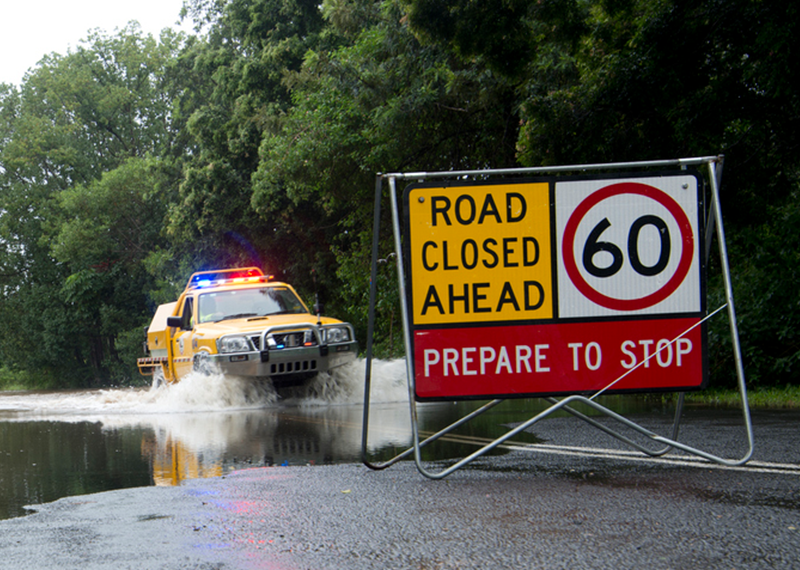
The objective of this audit was to assess whether the award of funding under the Disaster Ready Fund was effective and consistent with the published guidelines.
Entity
National Emergency Management Agency
Contact
Please direct enquiries through our contact page.
Performance audit (Auditor-General Report No. 21 of 2024–25)

Published: Thursday 23 January 2025
Published
The objective of the audit was to assess whether the Bureau of Meteorology is effectively managing assets in its observing network.
Entity
Bureau of Meteorology
Contact
Please direct enquiries through our contact page.
Performance audit (Auditor-General Report No. 42 of 2021–22)

Published: Friday 24 June 2022
Published
The audit objective was to examine whether the design and conduct of the procurement process for delivery partners for the Entrepreneurs’ Programme complied with the Commonwealth Procurement Rules, and whether the signed contracts are being appropriately managed.
Entity
Department of Industry, Science, Energy and Resources
Contact
Please direct enquiries through our contact page.
Performance audit (Auditor-General Report No. 52 of 2016–17)

Published: Tuesday 23 May 2017
Published
The audit objective was to assess the effectiveness of the management of underperformance in the Australian Public Service (APS) and identify opportunities for improvement.
Entity
Across Entities
Contact
Please direct enquiries relating to reports through our contact page.
Performance audit (Auditor-General Report No. 28 of 2019–20)

Published: Monday 30 March 2020
Published
The audit objective was to examine the efficiency of the Office of the Commonwealth Director of Public Prosecutions' (CDPP's) case management.
Entity
Office of the Commonwealth Director of Public Prosecutions
Contact
Please direct enquiries through our contact page.
Performance audit (Auditor-General Report No. 34 of 2020–21)

Published: Monday 12 April 2021
Published
The audit objective was to examine whether the Department of Defence implemented a selection of agreed parliamentary committee recommendations and ANAO performance audit recommendations.
Entity
Department of Defence
Contact
Please direct enquiries through our contact page.