Browse our range of reports and publications including performance and financial statement audit reports, assurance review reports, information reports and annual reports.
Performance audit (Auditor-General Report No. 41 of 2021–22)

Published: Thursday 23 June 2022
Published
The audit objective was to assess the Office of the Commonwealth Ombudsman's effectiveness in managing complaints.
Entity
Office of the Commonwealth Ombudsman
Contact
Please direct enquiries through our contact page.
Performance audit (Auditor-General Report No. 48 of 2024–25)

Published: Wednesday 25 June 2025
Published
The objective of the audit was to assess the effectiveness of the NDIA’s management of claimant compliance with NDIS claim requirements.
Entity
National Disability Insurance Agency
Contact
Please direct enquiries through our contact page.
Performance audit (Auditor-General Report No. 40 of 2014–15)

Published: Wednesday 3 June 2015
Published
The audit objective was to assess the effectiveness of the Department of Veterans’ Affairs administration of the Repatriation Transport Scheme.
Entity
Department of Veterans' Affairs
Contact
Please direct enquiries relating to reports through our contact page.
Major projects report (Auditor-General Report No. 26 of 2017–18)

Published: Tuesday 23 January 2018
Published
The objective of this report is to provide the Auditor‐General’s independent assurance over the status of the selected Major Projects. The status of the selected Major Projects is reported in the Statement by the Secretary of Defence and the Project Data Summary Sheets (PDSSs) prepared by Defence, in accordance with the Guidelines endorsed by the Joint Committee of Public Accounts and Audit (JCPAA).
Entity
Department of Defence
Contact
Please direct enquiries relating to reports through our contact page.
Performance audit (Auditor-General Report No. 6 of 2019–20)

Published: Monday 5 August 2019
Published
The objective of the audit was to examine whether selected entities implemented agreed ANAO performance audit, the Joint Committee of Public Accounts and Audit, and other parliamentary committee recommendations.
Entity
Across Entities
Contact
Please direct enquiries through our contact page.
Performance audit (Auditor-General Report No. 31 of 2014–15)

Published: Thursday 23 April 2015
Published
The audit objective was to assess the effectiveness of the (former) Department of Industry’s administration of the Australian Apprenticeships Incentives Program.
Entity
Department of Education and Training
Contact
Please direct enquiries relating to reports through our contact page.
Performance audit (Auditor-General Report No. 31 of 2017–18)

Published: Wednesday 7 March 2018
Published
The objective of this audit was to examine the effectiveness of the Australian Federal Police in managing employee mental health.
Entity
Australian Federal Police (AFP)
Contact
Please direct enquiries relating to reports through our contact page.
Performance audit (Auditor-General Report No. 37 of 2022–23)

Published: Wednesday 14 June 2023
Published
The objective of this audit was to examine whether procurements of office furniture have been consistent with the Commonwealth Procurement Rules and are achieved value for money.
Entity
Department of Home Affairs; Services Australia
Contact
Please direct enquiries through our contact page.
Performance audit (Auditor-General Report No. 52 of 2014–15)

Published: Thursday 25 June 2015
Published
The audit objective was to assess the effectiveness of Defence’s management of the acquisition of medium and heavy vehicles, associated modules and trailers for the Australian Defence Force.
Entity
Department of Defence; Defence Materiel Organisation
Contact
Please direct enquiries relating to reports through our contact page.
Corporate

Published: Friday 11 July 2025
Published
The ANAO Corporate Plan 2025–26 updates the previous corporate plan and outlines how we intend to deliver against our purpose over the next four years (2025–26 to 2028–29). The corporate plan is the ANAO’s primary planning document — it outlines our purpose; our strategic priorities; our operating context; and the priorities, activities and performance measures by which we will be held to account.
Contact
Please direct enquiries through our contact page.
Performance audit (Auditor-General Report No. 27 of 2024–25)

Published: Monday 3 March 2025
Published
The purpose of the audit was to assess the effectiveness of Sport Integrity Australia’s management of the National Anti-doping Scheme.
Entity
Sport Integrity Australia
Contact
Please direct enquiries through our contact page.
Performance audit (Auditor-General Report No. 13 of 2016–17)

Published: Thursday 1 September 2016
Published
The objective of this audit was to assess the effectiveness of the Department of Immigration and Border Protection’s administration of health services in onshore immigration detention.
Entity
Department of Immigration and Border Protection
Contact
Please direct enquiries relating to reports through our contact page.
Major projects report (Auditor-General Report No. 13 of 2021–22)

Published: Monday 13 December 2021
Published
The major projects report (MPR) is an annual review of the Department of Defence’s major defence equipment acquisitions, undertaken at the request of the Parliament’s Joint Committee of Public Accounts and Audit (JCPAA).
The purpose of the MPR is to provide information and assurance to the Parliament on the performance of selected acquisitions as at 30 June 2021. This is the 14th MPR since its commencement in 2007–08.
Entity
Department of Defence
Contact
Please direct enquiries through our contact page.
Insights: Audit lessons

Published: Monday 30 June 2025
Published
Governance of Data is targeted at Australian Government officials in information governance roles and those who use data to achieve organisational objectives.
Contact
Please direct enquiries through our contact page.
Work program
Updated: Friday 6 February 2026
Updated
Meaningful performance information and reporting is essential to good management and the effective stewardship of public resources. Appropriate and meaningful performance information can show that the entity is committed to long-term proper use and management of public resources, which would include effectively achieving results to create long lasting positive impacts for Australians (and other people who interact with the Australian Government).
Contact
Feedback is welcome and can be provided to the ANAO via email.
Performance audit (Auditor-General Report No. 43 of 2022–23)

Published: Wednesday 28 June 2023
Published
The objective of the audit was to assess the effectiveness of the NDIA’s management of assistance with daily life supports.
Entity
National Disability Insurance Agency
Contact
Please direct enquiries through our contact page.
Performance audit (Auditor-General Report No. 22 of 2016–17)

Published: Wednesday 19 October 2016
Published
The objectives of the audit were to:
- assess the effectiveness of the ongoing administration of the Australian Government’s campaign advertising framework; and
- assess the effectiveness of the selected entities’ administration in developing advertising campaigns and implementing key processes against the requirements of the campaign advertising framework applying at the time, and relevant legal and government policy requirements.
Entity
Department of Finance; Department of the Treasury; Department of Education and Training; Department of Immigration and Border Protection
Contact
Please direct enquiries relating to reports through our contact page.
Major projects report (Auditor-General Report No. 12 of 2022–23)

Published: Thursday 9 February 2023
Published
Increased transparency and accountability on progress with major Defence equipment acquisitions has been a focus of parliamentary interest for some time. Beginning in 2007–08, an annual program has been established in conjunction with the Department of Defence to enable the ANAO to review and report to the Parliament on the status of major Defence acquisition projects, as set out in the Major Projects Report. The review includes information relating to the cost, schedule and progress towards delivery of required capability of individual projects as at 30 June each year, and is undertaken at the request of the Joint Committee of Public Accounts and Audit.
Entity
Department of Defence
Contact
Please direct enquiries through our contact page.
Annual report

Published: Tuesday 23 September 2025
Published
This annual report documents the performance of the Australian National Audit Office (ANAO) in the financial year ended 30 June 2025. The report addresses all applicable obligations under the Public Governance, Performance and Accountability Act 2013; the Public Governance, Performance and Accountability Rule 2014; the Auditor-General Act 1997; the performance measures set out in the outcome and programs framework in the ANAO’s Portfolio Budget Statements 2024–25 and in the ANAO Corporate Plan 2024–25; and annual reporting requirements set out in other relevant legislation.
Contact
Please direct enquiries through our contact page.
Performance audit (Auditor-General Report No. 17 of 2014–15)

Published: Thursday 18 December 2014
Published
The objective of the audit was to examine the effectiveness of Navy’s strategy for recruiting and retaining personnel with specialist skills. The effective delivery of Navy capability depends on Navy having available sufficient numbers of skilled personnel to operate and maintain its fleet of sea vessels and aircraft, and conduct wide‑ranging operations in dispersed locations. Without the right personnel, Navy capability is reduced. Navy’s budget for 2014–15 included $1.86 billion in employee expenses.
The audit concluded that, in its strategic planning, Navy had identified its key workforce risks and their implications for Navy capability. To address these risks Navy had continued to adhere to its traditional ‘raise, train and sustain’ workforce strategy; developed a broad range of workforce initiatives that complemented its core approach; and sought to establish contemporary workforce management practices. However, long‑standing personnel shortfalls in a number of ‘critical’ employment categories had persisted, and Navy had largely relied on retention bonuses as a short‑ to medium‑term retention strategy.
Navy had developed a broad range of workforce initiatives, some designed specifically to address workforce shortages in its critical employment categories. To date, Navy had primarily relied on paying retention bonuses and other financial incentives; recruiting personnel with prior military experience to work in employment categories with significant workforce shortfalls; and using Navy Reserves in continuous full time roles. Ongoing work was required for Navy to firmly establish a range of promising workforce management practices, including providing the right training at the right time; more flexible approaches to managing individuals’ careers; and improving workplace culture, leadership and relationships. More flexible and tailored workforce management practices could help address the underlying causes of workforce shortfalls, particularly when the traditional approaches were not gaining sufficient traction.
The ANAO made two recommendations aimed at Navy: drawing on external human resource expertise to inform the development and implementation of its revised workforce plan; and evaluating the impact of retention bonuses on the Navy workforce to determine their future role within its overall workforce strategy.
Entity
Department of Defence
Contact
Please direct enquiries relating to reports through our contact page.
Performance audit (Auditor-General Report No. 31 of 2018–19)

Published: Tuesday 26 March 2019
Published
The objective of the audit was to assess whether the Department of Defence’s Projects of Concern regime is effective in managing the recovery of underperforming projects.
Entity
Department of Defence
Contact
Please direct enquiries through our contact page.
Performance audit (Auditor-General Report No. 37 of 2014–15)

Published: Tuesday 19 May 2015
Published
The audit objective was to assess the effectiveness and efficiency of the Department of Human Services’ management of Smart Centres’ Centrelink telephone services.
Entity
Department of Human Services
Contact
Please direct enquiries relating to reports through our contact page.
Performance audit (Auditor-General Report No. 42 of 2019–20)

Published: Friday 19 June 2020
Published
The objective of this audit was to assess the effectiveness of the Department of Foreign Affairs and Trade's fraud control arrangements.
Entity
Department of Foreign Affairs and Trade
Contact
Please direct enquiries through our contact page.
Performance audit (Auditor-General Report No. 20 of 2025–26)

Published: Tuesday 27 January 2026
Published
The audit objective was to assess the effectiveness of the Department of Social Services’ and Services Australia’s administration of the age pension.
Entity
Services Australia; Department of Social Services
Contact
Please direct enquiries through our contact page.
Performance audit (Auditor-General Report No. 20 of 2022–23)

Published: Thursday 13 April 2023
Published
The objective of the audit was to assess the effectiveness of the Australian Taxation Office’s arrangements for identifying and reducing the income tax gap for individuals not in business.
Entity
Australian Taxation Office
Contact
Please direct enquiries through our contact page.
Financial statement audit (Auditor-General Report No. 46 of 2018–19)
Published: Thursday 13 June 2019
Published
This report focuses on the results of the interim audits, including an assessment of entities’ key internal controls, supporting the 2018–19 financial statements audits. It examines 26 entities, including all departments of state and a number of major Australian government entities. The entities included in the report are selected on the basis of their contribution to the income, expenses, assets and liabilities of the 2017–18 Consolidated Financial Statements of the Australian Government (CFS). Significant and moderate findings arising from the interim audits are reported to the responsible Minister(s), and all findings are reported to those charged with governance of each entity.
Entity
Across Entities
Contact
Please direct enquiries through our contact page.
Performance audit (Auditor-General Report No. 3 of 2023–24)

Published: Monday 28 August 2023
Published
The objective of the audit was to assess the effectiveness of the department’s management of non-compliance with the Therapeutic Goods Act 1989 for unapproved therapeutic goods.
Entity
Department of Health and Aged Care
Contact
Please direct enquiries through our contact page.
Performance audit (Auditor-General Report No. 18 of 2015–16)

Published: Thursday 21 January 2016
Published
The audit objective was to assess the Department of Social Services and the Department of Human Services’ administration of Disability Support Pension eligibility and review processes.
Entity
Department of Social Services; Department of Human Services
Contact
Please direct enquiries relating to reports through our contact page.
Performance audit (Auditor-General Report No. 26 of 2021–22)
Published: Tuesday 10 May 2022
Published
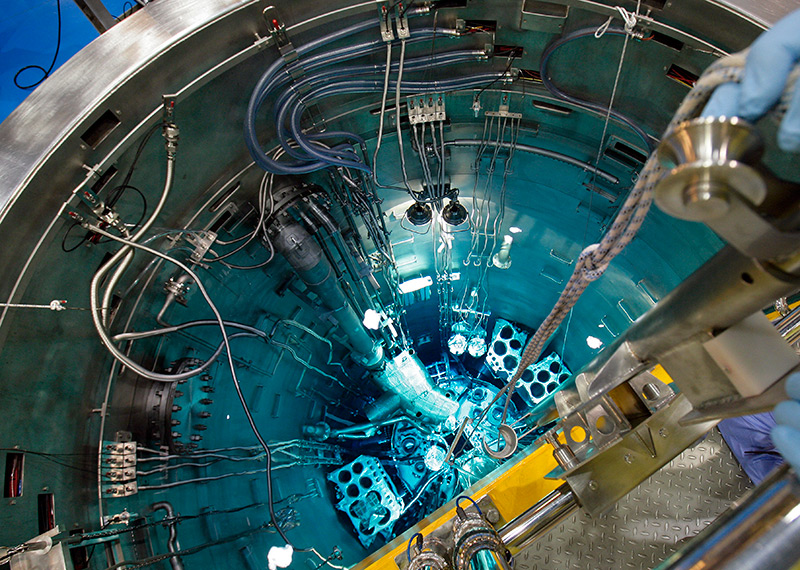
The audit examined the effectiveness of the Australian Nuclear Science and Technology Organisation’s management of assets involved in the manufacture, production and distribution of nuclear medicines.
Entity
Australian Nuclear Science and Technology Organisation
Contact
Please direct enquiries through our contact page.
Performance audit (Auditor-General Report No. 2 of 2017–18)

Published: Tuesday 11 July 2017
Published
The objective of the audit was to assess whether Defence has a fit-for-purpose framework for the management of materiel sustainment.
Entity
Defence
Contact
Please direct enquiries relating to reports through our contact page.
Corporate
Published: Thursday 6 July 2023
Published
The ANAO Corporate Plan 2023–24 outlines how we intend to deliver against our purpose over the next four years (2023–24 to 2026–27). The corporate plan is the ANAO’s primary planning document – it outlines our purpose; the dynamic environment in which we operate; our commitment to building capability; and the priorities, activities and performance measures by which we will be held to account. The corporate plan is complemented by the annual audit work program, which reflects the ANAO’s audit strategy for the coming year.
This corporate plan was updated on 26 March 2024:
- organisational structure changes — ‘Professional Services and Relationships Group’ to ‘Professional Services Group’
- Measure 3 — change type from ‘Efficiency / Qualitative’ to ‘Efficiency / Quantitative’
- Measure 15, reporting mechanism 4 — replaced text to reflect updated JCPAA feedback process
- Measure 16, reporting mechanism 3 — replaced references to ‘insights’ with ‘lessons’
Contact
Please direct enquiries through our contact page.
Performance audit (Auditor-General Report No. 13 of 2023–24)

Published: Wednesday 7 February 2024
Published
The objective of this audit was to assess the efficiency of the Department of Foreign Affairs and Trade’s delivery of passport services through the Australian Passport Office.
Entity
Australian Trade and Investment Commission; Department of Finance; Department of Foreign Affairs and Trade
Contact
Please direct enquiries through our contact page.
Performance audit (Auditor-General Report No. 41 of 2023–24)

Published: Tuesday 18 June 2024
Published
The objective of this audit was to assess whether the Productivity Commission is effectively managing the use of corporate credit cards for official purposes in accordance with legislative and entity requirements.
Entity
Productivity Commission
Contact
Please direct enquiries through our contact page.
Insights: Audit lessons

Published: Friday 28 May 2021
Published
This edition of Audit Insights summarises key messages for all Australian Government entities from a series of recent Australian National Audit Office (ANAO) performance audits assessing the delivery of key components of the Australian Government’s response to the COVID-19 pandemic. It discusses the importance of planning, good governance and sound risk management in managing an emergency such as the COVID-19 pandemic.
Contact
Please direct enquiries through our contact page.
Performance audit (Auditor-General Report No. 40 of 2023–24)

Published: Tuesday 18 June 2024
Published
The objective of this audit was to assess whether the Federal Court of Australia is effectively managing the use of corporate credit cards for official purposes in accordance with legislative and entity requirements.
Entity
Federal Court of Australia
Contact
Please direct enquiries through our contact page.
Performance audit (Auditor-General Report No. 39 of 2022–23)

Published: Monday 19 June 2023
Published
The objective of this audit was to assess the effectiveness of the implementation of the government response to the Black Economy Taskforce report.
Entity
Australian Taxation Office; Department of Home Affairs; Department of the Treasury
Contact
Please direct enquiries through our contact page.
Performance audit (Auditor-General Report No. 3 of 2019–20)

Published: Tuesday 23 July 2019
Published
The objective of the audit was to examine the effectiveness of Defence’s quarterly performance report as a mechanism to inform senior stakeholders about risks and issues in the delivery of capability to the Australian Defence Force.
Entity
Department of Defence
Contact
Please direct enquiries through our contact page.
Performance audit (Auditor-General Report No. 2 of 2025–26)

Published: Wednesday 3 September 2025
Published
The objective of the audit was to assess the effectiveness of the NDIS Commission in exercising its regulatory functions.
Entity
NDIS Quality and Safeguards Commission
Contact
Please direct enquiries through our contact page.
Performance audit (Auditor-General Report No. 25 of 2025–26)

Published: Wednesday 18 March 2026
Published
The objective of the audit was to determine whether the Department of Foreign Affairs and Trade effectively conducted procurements for the Security Enhancement Program, achieving value for money and complying with the Commonwealth Procurement Rules.
Entity
Department of Foreign Affairs and Trade
Contact
Please direct enquiries through our contact page.
Performance audit (Auditor-General Report No. 24 of 2016–17)

Published: Wednesday 9 November 2016
Published
The audit objective was to assess the effectiveness to date of the management of the approach to transition the disability services market to the National Disability Insurance Scheme (NDIS) market arrangements.
Entity
Department of Social Services; National Disability Insurance Agency
Contact
Please direct enquiries relating to reports through our contact page.
Corporate

Published: Monday 8 July 2024
Published
The ANAO Corporate Plan 2024–25 updates the previous corporate plan and outlines how we intend to deliver against our purpose over the next four years (2024–25 to 2027–28). The corporate plan is the ANAO’s primary planning document — it outlines our purpose; the dynamic environment in which we operate; our commitment to building capability; and the priorities, activities and performance measures by which we will be held to account.
Contact
Please direct enquiries through our contact page.
Performance audit (Auditor-General Report No. 28 of 2018–19)

Published: Thursday 21 February 2019
Published
The objective of the audit was to examine the extent to which the Department of Human Services (Human Services) has implemented the recommendations made by the Australian National Audit Office (ANAO) in Auditor-General Report No. 37 of 2014–15 Management of Smart Centres’ Centrelink Telephone Services; as well as Human Services’ performance against call wait time and call blocking metrics.
Entity
Department of Human Services
Contact
Please direct enquiries through our contact page.
Performance audit (Auditor-General Report No. 8 of 2019–20)

Published: Monday 9 September 2019
Published
The objective of this audit was to examine whether the Tourist Refund Scheme (TRS) is being effectively administered, with the appropriate management of risks.
Entity
Department of Home Affairs; Department of the Treasury; Australian Taxation Office (ATO)
Contact
Please direct enquiries through our contact page.
Corporate

Published: Friday 29 July 2016
Published
The Australian National Audit Office (ANAO) 2016-20 Corporate Plan is the primary strategic planning document, and outlines how the ANAO intends to deliver against the purpose over the coming four years.
Contact
Please direct enquiries relating to reports through our contact page.
Performance audit (Auditor-General Report No. 17 of 2022–23)

Published: Monday 3 April 2023
Published
The objective of this audit is to assess the effectiveness of the design and implementation of the Department of Agriculture, Water and the Environment’s cultural reform program prior to the July 2022 Machinery of Government changes.
Entity
Department of Agriculture, Fisheries and Forestry
Contact
Please direct enquiries through our contact page.
Performance audit (Auditor-General Report No. 12 of 2021–22)

Published: Wednesday 8 December 2021
Published
The audit objective was to assess the effectiveness of the management of international travel restrictions during the COVID-19 pandemic.
Entity
Across Entities
Contact
Please direct enquiries through our contact page.
Performance audit (Auditor-General Report No. 19 of 2025–26)

Published: Wednesday 21 January 2026
Published
The objective of the audit was to assess the effectiveness of partnership arrangements, funding design activities and measurement of progress for schooling and early childhood development commitments under the National Agreement on Closing the Gap.
Entity
Across Entities
Contact
Please direct enquiries through our contact page.
Performance audit (Auditor-General Report No. 48 of 2014–15)

Published: Wednesday 10 June 2015
Published
The objective of the audit was to assess whether selected entities had appropriately justified the use of limited tender procurement and whether processes adopted met the requirements of the Commonwealth Procurement Rules.
Entity
Australian Customs and Border Protection Services; Department of Foreign Affairs and Trade; Department of Human Services
Contact
Please direct enquiries relating to reports through our contact page.
Performance audit (Auditor-General Report No. 44 of 2020–21)

Published: Thursday 17 June 2021
Published
The audit objective was to examine the effectiveness of the Great Barrier Reef Marine Park Authority’s regulation of permits and approvals, including its implementation of recommendations from Auditor-General Report No.3 of 2015–16 Regulation of Great Barrier Reef Marine Park Permits and Approvals.
Entity
Great Barrier Reef Marine Park Authority
Contact
Please direct enquiries through our contact page.
Performance audit (Auditor-General Report No. 2 of 2021–22)

Published: Wednesday 8 September 2021
Published
The audit objective was to assess the effectiveness of the Australian Security Intelligence Organisation's workforce planning to support key activities.
Entity
Australian Security Intelligence Organisation
Contact
Please direct enquiries through our contact page.
Performance audit (Auditor-General Report No. 15 of 2023–24)

Published: Monday 12 February 2024
Published
The objective of this audit was to assess the effectiveness of the Australian Taxation Office’s management and oversight of fraud control arrangements for the administration of the Goods and Services Tax (GST).
Entity
Australian Taxation Office
Contact
Please direct enquiries through our contact page.
Performance audit (Auditor-General Report No. 27 of 2023–24)

Published: Monday 20 May 2024
Published
The objective of this audit was to examine the effectiveness of the design and early implementation of the National Soil Strategy and the supporting National Soil Action Plan.
Entity
Department of Agriculture, Fisheries and Forestry
Contact
Please direct enquiries through our contact page.
Corporate

Published: Wednesday 19 July 2017
Published
The ANAO 2017–18 Corporate Plan is the ANAO's key strategic planning document. It guides our operating environment and sets out how we will deliver on our purpose. The corporate plan is complemented by the annual audit work program which reflects the ANAO's strategy and deliverables for the coming year.
Contact
Please direct enquiries about our corporate plan through our contact page.
Performance audit (Auditor-General Report No. 35 of 2016–17)

Published: Friday 3 February 2017
Published
The audit objective was to assess whether the Department of the Prime Minister and Cabinet has effectively established and implemented the Indigenous Advancement Strategy to achieve the outcomes desired by government.
Please note: Aboriginal and Torres Strait Islander people should be aware that this website may contain images of deceased people.
Entity
Department of the Prime Minister and Cabinet
Contact
Please direct enquiries relating to reports through our contact page.
Performance audit (Auditor-General Report No. 9 of 2025–26)

Published: Monday 24 November 2025
Published
The objective of the audit was to assess the effectiveness of the Department of Social Services' administration of the National Redress Scheme.
Entity
Department of Social Services
Contact
Please direct enquiries through our contact page.
Performance audit (Auditor-General Report No. 14 of 2017–18)

Published: Tuesday 31 October 2017
Published
The objective of the audit was to assess the effectiveness of the transition of the Remote Jobs and Communities Programme to the Community Development Programme, including whether the Community Development Programme is well designed and administered effectively and efficiently.
Entity
Department of the Prime Minister and Cabinet; Department of Employment; Department of Human Services
Contact
Please direct enquiries relating to reports through our contact page.
Other report (Auditor-General Report No. 36 of 2025–26)
New

Published: Thursday 4 June 2026
Published
This report, tabled under section 25 of the Auditor-General Act 1997, consolidates independent analysis that provides transparency to the Parliament with respect to ANU’s financial management, and makes findings and recommendations where appropriate.
Entity
Australian National University
Contact
Please direct enquiries through our contact page.
Events and seminars
Published: Monday 23 December 2024
Published
An Audit Committee Chairs Forum was held on Friday 6 December 2024. The text on this page is the communique from the forum.
Contact
For any enquiries, please contact External.Relations@anao.gov.au
Performance audit (Auditor-General Report No. 29 of 2021–22)

Published: Thursday 2 June 2022
Published
The objective of the audit was to examine the effectiveness of the Department of Social Services' administration of the Cashless Debit Card program, including implementation of the recommendations made in Auditor-General Report No.1 2018–19, The Implementation and Performance of the Cashless Debit Card Trial.
Entity
Services Australia; Department of Social Services
Contact
Please direct enquiries through our contact page.
Performance audit (Auditor-General Report No. 30 of 2025–26)
Recent

Published: Wednesday 6 May 2026
Published
The objective of this audit was to assess the effectiveness of the Department of Education’s administration of National Collaborative Research Infrastructure Strategy in achieving the outcomes of the program.
Entity
Department of Education
Contact
Please direct enquiries through our contact page.