Browse our range of reports and publications including performance and financial statement audit reports, assurance review reports, information reports and annual reports.
Performance audit (Auditor-General Report No. 48 of 2023–24)

Published: Wednesday 26 June 2024
Published
The objective of the audit was to assess the effectiveness of the transitional arrangements from the Cashless Debit Card (CDC) program to the Enhanced Income Management program.
Entity
Department of Social Services; Services Australia
Contact
Please direct enquiries through our contact page.
Performance audit (Auditor-General Report No. 13 of 2025–26)

Published: Wednesday 10 December 2025
Published
The objective of the audit was to assess whether the Department of Infrastructure, Transport, Regional Development, Communications and the Arts’ management of service delivery arrangements for the external territories was effective.
Entity
Department of Infrastructure, Transport, Regional Development, Communications, Sport and the Arts
Contact
Please direct enquiries through our contact page.
Performance audit (Auditor-General Report No. 16 of 2016–17)

Published: Tuesday 13 September 2016
Published
The objective of the audit was to assess whether the Department of Immigration and Border Protection (DIBP) had appropriately managed the procurement of garrison support and welfare services at offshore processing centres in Nauru and Papua New Guinea (Manus Island); and whether the processes adopted met the requirements of the Commonwealth Procurement Rules (CPRs) including consideration and achievement of value for money.
Entity
Department of Immigration and Border Protection
Contact
Please direct enquiries relating to reports through our contact page.
Performance audit (Auditor-General Report No. 37 of 2018–19)

Published: Thursday 2 May 2019
Published
The objective of the audit was to assess the effectiveness of the governance board in the Sydney Harbour Federation Trust.
Entity
Sydney Harbour Federation Trust
Contact
Please direct enquiries through our contact page.
Performance audit (Auditor-General Report No. 27 of 2024–25)

Published: Monday 3 March 2025
Published
The purpose of the audit was to assess the effectiveness of Sport Integrity Australia’s management of the National Anti-doping Scheme.
Entity
Sport Integrity Australia
Contact
Please direct enquiries through our contact page.
Performance audit (Auditor-General Report No. 26 of 2023–24)

Published: Wednesday 8 May 2024
Published
The objective of this audit was to assess the effectiveness of the Department of Home Affairs’ regulation of migration agents.
Entity
Department of Home Affairs
Contact
Please direct enquiries through our contact page.
Performance audit (Auditor-General Report No. 1 of 2024–25)

Published: Thursday 11 July 2024
Published
The objective of the audit was to assess the effectiveness of Department of Defence's procurement and implementation of the myClearance system to date.
Entity
Department of Defence
Contact
Please direct enquiries through our contact page.
Performance audit (Auditor-General Report No. 13 of 2016–17)

Published: Thursday 1 September 2016
Published
The objective of this audit was to assess the effectiveness of the Department of Immigration and Border Protection’s administration of health services in onshore immigration detention.
Entity
Department of Immigration and Border Protection
Contact
Please direct enquiries relating to reports through our contact page.
Performance audit (Auditor-General Report No. 49 of 2017–18)

Published: Monday 25 June 2018
Published
The objective of this audit was to assess the appropriateness of the use and reporting of confidentiality provisions in a sample of Australian Government contracts.
Entity
Australian Electoral Commission (AEC); Great Barrier Reef Marine Park Authority (GBRMPA); Department of Home Affairs; Department of Infrastructure, Regional Development and Cities;
Contact
Please direct enquiries through our contact page.
Performance audit (Auditor-General Report No. 44 of 2020–21)

Published: Thursday 17 June 2021
Published
The audit objective was to examine the effectiveness of the Great Barrier Reef Marine Park Authority’s regulation of permits and approvals, including its implementation of recommendations from Auditor-General Report No.3 of 2015–16 Regulation of Great Barrier Reef Marine Park Permits and Approvals.
Entity
Great Barrier Reef Marine Park Authority
Contact
Please direct enquiries through our contact page.
Performance audit (Auditor-General Report No. 18 of 2018–19)

Published: Monday 17 December 2018
Published
The objective of this audit was to assess the effectiveness of the Clean Energy Regulator’s administration of the Renewable Energy Target scheme.
Entity
Clean Energy Regulator
Contact
Please direct enquiries through our contact page.
Performance audit (Auditor-General Report No. 4 of 2016–17)

Published: Wednesday 31 August 2016
Published
The audit objective was to assess the effectiveness of the Department of the Environment and Energy's award of funding under the 20 Million Trees Programme.
Entity
Department of the Environment and Energy
Contact
Please direct enquiries relating to reports through our contact page.
Performance audit (Auditor-General Report No. 1 of 2021–22)

Published: Monday 16 August 2021
Published
The audit objective was to examine the effectiveness to date of the Department of Defence’s administration of the Enterprise Resource Planning (ERP) program, with a focus on ERP Tranche 1 activities.
Entity
Department of Defence
Contact
Please direct enquiries through our contact page.
Financial statement audit (Auditor-General Report No. 44 of 2014–15)

Published: Friday 5 June 2015
Published
This report outlines the ANAO’s assessment of the internal controls of major entities, including governance arrangements, information systems and control procedures. The findings summarised in this report are the results of the interim phase of the financial statement audits of 23 major General Government Sector entities that represent some 95 per cent of total General Government Sector revenues and expenses.
Entity
Across Entities
Contact
Please direct enquiries relating to reports through our contact page.
Performance audit (Auditor-General Report No. 1 of 2016–17)

Published: Wednesday 31 August 2016
Published
The audit objective was to examine whether Airservices Australia has effective procurement arrangements in place, with a particular emphasis on whether consultancy contracts entered into with International Centre for Complex Project Management (ICCPM) in association with the OneSKY Australia project were effectively administered.
Entity
Airservices Australia
Contact
Please direct enquiries relating to reports through our contact page.
Performance audit (Auditor-General Report No. 46 of 2016–17)

Published: Monday 10 April 2017
Published
The objective of this audit was to assess whether the OneSKY tender was conducted so as to provide value with public resources and achieve required timeframes for the effective replacement of the existing air traffic management platforms.
Entity
Airservices Australia; Department of Defence
Contact
Please direct enquiries relating to reports through our contact page.
Performance audit (Auditor-General Report No. 21 of 2019–20)

Published: Wednesday 18 December 2019
Published
The audit assessed the effectiveness of the rural research and development corporations’ management of probity.
Entity
Across Entities
Contact
Please direct enquiries through our contact page.
Performance audit (Auditor-General Report No. 23 of 2024–25)

Published: Wednesday 12 February 2025
Published
The audit objective was to assess the effectiveness of the department’s strategic procurement of water entitlements to meet the Bridging the Gap target under the Basin Plan.
Entity
Department of Climate Change, Energy, the Environment and Water
Contact
Please direct enquiries through our contact page.
Performance audit (Auditor-General Report No. 32 of 2020–21)

Published: Friday 19 March 2021
Published
The objective of the audit was to assess the effectiveness of cyber security risk mitigation strategies implemented by selected non-corporate Commonwealth entities to meet mandatory requirements under the Protective Security Policy Framework, and the support provided by the responsible cyber policy and operational entities.
Entity
Across Entities
Contact
Please direct enquiries through our contact page.
Performance audit (Auditor-General Report No. 17 of 2014–15)

Published: Thursday 18 December 2014
Published
The objective of the audit was to examine the effectiveness of Navy’s strategy for recruiting and retaining personnel with specialist skills. The effective delivery of Navy capability depends on Navy having available sufficient numbers of skilled personnel to operate and maintain its fleet of sea vessels and aircraft, and conduct wide‑ranging operations in dispersed locations. Without the right personnel, Navy capability is reduced. Navy’s budget for 2014–15 included $1.86 billion in employee expenses.
The audit concluded that, in its strategic planning, Navy had identified its key workforce risks and their implications for Navy capability. To address these risks Navy had continued to adhere to its traditional ‘raise, train and sustain’ workforce strategy; developed a broad range of workforce initiatives that complemented its core approach; and sought to establish contemporary workforce management practices. However, long‑standing personnel shortfalls in a number of ‘critical’ employment categories had persisted, and Navy had largely relied on retention bonuses as a short‑ to medium‑term retention strategy.
Navy had developed a broad range of workforce initiatives, some designed specifically to address workforce shortages in its critical employment categories. To date, Navy had primarily relied on paying retention bonuses and other financial incentives; recruiting personnel with prior military experience to work in employment categories with significant workforce shortfalls; and using Navy Reserves in continuous full time roles. Ongoing work was required for Navy to firmly establish a range of promising workforce management practices, including providing the right training at the right time; more flexible approaches to managing individuals’ careers; and improving workplace culture, leadership and relationships. More flexible and tailored workforce management practices could help address the underlying causes of workforce shortfalls, particularly when the traditional approaches were not gaining sufficient traction.
The ANAO made two recommendations aimed at Navy: drawing on external human resource expertise to inform the development and implementation of its revised workforce plan; and evaluating the impact of retention bonuses on the Navy workforce to determine their future role within its overall workforce strategy.
Entity
Department of Defence
Contact
Please direct enquiries relating to reports through our contact page.
Performance audit (Auditor-General Report No. 9 of 2019–20)

Published: Monday 23 September 2019
Published
The objective of this audit was to assess the effectiveness of the Department of Health’s implementation of the National Ice Action Strategy (NIAS).
Entity
Department of Health
Contact
Please direct enquiries through our contact page.
Performance audit (Auditor-General Report No. 3 of 2024–25)

Published: Wednesday 18 September 2024
Published
The objective of this audit is to assess whether the Department of Infrastructure, Transport, Regional Development, Communications and the Arts effectively managed the approval and administration of the Australian Government’s $2.2 billion funding commitment towards Suburban Rail Loop East.
Entity
Department of Infrastructure, Transport, Regional Development, Communications and the Arts; Infrastructure Australia
Contact
Please direct enquiries through our contact page.
Performance audit (Auditor-General Report No. 2 of 2024–25)

Published: Wednesday 11 September 2024
Published
The audit objective was to assess the effectiveness of the Department of Defence’s arrangements to manage the security authorisation of its ICT systems.
Entity
Department of Defence
Contact
Please direct enquiries through our contact page.
Performance audit (Auditor-General Report No. 43 of 2024–25)

Published: Tuesday 17 June 2025
Published
The objective of the audit was to assess the effectiveness of the department’s regulation of appliance and equipment energy efficiency standards.
Entity
Department of Climate Change, Energy, the Environment and Water
Contact
Please direct enquiries through our contact page.
Performance audit (Auditor-General Report No. 53 of 2016–17)

Published: Wednesday 31 May 2017
Published
The objective of the audit was to assess the effectiveness of Australian Government-funded aged care services delivered to Aboriginal and Torres Strait Islander people.
Please note: Aboriginal and Torres Strait Islander people should be aware that this website may contain images of deceased people.
Entity
Department of Health; Australian Aged Care Quality Agency
Contact
Please direct enquiries relating to reports through our contact page.
Performance audit (Auditor-General Report No. 19 of 2023–24)

Published: Tuesday 27 February 2024
Published
The objective of this audit was to assess the effectiveness of the Department of Health and Aged Care’s (DHAC) performance management of the Primary Health Network program.
Entity
Department of Health and Aged Care
Contact
Please direct enquiries through our contact page.
Performance audit (Auditor-General Report No. 31 of 2019–20)

Published: Thursday 9 April 2020
Published
The objective of the audit was to assess whether Defence Housing Australia administers its functions efficiently and effectively, and in accordance with the Government Business Enterprise guidelines.
Entity
Defence Housing Australia; Department of Defence; Department of Finance
Contact
Please direct enquiries through our contact page.
Performance audit (Auditor-General Report No. 5 of 2023–24)

Published: Tuesday 5 September 2023
Published
The objective of this audit was to examine whether compliance with trade measurement in Australia is being effectively administered.
Entity
Department of Industry, Science and Resources
Contact
Please direct enquiries through our contact page.
Performance audit (Auditor-General Report No. 36 of 2018–19)

Published: Tuesday 30 April 2019
Published
The objective of the audit was to assess the effectiveness of the governance board in the Australian Institute of Marine Science.
Entity
Australian Institute of Marine Science
Contact
Please direct enquiries through our contact page.
Performance audit (Auditor-General Report No. 1 of 2019–20)

Published: Thursday 4 July 2019
Published
The objective of this audit was to assess the effectiveness of the management of cyber security risks by three government business enterprises or corporate Commonwealth entities. The entities selected for audit are ASC Pty Ltd, the Australian Postal Corporation and the Reserve Bank of Australia.
Entity
ASC Pty Ltd; Australian Postal Corporation; Reserve Bank of Australia
Contact
Please direct enquiries through our contact page.
Performance audit (Auditor-General Report No. 28 of 2020–21)

Published: Friday 22 January 2021
Published
The audit objective was to assess the effectiveness of the administration of the National Housing Finance and Investment Corporation (NHFIC).
Entity
National Housing Finance and Investment Corporation
Contact
Please direct enquiries through our contact page.
Performance audit (Auditor-General Report No. 40 of 2024–25)

Published: Tuesday 3 June 2025
Published
The audit objective was to assess whether selected entities effectively implemented agreed recommendations from Auditor-General Report No. 25 2019–20 Aboriginal and Torres Strait Islander Participation Targets in Major Procurements.
Entity
Across Entities
Contact
Please direct enquiries through our contact page.
Performance audit (Auditor-General Report No. 31 of 2020–21)

Published: Thursday 18 March 2021
Published
The objective was to examine whether the award of funding under the Supporting Reliable Energy Infrastructure Program was informed by an appropriate assessment process and sound advice that complied with the Commonwealth Grant Rules and Guidelines.
Entity
Department of Industry, Science, Energy and Resources
Contact
Please direct enquiries through our contact page.
Performance audit (Auditor-General Report No. 13 of 2014–15)

Published: Tuesday 16 December 2014
Published
The objective of the audit was to assess the effectiveness of the Australian Customs and Border Protection Service's management of the Cape Class patrol boat program.
Entity
Australian Customs and Border Protection Service
Contact
Please direct enquiries relating to reports through our contact page.
Performance audit (Auditor-General Report No. 20 of 2025–26)

Published: Tuesday 27 January 2026
Published
The audit objective was to assess the effectiveness of the Department of Social Services’ and Services Australia’s administration of the age pension.
Entity
Services Australia; Department of Social Services
Contact
Please direct enquiries through our contact page.
Performance audit (Auditor-General Report No. 24 of 2022–23)

Published: Tuesday 23 May 2023
Published
The objective of this audit was to assess whether the Department of Defence (Defence) is managing its Australian Defence Force health services contract to achieve efficient and effective delivery of the contracted services.
Entity
Department of Defence
Contact
Please direct enquiries through our contact page.
Performance audit (Auditor-General Report No. 3 of 2022–23)

Published: Wednesday 17 August 2022
Published
The objective of the audit was to assess the effectiveness of the planning and implementation of the COVID-19 vaccine rollout.
Entity
Department of Health and Aged Care
Contact
Please direct enquiries through our contact page.
Performance audit (Auditor-General Report No. 28 of 2025–26)
New

Published: Wednesday 1 April 2026
Published
The objective of the audit was to assess whether the management of funding under the Settlement Engagement and Transition Support program was effective in achieving the program objectives and consistent with the Commonwealth Grant Rules and Principles.
Entity
Department of Home Affairs; Department of Social Services
Contact
Please direct enquiries through our contact page.
Performance audit (Auditor-General Report No. 9 of 2018–19)

Published: Thursday 11 October 2018
Published
The objective of the audit was to assess the Moorebank Intermodal Company’s achievement of value for money and management of probity in its operations and procurement activities.
Entity
Moorebank Intermodal Company Limited (MIC); Department of Finance
Contact
Please direct enquiries through our contact page.
Performance audit (Auditor-General Report No. 35 of 2024–25)
Published: Monday 26 May 2025
Published
The objective of this audit was to assess whether the award of funding under the Disaster Ready Fund was effective and consistent with the published guidelines.
Entity
National Emergency Management Agency
Contact
Please direct enquiries through our contact page.
Performance audit (Auditor-General Report No. 42 of 2014–15)

Published: Thursday 4 June 2015
Published
The objective of this audit was to assess the effectiveness of Finance’s administration of travel entitlements provided to Parliamentarians.
Entity
Department of Finance
Contact
Please direct enquiries relating to reports through our contact page.
Performance audit (Auditor-General Report No. 41 of 2016–17)

Published: Tuesday 28 February 2017
Published
The objective of the audit was to assess the Department of Human Services' and the Department of Social Services’ management of selected fraud prevention and compliance Budget measures.
Entity
Department of Human Services; Department of Social Services
Contact
Please direct enquiries relating to reports through our contact page.
Performance audit (Auditor-General Report No. 22 of 2020–21)

Published: Thursday 10 December 2020
Published
The audit examined whether the COVID-19 National Medical Stockpile (NMS) procurement requirement was met through effective planning and governance arrangements.
Entity
Department of Health; Department of Industry, Science, Energy and Resources
Contact
Please direct enquiries through our contact page.
Performance audit (Auditor-General Report No. 12 of 2019–20)

Published: Tuesday 5 November 2019
Published
The objective of the audit was to assess whether the award of funding under the Regional Jobs and Investment Packages program was informed by appropriate departmental advice and that processes complied with the grants administration framework.
Entity
Department of Industry, Innovation and Science; Department of Infrastructure, Transport, Cities and Regional Development
Contact
Please direct enquiries through our contact page.
Annual report
Published: Monday 28 September 2020
Published
This annual report documents the performance of the Australian National Audit Office (ANAO) in the financial year ended 30 June 2020. The report addresses all applicable obligations under the Public Governance, Performance and Accountability Act 2013; the Public Governance, Performance and Accountability Rule 2014; the Auditor-General Act 1997; the performance measures set out in the outcome and programs framework in the ANAO's Portfolio Budget Statements 2019–20 and the ANAO Corporate Plan 2019–20; and annual reporting requirements set out in other relevant legislation.
Contact
Please direct enquiries relating to annual reports through our contact page.
Performance audit (Auditor-General Report No. 30 of 2018–19)

Published: Monday 18 March 2019
Published
The audit objective was to examine whether the Department of Defence has effective and efficient sustainment arrangements for the Royal Australian Navy’s fleet of eight ANZAC class frigates.
Entity
Department of Defence
Contact
Please direct enquiries through our contact page.
Performance audit (Auditor-General Report No. 3 of 2019–20)

Published: Tuesday 23 July 2019
Published
The objective of the audit was to examine the effectiveness of Defence’s quarterly performance report as a mechanism to inform senior stakeholders about risks and issues in the delivery of capability to the Australian Defence Force.
Entity
Department of Defence
Contact
Please direct enquiries through our contact page.
Performance audit (Auditor-General Report No. 31 of 2022–23)

Published: Monday 5 June 2023
Published
The objective of this audit was to assess the effectiveness of the Department of Health’s administration of the Community Health and Hospitals Program.
Entity
Department of Health and Aged Care
Contact
Please direct enquiries through our contact page.
Performance audit (Auditor-General Report No. 27 of 2018–19)

Published: Wednesday 20 February 2019
Published
The objective of the audit was to assess the effectiveness of arrangements for monitoring, evaluating and reporting progress towards Closing the Gap in Aboriginal and Torres Strait Islander disadvantage.
Entity
Department of the Prime Minister and Cabinet; Productivity Commission
Contact
Please direct enquiries through our contact page.
Performance audit (Auditor-General Report No. 45 of 2020–21)

Published: Wednesday 23 June 2021
Published
The objective of the audit was to assess the effectiveness of the Australian Fisheries Management Authority’s management of Commonwealth fisheries.
Entity
Australian Fisheries Management Authority
Contact
Please direct enquiries through our contact page.
Annual report
Published: Tuesday 14 August 2018
Published
This annual report documents the performance of the Australian National Audit Office (ANAO) in the financial year ending on 30 June 2018. The report addresses all applicable obligations under the Public Governance, Performance and Accountability Act 2013 (PGPA Act); the Public Governance, Performance and Accountability Rule 2014 (PGPA Rule); the Auditor-General Act 1997; the performance measures set out in the outcome and programs framework in the ANAO’s 2017–18 Portfolio Budget Statements (PBS) and the ANAO 2017–18 Corporate Plan and annual reporting requirements set out in other relevant legislation.
Contact
Please direct enquiries relating to annual reports through our contact page.
Performance audit (Auditor-General Report No. 30 of 2015–16)

Published: Thursday 5 May 2016
Published
The audit objective was to assess the effectiveness of the Australian Federal Police's management of its use of force regime.
Entity
Australian Federal Police (AFP)
Contact
Please direct enquiries relating to reports through our contact page.
Performance audit (Auditor-General Report No. 46 of 2017–18)

Published: Wednesday 13 June 2018
Published
The objective of this audit was to assess whether the National Gallery of Australia (NGA) and the Australian War Memorial (the Memorial) have implemented effective collections management practices.
Entity
Australian War Memorial; National Gallery of Australia
Contact
Please direct enquiries through our contact page.
Corporate
Published: Friday 7 July 2023
Published
Quality in the delivery of the ANAO’s audit services is critical in supporting the integrity of our audit reports and maintaining the confidence of the Parliament and public sector entities. The ANAO Corporate Plan 2023–24 is the ANAO’s primary planning document. It outlines our purpose; the dynamic environment in which we operate; our commitment to building capability; and the priorities, activities and performance measures by which we will be held to account. This quality management framework and plan complements the corporate plan. It describes the ANAO’s system of quality management and reflects the ANAO’s responses to quality risks for the coming year.
The ANAO Quality Management Framework is the ANAO’s established system of quality management to provide the Auditor-General with reasonable assurance that the ANAO complies with the ANAO Auditing Standards and applicable legal and regulatory requirements, and reports issued by the ANAO are appropriate in the circumstances.
The quality management framework and plan component of this document identifies the ANAO’s quality objectives and key responses to address identified quality risks and to provide the Auditor-General with confidence that those responses are implemented and operating effectively.
The ANAO reports on the audit quality indicators that measure the ANAO’s performance against target benchmarks in the annual audit quality report published on the ANAO website. The audit quality report also provides transparency with respect to the implementation and operation of the responses to address quality risks for each component of the ANAO’s system of quality management.
Contact
Please direct enquiries through our contact page.
Corporate
Updated: Tuesday 13 August 2024
Updated
The objective of the Risk Framework and associated programs of risk management activities is to support effective risk management across all ANAO operations.
The 2025–27 version of this publication is available here.
Contact
Any queries about risk management in the ANAO should be directed to the Senior Executive Director, Corporate Management Group through our contact page.
Performance audit (Auditor-General Report No. 22 of 2022–23)

Published: Tuesday 16 May 2023
Published
The objective of this audit was to examine whether the selected entities within the Attorney-General’s portfolio have implemented all agreed recommendations from parliamentary committee and Auditor-General reports within the scoped timeframe.
Entity
Australian Federal Police; Attorney-General’s Department; Commonwealth Director of Public Prosecutions
Contact
Please direct enquiries through our contact page.
Performance audit (Auditor-General Report No. 34 of 2015–16)

Published: Thursday 5 May 2016
Published
The objective of this audit was to assess the effectiveness of the administration of tobacco excise and excise equivalent goods.
Entity
Australian Taxation Office (ATO); Department of Immigration and Border Protection
Contact
Please direct enquiries relating to reports through our contact page.
Performance audit (Auditor-General Report No. 24 of 2015–16)

Published: Tuesday 1 March 2016
Published
The audit objective was to assess the effectiveness of the Department of Social Services' administration of Early Intervention Services for Children with Disability.
Entity
Department of Social Services
Contact
Please direct enquiries relating to reports through our contact page.
Performance audit (Auditor-General Report No. 28 of 2022–23)

Published: Wednesday 31 May 2023
Published
The objective of this audit was to assess the effectiveness of Services Australia's management of social security and welfare debt.
Entity
Services Australia
Contact
Please direct enquiries through our contact page.
Performance audit (Auditor-General Report No. 33 of 2015–16)

Published: Thursday 5 May 2016
Published
The audit objective was to assess whether Defence is effectively controlling the use of Commonwealth credit cards for official purposes in accordance with legislative and policy requirements.
Entity
Department of Defence
Contact
Please direct enquiries relating to reports through our contact page.
Corporate
Updated: Thursday 22 January 2026
Updated
The objective of the Risk Framework and associated programs of risk management activities is to support effective risk management across all ANAO operations.
Contact
Any queries about risk management in the ANAO should be directed to the Senior Director Governance, Corporate Management Group, through our contact page.
Performance audit (Auditor-General Report No. 32 of 2016–17)

Published: Tuesday 17 January 2017
Published
The audit objective was to assess whether the Department of Immigration and Border Protection adopted sound contract management practices for the delivery of garrison support and welfare services for offshore processing centres in Nauru and Manus Island.
Entity
Department of Immigration and Border Protection
Contact
Please direct enquiries relating to reports through our contact page.
Corporate
Published: Thursday 31 July 2025
Published
Quality in the delivery of the ANAO’s audit services is critical in supporting the integrity of our audit reports and maintaining the confidence of the Parliament and public sector entities. The ANAO Corporate Plan 2025–26 is the ANAO's primary planning document. It outlines our purpose; the dynamic environment in which we operate; our commitment to building capability; and the activities and performance measures by which we will be held to account.
This Quality Management Framework and Plan complements the Corporate Plan. It describes the ANAO’s system of quality management and reflects the ANAO's responses to quality risks for the coming year.
The ANAO Quality Management Framework is the ANAO’s established system of quality management to provide the Auditor-General with reasonable assurance that the ANAO complies with the ANAO Auditing Standards and applicable legal and regulatory requirements, and reports issued by the ANAO are appropriate in the circumstances.
The Quality Management Strategy and Plan component of this document identifies the ANAO’s quality objectives and key responses to address identified quality risks and to provide the Auditor-General with confidence that those responses are implemented and operating effectively.
The ANAO reports on the audit quality indicators that measure the ANAO’s performance against target benchmarks in the annual Audit Quality Report published on the ANAO website. The Audit Quality Report also provides transparency with respect to the implementation and operation of the responses to address quality risks for each component of the ANAO’s system of quality management.
Contact
Please direct enquiries through our contact page.
Performance audit (Auditor-General Report No. 36 of 2015–16)

Published: Thursday 5 May 2016
Published
The audit objective was to assess the effectiveness of the Department of Human Services' administration of the Financial Information Service.
Entity
Department of Human Services
Contact
Please direct enquiries relating to reports through our contact page.
Corporate
Published: Wednesday 10 July 2024
Published
Quality in the delivery of the ANAO’s audit services is critical in supporting the integrity of our audit reports and maintaining the confidence of the Parliament and public sector entities. The ANAO Corporate Plan 2024–25 is the ANAO's primary planning document. It outlines our purpose; the dynamic environment in which we operate; our commitment to building capability; and the activities and performance measures by which we will be held to account. This Quality Management Framework and Plan complements the Corporate Plan. It describes the ANAO’s system of quality management and reflects the ANAO's responses to quality risks for the coming year.
The ANAO Quality Management Framework is the ANAO’s established system of quality management to provide the Auditor-General with reasonable assurance that the ANAO complies with the ANAO Auditing Standards and applicable legal and regulatory requirements, and reports issued by the ANAO are appropriate in the circumstances.
The Quality Management Strategy and Plan component of this document identifies the ANAO’s quality objectives and key responses to address identified quality risks and to provide the Auditor-General with confidence that those responses are implemented and operating effectively.
The ANAO reports on the audit quality indicators that measure the ANAO’s performance against target benchmarks in the annual Audit Quality Report published on the ANAO website. The Audit Quality Report also provides transparency with respect to the implementation and operation of the responses to address quality risks for each component of the ANAO’s system of quality management.
Contact
Please direct enquiries through our contact page.
Performance audit (Auditor-General Report No. 8 of 2021–22)

Published: Monday 8 November 2021
Published
The objective of this audit was to assess the effectiveness of the Department of Education, Skills and Employment’s arrangements in administering wage subsidies linked to employment programs.
Entity
Department of Education, Skills and Employment
Contact
Please direct enquiries through our contact page.
Performance audit (Auditor-General Report No. 12 of 2020–21)

Published: Monday 12 October 2020
Published
The audit objective was to assess the effectiveness to date of the Department of Defence’s procurement and contract management of the Offshore Patrol Vessel program.
Entity
Department of Defence
Contact
Please direct enquiries through our contact page.
Performance audit (Auditor-General Report No. 21 of 2022–23)

Published: Wednesday 10 May 2023
Published
The objective of the audit was to assess the effectiveness of the Department of Defence’s procurement of Hunter class frigates and the achievement of value for money to date.
Entity
Department of Defence
Contact
Please direct enquiries through our contact page.
Major projects report (Auditor-General Report No. 14 of 2014–15)

Published: Wednesday 17 December 2014
Published
The report objective is to provide the Auditor-General’s independent assurance over the status of 30 selected Major Projects, as reflected in the Statement by the Chief Executive Officer Defence Materiel Organisation (DMO), and the Project Data Summary Sheets prepared by the DMO, in accordance with the Guidelines endorsed by the Joint Committee of Public Accounts and Audit.
Entity
Defence Materiel Organisation
Performance audit (Auditor-General Report No. 31 of 2015–16)

Published: Thursday 5 May 2016
Published
The audit objective was to assess the effectiveness of the administration of the Higher Education Loan Program (HELP) debts and repayments.
Entity
Australian Taxation Office (ATO); Department of Education and Training
Contact
Please direct enquiries relating to reports through our contact page.
Annual report
Published: Thursday 29 August 2024
Published
This annual report documents the performance of the Australian National Audit Office (ANAO) in the financial year ended 30 June 2024. The report addresses all applicable obligations under the Public Governance, Performance and Accountability Act 2013; the Public Governance, Performance and Accountability Rule 2014; the Auditor-General Act 1997; the performance measures set out in the outcome and programs framework in the ANAO’s Portfolio Budget Statements 2023–24 and in the ANAO Corporate Plan 2023–24; and annual reporting requirements set out in other relevant legislation.
Contact
Please direct enquiries through our contact page.
Performance audit (Auditor-General Report No. 48 of 2017–18)

Published: Tuesday 19 June 2018
Published
The objective of this audit was to assess the effectiveness of the Australian Taxation Office’s (ATO) and Treasury’s management of compliance with foreign investment obligations for residential real estate.
Entity
Treasury; Australian Taxation Office
Contact
Please direct enquiries through our contact page.
Performance audit (Auditor-General Report No. 38 of 2017–18)

Published: Friday 11 May 2018
Published
The objective of the audit was to assess the effectiveness of the Australian Government’s personnel security arrangements for mitigating insider threats.
Entity
Across Entities
Contact
Please direct enquiries through our contact page.
Performance audit (Auditor-General Report No. 2 of 2020–21)

Published: Thursday 16 July 2020
Published
The objective of the audit was to examine whether strategic water procurements by the Department of Agriculture, Water and the Environment were conducted consistent with government policy, were supported by appropriate program design, were planned and executed appropriately, and achieved value for money.
Entity
Department of Agriculture, Water and the Environment
Contact
Please direct enquiries through our contact page.
Major projects report (Auditor-General Report No. 20 of 2024–25)

Published: Wednesday 18 December 2024
Published
Increased transparency and accountability on progress with major Defence equipment acquisitions has been a focus of parliamentary interest for some time. Beginning in 2007–08, an annual program has been established in conjunction with the Department of Defence to enable the ANAO to review and report to the Parliament on the status of major Defence acquisition projects, as set out in the major projects report. The review includes information relating to the cost, schedule and progress towards delivery of required capability of individual projects as at 30 June each year, and is undertaken at the request of the Joint Committee of Public Accounts and Audit.
Entity
Department of Defence
Contact
Please direct enquiries through our contact page.
Insights: Audit lessons

Published: Tuesday 9 January 2024
Published
The aim of Insights: Audit Lessons is to communicate lessons from our audit work and to make it easier for people working within the Australian public sector to apply those lessons.
This edition of Insights: Audit Lessons is targeted at risk practitioners and officials responsible for government operations, projects, programs, services and regulatory activities. It would also be useful for accountable authorities, their senior executives and audit and risk committees.
Contact
Please direct enquiries through our contact page.
Financial statement audit (Auditor-General Report No. 46 of 2018–19)
Published: Thursday 13 June 2019
Published
This report focuses on the results of the interim audits, including an assessment of entities’ key internal controls, supporting the 2018–19 financial statements audits. It examines 26 entities, including all departments of state and a number of major Australian government entities. The entities included in the report are selected on the basis of their contribution to the income, expenses, assets and liabilities of the 2017–18 Consolidated Financial Statements of the Australian Government (CFS). Significant and moderate findings arising from the interim audits are reported to the responsible Minister(s), and all findings are reported to those charged with governance of each entity.
Entity
Across Entities
Contact
Please direct enquiries through our contact page.
Performance audit (Auditor-General Report No. 9 of 2022–23)

Published: Wednesday 14 December 2022
Published
The objective of this audit was to examine the effectiveness of selected non-corporate Commonwealth entities' arrangements for managing cyber security risks within their procurements and specific contracted providers under the Protective Security Policy Framework (PSPF).
Entity
Australian Federal Police; Australian Taxation Office; Department of Foreign Affairs and Trade
Contact
Please direct enquiries through our contact page.
Performance audit (Auditor-General Report No. 5 of 2021–22)

Published: Wednesday 22 September 2021
Published
The audit objective was to assess the effectiveness of the Department of Health’s approach to improving and monitoring immunisation coverage.
Entity
Department of Health
Contact
Please direct enquiries through our contact page.
Financial statement audit (Auditor-General Report No. 42 of 2023–24)
Published: Thursday 20 June 2024
Published
The ANAO prepares two reports annually that provide insights at a point in time to the financial statements risks, governance arrangements and internal control frameworks of Commonwealth entities, drawing on information collected during our audits.
This report is the first of the two reports and focuses on the results of the interim financial statements audits, including an assessment of entities’ key internal controls, supporting the 2023–24 financial statements audits. This report examines 27 entities, including all: departments of state; the Department of Parliamentary Services; and other Commonwealth entities that significantly contribute to the revenues, expenses, assets and liabilities within the 2022–23 Australian Government Consolidated Financial Statements (CFS). The National Indigenous Australians Agency is also included in this report given the role it plays working across government with indigenous communities and stakeholders.
Entity
Across Entities
Contact
Please direct enquiries through our contact page.
Performance audit (Auditor-General Report No. 52 of 2014–15)

Published: Thursday 25 June 2015
Published
The audit objective was to assess the effectiveness of Defence’s management of the acquisition of medium and heavy vehicles, associated modules and trailers for the Australian Defence Force.
Entity
Department of Defence; Defence Materiel Organisation
Contact
Please direct enquiries relating to reports through our contact page.
Corporate
Published: Wednesday 1 July 2020
Published
The corporate plan is the ANAO’s primary planning document. Our strategic planning process allows us to continually improve practices and capabilities to demonstrate value in the delivery of services to the Parliament. The corporate plan is complemented by the annual audit work program, which reflects the ANAO’s audit strategy for the coming year.
Contact
Please direct enquiries about our corporate plan through our contact page.
Performance audit (Auditor-General Report No. 23 of 2022–23)

Published: Thursday 18 May 2023
Published
The objective of this audit was to assess the effectiveness of the National Recovery and Resilience Agency's administration of the Disaster Recovery Funding Arrangements (DRFA).
Entity
National Emergency Management Agency
Contact
Please direct enquiries through our contact page.
Performance audit (Auditor-General Report No. 28 of 2016–17)

Published: Monday 28 November 2016
Published
The audit objective was to assess whether the Department of Industry, Innovation and Science has effectively and efficiently administered the collection of North West Shelf royalty revenues.
Entity
Department of Industry, Innovation and Science
Contact
Please direct enquiries relating to reports through our contact page.
Annual report
Published: Tuesday 23 September 2025
Published
This annual report documents the performance of the Australian National Audit Office (ANAO) in the financial year ended 30 June 2025. The report addresses all applicable obligations under the Public Governance, Performance and Accountability Act 2013; the Public Governance, Performance and Accountability Rule 2014; the Auditor-General Act 1997; the performance measures set out in the outcome and programs framework in the ANAO’s Portfolio Budget Statements 2024–25 and in the ANAO Corporate Plan 2024–25; and annual reporting requirements set out in other relevant legislation.
Contact
Please direct enquiries through our contact page.
Corporate
Published: Monday 1 July 2019
Published
The corporate plan is the ANAO’s primary planning document. Our strategic planning process allows us to continually improve practices and capabilities to demonstrate value in the delivery of services to the Parliament. The corporate plan is complemented by the annual audit work program, which reflects the ANAO’s audit strategy for the coming year.
Contact
Please direct enquiries about our corporate plan through our contact page.
Corporate
Published: Thursday 6 July 2023
Published
The ANAO Corporate Plan 2023–24 outlines how we intend to deliver against our purpose over the next four years (2023–24 to 2026–27). The corporate plan is the ANAO’s primary planning document – it outlines our purpose; the dynamic environment in which we operate; our commitment to building capability; and the priorities, activities and performance measures by which we will be held to account. The corporate plan is complemented by the annual audit work program, which reflects the ANAO’s audit strategy for the coming year.
This corporate plan was updated on 26 March 2024:
- organisational structure changes — ‘Professional Services and Relationships Group’ to ‘Professional Services Group’
- Measure 3 — change type from ‘Efficiency / Qualitative’ to ‘Efficiency / Quantitative’
- Measure 15, reporting mechanism 4 — replaced text to reflect updated JCPAA feedback process
- Measure 16, reporting mechanism 3 — replaced references to ‘insights’ with ‘lessons’
Contact
Please direct enquiries through our contact page.
Corporate

Published: Thursday 28 March 2024
Published
The Australian National Audit Office Enterprise Agreement 2024–2027 was approved by the Fair Work Commission (FWC) on 22 March 2024 and operates from 29 March 2024. The agreement will nominally expire on 28 February 2027. The signatories page of this agreement is available on the FWC website.
Contact
Please direct enquiries through our contact page.
Performance audit (Auditor-General Report No. 37 of 2019–20)

Published: Thursday 28 May 2020
Published
The audit objective was to assess whether the Department of Homes Affairs has appropriately managed the procurement of garrison support and welfare services for offshore processing centres in Nauru and PNG (Manus Island).
Entity
Department of Home Affairs
Contact
Please direct enquiries through our contact page.
Performance audit (Auditor-General Report No. 14 of 2015–16)

Published: Monday 14 December 2015
Published
The objective of the audit was to assess whether appropriate steps were taken to protect the Commonwealth’s interests and obtain value for money in respect to the:
- approval of $1.5 billion in Commonwealth funding for stage one of the East West Link project, and the June 2014 payment of $500 million of this funding; and
- approval of $1.5 billion in Commonwealth funding for stage two of the East West Link project, and the June 2014 payment of $1 billion of this funding.
Entity
Department of Infrastructure and Regional Development; Infrastructure Australia; Department of the Treasury; Department of the Prime Minister and Cabinet; and Department of Finance.
Contact
Please direct enquiries relating to reports through our contact page.
Financial statement audit (Auditor-General Report No. 8 of 2022–23)
Published: Wednesday 14 December 2022
Published
This report complements the Interim Report on Key Financial Controls of Major Entities financial statement audit report published in June 2022. It provides a summary of the final results of the audits of the Consolidated Financial Statements for the Australian Government and the financial statements of Australian Government entities for the period ended 30 June 2022.
Entity
Across Entities
Contact
Please direct enquiries through our contact page.
Financial statement audit (Auditor-General Report No. 38 of 2019–20)
Published: Thursday 28 May 2020
Published
This report focuses on the results of the interim financial statements audits, including an assessment of entities’ key internal controls, supporting the 2019–20 financial statements audits. This report examines 24 entities, including all departments of state and a number of major Australian government entities. The entities included in the report are selected on the basis of their contribution to the income, expenses, assets and liabilities of the 2018–19 Consolidated Financial Statements (CFS). Significant and moderate findings arising from the interim audits are reported to the responsible Minister(s), and all findings are reported to those charged with governance of each entity.
Contact
Please direct enquiries through our contact page.
Corporate

Published: Monday 8 July 2024
Published
The ANAO Corporate Plan 2024–25 updates the previous corporate plan and outlines how we intend to deliver against our purpose over the next four years (2024–25 to 2027–28). The corporate plan is the ANAO’s primary planning document — it outlines our purpose; the dynamic environment in which we operate; our commitment to building capability; and the priorities, activities and performance measures by which we will be held to account.
Contact
Please direct enquiries through our contact page.
Major projects report (Auditor-General Report No. 12 of 2022–23)

Published: Thursday 9 February 2023
Published
Increased transparency and accountability on progress with major Defence equipment acquisitions has been a focus of parliamentary interest for some time. Beginning in 2007–08, an annual program has been established in conjunction with the Department of Defence to enable the ANAO to review and report to the Parliament on the status of major Defence acquisition projects, as set out in the Major Projects Report. The review includes information relating to the cost, schedule and progress towards delivery of required capability of individual projects as at 30 June each year, and is undertaken at the request of the Joint Committee of Public Accounts and Audit.
Entity
Department of Defence
Contact
Please direct enquiries through our contact page.
Performance audit (Auditor-General Report No. 38 of 2016–17)

Published: Tuesday 14 February 2017
Published
The objective of this audit was to assess whether appropriate steps were taken to protect the Commonwealth's interests and obtain value for money in respect to the $3.5 billion in Commonwealth funding committed to the NSW Government for the WestConnex project.
Entity
Department of Infrastructure and Regional Development; Infrastructure Australia
Contact
Please direct enquiries relating to reports through our contact page.
Performance audit (Auditor-General Report No. 9 of 2020–21)

Published: Monday 21 September 2020
Published
The objective of this audit was to examine whether the Department of Infrastructure, Transport, Regional Development and Communications exercised appropriate due diligence in its acquisition of the ‘Leppington Triangle’ land for the future development of the Western Sydney Airport.
Entity
Department of Infrastructure, Transport, Regional Development and Communications
Contact
Please direct enquiries through our contact page.
Audit manual
Updated: Tuesday 9 September 2025
Updated
The shared content volume of the ANAO Audit Manual applies to all assurance activity performed by the ANAO, including financial statements and performance auditing. The shared volume addresses key matters affecting compliance with the Auditor-General Act 1997 and other aspects of the ANAO’s legislative framework. It sets out the main requirements of the ANAO’s overall system of quality control in accordance with ASQC1 Quality Control for Firms that Perform Audits and Reviews of Financial Reports and Other Financial Information, Other Assurance Engagements and Related Services Engagements.
Contact
Please direct enquiries through our contact page.
Major projects report (Auditor-General Report No. 14 of 2023–24)

Published: Friday 9 February 2024
Published
Increased transparency and accountability on progress with major Defence equipment acquisitions has been a focus of parliamentary interest for some time. Beginning in 2007–08, an annual program has been established in conjunction with the Department of Defence to enable the ANAO to review and report to the Parliament on the status of major Defence acquisition projects, as set out in the Major Projects Report. The review includes information relating to the cost, schedule and progress towards delivery of required capability of individual projects as at 30 June each year. The Report is undertaken at the request of the Joint Committee of Public Accounts and Audit.
Entity
Department of Defence
Contact
Please direct enquiries through our contact page.
Corporate
Published: Tuesday 6 July 2021
Published
The corporate plan is the ANAO’s primary planning document. Our strategic planning process allows us to continually improve practices and capabilities to demonstrate value in the delivery of services to the Parliament. The corporate plan is complemented by the annual audit work program, which reflects the ANAO’s audit strategy for the coming year.
Contact
Please direct enquiries through our contact page.
Performance audit (Auditor-General Report No. 25 of 2018–19)
Published: Monday 11 February 2019
Published
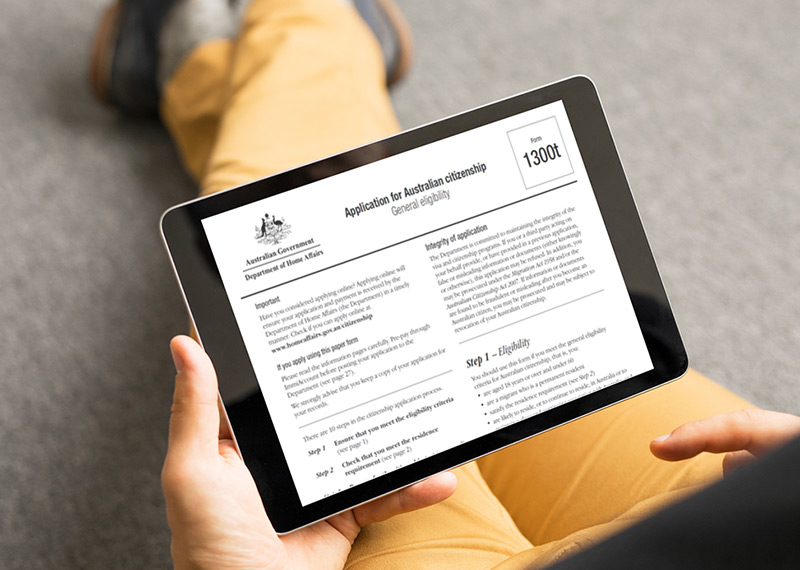
The objective of the audit was to examine the efficiency of the processing of applications for citizenship by conferral by the Department of Home Affairs.
Entity
Department of Home Affairs
Contact
Please direct enquiries through our contact page.
Insights: Audit lessons

Published: Thursday 29 June 2023
Published
This edition of Audit Insights is targeted at Australian Government officials who have responsibility for overseeing or preparing performance information under the Commonwealth Performance Framework. The aim of Audit Insights is to communicate lessons from our audit work and to make it easier for people working within the Australian public sector to apply those lessons. This edition is drawn from audit reports tabled from 2015–16 to 2022–23 into the implementation of the corporate planning and annual performance statements requirements.
Contact
Please direct enquiries through our contact page.
Major projects report (Auditor-General Report No. 13 of 2021–22)

Published: Monday 13 December 2021
Published
The major projects report (MPR) is an annual review of the Department of Defence’s major defence equipment acquisitions, undertaken at the request of the Parliament’s Joint Committee of Public Accounts and Audit (JCPAA).
The purpose of the MPR is to provide information and assurance to the Parliament on the performance of selected acquisitions as at 30 June 2021. This is the 14th MPR since its commencement in 2007–08.
Entity
Department of Defence
Contact
Please direct enquiries through our contact page.
Financial statement audit (Auditor-General Report No. 15 of 2015–16)

Published: Thursday 17 December 2015
Published
This report complements the interim phase report published in June 2015, and provides a summary of the final audit results of the audits of the Consolidated Financial Statements for the Australian Government and the financial statements of 253 Australian Government entities.
Entity
Across Entities
Performance audit (Auditor-General Report No. 8 of 2020–21)

Published: Thursday 17 September 2020
Published
The objective of this audit was to examine the effectiveness of the Australian Electoral Commission’s management of financial disclosures required under Part XX of the Commonwealth Electoral Act 1918, including the extent to which the AEC is achieving accurate and complete financial disclosures.
Entity
Australian Electoral Commission
Contact
Please direct enquiries through our contact page.
Performance audit (Auditor-General Report No. 41 of 2020–21)

Published: Thursday 3 June 2021
Published
The audit objective was to assess the effectiveness of the National Blood Authority’s management of the manufacture and supply of domestic fractionated blood plasma products.
Entity
National Blood Authority
Contact
Please direct enquiries through our contact page.
Performance audit (Auditor-General Report No. 51 of 2016–17)

Published: Monday 22 May 2017
Published
The audit Administration of ABSTUDY and the audit Administration of Youth Allowance have been combined to table as one report titled Administration of ABSTUDY and Administration of Youth Allowance.
The objective of both audits was to assess the efficiency and effectiveness of the Department of Social Services’ and the Department of Human Services’ program administration.
Entity
Department of Social Services; Department of Human Services
Contact
Please direct enquiries relating to reports through our contact page.
Financial statement audit (Auditor-General Report No. 20 of 2019–20)
Published: Tuesday 17 December 2019
Published
This report complements the Interim Report on Key Financial Controls of Major Entities financial statement audit report published in June 2019. It provides a summary of the final results of the audits of the Consolidated Financial Statements for the Australian Government and the financial statements of Australian Government entities for the period ended 30 June 2019.
Contact
Please direct enquiries through our contact page.
Financial statement audit (Auditor-General Report No. 25 of 2020–21)
Published: Thursday 17 December 2020
Published
This report complements the Interim Report on Key Financial Controls of Major Entities financial statement audit report published in May 2020. It provides a summary of the final results of the audits of the Consolidated Financial Statements for the Australian Government and the financial statements of Australian Government entities for the period ended 30 June 2020.
Entity
Across Entities
Contact
Please direct enquiries through our contact page.
Financial statement audit (Auditor-General Report No. 22 of 2024–25)
Published: Thursday 6 February 2025
Published
This report complements the Interim Report on Key Financial Controls of Major Entities financial statement audit report published in June 2024. It provides a summary of the final results of the audits of the Consolidated Financial Statements for the Australian Government and the financial statements of Australian Government entities for the period ended 30 June 2024.
Entity
Across Entities
Contact
Please direct enquiries through our contact page.
Financial statement audit (Auditor-General Report No. 47 of 2017–18)
Published: Thursday 14 June 2018
Published
The Australian National Audit Office (ANAO) publishes two reports annually addressing the outcomes of the financial statement audits of Australian government entities and the Consolidated Financial Statements (CFS) of the Australian Government, to provide the Parliament of Australia with an independent examination of the financial accounting and reporting of public sector entities. This report focused on the results of the interim audit phase, including an assessment of entities’ key internal controls, of the 2017–18 financial statements audits of a range of entities including all departments of state and a number of major Australian government entities.
Entity
Across Entities
Contact
Please direct enquiries through our contact page.
Performance audit (Auditor-General Report No. 4 of 2023–24)

Published: Thursday 31 August 2023
Published
The objective of the audit was to assess the effectiveness of the Department of Social Services’ (DSS’s) and Services Australia’s management of the accuracy and timeliness of welfare payments.
Entity
Services Australia; Department of Social Services
Contact
Please direct enquiries through our contact page.
Financial statement audit (Auditor-General Report No. 26 of 2022–23)
Published: Thursday 25 May 2023
Published
This report is the first of two reports each year and focuses on the results of the interim audits, including an assessment of entities’ key internal controls, supporting the 2022–23 financial statements audits. This report examines 27 entities, including all departments of state and a number of major Australian government entities. The majority of entities included in the report are selected on the basis of their contribution to the income, expenses, assets and liabilities of the 2021–22 Consolidated Financial Statements.
Contact
Please direct enquiries through our contact page.
Annual report
Published: Thursday 24 August 2023
Published
This annual report documents the performance of the Australian National Audit Office (ANAO) in the financial year ended 30 June 2023. The report addresses all applicable obligations under the Public Governance, Performance and Accountability Act 2013; the Public Governance, Performance and Accountability Rule 2014; the Auditor-General Act 1997; the performance measures set out in the outcome and programs framework in the ANAO’s Portfolio Budget Statements 2022–23 and in the ANAO Corporate Plan 2022–23; and annual reporting requirements set out in other relevant legislation.
Contact
Please direct enquiries through our contact page.
Performance audit (Auditor-General Report No. 52 of 2017–18)

Published: Wednesday 27 June 2018
Published
The objective of this audit was to assess whether the Department of Veterans’ Affairs is efficiently delivering services to veterans and their dependents.
Entity
Department of Veterans' Affairs
Contact
Please direct enquiries through our contact page.
Financial statement audit (Auditor-General Report No. 16 of 2014–15)

Published: Thursday 18 December 2014
Published
This report complements the interim phase report published in June 2014 (Audit Report No.44 2013–14), and provides a summary of the final audit results of the audits of the financial statements of 251 Australian Government entities, including the Consolidated Financial Statements for the Australian Government.
Entity
Across Entities
Contact
Please direct enquiries relating to reports through our contact page.
Financial statement audit (Auditor-General Report No. 9 of 2023–24)
Published: Thursday 14 December 2023
Published
This report complements the Interim Report on Key Financial Controls of Major Entities financial statement audit report published in May 2023. It provides a summary of the final results of the audits of the Consolidated Financial Statements for the Australian Government and the financial statements of 243 Australian Government entities for the period ended 30 June 2023.
Entity
Across Entities
Contact
Please direct enquiries through our contact page.
Corporate

Published: Friday 11 July 2025
Published
The ANAO Corporate Plan 2025–26 updates the previous corporate plan and outlines how we intend to deliver against our purpose over the next four years (2025–26 to 2028–29). The corporate plan is the ANAO’s primary planning document — it outlines our purpose; our strategic priorities; our operating context; and the priorities, activities and performance measures by which we will be held to account.
Contact
Please direct enquiries through our contact page.
Financial statement audit (Auditor-General Report No. 32 of 2021–22)
Published: Thursday 9 June 2022
Published
This report is the first of the two reports and focuses on the results of the interim audits, including an assessment of entities’ key internal controls, supporting the 2021–22 financial statements audits. This report examines 25 entities, including all departments of state and a number of major Australian government entities. The majority of entities included in the report are selected on the basis of their contribution to the income, expenses, assets and liabilities of the 2020–21 Consolidated Financial Statements.
Contact
Please direct enquiries through our contact page.
Financial statement audit (Auditor-General Report No. 60 of 2016–17)
Published: Wednesday 28 June 2017
Published
The Australian National Audit Office (ANAO) publishes two reports annually addressing the outcomes of the financial statement audits of Australian government entities and the Consolidated Financial Statements (CFS) of the Australian Government to provide Parliament an independent examination of the financial accounting and reporting of public sector entities. This report focuses on the results of the interim audit phase, including an assessment of entities’ key internal controls, of the 2016–17 financial statements audits of 25 entities including all departments of state and a number of major Australian government entities.
Entity
Across Entities
Contact
Please direct enquiries relating to reports through our contact page.
Financial statement audit (Auditor-General Report No. 33 of 2016–17)

Published: Monday 23 January 2017
Published
This report complements the interim phase report published in August 2016, and provides a summary of the final results of the audits of the Consolidated Financial Statements for the Australian Government and the financial statements of Australian Government entities.
Entity
Across Entities