Browse our range of reports and publications including performance and financial statement audit reports, assurance review reports, information reports and annual reports.
Performance audit (Auditor-General Report No. 19 of 2014–15)

Published: Thursday 5 February 2015
Published
The audit objective was to assess the effectiveness of the Department of Defence's management of the disposal of specialist military equipment.
Entity
Department of Defence
Contact
Please direct enquiries relating to reports through our contact page.
Performance audit (Auditor-General Report No. 12 of 2021–22)

Published: Wednesday 8 December 2021
Published
The audit objective was to assess the effectiveness of the management of international travel restrictions during the COVID-19 pandemic.
Entity
Across Entities
Contact
Please direct enquiries through our contact page.
Audit manual
Updated: Tuesday 9 September 2025
Updated
The shared content volume of the ANAO Audit Manual applies to all assurance activity performed by the ANAO, including financial statements and performance auditing. The shared volume addresses key matters affecting compliance with the Auditor-General Act 1997 and other aspects of the ANAO’s legislative framework. It sets out the main requirements of the ANAO’s overall system of quality control in accordance with ASQC1 Quality Control for Firms that Perform Audits and Reviews of Financial Reports and Other Financial Information, Other Assurance Engagements and Related Services Engagements.
Contact
Please direct enquiries through our contact page.
Performance audit (Auditor-General Report No. 28 of 2021–22)

Published: Thursday 19 May 2022
Published
The objective of this audit was to assess whether the Civil Aviation Safety Authority (CASA) has implemented effective arrangements for the planning and conduct of surveillance activities.
Entity
Civil Aviation Safety Authority
Contact
Please direct enquiries through our contact page.
Performance audit (Auditor-General Report No. 1 of 2018–19)

Published: Tuesday 17 July 2018
Published
The objective of the audit was to assess the Department of Social Services’ (Social Services) implementation and evaluation of the Cashless Debit Card trial.
Entity
Department of Social Services
Contact
Please direct enquiries through our contact page.
Performance audit (Auditor-General Report No. 29 of 2021–22)

Published: Thursday 2 June 2022
Published
The objective of the audit was to examine the effectiveness of the Department of Social Services' administration of the Cashless Debit Card program, including implementation of the recommendations made in Auditor-General Report No.1 2018–19, The Implementation and Performance of the Cashless Debit Card Trial.
Entity
Services Australia; Department of Social Services
Contact
Please direct enquiries through our contact page.
Performance audit (Auditor-General Report No. 13 of 2025–26)

Published: Wednesday 10 December 2025
Published
The objective of the audit was to assess whether the Department of Infrastructure, Transport, Regional Development, Communications and the Arts’ management of service delivery arrangements for the external territories was effective.
Entity
Department of Infrastructure, Transport, Regional Development, Communications, Sport and the Arts
Contact
Please direct enquiries through our contact page.
Performance audit (Auditor-General Report No. 28 of 2018–19)

Published: Thursday 21 February 2019
Published
The objective of the audit was to examine the extent to which the Department of Human Services (Human Services) has implemented the recommendations made by the Australian National Audit Office (ANAO) in Auditor-General Report No. 37 of 2014–15 Management of Smart Centres’ Centrelink Telephone Services; as well as Human Services’ performance against call wait time and call blocking metrics.
Entity
Department of Human Services
Contact
Please direct enquiries through our contact page.
Performance audit (Auditor-General Report No. 33 of 2019–20)

Published: Thursday 16 April 2020
Published
The objective of this audit was to assess the effectiveness of the Tertiary Education Quality and Standards Agency’s (TEQSA’s) regulation of higher education.
Entity
Tertiary Education Quality and Standards Agency
Contact
Please direct enquiries through our contact page.
Performance audit (Auditor-General Report No. 28 of 2019–20)

Published: Monday 30 March 2020
Published
The audit objective was to examine the efficiency of the Office of the Commonwealth Director of Public Prosecutions' (CDPP's) case management.
Entity
Office of the Commonwealth Director of Public Prosecutions
Contact
Please direct enquiries through our contact page.
Performance audit (Auditor-General Report No. 18 of 2023–24)

Published: Thursday 22 February 2024
Published
The objective of this audit was to assess the effectiveness of the Australian Office of Financial Management’s (AOFM) management of the Australian Government’s debt.
Entity
Australian Office of Financial Management
Contact
Please direct enquiries through our contact page.
Performance audit (Auditor-General Report No. 33 of 2020–21)

Published: Monday 29 March 2021
Published
The objective of this audit was to assess the efficiency and effectiveness of the Independent Parliamentary Expenses Authority’s administration of parliamentary expenses.
Entity
Independent Parliamentary Expenses Authority
Contact
Please direct enquiries through our contact page.
Performance audit (Auditor-General Report No. 11 of 2025–26)

Published: Monday 8 December 2025
Published
The objective of the audit was to examine the effectiveness of the procurement and contract management of onshore manufacturing capability to secure supply of antivenoms and vaccines.
Entity
Department of Health and Aged Care; Department of Industry, Science and Resources
Contact
Please direct enquiries through our contact page.
Corporate
Published: Friday 1 November 2024
Published
The ANAO regards integrity as a core value of the organisation — critical in sustaining the confidence of Parliament, strengthening public trust in government and delivering quality audit products. Maintaining strong institutional integrity is critical to the operations and reputation of the ANAO.
The ANAO Integrity Framework provides an overarching structure to the integrity control system, supporting our institution’s integrity. The framework serves to assist in ethical decision-making and risk, fraud and misconduct management.
Beyond its control system, the ANAO maintains an enduring focus on promoting integrity as a value that is embedded in our work and culture. The ANAO recognises that integrity demands quality not only in our products but also in the behaviours of our people.
The ANAO Integrity Advisor supports the effective and ongoing application of the Integrity Framework by providing advice to staff regarding integrity matters. The Integrity Advisor is responsible for increasing integrity awareness across the organisation and for reporting annually to the ANAO Executive Board of Management on actions taken under the Framework. The Auditor-General publishes the ANAO Integrity Framework and annual Integrity Report to provide increased transparency of the measures we undertake to maintain a high-integrity culture in the ANAO.
Contact
Please direct enquiries through our contact page.
Corporate

Published: Thursday 20 November 2025
Published
The ANAO regards integrity as a core value of the organisation — critical in sustaining the confidence of Parliament, strengthening public trust in government and delivering quality audit products. Maintaining strong institutional integrity is critical to the operations and reputation of the ANAO.
The ANAO Integrity Framework provides an overarching structure to the integrity control system, supporting our institution’s integrity. The framework serves to assist in ethical decision-making and risk, fraud and misconduct management.
Beyond its control system, the ANAO maintains an enduring focus on promoting integrity as a value that is embedded in our work and culture. The ANAO recognises that integrity demands quality not only in our products but also in the behaviours of our people.
The ANAO Integrity Advisor supports the effective and ongoing application of the Integrity Framework by providing advice to staff regarding integrity matters. The Integrity Advisor is responsible for increasing integrity awareness across the organisation and for reporting annually to the ANAO Executive Board of Management on actions taken under the Framework. The Auditor-General publishes the ANAO Integrity Framework and annual Integrity Report to provide increased transparency of the measures we undertake to maintain a high-integrity culture in the ANAO.
Contact
Please direct enquiries through our contact page.
Performance audit (Auditor-General Report No. 43 of 2022–23)

Published: Wednesday 28 June 2023
Published
The objective of the audit was to assess the effectiveness of the NDIA’s management of assistance with daily life supports.
Entity
National Disability Insurance Agency
Contact
Please direct enquiries through our contact page.
Performance audit (Auditor-General Report No. 11 of 2018–19)

Published: Monday 12 November 2018
Published
The objective of this audit was to assess the effectiveness of the Department of Education and Training’s design and implementation of the Vocational Education and Training (VET) Student Loans program.
Entity
Department of Education and Training
Contact
Please direct enquiries through our contact page.
Performance audit (Auditor-General Report No. 2 of 2018–19)

Published: Tuesday 21 August 2018
Published
The audit objective was to assess the effectiveness of the Attorney-General’s Department’s design of the Data Retention Industry Grants program, including performance monitoring, reporting, evaluation and assurance arrangements.
Entity
Attorney-General's Department
Contact
Please direct enquiries through our contact page.
Performance audit (Auditor-General Report No. 8 of 2021–22)

Published: Monday 8 November 2021
Published
The objective of this audit was to assess the effectiveness of the Department of Education, Skills and Employment’s arrangements in administering wage subsidies linked to employment programs.
Entity
Department of Education, Skills and Employment
Contact
Please direct enquiries through our contact page.
Performance audit (Auditor-General Report No. 31 of 2019–20)

Published: Thursday 9 April 2020
Published
The objective of the audit was to assess whether Defence Housing Australia administers its functions efficiently and effectively, and in accordance with the Government Business Enterprise guidelines.
Entity
Defence Housing Australia; Department of Defence; Department of Finance
Contact
Please direct enquiries through our contact page.
Performance audit (Auditor-General Report No. 21 of 2016–17)

Published: Monday 17 October 2016
Published
The audit objective was to assess Defence’s implementation of the five recommendations in ANAO Report No.19 2014-15 Management of the Disposal of Specialist Military Equipment and the related recommendation in JCPAA Report 449 Review of Auditor-General's Reports Nos. 1-23 (2014-15).
Entity
Department of Defence
Contact
Please direct enquiries relating to reports through our contact page.
Performance audit (Auditor-General Report No. 34 of 2022–23)

Published: Wednesday 7 June 2023
Published
The objective of this audit was to assess whether the Department of Home Affairs’ procurement process for the Permissions Capability employed open and effective competition and achieved value for money, consistent with the Commonwealth Procurement Rules.
Entity
Department of Home Affairs
Contact
Please direct enquiries through our contact page.
Performance audit (Auditor-General Report No. 30 of 2020–21)

Published: Tuesday 9 March 2021
Published
The objective of the audit was to examine the effectiveness of the Department of Veterans’ Affairs' (DVA's) planning and management of the Veteran Centric Reform (VCR) program.
Entity
Department of Veterans' Affairs
Contact
Please direct enquiries through our contact page.
Performance audit (Auditor-General Report No. 45 of 2014–15)

Published: Tuesday 9 June 2015
Published
The audit objective was to examine whether the Department of Defence provides an efficient and effective security vetting service for Australian Government entities through the Australian Government Security Vetting Agency.
Entity
Department of Defence
Contact
Please direct enquiries relating to reports through our contact page.
Performance audit (Auditor-General Report No. 2 of 2019–20)

Published: Monday 22 July 2019
Published
The objective of this audit was to assess the effectiveness of Defence’s administration of allowances and entitlements paid to its Australian Public Service (APS) employees.
Entity
Department of Defence
Contact
Please direct enquiries through our contact page.
Information report (Auditor-General Report No. 8 of 2024–25)

Published: Thursday 24 October 2024
Published
The ANAO’s performance audit program is one of the main assurance functions of the Auditor-General. The purpose of this information report was to provide analysis of 2023–24 performance audits.
Entity
Across Entities
Contact
Please direct enquiries through our contact page.
Performance audit (Auditor-General Report No. 42 of 2022–23)

Published: Tuesday 27 June 2023
Published
The objective of this audit was to assess the effectiveness of the Department of Education’s design and implementation of programs and initiatives to improve the access and participation of regional and remote students to higher education.
Entity
Department of Education
Contact
Please direct enquiries through our contact page.
Performance audit (Auditor-General Report No. 20 of 2020–21)

Published: Tuesday 1 December 2020
Published
The audit objective was to assess the effectiveness of the management of the Australian Public Service (APS) workforce in implementing the Australian Government’s COVID-19 priorities.
Entity
Australian Public Service Commission; Department of the Prime Minister and Cabinet
Contact
Please direct enquiries through our contact page.
Performance audit (Auditor-General Report No. 49 of 2023–24)

Published: Thursday 27 June 2024
Published
The objective of this audit was to assess the effectiveness of the Australian Research Council’s (ARC) management of corporate credit cards.
Entity
Australian Research Council
Contact
Please direct enquiries through our contact page.
Performance audit (Auditor-General Report No. 34 of 2021–22)

Published: Thursday 16 June 2022
Published
The objective of the audit was to assess the effectiveness of the governance board in the Australian Film, Television and Radio School.
Entity
Australian Film, Television and Radio School
Contact
Please direct enquiries through our contact page.
Performance audit (Auditor-General Report No. 37 of 2017–18)

Published: Thursday 3 May 2018
Published
The objective of the audit was to assess the effectiveness of the Australian Broadcasting Corporation’s (ABC’s) management of complaints.
Entity
Australian Broadcasting Corporation
Contact
Please direct enquiries relating to potential audits through our contact page.
Speeches and papers
Published: Wednesday 8 August 2018
Published
Grant Hehir, Auditor-General for Australia, attended the Institute of Internal Auditors-Australia ‘Public Sector Internal Audit Conference’ on 31 July 2018, and presented an opening keynote session titled Strategic governance of risk: Lessons learnt from public sector audit. The accompanying paper to the speech, which was delivered against a conference theme of ‘internal auditor as a trusted advisor’, is available here.
Contact
Please direct enquiries through our contact page.
Performance audit (Auditor-General Report No. 42 of 2018–19)

Published: Thursday 30 May 2019
Published
The objective of this audit was to assess the effectiveness of the Australian Taxation Office’s (ATO’s) management of small business tax debt arising from compliance activities.
Entity
Australian Taxation Office
Contact
Please direct enquiries through our contact page.
Performance audit (Auditor-General Report No. 36 of 2015–16)

Published: Thursday 5 May 2016
Published
The audit objective was to assess the effectiveness of the Department of Human Services' administration of the Financial Information Service.
Entity
Department of Human Services
Contact
Please direct enquiries relating to reports through our contact page.
Performance audit (Auditor-General Report No. 15 of 2018–19)
Published: Thursday 6 December 2018
Published
The objective of this audit was to assess whether Human Services has an effective high-level compliance strategy for administered payments made under the Centrelink and Medicare programs.
Entity
Department of Human Services
Contact
Please direct enquiries through our contact page.
Events and seminars
Published: Monday 23 December 2024
Published
An Audit Committee Chairs Forum was held on Friday 6 December 2024. The text on this page is the communique from the forum.
Contact
For any enquiries, please contact External.Relations@anao.gov.au
Performance audit (Auditor-General Report No. 30 of 2023–24)

Published: Tuesday 28 May 2024
Published
The objective of this audit is to assess the effectiveness of the Department of Climate Change, Energy, the Environment and Water's (DCCEEW) corporate plan as its primary planning document in accordance with the Public Governance, Performance and Accountability Act 2013.
Entity
Department of Climate Change, Energy, the Environment and Water
Contact
Please direct enquiries through our contact page.
Performance audit (Auditor-General Report No. 21 of 2025–26)

Published: Thursday 29 January 2026
Published
The objective of the audit was to assess whether Services Australia has effective arrangements to comply with domestic and international travel requirements.
Entity
Services Australia
Contact
Please direct enquiries through our contact page.
Performance audit (Auditor-General Report No. 16 of 2018–19)

Published: Thursday 13 December 2018
Published
The objective of this audit was to assess the Australian Public Service Commission’s and selected entities’ implementation of the Australian Government’s Workplace Bargaining Framework.
Entity
Across entities (listed below)
Contact
Please direct enquiries through our contact page.
Performance audit (Auditor-General Report No. 32 of 2015–16)

Published: Thursday 5 May 2016
Published
The audit objective was to assess the effectiveness of the Department of Veterans' Affairs and Department of Defence's administration of rehabilitation services under the Military Rehabilitation and Compensation Act 2004.
Entity
Department of Defence; Department of Veterans' Affairs
Contact
Please direct enquiries relating to reports through our contact page.
Performance audit (Auditor-General Report No. 5 of 2019–20)

Published: Thursday 1 August 2019
Published
The objective of this audit was to assess the effectiveness of the Australian Research Council’s (ARC’s) administration of the National Competitive Grants Program (NCGP).
Entity
Australian Research Council
Contact
Please direct enquiries through our contact page.
Events and seminars
Published: Thursday 20 July 2017
Published
The Audit Committee Chairs Forum is a joint initiative of the Department of Finance and the ANAO and includes the general government and non-general government sector Audit Committee Chairs. This communique covers the outcomes of the discussion at the forum on 7 June 2017 including updates from the Auditor-General and the ANAO, and from the Department of Finance.
Contact
Please direct enquiries relating to the audit committee chairs forum through our contact page.
Performance audit (Auditor-General Report No. 28 of 2024–25)

Published: Wednesday 5 March 2025
Published
The audit objective was to assess the Australian Taxation Office’s effectiveness in managing complaints.
Entity
Australian Taxation Office
Contact
Please direct enquiries through our contact page.
Performance audit (Auditor-General Report No. 12 of 2023–24)

Published: Wednesday 24 January 2024
Published
The objective of this audit was to assess the effectiveness of the Department of Finance’s administration of the Parliamentary Expenses Management System project.
Entity
Department of Finance
Contact
Please direct enquiries through our contact page.
Performance audit (Auditor-General Report No. 9 of 2021–22)

Published: Wednesday 24 November 2021
Published
The objective of the audit was to examine the Department of Agriculture, Water and the Environment’s effectiveness in implementing the Regional Land Partnerships program.
Entity
Department of Agriculture, Water and the Environment
Contact
Please direct enquiries through our contact page.
Performance audit (Auditor-General Report No. 14 of 2016–17)

Published: Monday 12 September 2016
Published
The objective of the audit was to assess the effectiveness of the Clean Energy Regulator’s crediting and selection of carbon abatement to purchase under the Emissions Reduction Fund.
Entity
Clean Energy Regulator
Contact
Please direct enquiries relating to reports through our contact page.
Events and seminars
Published: Friday 9 December 2022
Published
An Audit Committee Chairs Forum was held at the Hotel Realm on Friday, 9 December 2022. The communique from the forum is now available here.
Contact
For any enquiries, please contact External.Relations@anao.gov.au
About

Updated: Thursday 5 February 2026
Updated
The Auditor-General is assisted by the Australian National Audit Office (ANAO) in delivering against the mandate established by the Auditor-General Act 1997. Under the Act, the ANAO consists of the Auditor-General and staff.
Contact
Please direct enquiries through our contact page.
Performance audit (Auditor-General Report No. 20 of 2025–26)

Published: Tuesday 27 January 2026
Published
The audit objective was to assess the effectiveness of the Department of Social Services’ and Services Australia’s administration of the age pension.
Entity
Services Australia; Department of Social Services
Contact
Please direct enquiries through our contact page.
Performance audit (Auditor-General Report No. 13 of 2015–16)

Published: Thursday 10 December 2015
Published
The objective of the audit was to assess the effectiveness of the Department of Immigration and Border Protection’s (DIBP) management of compliance with visa conditions. To form a conclusion against this objective, the ANAO assessed whether DIBP:
- effectively manages risk and intelligence related to visa holders’ non-compliance with their visa conditions;
- promotes voluntary compliance through targeted campaigns and services that are appropriate and accessible to the community;
- conducts onshore compliance activities that are effective and appropriately targeted; and
- has effective administrative arrangements to support visa holders’ compliance with their visa conditions.
Entity
Department of Immigration and Border Protection
Contact
Please direct enquiries relating to reports through our contact page.
Performance audit (Auditor-General Report No. 50 of 2014–15)

Published: Wednesday 10 June 2015
Published
The objective of the audit was to assess the effectiveness of the administration of the Defence Home Ownership Assistance Scheme by the Department of Defence and the Department of Veterans’ Affairs.
Entity
Department of Defence; Department of Veterans' Affairs
Contact
Please direct enquiries relating to reports through our contact page.
Performance audit (Auditor-General Report No. 3 of 2017–18)

Published: Wednesday 12 July 2017
Published
The objective of the audit was to assess whether the Office of the Registrar of Indigenous Corporations (ORIC) supports good governance in Indigenous corporations consistent with the Corporations (Aboriginal and Torres Strait Islander) Act 2006 (CATSI).
Entity
Office of the Registrar of Indigenous Corporations; Department of the Prime Minister and Cabinet
Contact
Please direct enquiries relating to reports through our contact page.
Performance audit (Auditor-General Report No. 47 of 2023–24)

Published: Tuesday 25 June 2024
Published
The audit objective was to assess whether the Department of Defence's (Defence's) arrangements for the operation and maintenance of the Mulwala and Benalla facilities beyond June 2020 were established through appropriate processes and in accordance with the Commonwealth Procurement Rules (CPRs).
Entity
Department of Defence
Contact
Please direct enquiries through our contact page.
Performance audit (Auditor-General Report No. 48 of 2018–19)

Published: Wednesday 19 June 2019
Published
The objective of this audit was to assess the effectiveness of the Australian Reinsurance Pool Corporation’s (ARPC) management of the Terrorism Reinsurance Scheme.
Entity
Australian Reinsurance Pool Corporation
Contact
Please direct enquiries through our contact page.
Performance audit (Auditor-General Report No. 36 of 2014–15)

Published: Wednesday 6 May 2015
Published
The audit objective was to assess the effectiveness of the Department of Human Services’ administration of the Assistance for Isolated Children Scheme.
Entity
Department of Human Services
Contact
Please direct enquiries relating to reports through our contact page.
Performance audit (Auditor-General Report No. 26 of 2014–15)

Published: Tuesday 10 March 2015
Published
The audit objective was to assess the effectiveness of the Department of Health’s administration of the Medical Specialist Training Program.
Entity
Department of Health
Contact
Please direct enquiries relating to reports through our contact page.
Performance audit (Auditor-General Report No. 14 of 2025–26)

Published: Thursday 11 December 2025
Published
The objective of the audit was to assess whether Civil Aviation Safety Authority has effective arrangements to comply with domestic and international travel legislative and entity requirements.
Entity
Civil Aviation Safety Authority
Contact
Please direct enquiries through our contact page.
Performance audit (Auditor-General Report No. 12 of 2025–26)

Published: Tuesday 9 December 2025
Published
The objective of the audit was to assess the effectiveness of Services Australia’s management of the privacy of client information.
Entity
Services Australia
Contact
Please direct enquiries through our contact page.
Performance audit (Auditor-General Report No. 2 of 2015–16)

Published: Tuesday 14 July 2015
Published
The objective of the audit was to assess the effectiveness of the Australian Communications and Media Authority’s regulation of unsolicited communications.
Entity
Australian Communications and Media Authority
Contact
Please direct enquiries relating to reports through our contact page.
Performance audit (Auditor-General Report No. 6 of 2019–20)

Published: Monday 5 August 2019
Published
The objective of the audit was to examine whether selected entities implemented agreed ANAO performance audit, the Joint Committee of Public Accounts and Audit, and other parliamentary committee recommendations.
Entity
Across Entities
Contact
Please direct enquiries through our contact page.
Performance audit (Auditor-General Report No. 17 of 2014–15)

Published: Thursday 18 December 2014
Published
The objective of the audit was to examine the effectiveness of Navy’s strategy for recruiting and retaining personnel with specialist skills. The effective delivery of Navy capability depends on Navy having available sufficient numbers of skilled personnel to operate and maintain its fleet of sea vessels and aircraft, and conduct wide‑ranging operations in dispersed locations. Without the right personnel, Navy capability is reduced. Navy’s budget for 2014–15 included $1.86 billion in employee expenses.
The audit concluded that, in its strategic planning, Navy had identified its key workforce risks and their implications for Navy capability. To address these risks Navy had continued to adhere to its traditional ‘raise, train and sustain’ workforce strategy; developed a broad range of workforce initiatives that complemented its core approach; and sought to establish contemporary workforce management practices. However, long‑standing personnel shortfalls in a number of ‘critical’ employment categories had persisted, and Navy had largely relied on retention bonuses as a short‑ to medium‑term retention strategy.
Navy had developed a broad range of workforce initiatives, some designed specifically to address workforce shortages in its critical employment categories. To date, Navy had primarily relied on paying retention bonuses and other financial incentives; recruiting personnel with prior military experience to work in employment categories with significant workforce shortfalls; and using Navy Reserves in continuous full time roles. Ongoing work was required for Navy to firmly establish a range of promising workforce management practices, including providing the right training at the right time; more flexible approaches to managing individuals’ careers; and improving workplace culture, leadership and relationships. More flexible and tailored workforce management practices could help address the underlying causes of workforce shortfalls, particularly when the traditional approaches were not gaining sufficient traction.
The ANAO made two recommendations aimed at Navy: drawing on external human resource expertise to inform the development and implementation of its revised workforce plan; and evaluating the impact of retention bonuses on the Navy workforce to determine their future role within its overall workforce strategy.
Entity
Department of Defence
Contact
Please direct enquiries relating to reports through our contact page.
Performance audit (Auditor-General Report No. 35 of 2016–17)

Published: Friday 3 February 2017
Published
The audit objective was to assess whether the Department of the Prime Minister and Cabinet has effectively established and implemented the Indigenous Advancement Strategy to achieve the outcomes desired by government.
Please note: Aboriginal and Torres Strait Islander people should be aware that this website may contain images of deceased people.
Entity
Department of the Prime Minister and Cabinet
Contact
Please direct enquiries relating to reports through our contact page.
Performance audit (Auditor-General Report No. 50 of 2024–25)

Published: Friday 27 June 2025
Published
The audit objective was to examine the effectiveness of Defence’s sustainment arrangements for Navy’s Canberra class fleet of amphibious assault ships (or LHDs).
Entity
Department of Defence
Contact
Please direct enquiries through our contact page.
Performance audit (Auditor-General Report No. 15 of 2021–22)

Published: Thursday 16 December 2021
Published
The objective of the audit was to assess the effectiveness to date of the Department of Defence’s procurement of six evolved Cape class patrol boats.
Entity
Department of Defence
Contact
Please direct enquiries through our contact page.
Performance audit (Auditor-General Report No. 19 of 2025–26)

Published: Wednesday 21 January 2026
Published
The objective of the audit was to assess the effectiveness of partnership arrangements, funding design activities and measurement of progress for schooling and early childhood development commitments under the National Agreement on Closing the Gap.
Entity
Across Entities
Contact
Please direct enquiries through our contact page.
Performance audit (Auditor-General Report No. 9 of 2020–21)

Published: Monday 21 September 2020
Published
The objective of this audit was to examine whether the Department of Infrastructure, Transport, Regional Development and Communications exercised appropriate due diligence in its acquisition of the ‘Leppington Triangle’ land for the future development of the Western Sydney Airport.
Entity
Department of Infrastructure, Transport, Regional Development and Communications
Contact
Please direct enquiries through our contact page.
Performance audit (Auditor-General Report No. 28 of 2017–18)

Published: Monday 19 February 2018
Published
The audit objective was to assess whether Defence achieves value for money in the procurement of fuels.
Entity
Department of Defence
Contact
Please direct enquiries relating to reports through our contact page.
Performance audit (Auditor-General Report No. 35 of 2021–22)

Published: Friday 17 June 2022
Published
The objective of the audit was to assess the effectiveness of the governance board in the Commonwealth Superannuation Corporation.
Entity
Commonwealth Superannuation Corporation
Contact
Please direct enquiries through our contact page.
Performance audit (Auditor-General Report No. 23 of 2018–19)

Published: Thursday 17 January 2019
Published
The objective of this audit was to assess the extent to which the Department of Agriculture and Water Resources (Agriculture) has addressed the recommendations from ANAO Audit Report No. 46 of 2011–12, Administration of the Northern Australia Quarantine Strategy (NAQS).
Entity
Department of Agriculture and Water Resources
Contact
Please direct enquiries through our contact page.
Performance audit (Auditor-General Report No. 41 of 2023–24)

Published: Tuesday 18 June 2024
Published
The objective of this audit was to assess whether the Productivity Commission is effectively managing the use of corporate credit cards for official purposes in accordance with legislative and entity requirements.
Entity
Productivity Commission
Contact
Please direct enquiries through our contact page.
Performance audit (Auditor-General Report No. 35 of 2018–19)

Published: Friday 26 April 2019
Published
The objective of this audit was to examine the effectiveness of the governance arrangements for the Special Broadcasting Service Corporation (SBS).
Entity
Special Broadcasting Service Corporation
Contact
Please direct enquiries through our contact page.
Performance audit (Auditor-General Report No. 27 of 2017–18)

Published: Wednesday 14 February 2018
Published
The objective of the audit was to assess the effectiveness of the Department of the Prime Minister and Cabinet’s management of the Australian Government’s Register of Lobbyists.
Entity
Department of the Prime Minister and Cabinet
Contact
Please direct enquiries through our contact page.
Performance audit (Auditor-General Report No. 12 of 2019–20)

Published: Tuesday 5 November 2019
Published
The objective of the audit was to assess whether the award of funding under the Regional Jobs and Investment Packages program was informed by appropriate departmental advice and that processes complied with the grants administration framework.
Entity
Department of Industry, Innovation and Science; Department of Infrastructure, Transport, Cities and Regional Development
Contact
Please direct enquiries through our contact page.
Speeches and papers

Published: Friday 31 March 2017
Published
Grant Hehir, Auditor-General for Australia, attended the XXIII Commonwealth Auditors-General Conference in New Delhi, India, and presented a keynote speech on 22 March 2017 titled Environmental Audit: A Commonwealth Perspective.
Contact
Please direct enquiries relating to speeches through our contact page.
Performance audit (Auditor-General Report No. 46 of 2020–21)

Published: Monday 28 June 2021
Published
The audit objective was to assess the effectiveness of the Department of the Prime Minister and Cabinet’s administration of the National Bushfire Recovery Agency functions including the National Bushfire Recovery Fund.
Entity
Department of the Prime Minister and Cabinet
Contact
Please direct enquiries through our contact page.
Performance audit (Auditor-General Report No. 4 of 2014–15)

Published: Wednesday 5 November 2014
Published
The objective of the audit was to assess the adequacy and effectiveness of the Australian Electoral Commission’s implementation of those recommendations made in Report No. 28 2009–10 relating to:
- a more strategic approach to election workforce planning;
- the suitability and accessibility of polling booths and fresh scrutiny premises; and
- the transport and storage of completed ballot papers, in respect to matters not fully addressed in ANAO Audit Report No.31 2013–14.
Entity
Australian Electoral Commission
Contact
Please direct enquiries relating to reports through our contact page.
Performance audit (Auditor-General Report No. 14 of 2020–21)

Published: Thursday 29 October 2020
Published
The objective of this audit was to assess whether the National Disability Insurance Agency has appropriate controls to ensure supports in participant plans are ‘reasonable and necessary’.
Entity
National Disability Insurance Agency
Contact
Please direct enquiries through our contact page.
Performance audit (Auditor-General Report No. 45 of 2024–25)

Published: Thursday 19 June 2025
Published
The objective of the audit was to assess the effectiveness of Creative Australia’s fraud and corruption control arrangements.
Entity
Creative Australia
Contact
Please direct enquiries through our contact page.
Performance audit (Auditor-General Report No. 26 of 2016–17)

Published: Wednesday 23 November 2016
Published
The objective of the audit was to assess the effectiveness of the Australian Prudential Regulation Authority's processes for the prudential regulation of superannuation entities.
Entity
Australian Prudential Regulation Authority
Contact
Please direct enquiries relating to reports through our contact page.
Performance audit (Auditor-General Report No. 33 of 2018–19)

Published: Wednesday 10 April 2019
Published
The objective of the audit was to examine the effectiveness of governance and integrity arrangements for the Northern Australia Infrastructure Facility (NAIF).
Entity
Northern Australia Infrastructure Facility
Contact
Please direct enquiries through our contact page.
Performance audit (Auditor-General Report No. 13 of 2019–20)

Published: Monday 25 November 2019
Published
The audit objective was to assess the effectiveness of the implementation of the My Health Record system under the opt-out model.
Entity
Australian Digital Health Agency; Department of Health
Contact
Please direct enquiries through our contact page.
Performance audit (Auditor-General Report No. 29 of 2020–21)

Published: Monday 22 February 2021
Published
The objective of this audit was to assess whether the National Library of Australia and National Film and Sound Archive (NFSA) have implemented effective collection management practices.
Entity
Department of Infrastructure, Transport, Regional Development and Communications; National Film and Sound Archive; National Library of Australia
Contact
Please direct enquiries through our contact page.
Financial statement audit (Auditor-General Report No. 42 of 2023–24)
Published: Thursday 20 June 2024
Published
The ANAO prepares two reports annually that provide insights at a point in time to the financial statements risks, governance arrangements and internal control frameworks of Commonwealth entities, drawing on information collected during our audits.
This report is the first of the two reports and focuses on the results of the interim financial statements audits, including an assessment of entities’ key internal controls, supporting the 2023–24 financial statements audits. This report examines 27 entities, including all: departments of state; the Department of Parliamentary Services; and other Commonwealth entities that significantly contribute to the revenues, expenses, assets and liabilities within the 2022–23 Australian Government Consolidated Financial Statements (CFS). The National Indigenous Australians Agency is also included in this report given the role it plays working across government with indigenous communities and stakeholders.
Entity
Across Entities
Contact
Please direct enquiries through our contact page.
Performance audit (Auditor-General Report No. 23 of 2023–24)

Published: Monday 22 April 2024
Published
The objective of this audit was to assess the effectiveness of the National Disability Insurance Agency’s (NDIA’s) management of complaints.
Entity
National Disability Insurance Agency
Contact
Please direct enquiries through our contact page.
Performance audit (Auditor-General Report No. 42 of 2017–18)

Published: Thursday 24 May 2018
Published
The objective of the audit was to examine the effectiveness of monitoring and payment arrangements under National Partnership Agreements.
Entity
Across Entities
Contact
Please direct enquiries through our contact page.
Performance audit (Auditor-General Report No. 3 of 2023–24)

Published: Monday 28 August 2023
Published
The objective of the audit was to assess the effectiveness of the department’s management of non-compliance with the Therapeutic Goods Act 1989 for unapproved therapeutic goods.
Entity
Department of Health and Aged Care
Contact
Please direct enquiries through our contact page.
Performance audit (Auditor-General Report No. 9 of 2024–25)

Published: Tuesday 29 October 2024
Published
The objective of the audit was to assess the effectiveness of the National Health and Medical Research Council’s fraud control arrangements.
Entity
National Health and Medical Research Council
Contact
Please direct enquiries through our contact page.
Performance audit (Auditor-General Report No. 19 of 2016–17)

Published: Tuesday 27 September 2016
Published
The audit objective was to assess the effectiveness of the Department of Parliamentary Services’ arrangements for managing contracts and retail licences, including the extent to which the department has implemented recommendations from the previous ANAO audit.
Entity
Department of Parliamentary Services
Contact
Please direct enquiries relating to reports through our contact page.
Performance audit (Auditor-General Report No. 26 of 2024–25)

Published: Monday 24 February 2025
Published
The objective of the audit was to assess whether the Australian Taxation Office has effective arrangements in place to support the adoption of Artificial Intelligence.
Entity
Australian Taxation Office
Contact
Please direct enquiries through our contact page.
Audit manual
Updated: Tuesday 9 September 2025
Updated
The Performance Audit Services Group (PASG) volume of the ANAO Audit Manual applies to the performance audit activity performed by PASG in collaboration with the Systems Assurance and Data Analytics (SADA) group. Relevant policies and guidance from the PASG volume are also applied to assurance reviews performed by PASG. Policies and guidance in the PASG volume address the planning, execution and reporting stages of the performance audit process.
Contact
Please direct enquiries through our contact page.
Annual report
Published: Thursday 26 August 2021
Published
This annual report documents the performance of the Australian National Audit Office (ANAO) in the financial year ended 30 June 2021. The report addresses all applicable obligations under the Public Governance, Performance and Accountability Act 2013; the Public Governance, Performance and Accountability Rule 2014; the Auditor-General Act 1997; the performance measures set out in the outcome and programs framework in the ANAO’s Portfolio Budget Statements 2020–21 and the ANAO Corporate Plan 2020–21; and annual reporting requirements set out in other relevant legislation.
Contact
Please direct enquiries relating to annual reports through our contact page.
Performance audit (Auditor-General Report No. 23 of 2015–16)

Published: Thursday 25 February 2016
Published
The objective of the audit was to assess the effectiveness of the Australian Competition and Consumer Commission in managing compliance with fair trading obligations.
Entity
Australian Competition and Consumer Commission (ACCC)
Contact
Please direct enquiries relating to reports through our contact page.
Performance audit (Auditor-General Report No. 31 of 2016–17)

Published: Tuesday 20 December 2016
Published
The objective of the audit was to assess the effectiveness of the design and administration of the VET FEE-HELP scheme.
Entity
Department of Education and Training; Australian Skills Quality Authority; Australian Competition and Consumer Commission;
Contact
Please direct enquiries relating to reports through our contact page.
Performance audit (Auditor-General Report No. 14 of 2024–25)

Published: Wednesday 20 November 2024
Published
The audit objective was to examine whether the selected entities have implemented a selection of agreed parliamentary committee and Auditor-General recommendations.
Entity
Indigenous Business Australia; National Indigenous Australians Agency
Contact
Please direct enquiries through our contact page.
Performance audit (Auditor-General Report No. 43 of 2014–15)
Published: Friday 5 June 2015
Published
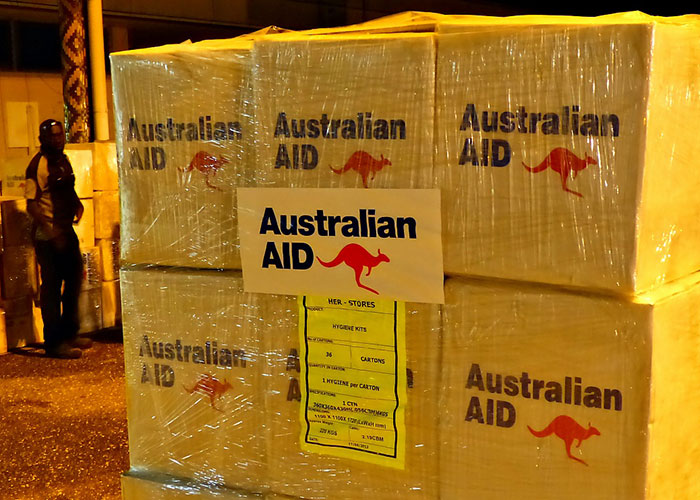
The objective of the audit was to assess the effectiveness of the Department of Foreign Affairs and Trade’s management of Australian aid to Vanuatu.
Entity
Department of Foreign Affairs and Trade
Contact
Please direct enquiries relating to reports through our contact page.
Performance audit (Auditor-General Report No. 27 of 2022–23)

Published: Tuesday 30 May 2023
Published
The objective of this audit was to examine the effectiveness of the National Indigenous Australians Agency’s management of provider fraud and non-compliance risks.
Entity
National Indigenous Australians Agency
Contact
Please direct enquiries through our contact page.
Performance audit (Auditor-General Report No. 15 of 2022–23)

Published: Wednesday 8 March 2023
Published
The objective of the audit was to assess the effectiveness of the Department of Social Services’ 2020 to 2022 procurement of counselling and support services provided through 1800RESPECT.
Entity
Department of Social Services
Contact
Please direct enquiries through our contact page.
Performance audit (Auditor-General Report No. 30 of 2016–17)

Published: Monday 19 December 2016
Published
The audit objective was to assess the effectiveness of the design and implementation of round two of the National Stronger Regions Fund.
Entity
Department of Infrastructure and Regional Development
Contact
Please direct enquiries relating to reports through our contact page.
Performance audit (Auditor-General Report No. 55 of 2016–17)

Published: Tuesday 20 June 2017
Published
The objective of the audit was to assess the effectiveness of the governance of the Northern Land Council in fulfilling its responsibilities and obligations under the Aboriginal Land Rights (Northern Territory) Act 1976, Native Title Act 1993 and Public Governance, Performance and Accountability Act 2013.
Entity
Department of the Prime Minister and Cabinet; Northern Land Council
Contact
Please direct enquiries relating to reports through our contact page.
Performance audit (Auditor-General Report No. 39 of 2014–15)
Published: Wednesday 3 June 2015
Published
The objective of the audit was to assess the effectiveness of the Australian Taxation Office's activities to promote employer compliance with Superannuation Guarantee obligations.
Entity
Australian Taxation Office
Contact
Please direct enquiries relating to reports through our contact page.
Performance audit (Auditor-General Report No. 23 of 2019–20)

Published: Wednesday 15 January 2020
Published
The objective of the audit was to assess whether the award of funding under the Community Sport Infrastructure Grant Program was informed by an appropriate assessment process and sound advice.
Entity
Australian Sports Commission
Contact
Please direct enquiries through our contact page.
Performance audit (Auditor-General Report No. 27 of 2018–19)

Published: Wednesday 20 February 2019
Published
The objective of the audit was to assess the effectiveness of arrangements for monitoring, evaluating and reporting progress towards Closing the Gap in Aboriginal and Torres Strait Islander disadvantage.
Entity
Department of the Prime Minister and Cabinet; Productivity Commission
Contact
Please direct enquiries through our contact page.
Performance audit (Auditor-General Report No. 2 of 2014–15)

Published: Thursday 25 September 2014
Published
The objective of the audit is to assess the effectiveness of the Department of the Prime Minister and Cabinet’s implementation of food security initiatives for remote Indigenous communities.
Entity
Department of the Prime Minister and Cabinet
Contact
Please direct enquiries relating to reports through our contact page.
Performance audit (Auditor-General Report No. 1 of 2022–23)

Published: Thursday 28 July 2022
Published
The objective of the audit was to assess whether the award of funding under the Building Better Regions Fund was effective as well as being consistent with the Commonwealth Grant Rules and Guidelines.
Entity
Department of Industry, Science and Resources; Department of Infrastructure, Transport, Regional Development, Communications and the Arts
Contact
Please direct enquiries through our contact page.
Performance audit (Auditor-General Report No. 21 of 2020–21)

Published: Monday 7 December 2020
Published
The objective of the audit was to examine the Department of Defence’s (Defence's) implementation of agreed recommendations made in Auditor-General Report No. 38 of 2017–18 Mitigating Insider Threats through Personnel Security and the related report provided to ministers under section 37(5) of the Auditor-General Act 1997, and by the Parliament’s Joint Committee of Public Accounts and Audit (JCPAA) in Report 479 of 2019 Australian Government Security Arrangements.
Entity
Department of Defence
Contact
Please direct enquiries through our contact page.
Performance audit (Auditor-General Report No. 15 of 2014–15)

Published: Wednesday 17 December 2014
Published
The objective of the audit was to assess the effectiveness of the Australian Trade Commission’s administration of the Export Market Development Grants scheme, in providing incentives to small and medium Australian enterprises for the development of export markets.
Entity
Australian Trade Commission (Austrade)
Contact
Please direct enquiries relating to reports through our contact page.
Performance audit (Auditor-General Report No. 21 of 2019–20)

Published: Wednesday 18 December 2019
Published
The audit assessed the effectiveness of the rural research and development corporations’ management of probity.
Entity
Across Entities
Contact
Please direct enquiries through our contact page.
Performance audit (Auditor-General Report No. 28 of 2016–17)

Published: Monday 28 November 2016
Published
The audit objective was to assess whether the Department of Industry, Innovation and Science has effectively and efficiently administered the collection of North West Shelf royalty revenues.
Entity
Department of Industry, Innovation and Science
Contact
Please direct enquiries relating to reports through our contact page.
Performance audit (Auditor-General Report No. 17 of 2018–19)

Published: Monday 17 December 2018
Published
The objective of the audit was to continue to examine the progress of the implementation of the annual performance statements requirements under the Public Governance, Performance and Accountability Act 2013 (PGPA Act) and the Public Governance, Performance and Accountability Rule 2014 (PGPA Rule) by selected entities.
Entity
Across Entities
Contact
Please direct enquiries through our contact page.
Performance audit (Auditor-General Report No. 42 of 2024–25)

Published: Monday 16 June 2025
Published
The objective of the audit was to assess the effectiveness of the management and oversight of compliance activities within the Child Care Subsidy program.
Entity
Department of Education; Services Australia
Contact
Please direct enquiries through our contact page.
Performance audit (Auditor-General Report No. 44 of 2018–19)

Published: Thursday 6 June 2019
Published
The objective of this audit was to assess the effectiveness of the Export Finance and Insurance Corporation (Efic).
Entity
Export Finance and Insurance Corporation
Contact
Please direct enquiries through our contact page.
Performance audit (Auditor-General Report No. 11 of 2016–17)

Published: Thursday 1 September 2016
Published
The objective of the audit was to examine Defence’s progress since 2007 in introducing into service a fully capable Tiger fleet and cost-effective sustainment arrangements.
Entity
Department of Defence
Contact
Please direct enquiries relating to reports through our contact page.
Performance audit (Auditor-General Report No. 51 of 2014–15)

Published: Thursday 25 June 2015
Published
The objective of the audit was to assess the effectiveness of the Australian Taxation Office’s administration of capital gains tax for individual and small business taxpayers.
Entity
Australian Taxation Office
Contact
Please direct enquiries relating to reports through our contact page.
Performance audit (Auditor-General Report No. 17 of 2021–22)

Published: Thursday 17 February 2022
Published
The objective of this audit was to assess the effectiveness of the Department of Finance and selected entities’ implementation of the Australian Government’s campaign advertising framework.
Entity
Across Entities
Contact
Please direct enquiries through our contact page.
Performance audit (Auditor-General Report No. 8 of 2023–24)

Published: Monday 11 December 2023
Published
The objective of the audit was to assess whether the design and early implementation of the Australian Government’s response to Recommendation 86 of the Royal Commission into Aged Care Quality and Safety has been effective.
Entity
Department of Health and Aged Care; Aged Care Quality and Safety Commission
Contact
Please direct enquiries through our contact page.
Performance audit (Auditor-General Report No. 41 of 2017–18)

Published: Monday 21 May 2018
Published
The objective of this audit was to assess the effectiveness of the Efficiency through Contestability Programme in supporting entities to improve the efficient delivery of government functions.
Entity
Across Entities
Contact
Please direct enquiries through our contact page.
Information report (Auditor-General Report No. 27 of 2019–20)

Published: Wednesday 11 March 2020
Published
This information report seeks to provide greater transparency on procurement activity in the Australian public sector. This information report is neither an audit nor an assurance review and presents no conclusions or opinions. The report is presented in a variety of ways, including tables and figures, publicly available data from public sector procurement activity recorded in AusTender.
Entity
Across Entities
Contact
Please direct enquiries through our contact page.
Performance audit (Auditor-General Report No. 7 of 2025–26)

Published: Thursday 20 November 2025
Published
The objective of the audit was to assess whether the Department of Industry, Science and Resources has effective arrangements to comply with domestic and international travel requirements.
Entity
Department of Industry, Science and Resources
Contact
Please direct enquiries through our contact page.
Speeches and papers
Published: Monday 8 July 2024
Published
The ANAO was invited to prepare a paper for an international conference on the role of supreme audit Institutions in combatting corruption for the advancement of transparency, public integrity, and good governance. The international conference formed part of the celebrations for the 30th anniversary of the establishment of the State Audit Office of Viet Nam and was held from 8-12 July 2024,
Contact
Please direct enquiries through our contact page.
Performance audit (Auditor-General Report No. 31 of 2021–22)

Published: Wednesday 8 June 2022
Published
The objective of the audit was to assess the effectiveness of the Department of Education, Skills and Employment in managing the integrity of payments to employment service providers.
Entity
Department of Education, Skills and Employment
Contact
Please direct enquiries through our contact page.