Browse our range of reports and publications including performance and financial statement audit reports, assurance review reports, information reports and annual reports.
Performance audit (Auditor-General Report No. 6 of 2022–23)

Published: Tuesday 18 October 2022
Published
The objective of the audit was to assess the effectiveness of the implementation of the revised export control legislative framework by the Department of Agriculture, Fisheries and Forestry.
Entity
Department of Agriculture, Fisheries and Forestry
Contact
Please direct enquiries through our contact page.
Performance audit (Auditor-General Report No. 15 of 2025–26)

Published: Monday 15 December 2025
Published
The audit objective was to examine whether the Office of Parliamentary Counsel’s procurement and contract management of the new Federal Register of Legislation project complied with the Commonwealth Procurement Rules and demonstrated the achievement of value for money.
Entity
Office of Parliamentary Counsel
Contact
Please direct enquiries through our contact page.
Request for audit

Responded: Tuesday 1 December 2015
Response provided
The Auditor-General responded on 1 December 2015 to correspondence from Senator Nick Xenophon of 29 October and 5 November 2015, on the advertising campaign promoting Free Trade Agreements in Asia.
Contact
Please direct enquiries relating to requests for audit through our contact page.
Performance audit (Auditor-General Report No. 26 of 2020–21)

Published: Thursday 17 December 2020
Published
The audit’s objective was to assess the effectiveness of the selection, contracting and ongoing management of investments by the Clean Energy Finance Corporation (CEFC) and the extent to which the CEFC is meeting its legislated objective.
Entity
Clean Energy Finance Corporation
Contact
Please direct enquiries through our contact page.
Corporate

Published: Wednesday 1 July 2020
Published
The corporate plan is the ANAO’s primary planning document. Our strategic planning process allows us to continually improve practices and capabilities to demonstrate value in the delivery of services to the Parliament. The corporate plan is complemented by the annual audit work program, which reflects the ANAO’s audit strategy for the coming year.
Contact
Please direct enquiries about our corporate plan through our contact page.
Corporate
Published: Monday 1 July 2019
Published
The corporate plan is the ANAO’s primary planning document. Our strategic planning process allows us to continually improve practices and capabilities to demonstrate value in the delivery of services to the Parliament. The corporate plan is complemented by the annual audit work program, which reflects the ANAO’s audit strategy for the coming year.
Contact
Please direct enquiries about our corporate plan through our contact page.
Speeches and papers

Published: Tuesday 15 March 2016
Published
Grant Hehir, Auditor-General for Australia, delivered a presentation titled A reflection of how far performance auditing has come from its roots in the 1970s to where we are today and where we are heading, at the IMPACT Conference in Brisbane on 15 March 2016.
IMPACT brings together Auditors-General, leaders, practitioners, industry experts and academics from across the globe to discuss the future of performance auditing in the public sector, share experiences and question current practices.
Corporate

Published: Tuesday 6 July 2021
Published
The corporate plan is the ANAO’s primary planning document. Our strategic planning process allows us to continually improve practices and capabilities to demonstrate value in the delivery of services to the Parliament. The corporate plan is complemented by the annual audit work program, which reflects the ANAO’s audit strategy for the coming year.
Contact
Please direct enquiries through our contact page.
Performance audit (Auditor-General Report No. 13 of 2017–18)

Published: Thursday 19 October 2017
Published
The objective of this audit was to assess the effectiveness of controls being implemented and/or developed by the National Disability Insurance Agency (NDIA) to ensure National Disability Insurance Scheme (NDIS) access decisions are consistent with legislative and other requirements.
Entity
National Disability Insurance Agency; Department of Human Services
Contact
Please direct enquiries relating to reports through our contact page.
Performance audit (Auditor-General Report No. 43 of 2020–21)

Published: Tuesday 8 June 2021
Published
The objective of the audit was to assess the effectiveness of the Australian Federal Police’s framework to ensure the lawful exercise of powers in accordance with applicable legislation.
Entity
Australian Federal Police
Contact
Please direct enquiries through our contact page.
Performance audit (Auditor-General Report No. 14 of 2025–26)

Published: Thursday 11 December 2025
Published
The objective of the audit was to assess whether Civil Aviation Safety Authority has effective arrangements to comply with domestic and international travel legislative and entity requirements.
Entity
Civil Aviation Safety Authority
Contact
Please direct enquiries through our contact page.
Performance audit (Auditor-General Report No. 11 of 2010–11)
Published: Thursday 30 September 2010
Published
The objective of the audit was to assess how well agencies had implemented the CPGs and relevant FMA legislation when undertaking Direct Source procurement.
The audit examined whether selected agencies had developed a sound procurement framework; appropriately classified procurement methods when meeting external reporting requirements; implemented the CPGs and relevant legislation when Direct Sourcing; and established effective procurement monitoring and review arrangements.
The ANAO selected four FMA Act agencies to provide a cross-section of the 104 agencies that reported procurement activity in AusTender in
2008–09. The agencies selected for audit were:
- the Department of Families, Housing, Community Services and Indigenous Affairs (FaHCSIA);
- the Department of Innovation, Industry, Science and Research (Innovation);
- the Department of Veterans' Affairs (DVA); and
- the Australian Crime Commission (ACC).
The ANAO examined a stratified random sample of 645 procurements valued at $10 000 and over, across the four agencies. More detailed testing was undertaken for the 285 Direct Source procurements in the sample.
Entity
Across Agencies
Audit Matters
Published: Friday 19 December 2025
Published
Welcome to the last edition of Audit Matters for 2025. I’ve provided some insights in this edition which may help you to focus on a few areas of audit interest in the new year.
Audit work, as you know, is ongoing. We’ll start tabling reports again in mid-late January 2026. Next year you’ll also see some shorter performance audit reports, as part of a trial we’re undertaking to bring reports to the Parliament more quickly. Thanks to those agencies who have worked with us as we trial this new approach. We’re also doing some important work on how we approach performance statements audits in the 21 entities subject to this process. Watch out for our summary report on performance statements early in 2026 — you can subscribe to be notified of release on our website.
I wish you and your teams a restful break over the holiday season after a big year in the public sector. I look forward to seeing you in 2026.
Rona Mellor PSM, Deputy Auditor-General
Contact
Please direct enquiries through our contact page or subscribe to receive the email version of Audit Matters in the future.
Performance audit (Auditor-General Report No. 18 of 2025–26)

Published: Wednesday 21 January 2026
Published
The objective of the audit was to assess whether Australian Criminal Intelligence Commission has effective arrangements to comply with domestic and international travel legislative and entity requirements.
Entity
Australian Criminal Intelligence Commission
Contact
Please direct enquiries through our contact page.
Performance audit (Auditor-General Report No. 33 of 2023–24)

Published: Thursday 30 May 2024
Published
The objective of this audit was to assess whether the National Disability Insurance Agency (NDIA) is effectively managing the use of corporate credit cards for official purposes in accordance with legislative and entity requirements.
Entity
National Disability Insurance Agency
Contact
Please direct enquiries through our contact page.
Audit Matters
Published: Monday 2 September 2024
Published
Welcome to the inaugural edition of the ANAO’s quarterly Audit Matters newsletter. The purpose of Audit Matters is to inform external audiences — primarily those working in Commonwealth entities — of updates on the ANAO’s work and provide insights on what we are seeing in the Australian Government sector.
Audit Matters complements the range of reports we table in the Parliament as well as our Insights products and events and seminars. I hope you find it useful and please forward it on to your colleagues, and encourage them to sign-up for future editions.
Carla Jago, Acting Deputy Auditor-General
Contact
Please direct enquiries through our contact page or subscribe to receive the email version of Audit Matters in the future.
Audit Matters
Published: Wednesday 6 August 2025
Published
Welcome to the fourth edition of the ANAO’s Audit Matters newsletter. The purpose of Audit Matters is to provide updates on the ANAO’s work and provide insights on what we are seeing in the Australian Government sector.
Audit Matters complements the range of reports we table in the Parliament as well as our insights products and events and seminars. I hope you find it useful and please forward it on to your colleagues, and encourage them to sign-up for future editions.
Rona Mellor PSM, Deputy Auditor-General
Contact
Please direct enquiries through our contact page or subscribe to receive the email version of Audit Matters in the future.
Audit Matters
Published: Friday 13 December 2024
Published
Welcome to the second edition of the ANAO’s quarterly Audit Matters newsletter. The purpose of Audit Matters is to provide updates on the ANAO’s work and provide insights on what we are seeing in the Australian Government sector.
Audit Matters complements the range of reports we table in the Parliament as well as our insights products and events and seminars. I hope you find it useful and please forward it on to your colleagues, and encourage them to sign-up for future editions.
It’s no secret that a federal election is due to happen. No doubt your minds will turn to your entities’ preparedness for this event now or in the near future. At the time the election is called, I’ll write out to entities to help people understand how the ANAO operates during an election period.
Rona Mellor PSM, Deputy Auditor-General
Contact
Please direct enquiries through our contact page or subscribe to receive the email version of Audit Matters in the future.
Audit Matters
Published: Friday 4 April 2025
Published
Welcome to the third edition of the ANAO’s Audit Matters newsletter. The purpose of Audit Matters is to provide updates on the ANAO’s work and provide insights on what we are seeing in the Australian Government sector.
Audit Matters complements the range of reports we table in the Parliament as well as our insights products and events and seminars. I hope you find it useful and please forward it on to your colleagues, and encourage them to sign-up for future editions.
Rona Mellor PSM, Deputy Auditor-General
Contact
Please direct enquiries through our contact page or subscribe to receive the email version of Audit Matters in the future.
Annual report
Published: Thursday 26 August 2021
Published
This annual report documents the performance of the Australian National Audit Office (ANAO) in the financial year ended 30 June 2021. The report addresses all applicable obligations under the Public Governance, Performance and Accountability Act 2013; the Public Governance, Performance and Accountability Rule 2014; the Auditor-General Act 1997; the performance measures set out in the outcome and programs framework in the ANAO’s Portfolio Budget Statements 2020–21 and the ANAO Corporate Plan 2020–21; and annual reporting requirements set out in other relevant legislation.
Contact
Please direct enquiries relating to annual reports through our contact page.
Performance audit (Auditor-General Report No. 41 of 2023–24)

Published: Tuesday 18 June 2024
Published
The objective of this audit was to assess whether the Productivity Commission is effectively managing the use of corporate credit cards for official purposes in accordance with legislative and entity requirements.
Entity
Productivity Commission
Contact
Please direct enquiries through our contact page.
Performance audit (Auditor-General Report No. 33 of 2015–16)

Published: Thursday 5 May 2016
Published
The audit objective was to assess whether Defence is effectively controlling the use of Commonwealth credit cards for official purposes in accordance with legislative and policy requirements.
Entity
Department of Defence
Contact
Please direct enquiries relating to reports through our contact page.
Annual report
Published: Thursday 29 August 2024
Published
This annual report documents the performance of the Australian National Audit Office (ANAO) in the financial year ended 30 June 2024. The report addresses all applicable obligations under the Public Governance, Performance and Accountability Act 2013; the Public Governance, Performance and Accountability Rule 2014; the Auditor-General Act 1997; the performance measures set out in the outcome and programs framework in the ANAO’s Portfolio Budget Statements 2023–24 and in the ANAO Corporate Plan 2023–24; and annual reporting requirements set out in other relevant legislation.
Contact
Please direct enquiries through our contact page.
Annual report
Published: Tuesday 23 September 2025
Published
This annual report documents the performance of the Australian National Audit Office (ANAO) in the financial year ended 30 June 2025. The report addresses all applicable obligations under the Public Governance, Performance and Accountability Act 2013; the Public Governance, Performance and Accountability Rule 2014; the Auditor-General Act 1997; the performance measures set out in the outcome and programs framework in the ANAO’s Portfolio Budget Statements 2024–25 and in the ANAO Corporate Plan 2024–25; and annual reporting requirements set out in other relevant legislation.
Contact
Please direct enquiries through our contact page.
Annual report
Published: Monday 28 September 2020
Published
This annual report documents the performance of the Australian National Audit Office (ANAO) in the financial year ended 30 June 2020. The report addresses all applicable obligations under the Public Governance, Performance and Accountability Act 2013; the Public Governance, Performance and Accountability Rule 2014; the Auditor-General Act 1997; the performance measures set out in the outcome and programs framework in the ANAO's Portfolio Budget Statements 2019–20 and the ANAO Corporate Plan 2019–20; and annual reporting requirements set out in other relevant legislation.
Contact
Please direct enquiries relating to annual reports through our contact page.
Performance audit (Auditor-General Report No. 15 of 2011–12)
Published: Wednesday 30 November 2011
Published
The objective of the audit was to assess Customs and Border Protection’s use of risk management to assist in the processing of sea and air cargo imports.
Entity
Australian Customs and Border Protection Service
Annual report
Published: Wednesday 14 September 2016
Published
This annual report documents the performance of the Australian National Audit Office (ANAO) in the financial year ending 30 June 2016. It addresses all applicable obligations under the Public Governance, Performance and Accountability Act 2013 and the Auditor-General Act 1997, the performance measures set out in the outcome and programs framework in the ANAO’s 2015–16 Portfolio Budget Statements and the ANAO’s 2015–19 Corporate Plan and annual reporting requirements set out in other legislation.
Contact
Please direct enquiries relating to annual reports through our contact page.
Performance audit (Auditor-General Report No. 8 of 2000–01)
Published: Thursday 7 September 2000
Published
The audit reviewed the Amphibious Transport Ship Project, involving the acquisition and modification of two second-hand US Navy ships . The objective of the audit was to assess the efficiency and effectiveness of Defence's management of the project, focusing on the capability development process, costs and schedule issues, contract issues, the management of project risks and project review processes.
Entity
Department of Defence
Annual report
Published: Wednesday 14 August 2019
Published
This annual report documents the performance of the Australian National Audit Office (ANAO) in the financial year ended on 30 June 2019. The report addresses all applicable obligations under the Public Governance, Performance and Accountability Act 2013; the Public Governance, Performance and Accountability Rule 2014; the Auditor-General Act 1997; the performance measures set out in the outcome and programs framework in the ANAO’s Portfolio Budget Statements 2018–19 and the ANAO Corporate Plan 2018–19, and annual reporting requirements set out in other relevant legislation.
Contact
Please direct enquiries relating to annual reports through our contact page.
Annual report
Published: Tuesday 14 August 2018
Published
This annual report documents the performance of the Australian National Audit Office (ANAO) in the financial year ending on 30 June 2018. The report addresses all applicable obligations under the Public Governance, Performance and Accountability Act 2013 (PGPA Act); the Public Governance, Performance and Accountability Rule 2014 (PGPA Rule); the Auditor-General Act 1997; the performance measures set out in the outcome and programs framework in the ANAO’s 2017–18 Portfolio Budget Statements (PBS) and the ANAO 2017–18 Corporate Plan and annual reporting requirements set out in other relevant legislation.
Contact
Please direct enquiries relating to annual reports through our contact page.
Annual report
Published: Thursday 25 August 2022
Published
This annual report documents the performance of the Australian National Audit Office (ANAO) in the financial year ended 30 June 2022. The report addresses all applicable obligations under the Public Governance, Performance and Accountability Act 2013; the Public Governance, Performance and Accountability Rule 2014; the Auditor-General Act 1997; the performance measures set out in the outcome and programs framework in the ANAO’s Portfolio Budget Statements 2021–22 and the ANAO Corporate Plan 2021–22; and annual reporting requirements set out in other relevant legislation.
Contact
Please direct enquiries through our contact page.
Annual report
Published: Thursday 24 August 2023
Published
This annual report documents the performance of the Australian National Audit Office (ANAO) in the financial year ended 30 June 2023. The report addresses all applicable obligations under the Public Governance, Performance and Accountability Act 2013; the Public Governance, Performance and Accountability Rule 2014; the Auditor-General Act 1997; the performance measures set out in the outcome and programs framework in the ANAO’s Portfolio Budget Statements 2022–23 and in the ANAO Corporate Plan 2022–23; and annual reporting requirements set out in other relevant legislation.
Contact
Please direct enquiries through our contact page.
Performance audit (Auditor-General Report No. 15 of 2019–20)

Published: Thursday 28 November 2019
Published
The objective of this audit was to assess the effectiveness of NBN Co’s service continuity operations relating to the migration of telecommunication services to the National Broadband Network (NBN).
Entity
NBN Co Limited
Contact
Please direct enquiries through our contact page.
Performance audit (Auditor-General Report No. 14 of 2012–13)
Published: Tuesday 18 December 2012
Published
The audit objective was to assess the effectiveness of FWO’s administration of education and compliance services in relation to the Fair Work Act 2009.
Entity
Office of the Fair Work Ombudsman
Performance audit (Auditor-General Report No. 27 of 2015–16)

Published: Tuesday 26 April 2016
Published
The audit objective was to assess the effectiveness of the Australian Taxation Office's (ATO) strategies and activities to address the cash and hidden economy.
Entity
Australian Taxation Office
Contact
Please direct enquiries relating to reports through our contact page.
Performance audit (Auditor-General Report No. 37 of 2011–12)
Published: Thursday 31 May 2012
Published
The objective of the audit was to examine the effectiveness of CSP’s feedback management system. CSP’s performance was assessed against the following criteria:
- CSP has appropriate channels to collect customer feedback;
- CSP effectively manages and resolves complaints; and
- CSP accurately reports on customer feedback, and analyses the information to improve aspects of child support administration.
Entity
Department of Human Services
Performance audit (Auditor-General Report No. 3 of 2013–14)
Published: Thursday 15 August 2013
Published
The objective of the audit was to assess the adequacy of Defence’s processes, including compliance with the Financial Management and Accountability Act 1997 (FMA Act), the Financial Management and Accountability Regulations 1997 (FMA Regulations), and relevant Commonwealth and Defence procurement requirements, to select the capability solution recommended to the Government to satisfy the requirements of AIR 8000 Phase 2.
Entity
Department of Defence
Contact
Please direct enquiries relating to reports through our contact page.
Performance audit (Auditor-General Report No. 8 of 2009–10)
Published: Thursday 29 October 2009
Published
The objective of this audit was to provide a strategic review on the progress of the Tax Office's implementation of the Change Program.
To achieve this, the ANAO examined:
- the planning for, and governance of, the Change Program, particularly in relation to the management of risk and the assurance framework established by the Tax Office, and its management of contractual arrangements for the project;
- implementation issues associated with Releases 1 and 2 of the Change Program, and more specifically in relation to Release 3, the first use of the new ICP system to process FBT returns; and
- the funding of the Change Program, including measurement and attribution of the costs of the project and consideration of any benefits realisation to date.
Entity
Australian Taxation Office
Performance audit (Auditor-General Report No. 28 of 2012–13)
Published: Tuesday 23 April 2013
Published
The Australian National Audit Office has undertaken a pilot project to assess the status of the Australian Government performance measurement and reporting framework as a basis for implementation of a future program of audits of entities’ key performance indicators, and to develop a suitable audit methodology. This report presents a summary of the work completed to date.
Entity
Across Agencies
Performance audit (Auditor-General Report No. 1 of 2012–13)
Published: Tuesday 21 August 2012
Published
The objective of the audit was to assess the effectiveness of the Department of Resources, Energy and Tourism’s administration of the Renewable Energy Demonstration Program (REDP), including progress towards achieving the programʹs objectives.
The audit examined whether the department had established effective arrangements to:
- implement REDP, including governance arrangements;
- assess applications for REDP funding assistance and recommend projects to the Minister for funding approval;
- negotiate funding agreements for approved projects; and
- monitor progress towards the achievement of the REDP objective.
Entity
Department of Resources, Energy & Tourism
Performance audit (Auditor-General Report No. 19 of 2014–15)

Published: Thursday 5 February 2015
Published
The audit objective was to assess the effectiveness of the Department of Defence's management of the disposal of specialist military equipment.
Entity
Department of Defence
Contact
Please direct enquiries relating to reports through our contact page.
Corporate
Updated: Wednesday 2 May 2018
Updated
The ANAO may collect personal information in the course of undertaking its audit program and for operational purposes not related to its audit work. This policy outlines our personal information handling practices, how we handle specific types of personal information and the information collected online by the ANAO.
Contact
Please direct enquiries about our Privacy Policy through our contact page.
Performance audit (Auditor-General Report No. 6 of 2012–13)
Published: Thursday 27 September 2012
Published
The audit objective was to assess the progress of the AIR 6000—New Air Combat Capability project in delivering the required combat aircraft within approved cost, schedule and performance parameters.
Entity
Department of Defence, Defence Materiel Organisation
Performance audit (Auditor-General Report No. 48 of 2003–04)
Published: Thursday 27 May 2004
Published
The objective of the performance audit was to report to Parliament our assessment as to how well the ATO manages and uses the AIIR data in taxation administration. The ANAO considered the following four key areas in addressing the audit objective. 1. Governance arrangements within the ATO, focussing on whole of ATO and whole-of-government aspects of the AIIR data, as distinct from solely business line applications. 2. Receipt of AIIR data and how well the ATO facilitates the collection of complete and valid AIIR data from investment bodies 3. Management of AIIR data through the construction by the ATO of valid entity records by using the AIIR data in conjunction with existing ATO client identification master files. 4: Use of the AIIR data on a systematic basis to inform active compliance activities.
Entity
Australian Taxation Office
Performance audit (Auditor-General Report No. 43 of 2022–23)

Published: Wednesday 28 June 2023
Published
The objective of the audit was to assess the effectiveness of the NDIA’s management of assistance with daily life supports.
Entity
National Disability Insurance Agency
Contact
Please direct enquiries through our contact page.
Performance audit (Auditor-General Report No. 2 of 2025–26)

Published: Wednesday 3 September 2025
Published
The objective of the audit was to assess the effectiveness of the NDIS Commission in exercising its regulatory functions.
Entity
NDIS Quality and Safeguards Commission
Contact
Please direct enquiries through our contact page.
Performance audit (Auditor-General Report No. 42 of 2019–20)

Published: Friday 19 June 2020
Published
The objective of this audit was to assess the effectiveness of the Department of Foreign Affairs and Trade's fraud control arrangements.
Entity
Department of Foreign Affairs and Trade
Contact
Please direct enquiries through our contact page.
Performance audit (Auditor-General Report No. 16 of 2024–25)

Published: Wednesday 11 December 2024
Published
The objective of this audit was to assess the effectiveness of the design process for the Energy Price Relief Plan.
Entity
Department of the Treasury; Department of Climate Change, Energy, the Environment and Water
Contact
Please direct enquiries through our contact page.
Performance audit (Auditor-General Report No. 50 of 2018–19)
Published: Tuesday 25 June 2019
Published
The objective of this audit was to examine the effectiveness of the National Disability Insurance Agency’s (NDIA) fraud control program and its compliance with the Commonwealth Fraud Control Framework.
Entity
National Disability Insurance Agency
Contact
Please direct enquiries through our contact page.
Performance audit (Auditor-General Report No. 20 of 2006–07)
Published: Tuesday 30 January 2007
Published
The fleet oiler HMAS WESTRALIA was a key element of the Royal Australian Navy (hereafter referred to as ‘Navy') Maritime Operations Support Capability (MOSC) from 1989 until September 2006. WESTRALIA provided logistic support to naval operations and exercises and contributed to Defence international engagement through these activities. The new vessel to replace WESTRALIA is called HMAS SIRIUS and was commissioned by Defence in mid September 2006, which was concurrent with the formal decommissioning of WESTRALIA. This approach was adopted by Defence to ensure that Navy maintained a continuous afloat support capability.
Entity
Defence Materiel Organisation
Performance audit (Auditor-General Report No. 22 of 2008–09)
Published: Tuesday 17 February 2009
Published
The objective of the audit was to review the effectiveness and efficiency of Centrelink's customer feedback system and the progress Centrelink had made in implementing the recommendations of the 2004–05 audit and the subsequent JCPAA inquiry.
Entity
Centrelink
Performance audit (Auditor-General Report No. 10 of 2020–21)

Published: Thursday 24 September 2020
Published
The audit objective was to assess whether Services Australia appropriately managed risks to operating the current welfare payment system and appropriately prepared to transition to the future system.
Entity
Services Australia
Contact
Please direct enquiries through our contact page.
Performance audit (Auditor-General Report No. 45 of 2022–23)

Published: Thursday 29 June 2023
Published
The objective of this audit was to examine the effectiveness of the Department of Defence’s development and implementation of Australia’s approach to providing military assistance to the Government of Ukraine.
Entity
Department of Defence
Contact
Please direct enquiries through our contact page.
Performance audit (Auditor-General Report No. 48 of 2024–25)

Published: Wednesday 25 June 2025
Published
The objective of the audit was to assess the effectiveness of the NDIA’s management of claimant compliance with NDIS claim requirements.
Entity
National Disability Insurance Agency
Contact
Please direct enquiries through our contact page.
Performance audit (Auditor-General Report No. 3 of 2011–12)
Published: Tuesday 30 August 2011
Published
The objective of this audit is to examine the effectiveness of the TGA’s administration of complementary medicines regulation in Australia. The primary focus is on listed complementary medicines, which comprise about 98 per cent of these medicines.
Entity
Department of Health and Ageing
Request for audit
Responded: Wednesday 19 August 2020
Response provided
The Auditor-General responded on Thursday 27 February 2020 to correspondence from Mr Andrew Giles MP dated 4 February 2020, requesting that the Auditor-General undertake a performance audit of the Urban Congestion Fund. The fund is administered by the Department of Infrastructure, Transport, Regional Development and Communications. The Auditor-General provided follow-up responses to Mr Giles MP on 24 July 2020 and 19 August 2020.
Contact
Please direct enquiries relating to requests for audit through our contact page.
Performance audit (Auditor-General Report No. 44 of 2018–19)

Published: Thursday 6 June 2019
Published
The objective of this audit was to assess the effectiveness of the Export Finance and Insurance Corporation (Efic).
Entity
Export Finance and Insurance Corporation
Contact
Please direct enquiries through our contact page.
About
Updated: Tuesday 26 November 2024
Updated
The Australian National Audit Office (ANAO) must comply with the Commonwealth Procurement Rules (CPRs) when procuring goods and services. The CPRs govern how ANAO procures goods and services and are designed to ensure the ANAO and taxpayers obtain value for money.
Contact
Please direct enquiries through our contact page.
Performance audit (Auditor-General Report No. 41 of 2024–25)

Published: Tuesday 10 June 2025
Published
The objective of the audit was to assess the effectiveness of the governance of the Board of the National Disability Insurance Agency.
Entity
National Disability Insurance Agency
Contact
Please direct enquiries through our contact page.
Performance audit (Auditor-General Report No. 1 of 2025–26)

Published: Monday 11 August 2025
Published
The objective of the audit was to examine the effectiveness of the implementation of frameworks to support ethical behaviours within the Department of Employment and Workplace Relations.
Entity
Department of Employment and Workplace Relations
Contact
Please direct enquiries through our contact page.
Performance audit (Auditor-General Report No. 14 of 2020–21)

Published: Thursday 29 October 2020
Published
The objective of this audit was to assess whether the National Disability Insurance Agency has appropriate controls to ensure supports in participant plans are ‘reasonable and necessary’.
Entity
National Disability Insurance Agency
Contact
Please direct enquiries through our contact page.
Performance audit (Auditor-General Report No. 7 of 2013–14)
Published: Thursday 31 October 2013
Published
The objective of the audit was to assess the effectiveness of Australia’s arrangements to meet its treaty obligations under three selected treaties:
- International Convention on Civil Liability for Bunker Oil Pollution Damage 2001;
- Agreement between Australia and the International Atomic Energy Agency for the Application of Safeguards in connection with the Treaty on the Non-Proliferation of Nuclear Weapons of 1 July 1968 and Additional Protocol; and
- Convention on the Rights of the Child 1990.
Entity
Across Agencies
Contact
Please direct enquiries relating to reports through our contact page.
Performance audit (Auditor-General Report No. 22 of 2013–14)
Published: Thursday 6 March 2014
Published
The objective of the audit was to report on the progress of the current phase of the Air Warfare Destroyer (AWD) Program, which is known as SEA 4000 Phase 3–Build. This phase commenced in June 2007, and covers the finalisation of the detailed design, the signing of the Alliance and Platform System Design contracts, and the construction and delivery of the ships by the Industry Participants to the Defence Materiel Organisation (DMO).
Entity
Department of Defence; Defence Materiel Organisation
Contact
Please direct enquiries relating to reports through our contact page.
Performance audit (Auditor-General Report No. 18 of 2005–06)
Published: Wednesday 30 November 2005
Published
The objective of the audit was to assess the administrative effectiveness of the CCAS. The audit focused on the following key areas: targeting non-compliance; real time compliance activity; post transaction compliance activity; and planning and performance evaluation. As the imports phase of the Integrated Cargo System (ICS) was only introduced in October 2005, this system was not reviewed as part of the audit. Our audit programme for 2005–06 includes ICS as a potential audit topic.
Entity
Australian Customs Service
Performance audit (Auditor-General Report No. 4 of 2024–25)

Published: Monday 23 September 2024
Published
The objective of the audit was to assess the effectiveness of Australian Financial Security Authority’s (AFSA) management of conflicts of interest.
Entity
Australian Financial Security Authority
Contact
Please direct enquiries through our contact page.
Performance audit (Auditor-General Report No. 30 of 2024–25)

Published: Monday 14 April 2025
Published
The objective of the audit was to assess the effectiveness of the Office of the Fair Work Ombudsman’s exercise of its regulatory functions.
Entity
Office of the Fair Work Ombudsman
Contact
Please direct enquiries through our contact page.
Performance audit (Auditor-General Report No. 42 of 2012–13)
Published: Thursday 6 June 2013
Published
The objective of the audit was to assess the effectiveness of the Department of Human Services' (DHS) administration of the shopfront co-location of DHS services.
Entity
Department of Human Services
Contact
Please direct enquiries relating to reports through our contact page.
Performance audit (Auditor-General Report No. 27 of 2004–05)
Published: Tuesday 15 February 2005
Published
The overal objective of the Australian National Audit Office (ANAO) audit was to determine the efficiency and effectiveness of the conversion to digital broadcasting by the national broadcasters. This encompasses, among other things, addressing the request from the former Minister for Communications, Information Technology and the Arts (the Minister) for an audit of the actual cost of digital conversion, the sources of funds applied and the efficiency of funds utilisation. It also involved an examination of the broadcasters' management processes to deliver their Strategies and to 'minimise the call on the Budget'.
Entity
Australian Broadcasting Agency and Special Broadcasting Service Corporation
Performance audit (Auditor-General Report No. 45 of 2004–05)
Published: Friday 27 May 2005
Published
The audit focuses on DMO's equipment acquisition and support, at the system program management level. The objective of the audit was to assess the adequacy of Defence's capital equipment project definition, approval, acquisition and logistics support management. The SPOs subject to audit are:Aerospace Systems Division's Tactical Fighter Systems Program Office (TFSPO), which is responsible for acquisition and logistics support management of the Air Force's F/A-18 and Hawk 127 fleets and associated equipment. TFSPO is located at Williamtown, NSW; Land Systems Division's Track Manoeuvre Systems Program Office (TMSPO), which is responsible for the acquisition and logistics support management of Army's Leopard Tanks and M113 Armed Personnel Carrier fleets. TMSPO is located in Melbourne;Electronic and Weapon Systems Division's Over-the-Horizon Radar Systems Program Office (OTHRSPO), which is responsible for acquisition and logistics support management of the Jindalee Operational Radar Network (JORN) and Jindalee OTHR systems. OTHRSPO is located within the Defence Science and Technology Organisation (DSTO) precinct at Edinburgh, South Australia; and Maritime Systems Division's Fast Frigate Guided System Program Office (FFGSPO), which is responsible for the support and upgrade of the Navy's FFG fleet. FFGSPO is located at Garden Island, Sydney.In view of the significant role that DMO's SPOs play in managing major capital equipment acquisition projects, the audit includes a case study of the $1.448 billion Fast Frigate Guided (FFG) Upgrade Project. A high level of audit assurance is not able to be provided on the FFG Upgrade Project given deficiencies in the FFGSPO information management systems and deficiencies in the level of design and development disclosure provided to SPO personnel by the FFG Upgrade Prime Contractor. The ANAO was unable to access appropriate audit evidence on the financial expenditure associated with the FFG Upgrade Project, and the Project's approved Equipment Acquisition Strategy.
Entity
Department of Defence
Performance audit (Auditor-General Report No. 48 of 2009–10)
Published: Wednesday 23 June 2010
Published
The objective of the audit was to assess the effectiveness of the management of community intelligence by the Tax Office.
Entity
Australian Taxation Office
Events and seminars
Published: Monday 2 December 2024
Published
The speech delivered by the Acting Deputy Auditor-General and the presentations by ANAO speakers at the Financial and Performance Reporting Forum held on Friday 29 November 2024 are now available.
If you would like a copy of the video recording please contact External.Relations@anao.gov.au
Contact
If you have any questions about the Financial and Performance Reporting Forum please contact External.Relations@anao.gov.au.
Performance audit (Auditor-General Report No. 10 of 2025–26)

Published: Thursday 4 December 2025
Published
The objective was to assess the effectiveness of Australian Securities and Investments Commission’s regulation of registered company auditors.
Entity
Australian Securities and Investments Commission
Contact
Please direct enquiries through our contact page.
Performance audit (Auditor-General Report No. 39 of 2014–15)
Published: Wednesday 3 June 2015
Published
The objective of the audit was to assess the effectiveness of the Australian Taxation Office's activities to promote employer compliance with Superannuation Guarantee obligations.
Entity
Australian Taxation Office
Contact
Please direct enquiries relating to reports through our contact page.
Performance audit (Auditor-General Report No. 54 of 2011–12)
Published: Wednesday 27 June 2012
Published
The objective of the audit was to assess the effectiveness of the ATO’s administration of external debt collection arrangements.
Entity
Australian Taxation Office
Performance audit (Auditor-General Report No. 36 of 2011–12)
Published: Wednesday 30 May 2012
Published
The objective of the audit was to assess the implementation and effectiveness of the enhanced grants administration requirements relating to the development and approval of new grant guidelines and revision of existing grant guidelines.
Entity
Department of Finance and Deregulation
Performance audit (Auditor-General Report No. 38 of 2013–14)
Published: Thursday 12 June 2014
Published
The objective of the audit was to assess the establishment of the National Offshore Petroleum Safety and Environmental Management Authority and the effectiveness of its regulatory function.
Entity
National Offshore Petroleum Safety and Environmental Management Authority
Contact
Please direct enquiries relating to reports through our contact page.
Corporate
Published: Friday 4 May 2018
Published
This first e-newsletter of the Commonwealth Auditors General Group was produced by Sir Amyas Morse, UK Comptroller and Auditor General as guest editor, along with the editorial team of the Auditors General of Australia, Fiji, Jamaica and Tanzania. Cybersecurity is the theme for this newsletter, with articles from the Supreme Audit Institutions (SAIs) of Australia, Malta and the UK.
One of the main purposes of the e-newsletter is to share experiences and establish a dialogue based on the discussions that were started at the 23rd Conference of Commonwealth Auditors General in Delhi. For this edition the conversation is around ‘leveraging technology in public audit’, and it draws on international peers experiences and learnings from conducting cybersecurity audits.
Contact
If you have any thoughts on future technical content which you would like to propose, please contact international@nao.gsi.gov.uk
Performance audit (Auditor-General Report No. 28 of 2024–25)

Published: Wednesday 5 March 2025
Published
The audit objective was to assess the Australian Taxation Office’s effectiveness in managing complaints.
Entity
Australian Taxation Office
Contact
Please direct enquiries through our contact page.
Performance audit (Auditor-General Report No. 43 of 2023–24)

Published: Friday 21 June 2024
Published
The objective of this audit was to assess the effectiveness of the Australian Public Service Commission's (APSC) administration of statutory functions relating to upholding high standards of integrity and ethical conduct in the Australian Public Service (APS).
Entity
Australian Public Service Commission
Contact
Please direct enquiries through our contact page.
Performance audit (Auditor-General Report No. 57 of 2016–17)

Published: Thursday 22 June 2017
Published
The objective of the audit was to assess the effectiveness of the Department of Health's strategies for managing a communicable disease emergency.
Entity
Department of Health
Contact
Please direct enquiries relating to reports through our contact page.
Performance audit (Auditor-General Report No. 38 of 2023–24)

Published: Friday 14 June 2024
Published
The objective of this audit was to assess the effectiveness of the selected entities’ implementation of arrangements for managing cyber security incidents in accordance with the Protective Security Policy Framework (PSPF) and relevant ASD Cyber Security Guidelines.
Entity
Australian Transaction Reports and Analysis Centre; Services Australia
Contact
Please direct enquiries through our contact page.
Performance audit (Auditor-General Report No. 24 of 2016–17)

Published: Wednesday 9 November 2016
Published
The audit objective was to assess the effectiveness to date of the management of the approach to transition the disability services market to the National Disability Insurance Scheme (NDIS) market arrangements.
Entity
Department of Social Services; National Disability Insurance Agency
Contact
Please direct enquiries relating to reports through our contact page.
Performance audit (Auditor-General Report No. 32 of 2019–20)

Published: Thursday 16 April 2020
Published
The objective of this audit was to examine the Department of Foreign Affairs and Trade’s (DFAT’s) achievement of value for money objectives in the delivery of Official Development Assistance (aid) through facility arrangements.
Entity
Department of Foreign Affairs and Trade (DFAT)
Contact
Please direct enquiries through our contact page.
Performance audit (Auditor-General Report No. 12 of 2010–11)
Published: Friday 15 October 2010
Published
The objective of this audit was to assess key aspects of the establishment and administration of HIP by DEWHA as well as the transition of the program to DCCEE. All phases of the program were examined with particular emphasis for Phase 2 being given to:
- program design and implementation;
- registration and training of installers;
- payment of rebates; and
- the compliance strategy underpinning the program.
Entity
Department of Climate Change and Energy Efficiency; Department of the Environment, Water, Heritage and the Arts; Medicare Australia
Performance audit (Auditor-General Report No. 38 of 2010–11)
Published: Wednesday 20 April 2011
Published
The objective of the audit was to assess the effectiveness of annual Certificate of Compliance processes for FMA Act agencies. To form a conclusion against the audit objective, the audit considered: Finance’s administration of the Certificate process at a whole-of-government level; selected agencies’ annual Certificate processes; and, the design and impact of the Certificate.
Entity
Across Agencies
Performance audit (Auditor-General Report No. 25 of 2005–06)
Published: Tuesday 24 January 2006
Published
The audit objective was to examine the effectiveness and efficiency of ASIC's implementation of Australian financial services licences. In particular, the audit examined ASIC's planning for the introduction of financial services licences; the roles of the Department of the Treasury (Treasury) and ASIC in defining the effective scope of licensing; ASIC's assessment and processing of licence applications; and ASIC's supervision of licensees.
Entity
Australian Securities and Investment Commission
Performance audit (Auditor-General Report No. 3 of 2009–10)
Published: Tuesday 8 September 2009
Published
The focus of this audit was on those entitlements administered by Finance. Similar to the 2001-02 Audit Report, the audit scope did not include entitlements provided to persons employed under the Members of Parliament (Staff) Act 1984 (MOP(S) Act). It also did not examine the administration of entitlements provided through other agencies (such as Parliamentarians' salary and electorate allowance, which are paid by the Chamber Departments, and entitlements provided to Ministers by their home department).
Entity
Department of Finance and Deregulation
Performance audit (Auditor-General Report No. 19 of 2022–23)

Published: Thursday 6 April 2023
Published
The objective of this audit was to assess the effectiveness of procurement complaints handling by the Australian Communications and Media Authority, the Department of Finance, the Department of Industry, Science and Resources and the Reserve Bank of Australia.
Entity
Across Entities
Contact
Please direct enquiries through our contact page.
Performance audit (Auditor-General Report No. 36 of 2014–15)

Published: Wednesday 6 May 2015
Published
The audit objective was to assess the effectiveness of the Department of Human Services’ administration of the Assistance for Isolated Children Scheme.
Entity
Department of Human Services
Contact
Please direct enquiries relating to reports through our contact page.
Performance audit (Auditor-General Report No. 24 of 2023–24)

Published: Tuesday 30 April 2024
Published
The objective of this audit was to assess the effectiveness of the Clean Energy Regulator’s (CER) issuing, compliance and contracting activities related to Australian Carbon Credit Units.
Entity
Clean Energy Regulator
Contact
Please direct enquiries through our contact page.
Information report (Auditor-General Report No. 6 of 2024–25)

Published: Tuesday 22 October 2024
Published
The ANAO responded to the emerging sector-wide risks for public administration by developing a strategy for a program of audits examining the delivery of the Australian Government’s COVID-19 pandemic response (COVID-19 audit strategy). The purpose of this information report was to summarise and consolidate the learnings from the audits and reviews conducted by the ANAO under the COVID-19 audit strategy.
Entity
Across Entities
Contact
Please direct enquiries through our contact page.
Performance audit (Auditor-General Report No. 27 of 2024–25)

Published: Monday 3 March 2025
Published
The purpose of the audit was to assess the effectiveness of Sport Integrity Australia’s management of the National Anti-doping Scheme.
Entity
Sport Integrity Australia
Contact
Please direct enquiries through our contact page.
Information report (Auditor-General Report No. 4 of 2025–26)

Published: Wednesday 29 October 2025
Published
The Australian National Audit Office (ANAO) conducted 44 performance audits across the 2024–25 financial year to provide independent and objective assessments of all or part of an entity’s operations. This report presents themes and insights from the 2024–25 performance audit program, as well as analysis of the outcomes of performance audits between 2020–21 and 2024–25.
Entity
Across Entities
Contact
Please direct enquiries through our contact page.
Performance audit (Auditor-General Report No. 48 of 2010–11)
Published: Thursday 16 June 2011
Published
The audit objective was to assess the effectiveness of monitoring arrangements (by the Accreditation Agency) and compliance activities (by DoHA) put in place to achieve residential aged care homes’ compliance with the Accreditation Standards and their other, related, responsibilities under the Act and its associated instruments.
The ANAO’s assessment considered whether:
— a sector-wide compliance strategy was in place and aligned with effective monitoring and compliance activities at the operational level;
— there was a clear articulation of the separat but complementary roles and responsibilities of DoHA and the Accreditation Agency; and
— performance information gathered by both agencies to support public reporting and business improvements was useful and enabled comparison of performance over time.
Entity
Department of Health and Ageing; Aged Care Standards and Accreditation Agency Ltd
Performance audit (Auditor-General Report No. 43 of 2019–20)

Published: Monday 22 June 2020
Published
The objective of this audit was to assess the effectiveness of the Department of Home Affairs' fraud control arrangements.
Entity
Department of Home Affairs
Contact
Please direct enquiries through our contact page.
Performance audit (Auditor-General Report No. 9 of 2003–04)
Published: Wednesday 22 October 2003
Published
The audit assessed whether Centrelink has effective Business Continuity Management and/or associated risk management procedures and plans in place that: minimise the likelihood of a significant business outage; and in the event of such an outage, minimise disruption of critical services to customers. The audit also assessed whether Centrelink services satisfy special community demands in times of emergency.
Entity
Centrelink
Performance audit (Auditor-General Report No. 16 of 2016–17)

Published: Tuesday 13 September 2016
Published
The objective of the audit was to assess whether the Department of Immigration and Border Protection (DIBP) had appropriately managed the procurement of garrison support and welfare services at offshore processing centres in Nauru and Papua New Guinea (Manus Island); and whether the processes adopted met the requirements of the Commonwealth Procurement Rules (CPRs) including consideration and achievement of value for money.
Entity
Department of Immigration and Border Protection
Contact
Please direct enquiries relating to reports through our contact page.
Performance audit (Auditor-General Report No. 41 of 2018–19)
Published: Wednesday 29 May 2019
Published
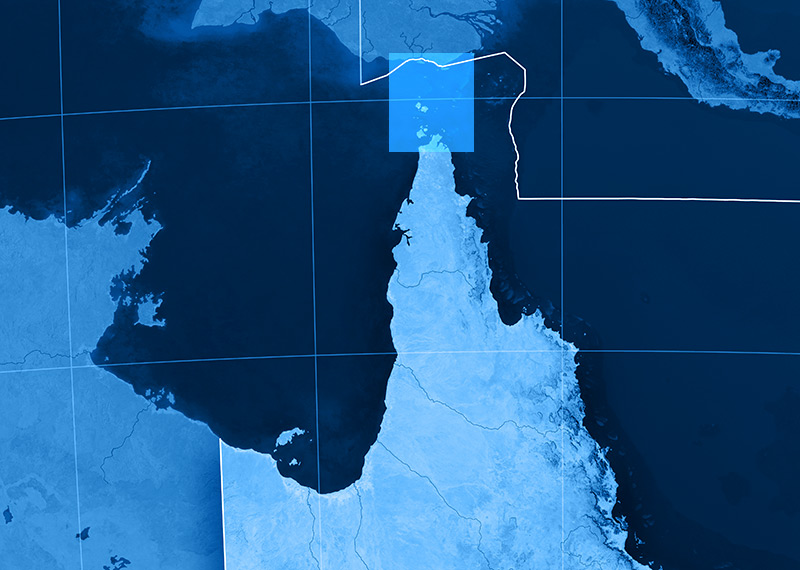
The objective of the audit was to assess the effectiveness of the coordination arrangements of key Australian Government entities operating in Torres Strait.
Entity
Across entities
Contact
Please direct enquiries through our contact page.
Insights: Audit lessons

Published: Thursday 7 March 2019
Published
This edition of audit insights focuses on quality in the public sector. Quality is an important concept that can be applied to all areas of government business. Quality applied through policy, services, regulations and program design and delivery supports community trust in government. A positive approach to quality, implemented through a quality framework that is embedded into the organisational culture at all levels of a government agency, is essential to meeting community and parliamentary expectations.
Contact
Please direct enquiries through our contact page.
Performance audit (Auditor-General Report No. 38 of 2022–23)

Published: Thursday 15 June 2023
Published
The objective of this audit was to assess the effectiveness of the Australian Competition and Consumer Commission's probity management.
Entity
Australian Competition and Consumer Commission
Contact
Please direct enquiries through our contact page.
Performance audit (Auditor-General Report No. 29 of 2017–18)

Published: Tuesday 20 February 2018
Published
The objective of the audit was to assess whether the Australian Taxation Office (ATO) has effectively responded to recent unscheduled information technology (IT) system outages.
Entity
Australian Taxation Office
Contact
Please direct enquiries through our contact page.
Performance audit (Auditor-General Report No. 22 of 2015–16)

Published: Monday 22 February 2016
Published
The objective of the audit was to assess the effectiveness of the arrangements established by the Australian Antarctic Division (AAD), a division of the Department of the Environment, to support Australia’s Antarctic Program.
Entity
Department of the Environment
Contact
Please direct enquiries relating to reports through our contact page.
Performance audit (Auditor-General Report No. 9 of 2024–25)

Published: Tuesday 29 October 2024
Published
The objective of the audit was to assess the effectiveness of the National Health and Medical Research Council’s fraud control arrangements.
Entity
National Health and Medical Research Council
Contact
Please direct enquiries through our contact page.
Corporate
Published: Friday 28 June 2024
Published
The Australian National Audit Office (ANAO) has zero tolerance for fraud and corruption. This means the ANAO will take all reasonable steps necessary to prevent, detect and respond to fraud and corruption. This strategy defines the ANAO’s principles of effective fraud and corruption control, key roles and responsibilities and how the ANAO expects to mitigate and manage risks. The strategy informs staff how they can report fraud and corruption.
Contact
Please direct enquiries through our contact page.
Performance audit (Auditor-General Report No. 45 of 2008–09)
Published: Wednesday 24 June 2009
Published
The audit objective was to assess the effectiveness of the department's administration of general recurrent grants for non-government schools. The audit examined key processes in the department's administration ofgeneral recurrent grants for non-government schools for 2005–08 in accordance with the Schools Assistance (Learning Together—Achievement Through Choice and Opportunity) Act 2004.
Entity
Department of Education, Employment and Workplace Relations
Events and seminars
Published: Wednesday 20 December 2023
Published
An Audit Committee Chairs Forum was held on Friday 8 December 2023. The text on this page is the communique from the forum.
Contact
For any enquiries, please contact External.Relations@anao.gov.au
Performance audit (Auditor-General Report No. 12 of 2024–25)

Published: Monday 11 November 2024
Published
The objective of the audit was to assess the effectiveness of the operations of the boards of four corporate Commonwealth entities in managing conflicts of interest.
Entity
Across entities
Contact
Please direct enquiries through our contact page.
Performance audit (Auditor-General Report No. 48 of 2019–20)

Published: Friday 26 June 2020
Published
The objective of this audit was to examine the effectiveness of the Attorney-General’s Department’s implementation of the recommendations from Auditor-General Report No.27 of 2017–18, Management of the Australian Government’s Register of Lobbyists.
Entity
Attorney-General's Department
Contact
Please direct enquiries through our contact page.
Performance audit (Auditor-General Report No. 38 of 2021–22)

Published: Tuesday 21 June 2022
Published
The audit objective was to assess the effectiveness of the Department of Home Affairs’ administration and regulation of critical infrastructure protection policy.
Entity
Department of Home Affairs
Contact
Please direct enquiries through our contact page.
Performance audit (Auditor-General Report No. 36 of 2022–23)

Published: Tuesday 13 June 2023
Published
The objective of this audit was to assess the effectiveness of the Australian Securities and Investments Commission's probity management.
Entity
Australian Securities and Investments Commission
Contact
Please direct enquiries through our contact page.
Performance audit (Auditor-General Report No. 48 of 2023–24)

Published: Wednesday 26 June 2024
Published
The objective of the audit was to assess the effectiveness of the transitional arrangements from the Cashless Debit Card (CDC) program to the Enhanced Income Management program.
Entity
Department of Social Services; Services Australia
Contact
Please direct enquiries through our contact page.
Performance audit (Auditor-General Report No. 17 of 2023–24)

Published: Thursday 22 February 2024
Published
The objective of this audit was to examine whether the Department of Finance (Finance) has implemented a selection of agreed parliamentary committee and Auditor-General recommendations.
Entity
Department of Finance
Contact
Please direct enquiries through our contact page.
Performance audit (Auditor-General Report No. 16 of 2022–23)

Published: Monday 27 March 2023
Published
The objective of this audit was to assess the effectiveness of the Department of Home Affairs' management of family-related visas.
Entity
Department of Home Affairs
Contact
Please direct enquiries through our contact page.
Events and seminars
Published: Friday 9 August 2024
Published
An Audit Committee Chairs Forum was held on Friday 12 July 2024. The text on this page is the communique from the forum.
Contact
For any enquiries, please contact External.Relations@anao.gov.au
Performance audit (Auditor-General Report No. 14 of 2018–19)

Published: Wednesday 5 December 2018
Published
The objective of the audit was to assess the effectiveness of the Department of Defence’s preparations for the introduction of the Joint Strike Fighter into Australian service and its subsequent sustainment.
Entity
Department of Defence
Contact
Please direct enquiries through our contact page.
Performance audit (Auditor-General Report No. 28 of 2020–21)

Published: Friday 22 January 2021
Published
The audit objective was to assess the effectiveness of the administration of the National Housing Finance and Investment Corporation (NHFIC).
Entity
National Housing Finance and Investment Corporation
Contact
Please direct enquiries through our contact page.
Performance audit (Auditor-General Report No. 24 of 2019–20)

Published: Tuesday 28 January 2020
Published
The objective of the audit was to examine the effectiveness and appropriateness of the Department of Defence's management of its public communications and media activities.
Entity
Department of Defence
Contact
Please direct enquiries through our contact page.
Performance audit (Auditor-General Report No. 5 of 2023–24)

Published: Tuesday 5 September 2023
Published
The objective of this audit was to examine whether compliance with trade measurement in Australia is being effectively administered.
Entity
Department of Industry, Science and Resources
Contact
Please direct enquiries through our contact page.
Events and seminars
Published: Monday 22 July 2024
Published
The speech delivered by the Acting Deputy Auditor-General and the presentations by ANAO speakers at the Financial and Performance Reporting Forum held on Friday 5 July 2024 are now available.
If you would like a copy of the video recording please contact External.Relations@anao.gov.au
Contact
If you have any questions about the Financial and Performance Reporting Forum please contact External.Relations@anao.gov.au
Performance audit (Auditor-General Report No. 30 of 2020–21)

Published: Tuesday 9 March 2021
Published
The objective of the audit was to examine the effectiveness of the Department of Veterans’ Affairs' (DVA's) planning and management of the Veteran Centric Reform (VCR) program.
Entity
Department of Veterans' Affairs
Contact
Please direct enquiries through our contact page.