Browse our range of reports and publications including performance and financial statement audit reports, assurance review reports, information reports and annual reports.
Performance audit (Auditor-General Report No. 21 of 2020–21)

Published: Monday 7 December 2020
Published
The objective of the audit was to examine the Department of Defence’s (Defence's) implementation of agreed recommendations made in Auditor-General Report No. 38 of 2017–18 Mitigating Insider Threats through Personnel Security and the related report provided to ministers under section 37(5) of the Auditor-General Act 1997, and by the Parliament’s Joint Committee of Public Accounts and Audit (JCPAA) in Report 479 of 2019 Australian Government Security Arrangements.
Entity
Department of Defence
Contact
Please direct enquiries through our contact page.
Performance audit (Auditor-General Report No. 26 of 2025–26)

Published: Monday 30 March 2026
Published
The objective of the audit was to assess the effectiveness to date of Defence’s procurement of infantry fighting vehicles under Land 400 Phase 3.
Entity
Department of Defence
Contact
Please direct enquiries through our contact page.
Performance audit (Auditor-General Report No. 31 of 2021–22)

Published: Wednesday 8 June 2022
Published
The objective of the audit was to assess the effectiveness of the Department of Education, Skills and Employment in managing the integrity of payments to employment service providers.
Entity
Department of Education, Skills and Employment
Contact
Please direct enquiries through our contact page.
Performance audit (Auditor-General Report No. 35 of 2023–24)

Published: Tuesday 11 June 2024
Published
The objective of this audit was to examine the effectiveness of DAFF’s administration of the Digital Services to Take Farmers to Markets (TFTM) program.
Entity
Department of Agriculture, Fisheries and Forestry
Contact
Please direct enquiries through our contact page.
Performance audit (Auditor-General Report No. 35 of 2025–26)
New

Published: Friday 29 May 2026
Published
The audit objective was to assess the effectiveness of the Department of Defence’s administration of investigations and inquiries.
Entity
Department of Defence
Contact
Please direct enquiries through our contact page.
Performance audit (Auditor-General Report No. 37 of 2017–18)

Published: Thursday 3 May 2018
Published
The objective of the audit was to assess the effectiveness of the Australian Broadcasting Corporation’s (ABC’s) management of complaints.
Entity
Australian Broadcasting Corporation
Contact
Please direct enquiries relating to potential audits through our contact page.
Performance audit (Auditor-General Report No. 38 of 2017–18)

Published: Friday 11 May 2018
Published
The objective of the audit was to assess the effectiveness of the Australian Government’s personnel security arrangements for mitigating insider threats.
Entity
Across Entities
Contact
Please direct enquiries through our contact page.
Assurance review (Auditor-General Report No. 40 of 2017–18)
Published: Tuesday 15 May 2018
Published
The objective of this review was to determine whether the establishment and early implementation of the Fair Entitlements Guarantee Recovery Program by the Department of Jobs and Small Business has provided a sound basis for achieving value for money.
Entity
Department of Jobs and Small Business
Contact
Please direct enquiries through our contact page.
Performance audit (Auditor-General Report No. 21 of 2017–18)

Published: Wednesday 13 December 2017
Published
The objective of the audit was to examine the effectiveness of the Australian Taxation Office’s use of settlements to resolve taxpayer disputes.
Entity
Australian Taxation Office
Contact
Please direct enquiries relating to reports through our contact page.
Financial statement audit (Auditor-General Report No. 40 of 2020–21)
Published: Wednesday 2 June 2021
Published
This report is the first in the series of reports for the 2020–21 financial year and focuses on the results of the interim audits, including an assessment of entities’ key internal controls, supporting the 2020–21 financial statements audits. This report examines 25 entities, including all departments of state and a number of major Australian government entities. The entities included in the report are selected on the basis of their contribution to the income, expenses, assets and liabilities of the 2019–20 Consolidated Financial Statements.
Contact
Please direct enquiries through our contact page.
Performance audit (Auditor-General Report No. 48 of 2016–17)

Published: Thursday 27 April 2017
Published
The objective of this audit was to assess the effectiveness of Defence’s design and implementation of arrangements to select a preferred Strategic Partner for the Future Submarines Program.
Entity
Department of Defence
Contact
Please direct enquiries relating to reports through our contact page.
Performance audit (Auditor-General Report No. 45 of 2019–20)

Published: Wednesday 24 June 2020
Published
The audit objective was to assess the effectiveness of the Department of Social Services’ arrangements for managing Disability Employment Services provider agreements.
Entity
Department of Social Services
Contact
Please direct enquiries through our contact page.
Performance audit (Auditor-General Report No. 39 of 2020–21)

Published: Thursday 27 May 2021
Published
The audit examined whether COVID-19 procurements to increase the National Medical Stockpile (NMS) were consistent with the proper use and management of public resources and whether COVID-19 deployments of the NMS were effective.
Entity
Department of Health; Department of Industry, Science, Energy and Resources
Contact
Please direct enquiries through our contact page.
Performance audit (Auditor-General Report No. 35 of 2020–21)

Published: Wednesday 5 May 2021
Published
The objective of the audit was to examine whether the design and early delivery of the Australian Government's $443.3 million partnership with the Great Barrier Reef Foundation has been effective.
Entity
Great Barrier Reef Foundation
Contact
Please direct enquiries through our contact page.
Performance audit (Auditor-General Report No. 30 of 2018–19)

Published: Monday 18 March 2019
Published
The audit objective was to examine whether the Department of Defence has effective and efficient sustainment arrangements for the Royal Australian Navy’s fleet of eight ANZAC class frigates.
Entity
Department of Defence
Contact
Please direct enquiries through our contact page.
Performance audit (Auditor-General Report No. 3 of 2022–23)

Published: Wednesday 17 August 2022
Published
The objective of the audit was to assess the effectiveness of the planning and implementation of the COVID-19 vaccine rollout.
Entity
Department of Health and Aged Care
Contact
Please direct enquiries through our contact page.
Performance audit (Auditor-General Report No. 32 of 2019–20)

Published: Thursday 16 April 2020
Published
The objective of this audit was to examine the Department of Foreign Affairs and Trade’s (DFAT’s) achievement of value for money objectives in the delivery of Official Development Assistance (aid) through facility arrangements.
Entity
Department of Foreign Affairs and Trade (DFAT)
Contact
Please direct enquiries through our contact page.
Performance audit (Auditor-General Report No. 19 of 2022–23)

Published: Thursday 6 April 2023
Published
The objective of this audit was to assess the effectiveness of procurement complaints handling by the Australian Communications and Media Authority, the Department of Finance, the Department of Industry, Science and Resources and the Reserve Bank of Australia.
Entity
Across Entities
Contact
Please direct enquiries through our contact page.
Insights: Audit practice

Published: Tuesday 24 June 2025
Published
Audit Practice: Auditing Regulatory Activities is intended for senior management and those responsible for managing internal audit within Australian Government entities that have a regulatory function.
Contact
Please direct enquiries through our contact page.
Performance audit (Auditor-General Report No. 9 of 2020–21)

Published: Monday 21 September 2020
Published
The objective of this audit was to examine whether the Department of Infrastructure, Transport, Regional Development and Communications exercised appropriate due diligence in its acquisition of the ‘Leppington Triangle’ land for the future development of the Western Sydney Airport.
Entity
Department of Infrastructure, Transport, Regional Development and Communications
Contact
Please direct enquiries through our contact page.
Performance audit (Auditor-General Report No. 22 of 2017–18)

Published: Tuesday 19 December 2017
Published
The objective of the audit was to assess the effectiveness of Medicare electronic claiming arrangements, including an assessment of the extent to which claiming and processing efficiencies for the Government, health professionals and Medicare customers have been achieved.
Entity
Department of Human Services
Contact
Please direct enquiries relating to reports through our contact page.
Corporate

Published: Friday 29 July 2016
Published
The Australian National Audit Office (ANAO) 2016-20 Corporate Plan is the primary strategic planning document, and outlines how the ANAO intends to deliver against the purpose over the coming four years.
Contact
Please direct enquiries relating to reports through our contact page.
Performance audit (Auditor-General Report No. 1 of 2019–20)

Published: Thursday 4 July 2019
Published
The objective of this audit was to assess the effectiveness of the management of cyber security risks by three government business enterprises or corporate Commonwealth entities. The entities selected for audit are ASC Pty Ltd, the Australian Postal Corporation and the Reserve Bank of Australia.
Entity
ASC Pty Ltd; Australian Postal Corporation; Reserve Bank of Australia
Contact
Please direct enquiries through our contact page.
Performance audit (Auditor-General Report No. 15 of 2017–18)

Published: Wednesday 22 November 2017
Published
The audit objective was to assess the effectiveness of the Australian Taxation Office's processes for estimating and monitoring the costs, savings and benefits associated with the Reinventing the ATO program.
Entity
Australian Taxation Office (ATO)
Contact
Please direct enquiries relating to reports through our contact page.
Performance audit (Auditor-General Report No. 5 of 2015–16)

Published: Thursday 22 October 2015
Published
The audit objective was to assess the effectiveness of the Department of Veterans’ Affairs monitoring and implementation of ANAO and internal performance audit recommendations.
Entity
Department of Veterans' Affairs
Contact
Please direct enquiries relating to reports through our contact page.
Performance audit (Auditor-General Report No. 24 of 2020–21)

Published: Monday 14 December 2020
Published
The objective of the audit was to assess whether the Australian Taxation Office (ATO) has effectively managed risks related to the rapid implementation of COVID-19 economic response measures.
Entity
Australian Taxation Office
Contact
Please direct enquiries through our contact page.
Performance audit (Auditor-General Report No. 16 of 2016–17)

Published: Tuesday 13 September 2016
Published
The objective of the audit was to assess whether the Department of Immigration and Border Protection (DIBP) had appropriately managed the procurement of garrison support and welfare services at offshore processing centres in Nauru and Papua New Guinea (Manus Island); and whether the processes adopted met the requirements of the Commonwealth Procurement Rules (CPRs) including consideration and achievement of value for money.
Entity
Department of Immigration and Border Protection
Contact
Please direct enquiries relating to reports through our contact page.
Performance audit (Auditor-General Report No. 11 of 2015–16)

Published: Thursday 3 December 2015
Published
The objective of the audit was to assess the effectiveness of Indigenous Business Australia’s management and implementation of the Indigenous Home Ownership Program.
Entity
Indigenous Business Australia
Contact
Please direct enquiries relating to reports through our contact page.
Performance audit (Auditor-General Report No. 34 of 2016–17)

Published: Tuesday 24 January 2017
Published
The objective of this audit was to assess the effectiveness of the Department of Agriculture and Water Resources' implementation of the new biosecurity legislative framework.
Entity
Department of Agriculture and Water Resources
Contact
Please direct enquiries relating to reports through our contact page.
Performance audit (Auditor-General Report No. 2 of 2023–24)

Published: Wednesday 23 August 2023
Published
The objective of the audit was to assess the effectiveness of the department’s delivery of the Wildlife and Habitat Bushfire Recovery Program.
Entity
Department of Climate Change, Energy, the Environment and Water
Contact
Please direct enquiries through our contact page.
Performance audit (Auditor-General Report No. 5 of 2021–22)

Published: Wednesday 22 September 2021
Published
The audit objective was to assess the effectiveness of the Department of Health’s approach to improving and monitoring immunisation coverage.
Entity
Department of Health
Contact
Please direct enquiries through our contact page.
Performance audit (Auditor-General Report No. 3 of 2017–18)

Published: Wednesday 12 July 2017
Published
The objective of the audit was to assess whether the Office of the Registrar of Indigenous Corporations (ORIC) supports good governance in Indigenous corporations consistent with the Corporations (Aboriginal and Torres Strait Islander) Act 2006 (CATSI).
Entity
Office of the Registrar of Indigenous Corporations; Department of the Prime Minister and Cabinet
Contact
Please direct enquiries relating to reports through our contact page.
Performance audit (Auditor-General Report No. 51 of 2017–18)

Published: Wednesday 27 June 2018
Published
The objective of this audit was to assess the department’s design, implementation and monitoring of select 2014–15 and 2015–16 Budget measures aimed at achieving $1.2 billion in savings and other benefits.
Entity
Department of Health
Contact
Please direct enquiries relating to potential audits through our contact page.
Performance audit (Auditor-General Report No. 41 of 2021–22)

Published: Thursday 23 June 2022
Published
The audit objective was to assess the Office of the Commonwealth Ombudsman's effectiveness in managing complaints.
Entity
Office of the Commonwealth Ombudsman
Contact
Please direct enquiries through our contact page.
Performance audit (Auditor-General Report No. 30 of 2015–16)

Published: Thursday 5 May 2016
Published
The audit objective was to assess the effectiveness of the Australian Federal Police's management of its use of force regime.
Entity
Australian Federal Police (AFP)
Contact
Please direct enquiries relating to reports through our contact page.
Corporate
Updated: Tuesday 13 August 2024
Updated
The objective of the Risk Framework and associated programs of risk management activities is to support effective risk management across all ANAO operations.
The 2025–27 version of this publication is available here.
Contact
Any queries about risk management in the ANAO should be directed to the Senior Executive Director, Corporate Management Group through our contact page.
Performance audit (Auditor-General Report No. 41 of 2022–23)

Published: Monday 26 June 2023
Published
The objective of this audit was to assess the effectiveness of the administration of grants for the Try, Test and Learn Fund transition projects.
Entity
Department of Social Services
Contact
Please direct enquiries through our contact page.
Corporate
Published: Monday 11 December 2023
Published
Quality in the delivery of the ANAO’s audit services is critical in supporting the integrity of our audit reports and maintaining the confidence of the Parliament and public sector entities. The ANAO corporate plan is the ANAO’s primary planning document. It outlines our purpose; the dynamic environment in which we operate; our commitment to building capability; and the priorities, activities and performance measures by which we will be held to account. The ANAO quality management framework and plan complements the corporate plan. It describes the ANAO’s system of quality management and reflects the ANAO’s responses to identified quality risks.
The ANAO Quality Management Framework is the ANAO’s established system of quality management to provide the Auditor-General with reasonable assurance that the ANAO complies with the ANAO Auditing Standards and applicable legal and regulatory requirements, and reports issued by the ANAO are appropriate in the circumstances.
This audit quality report sets out the Auditor-General’s evaluation on the implementation and operating effectiveness of the ANAO Quality Management Framework. The report:
- provides transparency in respect of the processes, policies, and procedures that support each element of the ANAO Quality Management Framework;
- outlines ANAO performance against benchmarks on audit quality indicators; and
- outlines the ANAO’s performance against the quality assurance strategy and deliverables set out in the Quality Management Framework and Plan 2022–23.
Contact
Please direct enquiries through our contact page.
Performance audit (Auditor-General Report No. 24 of 2018–19)

Published: Monday 21 January 2019
Published
The objective of this audit was to assess the effectiveness of the Australian Criminal Intelligence Commission’s administration of the Biometric Identification Service project.
Entity
Australian Criminal Intelligence Commission
Contact
Please direct enquiries through our contact page.
Corporate
Published: Monday 20 October 2025
Published
Quality in the delivery of the ANAO’s audit services is critical in supporting the integrity of our audit reports and maintaining the confidence of the Parliament and public sector entities. The ANAO Corporate Plan is the ANAO’s primary planning document. It outlines our purpose; the dynamic environment in which we operate; our commitment to building capability; and the priorities, activities and performance measures by which we will be held to account. The ANAO Quality Management Framework and Plan complements the Corporate Plan. It describes the ANAO’s system of quality management and reflects the ANAO’s responses to identified quality risks.
The ANAO Quality Management Framework is the ANAO’s established system of quality management to provide the Auditor-General with reasonable assurance that the ANAO complies with the ANAO Auditing Standards and applicable legal and regulatory requirements, and reports issued by the ANAO are appropriate in the circumstances.
This Audit Quality Report sets out the Auditor-General’s evaluation on the implementation and operating effectiveness of the ANAO Quality Management Framework. The report:
- provides transparency in respect of the processes, policies, and procedures that support each element of the ANAO Quality Management Framework;
- outlines ANAO performance against benchmarks on audit quality indicators; and
- outlines the ANAO’s performance against the quality assurance strategy and deliverables set out in the Quality Management Framework and Plan 2024-25.
Contact
Please direct enquiries through our contact page.
Financial statement audit (Auditor-General Report No. 22 of 2003–04)

Published: Friday 9 January 2004
Published
The report summarises the final results of the audits of the financial statements of Australian Government entities, being the second report this year on financial statements for the period ended 30 June 2003. It complements Audit Report No.61 2002-2003 Control Structures as part of the Audit of Financial Statements of Major Commonwealth Entities for the Year Ending 30 June 2003.
Entity
Across Agency
Performance audit (Auditor-General Report No. 40 of 2024–25)

Published: Tuesday 3 June 2025
Published
The audit objective was to assess whether selected entities effectively implemented agreed recommendations from Auditor-General Report No. 25 2019–20 Aboriginal and Torres Strait Islander Participation Targets in Major Procurements.
Entity
Across Entities
Contact
Please direct enquiries through our contact page.
Performance audit (Auditor-General Report No. 7 of 2022–23)

Published: Tuesday 29 November 2022
Published
The audit objective was to examine the effectiveness of the Department of Defence’s administration of the Integrated Investment Program since 2016.
Entity
Department of Defence, Department of Finance
Contact
Please direct enquiries through our contact page.
Corporate
Published: Friday 1 November 2024
Published
The ANAO regards integrity as a core value of the organisation — critical in sustaining the confidence of Parliament, strengthening public trust in government and delivering quality audit products. Maintaining strong institutional integrity is critical to the operations and reputation of the ANAO.
The ANAO Integrity Framework provides an overarching structure to the integrity control system, supporting our institution’s integrity. The Framework serves to assist in ethical decision-making and risk, fraud and misconduct management.
Beyond its control system, the ANAO maintains an enduring focus on promoting integrity as a value that is embedded in our work and culture. The ANAO recognises that integrity demands quality not only in our products but also in the behaviours of our people.
The ANAO Integrity Advisor supports the effective and ongoing application of the Integrity Framework by providing advice to staff regarding integrity matters. The Integrity Advisor is responsible for increasing integrity awareness across the organisation and for reporting annually to the ANAO Executive Board of Management on actions taken under the Framework. The Auditor-General publishes the ANAO Integrity Report to provide increased transparency of the measures we undertake to maintain a high-integrity culture in the ANAO.
Contact
Please direct enquiries through our contact page.
Performance audit (Auditor-General Report No. 33 of 2015–16)

Published: Thursday 5 May 2016
Published
The audit objective was to assess whether Defence is effectively controlling the use of Commonwealth credit cards for official purposes in accordance with legislative and policy requirements.
Entity
Department of Defence
Contact
Please direct enquiries relating to reports through our contact page.
Performance audit (Auditor-General Report No. 17 of 2014–15)

Published: Thursday 18 December 2014
Published
The objective of the audit was to examine the effectiveness of Navy’s strategy for recruiting and retaining personnel with specialist skills. The effective delivery of Navy capability depends on Navy having available sufficient numbers of skilled personnel to operate and maintain its fleet of sea vessels and aircraft, and conduct wide‑ranging operations in dispersed locations. Without the right personnel, Navy capability is reduced. Navy’s budget for 2014–15 included $1.86 billion in employee expenses.
The audit concluded that, in its strategic planning, Navy had identified its key workforce risks and their implications for Navy capability. To address these risks Navy had continued to adhere to its traditional ‘raise, train and sustain’ workforce strategy; developed a broad range of workforce initiatives that complemented its core approach; and sought to establish contemporary workforce management practices. However, long‑standing personnel shortfalls in a number of ‘critical’ employment categories had persisted, and Navy had largely relied on retention bonuses as a short‑ to medium‑term retention strategy.
Navy had developed a broad range of workforce initiatives, some designed specifically to address workforce shortages in its critical employment categories. To date, Navy had primarily relied on paying retention bonuses and other financial incentives; recruiting personnel with prior military experience to work in employment categories with significant workforce shortfalls; and using Navy Reserves in continuous full time roles. Ongoing work was required for Navy to firmly establish a range of promising workforce management practices, including providing the right training at the right time; more flexible approaches to managing individuals’ careers; and improving workplace culture, leadership and relationships. More flexible and tailored workforce management practices could help address the underlying causes of workforce shortfalls, particularly when the traditional approaches were not gaining sufficient traction.
The ANAO made two recommendations aimed at Navy: drawing on external human resource expertise to inform the development and implementation of its revised workforce plan; and evaluating the impact of retention bonuses on the Navy workforce to determine their future role within its overall workforce strategy.
Entity
Department of Defence
Contact
Please direct enquiries relating to reports through our contact page.
Performance audit (Auditor-General Report No. 52 of 2014–15)

Published: Thursday 25 June 2015
Published
The audit objective was to assess the effectiveness of Defence’s management of the acquisition of medium and heavy vehicles, associated modules and trailers for the Australian Defence Force.
Entity
Department of Defence; Defence Materiel Organisation
Contact
Please direct enquiries relating to reports through our contact page.
Performance audit (Auditor-General Report No. 20 of 2022–23)

Published: Thursday 13 April 2023
Published
The objective of the audit was to assess the effectiveness of the Australian Taxation Office’s arrangements for identifying and reducing the income tax gap for individuals not in business.
Entity
Australian Taxation Office
Contact
Please direct enquiries through our contact page.
Performance audit (Auditor-General Report No. 52 of 2017–18)

Published: Wednesday 27 June 2018
Published
The objective of this audit was to assess whether the Department of Veterans’ Affairs is efficiently delivering services to veterans and their dependents.
Entity
Department of Veterans' Affairs
Contact
Please direct enquiries through our contact page.
Performance audit (Auditor-General Report No. 26 of 2024–25)

Published: Monday 24 February 2025
Published
The objective of the audit was to assess whether the Australian Taxation Office has effective arrangements in place to support the adoption of Artificial Intelligence.
Entity
Australian Taxation Office
Contact
Please direct enquiries through our contact page.
Corporate
Updated: Thursday 22 January 2026
Updated
The objective of the Risk Framework and associated programs of risk management activities is to support effective risk management across all ANAO operations.
Contact
Any queries about risk management in the ANAO should be directed to the Senior Director Governance, Corporate Management Group, through our contact page.
Performance audit (Auditor-General Report No. 57 of 2016–17)

Published: Thursday 22 June 2017
Published
The objective of the audit was to assess the effectiveness of the Department of Health's strategies for managing a communicable disease emergency.
Entity
Department of Health
Contact
Please direct enquiries relating to reports through our contact page.
Performance audit (Auditor-General Report No. 18 of 2025–26)

Published: Wednesday 21 January 2026
Published
The objective of the audit was to assess whether Australian Criminal Intelligence Commission has effective arrangements to comply with domestic and international travel legislative and entity requirements.
Entity
Australian Criminal Intelligence Commission
Contact
Please direct enquiries through our contact page.
Performance audit (Auditor-General Report No. 53 of 2016–17)

Published: Wednesday 31 May 2017
Published
The objective of the audit was to assess the effectiveness of Australian Government-funded aged care services delivered to Aboriginal and Torres Strait Islander people.
Please note: Aboriginal and Torres Strait Islander people should be aware that this website may contain images of deceased people.
Entity
Department of Health; Australian Aged Care Quality Agency
Contact
Please direct enquiries relating to reports through our contact page.
Performance audit (Auditor-General Report No. 4 of 2023–24)

Published: Thursday 31 August 2023
Published
The objective of the audit was to assess the effectiveness of the Department of Social Services’ (DSS’s) and Services Australia’s management of the accuracy and timeliness of welfare payments.
Entity
Services Australia; Department of Social Services
Contact
Please direct enquiries through our contact page.
Performance audit (Auditor-General Report No. 41 of 2017–18)

Published: Monday 21 May 2018
Published
The objective of this audit was to assess the effectiveness of the Efficiency through Contestability Programme in supporting entities to improve the efficient delivery of government functions.
Entity
Across Entities
Contact
Please direct enquiries through our contact page.
Corporate

Published: Friday 11 July 2025
Published
The ANAO Corporate Plan 2025–26 updates the previous corporate plan and outlines how we intend to deliver against our purpose over the next four years (2025–26 to 2028–29). The corporate plan is the ANAO’s primary planning document — it outlines our purpose; our strategic priorities; our operating context; and the priorities, activities and performance measures by which we will be held to account.
Contact
Please direct enquiries through our contact page.
Performance audit (Auditor-General Report No. 22 of 2019–20)

Published: Tuesday 14 January 2020
Published
The audit objective was to examine the effectiveness of the Department of Defence's administration of the Future Submarine Program to date.
Entity
Department of Defence
Contact
Please direct enquiries through our contact page.
Performance audit (Auditor-General Report No. 1 of 2024–25)

Published: Thursday 11 July 2024
Published
The objective of the audit was to assess the effectiveness of Department of Defence's procurement and implementation of the myClearance system to date.
Entity
Department of Defence
Contact
Please direct enquiries through our contact page.
Corporate

Published: Wednesday 19 July 2017
Published
The ANAO 2017–18 Corporate Plan is the ANAO's key strategic planning document. It guides our operating environment and sets out how we will deliver on our purpose. The corporate plan is complemented by the annual audit work program which reflects the ANAO's strategy and deliverables for the coming year.
Contact
Please direct enquiries about our corporate plan through our contact page.
Performance audit (Auditor-General Report No. 38 of 2016–17)

Published: Tuesday 14 February 2017
Published
The objective of this audit was to assess whether appropriate steps were taken to protect the Commonwealth's interests and obtain value for money in respect to the $3.5 billion in Commonwealth funding committed to the NSW Government for the WestConnex project.
Entity
Department of Infrastructure and Regional Development; Infrastructure Australia
Contact
Please direct enquiries relating to reports through our contact page.
Performance audit (Auditor-General Report No. 43 of 2017–18)

Published: Tuesday 29 May 2018
Published
The objective of this audit was to examine the extent to which the Department of Infrastructure and Regional Development, now the Department of Home Affairs (the Department) has implemented the recommendations made by the ANAO in Audit Report #5 2016–17, Passenger Security Screening at Domestic Airports.
Entity
Department of Home Affairs
Contact
Please direct enquiries through our contact page.
Performance audit (Auditor-General Report No. 28 of 2018–19)

Published: Thursday 21 February 2019
Published
The objective of the audit was to examine the extent to which the Department of Human Services (Human Services) has implemented the recommendations made by the Australian National Audit Office (ANAO) in Auditor-General Report No. 37 of 2014–15 Management of Smart Centres’ Centrelink Telephone Services; as well as Human Services’ performance against call wait time and call blocking metrics.
Entity
Department of Human Services
Contact
Please direct enquiries through our contact page.
Performance audit (Auditor-General Report No. 16 of 2017–18)

Published: Tuesday 28 November 2017
Published
The audit objective was to assess whether nbn co limited effectively administered the National Broadband Network Satellite Support Scheme.
Entity
Department of Communications and the Arts; nbn co limited; Department of Finance
Contact
Please direct enquiries relating to reports through our contact page.
Performance audit (Auditor-General Report No. 29 of 2017–18)

Published: Tuesday 20 February 2018
Published
The objective of the audit was to assess whether the Australian Taxation Office (ATO) has effectively responded to recent unscheduled information technology (IT) system outages.
Entity
Australian Taxation Office
Contact
Please direct enquiries through our contact page.
Performance audit (Auditor-General Report No. 22 of 2022–23)

Published: Tuesday 16 May 2023
Published
The objective of this audit was to examine whether the selected entities within the Attorney-General’s portfolio have implemented all agreed recommendations from parliamentary committee and Auditor-General reports within the scoped timeframe.
Entity
Australian Federal Police; Attorney-General’s Department; Commonwealth Director of Public Prosecutions
Contact
Please direct enquiries through our contact page.
Performance audit (Auditor-General Report No. 23 of 2017–18)

Published: Tuesday 19 December 2017
Published
The objective of the audit was to assess whether the contractual arrangements that have been put in place for the delivery of the Moorebank Intermodal Terminal (MIT) will provide value for money and achieve the Australian Government’s policy objectives for the project.
Entity
Moorebank Intermodal Company Limited; Department of Infrastructure and Regional Development; Department of Finance
Contact
Please direct enquiries relating to reports through our contact page.
Performance audit (Auditor-General Report No. 6 of 2015–16)

Published: Wednesday 4 November 2015
Published
The objective of this audit was to assess the adequacy and effectiveness of the Australian Electoral Commission’s implementation of those recommendations relating to improving the accuracy and completeness of the electoral roll and other matters from Audit Report No.28 2009–10 that have not previously been followed-up by the ANAO.
Entity
Australian Electoral Commission
Contact
Please direct enquiries relating to reports through our contact page.
Performance audit (Auditor-General Report No. 27 of 2016–17)

Published: Thursday 24 November 2016
Published
The objective of the audit was to assess the effectiveness of the Department of the Environment and Energy's design and implementation of the Reef Trust.
Entity
Department of the Environment and Energy
Contact
Please direct enquiries relating to reports through our contact page.
Performance audit (Auditor-General Report No. 36 of 2015–16)

Published: Thursday 5 May 2016
Published
The audit objective was to assess the effectiveness of the Department of Human Services' administration of the Financial Information Service.
Entity
Department of Human Services
Contact
Please direct enquiries relating to reports through our contact page.
Performance audit (Auditor-General Report No. 34 of 2020–21)

Published: Monday 12 April 2021
Published
The audit objective was to examine whether the Department of Defence implemented a selection of agreed parliamentary committee recommendations and ANAO performance audit recommendations.
Entity
Department of Defence
Contact
Please direct enquiries through our contact page.
Performance audit (Auditor-General Report No. 48 of 2014–15)

Published: Wednesday 10 June 2015
Published
The objective of the audit was to assess whether selected entities had appropriately justified the use of limited tender procurement and whether processes adopted met the requirements of the Commonwealth Procurement Rules.
Entity
Australian Customs and Border Protection Services; Department of Foreign Affairs and Trade; Department of Human Services
Contact
Please direct enquiries relating to reports through our contact page.
Assurance review (Auditor-General Report No. 17 of 2017–18)
Published: Tuesday 28 November 2017
Published
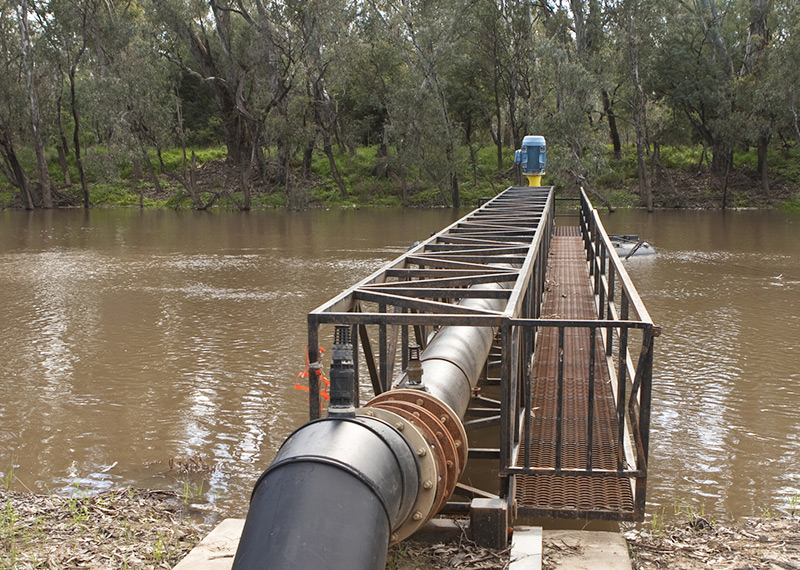
The Auditor-General undertook a limited assurance review of the Department of Agriculture and Water Resources’ assessment of the performance of New South Wales under the National Partnership Agreement on Implementing Water Reform in the Murray-Darling Basin relevant to the protection and use of environmental water for the 2014–15 and 2015–16 financial years.
Entity
Department of Agriculture and Water Resources
Contact
Please direct enquiries through our contact page.
Performance audit (Auditor-General Report No. 27 of 2018–19)

Published: Wednesday 20 February 2019
Published
The objective of the audit was to assess the effectiveness of arrangements for monitoring, evaluating and reporting progress towards Closing the Gap in Aboriginal and Torres Strait Islander disadvantage.
Entity
Department of the Prime Minister and Cabinet; Productivity Commission
Contact
Please direct enquiries through our contact page.
Performance audit (Auditor-General Report No. 16 of 2018–19)

Published: Thursday 13 December 2018
Published
The objective of this audit was to assess the Australian Public Service Commission’s and selected entities’ implementation of the Australian Government’s Workplace Bargaining Framework.
Entity
Across entities (listed below)
Contact
Please direct enquiries through our contact page.
Performance audit (Auditor-General Report No. 27 of 2020–21)

Published: Monday 18 January 2021
Published
The objective of this audit was to assess whether the Australian Maritime Safety Authority is effectively managing the Search and Rescue Aircraft contract.
Entity
Australian Maritime Safety Authority
Contact
Please direct enquiries through our contact page.
Performance audit (Auditor-General Report No. 28 of 2019–20)

Published: Monday 30 March 2020
Published
The audit objective was to examine the efficiency of the Office of the Commonwealth Director of Public Prosecutions' (CDPP's) case management.
Entity
Office of the Commonwealth Director of Public Prosecutions
Contact
Please direct enquiries through our contact page.
Performance audit (Auditor-General Report No. 28 of 2015–16)

Published: Thursday 28 April 2016
Published
The objective of the audit was to assess the Department of Agriculture and Water Resources' establishment and administration of the Farm Finance and Drought Concessional Loans programs.
Entity
Department of Agriculture and Water Resources
Contact
Please direct enquiries relating to reports through our contact page.
Performance audit (Auditor-General Report No. 39 of 2022–23)

Published: Monday 19 June 2023
Published
The objective of this audit was to assess the effectiveness of the implementation of the government response to the Black Economy Taskforce report.
Entity
Australian Taxation Office; Department of Home Affairs; Department of the Treasury
Contact
Please direct enquiries through our contact page.
Performance audit (Auditor-General Report No. 12 of 2023–24)

Published: Wednesday 24 January 2024
Published
The objective of this audit was to assess the effectiveness of the Department of Finance’s administration of the Parliamentary Expenses Management System project.
Entity
Department of Finance
Contact
Please direct enquiries through our contact page.
Insights: Audit lessons

Published: Tuesday 9 January 2024
Published
The aim of Insights: Audit Lessons is to communicate lessons from our audit work and to make it easier for people working within the Australian public sector to apply those lessons.
This edition of Insights: Audit Lessons is targeted at risk practitioners and officials responsible for government operations, projects, programs, services and regulatory activities. It would also be useful for accountable authorities, their senior executives and audit and risk committees.
Contact
Please direct enquiries through our contact page.
Performance audit (Auditor-General Report No. 29 of 2015–16)

Published: Wednesday 4 May 2016
Published
The audit objective was to assess the effectiveness of selected departments’ implementation of deregulation initiatives.
Entity
Department of the Prime Minister and Cabinet; Department of Communications and the Arts; Department of Health; Department of Industry, Innovation and Science
Contact
Please direct enquiries relating to reports through our contact page.
Performance audit (Auditor-General Report No. 9 of 2015–16)

Published: Tuesday 24 November 2015
Published
The audit objectives were to examine the effectiveness of Defence’s management of the test and evaluation (T&E) aspects of its major capital equipment acquisition program; and to report on Defence’s progress in implementing T&E recommendations made in the Senate Foreign Affairs, Defence and Trade References Committee’s August 2012 report, Procurement procedures for Defence capital projects.
Entity
Department of Defence
Contact
Please direct enquiries relating to reports through our contact page.
Performance audit (Auditor-General Report No. 35 of 2014–15)
Published: Tuesday 5 May 2015
Published
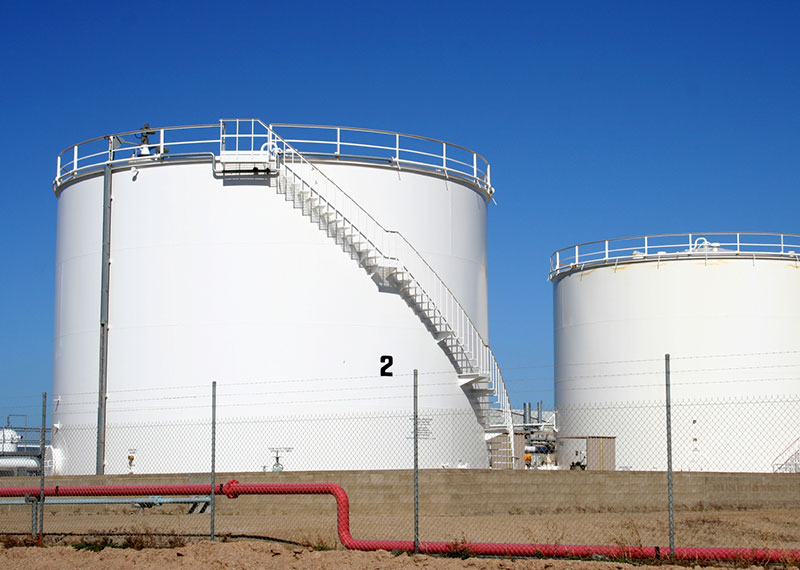
The objective of the audit was to assess the effectiveness of the Department of the Prime Minister and Cabinet’s management of initiatives to supply low aromatic fuel to Indigenous communities.
Entity
Department of the Prime Minister and Cabinet
Contact
Please direct enquiries relating to reports through our contact page.
Performance audit (Auditor-General Report No. 23 of 2020–21)

Published: Thursday 10 December 2020
Published
The objective of the audit was to assess whether Services Australia had effectively managed risks related to the rapid preparation for and delivery of COVID-19 economic response measures.
Entity
Services Australia
Contact
Please direct enquiries through our contact page.
Performance audit (Auditor-General Report No. 26 of 2015–16)
Published: Tuesday 15 March 2016
Published
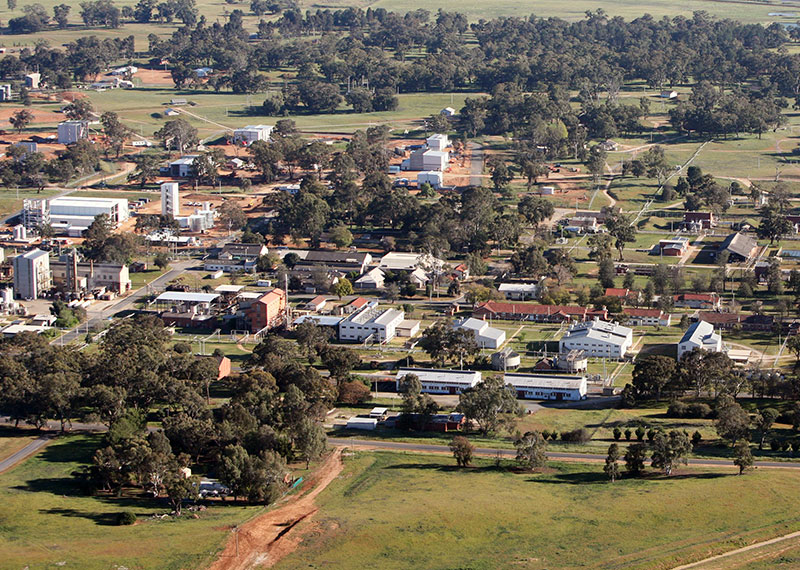
The audit objective is to assess the effectiveness of the Department of Defence's management of the Mulwala Redevelopment Project.
Entity
Department of Defence
Contact
Please direct enquiries relating to reports through our contact page.
Performance audit (Auditor-General Report No. 20 of 2017–18)

Published: Tuesday 12 December 2017
Published
The audit objective was to assess the effectiveness of the Department of Industry, Innovation and Science in administering the low emission technologies for fossil fuels (LETFF) program.
Entity
Department of Industry, Innovation and Science
Contact
Please direct enquiries relating to reports through our contact page.
Performance audit (Auditor-General Report No. 14 of 2017–18)

Published: Tuesday 31 October 2017
Published
The objective of the audit was to assess the effectiveness of the transition of the Remote Jobs and Communities Programme to the Community Development Programme, including whether the Community Development Programme is well designed and administered effectively and efficiently.
Entity
Department of the Prime Minister and Cabinet; Department of Employment; Department of Human Services
Contact
Please direct enquiries relating to reports through our contact page.
Performance audit (Auditor-General Report No. 14 of 2025–26)

Published: Thursday 11 December 2025
Published
The objective of the audit was to assess whether Civil Aviation Safety Authority has effective arrangements to comply with domestic and international travel legislative and entity requirements.
Entity
Civil Aviation Safety Authority
Contact
Please direct enquiries through our contact page.
Performance audit (Auditor-General Report No. 23 of 2022–23)

Published: Thursday 18 May 2023
Published
The objective of this audit was to assess the effectiveness of the National Recovery and Resilience Agency's administration of the Disaster Recovery Funding Arrangements (DRFA).
Entity
National Emergency Management Agency
Contact
Please direct enquiries through our contact page.
Performance audit (Auditor-General Report No. 4 of 2019–20)

Published: Wednesday 31 July 2019
Published
The objective of the audit was to assess whether the contract for the acquisition of the Civil Military Air Traffic Management System demonstrably represents value for money.
Entity
Airservices Australia; Department of Defence
Contact
Please direct enquiries through our contact page.
Performance audit (Auditor-General Report No. 51 of 2016–17)

Published: Monday 22 May 2017
Published
The audit Administration of ABSTUDY and the audit Administration of Youth Allowance have been combined to table as one report titled Administration of ABSTUDY and Administration of Youth Allowance.
The objective of both audits was to assess the efficiency and effectiveness of the Department of Social Services’ and the Department of Human Services’ program administration.
Entity
Department of Social Services; Department of Human Services
Contact
Please direct enquiries relating to reports through our contact page.
Performance audit (Auditor-General Report No. 8 of 2019–20)

Published: Monday 9 September 2019
Published
The objective of this audit was to examine whether the Tourist Refund Scheme (TRS) is being effectively administered, with the appropriate management of risks.
Entity
Department of Home Affairs; Department of the Treasury; Australian Taxation Office (ATO)
Contact
Please direct enquiries through our contact page.
Financial statement audit (Auditor-General Report No. 39 of 2024–25)
Published: Thursday 29 May 2025
Published
The ANAO prepares two reports annually that provide insights at a point in time to the financial statements risks, governance arrangements and internal control frameworks of Commonwealth entities, drawing on information collected during our audits.
This report is the first of the two reports and focuses on the results of the interim financial statements audits, including an assessment of entities’ key internal controls, supporting the 2024–25 financial statements audits. This report examines 27 of the largest Australian Government entities, including all: departments of state; the Department of Parliamentary Services; and other Commonwealth entities that significantly contribute to the revenues, expenses, assets and liabilities within the 2023–24 Australian Government Consolidated Financial Statements (CFS). The National Indigenous Australians Agency is also included in this report given the role it plays working across government with indigenous communities and stakeholders.
Entity
Across Entities
Contact
Please direct enquiries through our contact page.
Performance audit (Auditor-General Report No. 24 of 2015–16)

Published: Tuesday 1 March 2016
Published
The audit objective was to assess the effectiveness of the Department of Social Services' administration of Early Intervention Services for Children with Disability.
Entity
Department of Social Services
Contact
Please direct enquiries relating to reports through our contact page.
Performance audit (Auditor-General Report No. 23 of 2016–17)

Published: Monday 7 November 2016
Published
The objective of this audit was to examine the effectiveness of the Department of Social Services’ administration of NRAS allocations; processing of market rent valuations, statements of compliance and incentive payments; and the supporting business systems and processes.
Entity
Department of Social Services
Contact
Please direct enquiries relating to reports through our contact page.
Performance audit (Auditor-General Report No. 12 of 2019–20)

Published: Tuesday 5 November 2019
Published
The objective of the audit was to assess whether the award of funding under the Regional Jobs and Investment Packages program was informed by appropriate departmental advice and that processes complied with the grants administration framework.
Entity
Department of Industry, Innovation and Science; Department of Infrastructure, Transport, Cities and Regional Development
Contact
Please direct enquiries through our contact page.
Performance audit (Auditor-General Report No. 20 of 2016–17)

Published: Wednesday 19 October 2016
Published
The audit objective was to assess the departments of Health and Human Services’ administration, including oversight and monitoring arrangements, for the Indemnity Insurance Fund.
Entity
Department of Health; Department of Human Services
Contact
Please direct enquiries relating to reports through our contact page.
Performance audit (Auditor-General Report No. 26 of 2018–19)

Published: Friday 15 February 2019
Published
The audit objective was to assess the effectiveness of risk management, data monitoring and public reporting arrangements associated with the Australian Government's funding of public hospital services under the 2011 National Health Reform Agreement (NHRA).
Entity
Department of Health; Independent Hospital Pricing Authority; National Health Funding Body
Contact
Please direct enquiries through our contact page.
Insights: Audit lessons

Published: Tuesday 29 October 2024
Published
This edition is targeted at those responsible for implementing internal policies and controls on the receipt of gifts, benefits and hospitality in Australian Government entities. The aim of Audit Lessons is to communicate lessons from our audit work and to make it easier for people working within the Australian public sector to apply those lessons.
Contact
Please direct enquiries through our contact page.
Performance audit (Auditor-General Report No. 44 of 2016–17)

Published: Monday 27 March 2017
Published
The objective of this audit was to assess the effectiveness of Army’s workforce planning.
Entity
Department of Defence
Contact
Please direct enquiries relating to reports through our contact page.
Performance audit (Auditor-General Report No. 17 of 2016–17)

Published: Tuesday 20 September 2016
Published
The objective of the audit was to assess the effectiveness of the design process for the Rural Research and Development for Profit Programme, including performance measurement and reporting arrangements.
Entity
Department of Agriculture and Water Resources; Department of the Prime Minister and Cabinet
Contact
Please direct enquiries relating to reports through our contact page.
Performance audit (Auditor-General Report No. 9 of 2014–15)

Published: Thursday 27 November 2014
Published
The objective of the audit was to assess the effectiveness of the design and conduct of the third and fourth funding rounds of the Regional Development Australia Fund.
Entity
Department of Infrastructure and Regional Development
Contact
Please direct enquiries relating to reports through our contact page.
Performance audit (Auditor-General Report No. 25 of 2015–16)

Published: Tuesday 15 March 2016
Published
The audit objective was to assess the effectiveness of the selected entities:
- management of the delivery of projects awarded funding under four programmes where ANAO has previously audited the application assessment and selection processes; and
- development and implementation of evaluation strategies for each of those programmes.
Entity
Department of Infrastructure and Regional Development; Department of Industry and Science; Department of Social Services
Contact
Please direct enquiries relating to reports through our contact page.
Performance audit (Auditor-General Report No. 33 of 2024–25)

Published: Wednesday 21 May 2025
Published
The audit objective was to assess the effectiveness of the Department of the Prime Minister and Cabinet’s administration of the IA framework to enable well-informed and transparent Australian Government decision-making.
Entity
Department of the Prime Minister and Cabinet
Contact
Please direct enquiries through our contact page.
Performance audit (Auditor-General Report No. 51 of 2014–15)

Published: Thursday 25 June 2015
Published
The objective of the audit was to assess the effectiveness of the Australian Taxation Office’s administration of capital gains tax for individual and small business taxpayers.
Entity
Australian Taxation Office
Contact
Please direct enquiries relating to reports through our contact page.
Performance audit (Auditor-General Report No. 34 of 2022–23)

Published: Wednesday 7 June 2023
Published
The objective of this audit was to assess whether the Department of Home Affairs’ procurement process for the Permissions Capability employed open and effective competition and achieved value for money, consistent with the Commonwealth Procurement Rules.
Entity
Department of Home Affairs
Contact
Please direct enquiries through our contact page.
Performance audit (Auditor-General Report No. 12 of 2017–18)

Published: Friday 29 September 2017
Published
The audit objective was to assess the effectiveness of the Department of Communications and the Arts’ contract management of selected telephone universal service obligations.
Entity
Department of Communications and the Arts
Contact
Please direct enquiries relating to reports through our contact page.
Information report (Auditor-General Report No. 19 of 2017–18)

Published: Wednesday 6 December 2017
Published
Procurement is a significant public sector activity worth $47.4 billion in 2016–17. This information report seeks to provide greater transparency on procurement activity in the Australian public sector. This information report is neither an audit nor an assurance review and presents no conclusions or opinions. The report presents in a variety of ways, including tables and figures, publicly available data from public sector procurement activity.
Contact
Please direct enquiries through our contact page.
Performance audit (Auditor-General Report No. 7 of 2014–15)

Published: Wednesday 26 November 2014
Published
The objective of the audit was to assess how effectively and efficiently the Australian Taxation Office managed contact centres as part of its overall service delivery.
Entity
Australian Taxation Office
Contact
Please direct enquiries relating to reports through our contact page.
Performance audit (Auditor-General Report No. 1 of 2017–18)

Published: Monday 10 July 2017
Published
The objective of the audit was to assess the effectiveness of the Department of the Environment and Energy’s arrangements for the preparation and reporting of Australia’s greenhouse gas emissions estimates and projections.
Entity
Department of the Environment and Energy
Contact
Please direct enquiries relating to reports through our contact page.
Performance audit (Auditor-General Report No. 9 of 2022–23)

Published: Wednesday 14 December 2022
Published
The objective of this audit was to examine the effectiveness of selected non-corporate Commonwealth entities' arrangements for managing cyber security risks within their procurements and specific contracted providers under the Protective Security Policy Framework (PSPF).
Entity
Australian Federal Police; Australian Taxation Office; Department of Foreign Affairs and Trade
Contact
Please direct enquiries through our contact page.
Insights: Audit lessons

Published: Monday 30 June 2025
Published
Governance of Data is targeted at Australian Government officials in information governance roles and those who use data to achieve organisational objectives.
Contact
Please direct enquiries through our contact page.
Performance audit (Auditor-General Report No. 45 of 2016–17)

Published: Thursday 30 March 2017
Published
The objective of the audit was to assess whether the procurement by the Department of the Environment and Energy of a replacement Antarctic icebreaking vessel will provide value with public resources.
Entity
Department of the Environment and Energy
Contact
Please direct enquiries relating to reports through our contact page.
Performance audit (Auditor-General Report No. 38 of 2023–24)

Published: Friday 14 June 2024
Published
The objective of this audit was to assess the effectiveness of the selected entities’ implementation of arrangements for managing cyber security incidents in accordance with the Protective Security Policy Framework (PSPF) and relevant ASD Cyber Security Guidelines.
Entity
Australian Transaction Reports and Analysis Centre; Services Australia
Contact
Please direct enquiries through our contact page.
Information report (Auditor-General Report No. 7 of 2021–22)

Published: Tuesday 19 October 2021
Published
The objectives of this information report are to provide transparency of, and insights on, government grants expense and Commonwealth entities’ self-reporting of grants on GrantConnect.
Entity
Department of Finance
Contact
Please direct enquiries through our contact page.
Information report (Auditor-General Report No. 11 of 2022–23)

Published: Thursday 2 February 2023
Published
The purpose of this information report is to provide transparency of, and insights on, Commonwealth entities’ self-reporting of procurement contracts on AusTender. This information report is neither an audit or assurance review and presents no conclusions or opinions. The report is presented in a variety of ways, including tables, figures, and publicly available data from public sector procurement activity recorded in AusTender.
Entity
Across Entities
Contact
Please direct enquiries through our contact page.
Annual report
Published: Monday 30 September 2013
Published
This annual report documents the performance of the Australian National Audit Office (ANAO) in the financial year ending on 30 June 2013. It addresses the Requirements for Annual Reports for Departments, Executive Agencies and FMA Act Bodies approved by the Joint Committee of Public Accounts and Audit in June 2013; the performance measures set out in the outcomes and programs framework in the 2012–13 Portfolio Budget Statements; section 28 of the Auditor-General Act 1997; and other annual reporting requirements set out in legislation.
Performance audit (Auditor-General Report No. 26 of 1996–97)
Published: Tuesday 11 February 1997
Published
The objective of Phase Two of the audit was to examine the efficiency and effectiveness of operations of ATSIC Central, State and Regional Offices in relation to the administration of the Community Development Employment Projects Scheme. The ANAO established key criteria to assess progress against the implementation of the Phase One recommendations and further assess the efficiency and effectiveness of CDEP administration. The main areas examined were: planning, including reports of progress against plans and the development and use of performance information; monitoring, including client feedback and the review process at the Regional Office level; the implementation and effectiveness of management information systems in relation to CDEP; and the development and implementation of quality assuranced processes at State/Regional level.
Entity
Aboriginal and Torres Strait Islander Commission
Performance audit (Auditor-General Report No. 1 of 1998–99)
Published: Friday 3 July 1998
Published
The audit reviewed the corporate governance framework of the Australian Electoral Commisson (AEC). The objective of the audit was to review whether the AEC's corporate governance framework was sound.
Entity
Australian Electoral Commission